






%201.avif)



What is Niacinamide?



Niacinamide is a form of vitamin B3 that offers multiple skin benefits including reduced inflammation, improved barrier function, and decreased hyperpigmentation. Hazany Derm frequently recommends this versatile ingredient for various skin concerns due to its gentle yet effective properties.
Niacinamide has emerged as one of the most versatile and well-researched ingredients in modern skincare. This water-soluble form of vitamin B3, also known as nicotinamide, has gained significant attention from dermatologists and skincare enthusiasts alike for its impressive range of benefits. Unlike some other active ingredients that can cause irritation or sensitivity, niacinamide is generally well-tolerated by most skin types, making it an excellent choice for those seeking effective yet gentle skincare solutions.
The popularity of niacinamide in skincare formulations has grown exponentially over the past decade as more research has revealed its multifaceted approach to skin health. From reducing inflammation and controlling oil production to improving skin barrier function and diminishing the appearance of hyperpigmentation, this powerhouse ingredient addresses multiple skin concerns simultaneously. What makes niacinamide particularly appealing is its ability to work synergistically with other skincare ingredients, rarely causing conflicts or adverse reactions when combined with other actives.
At Hazany Derm, patients frequently inquire about incorporating niacinamide into their skincare routines, and for good reason. This ingredient represents the perfect balance between efficacy and tolerability that many people seek in their skincare products. Understanding what niacinamide is, how it works, and how to use it properly can help individuals make informed decisions about their skincare regimens and achieve their desired skin health goals.
What Does Niacinamide Do for Skin?
Niacinamide is a form of vitamin B3 that strengthens the skin barrier, calms inflammation, regulates oil, and fades dark spots — all with almost no irritation risk. Used consistently at 5–10% concentration, it improves hydration within days and pigmentation over weeks, and it layers safely with nearly every other skincare active, including retinol and vitamin C.
The Science Behind Niacinamide
Niacinamide functions at the cellular level to support various skin processes that contribute to overall skin health and appearance. When applied topically, this form of vitamin B3 penetrates the skin barrier and becomes incorporated into cellular metabolism, where it plays crucial roles in energy production and DNA repair. The molecular structure of niacinamide allows it to be easily absorbed by the skin without causing the flushing or irritation that can sometimes occur with other forms of vitamin B3, such as niacin.
One of the primary mechanisms by which niacinamide benefits the skin is through its role in supporting the production of ceramides and other essential lipids that make up the skin barrier. A healthy skin barrier is fundamental to maintaining proper hydration levels, preventing water loss, and protecting against environmental aggressors. When the skin barrier is compromised, individuals may experience dryness, sensitivity, increased signs of aging, and greater susceptibility to skin conditions such as eczema or dermatitis.
Research has demonstrated that niacinamide also influences sebaceous gland activity, which is particularly beneficial for individuals with oily or acne-prone skin. By helping to regulate oil production, niacinamide can reduce the likelihood of clogged pores and subsequent breakouts. Additionally, this ingredient possesses anti-inflammatory properties that can help calm existing irritation and redness, making it valuable for treating various inflammatory skin conditions.
The concentration of niacinamide in skincare products typically ranges from 2% to 10%, with most over-the-counter formulations containing between 5% and 10%. Clinical studies have shown that concentrations as low as 2% can provide noticeable benefits, while higher concentrations may offer more pronounced effects for specific skin concerns. Dr. Salar Hazany often emphasizes that consistency in use is more important than using extremely high concentrations, as regular application of moderate concentrations tends to yield better long-term results with fewer potential side effects.
The versatility of niacinamide extends to its compatibility with other skincare ingredients, making it an excellent addition to comprehensive skincare routines. Unlike some acids or retinoids that may require careful timing or alternating schedules, niacinamide can generally be used alongside vitamin C, retinol, AHA/BHA acids, and other common skincare actives without significant concerns about interactions or reduced efficacy.
Benefits for Different Skin Types and Concerns
Niacinamide's adaptogenic properties make it suitable for addressing a wide variety of skin types and concerns, from oily and acne-prone skin to dry and sensitive complexions. For individuals with oily skin, niacinamide helps regulate sebum production without over-drying or stripping the skin, which can sometimes lead to rebound oil production. This balanced approach to oil control makes it particularly effective for long-term management of shine and enlarged pores.
Those dealing with acne and inflammatory skin conditions often find niacinamide to be a gentler alternative to more aggressive treatments like benzoyl peroxide or salicylic acid. While it may not provide the immediate dramatic results of some other acne-fighting ingredients, its anti-inflammatory properties and ability to improve skin barrier function make it an excellent supporting treatment that can enhance overall skin health. Many patients at Hazany Derm incorporate niacinamide as part of a comprehensive acne treatment plan, often in combination with other prescribed medications or treatments.
For individuals concerned with signs of aging, niacinamide offers multiple benefits that contribute to a more youthful appearance. Its ability to improve skin texture, reduce the appearance of fine lines, and enhance overall skin radiance makes it a valuable addition to anti-aging skincare routines. The ingredient also helps improve skin elasticity and firmness by supporting collagen production and protecting existing collagen from degradation.
Specific benefits for different skin concerns include:
- Hyperpigmentation: Reduces melanin transfer and helps fade dark spots, melasma, and post-inflammatory hyperpigmentation over time
- Rosacea Management: Calms inflammatory responses and reduces redness associated with rosacea and sensitive skin conditions
- Pore Minimization: Helps reduce the appearance of enlarged pores by regulating oil production and improving skin texture
- Moisture Retention: Enhances the skin's ability to retain moisture by strengthening barrier function and reducing transepidermal water loss
Sensitive skin types particularly benefit from niacinamide's gentle nature and barrier-supporting properties. Unlike many other active ingredients that can cause initial irritation or require a gradual introduction period, niacinamide typically provides immediate comfort and can actually help reduce sensitivity over time. This makes it an ideal choice for individuals who have had negative reactions to other skincare actives or who are looking to strengthen their skin before introducing more potent treatments.
The timeline for seeing results with niacinamide can vary depending on the specific skin concern being addressed and individual skin characteristics. Some benefits, such as improved hydration and reduced irritation, may be noticeable within a few days of consistent use. Other improvements, such as reduced hyperpigmentation or improved skin texture, typically require several weeks to months of regular application. Hazany Derm patients are often advised that patience and consistency are key factors in achieving optimal results with niacinamide-containing products.
Incorporating Niacinamide into Your Skincare Routine
Successfully incorporating niacinamide into a skincare routine requires understanding proper application techniques, timing, and product selection. Unlike some skincare ingredients that are best used at specific times of day, niacinamide can be applied both morning and evening, making it highly convenient for most lifestyles. Its stability and non-photosensitizing properties mean that it won't increase sun sensitivity or degrade when exposed to light, unlike some other vitamin derivatives.
When starting with niacinamide, most dermatologists recommend beginning with a lower concentration product to assess tolerance, even though reactions are rare. A 5% concentration is often an ideal starting point, providing effective benefits while minimizing any potential for irritation. Once tolerance is established, individuals can choose to increase concentration if desired, though many people find that 5-10% concentrations provide all the benefits they seek.
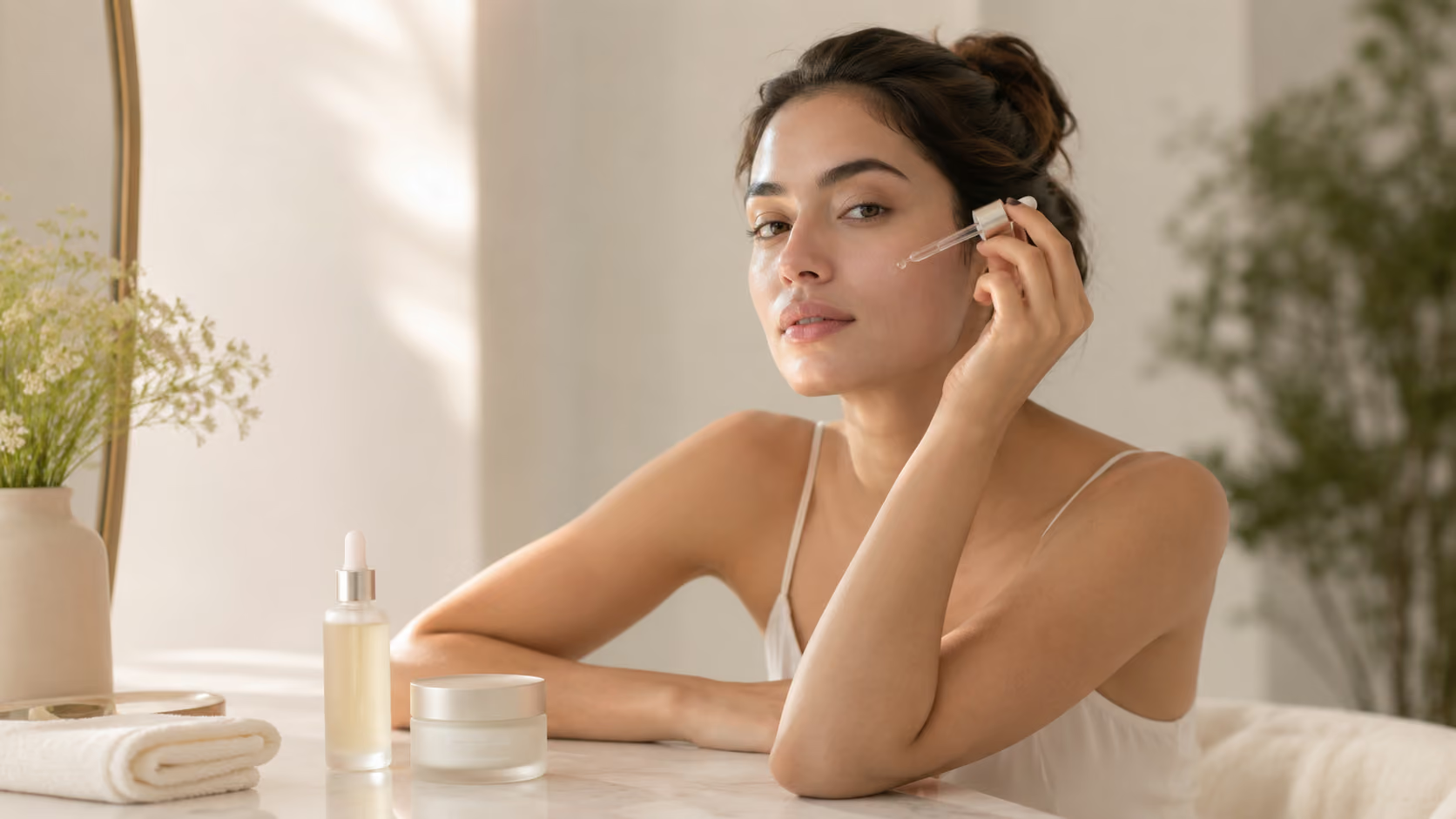
The order of application in a skincare routine typically follows the principle of thinnest to thickest consistency, with niacinamide serums usually applied after cleansing and toning but before heavier creams or oils. If using multiple serums, niacinamide can generally be layered with other water-based serums without issues. Many people find that applying niacinamide to slightly damp skin can enhance absorption and distribution.
Product formulations containing niacinamide vary widely, from standalone serums with high concentrations to moisturizers, cleansers, and treatments that include niacinamide as one of several active ingredients. Serums typically offer the highest concentrations and most targeted delivery, while moisturizers with niacinamide provide the benefit along with hydration and barrier support. Some individuals prefer the convenience of multi-benefit products, while others opt for dedicated niacinamide treatments for maximum potency.
When selecting niacinamide products, it's important to consider the overall formulation and complementary ingredients rather than focusing solely on the niacinamide concentration. Products that combine niacinamide with ingredients like zinc, hyaluronic acid, or ceramides can provide enhanced benefits and improved user experience. Dr. Hazany often recommends that patients consider their overall skincare goals and existing routine when choosing niacinamide products to ensure optimal integration and results.
Storage and handling of niacinamide products is relatively straightforward, as the ingredient is quite stable under normal conditions. However, like all skincare products, niacinamide formulations should be stored in cool, dry places away from direct sunlight and extreme temperatures. Most niacinamide products have a shelf life of 12-24 months when stored properly, and many include additional stabilizing ingredients to maintain potency over time.
Personalized Skincare in Beverly Hills
Niacinamide plays well with nearly everything — the harder question is what your routine actually needs. Schedule a consultation with Dr. Salar Hazany in Beverly Hills for a skincare plan built around your skin, not the trend cycle.
Frequently Asked Questions
Is niacinamide suitable for sensitive skin?
Yes, niacinamide is exceptionally well-suited for sensitive skin types due to its gentle, non-irritating nature. Unlike many other active skincare ingredients that can cause redness, burning, or peeling, niacinamide actually helps strengthen the skin barrier and reduce inflammation, making skin less reactive over time. Dr. Salar Hazany frequently recommends niacinamide to patients with sensitive skin conditions, including rosacea and eczema, because it provides therapeutic benefits without the harsh side effects associated with many other treatments. The ingredient's anti-inflammatory properties help calm existing irritation while its barrier-enhancing effects protect against future sensitivity triggers. Most people with sensitive skin can start using niacinamide immediately without a gradual introduction period, though starting with lower concentrations around 5% is always advisable for any new skincare ingredient.
Can I use niacinamide with vitamin C?
Absolutely, niacinamide and vitamin C can be safely used together in the same skincare routine, despite some outdated information suggesting otherwise. Modern formulations of both ingredients are stable and compatible when properly formulated. Hazany Derm often recommends combining these ingredients because they work synergistically to provide comprehensive skin benefits including antioxidant protection, brightening effects, and barrier support. You can apply them at the same time by layering the thinner consistency product first, or use them at different times of day if preferred. Some people choose to use vitamin C in the morning for antioxidant protection and niacinamide in the evening for its calming and repairing benefits. The key is to choose well-formulated products from reputable brands that have properly stabilized both ingredients to ensure optimal efficacy and compatibility.
How long does it take to see results from niacinamide?
The timeline for niacinamide results varies depending on the specific skin concern being addressed and individual skin characteristics. The team at Hazany Derm typically advises patients that some benefits, such as improved hydration and reduced redness, may be noticeable within the first week of consistent use. Oil control and pore appearance improvements usually become evident within 2-4 weeks of regular application. For more significant concerns like hyperpigmentation, acne scarring, or overall skin texture improvements, most people see meaningful results after 6-12 weeks of consistent twice-daily use. It's important to maintain realistic expectations and understand that niacinamide works gradually to improve skin health rather than providing dramatic overnight changes. Consistency is crucial for achieving and maintaining results, and many people find that the benefits continue to improve even after several months of regular use as the skin barrier becomes stronger and healthier.
What concentration of niacinamide should I use?
The optimal niacinamide concentration depends on your skin type, concerns, and experience with the ingredient. Dr. Hazany typically recommends starting with 5% concentrations for most patients, as this provides significant benefits while minimizing any potential for irritation. Beginners or those with very sensitive skin might prefer starting with 2-3% formulations, while those seeking more intensive treatment for concerns like stubborn hyperpigmentation or persistent acne might benefit from 10% concentrations. Research shows that concentrations above 10% don't necessarily provide additional benefits and may increase the likelihood of minor side effects like flushing in some individuals. The key is finding a concentration that provides the desired results without causing any discomfort. Many people find that 5% niacinamide meets all their skincare needs, and it's often more beneficial to focus on consistent daily use rather than seeking the highest possible concentration.
Does niacinamide help with acne?
Yes, niacinamide is highly effective for managing acne through multiple mechanisms that address both active breakouts and their underlying causes. Hazany Derm specialists frequently incorporate niacinamide into acne treatment protocols because it helps regulate sebum production, reducing the oily conditions that contribute to clogged pores and bacterial growth. Its anti-inflammatory properties help calm existing breakouts and reduce the redness and irritation associated with acne lesions. Additionally, niacinamide helps strengthen the skin barrier, which can become compromised from acne treatments or frequent breakouts. Unlike some harsh acne treatments that can cause excessive dryness or irritation, niacinamide provides a gentler approach that supports overall skin health while targeting acne. It works particularly well in combination with other acne treatments, often helping to minimize the irritation that can occur with stronger medications like retinoids or benzoyl peroxide while enhancing their effectiveness through improved skin barrier function.
Can niacinamide cause purging?
No, niacinamide does not typically cause purging, which is a temporary worsening of breakouts that sometimes occurs when starting certain active ingredients. Dr. Salar Hazany explains to patients that purging usually happens with ingredients that increase cell turnover, such as retinoids, AHA/BHA acids, or benzoyl peroxide, causing underlying clogs to surface more quickly. Niacinamide works differently by regulating oil production, reducing inflammation, and strengthening the skin barrier rather than accelerating cellular turnover. Most people experience improved skin almost immediately when starting niacinamide, with reduced redness and better hydration being common first benefits. If someone experiences increased breakouts when starting a niacinamide product, it's more likely due to other ingredients in the formulation, an allergic reaction, or coincidental timing rather than purging. However, as with any new skincare product, it's wise to introduce niacinamide gradually and monitor your skin's response, discontinuing use if any persistent irritation or worsening occurs.
Is it better to use niacinamide morning or night?
Niacinamide can be effectively used both morning and night, making it one of the most flexible skincare ingredients in terms of timing. The Hazany Derm clinic often recommends twice-daily application for maximum benefits, as the ingredient doesn't cause photosensitivity or degrade in sunlight like some other actives. Morning application provides excellent benefits including oil control throughout the day, antioxidant support, and a smooth base for makeup application. Evening use allows the ingredient to work on repair and recovery processes while you sleep, supporting barrier function and addressing concerns like hyperpigmentation. Many people prefer using niacinamide in the morning because of its mattifying effects and ability to create a good primer for sunscreen and makeup. If you can only use it once daily, morning application is often preferred for its immediate benefits, but evening use is equally valid and may be better for those using multiple active ingredients who prefer to spread them throughout the day and night routine.
What should I not mix with niacinamide?
Niacinamide is remarkably compatible with most other skincare ingredients, which is one of its greatest advantages in routine building. The experts at Hazany Derm note that unlike many other actives, niacinamide rarely causes conflicts or reduced efficacy when combined with other ingredients. It can safely be used with vitamin C, retinol, AHA/BHA acids, peptides, hyaluronic acid, and most other common skincare actives. However, some people may experience minor flushing when using very high concentrations of niacinamide (above 10%) with direct acids, though this is temporary and harmless. The most important consideration is not avoiding combinations but rather ensuring proper application order, typically applying thinner, water-based products before thicker creams and oils. If you're using multiple active ingredients, it's wise to introduce them gradually to assess your skin's tolerance, even though interactions are unlikely. Some people prefer spacing out multiple actives throughout the day simply for comfort and to maximize the benefits of each ingredient rather than due to compatibility concerns.