





%201.avif)



What Are Common Wart Myths?



Many myths surround warts, from believing they're caused by touching frogs to thinking they spread through casual contact. Hazany Derm helps patients separate fact from fiction about these common viral skin growths caused by HPV.
Warts are among the most misunderstood skin conditions, surrounded by countless myths and misconceptions that have persisted for generations. These small, rough growths on the skin are actually caused by the human papillomavirus (HPV), yet many people continue to believe outdated folklore about their origins and transmission. Understanding the truth about warts is essential for proper prevention, treatment, and peace of mind.
The prevalence of wart myths stems from their common occurrence and the mystery that once surrounded viral infections. Before modern medical understanding, people created explanations for these growths that often involved superstitions or incomplete observations. Today, despite advances in dermatological science, many of these myths continue to circulate, causing unnecessary anxiety and leading to ineffective treatment attempts.
At Hazany Derm, patients frequently arrive with preconceived notions about their warts based on misinformation they've encountered. Dr. Salar Hazany emphasizes the importance of education in wart treatment, as understanding the facts helps patients make informed decisions about their care. Dispelling these myths is the first step toward effective treatment and prevention strategies.
The Biggest Wart Myths, Debunked in One Paragraph
Warts are caused by HPV, a human virus — not frogs, not poor hygiene, not stress. They spread through direct skin contact and shared moist surfaces, but exposure doesn't guarantee infection, and people with warts aren't permanently contagious. They won't vanish overnight with home remedies, and cutting or burning them yourself usually creates scars, not cures. Professional treatment works — it just takes more than one visit.
Transmission and Contagion Myths
One of the most persistent categories of wart myths involves how these growths spread from person to person. Many people have exaggerated fears about wart transmission, while others underestimate the actual risks involved. The reality of wart contagion lies somewhere between these extremes, requiring a nuanced understanding of how HPV actually spreads.
The myth that warts spread through casual contact has caused unnecessary social anxiety for many patients. While warts are indeed contagious, they don't spread as easily as many people believe. Direct skin-to-skin contact with an infected area is typically required, and even then, transmission isn't guaranteed since individual immune responses vary significantly.
Environmental transmission myths also abound, with many people believing that touching surfaces where someone with warts has been will automatically lead to infection. While certain environments like swimming pools and locker rooms can facilitate transmission through shared surfaces, the virus requires specific conditions to survive and infect new hosts. Understanding these nuances helps patients take appropriate precautions without developing irrational fears.
The reality of wart transmission involves understanding that HPV thrives in warm, moist environments and enters through small breaks in the skin. This knowledge helps explain why certain situations, like walking barefoot in public showers, carry higher transmission risks. However, having brief contact with these environments doesn't guarantee infection, especially for individuals with healthy immune systems.
Hazany Derm educates patients about realistic transmission risks to help them take appropriate precautions without developing anxiety-driven behaviors. Dr. Salar Hazany notes that understanding actual transmission mechanisms allows patients to protect themselves effectively while maintaining normal social interactions. This balanced approach prevents both reckless exposure and unnecessary isolation.
Treatment and Removal Myths
Perhaps no aspect of wart management generates more myths than treatment options and their effectiveness. From home remedies passed down through generations to misconceptions about professional treatments, patients often arrive with unrealistic expectations or fears about wart removal. These myths can delay appropriate treatment and sometimes lead to complications from ineffective or harmful self-treatment attempts.
The "one-size-fits-all" treatment myth suggests that all warts respond similarly to the same treatments. In reality, different types of warts, their locations, and individual patient factors all influence treatment success. What works effectively for one person's plantar warts might be completely ineffective for another person's common warts, requiring dermatologists to customize treatment approaches.
Many patients believe that aggressive home treatments will eliminate warts faster and more effectively than professional care. This misconception leads to attempts at cutting, burning, or chemically treating warts without proper medical supervision. Such approaches often result in scarring, secondary infections, or incomplete removal that allows warts to return stronger than before.
- Immediate results myth: Most effective wart treatments require multiple sessions and patience, as the immune system needs time to eliminate the virus completely
- Pain-free removal myth: Many effective treatments involve some discomfort, but this temporary pain is necessary for successful long-term elimination
- Permanent single-treatment cure: Warts often require combination therapies and multiple appointments to achieve complete resolution
- Home remedy superiority: While some home treatments may help, professional dermatological treatments typically offer better success rates and safety profiles
The myth that warts will definitely return after treatment causes some patients to avoid seeking help altogether. While recurrence is possible, especially if treatment doesn't fully eliminate the virus, many patients achieve permanent resolution with appropriate professional care. Success rates vary depending on wart type, location, patient immune status, and treatment method chosen.
Professional treatment options available at practices like Hazany Derm offer significant advantages over home remedies in terms of both effectiveness and safety. These treatments are tailored to individual cases and monitored for progress and complications. Dr. Salar Hazany emphasizes that while patience is required for wart treatment, professional approaches typically achieve better outcomes than self-treatment attempts.
Causes and Prevention Myths
The origins of wart myths often trace back to folklore and superstitions that attempted to explain these mysterious growths before viral causation was understood. These myths about what causes warts continue to persist, sometimes preventing people from seeking appropriate treatment or taking effective preventive measures. Understanding the actual cause of warts helps dispel these misconceptions and guides proper prevention strategies.
One of the most enduring myths suggests that handling frogs or toads causes warts. This belief likely arose because some amphibians have bumpy, wart-like skin textures, creating a visual association in people's minds. However, warts are exclusively caused by human papillomavirus strains that don't infect amphibians, making this connection completely unfounded from a medical perspective.
Stress and emotional factors are sometimes blamed for wart development, though the relationship is more complex than simple cause and effect. While chronic stress can suppress immune function and potentially make someone more susceptible to viral infections, stress alone doesn't cause warts. The virus must still be present and find an entry point through the skin barrier.
Prevention myths often focus on ineffective strategies while overlooking practical measures that actually reduce transmission risks. Wearing protective footwear in public areas, maintaining healthy skin barriers, and avoiding direct contact with known warts are more effective than many folk prevention methods. Understanding that prevention focuses on reducing viral exposure and maintaining immune health provides a scientific foundation for protective strategies.
The team at Hazany Derm helps patients understand that effective wart prevention involves evidence-based strategies rather than superstitious practices. Focusing on actual risk factors and transmission mechanisms allows patients to protect themselves without relying on ineffective folk remedies. This scientific approach to prevention complements professional treatment when warts do occur despite preventive efforts.
Wart Removal in Beverly Hills
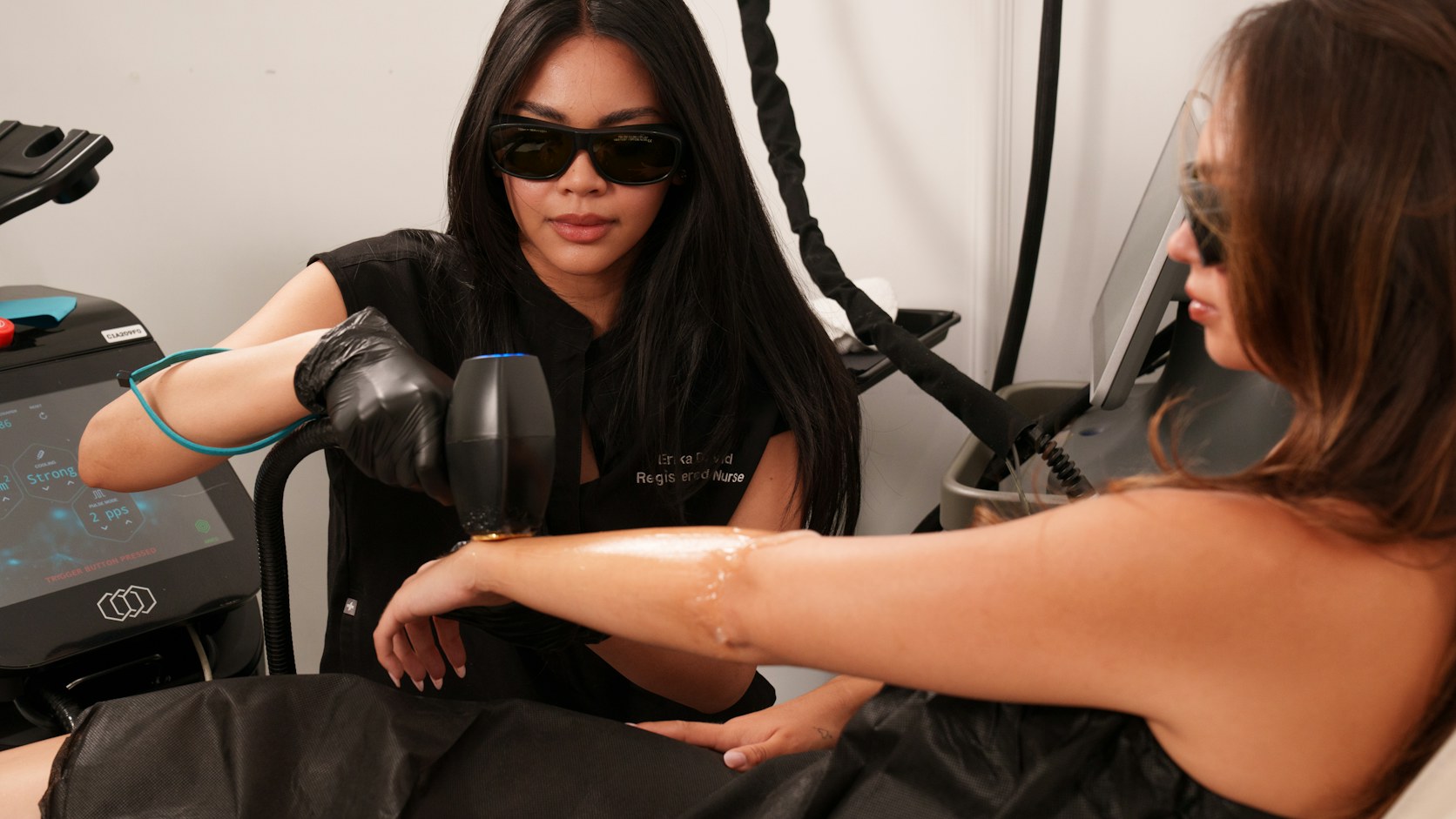
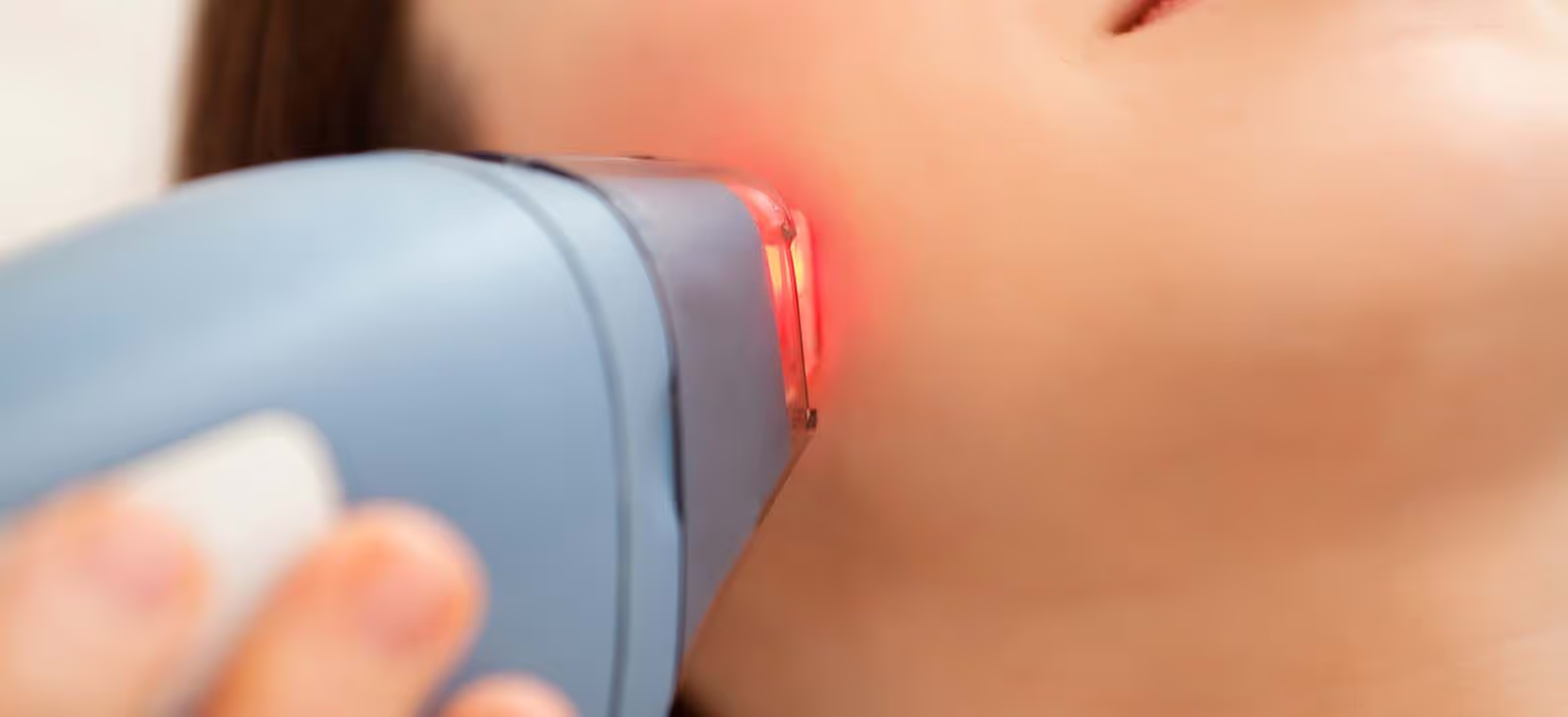
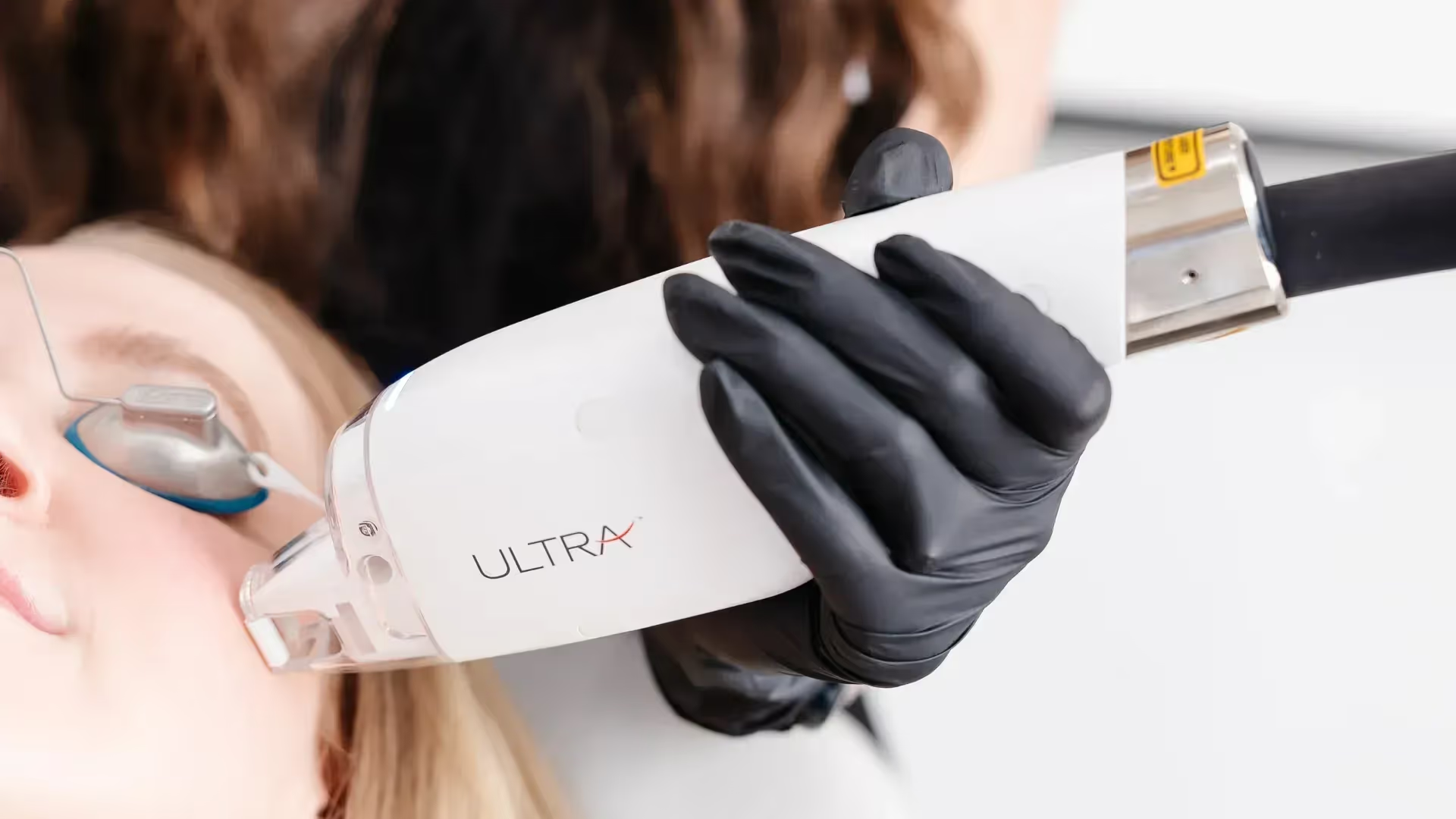
The fastest way past the myths is a diagnosis. Dr. Salar Hazany offers wart removal in Beverly Hills using proven methods — cryotherapy, prescription treatments, and laser removal for stubborn cases — matched to your wart type and location. Schedule a consultation and skip the folklore.
Frequently Asked Questions
Can you get warts from touching frogs or toads?
No, touching frogs or toads cannot cause warts. This persistent myth likely developed because some amphibians have bumpy, wart-like skin that resembles human warts. However, human warts are caused exclusively by human papillomavirus (HPV), which only infects humans and cannot be transmitted from amphibians. Dr. Salar Hazany explains that this misconception has no scientific basis, as the viral strains responsible for human warts are species-specific. While handling wild amphibians isn't recommended for other health reasons, wart transmission isn't one of them. The real causes of warts involve direct contact with HPV through infected human skin or contaminated surfaces in warm, moist environments.
Do warts spread instantly upon contact with an infected person?
Warts don't spread immediately upon contact with an infected person. The human papillomavirus requires specific conditions to establish infection, including breaks in the skin barrier and adequate viral load. Even when these conditions are met, visible warts may not appear for weeks or months after initial exposure. Hazany Derm educates patients that transmission risk depends on factors like duration of contact, skin integrity, and individual immune response. Brief, casual contact with someone who has warts carries relatively low transmission risk. Understanding this timeline helps patients avoid panic while still taking appropriate precautions. The delayed onset of visible warts often makes it difficult to identify the exact source of infection.
Will cutting or burning warts off at home cure them permanently?
Attempting to cut or burn warts off at home is dangerous and typically ineffective for permanent removal. These aggressive methods often result in scarring, secondary bacterial infections, and incomplete viral elimination that allows warts to return. The team at Hazany Derm strongly advises against self-surgery, as it can drive the virus deeper into surrounding tissue and create multiple new infection sites. Professional treatments target the underlying viral infection while minimizing tissue damage and scarring risk. Home removal attempts may provide temporary cosmetic improvement but rarely address the root viral cause. Proper medical treatment considers wart type, location, and patient factors to achieve safe, effective removal with minimal recurrence risk.
Are warts more contagious than other common skin conditions?
Warts have moderate contagiousness compared to other skin conditions, requiring direct contact or shared contaminated surfaces for transmission. Unlike highly contagious conditions such as impetigo or certain fungal infections, warts don't spread through airborne droplets or casual environmental contact. Dr. Hazany notes that individual susceptibility varies significantly, with some people being naturally more resistant to HPV infection. Children and immunocompromised individuals typically face higher transmission risks. The contagious period can be lengthy since people may unknowingly carry the virus before visible warts appear. Understanding realistic transmission risks helps patients take appropriate precautions without developing excessive anxiety about normal social interactions. Professional guidance helps distinguish between necessary caution and unnecessary isolation.
Do all wart treatments require multiple sessions to be effective?
Most effective wart treatments require multiple sessions for complete viral elimination and lasting results. Single-treatment cures are uncommon because HPV establishes deep infections that require time and repeated interventions to eliminate completely. Hazany Derm specialists explain that treatment success depends on factors including wart size, location, duration, and individual immune response. While some small, recently developed warts might respond to single treatments, established warts typically need several appointments spaced over weeks or months. Patient compliance with follow-up appointments significantly influences treatment success rates. Understanding this timeline helps set realistic expectations and prevents premature treatment discontinuation. Combination therapies often provide better outcomes than single-modality approaches, requiring coordination across multiple sessions.
Can stress directly cause warts to develop?
Stress cannot directly cause warts, but chronic stress may increase susceptibility by suppressing immune function. Warts require exposure to human papillomavirus, so stress alone cannot generate these viral infections without the pathogen being present. However, Dr. Salar Hazany notes that prolonged stress can weaken the immune system's ability to fight off viral infections, potentially making exposed individuals more likely to develop visible warts. Stress may also delay healing and treatment response in existing warts. Managing stress through healthy lifestyle choices supports overall immune function and may complement medical wart treatment. The relationship between stress and wart development is indirect, involving immune system modulation rather than direct causation. Addressing underlying stress can be a valuable component of comprehensive wart management.
Are children more likely to develop warts than adults?
Children and teenagers are generally more susceptible to developing warts due to several factors including developing immune systems and lifestyle exposures. Their immune systems are still learning to recognize and fight HPV infections effectively, making them more vulnerable to viral establishment. The Hazany Derm clinic frequently treats pediatric patients whose active lifestyles and communal activities increase exposure opportunities. Children often have more frequent minor skin injuries from play and sports, creating entry points for viral infection. Additionally, behaviors like nail-biting and frequent hand-to-mouth contact can facilitate transmission. However, adult wart development is also common, particularly in individuals with compromised immune systems or specific occupational exposures. Age-appropriate prevention strategies and early treatment help minimize wart development and spread in susceptible populations.
Will warts definitely return after professional treatment?
Professional wart treatment doesn't guarantee recurrence, though the possibility exists depending on various factors. Many patients achieve permanent resolution with appropriate dermatological care, especially when treatment fully eliminates the underlying viral infection. The experts at Hazany Derm emphasize that recurrence rates vary based on wart type, location, treatment method, and individual immune response. Complete viral elimination significantly reduces recurrence likelihood, though reinfection from new HPV exposure remains possible. Following post-treatment care instructions and maintaining good preventive practices help minimize recurrence risk. Some patients may experience regrowth if initial treatment was incomplete or if they have immune system challenges. Professional monitoring and prompt retreatment of any suspicious growths help achieve optimal long-term outcomes and prevent extensive wart redevelopment.