






%201.avif)



How Many Laser Hair Removal Sessions Are Needed?



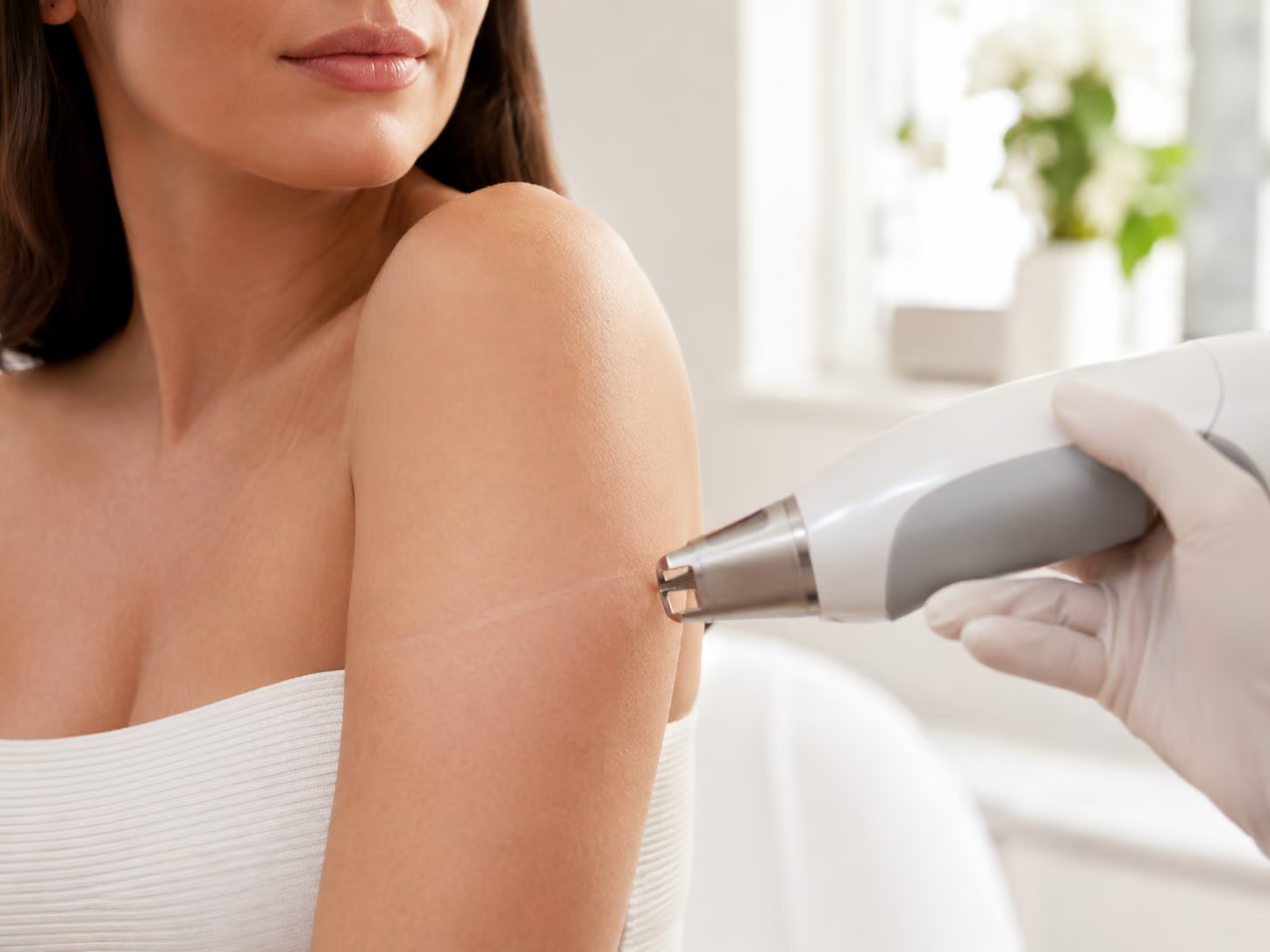
Most patients require 6-8 laser hair removal sessions spaced 4-6 weeks apart for optimal results. Individual needs vary based on hair type, skin tone, and treatment area. Dr. Salar Hazany at Hazany Derm creates personalized treatment plans to maximize effectiveness.
Unwanted body hair can be a persistent concern that affects your confidence and daily routine. While traditional hair removal methods like shaving, waxing, and plucking offer temporary solutions, they require constant maintenance and can cause irritation or ingrown hairs. Laser hair removal has emerged as the gold standard for long-term hair reduction, offering patients a more permanent solution to unwanted hair growth.
Understanding the treatment process and knowing what to expect regarding the number of sessions required is crucial for anyone considering laser hair removal. The journey to smooth, hair-free skin isn't achieved overnight, and multiple treatment sessions are necessary to target hair follicles during their active growth phase. Various factors influence the total number of sessions needed, from your hair color and thickness to the area being treated and your individual hair growth cycle.
At Hazany Derm, patients frequently ask about the expected duration of their laser hair removal journey. Dr. Salar Hazany emphasizes that while individual results vary, most patients can expect to undergo a series of treatments spaced several weeks apart to achieve optimal results. Having realistic expectations about the process helps ensure patient satisfaction and commitment to completing the full treatment protocol for the best possible outcomes.
Understanding Hair Growth Cycles and Treatment Requirements
Hair growth occurs in three distinct phases, and laser hair removal can only effectively target follicles during the active growth phase called anagen. During this phase, hair follicles contain the most melanin, which absorbs the laser energy and destroys the follicle's ability to produce new hair. The catagen phase represents a transitional period where hair growth slows, while the telogen phase is the resting period before the cycle begins again. Since only 20-25% of your hair is in the anagen phase at any given time, multiple sessions are necessary to catch all follicles during their active growth period.
The hair growth cycle varies significantly depending on the body area being treated, which directly impacts the number of sessions required. Facial hair typically has a shorter growth cycle and may require treatments every 4-6 weeks, while body hair often has longer cycles requiring treatments spaced 6-8 weeks apart. Areas with hormonal influence, such as the face, underarms, and bikini area, may have more irregular growth patterns and potentially require additional sessions. Understanding these biological factors helps patients appreciate why laser hair removal requires patience and multiple appointments to achieve desired results.
Hazany Derm's approach to laser hair removal takes these natural hair growth patterns into account when developing treatment plans. The timing between sessions is carefully calculated to maximize the number of follicles targeted during each treatment. Rushing the process or spacing treatments too far apart can significantly impact the effectiveness of the overall treatment protocol. Dr. Salar Hazany works with each patient to establish an optimal treatment schedule based on their specific hair growth patterns and individual response to treatment.
- Anagen Phase Targeting: Laser energy is most effective when hair follicles contain maximum melanin during active growth
- Cycle Variation: Different body areas have unique growth cycles requiring customized treatment spacing
- Hormonal Factors: Areas influenced by hormones may need additional sessions due to irregular growth patterns
- Timing Precision: Proper spacing between treatments maximizes follicle destruction and overall effectiveness
The science behind laser hair removal explains why patients cannot achieve permanent results with a single treatment session. Each laser pulse targets only the hairs currently in their growth phase, leaving dormant follicles untouched until they enter their next active cycle. This biological reality makes multiple sessions not just recommended but absolutely necessary for comprehensive hair reduction. Patients who understand this concept are more likely to complete their full treatment series and achieve the smooth, long-lasting results they desire.
Most patients begin to notice significant hair reduction after their third or fourth treatment session, though some stubborn hairs may require additional attention. The hair that does regrow between sessions is typically finer and lighter in color, making it less noticeable and easier to manage. Hazany Derm patients often report feeling more confident about their appearance even during the treatment process, as the progressive reduction in hair growth becomes apparent with each successive session.
Factors That Influence Session Requirements
Individual characteristics play a significant role in determining the total number of laser hair removal sessions needed to achieve optimal results. Hair color and thickness are among the most important factors, as darker, coarser hair contains more melanin and responds more readily to laser treatment. Blonde, red, gray, or very fine hair contains less melanin, making it more challenging to treat and potentially requiring additional sessions for satisfactory results. Skin tone also affects treatment parameters, as darker skin requires specific laser settings to avoid complications while still achieving effective hair reduction.
The area being treated significantly impacts session requirements, with some body regions responding more quickly than others. Legs and arms typically require 6-8 sessions due to their relatively straightforward hair growth patterns and good blood circulation. Facial areas, particularly for women dealing with hormonal hair growth, may require 8-10 sessions or more due to the influence of fluctuating hormone levels. The bikini area and underarms often fall somewhere in between, usually requiring 6-8 sessions but potentially needing touch-up treatments for complete satisfaction.
Hormonal factors can substantially increase the number of sessions required, particularly for women with conditions like polycystic ovary syndrome (PCOS) or those experiencing hormonal changes due to pregnancy, menopause, or certain medications. At Hazany Derm, Dr. Salar Hazany carefully evaluates each patient's medical history and current health status to provide accurate expectations about treatment duration. Patients with hormonal imbalances may require ongoing maintenance treatments even after completing their initial series, as new hair growth can be stimulated by continuing hormonal fluctuations.
- Hair Characteristics: Dark, coarse hair responds faster than light or fine hair textures
- Treatment Location: Body areas vary in response time, with legs responding faster than hormonal areas
- Hormonal Status: PCOS, pregnancy, and menopause can increase session requirements significantly
- Genetic Factors: Family history of excessive hair growth may indicate need for additional treatments
Age and gender also influence treatment outcomes and session requirements in important ways. Younger patients often have more active hair follicles and may require additional sessions, while older patients might achieve results more quickly due to naturally slower hair growth. Men typically require more sessions than women due to higher testosterone levels and generally coarser, denser hair growth patterns. Previous hair removal methods can also impact treatment effectiveness, as repeated waxing or tweezing may stimulate blood flow to follicles, potentially making them more resistant to laser treatment.
Lifestyle factors and medication use can affect both treatment effectiveness and the number of sessions required for optimal results. Certain medications, particularly those that increase photosensitivity, may require treatment modifications that could extend the overall treatment timeline. Sun exposure before and after treatments can impact skin sensitivity and healing, potentially requiring longer intervals between sessions. Hazany Derm provides comprehensive pre-treatment consultations to identify any factors that might influence individual treatment plans and adjust expectations accordingly.
Creating Realistic Treatment Expectations
Setting appropriate expectations from the beginning is crucial for patient satisfaction and treatment success. Most patients require between 6-8 sessions for significant hair reduction, though some may need as few as 4-5 sessions while others require 10 or more depending on individual factors. The goal of laser hair removal is permanent hair reduction rather than complete hair elimination, with most patients achieving 80-95% reduction in hair growth after completing their treatment series. Understanding this distinction helps patients appreciate the dramatic improvement they can expect while maintaining realistic goals about final outcomes.
The timeline for completing laser hair removal treatments typically spans 6-12 months depending on the area being treated and individual hair growth cycles. Facial treatments are usually spaced 4-6 weeks apart, while body treatments are typically scheduled every 6-8 weeks to align with natural hair growth patterns. This extended timeline can feel lengthy to patients eager for immediate results, but the spacing is essential for targeting hair follicles at the optimal time in their growth cycle. Hazany Derm educates patients about this timeline during initial consultations to ensure they can commit to the full treatment protocol.
Progress tracking becomes an important part of the laser hair removal journey, as improvements are gradual and cumulative rather than immediately dramatic. Patients often notice the most significant changes after their third or fourth treatment, with continuing improvements through the remainder of their series. Dr. Salar Hazany documents progress with photographs and detailed assessments at each appointment, helping patients see the gradual but steady improvement in hair reduction. This objective tracking helps maintain motivation and provides clear evidence of treatment effectiveness over time.
- Reduction Goals: Expect 80-95% hair reduction rather than complete elimination for realistic outcomes
- Timeline Planning: Treatment series typically require 6-12 months depending on area and individual factors
- Progress Monitoring: Most significant changes become apparent after 3-4 sessions with continued improvement
- Maintenance Needs: Annual touch-up sessions may be needed to maintain optimal long-term results
Some patients may require maintenance treatments or touch-up sessions even after completing their initial series. These additional treatments are typically needed annually or every few years to address any new hair growth that may occur due to hormonal changes, aging, or other factors. The maintenance treatments are usually much less frequent and extensive than the initial treatment series, often requiring only 1-2 sessions to maintain the desired level of hair reduction. Understanding the potential need for occasional maintenance helps patients budget appropriately and maintain realistic long-term expectations.
Cost considerations often influence patient decisions about laser hair removal, and understanding the typical number of sessions required helps with financial planning. While the upfront investment may seem significant, calculating the long-term cost savings compared to lifetime expenses for razors, waxing appointments, and depilatory products often demonstrates the economic value of laser hair removal. Hazany Derm offers various payment options and package deals to make treatment more accessible while ensuring patients can complete their full recommended treatment series for optimal results.
Frequently Asked Questions
How long should I wait between laser hair removal sessions?
The optimal timing between laser hair removal sessions depends on the treatment area and your individual hair growth cycle. Dr. Salar Hazany typically recommends 4-6 weeks between facial treatments and 6-8 weeks between body treatments. This spacing allows dormant hair follicles to enter their active growth phase, when they're most susceptible to laser energy. Rushing treatments too close together reduces effectiveness since you won't be targeting new hair growth. Following the recommended schedule ensures maximum follicle destruction with each session. Your treatment plan may be adjusted based on how your hair responds and your individual growth patterns.
Can I speed up the laser hair removal process with more frequent treatments?
Unfortunately, more frequent treatments won't accelerate your results and may actually reduce effectiveness. Hazany Derm follows scientifically-based treatment intervals that align with natural hair growth cycles. Hair follicles must progress through their growth phases to be effectively targeted by laser energy. Scheduling treatments too close together means you'll be treating the same hairs repeatedly rather than catching new follicles in their growth phase. Additionally, your skin needs adequate time to heal between sessions. Trust the process and follow your recommended schedule for the best possible outcomes and optimal hair reduction results.
What happens if I miss a scheduled laser hair removal appointment?
Missing an occasional appointment won't derail your entire treatment plan, but consistency is important for optimal results. The team at Hazany Derm understands that scheduling conflicts arise and will work with you to reschedule as close to your original appointment as possible. Significant delays between treatments may extend your overall timeline and could require additional sessions to achieve desired results. Hair follicles that weren't caught in their growth phase during the missed window may need extra attention later. Communication with your treatment provider helps adjust your plan accordingly and maintain progress toward your hair reduction goals.
Will I need touch-up sessions after completing my laser hair removal series?
Most patients benefit from occasional maintenance treatments to address any new hair growth over time. Dr. Hazany explains that hormonal changes, aging, pregnancy, or certain medications can stimulate new hair growth even after successful laser hair removal. These touch-up sessions are typically needed annually or every few years and are much less extensive than your initial treatment series. Usually, only 1-2 maintenance sessions are required to address any regrowth. The maintenance treatments help preserve your smooth results long-term and are a normal part of the laser hair removal process for sustained satisfaction.
How do I know if I need more than the typical number of sessions?
Individual factors determine whether you'll need additional sessions beyond the standard 6-8 treatments. Hazany Derm specialists evaluate your progress throughout the treatment series and identify if extra sessions would benefit your specific situation. Hormonal conditions, very light or very dark hair, certain medications, or genetic factors may require extended treatment plans. Your response to initial treatments provides valuable information about your likely total session needs. Regular progress assessments help determine when you've achieved optimal results or if additional treatments would provide meaningful improvement. Open communication about your expectations helps create realistic treatment goals.
Can laser hair removal work in fewer than six sessions?
While most patients need 6-8 sessions, some individuals with ideal characteristics may achieve satisfactory results in fewer treatments. Dr. Salar Hazany notes that patients with dark, coarse hair and light skin typically respond most quickly to laser treatment. Certain body areas with less hormonal influence may also require fewer sessions. However, even fast responders usually need at least 4-5 sessions to address hair in different growth phases. It's important not to stop treatment prematurely, as remaining follicles may produce noticeable regrowth. Your provider will assess your progress and recommend when you've achieved optimal results for your individual situation.
What should I expect during my first few laser hair removal sessions?
Your initial sessions at Hazany Derm clinic establish the foundation for successful treatment outcomes. During your first treatment, you'll likely notice little immediate change, which is completely normal. Hair shedding typically begins 1-2 weeks after treatment and continues for several weeks. Your second and third sessions usually show more noticeable reduction in hair density and thickness. By your fourth session, most patients observe significant improvement in hair growth patterns. Each session builds upon previous treatments, creating cumulative hair reduction. Your provider will track progress and adjust treatment parameters as needed to optimize results throughout your series.
How do hormonal changes affect the number of laser hair removal sessions needed?
Hormonal fluctuations significantly impact laser hair removal requirements and outcomes. The experts at Hazany Derm carefully evaluate hormonal factors during consultation since conditions like PCOS, pregnancy, menopause, or thyroid disorders can increase session needs. Hormonal areas like the face, underarms, and bikini line often require additional treatments due to ongoing stimulation of hair follicles. Birth control pills, hormone replacement therapy, and certain medications may also influence treatment response. Patients with hormonal imbalances typically need 8-12 sessions initially, plus more frequent maintenance treatments. Managing underlying hormonal conditions can improve treatment effectiveness and reduce long-term maintenance requirements for better overall satisfaction.