






Laser Treatment for Toenail Fungus
Expert Laser Nail Fungus Treatment in Beverly Hills and Los Angeles
Thickened, yellow, or crumbling toenails are stubborn for a reason. The fungus lives underneath the nail plate, in a place topical creams and lacquers struggle to reach. Dr. Hazany offers laser treatment for toenail fungus in Los Angeles, delivering energy through the nail to the nail bed where the infection actually lives, with no oral medication and no downtime.
%201.avif)
%201.avif)
What Is Toenail Fungus?
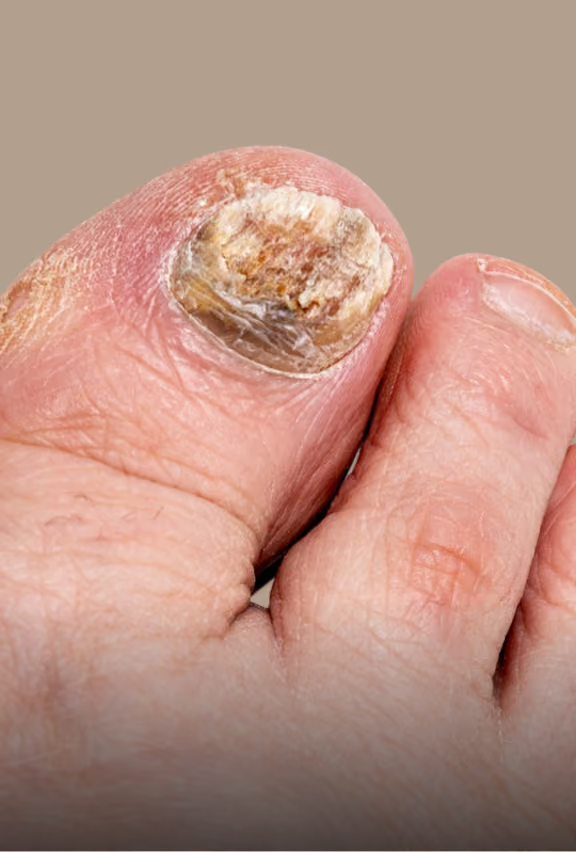
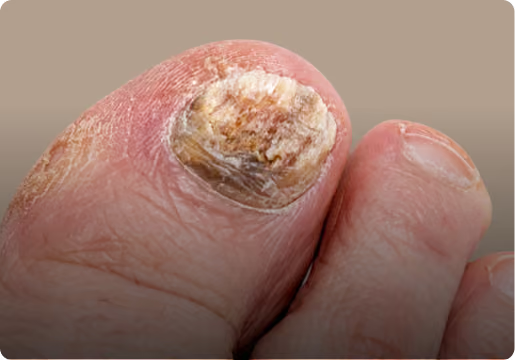
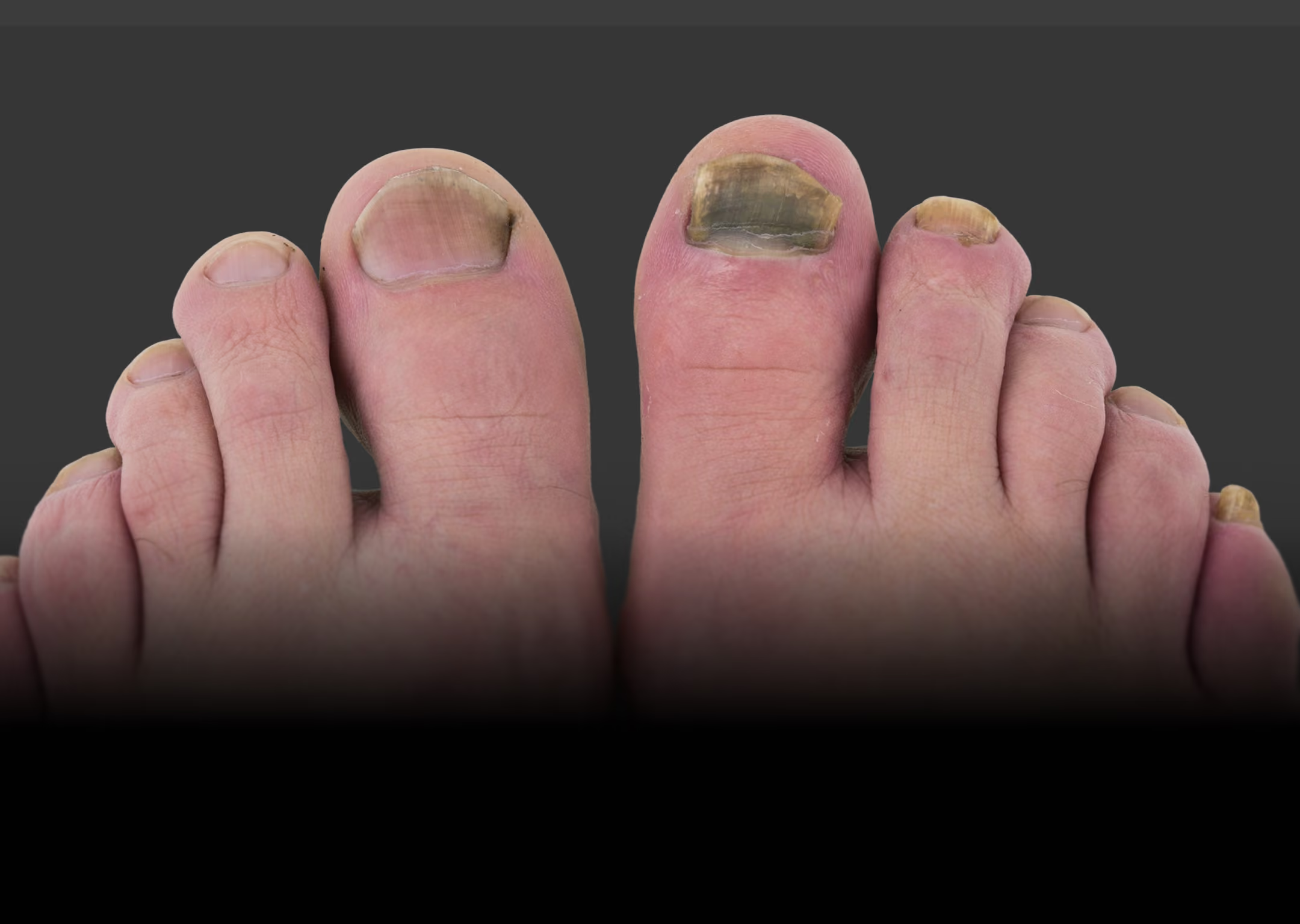
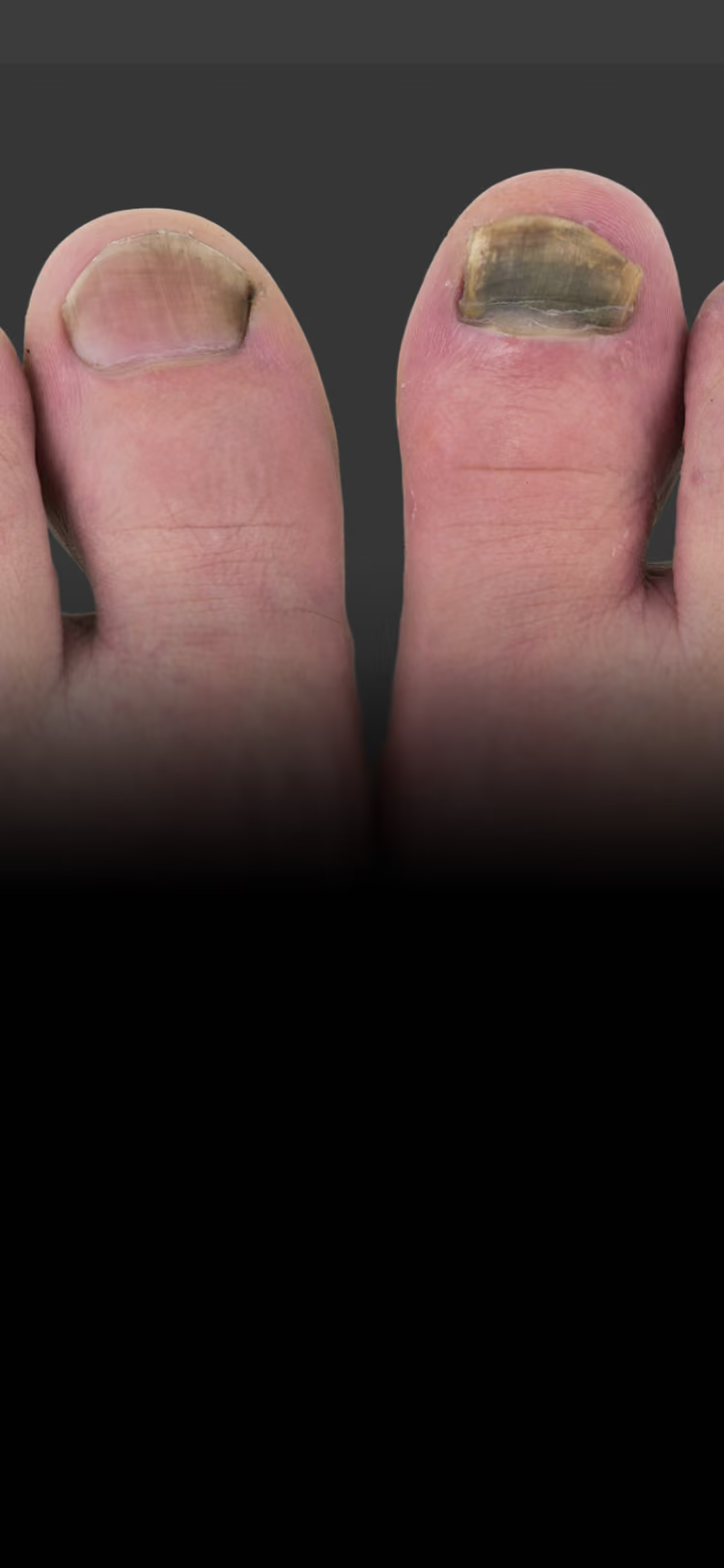
Toenail fungus, known medically as onychomycosis, is a fungal infection of the nail plate and nail bed. It usually begins as a small white or yellow spot near the tip of the nail and spreads inward over months. As the infection advances, the nail may thicken, discolor, separate from the nail bed, or develop a crumbling, ragged edge. Toenails are affected far more often than fingernails because shoes create the warm, dark, moist environment that fungus prefers. Some patients also notice tenderness with pressure or difficulty wearing closed shoes.

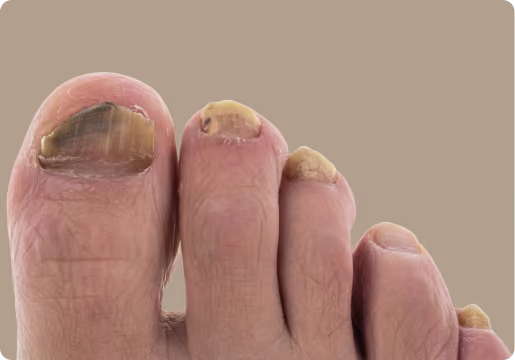
What Causes Toenail Fungus?
Most cases are caused by dermatophytes, a group of fungi that also cause athlete's foot, though yeasts and molds can be responsible as well. These organisms enter through tiny cracks in the nail or through a small separation between the nail and the nail bed. Risk rises with age, diabetes, circulation problems, a suppressed immune system, repeated nail trauma, and time spent barefoot in locker rooms, pools, and communal showers. Fungal infections also spread from nail to nail and between household members, which is why early evaluation matters.


How Laser Treatment for Toenail Fungus Works
Laser treatment uses a 1064 nm Nd:YAG wavelength that passes through the nail plate and is absorbed in the nail bed below. The energy raises the temperature in the tissue where fungal organisms live, disrupting them while leaving the nail and surrounding skin intact. Each nail takes only a few minutes to treat. Most patients describe a warm, snapping sensation and walk out immediately afterward with no bandages, no restrictions, and no recovery period.
Nails grow slowly, so results appear gradually. Clear nail emerges from the base as the treated nail grows out, a process that typically takes six to twelve months for a toenail to fully replace itself. Dr. Hazany usually recommends a series of sessions spaced several weeks apart, along with a maintenance plan to reduce the chance of reinfection.


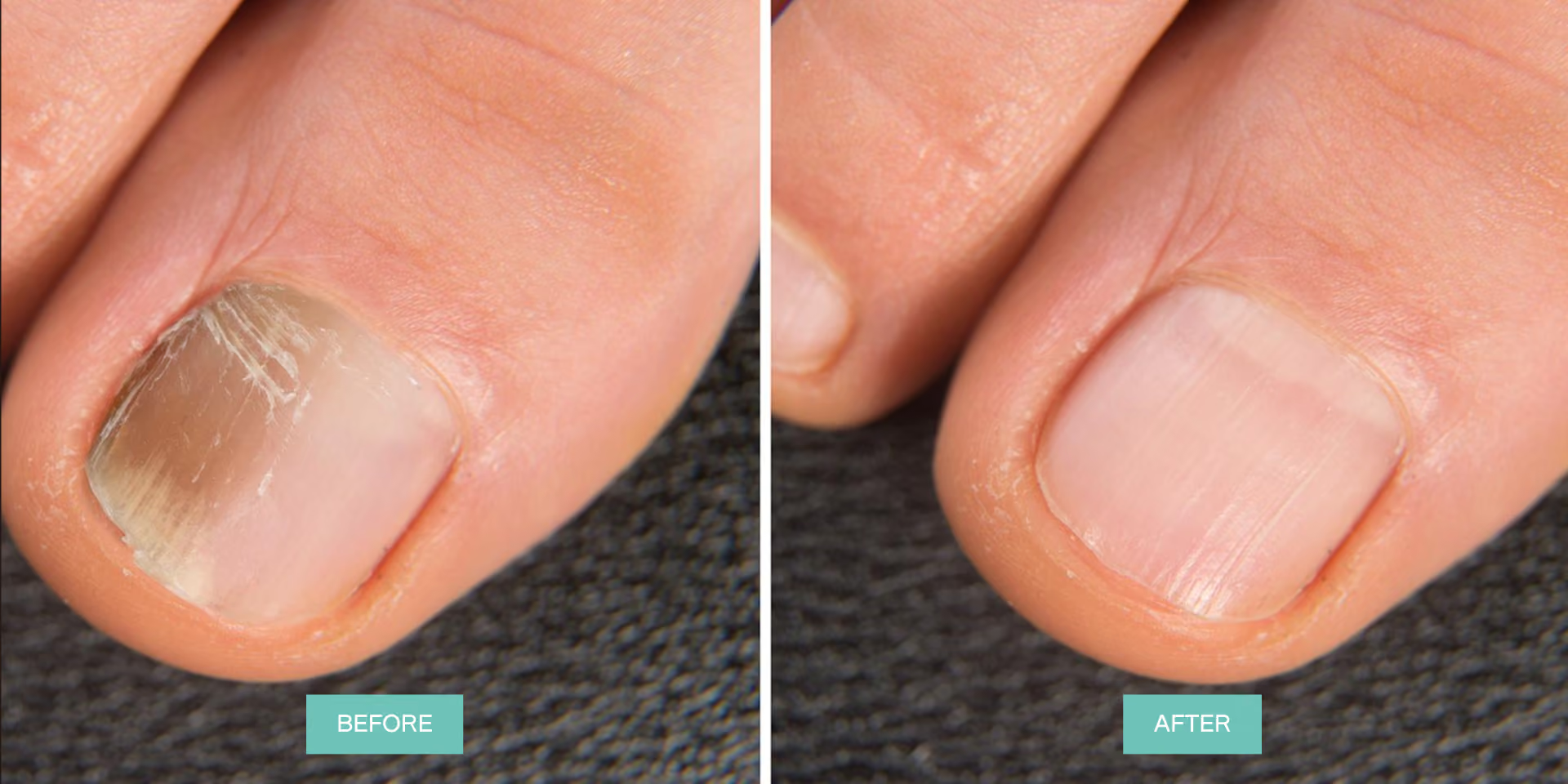
Before and After: Laser Toenail Fungus Treatment
Nail fungus results are a story told in millimeters. A toenail grows roughly one millimeter a month, so the change happens at the base of the nail first and moves outward as the healthy nail replaces the damaged one. The photographs below are taken at the same angle, distance, and lighting at each visit, which is the only honest way to show progress on a nail.
Patient Experiences That
Speak for Themselves
Frequently Asked Questions
What is toenail fungus?
Toenail fungus, known medically as onychomycosis, is a fungal infection of the nail plate and the nail bed underneath it. It usually starts as a small white or yellow spot near the tip of the nail and spreads inward over months. As it advances, the nail may thicken, discolor, lift away from the nail bed, or develop a crumbling, ragged edge. Toenails are affected far more often than fingernails, because shoes create the warm, dark, moist conditions fungus prefers.
How does laser treatment for toenail fungus work?
The laser uses a 1064 nm Nd:YAG wavelength that passes through the nail plate and is absorbed in the tissue below. That raises the temperature in the nail bed where the fungal organisms actually live, disrupting them while leaving the nail and surrounding skin intact. This is the reason laser is used at all: topical creams and lacquers have to penetrate the nail plate to reach the infection, and most of them do not reach it in meaningful concentration.
Does laser toenail fungus treatment hurt?
Most patients describe a warm, snapping sensation as the laser passes over the nail. It is brief, and each nail takes only a few minutes to treat. No injection or numbing is required for most patients. Thicker, more damaged nails tend to feel warmer than healthy ones, so tell us during the visit if a particular nail is tender and the settings and pacing can be adjusted.
How long does it take to see clear nail?
Longer than most people expect, and the reason is anatomy rather than the treatment. Toenails grow roughly one millimeter per month, and the damaged nail you can already see will not change appearance. Clear nail emerges from the base and grows outward, so a great toenail generally needs twelve to eighteen months to fully replace itself. Progress is judged by what is growing in at the base, not by how the tip looks. Photographs at each visit are the practical way to track it.
How many sessions are usually needed?
Published treatment protocols for Nd:YAG laser typically involve a series of about three to four sessions, spaced anywhere from one to four weeks apart depending on the protocol used. Where a given patient falls in that range depends on how advanced the infection is, how many nails are involved, and how thick the nails are. A maintenance schedule usually follows, since reinfection is common. Your specific plan is set at your evaluation.
Is laser better than oral antifungal pills?
They are different tools with different trade-offs, not a ranking. Oral antifungals such as terbinafine work systemically and have the strongest evidence base, with a typical toenail course running about twelve weeks, but they require liver monitoring in some patients and can interact with other medications. Laser is localized, involves no medication and no systemic effects, but works gradually and usually needs several sessions. Many plans use both, alongside topical antifungals and nail debridement.
I cannot take oral antifungals. Am I still a candidate for laser?
Often, yes. Patients who cannot take oral antifungals because of liver concerns, medication interactions, pregnancy, or personal preference are frequently good candidates for a laser-based approach, and this is one of the main reasons the treatment exists. Your medical history and current medications are reviewed before any plan is made.
Is there downtime, and can I wear nail polish or get a pedicure?
There is no downtime. You walk out immediately afterward with no bandages and no activity restrictions. Nails should be clean and free of polish on the day of treatment so the laser can reach the nail properly. Between sessions, dark polish makes it hard to judge progress, and shared salon tools are a recognized route of reinfection, so pedicure habits are worth discussing as part of your plan.
Is toenail fungus contagious?
Yes. The dermatophytes that cause most cases spread from nail to nail on the same foot, between household members through shared floors, towels, and nail tools, and in communal spaces such as locker rooms, pool decks, and gym showers. The same organisms cause athlete's foot, and untreated athlete's foot is a frequent source of reinfection in the nails. This is why treatment addresses footwear and household habits rather than the nail alone.
Can toenail fungus come back after treatment?
Yes, and this is worth being clear about. Recurrence after successful treatment of onychomycosis is common regardless of which treatment is used, with commonly cited figures in the range of twenty to twenty-five percent. The reason is straightforward: clearing a nail does not remove the fungus from shoes, socks, floors, and shared spaces. This is why treatment is normally paired with topical antifungals, footwear and hygiene changes, and a maintenance plan rather than treated as a one-time fix.
How do I know it is actually fungus and not something else?
You often do not, and this is the single most useful thing to know before starting treatment. A substantial share of thickened, discolored nails turn out not to be fungal at all. Nail psoriasis, repeated trauma from running or ill-fitting shoes, lichen planus, and certain pigmented lesions can look nearly identical to onychomycosis and require entirely different care. Confirmatory testing such as a KOH preparation, fungal culture, PAS stain, or PCR is how the diagnosis is established. Dr. Hazany evaluates every nail before treatment, because months spent treating the wrong problem is the most common way patients lose time with this condition.
Does insurance cover laser toenail fungus treatment?
Usually not. Most insurers in the United States classify laser treatment for onychomycosis as cosmetic rather than medically necessary and do not cover it, though coverage for the underlying evaluation and for oral or topical antifungals is a separate question and often does apply. Because policies differ, the practical step is to check your specific plan. Our office can walk you through current pricing and financing options.
Rediscover Skin You
Feel Confident In
Take the next step toward clear, healthy, and radiant skin with care tailored to you. Your transformation starts with a single consultation.