




%201.avif)



Minimally-Invasive
Active Acne Procedures


Chemical Peels
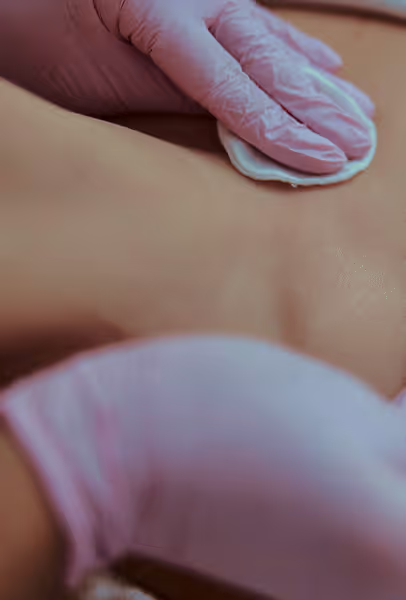
Chemical peels superficially damage the outermost layer of skin to enable topical medications to penetrate the skin's dermal layer to treat more stubborn acne. Chemical peels allow skin pores to release trapped contents and promote skin regrowth to treat acne scarring and create a healthier and more robust appearance. Read more about chemical peels here.
Dr. Hazany uses various chemical peels, tailored for each of his patients' specific needs, including phenol, pumpkin enzyme, trichloroacetic acid (TCA), Jessner’s, and glycolic acid. Chemical peel treatment must be overseen by a medical professional since improper usage can cause permanent burn damage or pigmentary changes.
Nodules & Cysts
It is important to extract "hard-to-reach" acne in order to prevent scarring and relieve pressure in your skin. Informal blemish extraction is akin to “pimple popping.” While it is tempting to pop, squeeze, or scratch blemishes, this can damage the skin and exacerbates acne symptoms. Board-certified dermatologists like Dr. Hazany use special, sterilized instruments to remove acne lesions, minimize the risk of scarring, and protect the patient from infection. For persistent pimples, comedones, cysts, or acne lesions, acne extraction offers a targeted removal method. Note, acne extraction is only an effective procedure for existing acne lesions and does not prevent future acne lesions.
Nd:YAG Laser
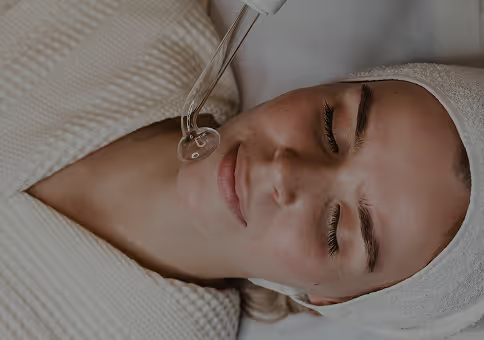
Nd:YAG laser is an effective acne treatment, in addition to other conditions such as rosacea and hidradenitis suppurativa. This treatment allows for a targeted approach to reduce and even eliminate acne symptoms in as little as one treatment.
Intralesional Steroid Injections
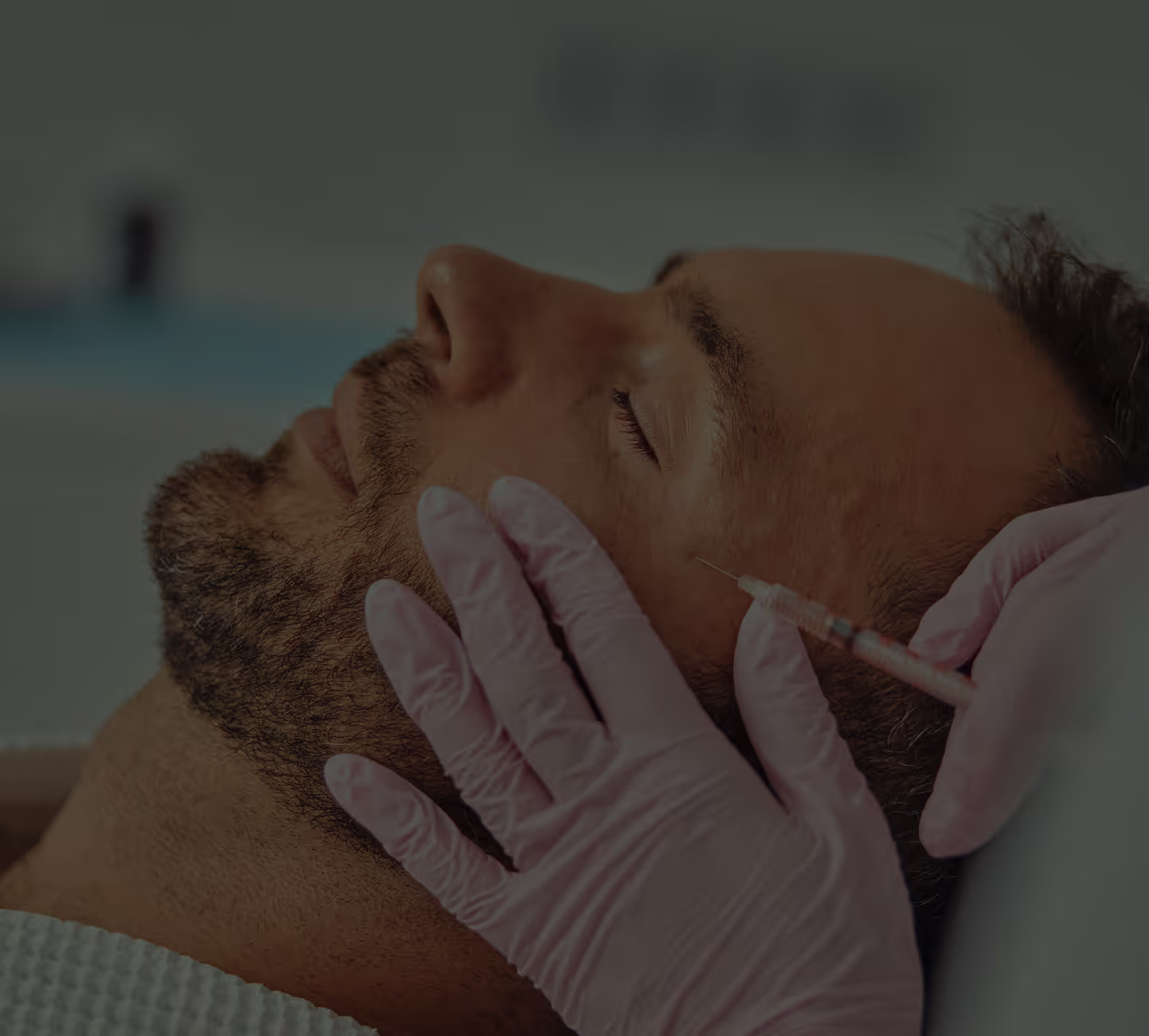
Dr. Hazany relieves acne inflammation by injecting each acne spot with a low dose of glucocorticoids with a fine needle. Intralesional steroids are effective within 24-48 hours. This treatment is particularly useful for breakouts that occur right before an important event, such as weddings.
Patient Experiences That
Speak for Themselves
Frequently Asked Questions
Advanced minimally invasive procedures for acne treatment including laser, light therapy, and chemical peels for rapid results.
How do laser treatments help clear acne?
Laser treatments for acne work through multiple mechanisms to reduce breakouts and improve skin. Certain lasers target and destroy sebaceous glands, reducing sebum production that feeds acne bacteria. Blue light lasers kill acne bacteria directly through photodynamic effects. Infrared lasers reduce inflammation and trigger collagen remodeling. Some lasers vaporize bacteria-laden sebum-filled follicles. Laser treatments also kill Propionibacterium acnes bacteria and reduce follicular obstruction. Results appear relatively quickly, with improvement visible in days to weeks. Most patients require multiple laser sessions spaced weeks apart for optimal results. Laser treatments can be used alongside medical treatments for enhanced results. Laser treatments also improve acne scars by stimulating collagen and remodeling the skin surface. The experts at Hazany Derm select appropriate laser wavelengths based on acne type and patient factors. Laser treatments offer an efficient way to address acne and begin scar improvement simultaneously.
What is blue light therapy for acne and how effective is it?
Blue light (wavelength 405-420 nm) therapy uses light energy to kill acne-causing bacteria (Propionibacterium acnes). Blue light is absorbed by porphyrins within acne bacteria, generating reactive oxygen species that destroy bacterial cells. The treatment is non-thermal, meaning it doesn't heat the skin, making it gentle and without significant downtime. Blue light therapy works specifically on bacterial acne and is less effective on comedonal or hormonal acne. Multiple sessions (typically 8-12 treatments) are usually needed for optimal results. Results develop gradually as bacteria populations decline. Blue light therapy can be combined with topical medications for enhanced effects. It's safe for most skin types including darker skin tones. Side effects are minimal; temporary mild redness or dryness may occur. Blue light therapy is particularly useful for patients unable to tolerate oral antibiotics. Dr. Hazany's team offers blue light therapy as part of a comprehensive acne treatment approach.
Can chemical peels help with active acne?
Chemical peels can help active acne by removing the damaged skin surface, unblocking follicles, and reducing bacterial load. Superficial peels using salicylic acid or glycolic acid exfoliate the skin and improve product penetration. Medium-depth peels with stronger concentrations of chemical peels provide more dramatic results. Peels reduce comedones by opening follicles and removing trapped material. The skin renewal triggered by peels stimulates collagen and improves texture. Peels also reduce follicular bacteria and inflammatory mediators. Results improve over days to weeks as skin heals and turns over. Multiple peels spaced weeks apart provide cumulative benefits. Chemical peels work well for comedonal or mixed acne but may be insufficient alone for severe inflammatory acne. Peels can be combined with laser treatments or topical medications. Post-peel care is important, including sun protection as skin is more sensitive. Dr. Hazany personalizes peel strength based on acne type and skin tolerance.
What is photodynamic therapy (PDT) for acne?
Photodynamic therapy (PDT) combines a photosensitizing agent with light activation to treat acne. Aminolevulinic acid (ALA) or methyl aminolevulinate (MAL) is applied to skin and converted to protoporphyrin IX by acne bacteria. Blue or red light activation generates reactive oxygen species that kill bacteria and reduce sebaceous gland activity. PDT is particularly effective for moderate to severe inflammatory acne. Multiple treatment sessions spaced weeks apart provide optimal results. PDT produces visible improvement within weeks as bacteria are eliminated and sebum production decreases. The treatment also improves acne scars through collagen stimulation. Post-treatment photosensitivity requires strict sun avoidance for 24-48 hours. PDT can be uncomfortable during treatment and cause temporary redness afterward. Results often persist long-term due to sebaceous gland reduction. Dr. Hazany offers PDT as an option for patients seeking effective acne treatment beyond medications.
Are microneedling and radiofrequency helpful for active acne?
Microneedling and radiofrequency are less commonly used for active acne but can be helpful as adjunctive treatments. Microneedling creates microchannels in skin that trigger collagen remodeling and improve acne scars. The procedure also enhances penetration of topical acne medications applied afterward. Radiofrequency delivers heat energy that can reduce sebaceous gland size and activity, potentially improving acne. Radiofrequency also stimulates collagen and can improve acne scars. These procedures are generally reserved for patients with persistent acne or those with both active acne and scarring. Results develop gradually over weeks to months as collagen remodels. Multiple treatments are usually needed. These procedures complement rather than replace medical acne treatment. Combining microneedling or RF with topical or oral medications optimizes results. Dr. Hazany considers these procedures when standard treatments haven't achieved desired results.
What is the recovery like after minimally invasive acne treatments?
Recovery after minimally invasive acne treatments varies by treatment type. Laser treatments typically cause temporary redness and slight swelling that fade within hours to days. Some lasers cause temporary dryness or peeling. Most patients can return to work immediately or within 24 hours. Blue light and PDT treatments have minimal downtime; temporary redness may appear. Chemical peels cause visible peeling lasting 3-7 days depending on peel depth. During peeling, skin should be kept moisturized. Sun protection is critical after chemical peels. Microneedling causes redness and mild swelling for 24-48 hours. Radiofrequency similarly causes temporary redness. All treatments typically allow return to normal activities within days. Strenuous exercise should be avoided for a few days to prevent infection risk. Post-treatment sun protection is important for all procedures. Dr. Hazany provides detailed aftercare instructions. Most patients find the minimal recovery worthwhile for the acne improvement achieved.