




%201.avif)



Beverly Hills Dermatologist
Dr. Salar Hazany
Board-certified medical, surgical and cosmetic care, tailored to your skin.


Real Transformations
From Our Patients
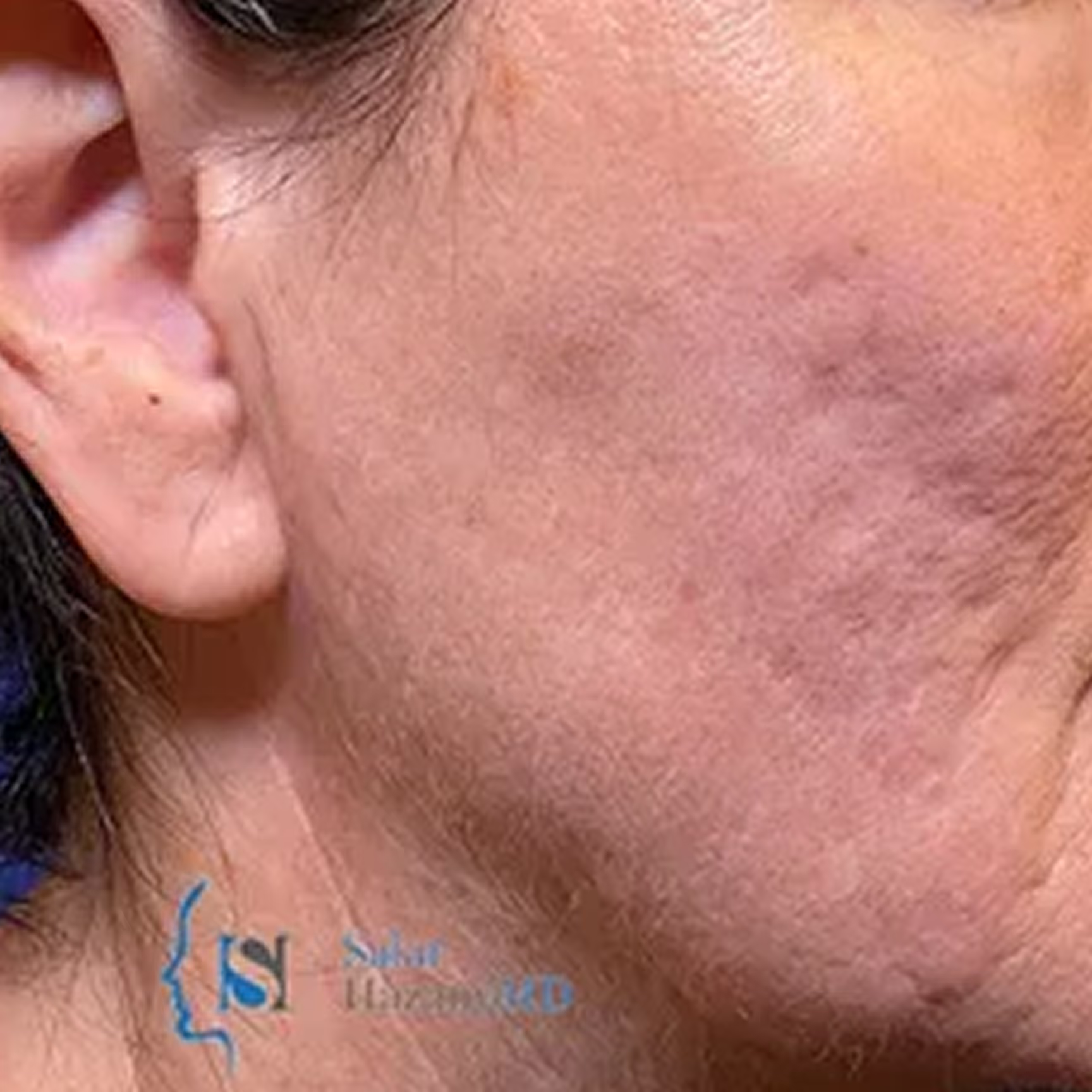

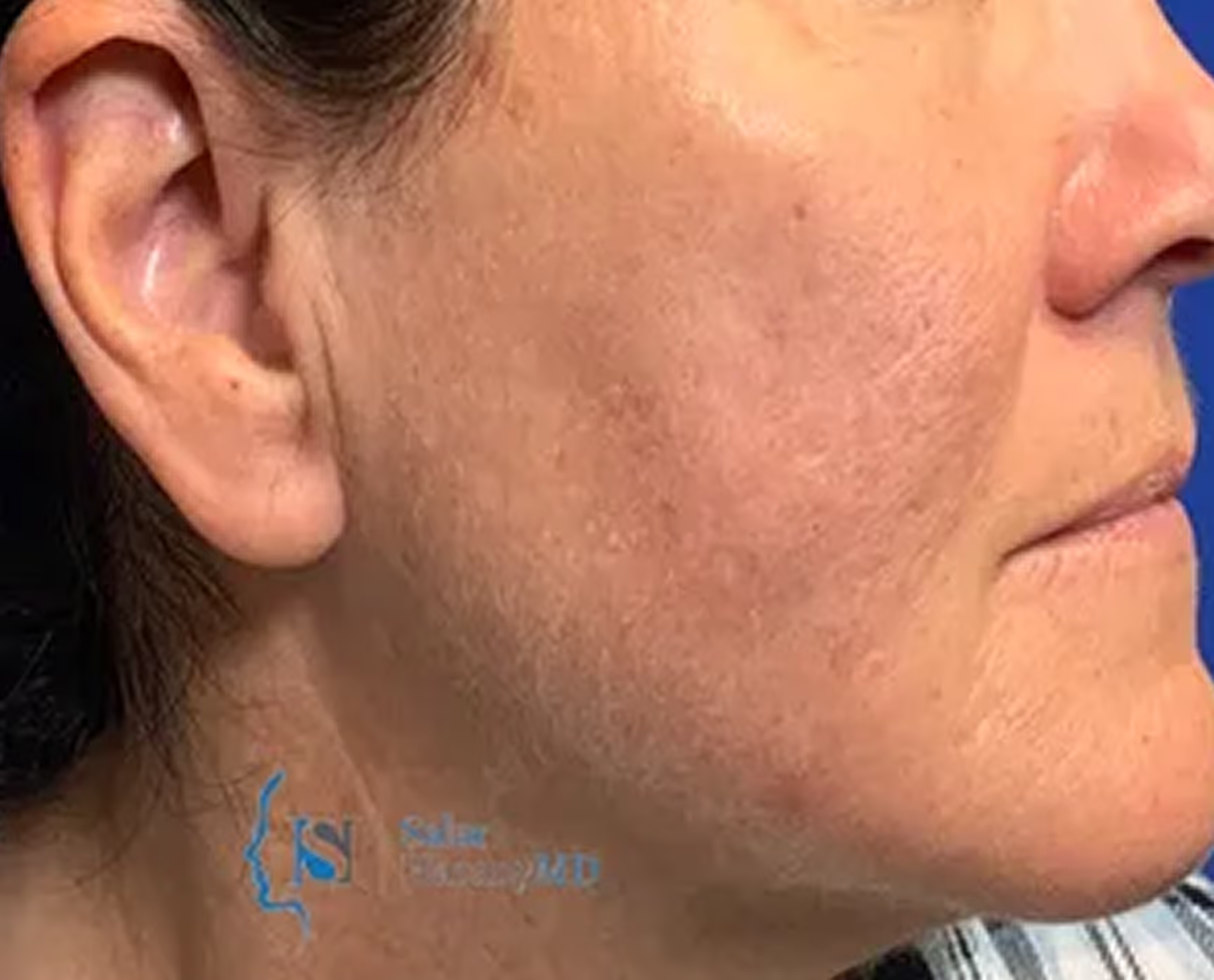
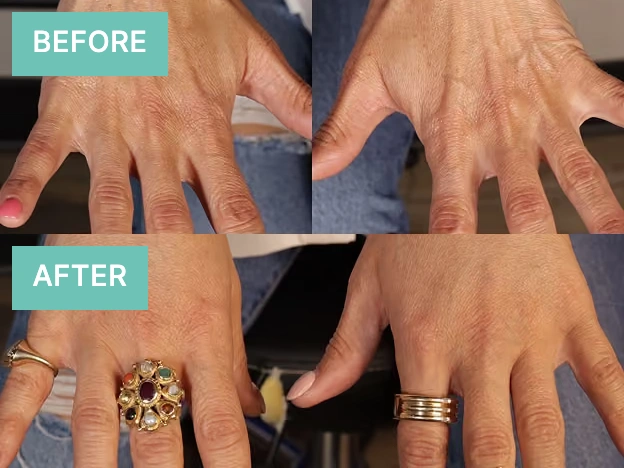
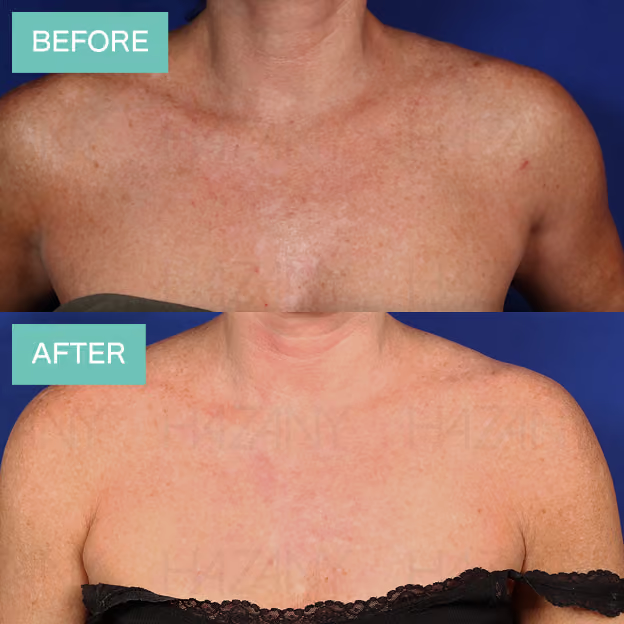
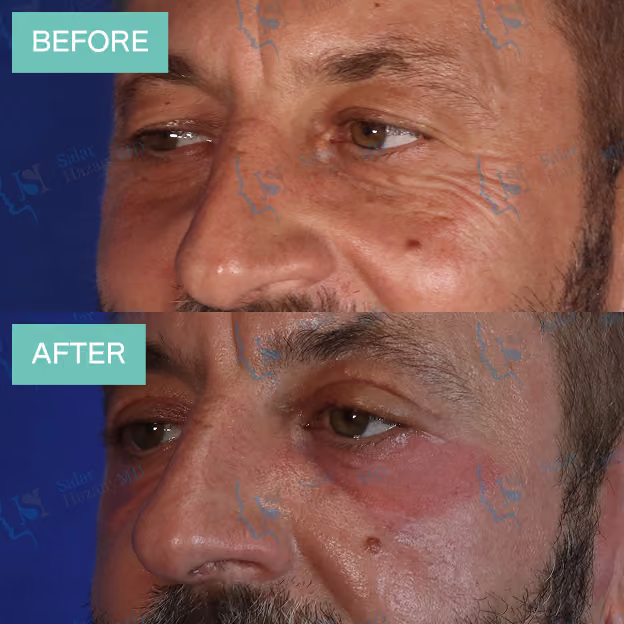
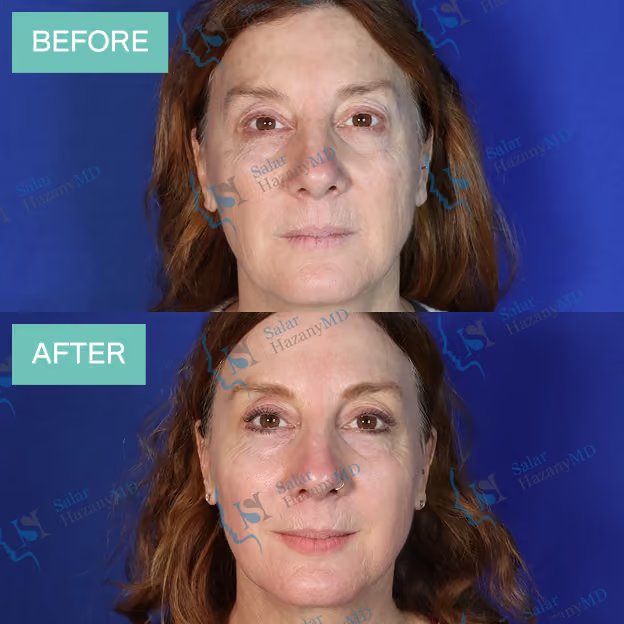
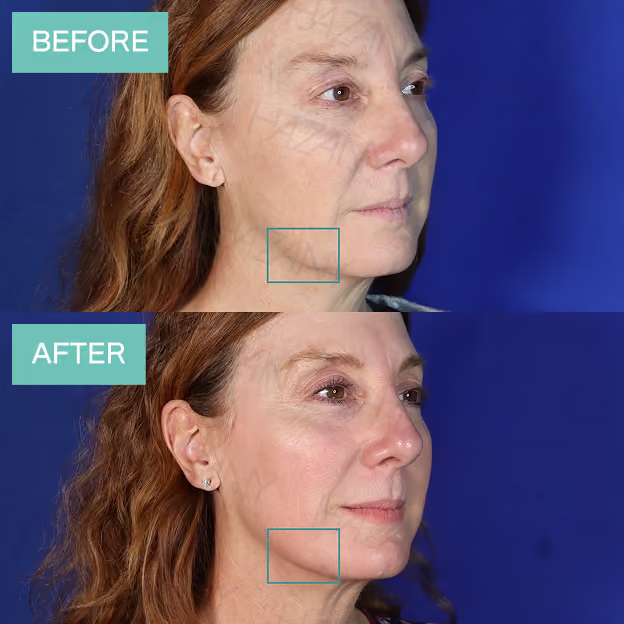
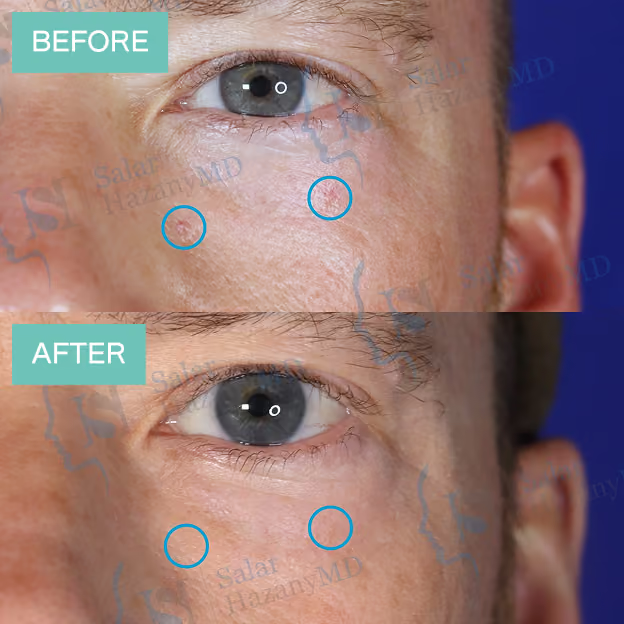
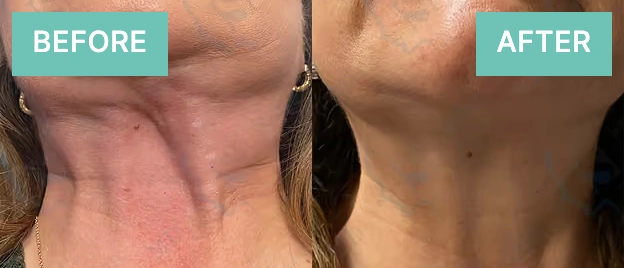
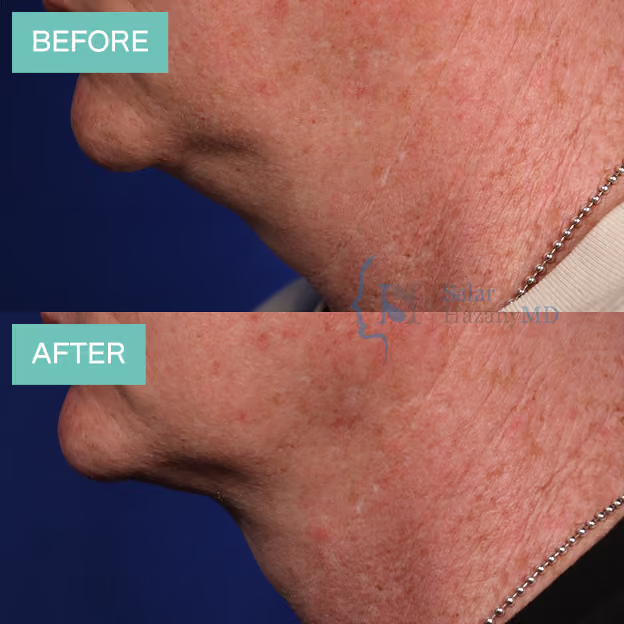
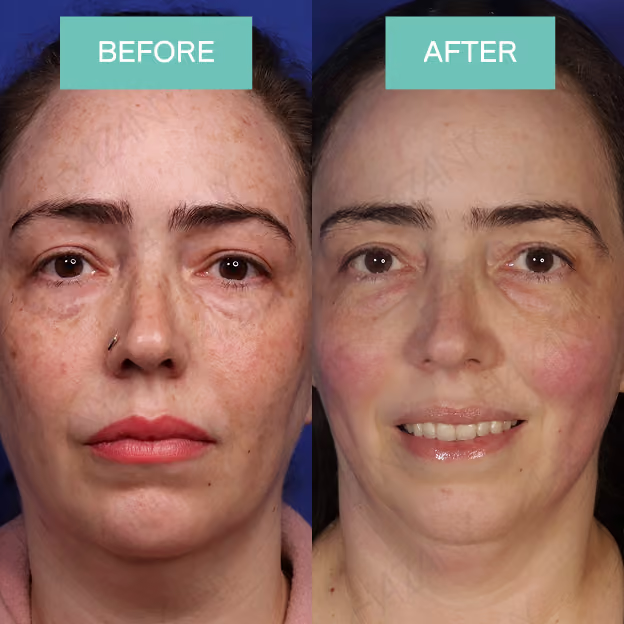
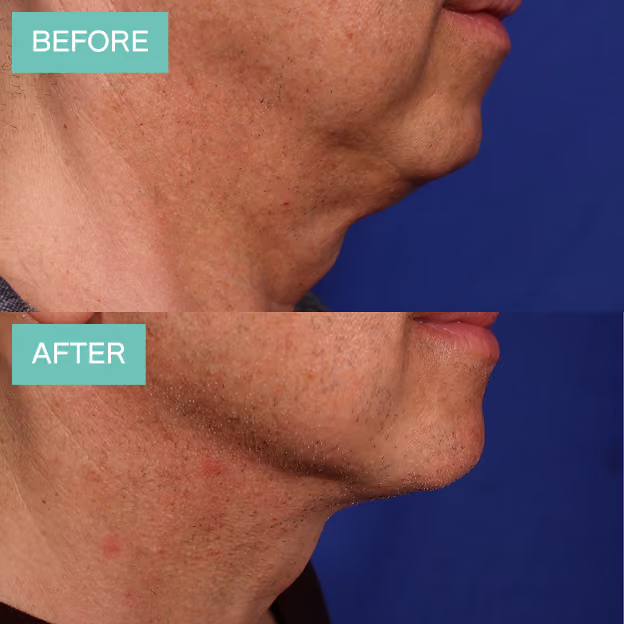
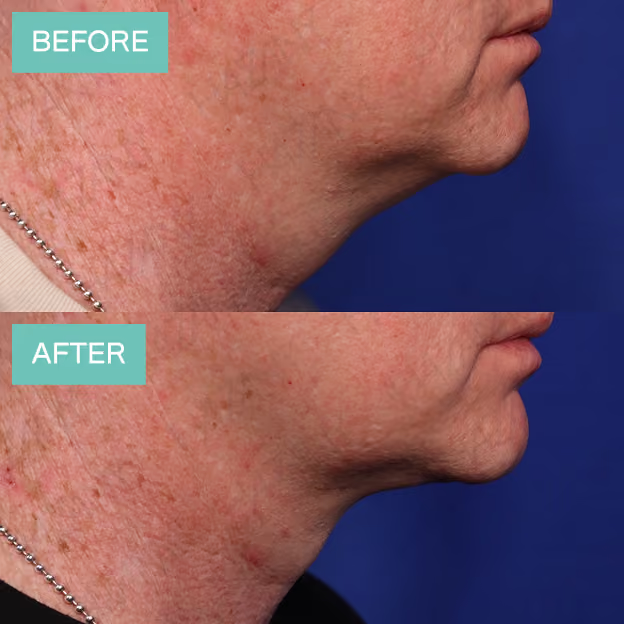
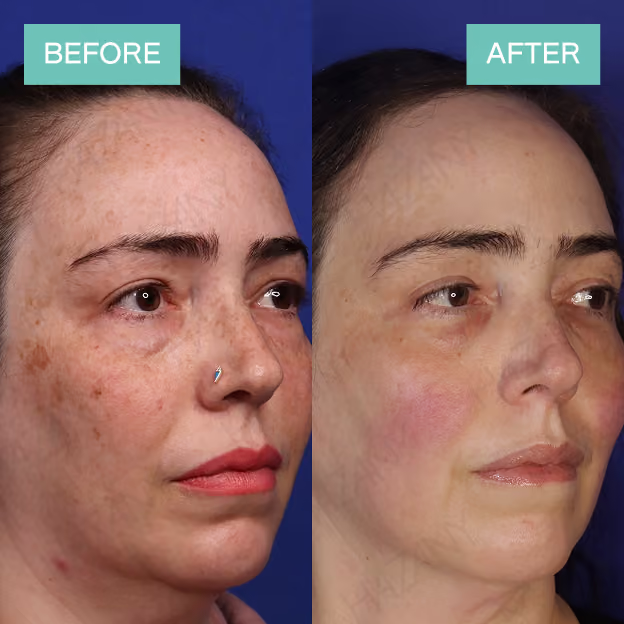
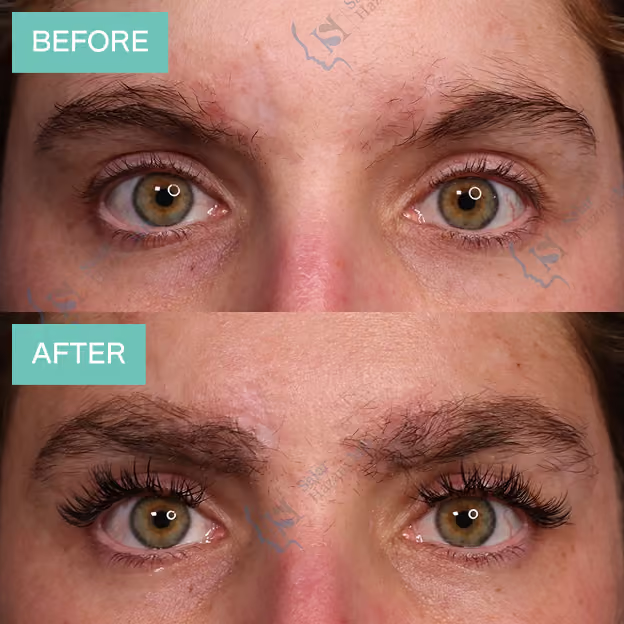
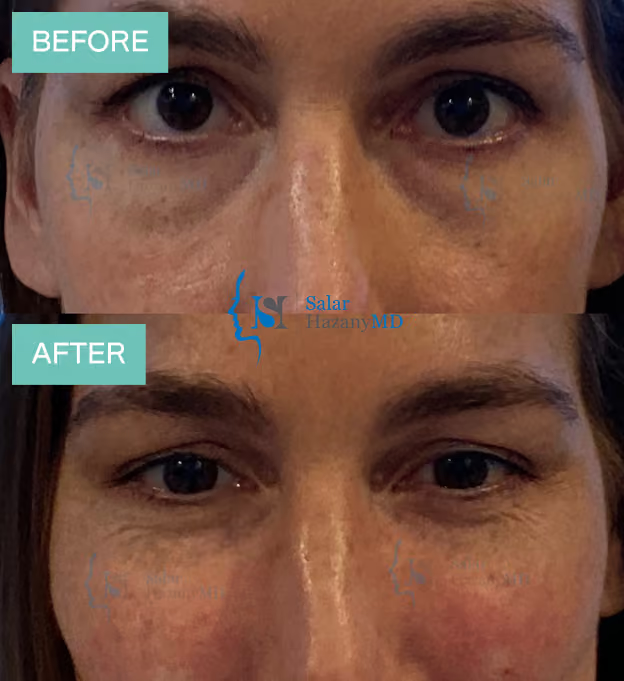
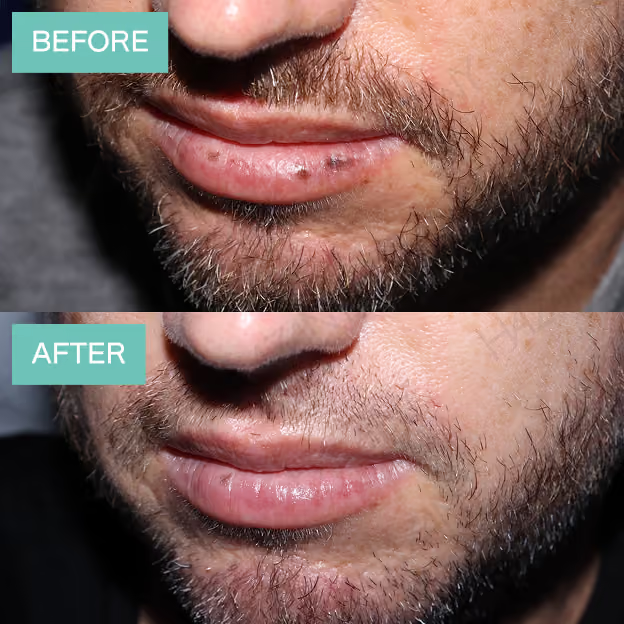
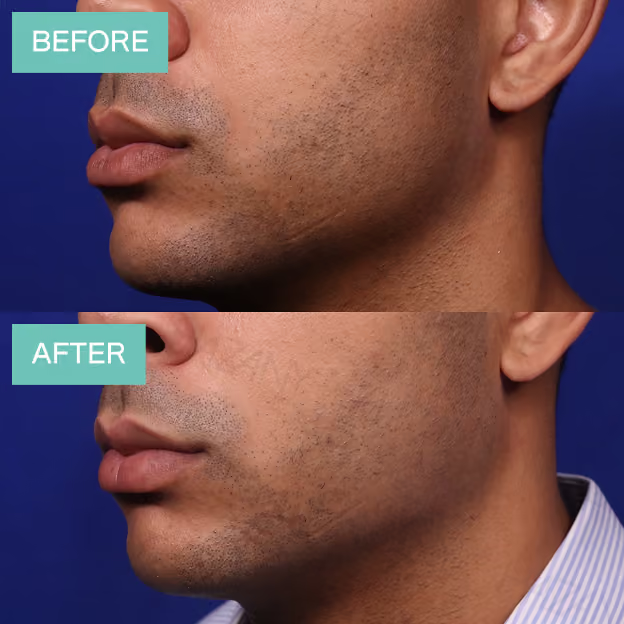
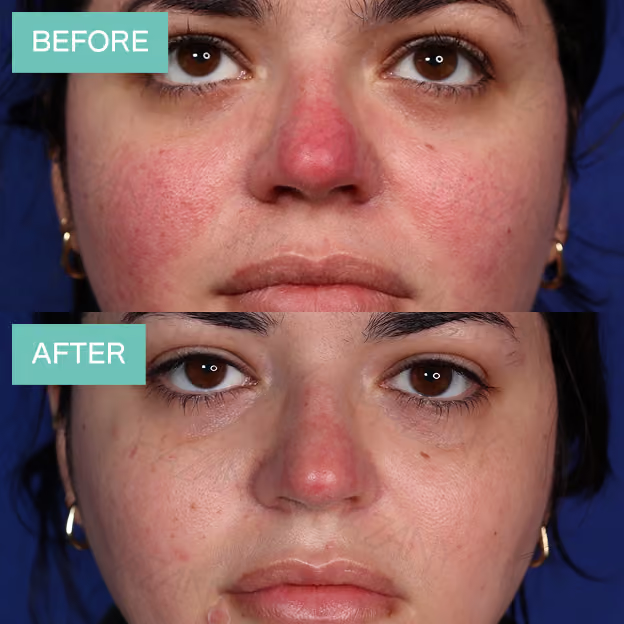
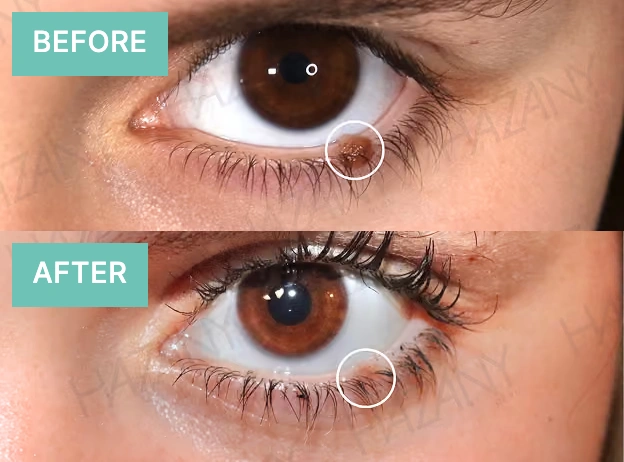
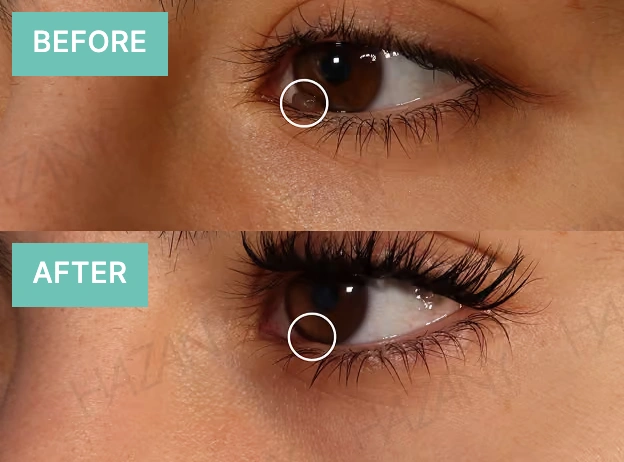
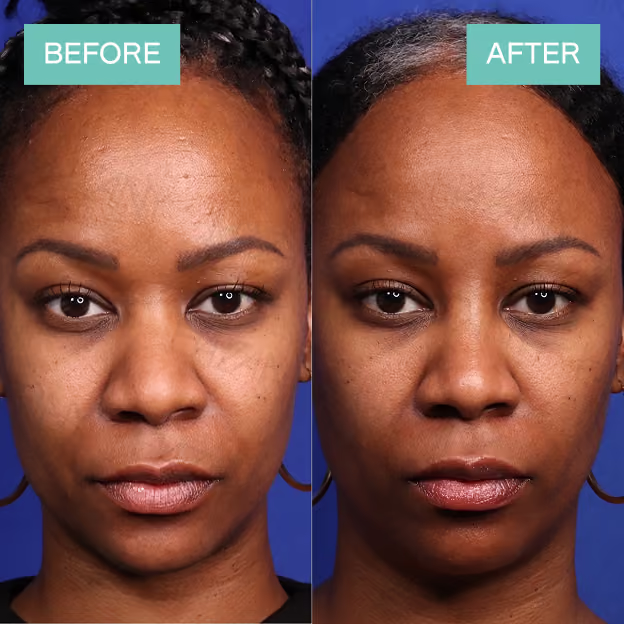
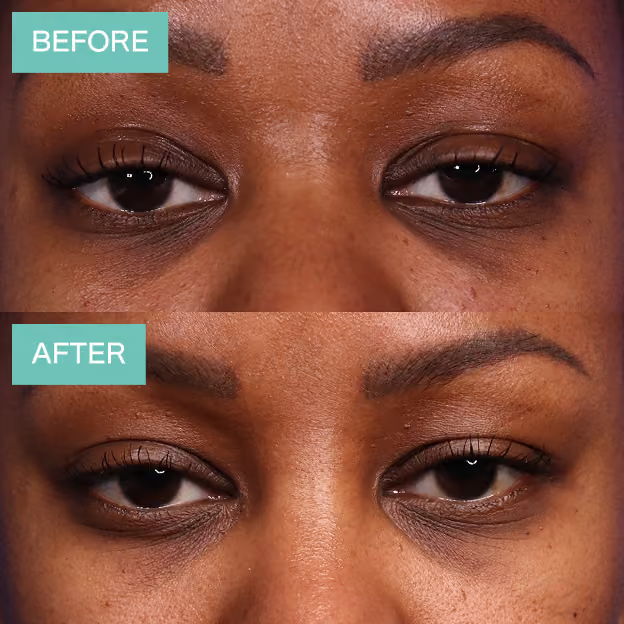
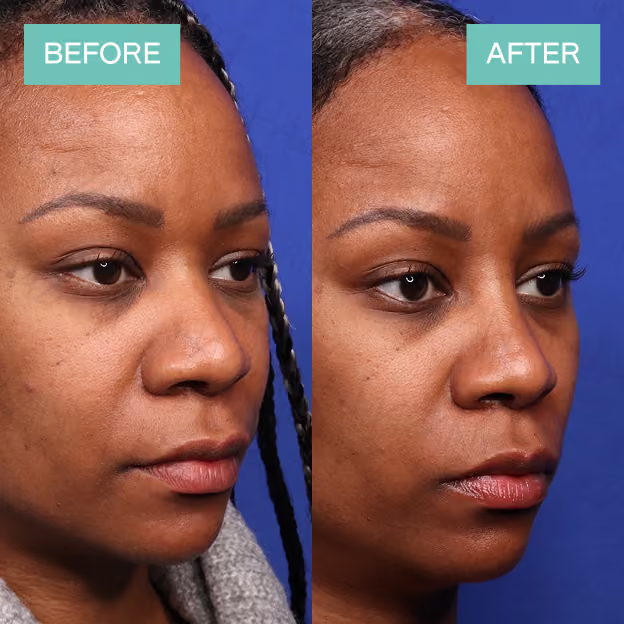
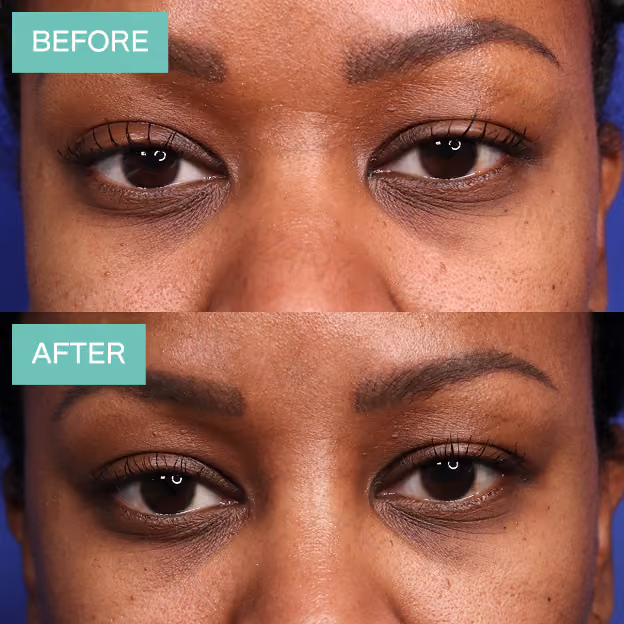
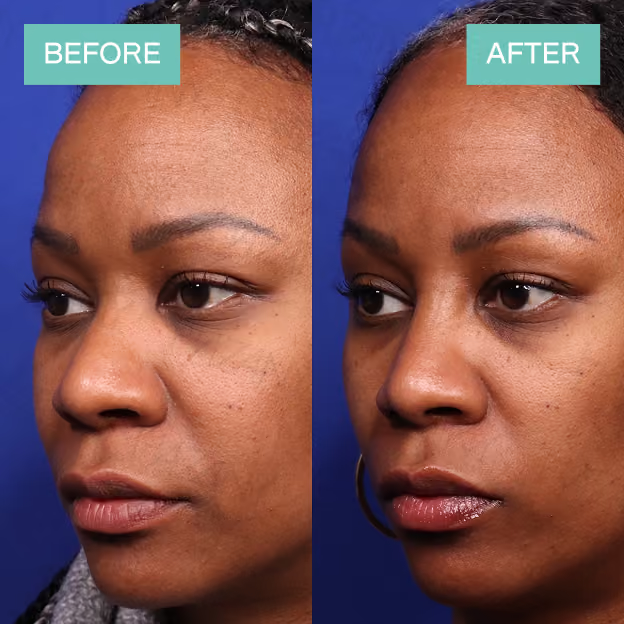
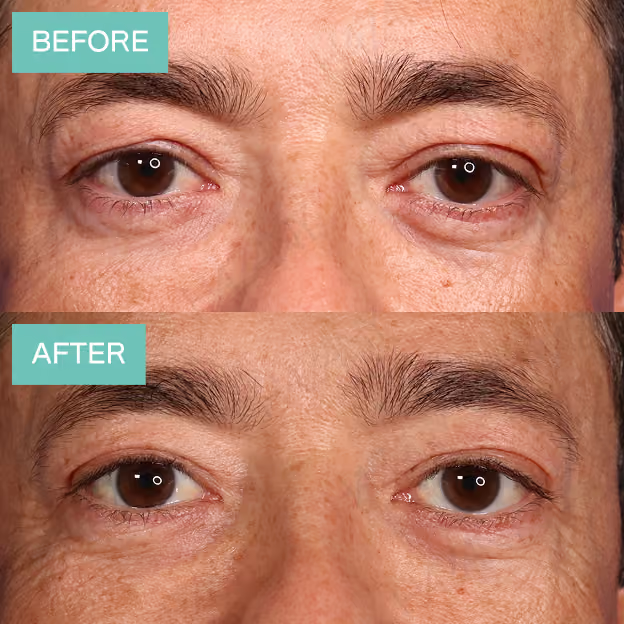
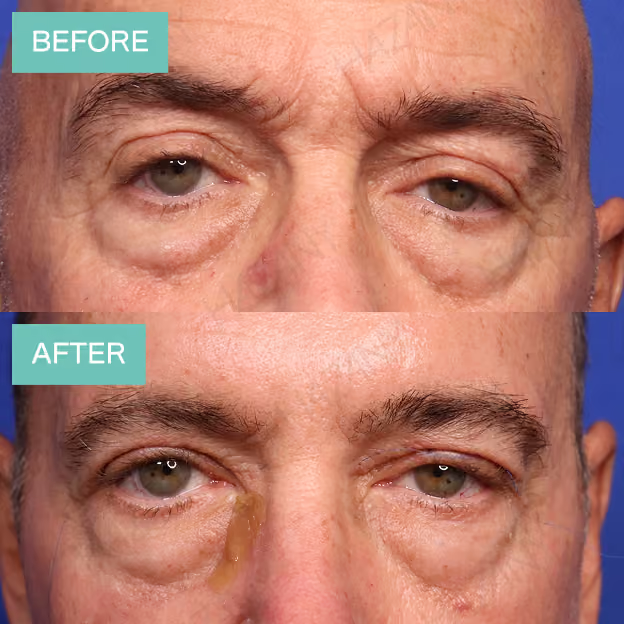
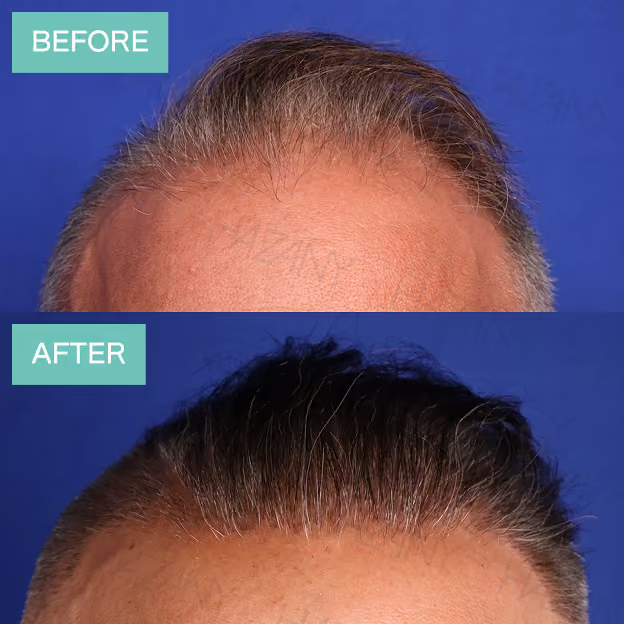
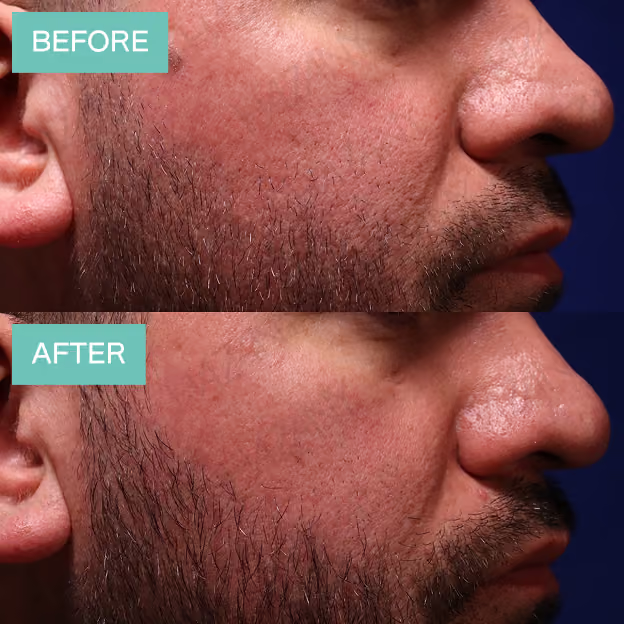
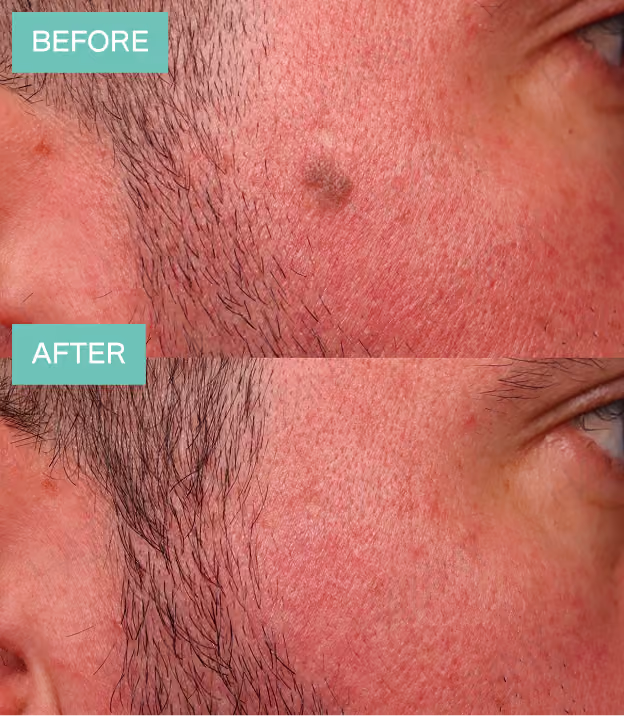
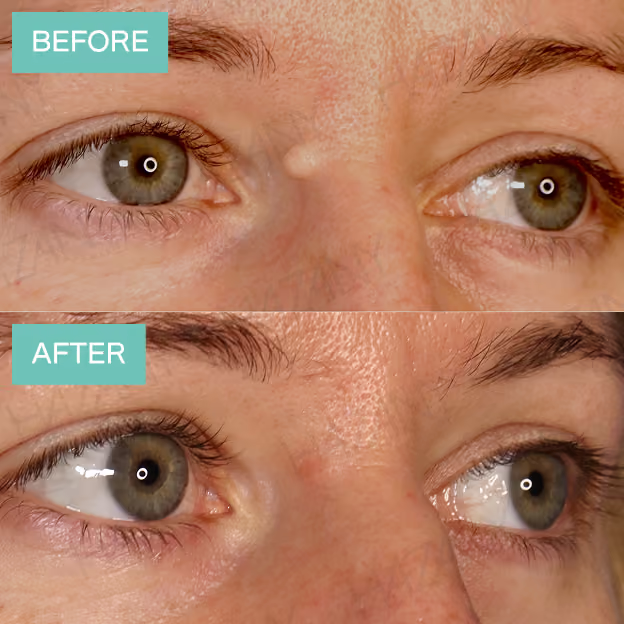
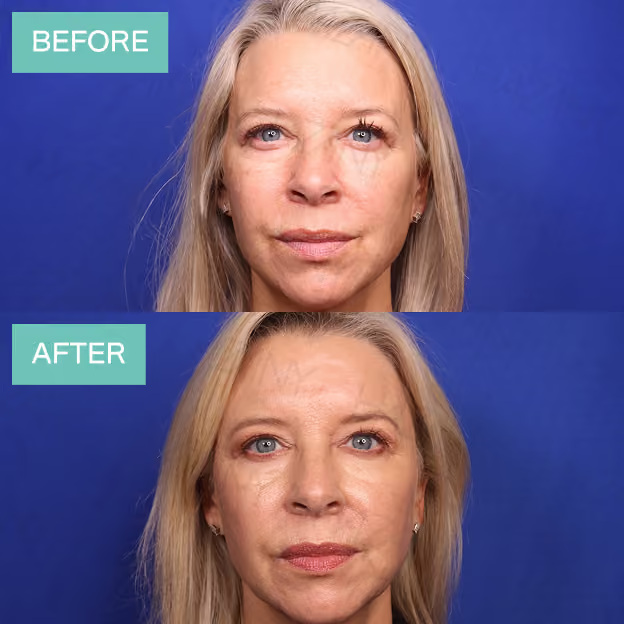
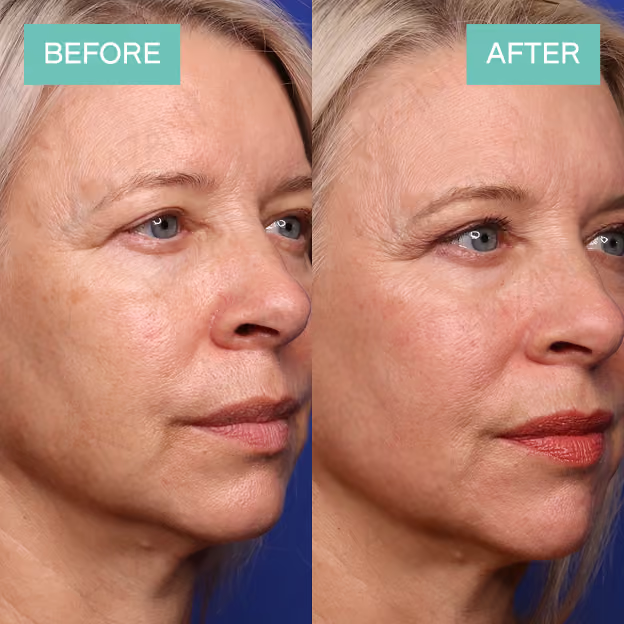
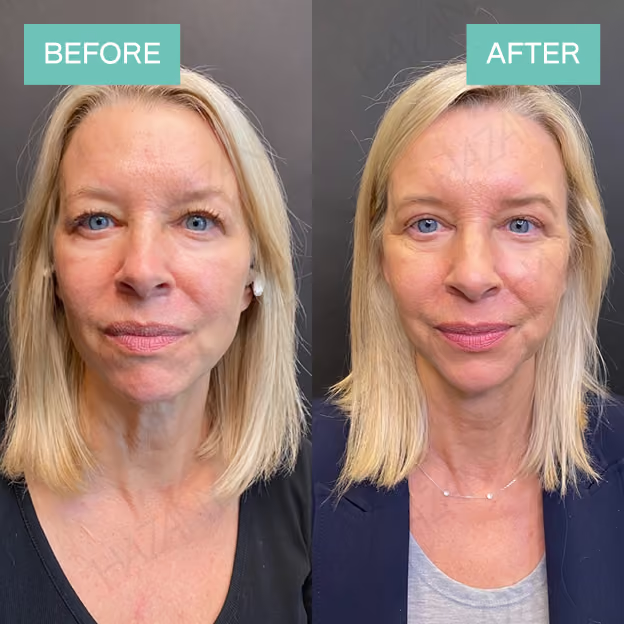
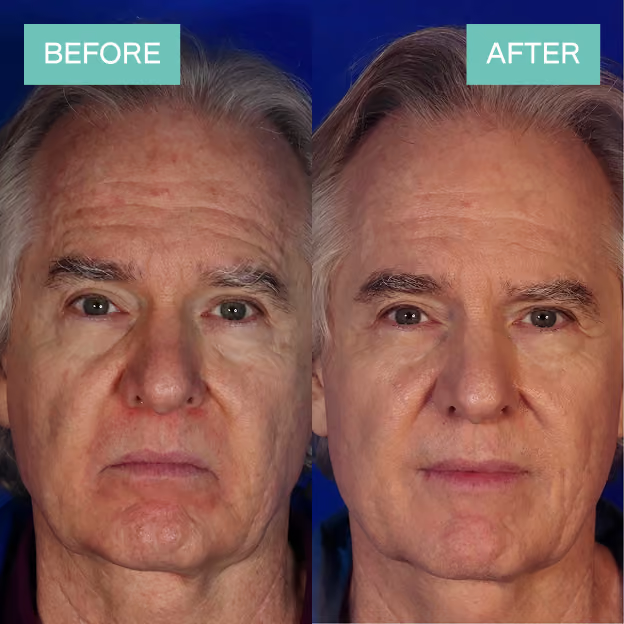
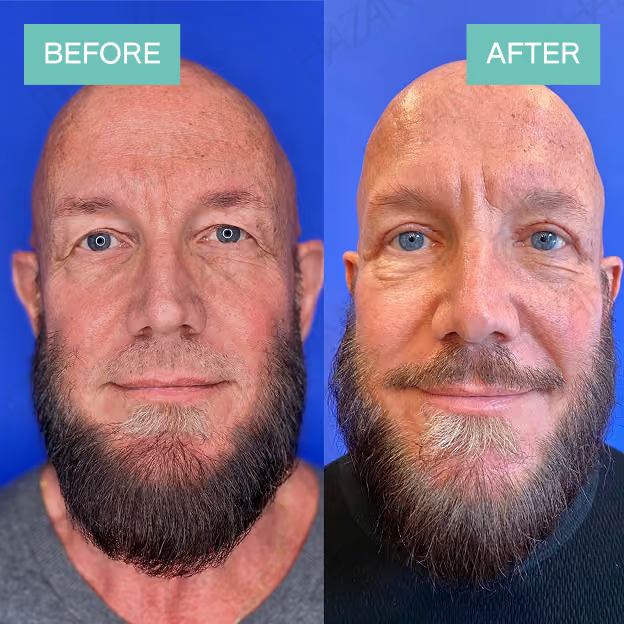
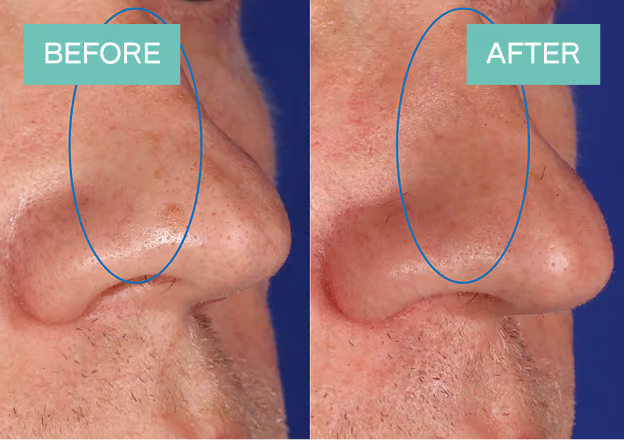
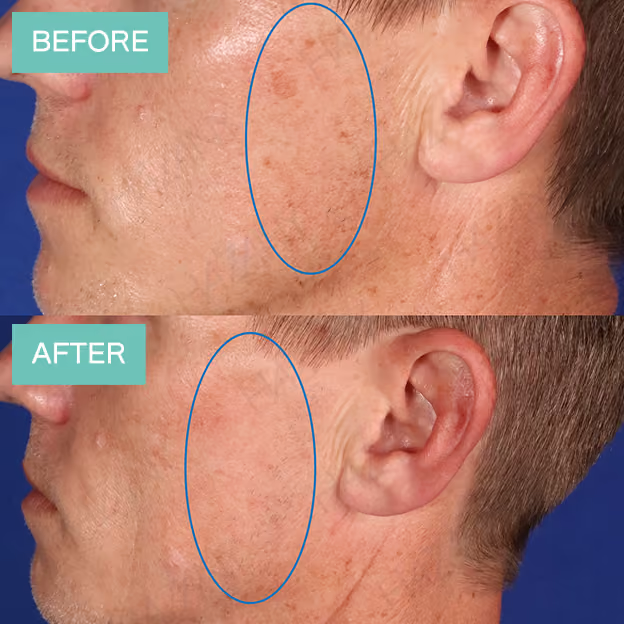
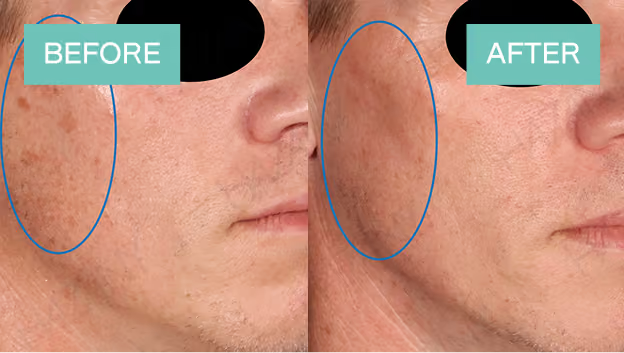
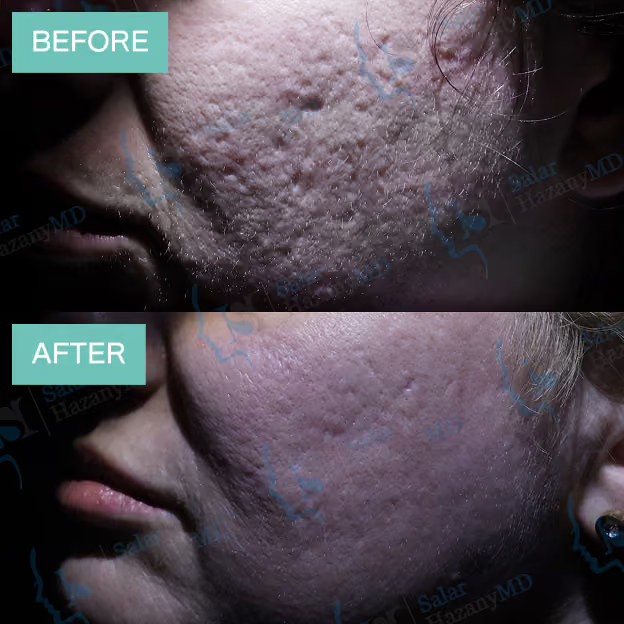
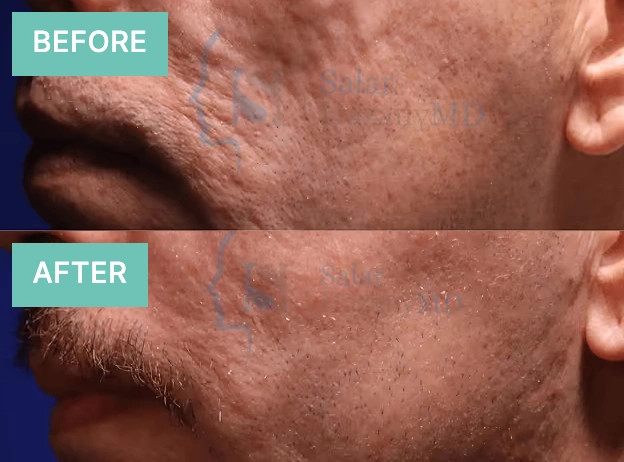
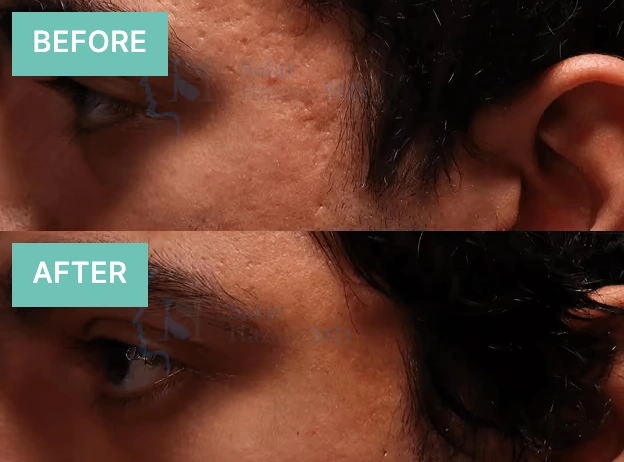
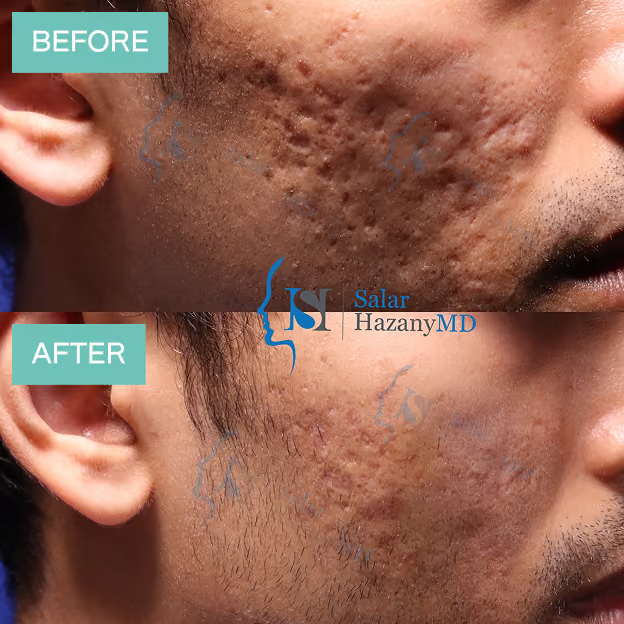
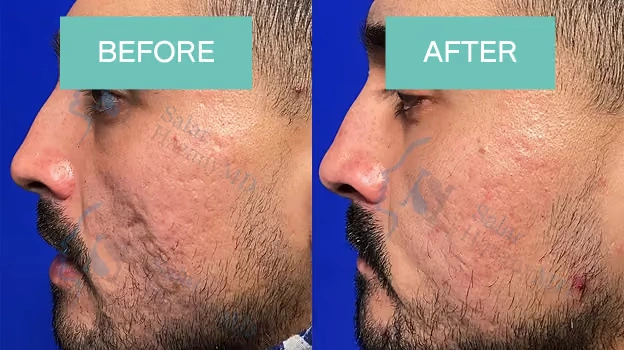
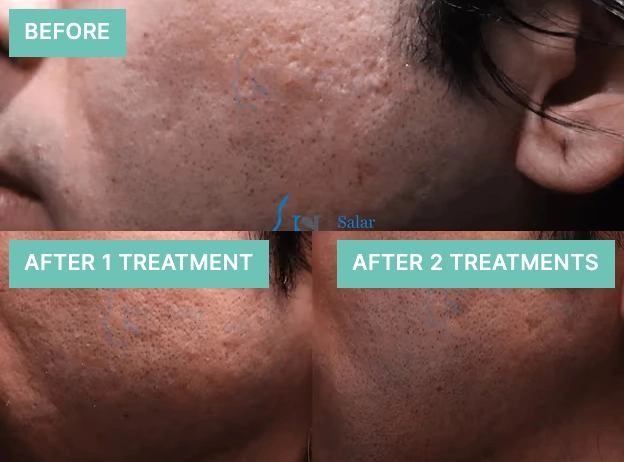
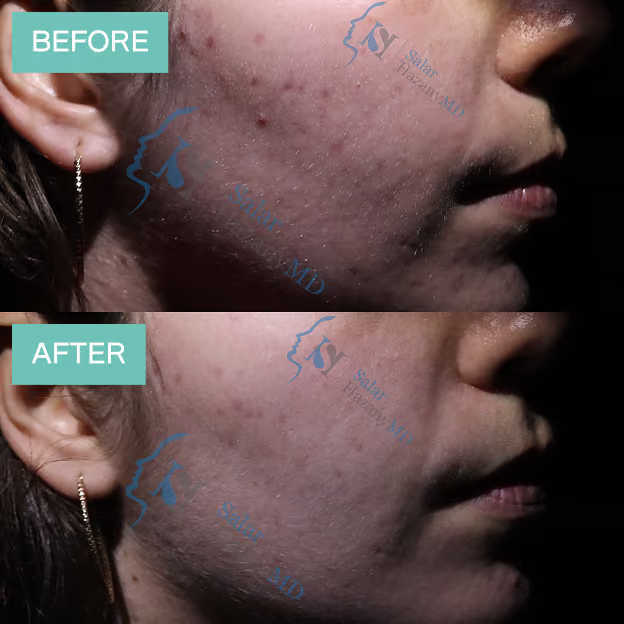
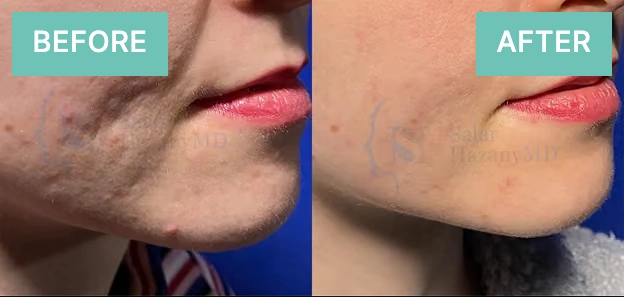
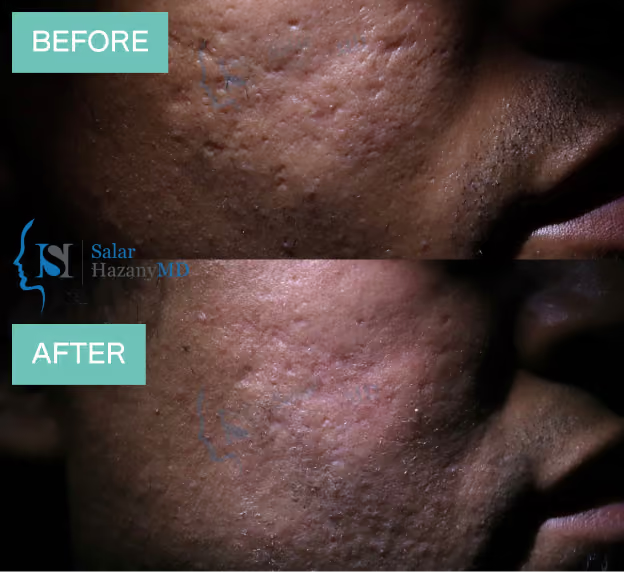
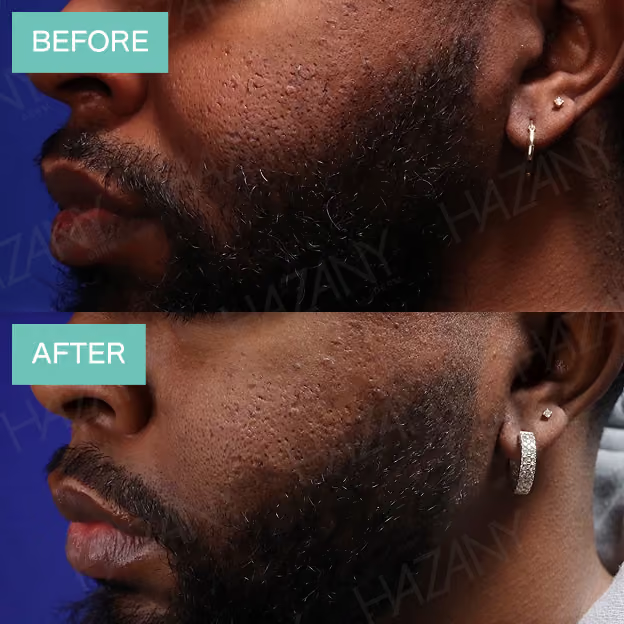
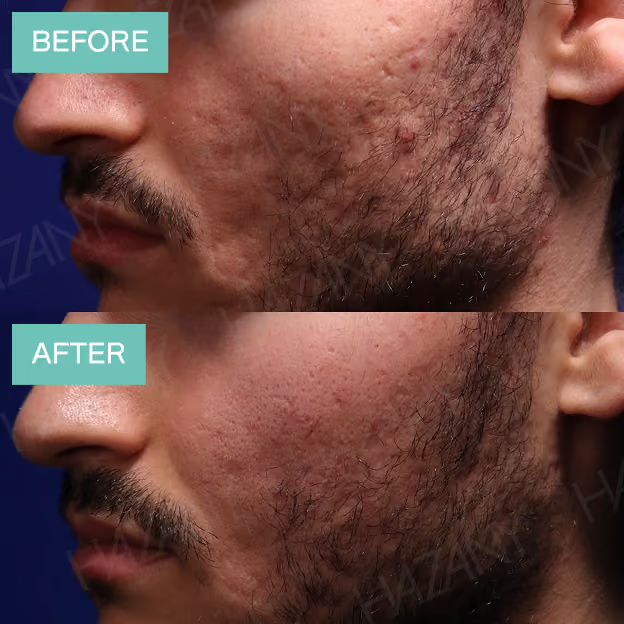
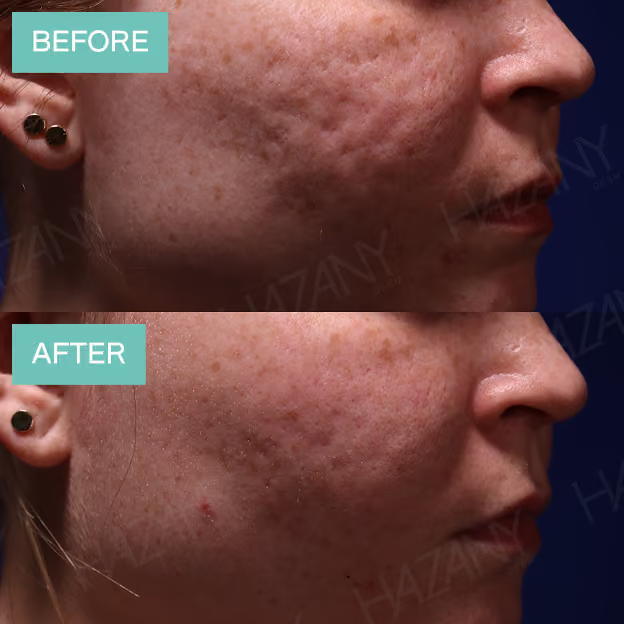
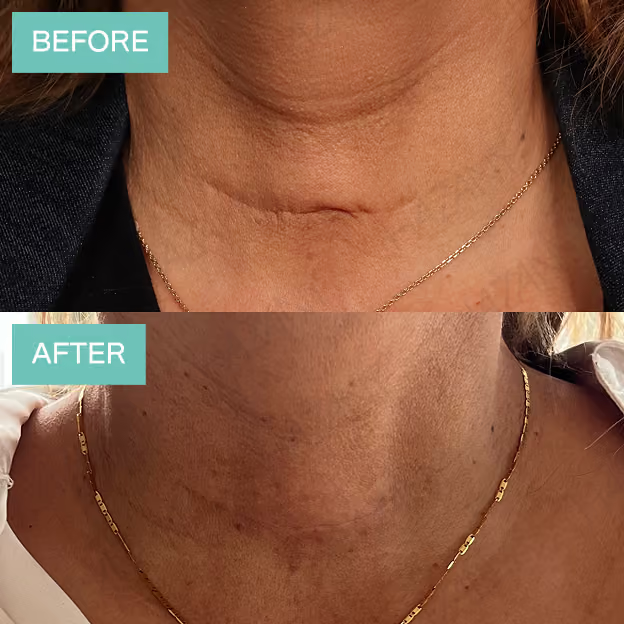
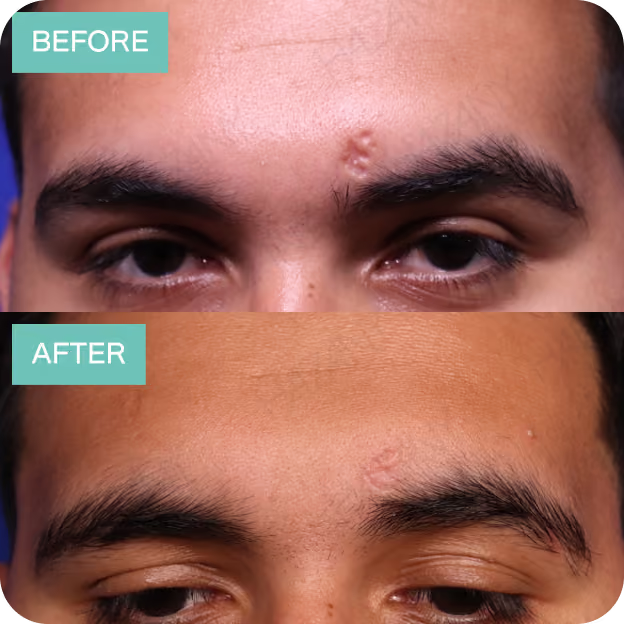
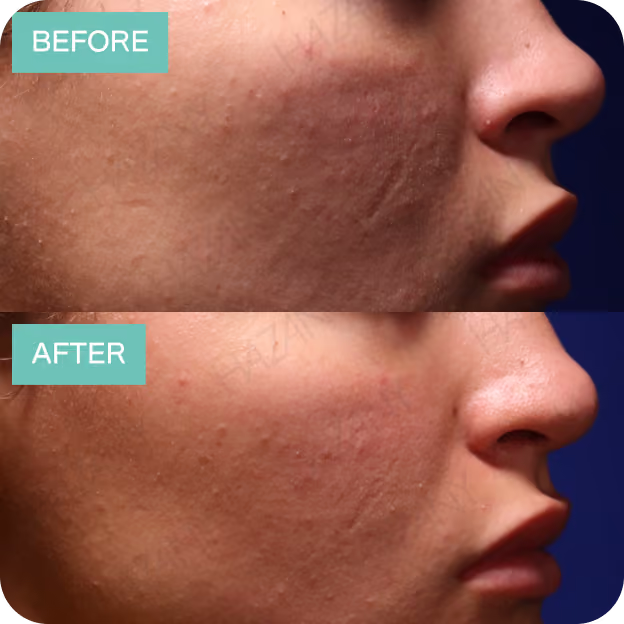
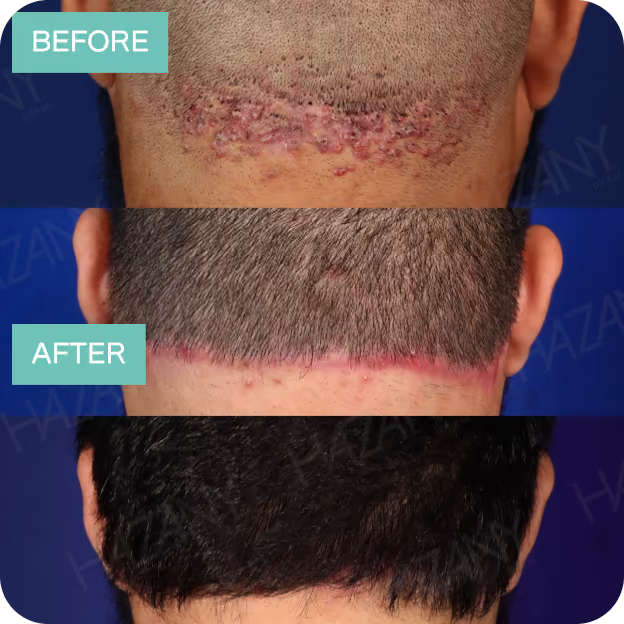
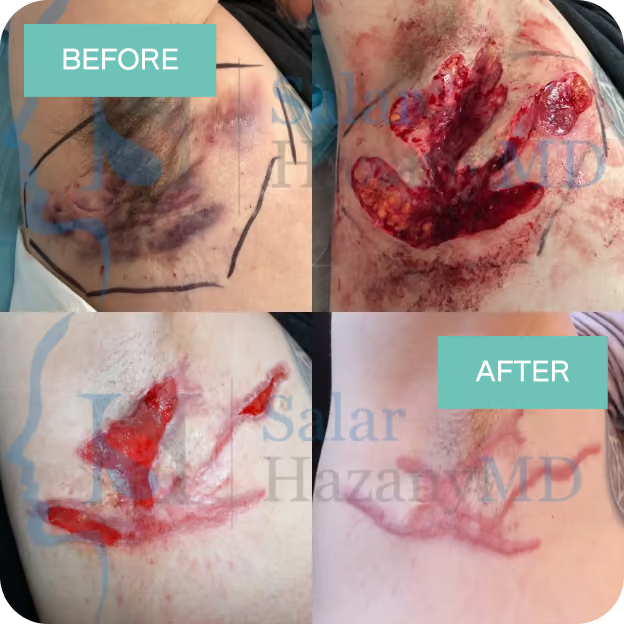
This photo contains sensitive content which some people may find offensive or disturbing.
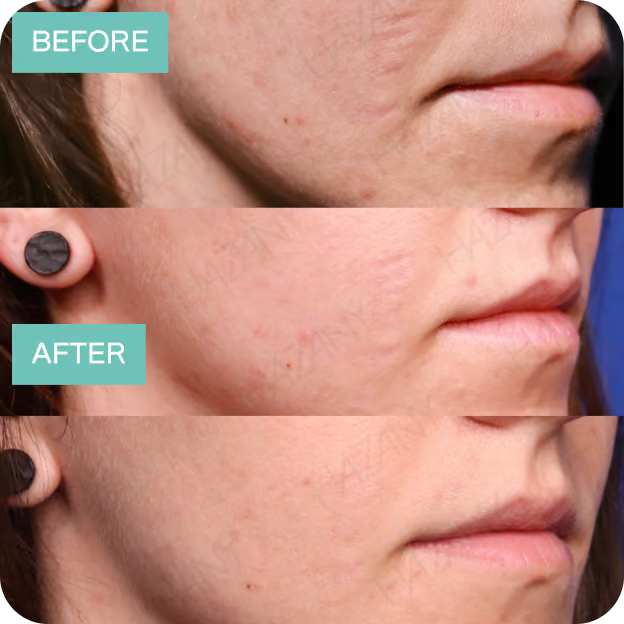
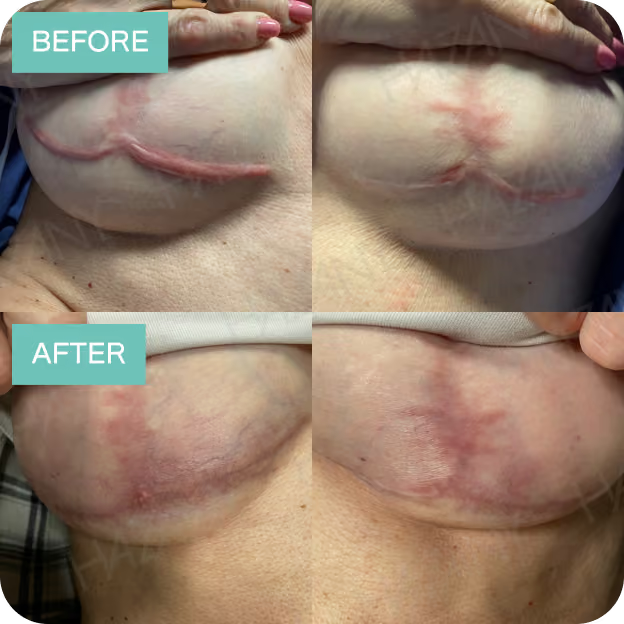
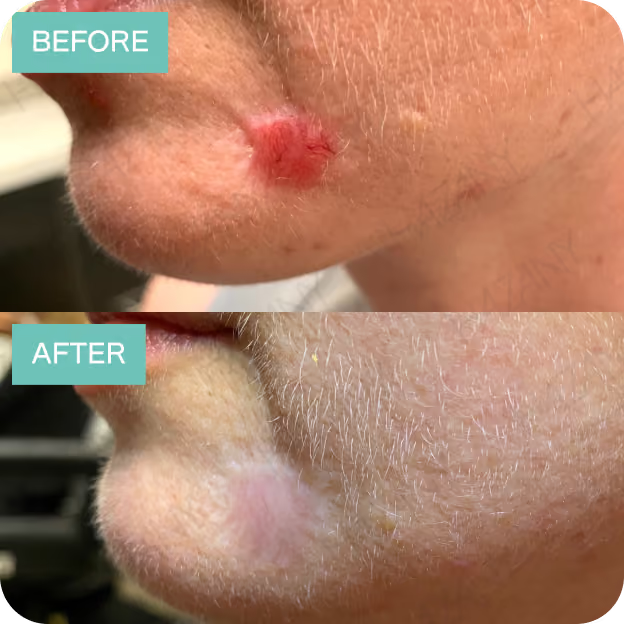
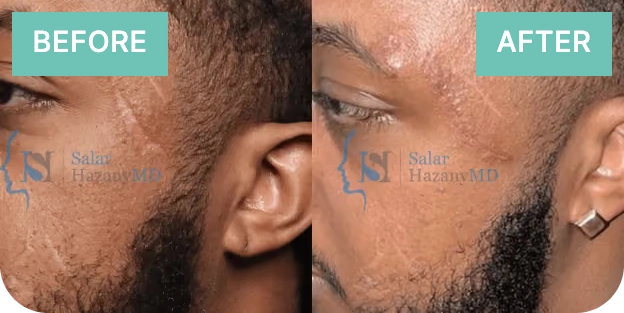
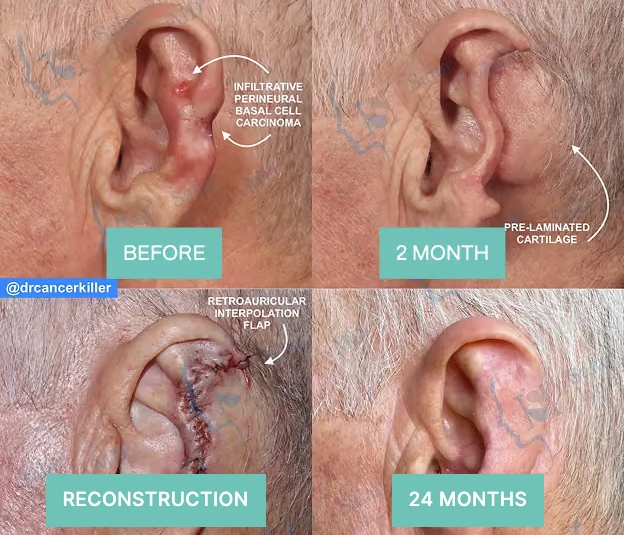
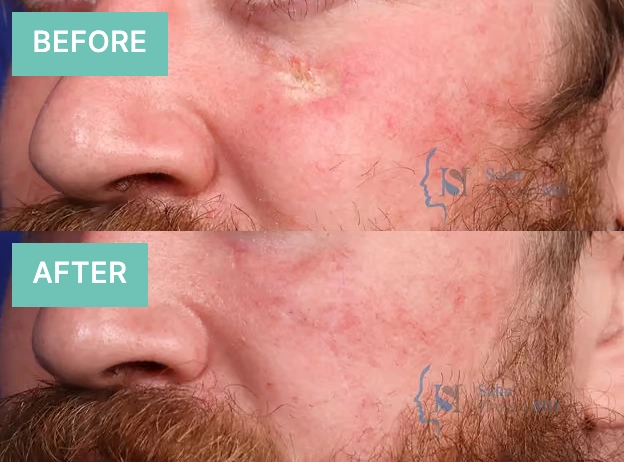
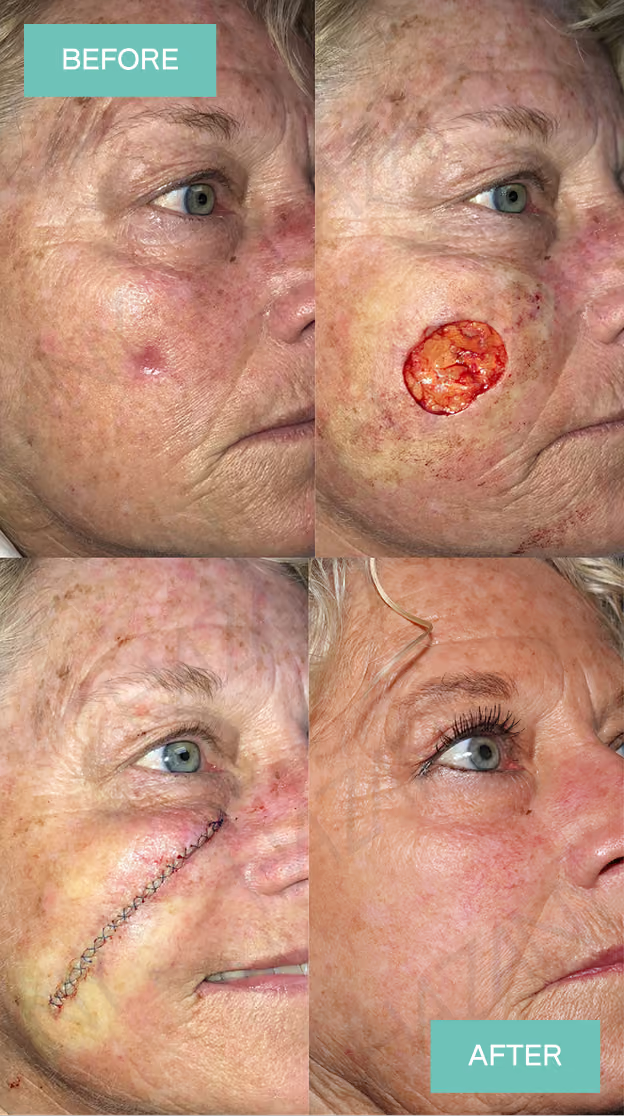
This photo contains sensitive content which some people may find offensive or disturbing.
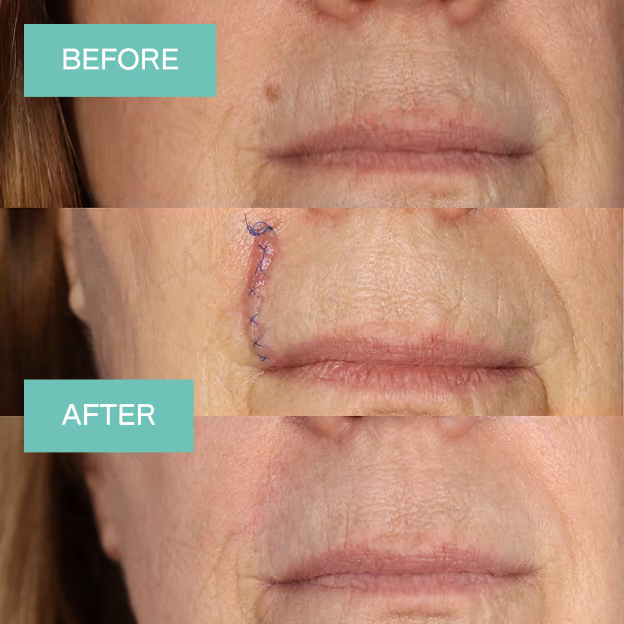
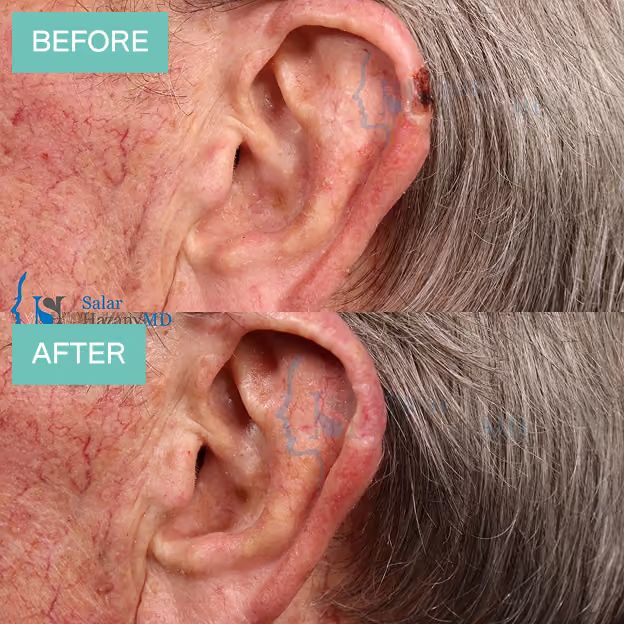
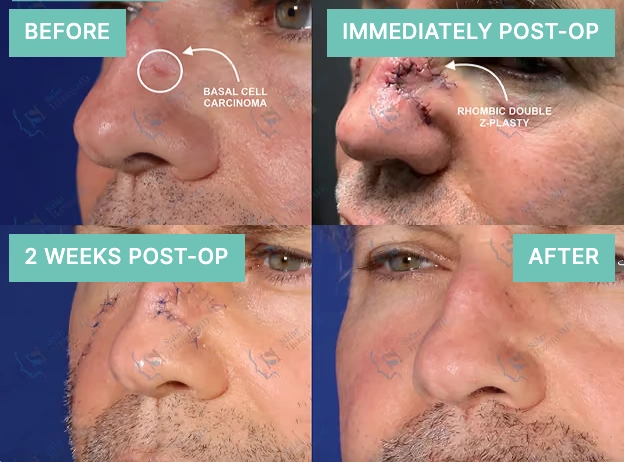
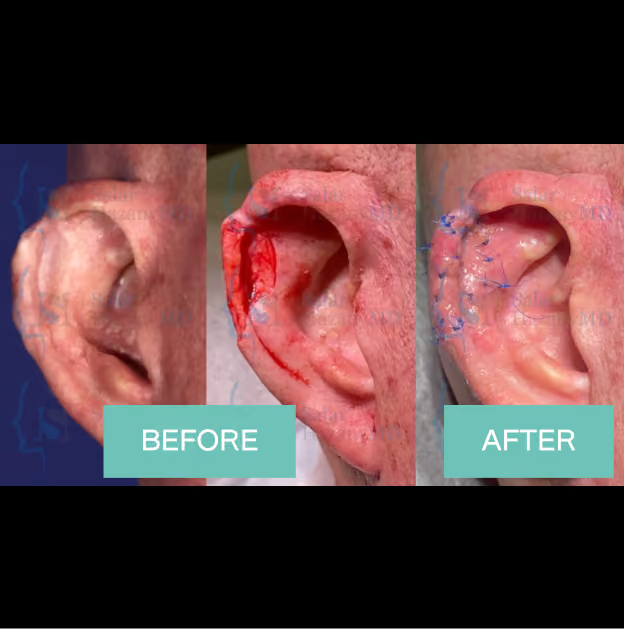
This photo contains sensitive content which some people may find offensive or disturbing.
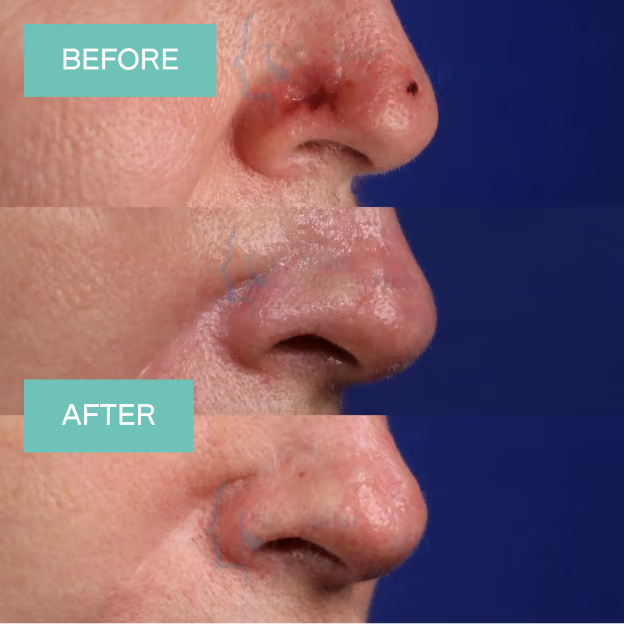
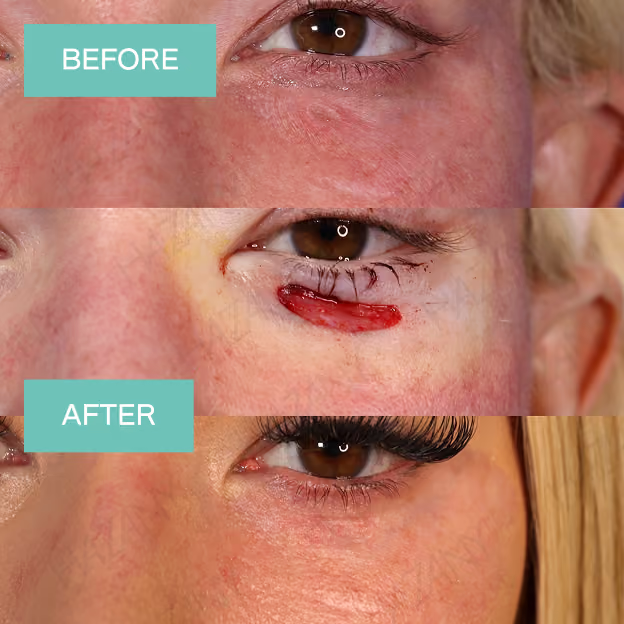
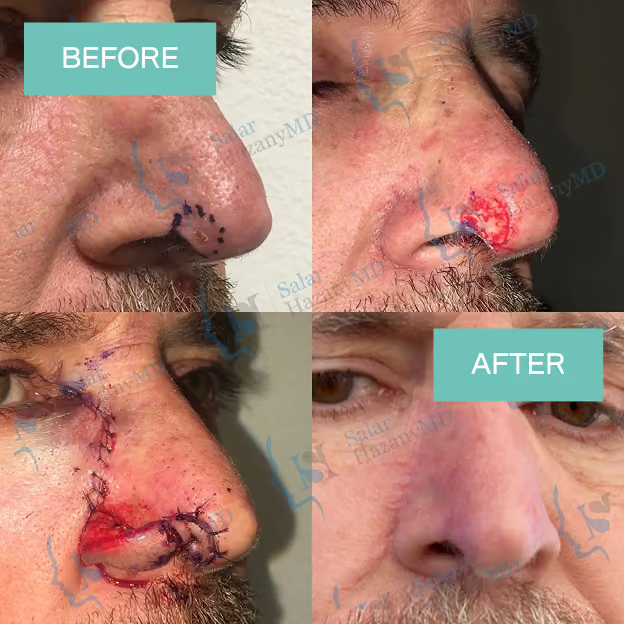
This photo contains sensitive content which some people may find offensive or disturbing.
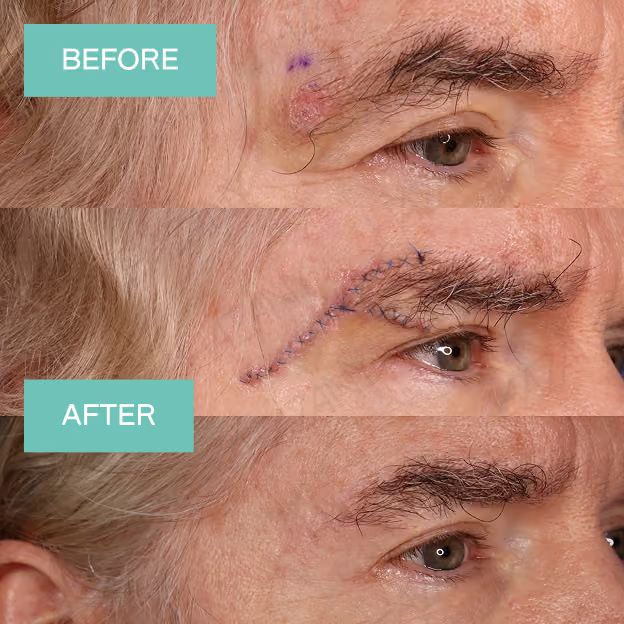
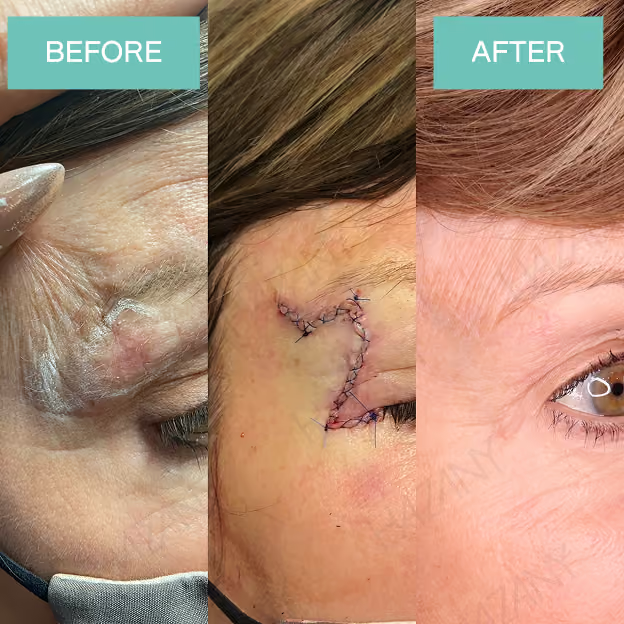
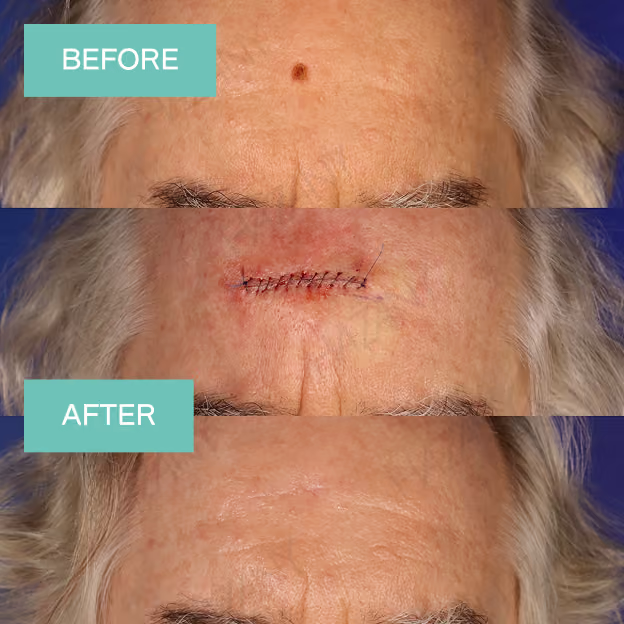
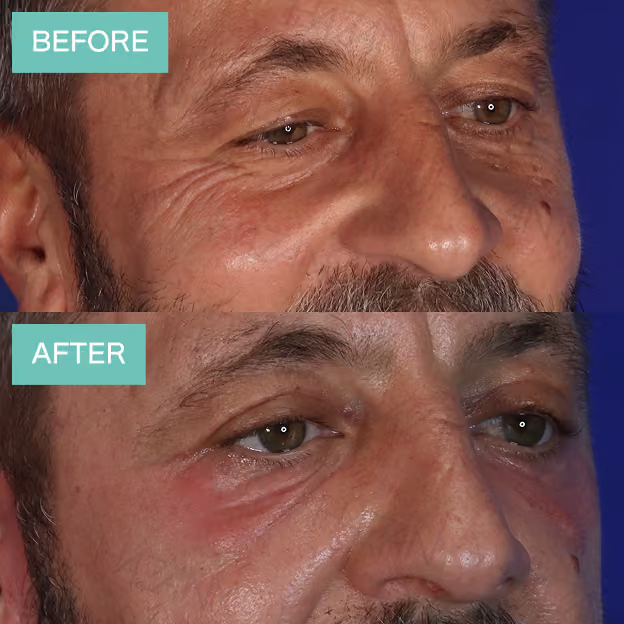
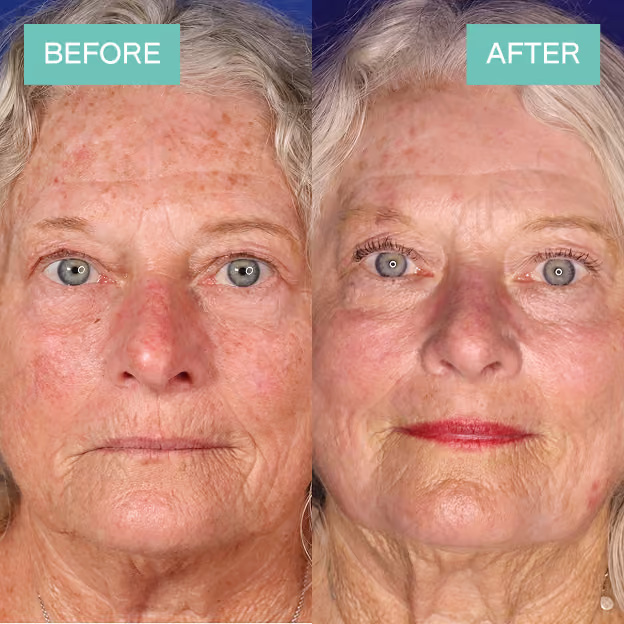
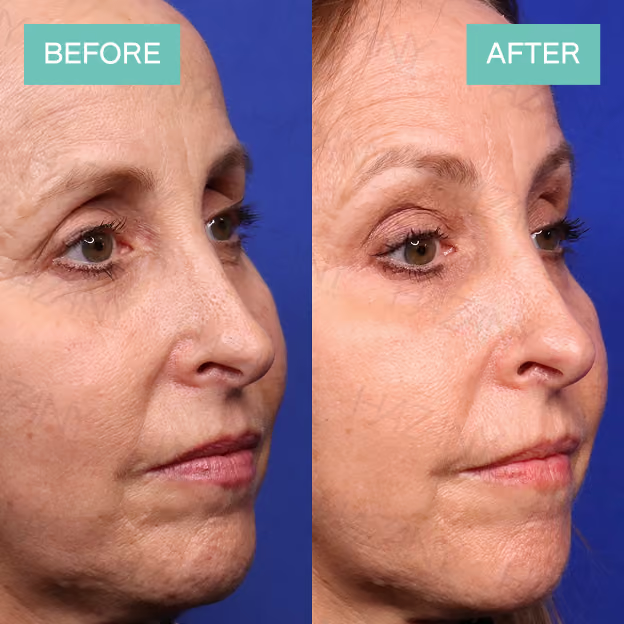
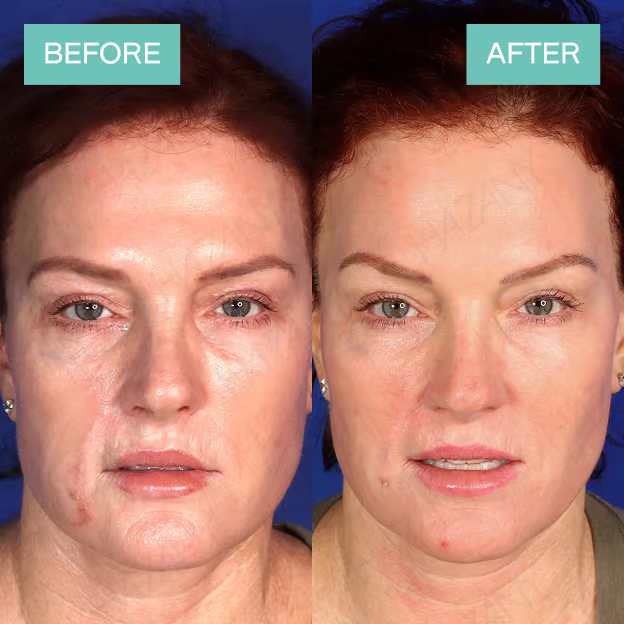
From skin cancer to complex keloid scars, each condition demands a targeted approach. Dr. Hazany delivers precision-driven treatment through Mohs micrographic surgery and advanced scar revision.
Board-Certified Mohs Surgeon in LA
A fellowship-trained Mohs surgeon, Dr. Hazany is an expert in Mohs micrographic surgery (MMS). Mohs is the most effective treatment for skin cancer, including the two most common types: basal cell carcinoma (BCC) and squamous cell carcinoma (SCC). The process involves the systematic removal of cancerous tissue.
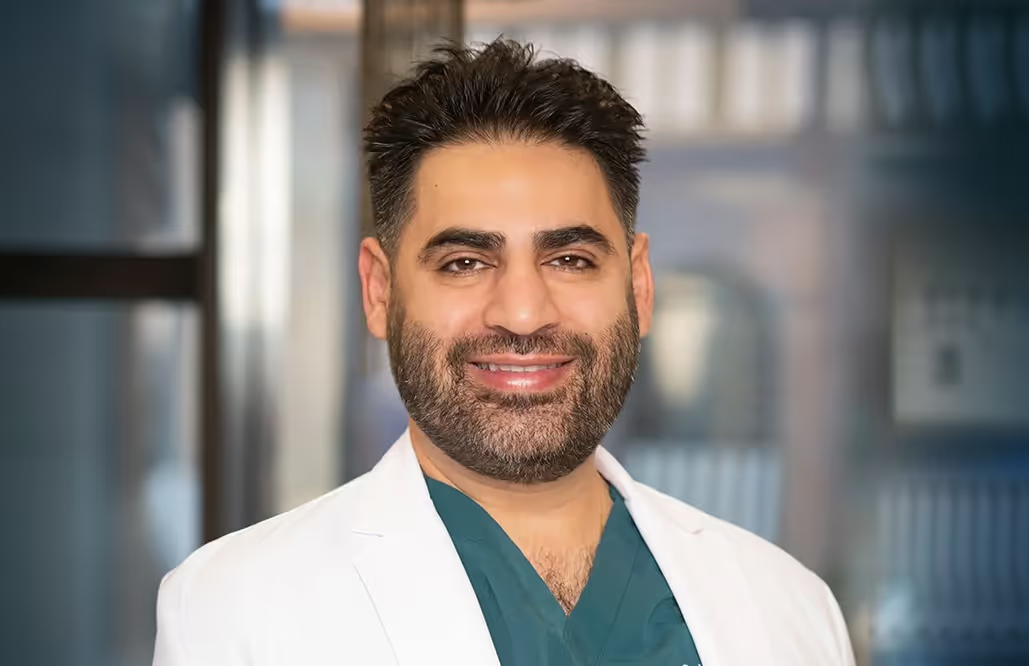
Our Beverly Hills practice treats all types of skin concerns with personalized, expert dermatologic care. Specialties include acne treatment, scar revision and removal, and Mohs surgery for skin cancer. We also provide medical dermatology care for everyday skin conditions, including rosacea, moles, eczema, and psoriasis.



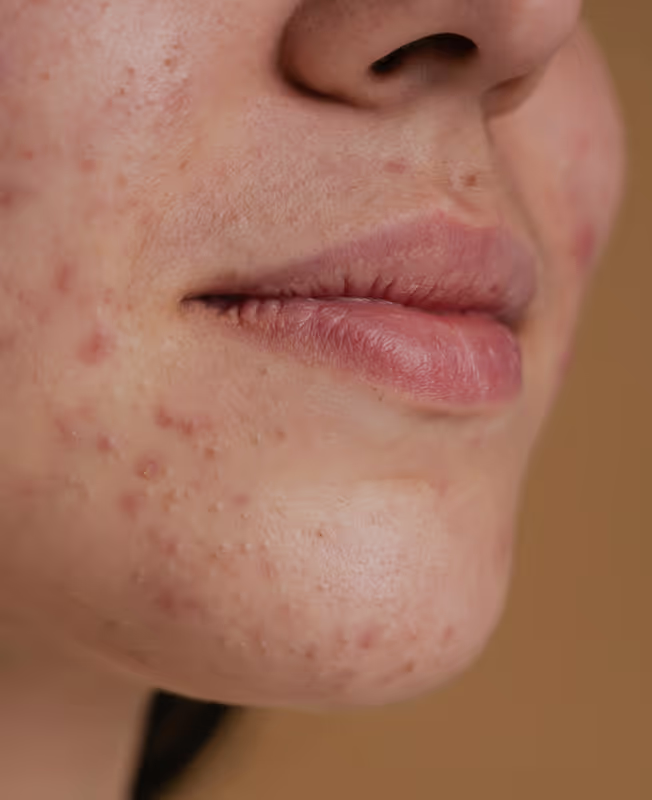
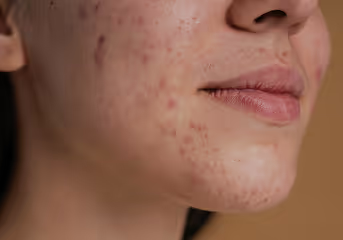
Acne & Acne Scar
Treatment Specialist in LA
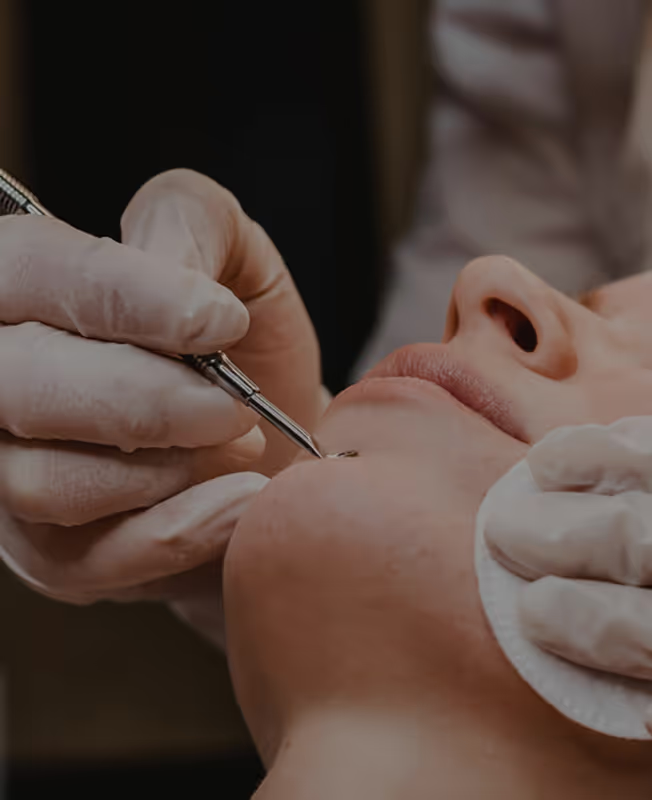
Precision Treatment for Healthier, Clearer Skin Focused on Mohs Surgery and Keloid Scar Revision
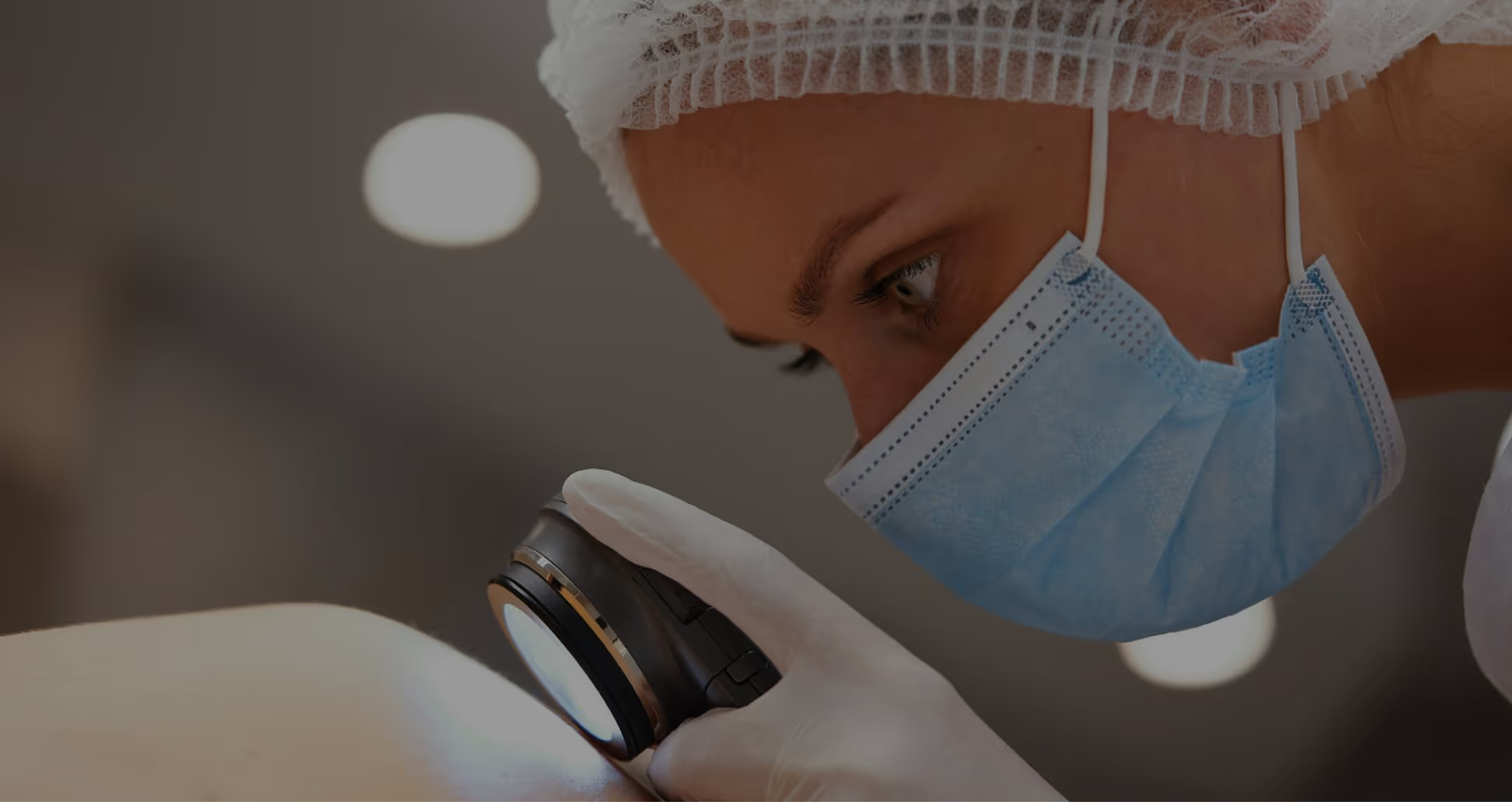


Delivering highly precise, patient-focused care using advanced techniques to effectively treat skin cancer and reduce the appearance of keloid scars.
Cosmetic Dermatology & Injectables
Anti Aging
Smooth fine lines and restore youthful skin with treatments designed to improve firmness, tone, and overall skin vitality.
Body Sculpting
Contour and refine your natural shape with non-surgical body treatments that target stubborn fat and enhance definition.

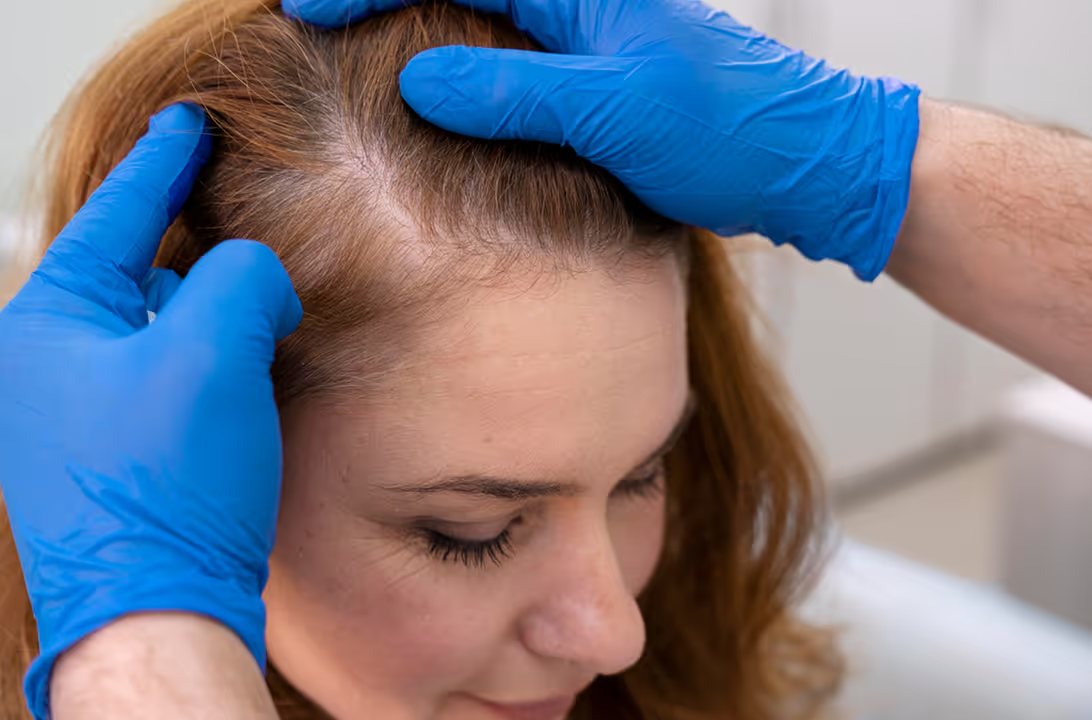
Hair Restoration
Restore fuller, healthier hair with advanced therapies designed to stimulate growth and strengthen thinning areas.
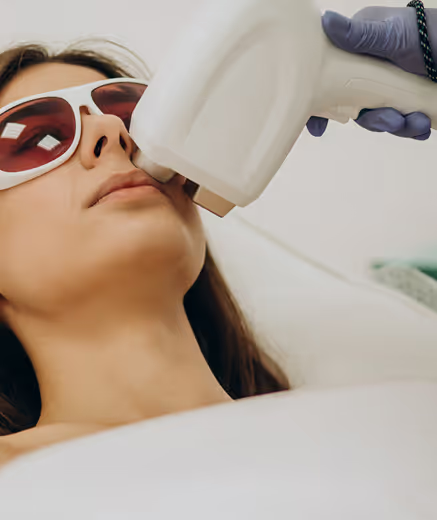
Hair Removal
Enjoy long-lasting smooth skin with professional hair removal treatments that safely and effectively reduce unwanted hair.

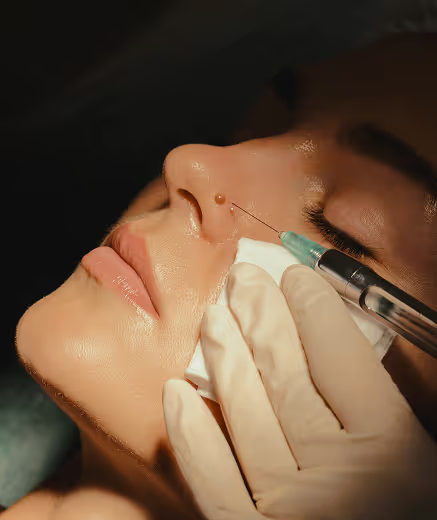
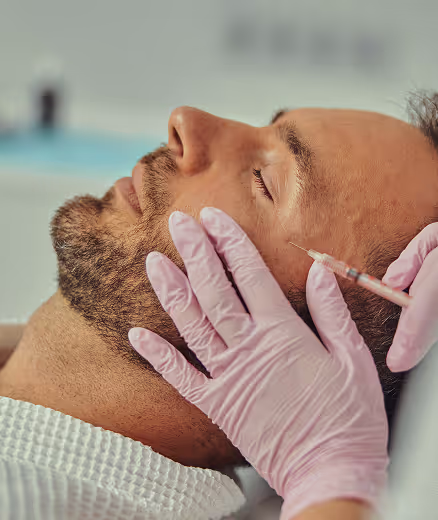
Injectables
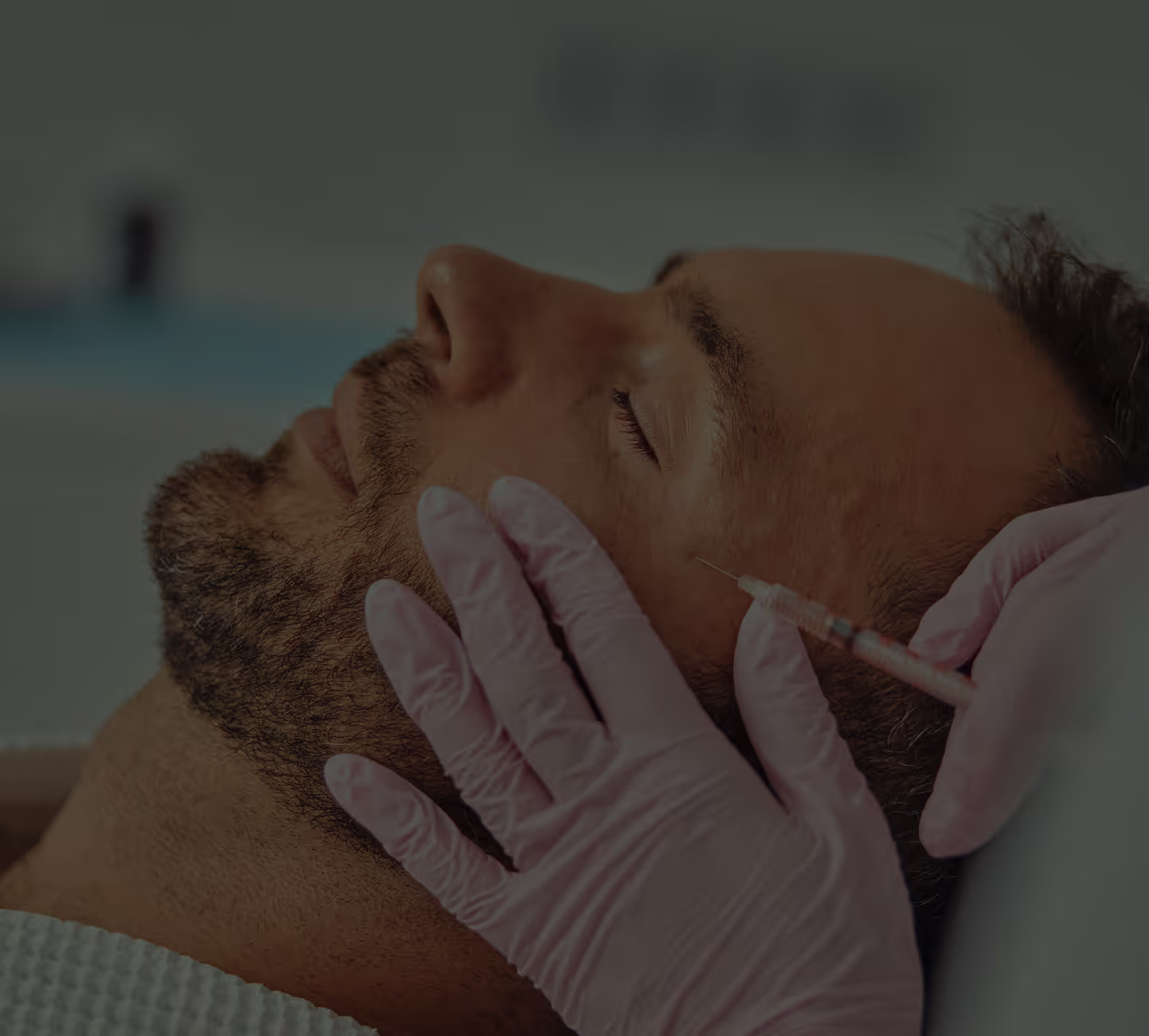
Reduce wrinkles and enhance facial balance with expertly administered injectables tailored to your natural features.
Laser Treatment
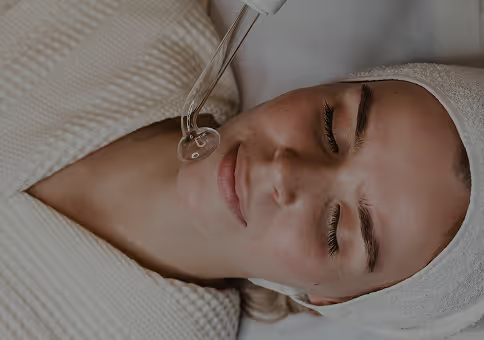
Improve skin tone, texture, and clarity with advanced laser technology designed to rejuvenate and refresh your skin
Patient Experiences That
Speak for Themselves
Frequently Asked Questions
Expert dermatologist in Beverly Hills specializing in acne treatment, Mohs surgery for skin cancer, and advanced cosmetic procedures to help patients achieve healthier, more youthful skin at Hazany Derm.
What is Mohs micrographic surgery and how does it work?
Mohs micrographic surgery is a specialized surgical technique used to treat skin cancer with exceptional precision and cure rates above 98%. The procedure works by systematically removing thin layers of cancerous tissue and examining each layer under a microscope in real-time to determine if cancer cells remain. This layer-by-layer approach ensures complete cancer removal while preserving as much healthy skin as possible. After removing all cancerous tissue, the wound is carefully reconstructed with attention to achieving the best cosmetic outcome. The technique is particularly effective for treating basal cell and squamous cell carcinomas, especially in delicate areas like the face where tissue preservation is critical. Fellowship-trained surgeons like Dr. Salar Hazany have mastered both the surgical and pathological aspects of the procedure. This makes it the gold standard for skin cancer treatment in many cases.
How can acne scarring be treated?
Acne scarring can be effectively treated with multiple approaches, and the best option depends on the type and depth of the scar. Dr. Hazany's team evaluates each patient's unique scarring pattern to determine the ideal treatment approach. Ice-pick scars respond well to treatments like TCA CROSS or subcision, while rolling scars benefit from subcision or microneedling. Boxcar scars with sharp edges can be addressed with laser resurfacing or chemical peels. Laser treatments work by creating controlled micro-injuries that stimulate collagen remodeling and tighten the skin, while microneedling triggers the body's natural healing response to improve texture. Many patients see the best results from combination approaches that use multiple treatments together. With proper assessment and treatment, significant improvement in acne scarring is achievable for most patients.
What causes acne and how is it treated?
Acne develops when hair follicles become clogged with dead skin cells and excess sebum, combined with bacterial colonization and inflammation. Genetics play a significant role in acne susceptibility, and hormonal activity heavily influences severity—which is why acne often worsens during puberty and hormonal fluctuations. Diet and environmental factors can also contribute to breakouts in some individuals. Treatment options range from topical medications like retinoids and benzoyl peroxide to oral medications such as antibiotics and isotretinoin for severe cases. Hormonal treatments like oral contraceptives or spironolactone may help those with hormonally-driven acne. The experts at Hazany Derm emphasize treating the underlying cause of acne rather than just the symptoms, which leads to more sustainable, long-lasting results. Dr. Salar Hazany believes this root-cause approach is essential for achieving permanent improvement.
What cosmetic procedures can improve facial aging?
Facial aging involves loss of volume, breakdown of collagen and elastin, and formation of fine lines and wrinkles, all of which can be addressed with modern treatments. Non-surgical options include injectable fillers that restore lost volume, botulinum toxin that prevents dynamic wrinkles, and laser treatments that stimulate collagen production and tighten skin. Radiofrequency and ultrasound therapies offer non-invasive skin tightening without downtime. Surgical options include blepharoplasty for drooping eyelids, mini facelifts for moderate sagging, brow lifts, and neck lifts for improved definition. Chemical peels improve surface texture and tone by removing damaged outer layers. Many patients benefit from combination approaches that address multiple aging concerns simultaneously for more dramatic results. The team at Hazany Derm specializes in creating natural-looking results that enhance each patient's unique features rather than creating an overdone appearance.
What are the most common types of skin cancer?
Skin cancer is the most common type of cancer in the United States, with three primary types: basal cell carcinoma (BCC), squamous cell carcinoma (SCC), and melanoma. BCC accounts for about 80% of all skin cancers and typically appears as a pearly nodule or scaly patch; it grows slowly and rarely spreads but can be locally destructive if untreated. SCC accounts for roughly 20% of skin cancers and often appears as a red scaly patch or wart-like bump, with a higher risk of spreading than BCC. Melanoma is the least common but most dangerous form because it has a higher propensity to metastasize to other organs. Risk factors for all types include UV exposure, fair skin, age, family history, and immune suppression. Early detection and treatment are critical for achieving the best outcomes, and specialists like Dr. Hazany ensure complete cancer removal while minimizing cosmetic impact. Survival rates improve significantly when skin cancer is caught and treated early.
How is skin cancer diagnosed and what should I do if I suspect I have it?
Skin cancer diagnosis typically begins with a clinical examination by a dermatologist, who assesses suspicious lesions based on appearance, characteristics, and growth pattern. Dermatologists often use a dermatoscope to examine lesions more closely and identify features that may indicate malignancy. A biopsy—where a sample of tissue is removed and examined under a microscope by a pathologist—is the gold standard for confirming diagnosis. If you notice changes in existing moles, new growths, or lesions that don't heal, it's important to see a dermatologist promptly. Warning signs include asymmetry, irregular borders, color variation, and lesions larger than a pencil eraser. Monthly self-examinations using the ABCDE method and regular professional skin checks are recommended, especially for those with risk factors. Hazany Derm performs thorough skin cancer screenings and can discuss appropriate surveillance and prevention strategies with each patient.