






%201.avif)



Melasma Treatment

Expert Melasma Treatment in Beverly Hills and Los Angeles
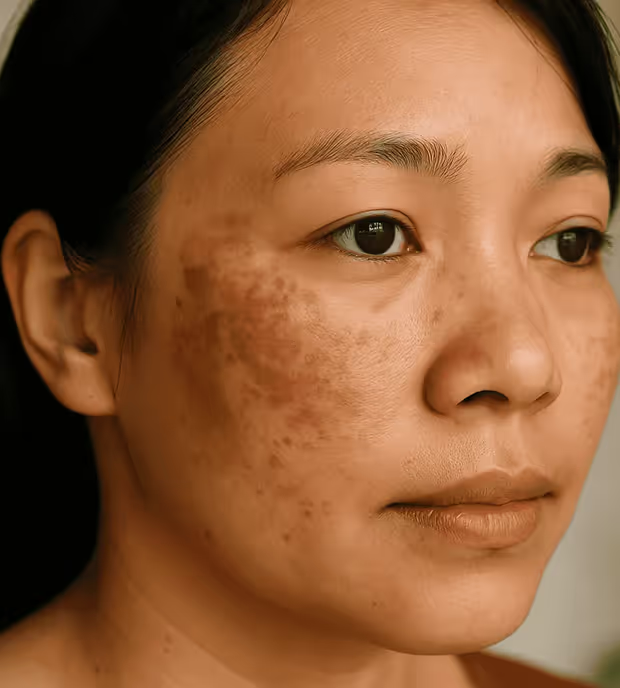
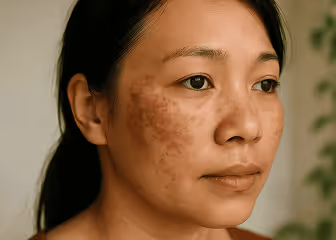
What is Melasma?
Also called "chloasma," melasma is a skin disorder characterized by skin discoloration in the form of patchy brown areas on the skin. Melasma is more common in women, particularly pregnant women (also known as "the mask of pregnancy"). While people of all skin tones can have melasma, it is most common in people with darker skin.
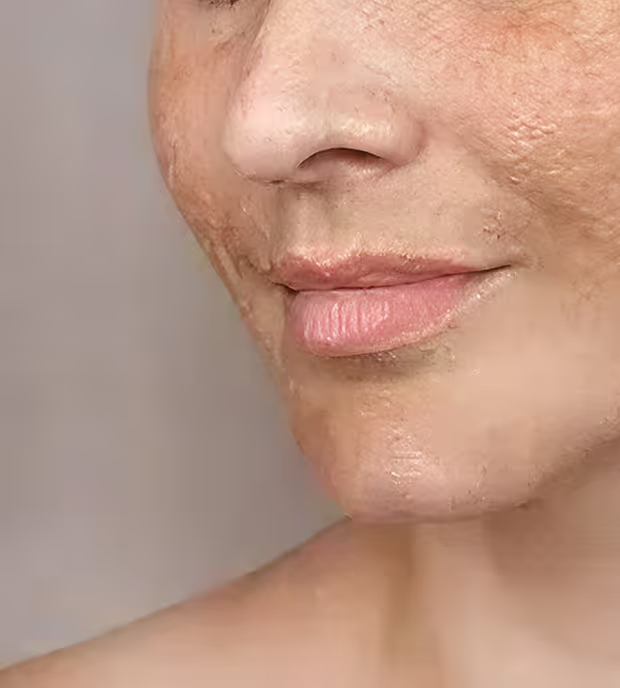
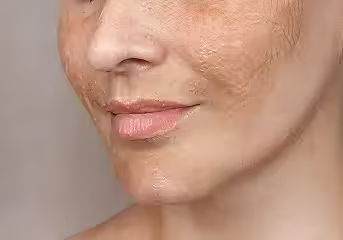
What Causes Melasma?
The overproduction of pigment, or melanin, causes melasma. Causes of pigment overproduction include ultraviolet radiation exposure (e.g., sunlight, tanning beds), hormonal fluctuation (e.g., birth control, pregnancy, and hormonal therapy), and heat overexposure.
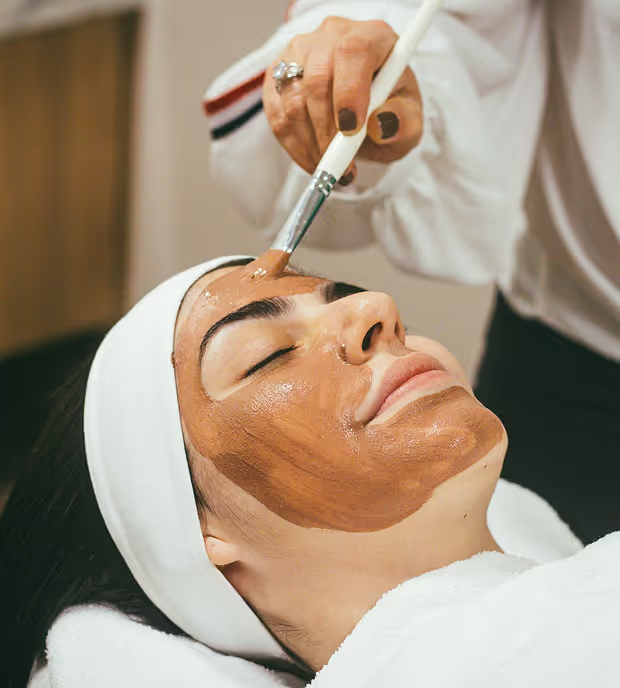
How is Melasma Treated?
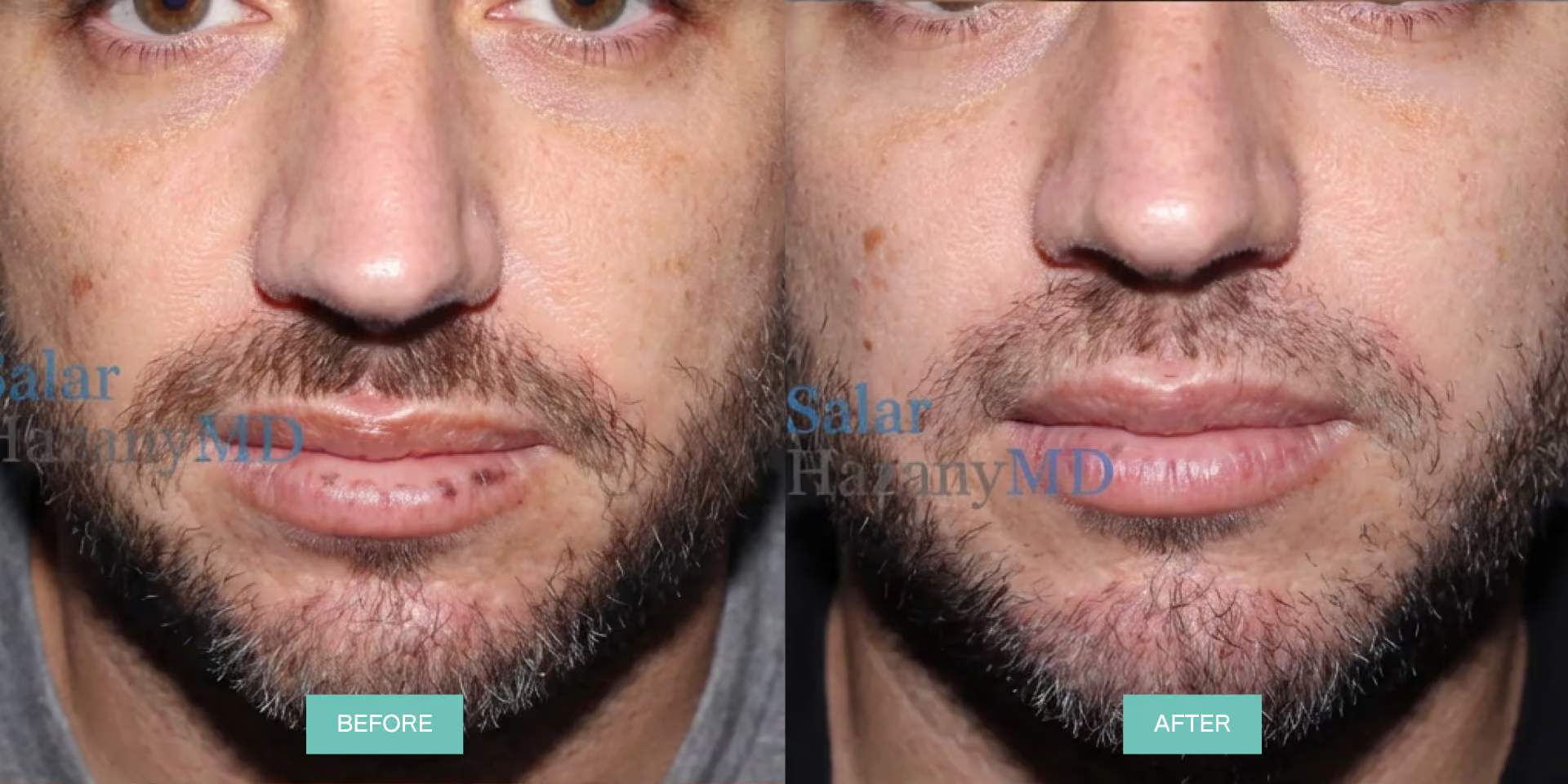
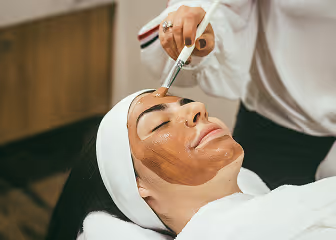
Dr. Hazany is a melasma removal specialist in Beverly Hills. There is not yet a cure for melasma. However, with treatment, melasma symptoms can be reduced and even eliminated. Dr. Hazany might treat your melasma with custom topical creams such as retinoids, bleaching agents, and oil-reducing topicals. To treat melasma, Dr. Hazany will also help you determine the best UV protection methods for your skin type. For more persistent melasma symptoms, Dr. Hazany devises a treatment strategy that might include chemical peels, laser treatment, and short regimens of oral medications.
Patient Experiences That
Speak for Themselves
Frequently Asked Questions
Melasma treatment reduces facial discoloration and hyperpigmentation through advanced dermatologic approaches.
What is melasma and who is most affected?
Melasma is a common skin condition causing symmetric brown to gray-brown patches on the face. The condition predominantly affects women, though men can develop it. Melasma is more common in individuals with darker skin types and those living in sunny climates. Hispanic, Asian, Indian, and Middle Eastern individuals are most commonly affected. The condition appears primarily on cheeks, bridge of nose, forehead, chin, and upper lip. Melasma is not dangerous but significantly affects appearance and quality of life. The condition often develops in reproductive-age women. Dr. Salar Hazany treats melasma successfully at Hazany Derm.
What causes melasma and what are risk factors?
The exact cause of melasma is not fully understood but involves multiple factors. UV exposure is the strongest trigger—melasma occurs almost exclusively on sun-exposed areas. Genetics play a significant role. Hormonal factors influence melasma development—pregnancy and oral contraceptives frequently trigger melasma. Certain medications increase photosensitivity and melasma risk. Skin irritation from cosmetics or procedures can trigger melasma. Genetic predisposition combined with environmental triggers causes melasma. Sun protection is the most important preventive measure. Dr. Hazany emphasizes prevention for melasma management.
How is melasma treated and what are treatment options?
Dr. Salar Hazany offers multiple treatment approaches for melasma management. Topical depigmenting agents like hydroquinone lightening are first-line treatments. Tretinoin (retinoid) cream improves melasma over time. Combination creams containing multiple depigmenting agents work synergistically. Chemical peels can improve melasma appearance. Laser treatments targeting melanin can reduce melasma. IPL (intense pulsed light) treatments address both melasma and skin quality. The team at Hazany Derm customizes treatment based on melasma extent. Results improve with consistent treatment and sun protection.
How important is sun protection in melasma treatment?
Sun protection is absolutely critical for melasma management. UV exposure worsens existing melasma and prevents treatment from working effectively. Daily broad-spectrum SPF 50+ sunscreen is essential. Reapplying sunscreen every 2 hours maintains protection. Protective clothing, hats, and sunglasses provide physical protection. Avoiding sun exposure during peak hours prevents triggering. Even minimal sun exposure can worsen melasma. Without sun protection, treatments often fail or improve insufficiently. Dr. Hazany emphasizes sun protection as fundamental to success. Treatment plus sun protection produces best results.
How long does melasma treatment take to show results?
Melasma treatment requires patience—results develop gradually. Topical treatments show subtle improvement after 4-6 weeks. Dr. Hazany notes that more noticeable improvement appears after 2-3 months of consistent use. Full treatment response may take 4-6 months or longer. Chemical peels show improvement after a few treatments spaced weeks apart. Laser and IPL treatments show progressive improvement with multiple sessions. Results continue improving months after finishing treatment. Inconsistent treatment or sun exposure prevents improvement. The team at Hazany Derm counsels patients on realistic timelines. Compliance with treatment and sun protection matters significantly.
Can melasma recur after successful treatment?
Yes, melasma commonly recurs if sun protection is not maintained. The underlying genetic predisposition remains even after successful treatment at Hazany Derm. Returning to sun exposure causes melasma to return. Continuing triggering medications perpetuates melasma risk. Some patients require maintenance treatment indefinitely. Consistent sun protection significantly reduces recurrence risk. Pregnancy or oral contraceptives can re-trigger melasma. Understanding recurrence risk helps set realistic expectations. Dr. Hazany discusses long-term management strategies with patients.
Is melasma curable or permanent?
Melasma is a chronic condition rather than a curable disease. Treatment can significantly lighten or nearly eliminate visible melasma. However, the genetic predisposition persists. Without ongoing sun protection, melasma typically returns. Maintenance treatment often prevents recurrence. Some patients maintain improvement long-term with diligent sun protection. Early intervention and consistent treatment prevent severe melasma. The goal is managing melasma rather than permanent cure. Dr. Hazany helps patients develop realistic expectations.