




%201.avif)



Active Acne
Treatment
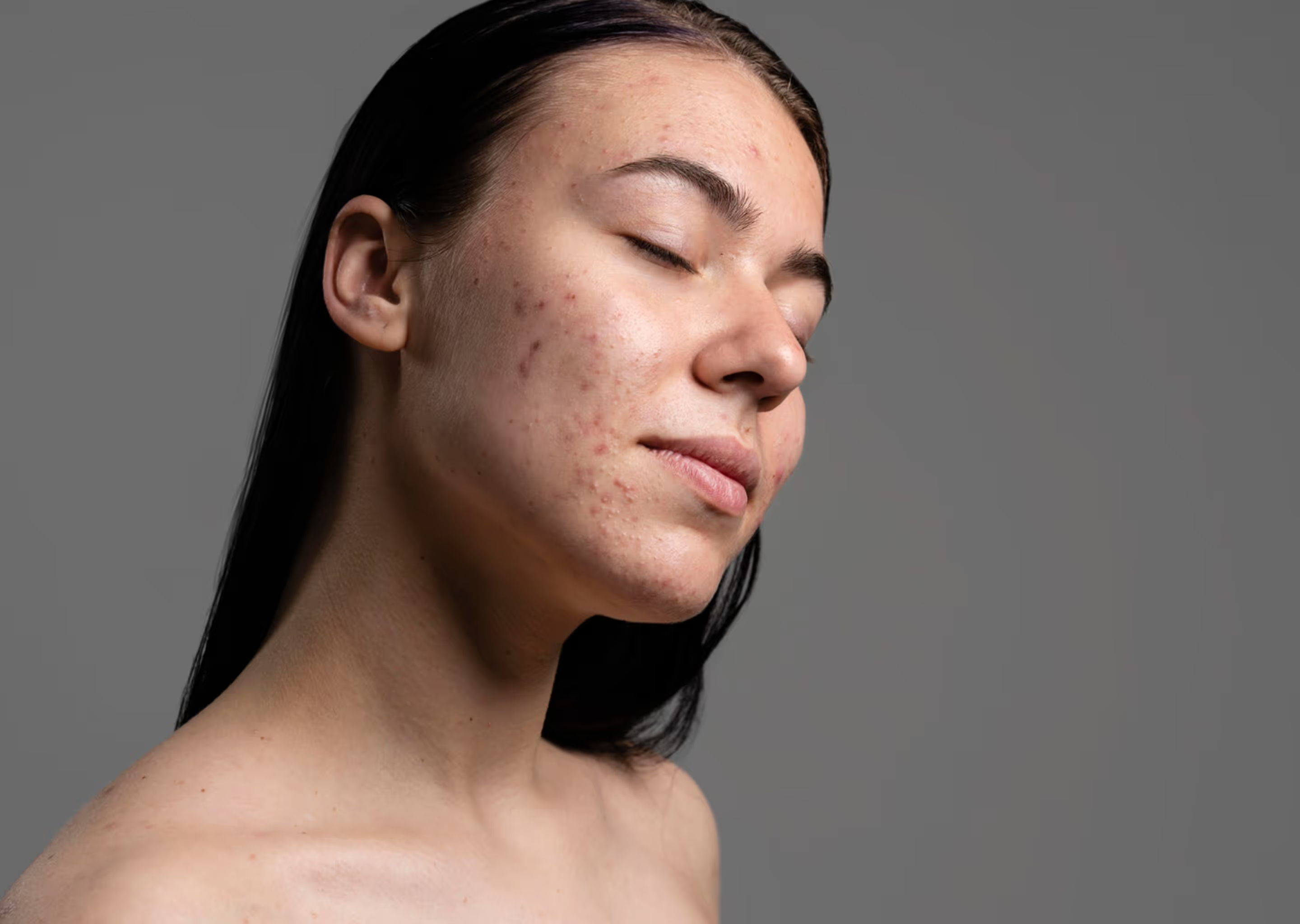
You Deserve Clear Skin
You deserve the best acne treatment. Dr. Hazany is an active acne expert in Beverly Hills and Los Angeles. Acne is a very personal skin condition that is often detrimental to one’s self-esteem. Dr. Hazany derives great satisfaction in helping his patients achieve clearer skin and regain their self-confidence with acne treatment. Through years of studying and researching active acne, he determines the root cause of active acne to provide the best acne treatment results possible.
What is Active Acne?
If you suffer from acne, you are not alone. According to The American Academy of Dermatology, acne is the most common skin condition in the United States, as it affects approximately 50 million Americans each year. Acne is a skin condition that involves sebaceous (oil) glands and hair follicles (pores), tiny holes in the skin. Sebaceous glands produce an oily substance called sebum. Sebaceous glands are located in the dermis (the second layer of skin, below the epidermis) and connected to skin pores. These pores can become clogged by excess sebum, dead skin cells, dirt, bacteria, or other debris. Pimples or “zits” develop when skin pores become clogged. If bacteria are present in the clogged pore, this can trigger an immune response and cause inflammation. Acne develops if this happens frequently and over a sustained time. Acne commonly develops on the face, scalp, neck, chest, shoulders, and back. While acne is not typically a serious health threat, it can cause scarring, discomfort, and emotional distress.


What Causes and Exacerbates Active Acne?
You can treat active acne by addressing some of the causes of inflammation and sebum overproduction. Regarding your diet, it is best to limit your consumption of foods that trigger an immune response and increase oil production, such as refined carbohydrates and dairy products. Opting for foods that contain a low glycemic index, healthy fats, antioxidants, and probiotics can help promote clearer skin. You can also avoid acne by practicing good skin hygiene, like washing your face with a gentle cleanser, protecting your skin from the sun, and abstaining from smoking tobacco.
However, despite making lifestyle choices that can prevent acne, sometimes, it is simply out of your control. In this case, a dermatologist specializing in acne treatment like Dr. Hazany can help you devise a strategy to overcome acne that might include topical medications, oral medications, non-surgical procedures, or minimally invasive surgery.
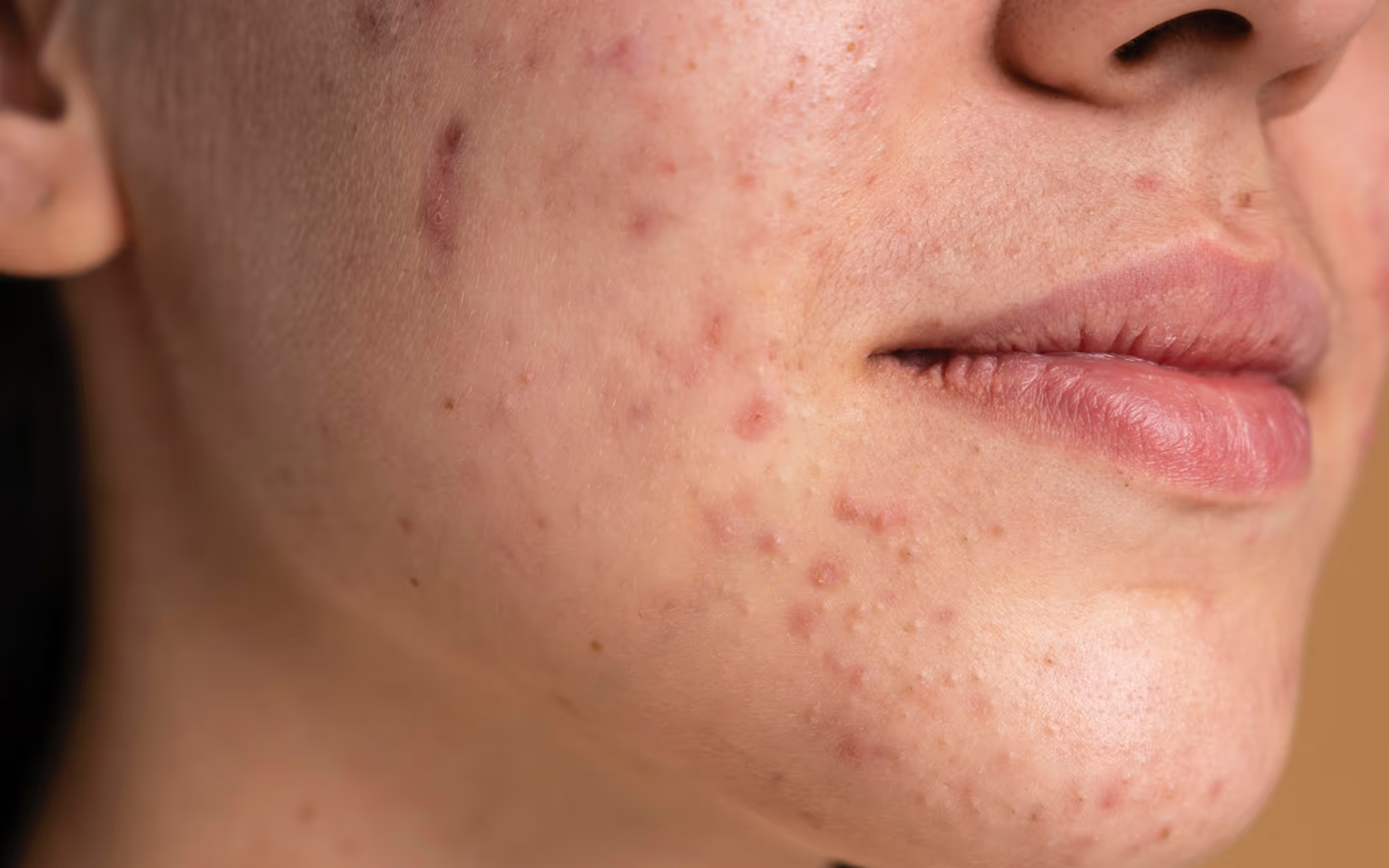
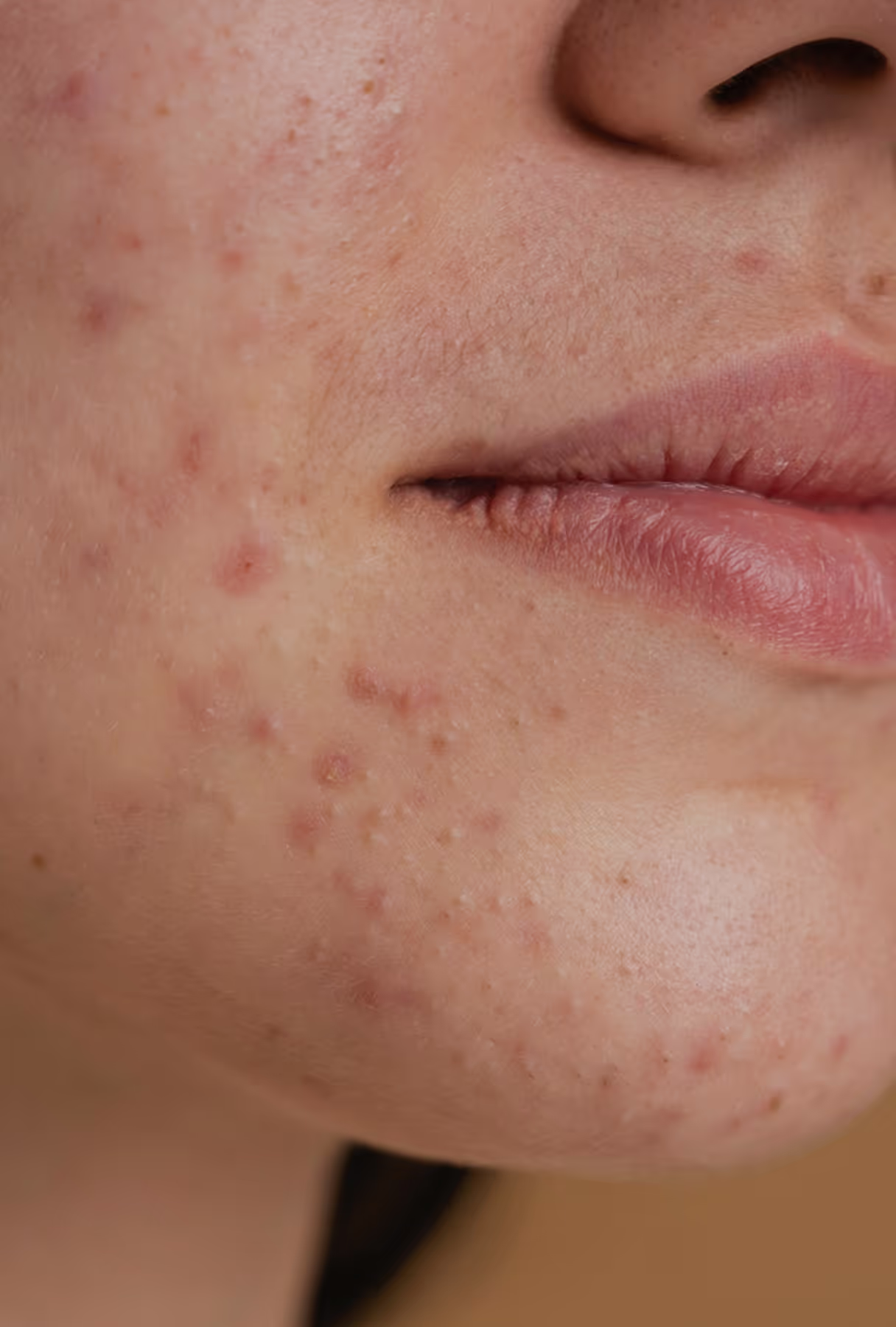
Changes in sebaceous glands can cause excess sebum production and cause acne. When sebaceous glands produce higher sebum levels — which carries with it dead skin cells, dirt, and bacteria — it is more likely that your pores will become clogged and that you will develop acne. Sebaceous glands can produce excess sebum due to genetics, hormonal fluctuations, poor diet, stress, acne-provoking medications, pore-clogging products, or climate changes.
Patient Experiences That
Speak for Themselves
Frequently Asked Questions
Expert active acne treatment addressing underlying causes and achieving clear skin through medical and procedural approaches.
What causes different types of acne lesions?
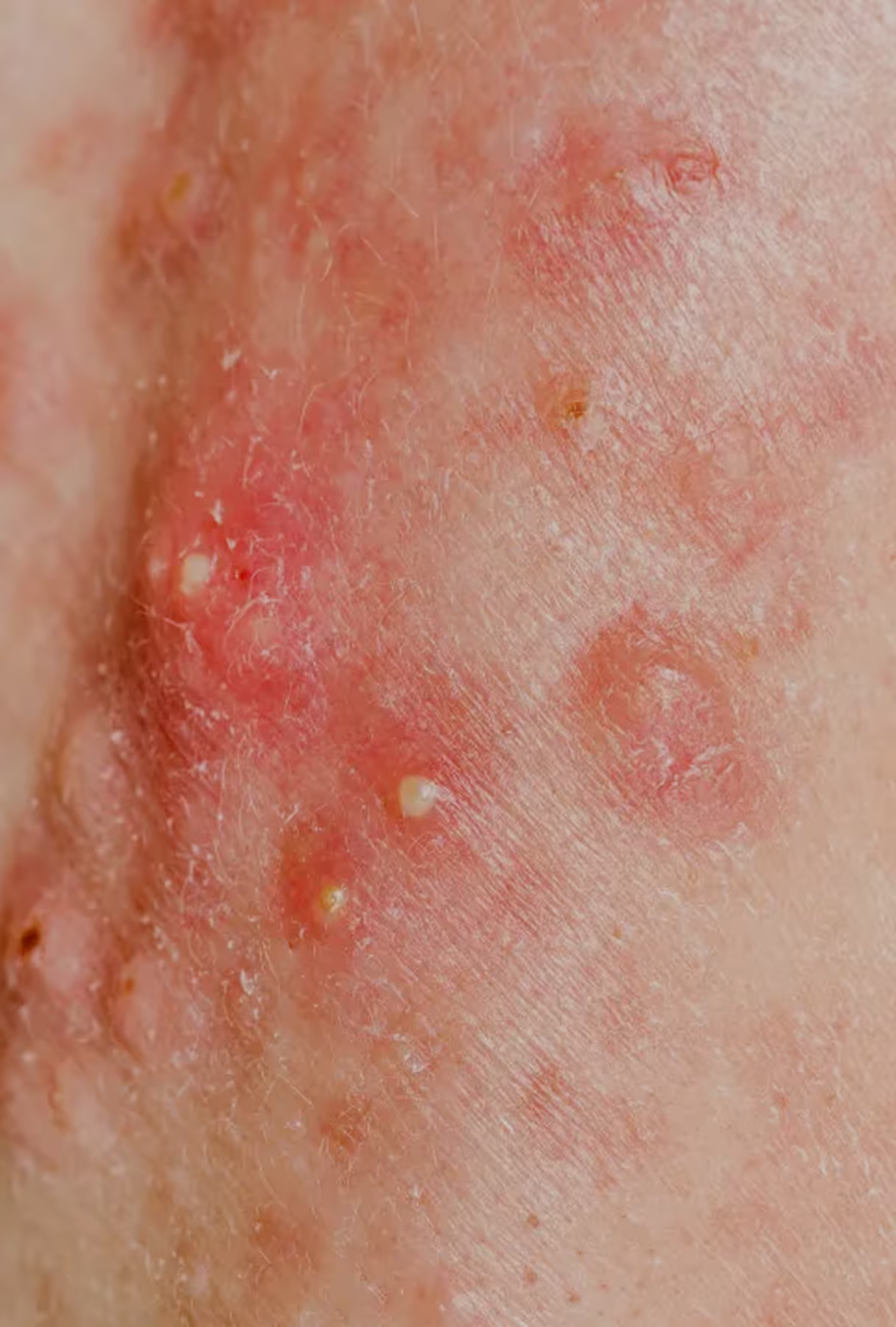
Different acne lesion types result from varying degrees of follicular obstruction and inflammation. Comedones (blackheads and whiteheads) form when follicles become clogged with sebum and dead skin but without significant bacterial colonization or immune response. Blackheads appear dark due to oxidation, not dirt. Whiteheads remain beneath the skin surface. Non-inflammatory acne is generally less painful and doesn't scar. Papules and pustules develop when bacteria colonize clogged follicles, triggering inflammation; papules are firm bumps while pustules contain visible pus. Nodules and cysts form from deeper follicular rupture and severe inflammation extending into the dermis; these are most likely to scar. The progression from mild to severe often follows this pattern as untreated lesions worsen. Understanding which lesion types are present guides treatment selection.
Can diet and lifestyle changes alone clear acne?
Diet and lifestyle modifications support acne improvement but rarely clear acne alone, especially for moderate to severe cases. Some evidence suggests that high-glycemic foods and milk products may worsen acne in susceptible individuals; eliminating these helps some patients. Regular cleansing prevents excess sebum and bacteria accumulation that worsens acne. Stress management may help since stress hormones influence sebum production and inflammation. Sufficient sleep supports immune function and skin healing. However, genetic predisposition and hormonal factors often outweigh lifestyle modifications alone. For significant acne, medical treatment through topical or oral medications is usually necessary. The most effective approach combines appropriate medical treatment with supportive lifestyle modifications. Dr. Hazany discusses realistic expectations and combines medical treatment with lifestyle guidance for optimal results.
When should acne be treated with oral medications rather than topicals?
Oral medications are appropriate for moderate to severe acne that doesn't respond to topical treatments. Acne covering large areas of the face or body benefits from systemic treatment reaching all affected skin. Inflammatory acne with many pustules and cysts requires anti-inflammatory effects that oral medications provide more effectively. Acne causing emotional distress warrants more aggressive treatment including oral medications. Hormonal acne in women often responds better to hormonal treatments or antibiotics than topicals alone. Any acne likely to scar (nodules and cysts) should be treated aggressively with oral medications to prevent scarring. Back and chest acne often requires oral treatment due to difficulty applying topicals consistently. Acne with significant postinflammatory hyperpigmentation benefits from oral antibiotics with anti-inflammatory properties. Dr. Hazany assesses acne severity and progression to determine when oral medications are indicated. The goal is clearing acne effectively while preventing the scarring that topical-only treatment might allow.
What are realistic expectations for acne treatment timeframes?
Realistic expectations about acne treatment timing improve patient satisfaction and compliance. Most topical treatments require 6-8 weeks to show improvement; full benefits may take 12-16 weeks. Oral antibiotics typically show improvement within 4-6 weeks but full benefit takes 2-3 months. Hormonal treatments in women may take 2-3 months to show acne improvement as they work through hormonal cycles. Isotretinoin provides excellent improvement within weeks and months but requires careful monitoring. Procedural treatments like laser or phototherapy show improvement immediately but may require multiple sessions. Even with optimal treatment, acne doesn't clear overnight; patience is necessary. Initial worsening can occur with retinoids as skin turns over faster. Understanding these timelines helps patients persist with treatment rather than prematurely switching options. Dr. Hazany discusses realistic timeframes at the beginning of treatment.
Why might acne worsen initially when starting a new treatment?
Initial acne worsening, sometimes called purging, can occur with certain acne treatments, particularly retinoids. Retinoids increase skin cell turnover, bringing existing lesions to the surface faster than normal skin cycle. This faster clearing of congested pores can appear as temporary worsening before improvement occurs. Increased cell turnover may irritate skin, triggering additional inflammation temporarily. Most patients see improvement after 4-6 weeks of initial adjustment. Starting retinoids at lower concentrations minimizes initial irritation and purging. Gentle skin care and moisturizing support skin through the adjustment period. Oral medications may cause initial mild breakouts before improvement as sebum production decreases. Understanding that initial worsening typically precedes improvement helps patients persist with treatment. Dr. Hazany explains this phenomenon and adjusts treatment intensity to balance improvement against patient tolerance.
How does Dr. Hazany treat acne differently than general dermatologists?
Dr. Hazany's approach to acne emphasizes identifying and treating root causes rather than just suppressing lesions with medications. He carefully assesses whether acne is primarily bacterial, hormonally-driven, comedonal, or inflammatory, tailoring treatment accordingly. His commitment to preventing scarring means earlier, more aggressive treatment of severe acne. He combines medical treatments with procedural options like laser therapy for enhanced results. Dr. Hazany's patient education about acne causes and prevention strategies improves long-term outcomes beyond just current treatment. His meticulous attention means each patient receives a customized plan rather than a one-size-fits-all approach. The experts at Hazany Derm coordinate treatment across medical and procedural options for comprehensive care. Dr. Hazany's reputation for acne expertise attracts patients with difficult-to-treat cases seeking his specialized knowledge. This combination of scientific understanding, comprehensive treatment options, and commitment to preventing scarring distinguishes Dr. Hazany's acne care.
What should I do if my acne isn't improving after several weeks of treatment?
If acne isn't improving after 6-8 weeks of appropriate treatment, reassessment is important. The diagnosis may need revision—what appears to be acne might be acne rosacea or fungal acne requiring different treatment. Compliance issues might prevent improvement; using medications inconsistently won't produce results. The specific medication or concentration might need adjustment; sometimes increasing strength or adding complementary treatments helps. Your dermatologist may need to examine you to identify barriers to improvement. Dr. Salar Hazany recommends follow-up appointments to evaluate progress and modify treatment as needed. Some acne requires combination approaches or procedural treatments in addition to medications. Rather than continuing ineffective treatment, prompt reassessment ensures you get appropriate care. Hazany Derm's commitment to treatment success means ongoing adjustment until clear skin is achieved.