



%201.avif)


Non-Surgical
Active Acne Treatment


Accutane & Absorica (Isotretinoin)
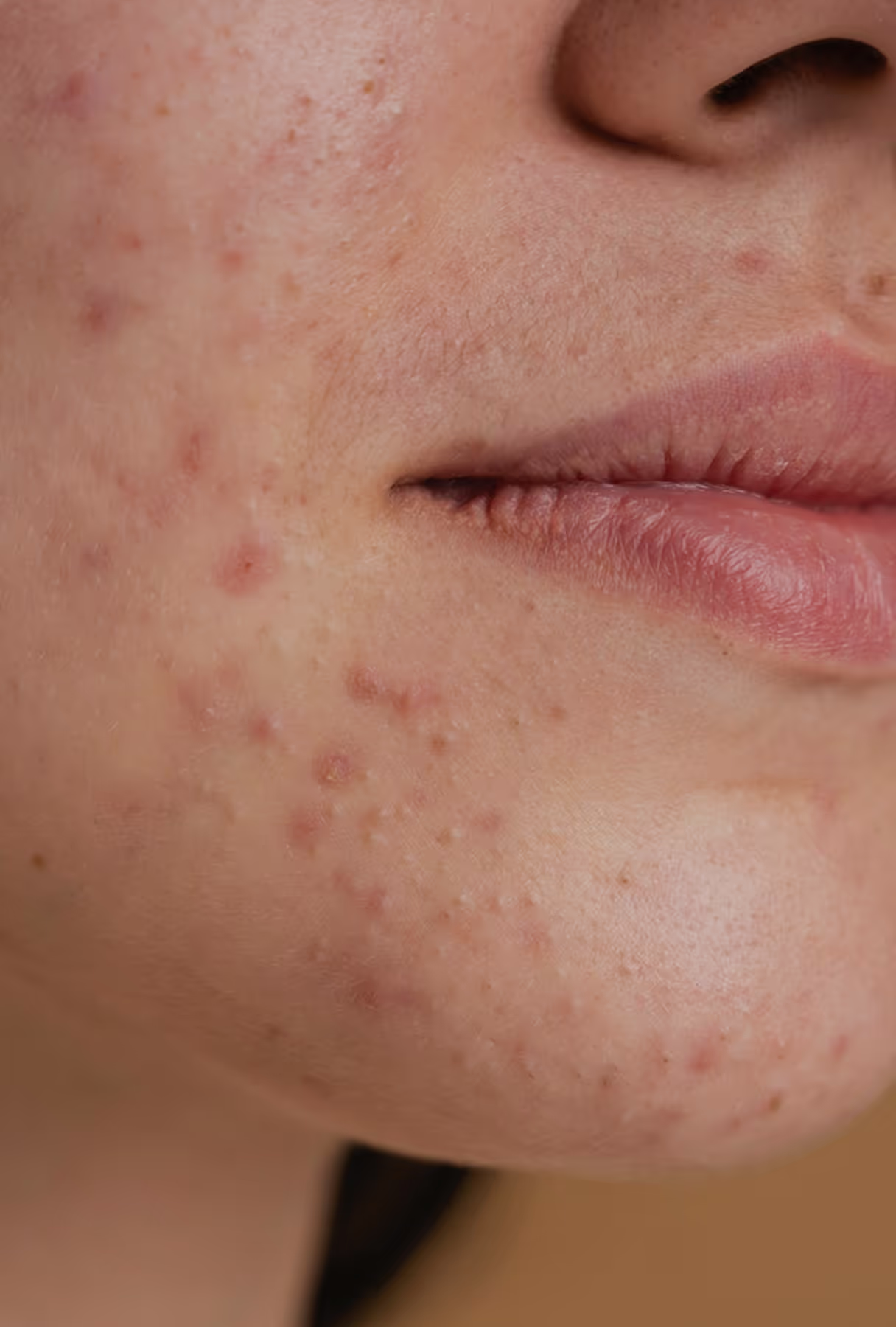
Accutane is the most aggressive treatment in the fight against chronic and severe acne. It is extremely effective and often can lead to a permanent reduction or complete resolution of acne. Dr. Hazany tends to use this only as a last resort because its potential side effects necessitate careful monitoring. Dr. Hazany emphasizes that side effects can be avoided if used properly and dosed by an expert.
Antibiotics
Doxycycline and minocycline are the most common antibiotics used to treat acne and rosacea. They are anti-inflammatory and serve to reduce the red bumps that are common with pustular acne types.Dr. Hazany does not believe in long-term use of antibiotics as they have many side effects, including gastrointestinal upset, sun sensitivity, and pigmentary disorders, just to name a few. Dr. Hazany prefers to limit the use of antibiotics and phase them out as the treatment plan progresses.
Hormonal Modulation
Hormonal modulation drugs can be an effective way to reduce hormone induced acne. It is very important to be treated by a board-certified dermatologist familiar with hormonal modulation as some of these medicines can cause heart complications, blood clot formation, and other dangerous side effects. If handled by an expert, this can be a very safe and effective way to treat hormonal acne.
Topical Medication
Dr. Hazany uses a specialty compounding pharmacy to customize acne creams specific to each of his patients' exact skin type, texture, oil level, and acne severity. This bespoke approach is more effective because standard one-type-fits-all topical medications can be unnecessarily drying (e.g., Retin-A, Tazorac, Differin, Epiduo). Dr. Hazany’s topical medication is mixed with a special formulation that delivers an elegant and luxurious cream tailored for your unique skin care needs.
Natural Supplements
Acne breakouts occur when pores become clogged by dead skin cells, excess oil, and bacteria. This triggers a local inflammatory response, which is usually the body’s natural defense mechanism for clearing foreign invaders. In this case, however, the result is unsightly redness and swelling.
How, then, do we calm the body’s overzealous inflammatory response? One natural herb we recommend to patients is turmeric, which contains a compound called curcumin. Scientists have found that curcumin not only reduces inflammation but is also particularly effective against the bacterium scientifically known as Propionibacterium acnes - or colloquially, “acne”.
Turmeric & Curcumin
Derived from a root, turmeric contains a potent compound called curcumin, which has proven to have both anti-inflammatory and antioxidant activity. This protects from not only acne vulgaris but also cancer and other diseases!
Zinc Gluconate
Zinc is a natural element in your body that plays a vital role in fighting infection and reducing oxidative stress. Taking daily zinc supplements will further enhance your body's ability to prevent acne breakouts!
Vitamins A & C
Vitamins A and C are essential for inhibiting oil production on your skin and promoting neocollagenesis, respectively. They also have potent anti-inflammatory and antioxidant activity to further enhance the effects of zinc and curcumin!


Patient Experiences That
Speak for Themselves
Frequently Asked Questions
Medical acne treatment options including topical and oral medications for effectively clearing acne without surgery.
What are the most effective topical acne medications?
Topical retinoids (retinol, retinaldehyde, tretinoin) are among the most effective topical treatments for acne. Retinoids increase skin cell turnover, reduce comedones, and improve inflammation. Benzoyl peroxide kills acne bacteria and reduces inflammatory lesions effectively. Salicylic acid exfoliates and unclogs follicles, helping with comedonal acne. Topical antibiotics (clindamycin, erythromycin) reduce bacterial colonization and inflammation. Combination products containing retinoids and benzoyl peroxide or antibiotics provide enhanced benefits. Azelaic acid treats acne and improves postinflammatory hyperpigmentation simultaneously. Niacinamide reduces sebum production and has anti-inflammatory effects. The most effective approach combines multiple topical medications with different mechanisms. Starting treatments gradually and building concentration prevents irritation. Dr. Hazany personalizes topical regimens based on acne type and skin sensitivity. Consistent use for 6-8 weeks is necessary to assess topical medication effectiveness.
When should oral antibiotics be used for acne?
Oral antibiotics are appropriate for moderate inflammatory acne that doesn't respond adequately to topical treatments. Antibiotics reduce bacteria, suppress inflammation, and improve pustular and nodular acne. Doxycycline is commonly used due to its anti-inflammatory properties beyond bacterial killing. Minocycline works similarly but with slightly different side effects. Azithromycin is useful for patients unable to take tetracyclines. Oral antibiotics typically show improvement within 4-6 weeks. They work best when combined with topical treatments like benzoyl peroxide and retinoids. Long-term antibiotic use carries risks of bacterial resistance and fungal overgrowth. Antibiotics should be used for limited periods (2-3 months) before switching approaches. Hormonal treatments or isotretinoin may be necessary if antibiotics lose effectiveness. Dr. Hazany prescribes antibiotics strategically, combining them with topical medications to optimize results while minimizing resistance.
What is isotretinoin and when is it used for acne?
Isotretinoin (Accutane) is a powerful oral medication derived from vitamin A used for severe, scarring acne that hasn't responded to other treatments. Isotretinoin works by shrinking sebaceous glands, dramatically reducing sebum and bacterial growth. Unlike other acne treatments that suppress symptoms, isotretinoin can produce long-term remission or cure of acne. Improvement develops over months of treatment, with results becoming apparent within weeks. Isotretinoin requires careful monitoring due to potential side effects including skin dryness, lip chapping, and potential mood changes. Isotretinoin is teratogenic (causes birth defects), so pregnancy prevention is essential for women of childbearing age. Monthly blood work monitors liver function and lipids. Despite requirements for careful monitoring, isotretinoin offers the only potential cure for severe acne. The dramatic improvement in quality of life for patients with severe acne justifies the treatment requirements. Dr. Hazany carefully evaluates whether isotretinoin is appropriate and manages the treatment closely.
Are oral contraceptives effective for acne in women?
Oral contraceptives can be very effective for hormonal acne in women by suppressing androgen levels. Hormonal acne often improves within 2-3 months of starting appropriate oral contraceptives. Certain formulations are FDA-approved specifically for acne treatment. The effectiveness depends on the progestin type—some progestins have anti-androgenic activity that improves acne. Combination of oral contraceptives with topical retinoids or antibiotics provides optimal results. Spironolactone, an androgen-blocking medication, is often combined with oral contraceptives for enhanced anti-androgenic effects. Regular monitoring ensures the hormonal treatment remains appropriate. Individual responses vary; some women see dramatic improvement while others see modest benefit. Oral contraceptives also provide benefits beyond acne treatment for birth control. Dr. Hazany and the team at Hazany Derm coordinate with women's healthcare providers to optimize hormonal acne treatment.
What is spironolactone and how does it treat acne?
Spironolactone is a potassium-sparing diuretic that blocks androgen receptors, reducing sebum production driven by male hormones. For hormonal acne—particularly in women—spironolactone can be remarkably effective. Spironolactone works gradually, with improvement typically appearing after 2-3 months. Combination with oral contraceptives provides enhanced anti-androgenic effects. Benefits include improved acne and smoother skin from reduced sebum. Spironolactone requires monitoring of potassium levels through blood work as high levels could develop. Regular blood pressure monitoring is advisable. Spironolactone is particularly useful for women with PCOS (polycystic ovary syndrome) who often have hormonal acne. Side effects are generally minimal, though increased urination may occur. Dr. Hazany offers spironolactone as an option for women with hormone-driven acne who want hormonal treatment options.
How long should acne medications be used?
Duration of acne medication depends on the treatment and individual response. Topical retinoids and other topical treatments are often used long-term or indefinitely to prevent acne recurrence. Oral antibiotics are typically used for 2-3 months before tapering or switching therapies to avoid bacterial resistance. Oral contraceptives and spironolactone are used as long as they're effective and the patient tolerates them. Isotretinoin is taken for 4-6 months total in a cumulative dose. Some patients require maintenance therapy after stopping antibiotics. Combination therapy (topical + oral) may eventually reduce to topical-only maintenance. The goal is achieving long-term control with minimal effective therapy. Periodic reassessment helps determine if medication adjustments are needed. Dr. Hazany discusses treatment duration at initiation and adjusts plans based on results.