




%201.avif)



Energy-Based (Laser) Acne Scarring Removal
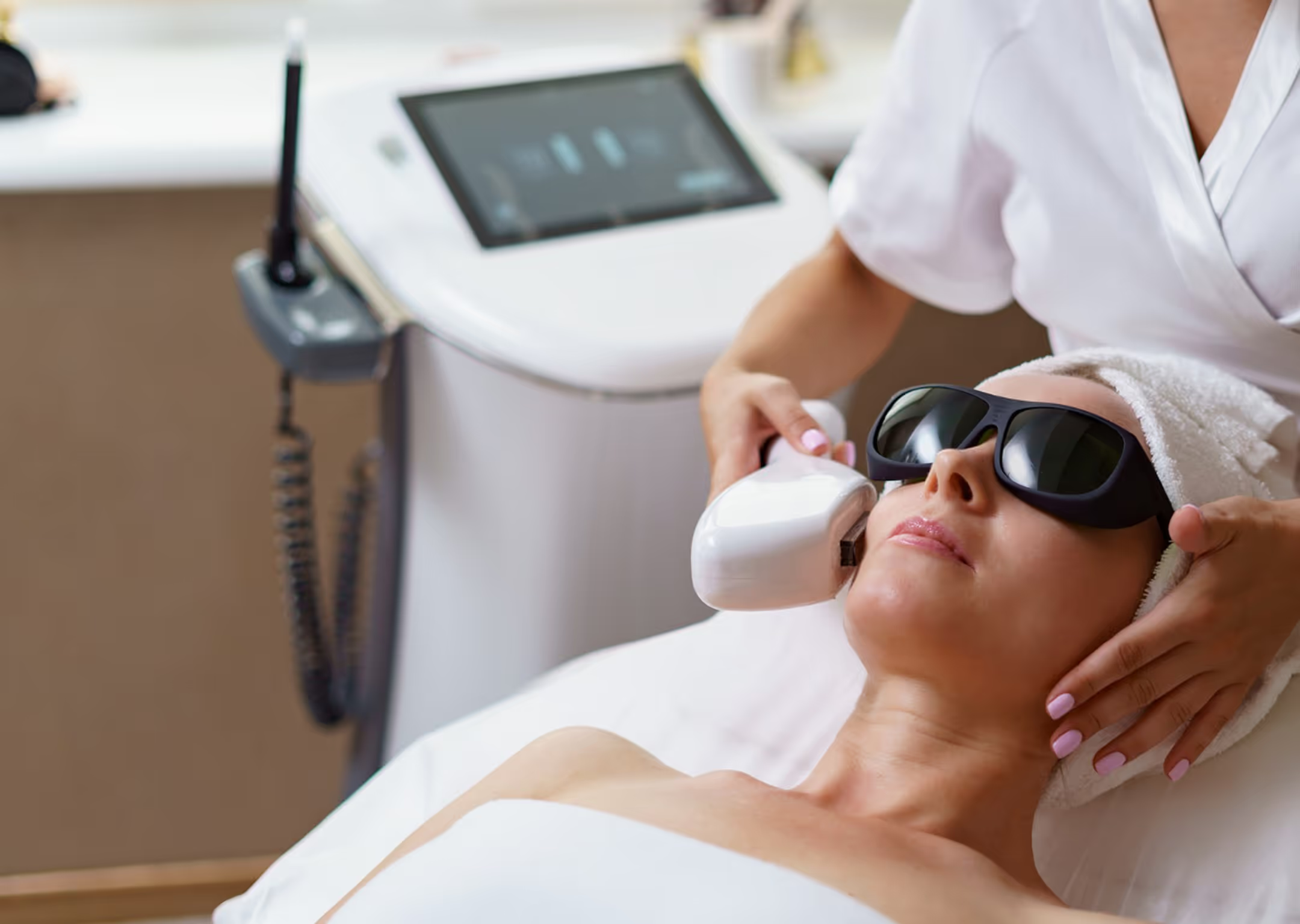
What is laser treatment?
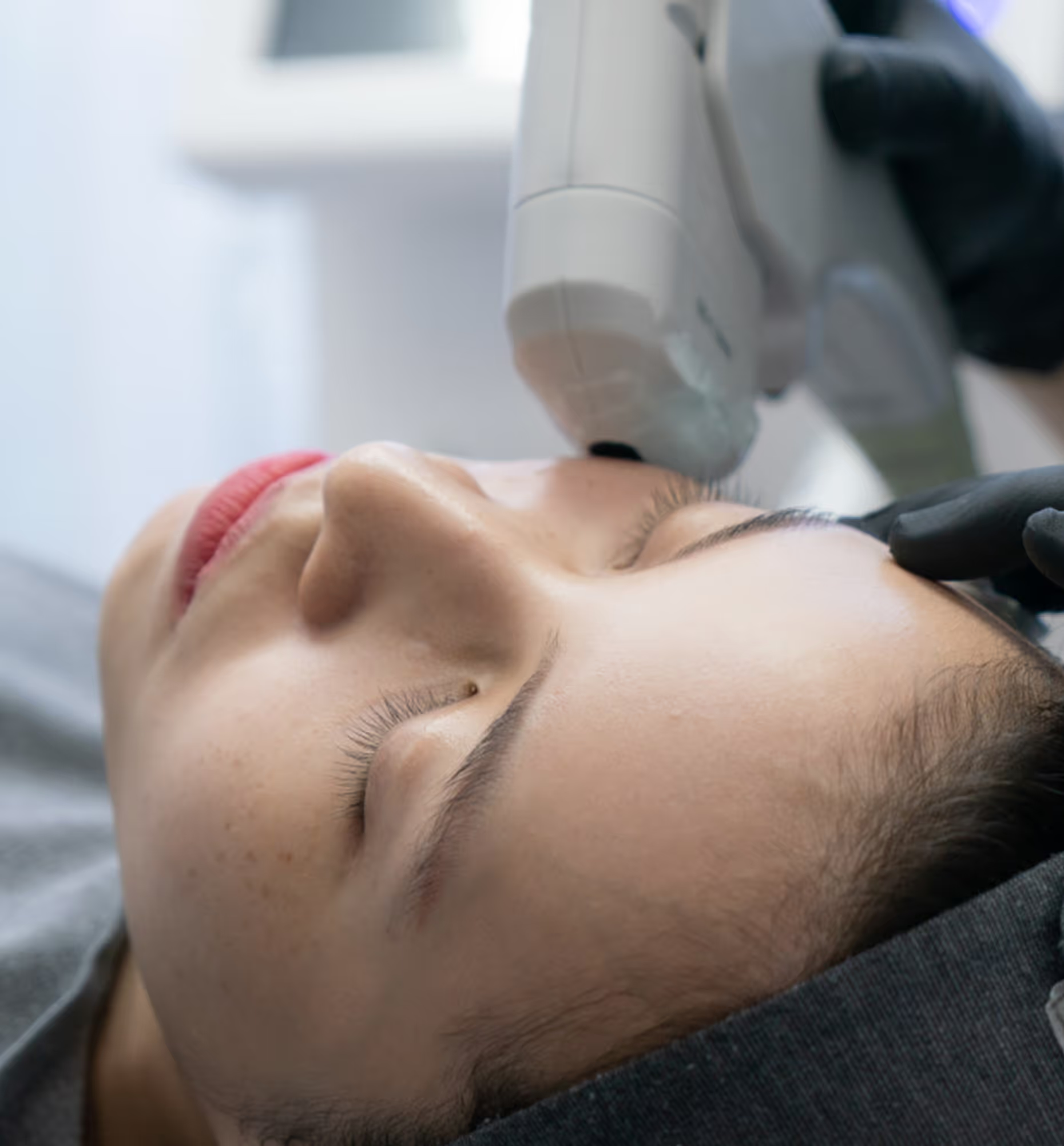
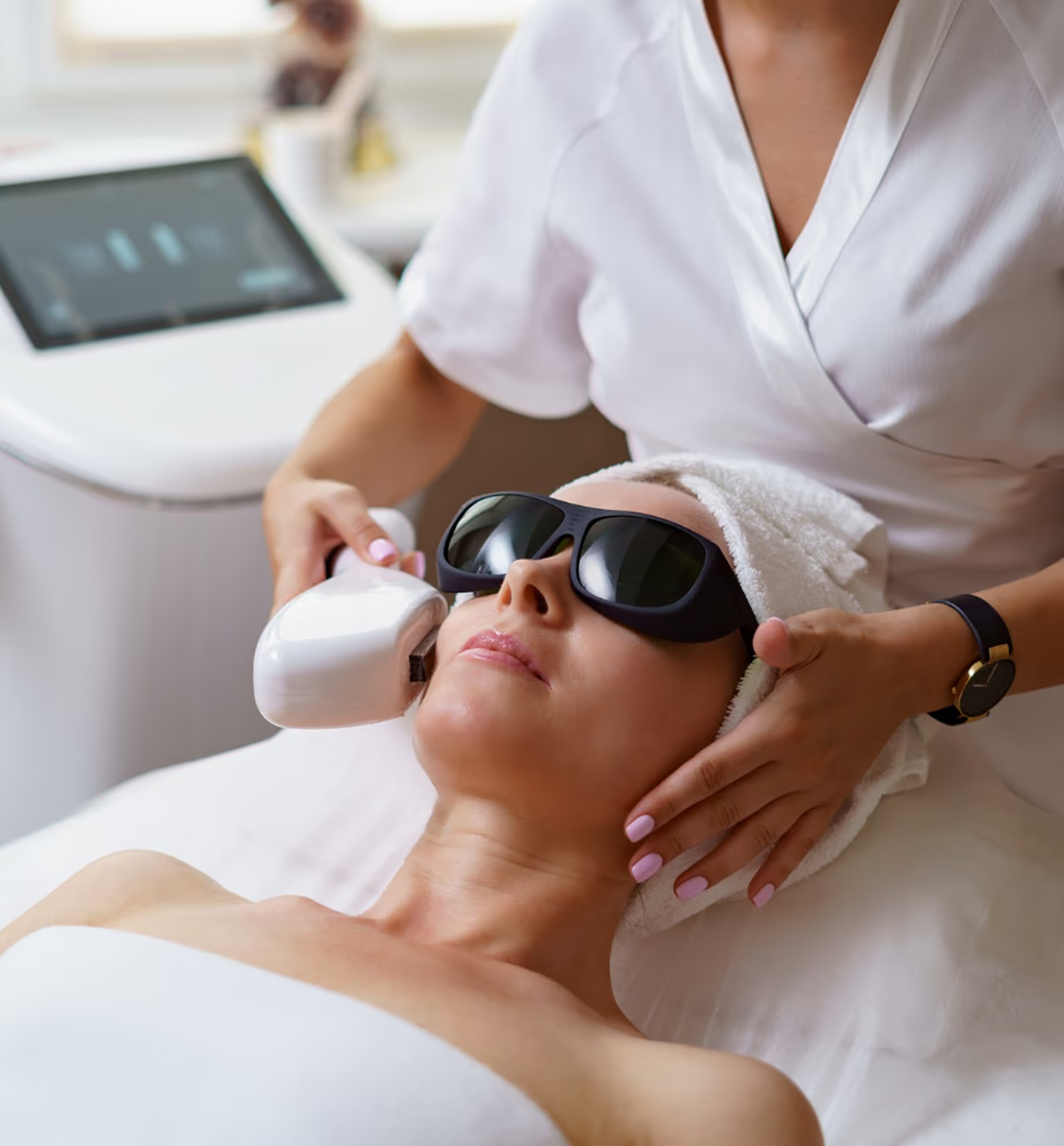
Laser resurfacing is an effective, non-invasive acne scarring treatment that produces dramatic results with minimal downtime. Our laser treatments create microscopic areas of photothermal damage that stimulate the rapid regeneration of connective tissues in the skin. This process tightens the skin and virtually eliminates acne scarring. Our office uses state of the art Fotona SP Dynamis Pro Erbium YAG lasers to deliver safe, long-lasting results for patients of all skin types.
What are the different kinds and uses for lasers?
At our clinic, we use the Fotona4D laser, which has both non-ablative (Nd:YAG) and ablative (Er:YAG) settings. Nd:YAG lasers emit shorter wavelengths of concentrated light, which allows them to penetrate deeper into the skin to target veins, hair follicles, and melanin, where they reside. On the other hand, Er: YAG lasers emit longer wavelengths of light, specifically infrared light, to ablate and thus remodel the top layers of skin. Er:YAG lasers are thus more applicable for scar treatment.
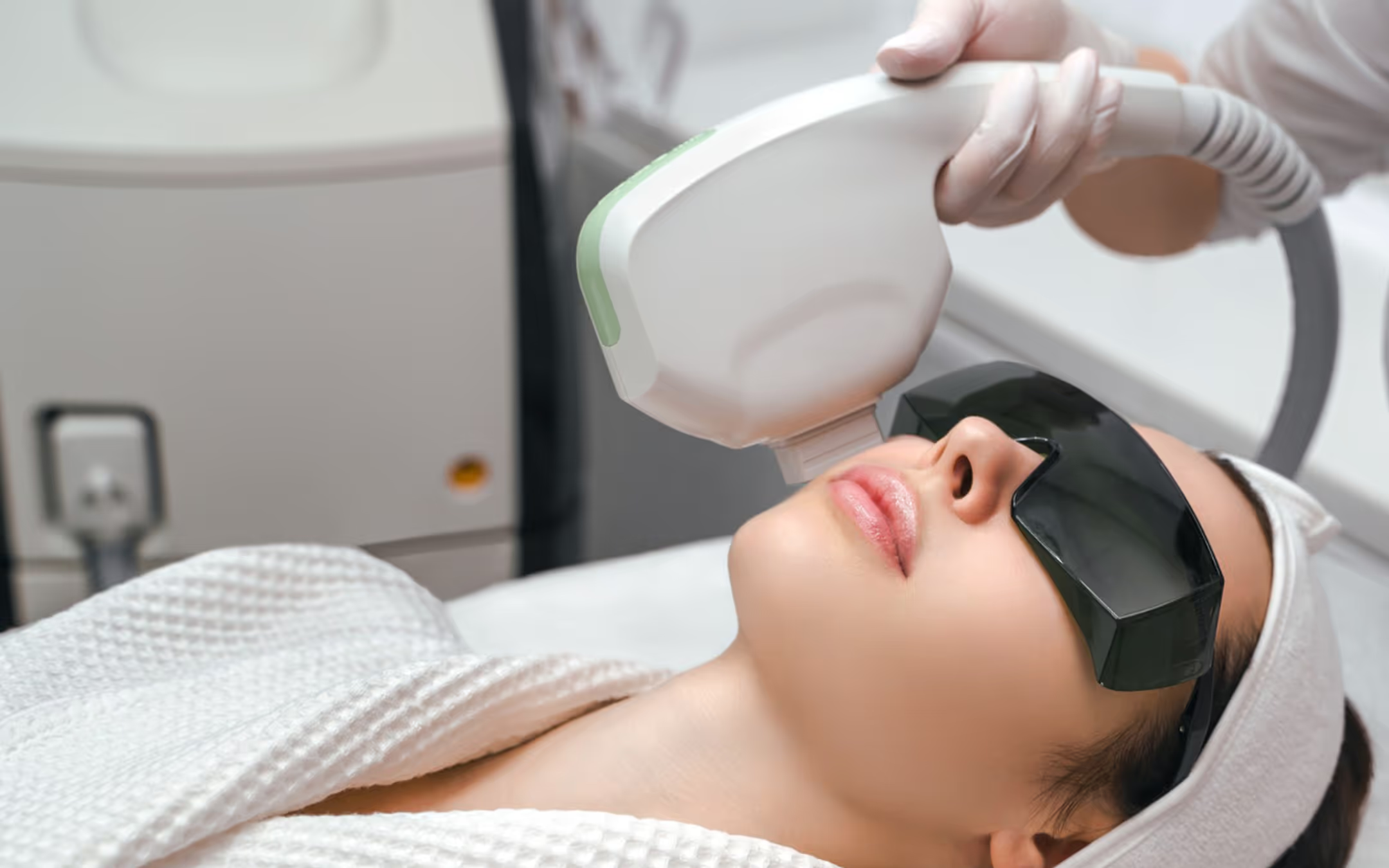
Are lasers effective for my acne scars?
Although visible improvement can be seen with ER:YAG laser treatment, lasers essentially “sands down” healthy skin around acne scars to match the level of the pitted scars. This allows a more even appearance. As a result, our firm belief is to avoid laser treatments as a first line treatment for acne scars. Instead, we believe that laser treatments are best used as a final “touch-up” treatment that smooths out your skin after your scar revision and healing during the phase system. This way, laser treatments can be used as an effective refining and enhancing treatment to fine tune your skin’s appearance to your desired goals.
Moreover, laser treatments can be effective for patients with non-acne scars, notably hypertrophic scars from burns, surgery, or other forms of trauma to the skin. In these cases, we would use a higher ablative Er:YAG setting to remodel the raised skin lesions to flatten them to the level of the surrounding healthy skin. However, in cases where the scar is severely raised and continually growing, as seen with keloid scars, lasers may not be the most viable treatment option.
What are the risks of laser treatment?
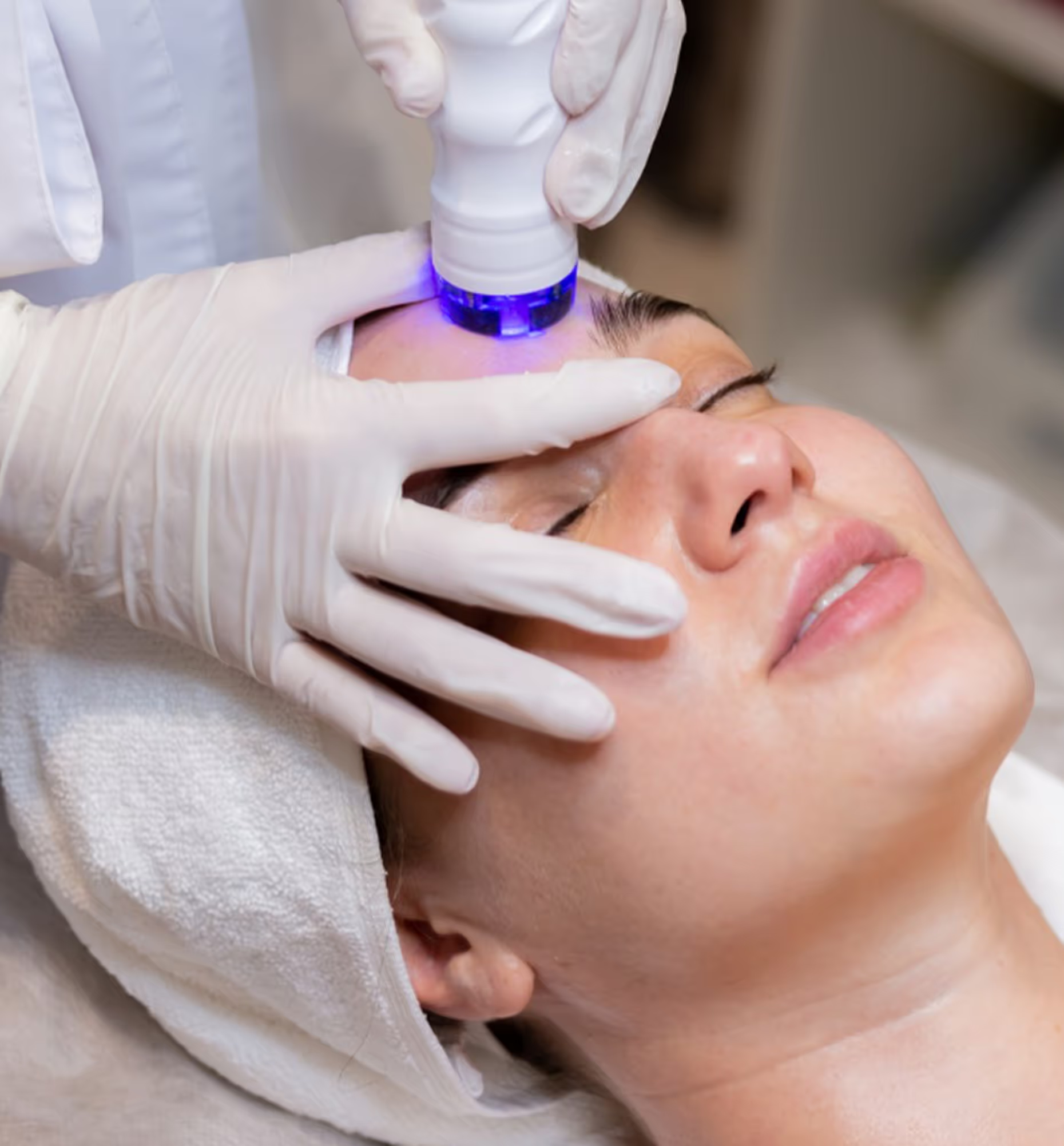
Although we use a mild setting for our laser, some risks include temporary redness, swelling, and irritation. In rare cases, infection may occur following treatment. All these risks are mitigated or entirely prevented with careful use and proper aftercare. For people of color, lasers can cause post-inflammatory hyperpigmentation. As a countermeasure, patients should avoid UV exposure and apply generous amounts of sunscreen following treatment, especially during the spring and summer months.
How long do the results last for laser treatment?
Patients will start to notice results 3 to 6 months after treatment. Afterwards, the results will persist anywhere between 3 to 5 years. Some patients may need a touch-up during that time period for results to last longer.
What are the risks of laser treatment?
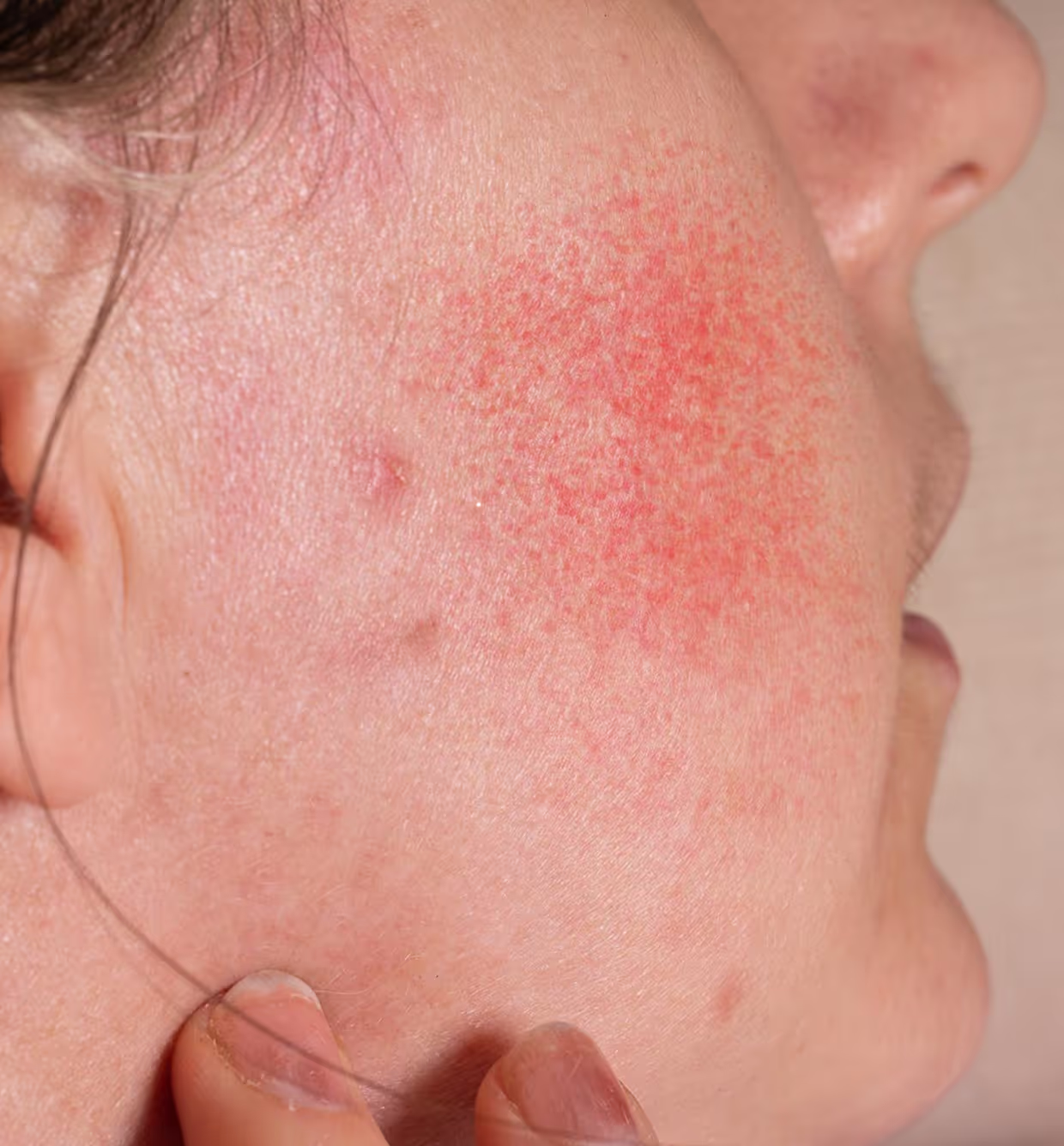
Although we use a mild setting for our laser, some risks include temporary redness, swelling, and irritation. In rare cases, infection may occur following treatment. All these risks are mitigated or entirely prevented with careful use and proper aftercare. For people of color, lasers can cause post-inflammatory hyperpigmentation. As a countermeasure, patients should avoid UV exposure and apply generous amounts of sunscreen following treatment, especially during the spring and summer months.
What is the cost for laser treatment?
Although visible improvement can be seen with ER:YAG laser treatment, lasers essentially “sands down” healthy skin around acne scars to match the level of the pitted scars. This allows a more even appearance. As a result, our firm belief is to avoid laser treatments as a first line treatment for acne scars. Instead, we believe that laser treatments are best used as a final “touch-up” treatment that smooths out your skin after your scar revision and healing during the phase system. This way, laser treatments can be used as an effective refining and enhancing treatment to fine tune your skin’s appearance to your desired goals.
Moreover, laser treatments can be effective for patients with non-acne scars, notably hypertrophic scars from burns, surgery, or other forms of trauma to the skin. In these cases, we would use a higher ablative Er:YAG setting to remodel the raised skin lesions to flatten them to the level of the surrounding healthy skin. However, in cases where the scar is severely raised and continually growing, as seen with keloid scars, lasers may not be the most viable treatment option.
Radio-Frequency Microneedling
Radio-frequency microneedling uses tiny, insulated needles to make microscopic punctures that stimulate collagen production and lift acne scars. Radiofrequency microneedling is a non-invasive, state-of-the-art technology that produces fast results with minimal downtime.
Patient Experiences That
Speak for Themselves
Frequently Asked Questions
Advanced laser treatment for acne scars in Los Angeles and Beverly Hills stimulates collagen and improves scar texture.
How do fractional CO2 lasers improve acne scars?
Fractional CO2 lasers treat acne scars through a dual mechanism of action. The laser vaporizes the scar's surface layer, removing damaged tissue and improving scar geometry. Simultaneously, the laser heat penetrates deeper layers, triggering collagen denaturation and new collagen production. This combination of surface removal and deep collagen stimulation produces dramatic scar improvement. The laser creates controlled, microscopic zones of injury surrounded by untreated skin, which accelerates healing. Fractional treatment means the entire surface isn't treated at once, reducing downtime compared to full-field CO2 lasers. Results develop gradually over weeks to months as collagen remodels. Multiple laser sessions spaced weeks to months apart provide cumulative improvement. Dr. Hazany carefully selects laser settings based on scar type and depth. The fractional CO2 laser is considered the gold standard for significant acne scar improvement.
What is the difference between fractional and non-fractional laser treatments?
Fractional lasers treat only a fraction of the skin surface, leaving islands of untreated skin between treatment zones. This pattern accelerates healing and allows faster recovery compared to non-fractional treatment. Non-fractional (full-field) lasers treat the entire skin surface uniformly, producing more dramatic results but requiring longer recovery. Fractional approaches provide a balance between significant improvement and manageable downtime. Fractional treatment typically requires 3-5 sessions for optimal results. Non-fractional treatment may achieve comparable results in fewer sessions but with more extensive downtime. The choice between fractional and non-fractional depends on scar severity and patient tolerance for downtime. Most patients prefer fractional lasers' gentler approach with comparable results. Dr. Hazany selects the appropriate laser approach based on individual scar characteristics and patient preferences.
How many laser sessions are typically needed for acne scars?
Most patients require 3-5 laser sessions for optimal acne scar improvement. The exact number depends on scar severity, scar type, and individual healing response. Mild scarring may see satisfactory improvement with 2-3 sessions. Moderate scarring typically requires 3-4 sessions. Severe or extensive scarring often benefits from 4-6 or more sessions. Sessions are typically spaced 4-6 weeks apart to allow adequate healing between treatments. Results continue improving for months after the final treatment as collagen remodels. Each successive treatment produces additional improvement. Most patients see noticeable improvement after the first treatment. By the final session, patients typically have achieved 50-75% or greater improvement. Dr. Hazany assesses progress after each treatment and recommends appropriate retreatment intervals. The cumulative effect of multiple sessions produces superior results compared to single treatment.
What is the downtime and recovery after fractional CO2 laser treatment?
Recovery after fractional CO2 laser treatment varies with laser intensity and scar extent. Immediately after treatment, the skin appears red and swollen, typically resolving within 24-48 hours. Most patients experience peeling and flaking for 3-5 days post-treatment. Redness gradually fades over 1-2 weeks. Most patients can return to work within 3-5 days with makeup coverage. Strenuous exercise should be avoided for 5-7 days. Sun protection is absolutely critical during healing to prevent postinflammatory hyperpigmentation. Moisturizing supports optimal healing. More aggressive laser settings produce more dramatic results but longer downtime. Patients should plan for potential visible peeling during recovery. Dr. Hazany provides detailed aftercare instructions. Most patients find the temporary effects worthwhile for the significant scar improvement achieved.
Can laser treatments reduce acne scarring on darker skin types?
Yes, laser treatments can effectively improve acne scars on darker skin types with appropriate technique and laser selection. Certain laser wavelengths work better on darker skin than others; erbium lasers and longer wavelength CO2 lasers are often preferred. The key is careful technique to minimize risk of postinflammatory hyperpigmentation or hypopigmentation. Darker skin types have higher natural melanin, requiring experienced providers familiar with treating diverse skin tones. Dr. Hazany has extensive experience treating acne scars on all skin types. Treatment parameters are carefully adjusted for darker skin to optimize results while minimizing complications. Some patients with darker skin see even more dramatic scar improvement due to greater collagen response. The experts at Hazany Derm ensure darker skin patients receive appropriate care. Treatment on darker skin requires skilled providers but can produce excellent results.
How does laser treatment improve different types of acne scars?
Laser treatments improve different scar types through varied mechanisms. Depressed (atrophic) scars improve as laser-stimulated collagen fills the indentation. Rolling scars improve as laser remodeling smooths the undulating edges. Boxcar scars improve as laser treatment softens the sharp, defined edges. Ice-pick scars improve as laser surface remodeling makes scars less noticeable and deep collagen stimulation partially fills them. Hypertrophic scars improve as collagen remodeling reduces thickness and redness. Post-inflammatory erythema (red scars) improves as laser reduces vascular activity causing redness. Different scar types may require different laser wavelengths or settings for optimal results. Combination approaches using multiple laser sessions often work best. Dr. Hazany selects laser parameters based on specific scar types present. This customized approach maximizes improvement for each patient's unique scarring pattern.
What results can I realistically expect from laser acne scar treatment?
Realistic expectations about laser scar treatment improve patient satisfaction. Most patients achieve 50-75% improvement in significant scarring with appropriate laser treatment. Mild scarring often improves 70-90%. Very severe scarring may see 40-60% improvement. Results develop gradually over weeks to months as collagen remodels. Early improvement appears within weeks but continues developing for 6-12 months. Perfect scar elimination is rarely achieved, but dramatic functional improvement is typical. Results are permanent since the treatment physically remodels scar tissue. Before-and-after photos demonstrate typical improvements achievable. Patients report high satisfaction given the significant improvement in scar appearance and texture. Combination with other treatments (subcision, TCA CROSS, fillers) often produces superior results. Dr. Hazany's expertise with laser scar treatment produces results often exceeding patient expectations.