




%201.avif)



Keratosis Pilaris Treatment
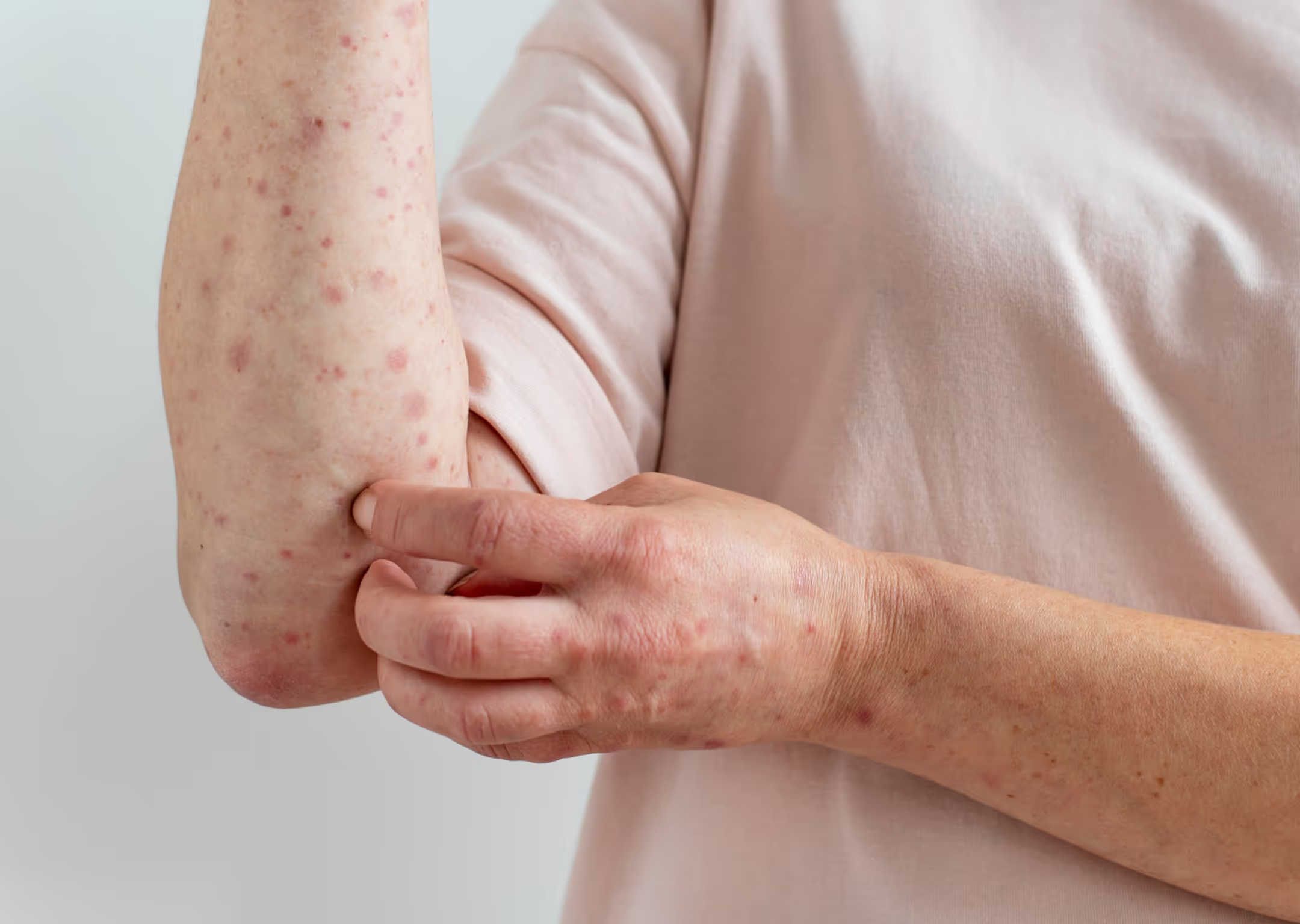
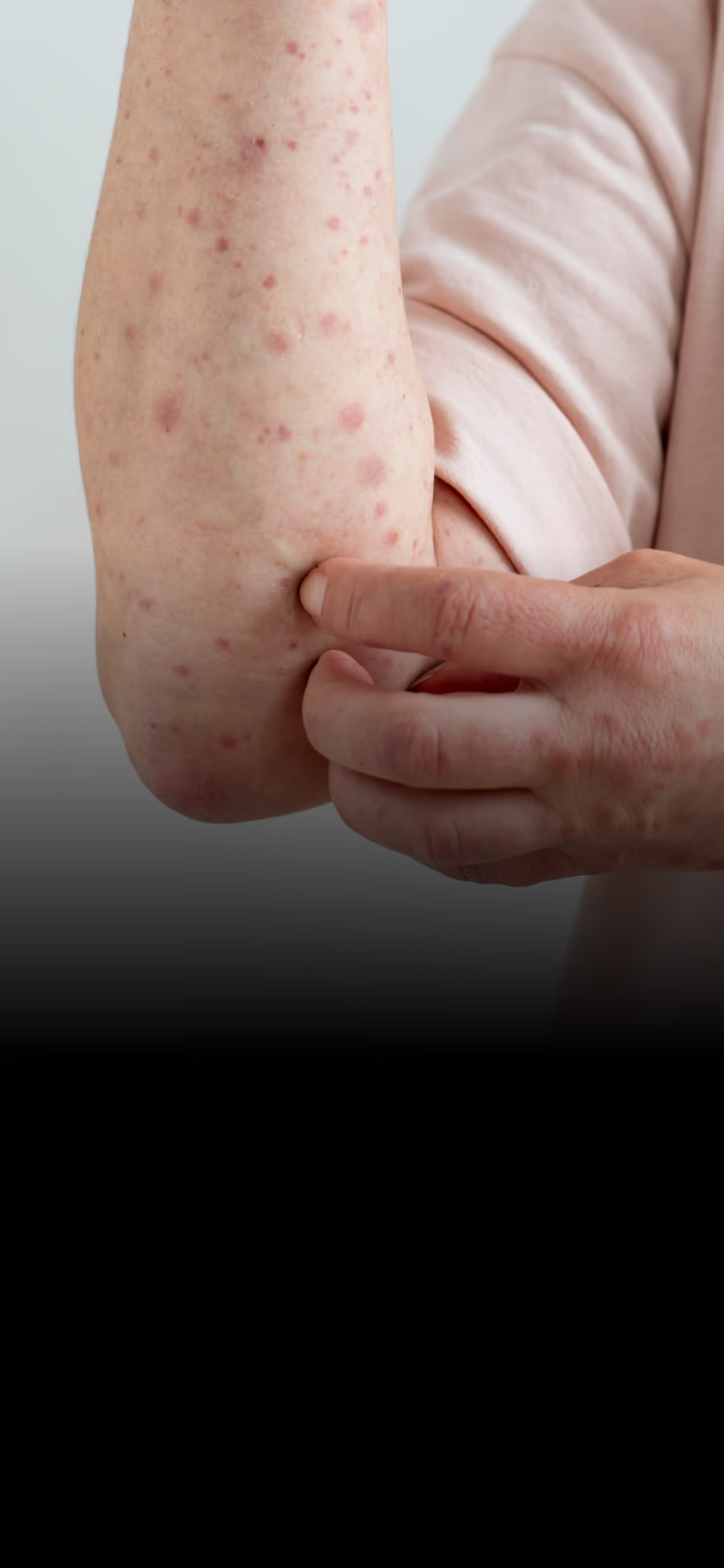
Expert Keratosis Pilaris Treatment in Beverly Hills and Los Angeles
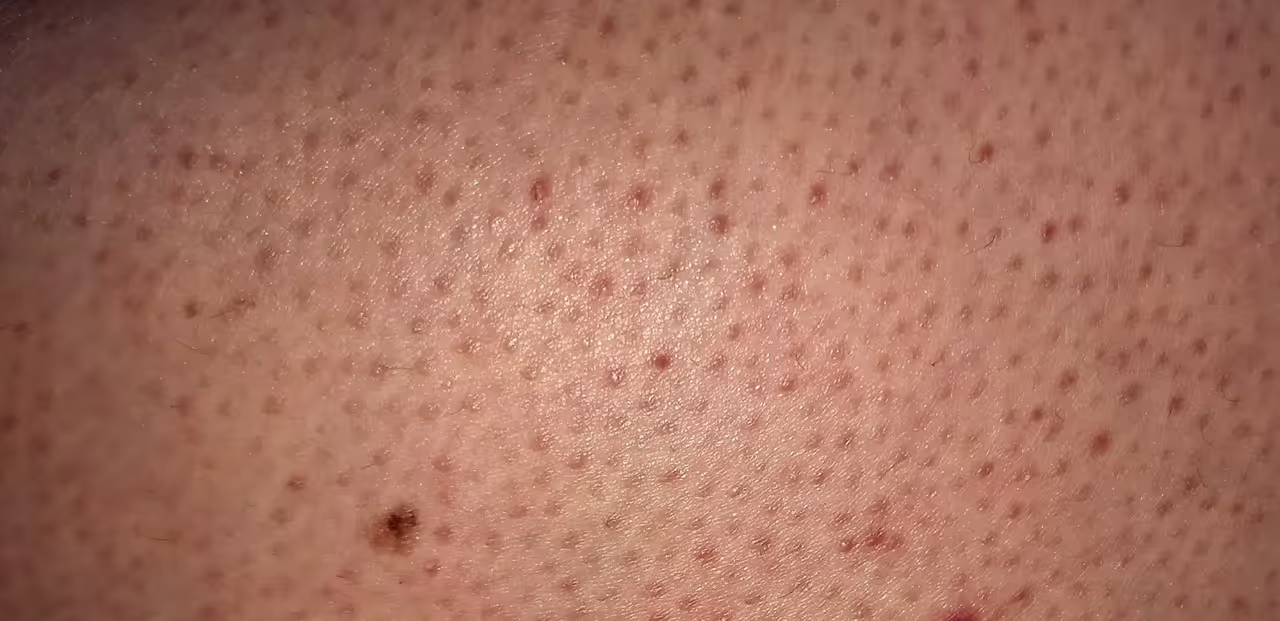
What is Keratosis Pilaris?
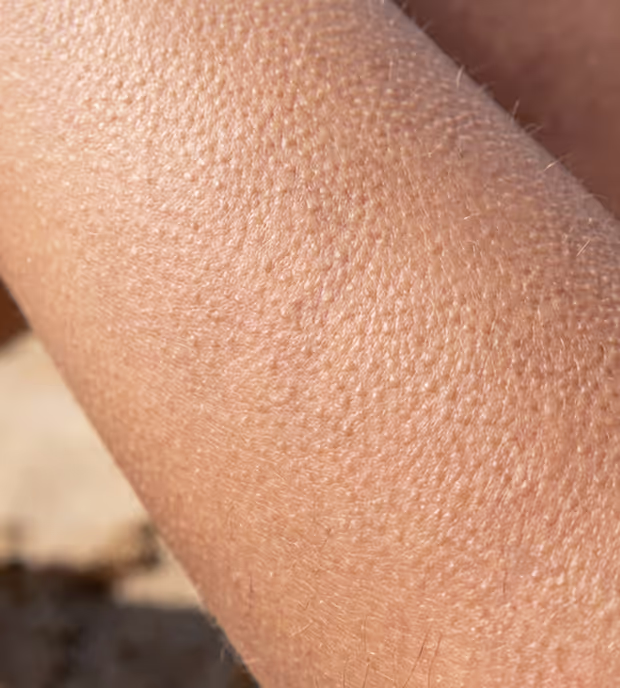
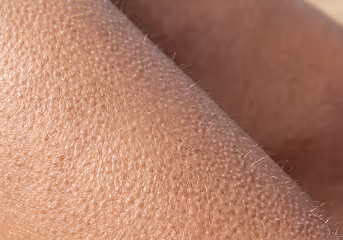
Keratosis pilaris (KP) is a chronic skin condition characterized by scaly, goosebump-like lesions that can become dry and itchy, especially in more arid climates. It is also known as “chicken skin” because the symptoms resemble a plucked chicken’s skin. KP commonly appears on the back of the arms, the thighs, and the buttocks.
KP is more common in adolescents than in adulthood. According to epidemiology studies, KP affects roughly 50 to 80 percent of the world’s adolescent population, while it affects about 30 to 50 percent of the world’s adult population. KP is more prevalent in women than in men. KP is not a dangerous skin condition; indeed, many healthy individuals experience KP symptoms.
What Causes Keratosis Pilaris?
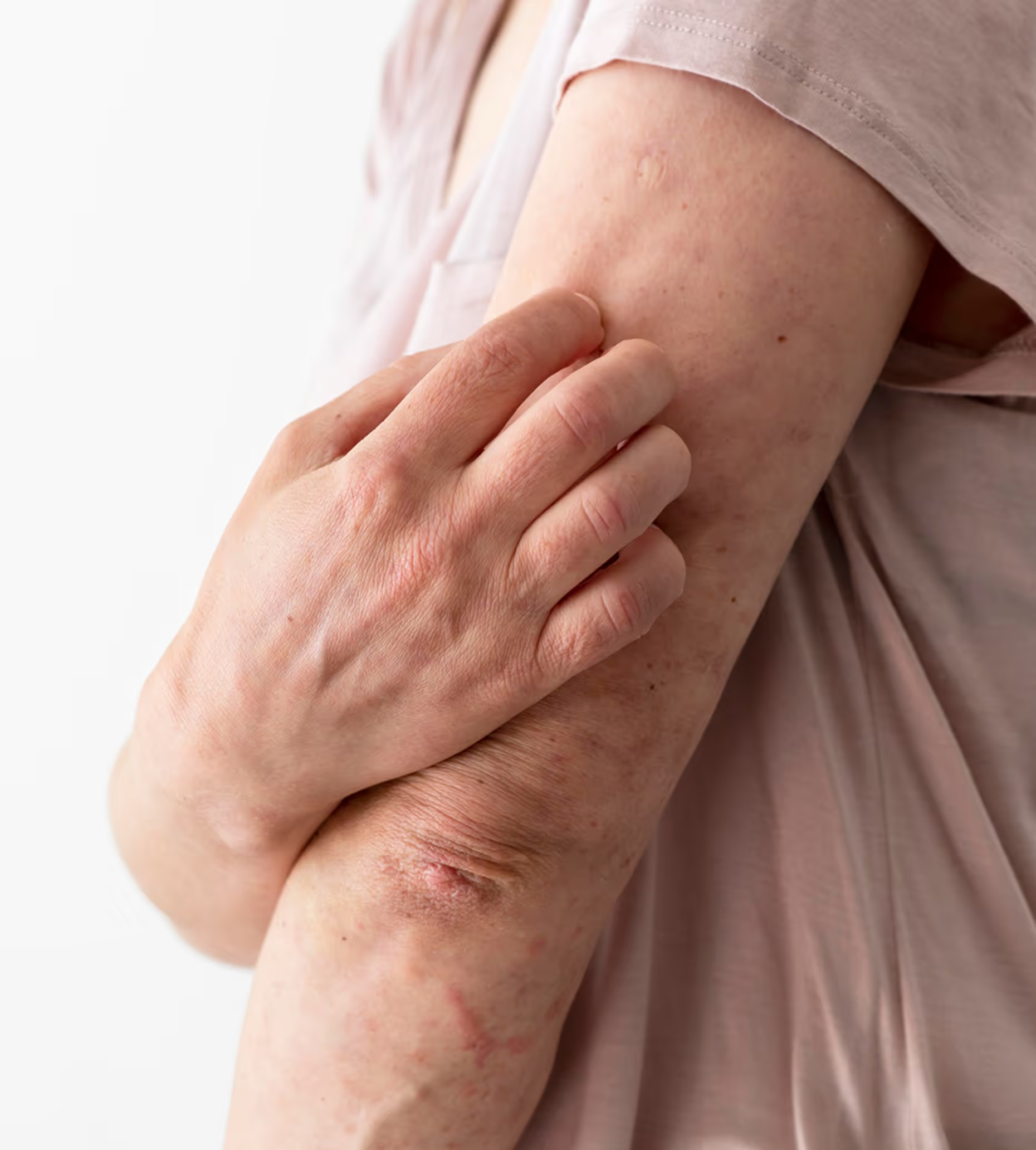
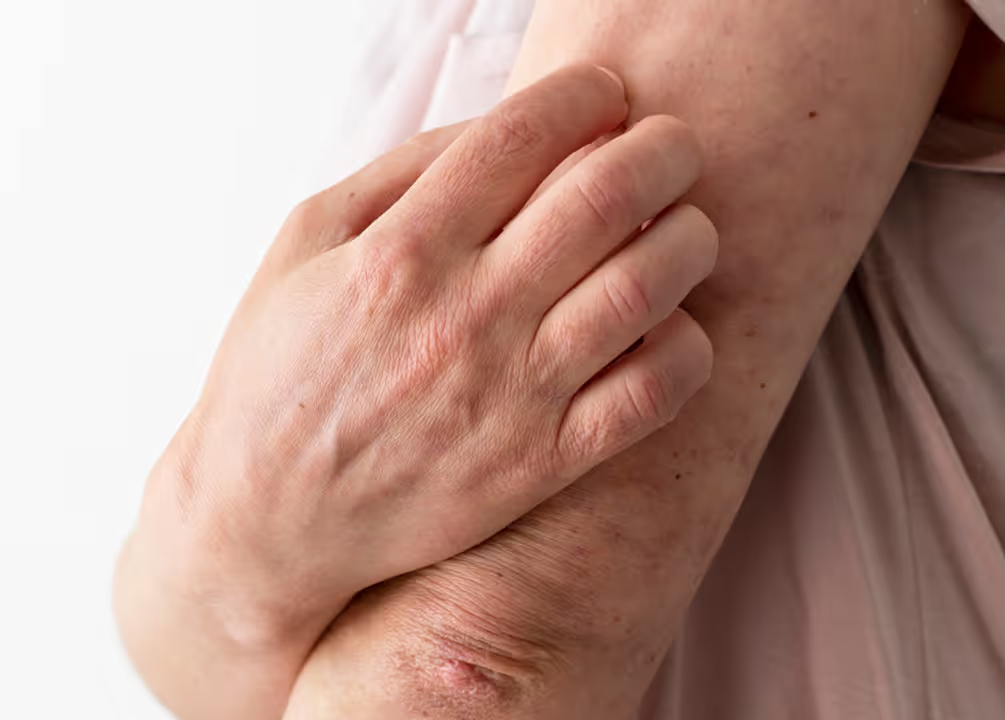
Experts are unsure of the exact cause of keratosis pilaris (KP). Research indicates that genetic factors cause the overproduction of keratin, which leads to the development of KP. Patients with a family history of KP, eczema, and asthma are more likely to develop KP themselves. Arid climates and colder weather are common triggers of KP symptoms.
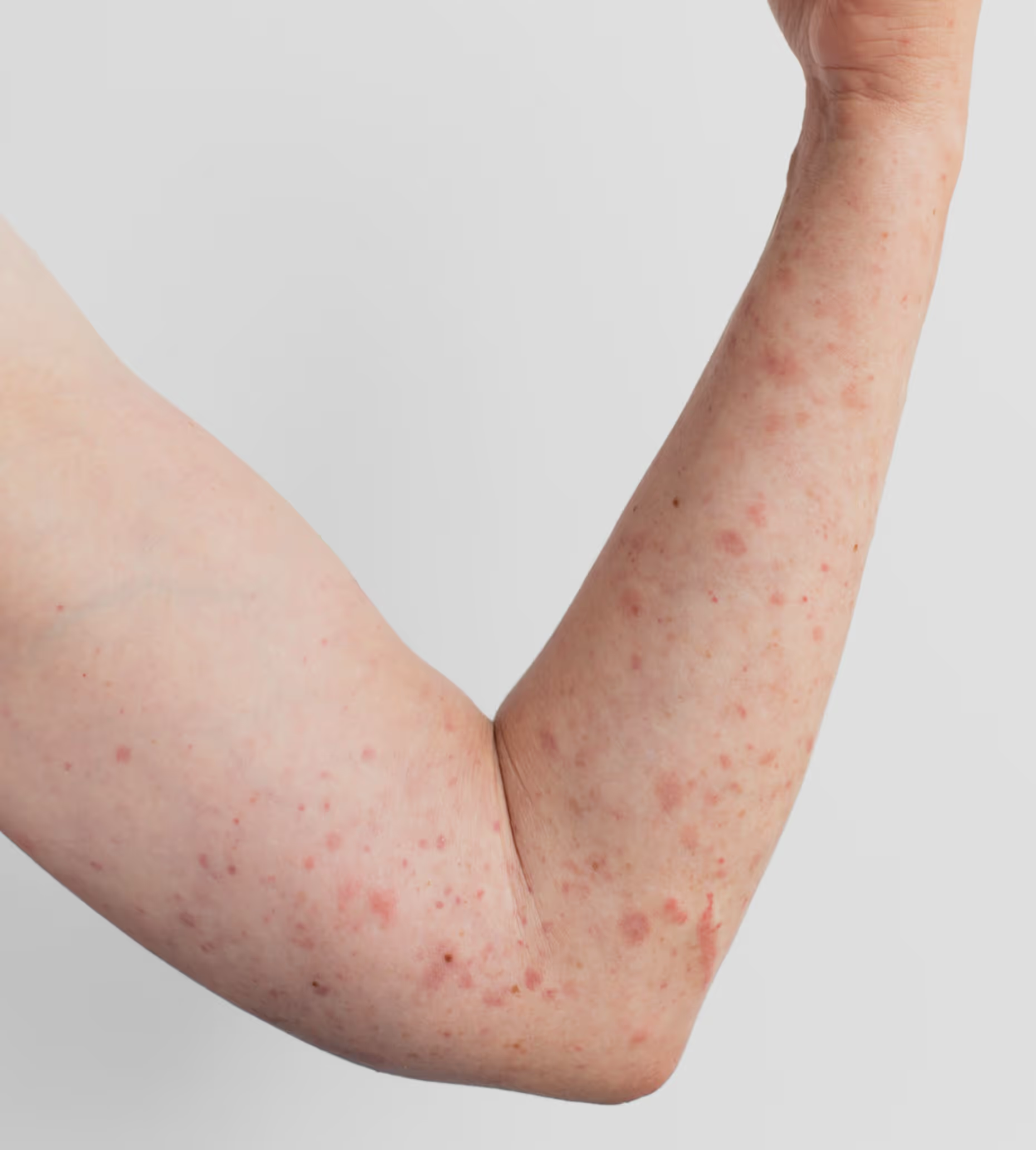
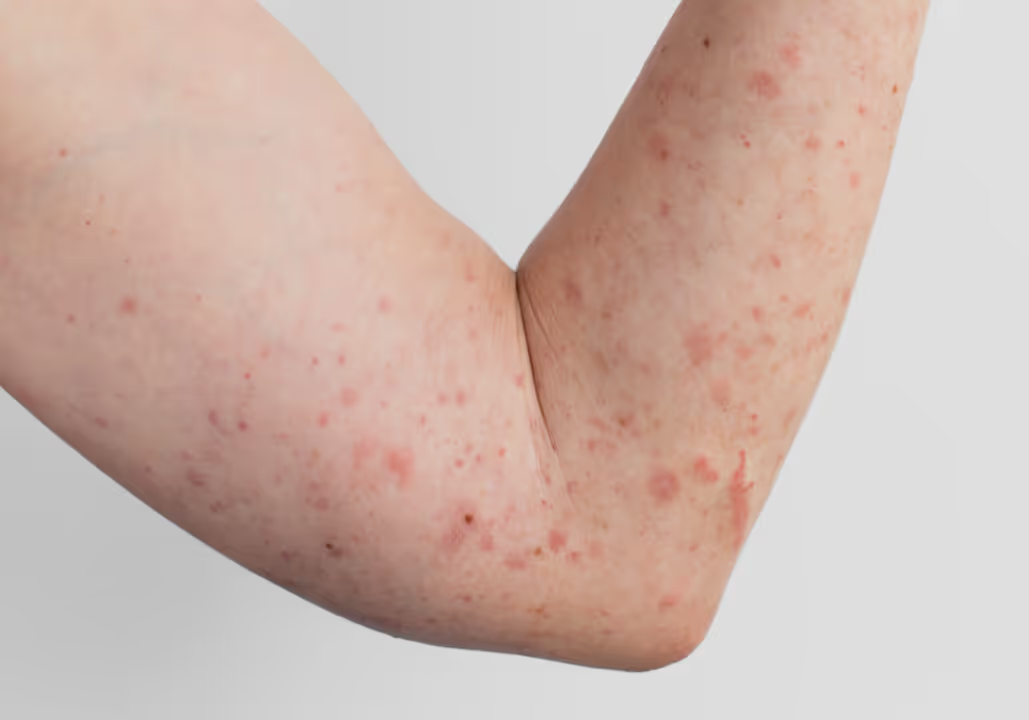
How is Keratosis Pilaris Treated?
Dr. Hazany is a keratosis pilaris (KP) specialist based in Beverly Hills. While KP symptoms can subside as individuals age, there does not yet exist a cure for KP. However, KP is a treatable condition. Dr. Hazany can help you manage KP symptoms. Common treatments to reduce KP bumps include lotions and ointments which contain lactic acid, salicylic acid, tretinoin, or urea. Since dryness is common with KP, Dr. Hazany can also help you determine the best regimen of moisturizers.
Patient Experiences That
Speak for Themselves
Frequently Asked Questions
Keratosis pilaris treatment smooths goose bump-like bumps on arms, thighs, and body for clearer skin.
What is keratosis pilaris and what causes it?
Keratosis pilaris (KP) is a common, harmless skin condition causing small, firm, flesh-colored or reddish bumps on skin. The bumps resemble goose bumps and typically appear on arms, thighs, buttocks, and cheeks. The condition results from keratin buildup in hair follicles, blocking normal hair growth. Keratin is a natural skin protein that normally sheds, but in KP it accumulates. The condition is more common in people with dry skin. Dr. Salar Hazany recognizes KP and helps patients manage this cosmetic concern. Genetic predisposition plays a significant role. KP is not contagious or dangerous, but many seek treatment for cosmetic reasons.
How does KP affect quality of life?
While harmless, KP can cause significant cosmetic concern. Many patients feel self-conscious about bumpy skin appearance on exposed areas. Some patients experience itching or irritation in affected areas. The appearance often worsens in winter months when skin is drier. Many patients avoid sleeveless clothing or shorts due to appearance concerns. Emotional impact can be substantial despite the condition being benign. Understanding that many people have KP helps normalize the condition. The team at Hazany Derm emphasizes that effective treatment is available for those concerned.
What treatment options are available for keratosis pilaris?
Dr. Salar Hazany offers multiple treatment approaches for KP. Topical treatments with exfoliating ingredients like alpha hydroxy acids help smooth bumps. Urea-containing creams improve hydration and texture. Lactic acid products are gentle yet effective. Retinoid creams stimulate skin turnover and reduce bumps. Laser treatments can improve appearance in selected cases. Regular exfoliation supports ongoing improvement. Consistent moisturizing prevents worsening. Many patients require ongoing maintenance treatment. The team at Hazany Derm customizes treatment based on severity and individual needs.
How effective are topical treatments for keratosis pilaris?
Topical treatments can significantly improve KP appearance with consistent use. Most patients see noticeable improvement within 2-4 weeks of regular use. Results continue improving with continued treatment. Exfoliating products remove keratin buildup effectively, which Hazany Derm patients experience regularly. Moisturizing prevents dryness that worsens KP. Combining multiple approaches often works better than single treatments. Results are typically modest rather than complete resolution. Many patients maintain improvement with ongoing topical therapy. Treatment compliance matters—results depend on regular application. Dr. Hazany discusses realistic expectations with patients.
Can lifestyle changes help manage keratosis pilaris?
Yes, lifestyle modifications significantly support KP management. Maintaining skin hydration through moisturizing creams helps substantially. Dr. Hazany recommends avoiding excessively hot water that prevents skin drying. Gentle physical exfoliation removes keratin buildup. Avoiding fragrances and irritating products supports skin health. Loose clothing reduces friction on affected areas. Humidifiers add moisture to dry indoor air. Combined professional treatment with lifestyle modifications yields best results. The team at Hazany Derm provides detailed guidance on integrating these practices. Overall improvement comes from combining multiple approaches.
Is keratosis pilaris permanent?
Keratosis pilaris is a chronic condition with genetic roots, so complete permanent resolution is uncommon. However, consistent treatment can substantially improve or nearly eliminate bumps. Improvement requires ongoing maintenance—stopping treatment allows bumps to return. Results improve with early intervention through professional care like that offered at Hazany Derm. Younger patients may achieve better long-term management. Many patients achieve satisfactory results with appropriate treatment. The goal is managing symptoms rather than permanent cure. Understanding chronicity helps set realistic expectations. Dr. Hazany helps patients develop long-term management strategies.
When should I see a dermatologist about keratosis pilaris?
Consultation is appropriate if KP significantly affects quality of life or appearance concerns are substantial. Professional evaluation confirms the diagnosis. Dermatologists have multiple treatment options available. Over-the-counter treatments often work poorly compared to professional care provided by Dr. Hazany. Dr. Hazany evaluates each patient's specific presentation with expertise. The team at Hazany Derm customizes treatment plans. Early professional intervention can prevent psychological impact from worsening appearance.