




%201.avif)



Eczema Treatment
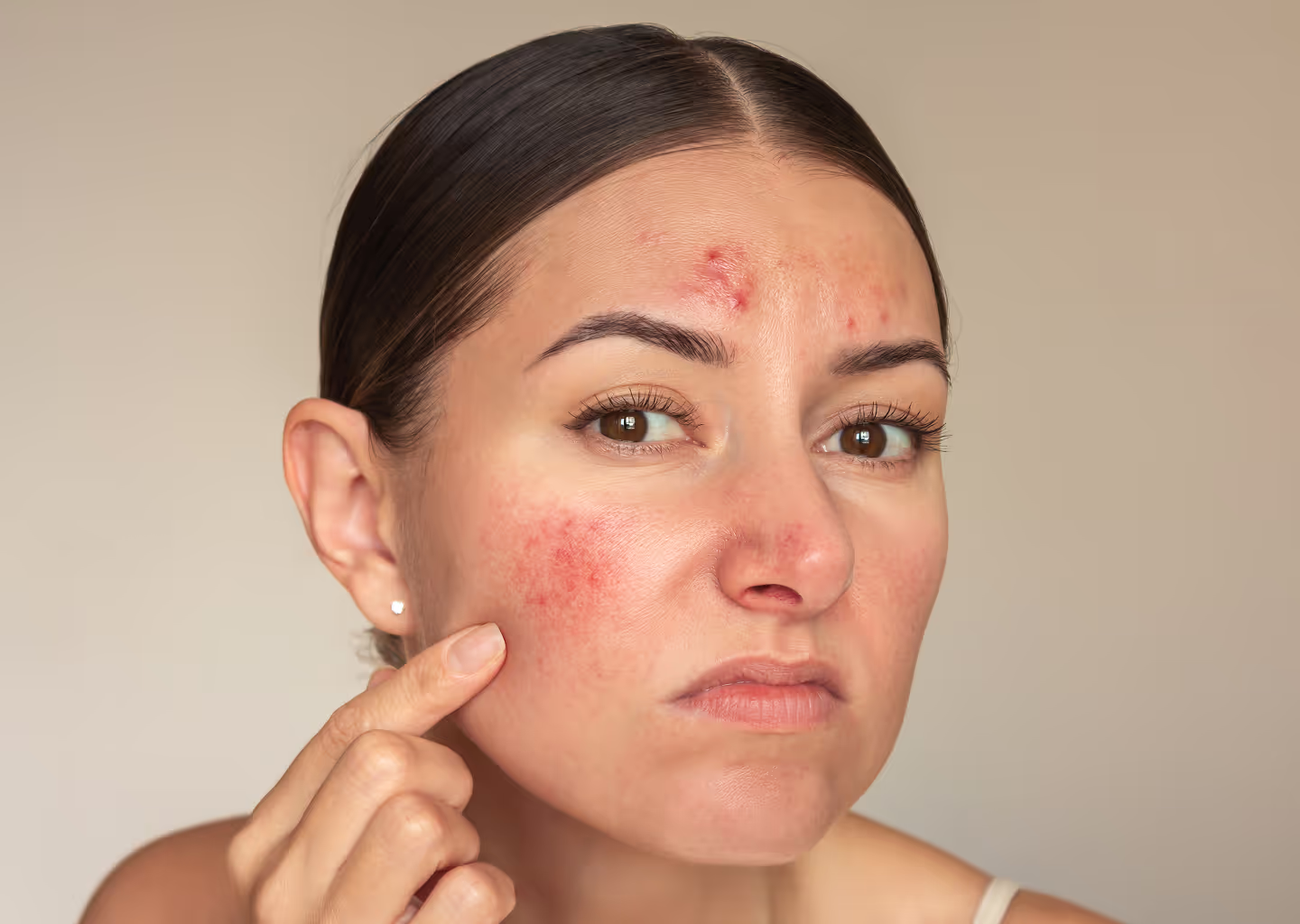
Expert Eczema Treatment in Beverly Hills and Los Angeles
What is Eczema?
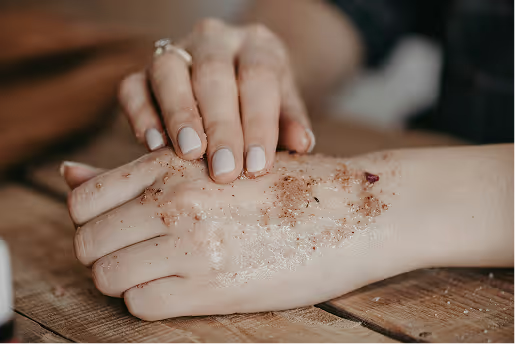
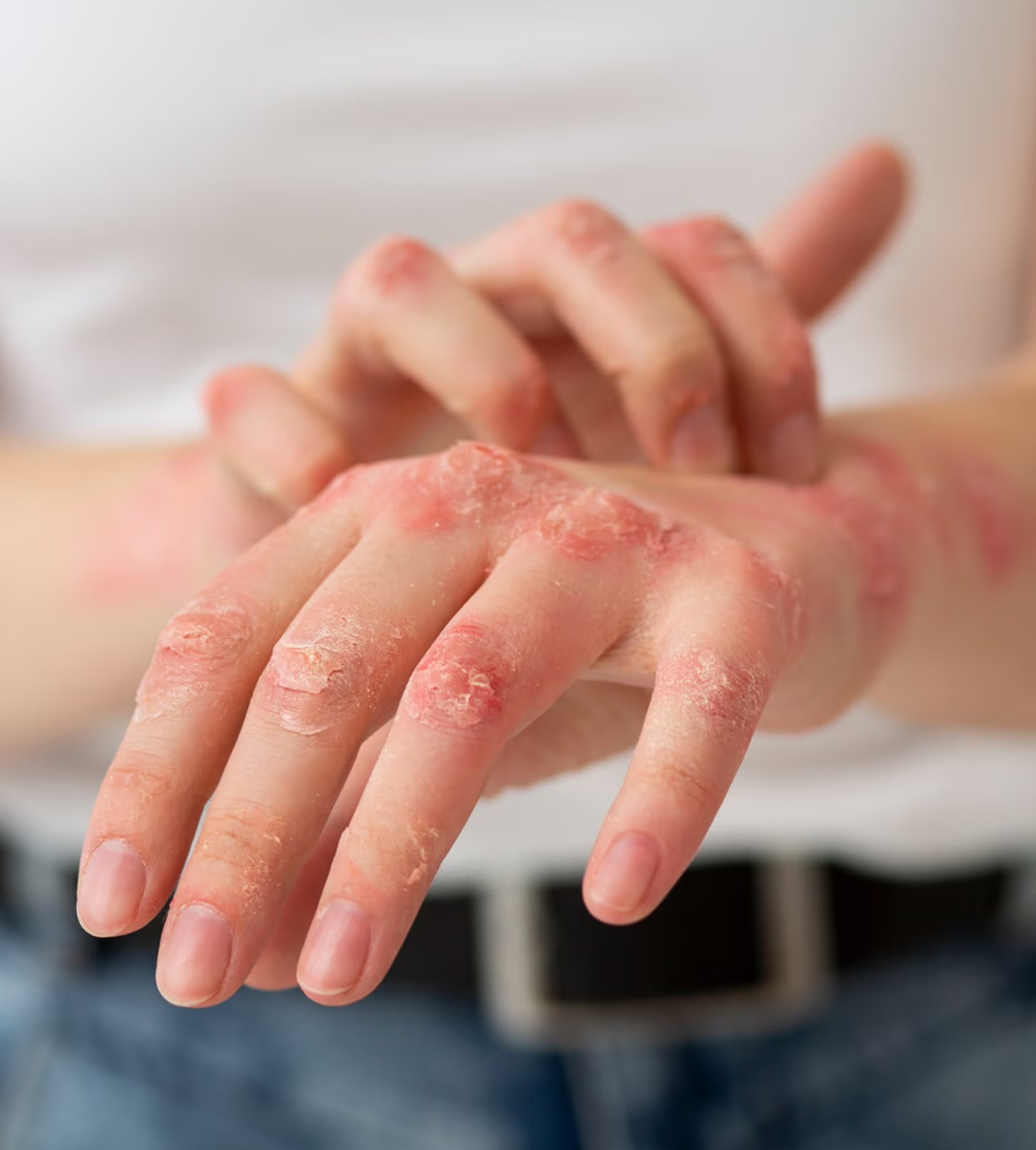
Also known as atopic dermatitis, eczema is a condition characterized by dry, itchy, red areas on the skin. If eczema remains untreated, and if the patient scratches themselves often, symptoms can worsen and lead to infection. Nearly 35 million Americans suffer from eczema, including many children and infants.
What Causes Eczema?
Medical experts are uncertain about the exact cause of eczema. Those with a family history of allergies or asthma are more likely to develop eczema. Causes of eczema "flare-ups" include wearing rough fabrics, extreme changes in temperature, dust, irritating detergents or soaps, respiratory illness, and stress. Eczema is not contagious.
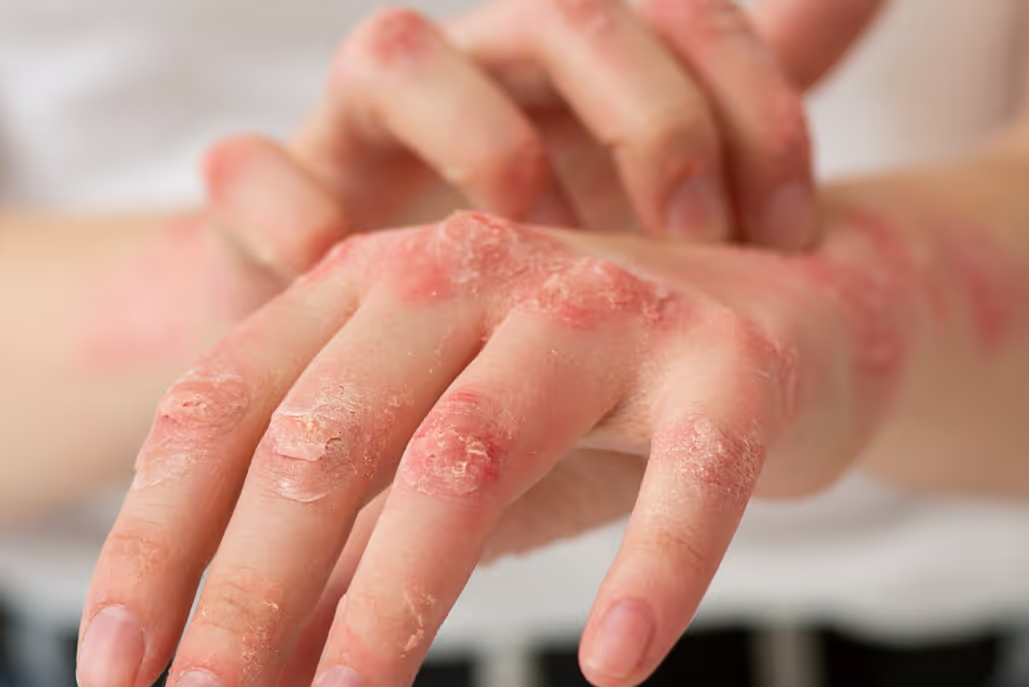
How is Eczema Treated?
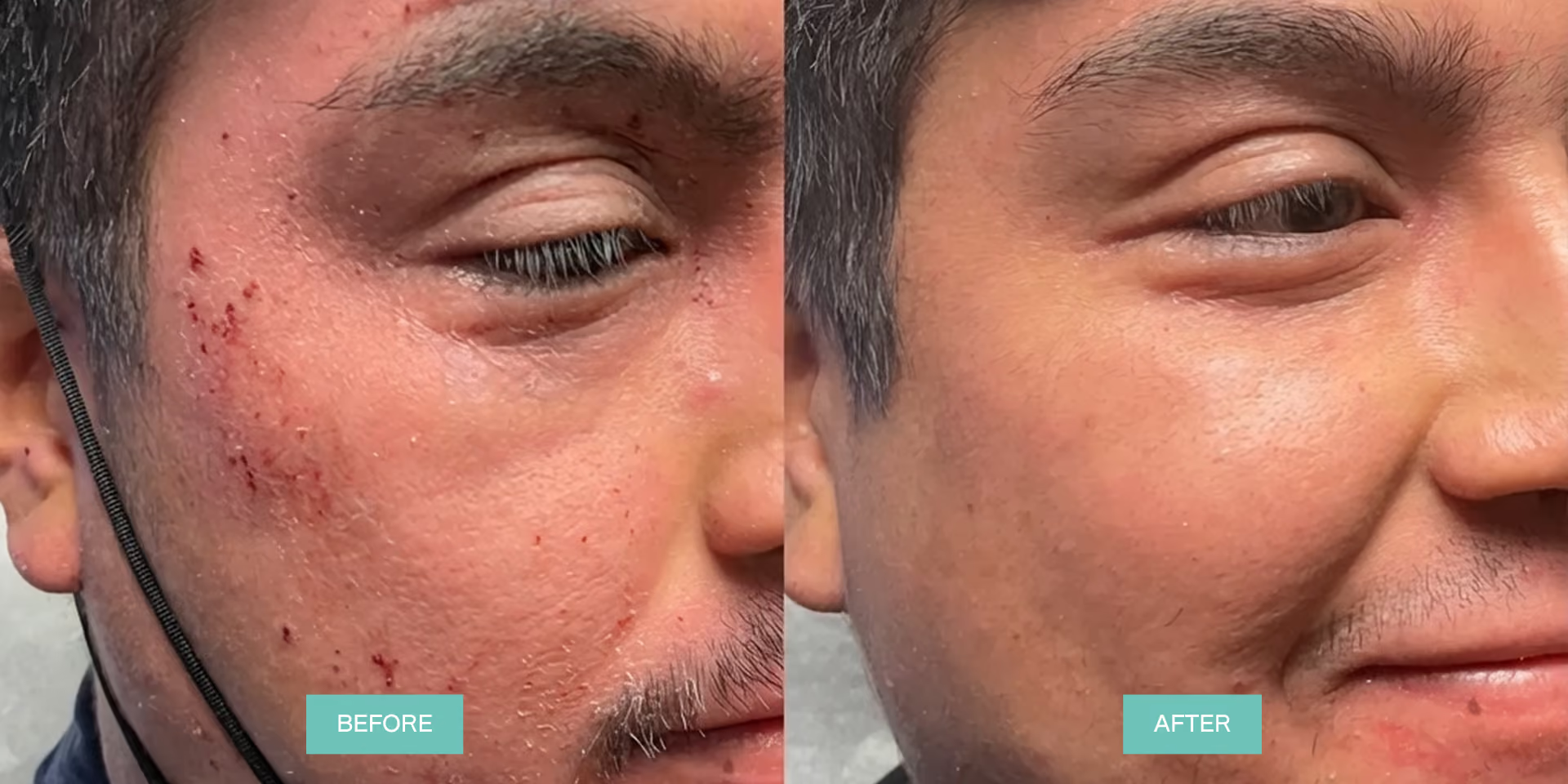
Dr. Hazany is a specialist in eczema treatment in his Beverly Hills dermatology clinic. The doctor recommends eczema patients increase their use of moisturizing lotions and decrease bathing length and duration. If symptoms are severe, Dr. Hazany may prescribe corticosteroid creams and ointments, non-corticosteroid topicals, or antihistamines. In the case of an infection, he may prescribe antibiotics. Dr. Hazany can help you determine the necessary lifestyle changes and medication to control your eczema symptoms.
Patient Experiences That
Speak for Themselves
Frequently Asked Questions
Expert eczema and atopic dermatitis treatment manages chronic skin inflammation for improved comfort and quality of life.
What is eczema and what causes it?
Eczema (atopic dermatitis) is a chronic inflammatory skin condition causing itching, redness, and dry skin. The condition results from a combination of genetic predisposition and environmental triggers. Immune dysfunction causes excessive inflammatory response to normal skin irritants. A defective skin barrier allows water loss and irritant penetration. Genetic factors predispose certain individuals. Environmental triggers like stress, weather changes, and irritants exacerbate eczema. Dr. Salar Hazany understands eczema's complex pathophysiology. The team at Hazany Derm develops targeted treatment plans addressing underlying causes. Understanding causative factors guides appropriate management strategies.
What triggers eczema flare-ups and how can they be avoided?
Common triggers include dry air, temperature changes, irritating fabrics, and harsh soaps. Stress significantly exacerbates eczema for many patients. Certain foods can trigger flares in susceptible individuals. Fragrances, dyes, and additives irritate eczematous skin. Excessive sweating and heat trigger itching and inflammation. Identifying personal triggers allows targeted avoidance. Dr. Hazany helps patients recognize individual triggers. The team at Hazany Derm provides detailed education about trigger avoidance. Eliminating triggering factors can significantly reduce flare frequency.
What are effective treatments for eczema?
Treatment approaches are individualized based on severity. Proper skin care with gentle cleansers and heavy moisturizers supports healing. Topical steroids reduce inflammation during flares. Topical calcineurin inhibitors treat eczema without steroid concerns. Oral antihistamines reduce itching. Oral steroids are reserved for severe flares. Phototherapy with controlled light can help chronic eczema. Newer biologic medications target specific immune pathways. Dr. Salar Hazany customizes treatment for each patient. The team at Hazany Derm combines multiple approaches for optimal control. Many patients achieve substantial symptom improvement.
How important is proper skin care in eczema management?
Proper skin care is foundational to eczema management. Gentle cleansing prevents irritation from harsh soaps. Lukewarm (not hot) water reduces irritation. Immediate moisturizing after bathing seals moisture. Heavy moisturizers work better than lotions for eczema. Fragrance-free, hypoallergenic products prevent irritation. Avoiding irritating fabrics reduces friction-triggered flares. Consistent skin care prevents flare escalation. Dr. Hazany emphasizes proper skin care to all eczema patients. The team at Hazany Derm provides detailed skin care guidance. Appropriate skin care often reduces medication needs significantly.
Can eczema be cured?
Eczema cannot be permanently cured due to genetic predisposition. However, flares can be controlled and minimized. Many patients achieve remission with appropriate treatment. Childhood eczema often improves with age. Adult eczema frequently becomes manageable with treatment. The goal is minimizing symptoms and flare frequency. Long-term management maintains quality of life. Dr. Salar Hazany provides realistic expectations about eczema management. The team at Hazany Derm emphasizes that control is achievable. Most patients improve significantly with expert dermatologic care.
How does stress affect eczema?
Stress is a significant eczema trigger for many patients. Stress hormones increase inflammation and itching. Psychological stress exacerbates physical eczema. Stress management often improves eczema control. Relaxation techniques, exercise, and counseling help. Dermatologist support combined with stress management works best. Dr. Hazany discusses stress's role in individual cases. The team at Hazany Derm addresses both dermatologic and psychological aspects. Holistic management acknowledges stress's impact.
When should I see a dermatologist for eczema?
Consultation is warranted at first signs of persistent skin inflammation. Self-treatment often fails to control eczema adequately. Professional evaluation identifies eczema type and severity. Dr. Hazany's expertise ensures appropriate diagnosis and treatment. The team at Hazany Derm provides comprehensive eczema management. Early professional intervention prevents chronic complications. Regular monitoring ensures treatments remain effective.