




%201.avif)



Hidradenitis Suppurativa Treatment
Expert Hidradenitis Suppurativa Treatment in Beverly Hills and Los Angeles
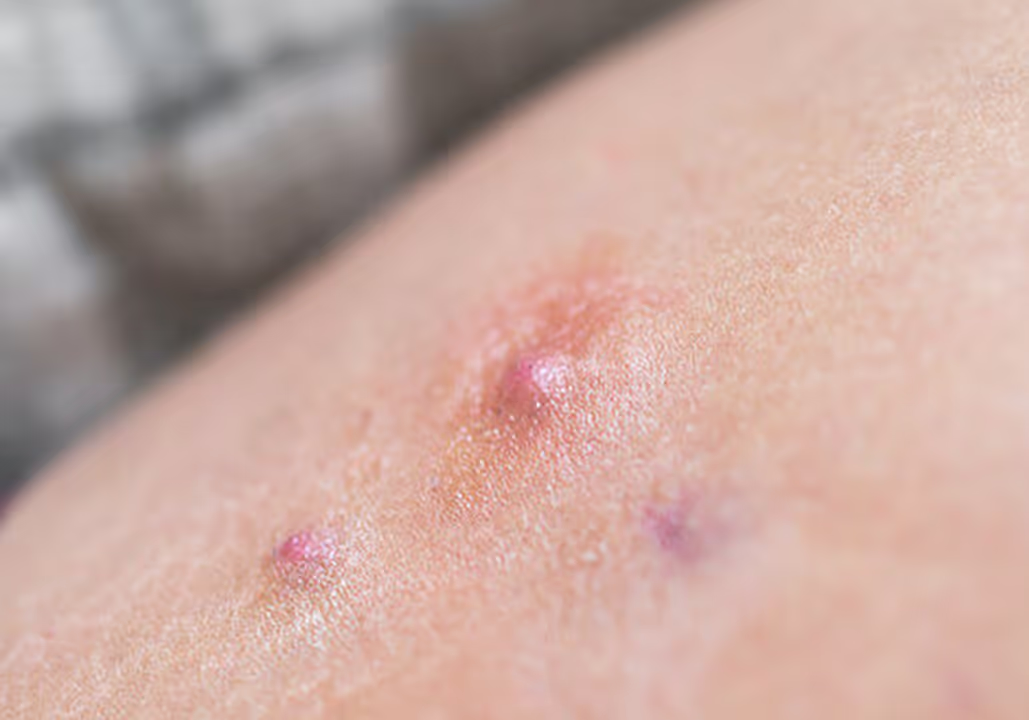
What is Hidradenitis Suppurativa?
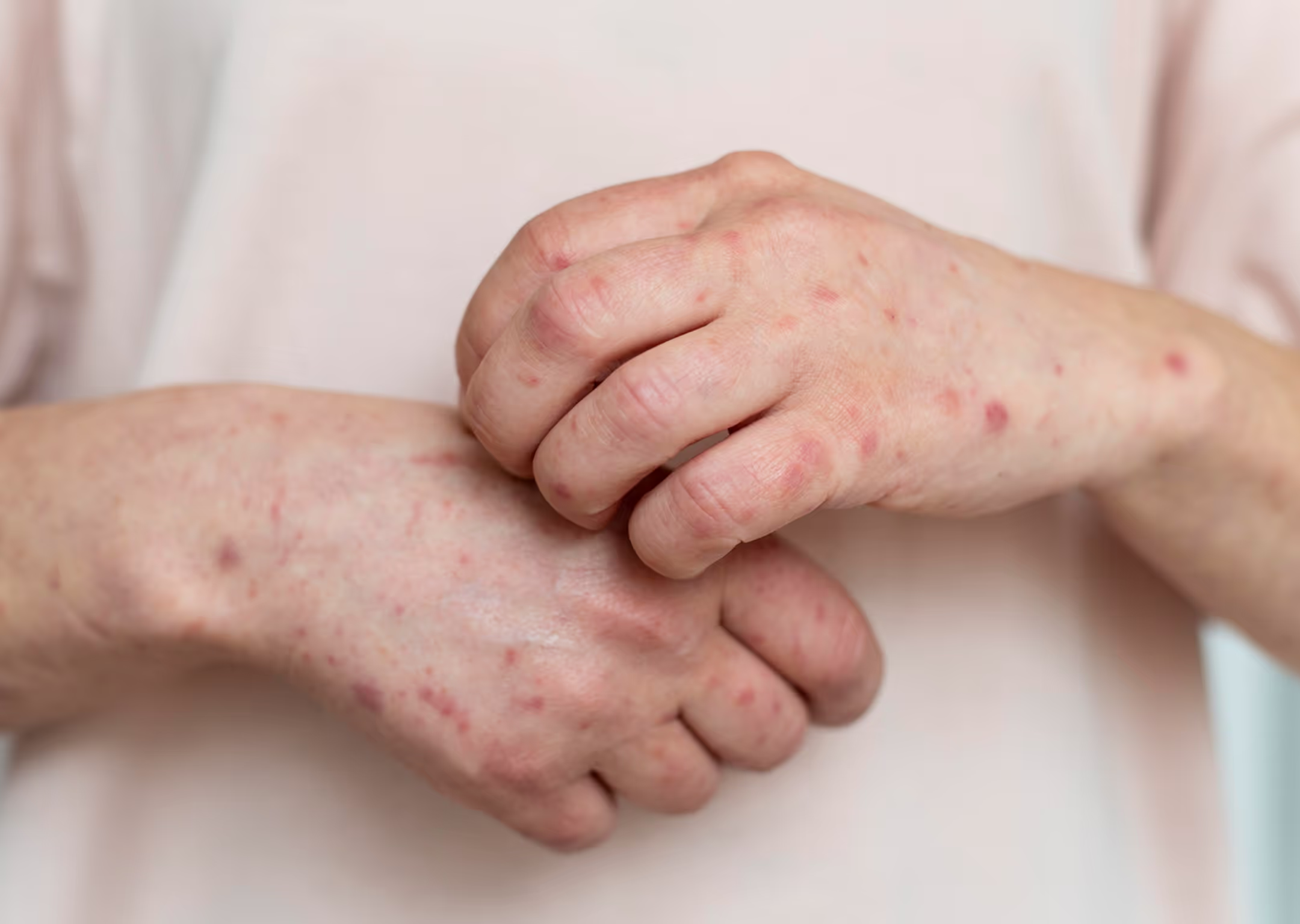
Hidradenitis suppurativa (HS) is a chronic inflammatory skin condition. HS signs include small and painful bumps under the skin, especially in areas with many hair follicles and sweat glands. HS is also common in areas where there is frequent skin-to-skin contact such as the buttocks, groin area, inner legs, underarm area, and under the breasts.
Women are three times more likely to develop HS compared to men. Experts estimate that nearly 200,000 Americans suffer from moderate to severe HS.
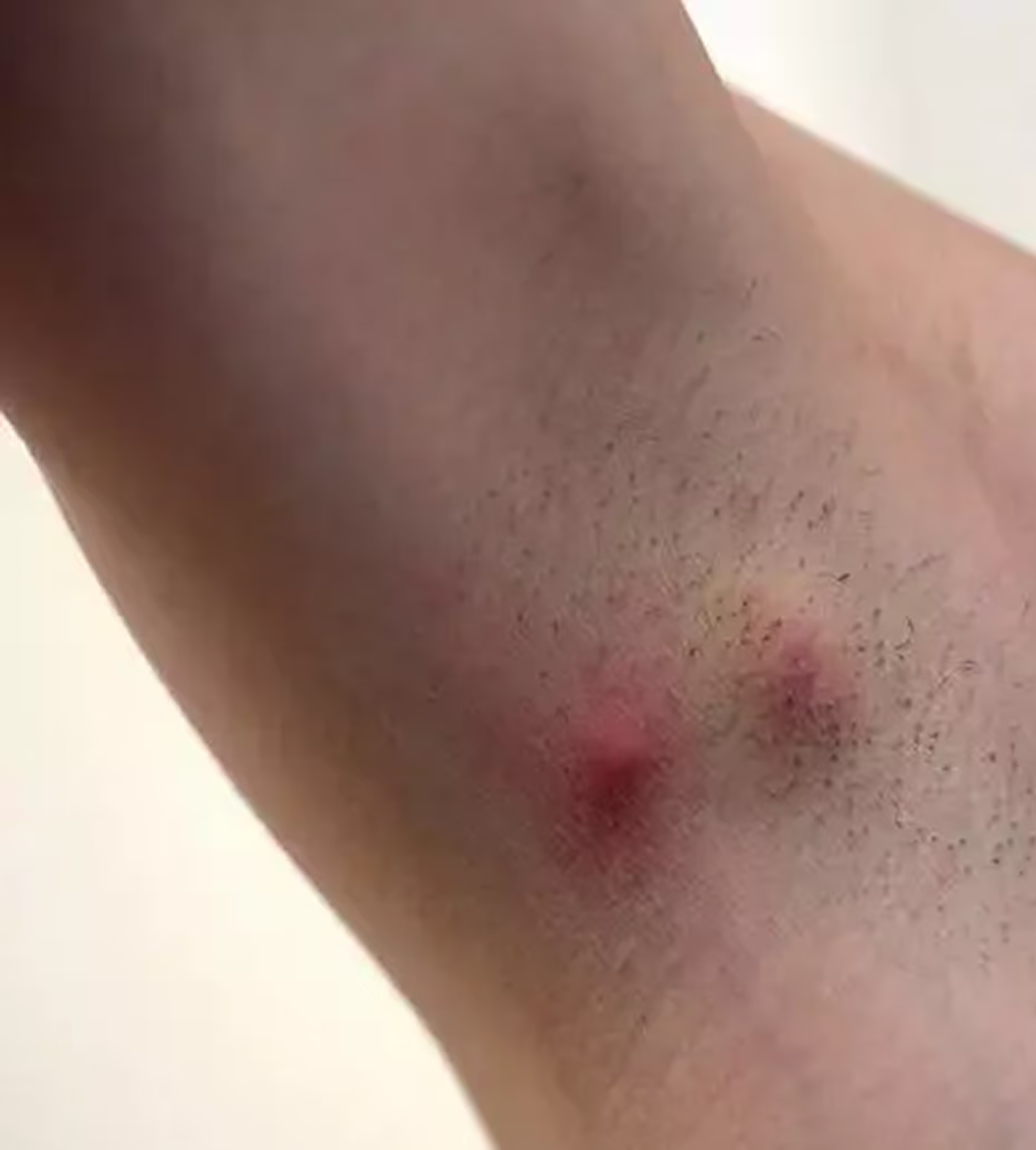
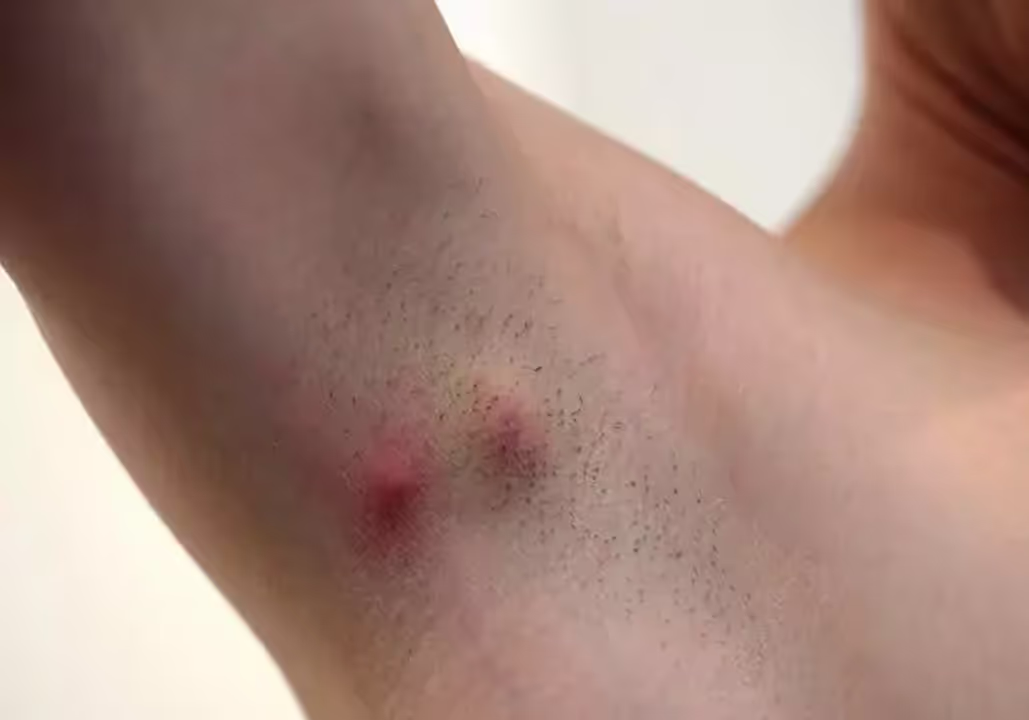
What Causes Hidradenitis Suppurativa?
While experts are uncertain about the exact origins of HS, it is an immune-mediated disorder. Typically, HS results from an immune system overreaction that creates an imbalance of inflammatory proteins in the body. These proteins coalesce in the deeper layers of the skin and increase pressure under the skin. As pressure builds, abscesses containing pus develop. These abscesses can be painful and may rupture, increasing the chances of infection. HS's common misconceptions include it being contagious, sexually transmitted, and the result of improper hygiene; HS is not contagious, not an STD, and not the result of poor hygiene.


How is Hidradenitis
Suppurativa Treated?
Dr. Hazany is a hidradenitis suppurativa (HS) specialist in his Beverly Hills dermatology clinic. While there is not yet a cure for HS, early diagnosis and treatment can mitigate symptoms, prevent the disease from becoming more severe, and prevent potential scarring. Mild or less severe cases of HS may respond well to at-home or over the counter treatments such as warm baths, topical cleansing and antiseptic agents, anti-inflammatory medications (e.g., ibuprofen, naproxen), and wearing loose-fitting clothes.
For more severe cases of HS that may cause pain and lesions, you may need a board-certified dermatologist to determine the proper course of treatment. Dr. Hazany will develop a treatment strategy for you that might include corticosteroid cream, anti-inflammatory medication, antibiotics, retinoids, hormonal modulation medication, and other medications. For more persistent cases of HS, Dr. Hazany might devise a treatment strategy that includes laser treatment, abscess draining, and excision.
Patient Experiences That
Speak for Themselves
Frequently Asked Questions
Hidradenitis suppurativa treatment manages chronic inflammatory conditions of apocrine gland-bearing areas.
What is hidradenitis suppurativa (HS) and how common is it?
Hidradenitis suppurativa is a chronic, painful inflammatory condition affecting areas rich in apocrine glands. Typical locations include armpits, groin, and areas under breasts. HS manifests as painful nodules, abscesses, and scarring. The condition is less recognized than many disorders but affects many individuals. HS prevalence varies by ethnicity but occurs worldwide. Dr. Salar Hazany recognizes and treats HS effectively. The team at Hazany Derm understands HS's significant impact on quality of life. Early diagnosis and treatment prevent progressive scarring.
What causes HS and what are risk factors?
HS results from chronic inflammation of hair follicles and apocrine glands. The exact cause isn't fully understood but involves immune dysregulation. Genetic predisposition plays a significant role. Hormonal factors influence disease severity. Smoking worsens HS significantly. Obesity may exacerbate disease. Friction and sweating trigger flares in affected areas. Dr. Hazany evaluates individual risk factors. The team at Hazany Derm addresses modifiable risk factors. Understanding causative factors guides appropriate treatment.
What treatment options are available for HS?
Treatment approaches range from conservative to aggressive. Topical antibiotics and antiseptic washes reduce bacterial colonization. Oral antibiotics address infection and inflammation. Intralesional steroid injections reduce nodules. Hormonal therapy may help some patients. Isotretinoin has shown promise in some cases. Biologic medications targeting TNF-alpha show excellent results. Surgical drainage and excision may be necessary for severe cases. Dr. Salar Hazany combines medical and procedural approaches. The team at Hazany Derm customizes treatment for each patient. Combination approaches often produce better results.
How does smoking affect hidradenitis suppurativa?
Smoking significantly worsens HS severity and progression. Smokers with HS have more frequent flares and worse scarring. Smoking suppresses immune function, worsening inflammation. Stopping smoking often improves HS control substantially. Smoking cessation is critical for HS management. Dr. Hazany strongly recommends smoking cessation for HS patients. The team at Hazany Derm supports smoking cessation efforts. This single lifestyle change can dramatically improve outcomes.
Can biologic medications help hidradenitis suppurativa?
Yes, biologic medications have revolutionized HS treatment. TNF-alpha inhibitors (adalimumab, infliximab) significantly improve HS. Biologic medications reduce inflammation at the immune level. Many patients on biologics achieve substantial remission. Some patients achieve complete disease control. Biologics require ongoing treatment but dramatically improve quality of life. Dr. Salar Hazany prescribes biologics for appropriate HS patients. The team at Hazany Derm coordinates care with rheumatology when needed. Biologics represent a major advance in HS treatment.
What should HS patients do to reduce flares?
Several measures reduce HS flare frequency. Avoiding friction in affected areas prevents triggering flares. Loose clothing reduces irritation. Minimizing sweating through air conditioning and cool clothing helps. Regular gentle cleansing prevents secondary infection. Avoiding smoking is critical. Weight loss may improve symptoms. Stress management reduces immune dysfunction. Proper hair removal (gentle methods) reduces follicular trauma. Dr. Hazany provides individualized flare-prevention strategies. The team at Hazany Derm emphasizes prevention and self-care. Reducing flares significantly improves overall disease burden.
How can I manage the emotional impact of hidradenitis suppurativa?
HS's chronic nature and visible symptoms cause significant emotional distress. Pain, drainage, and scarring affect self-esteem and relationships. Many patients experience depression and anxiety. Support groups provide important emotional support. Mental health professional consultation helps manage psychological impact. Dr. Salar Hazany acknowledges the emotional burden of HS. The team at Hazany Derm provides compassionate care recognizing HS's impact. Professional treatment improves both physical symptoms and emotional well-being.