




%201.avif)



Acne Scar Subcision Treatment
Is Subcision the Best for Acne Scar Removal?
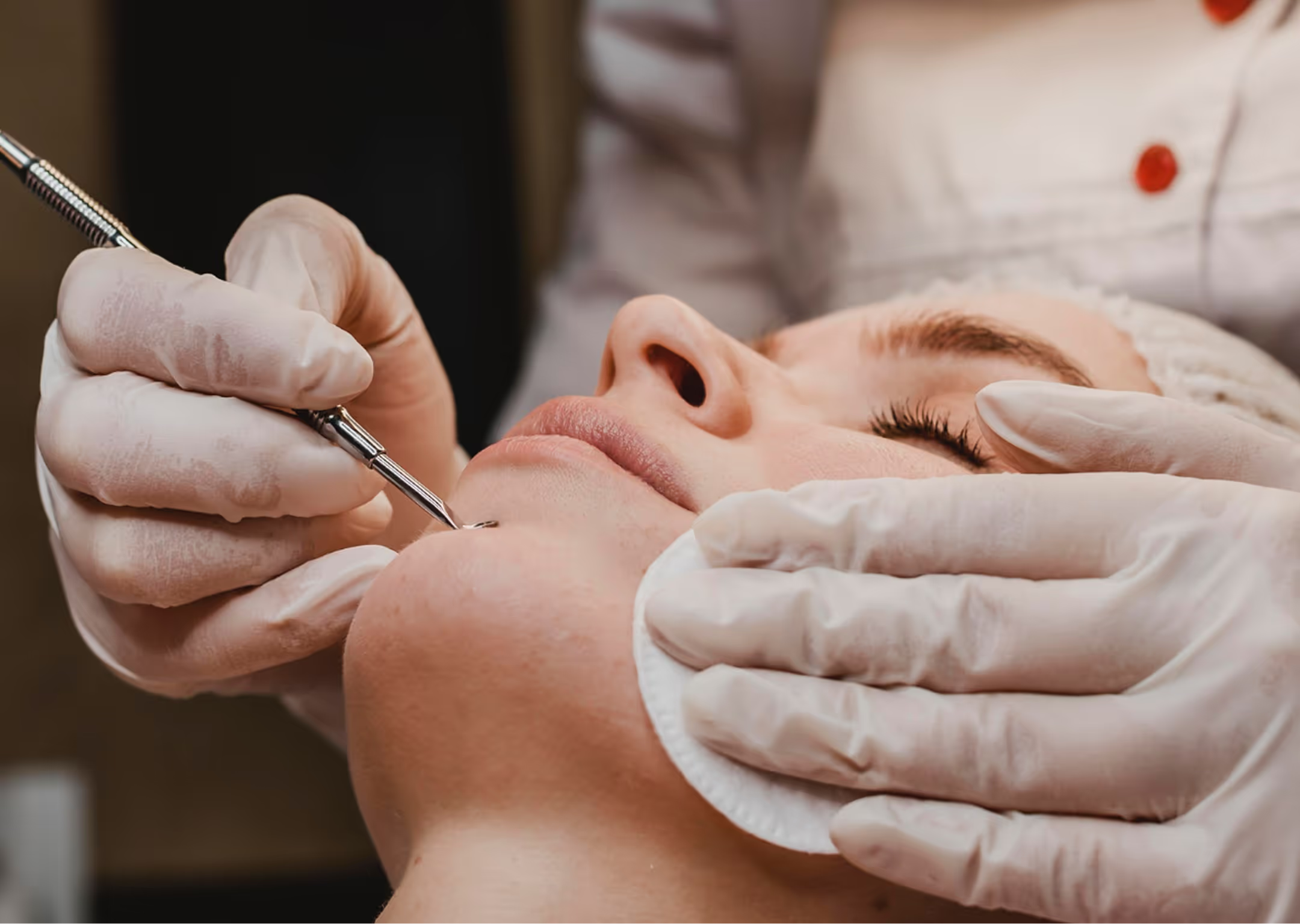
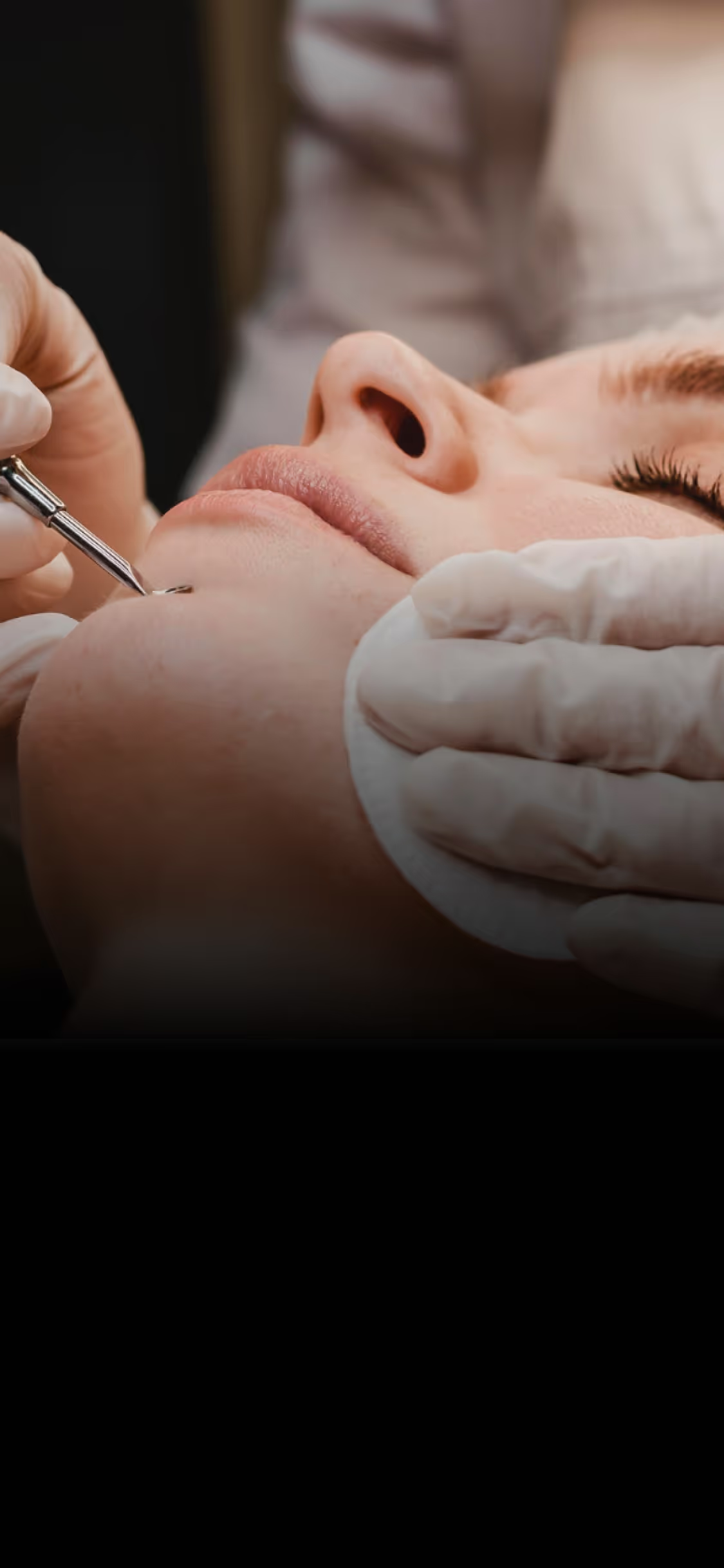
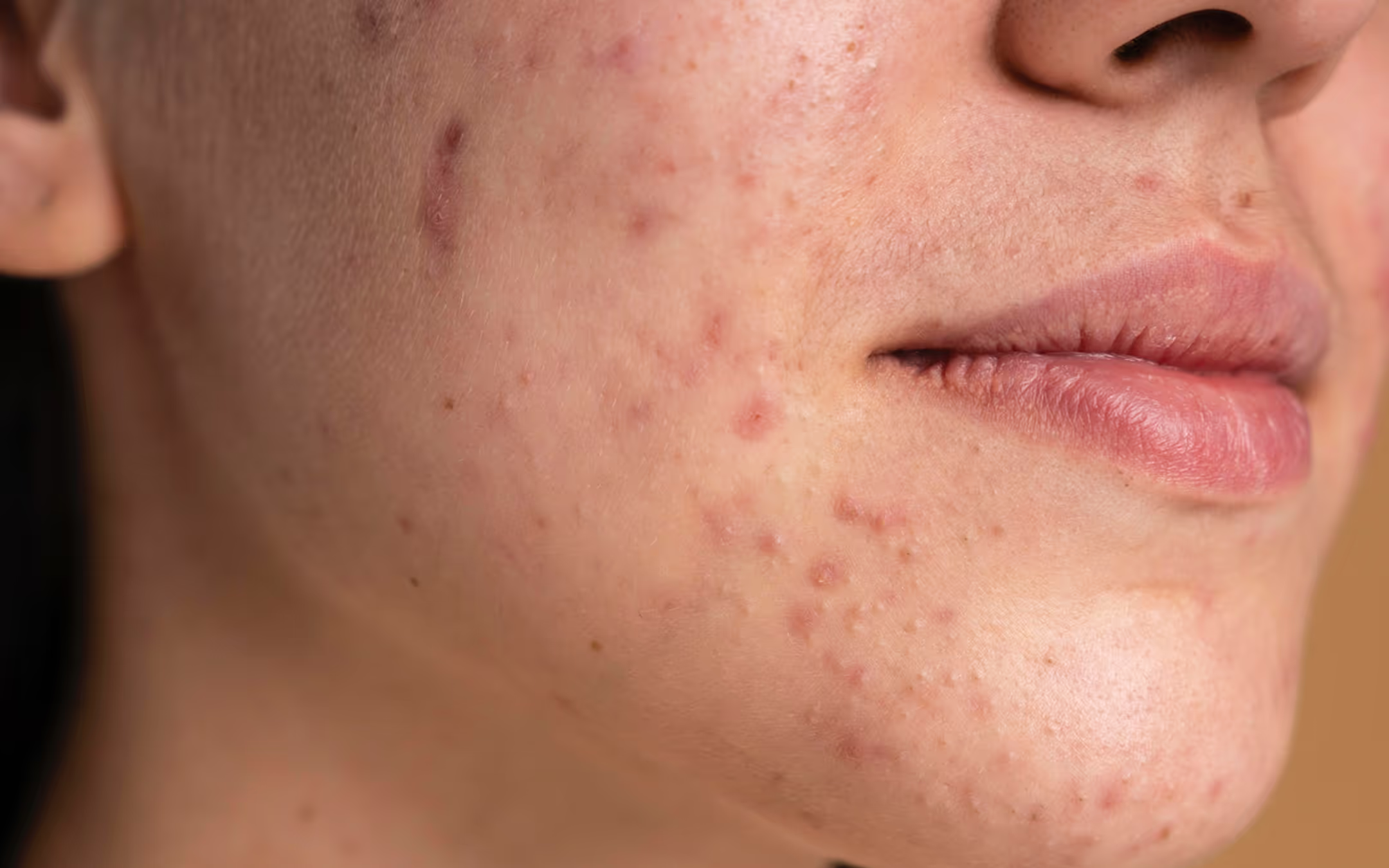
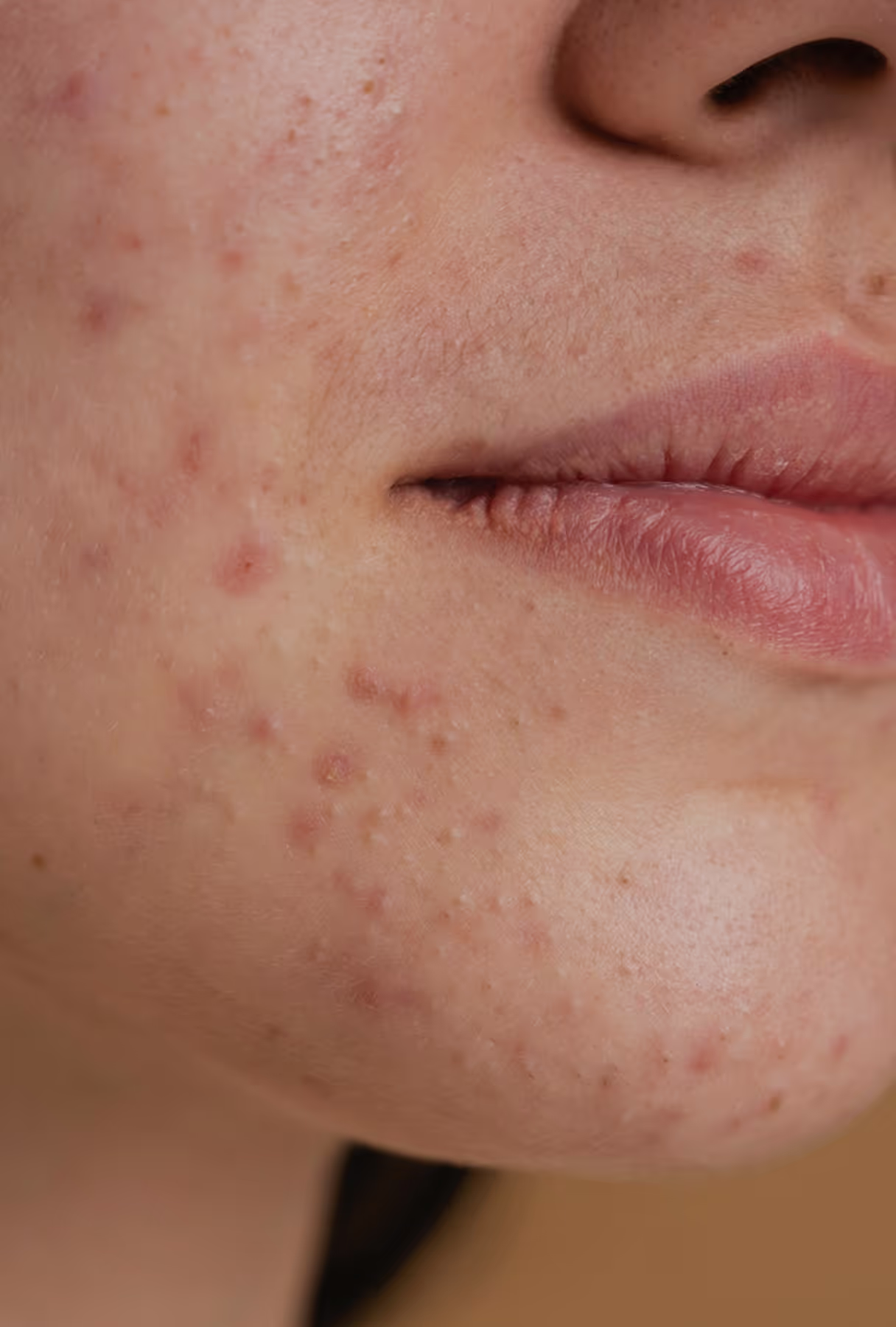
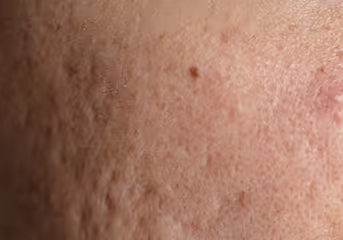
Dr. Hazany describes acne scars as potholes in the street. When fixing a pothole, do you flatten and grind down the surrounding road to the level of the pothole? No! Flattening the rest of the street requires unnecessary work in areas that are not defective, and the street becomes unnecessarily thin, leading to other complications. The proper way to fix a pothole is to fill the pothole and lift it to the surrounding street level. This same logic applies to treating acne scars. Subcision, unlike laser treatment or micro-needling, lifts the scar to the level of the rest of your skin. A hypodermic needle is inserted into the skin to manually break fibrotic strands that tether scar tissue to the subdermal layer. Needles of various sizes are used to mechanically break scar tissue residing in the superficial, middle, or deep layers.
Subcision vs. Laser Treatment for Acne Scars
Laser treatments, micro-needling, and other treatments that involve vertical movements to flatten and thin the skin to the acne scars’ level are like bringing the rest of the street down to the level of the pothole. Laser treatment is a standard treatment method for acne scar removal performed by many dermatologists. Dr. Hazany agrees that scar reconstruction laser treatment can be useful as a touch-up or for minor unevenness. However, for large areas of scarring (and even smaller areas), Dr. Hazany champions subcision, which avoids unnecessary thinning of the skin and produces a healthier, more robust appearance after treatment.
How Does Subcision Work?
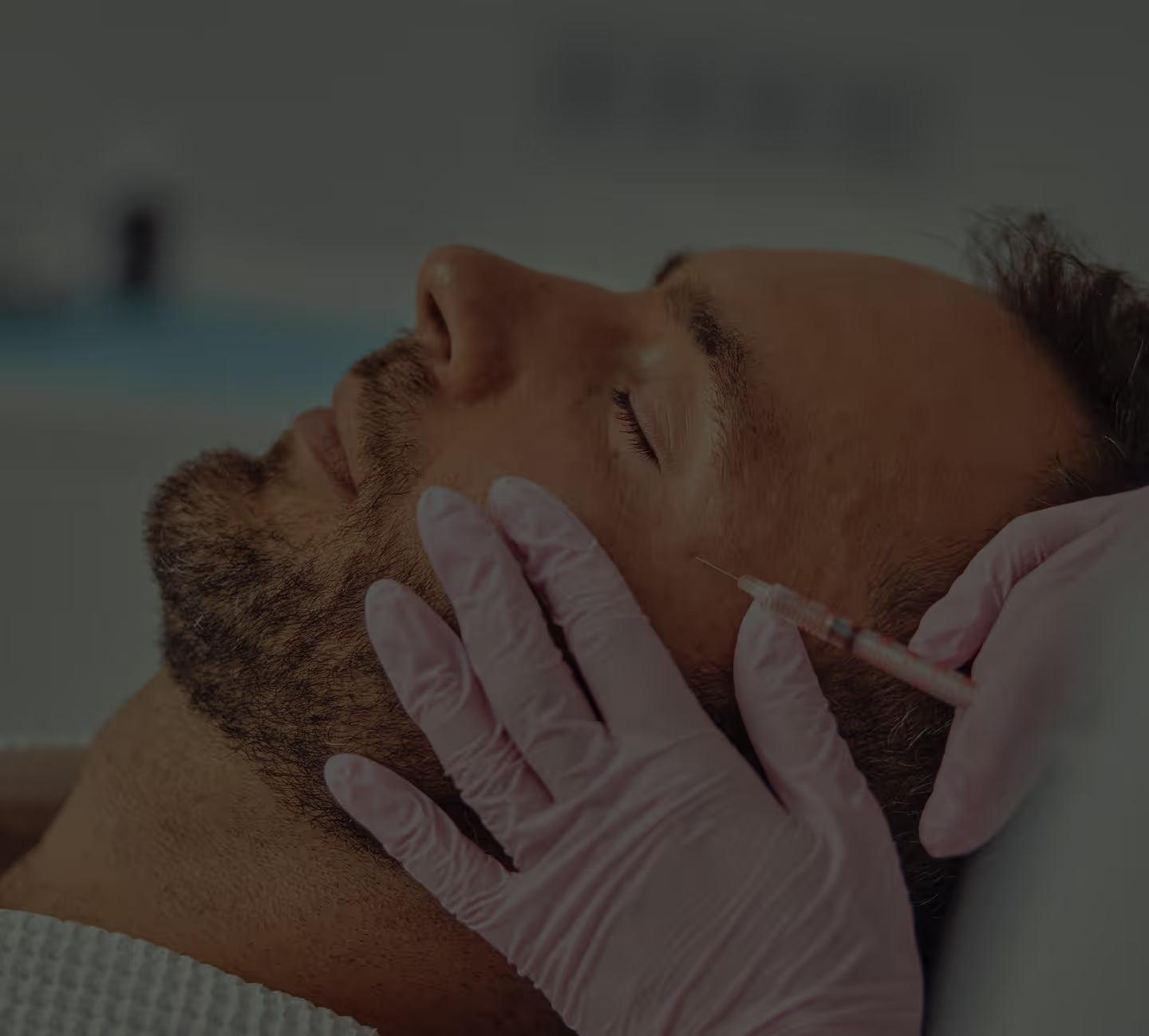
Subcision is an outpatient procedure that is usually accomplished within a few hours. The patient is administered a local anesthetic, tumescent anesthesia, as well as anti-anxiety medication to ensure comfort during the treatment. Then, a hypodermic needle is inserted into the skin and moved side-to-side to untether the scar tissue from the underlying basement layer. This allows scarred areas to lift to the level of normal skin. This form of “controlled trauma” also stimulates collagen production, which provides support underneath the scarred areas.
Subcision can be performed in several layers: superficial-layer, mid-layer, and deep-layer.
- Superficial-layer subcision: the skin is infiltrated with a 25-gauge needle right below the epidermis.
- Middle-layer subcision: a blunt cannula (usually a 22-gauge cannula slightly larger in diameter than a 25-gauge needle) is used to penetrate deeper into the dermis.
- Deep-layer subcision: a special metal tool, called the Hazany Liberator, is inserted into the deepest parts of the dermis to separate the toughest scars from the underlying tissue.
Since middle-layer and deep-layer subcision are more invasive than superficial-layer subcision, an “introducer”-needle is inserted into the skin to create a small opening for the cannula or Hazany Liberator to be inserted.
Taylor Liberator Subcision
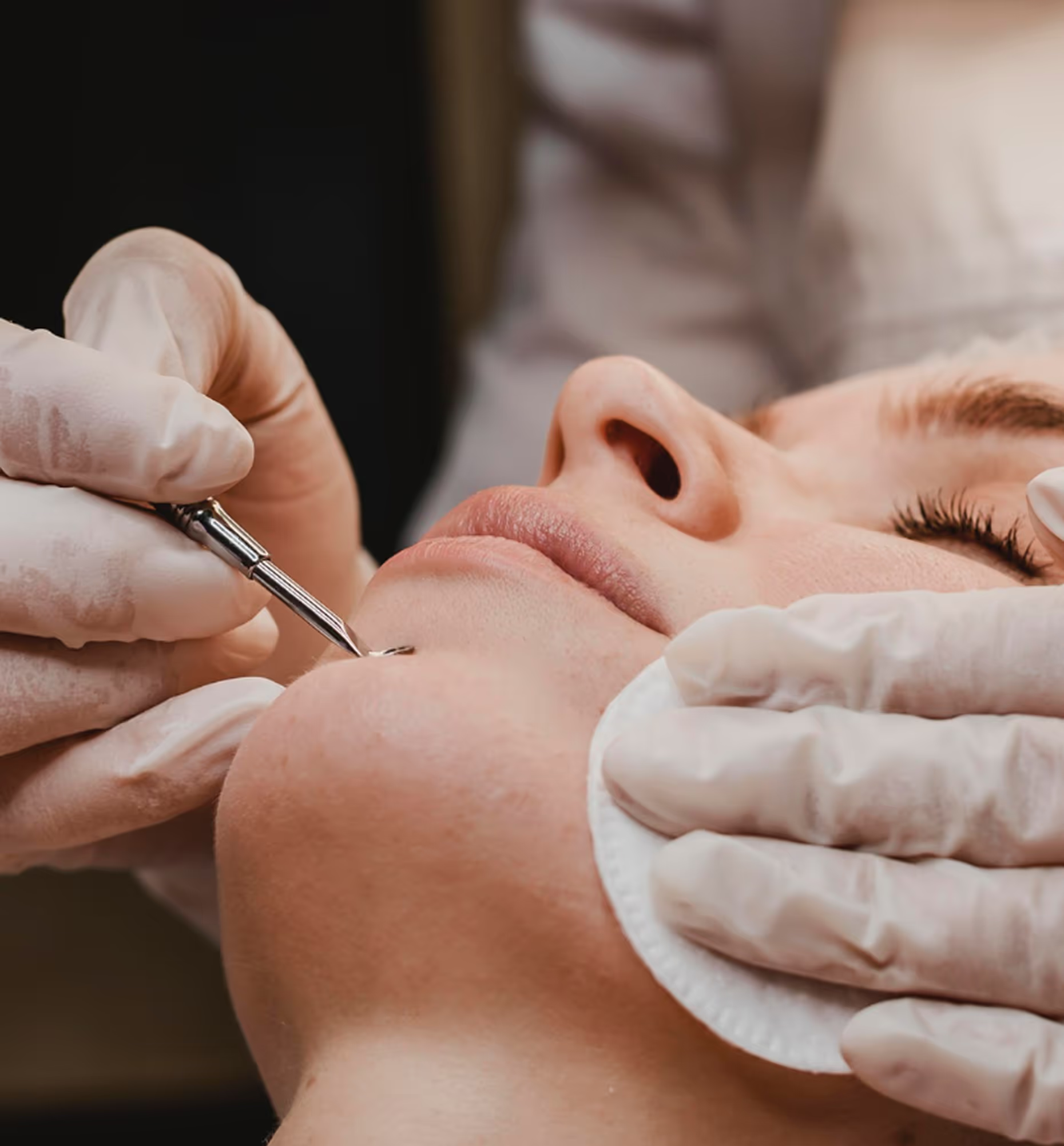
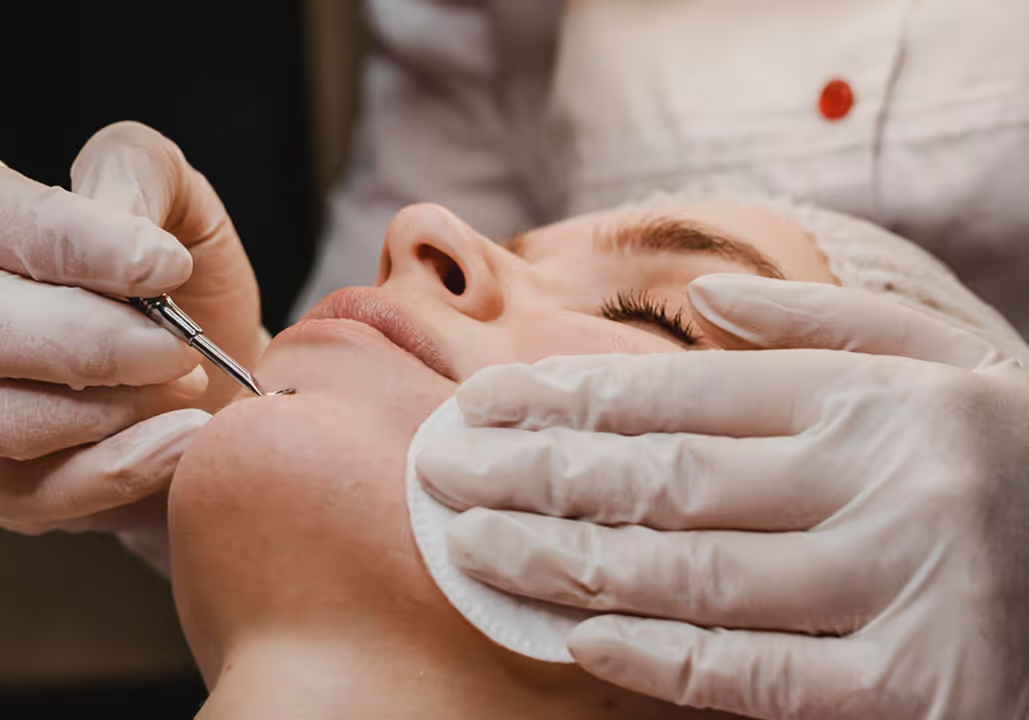
Deep-layer subcision typically uses a special surgical tool called the Taylor Liberator. The Taylor Liberator is a long, blunt instrument with notches at the end which facilitate the breaking of fibrous bands that tether acne scars down. To perform deep-layer subcision, a small incision is first made near the hairline to insert the Taylor Liberator into the deepest layers of the dermis (the superficial subcutaneous plane). As the tool is moved back and forth, the deepest and robust scars are transected. Deep-layer subcision using the Taylor Liberator is a highly effective technique that allows for complete untethering of fibrotic bands and long term results when performed correctly.
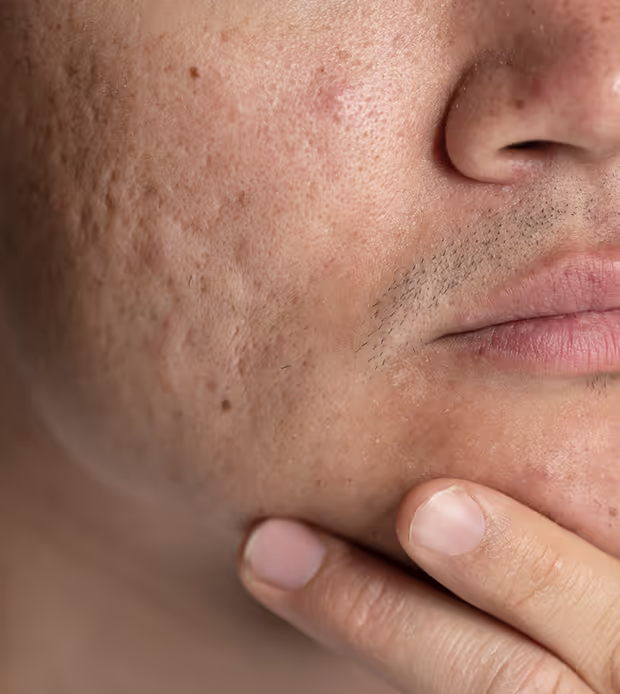
Because acne scars can vary in depth, deep-layer subcision using the Taylor Liberator is generally most appropriate when patients have scars that are tethered to the deeper layers below the skin. Patients with boxcar scars or rolling scars typically benefit the most from deep-layer subcision.
Hazany Liberator Subcision
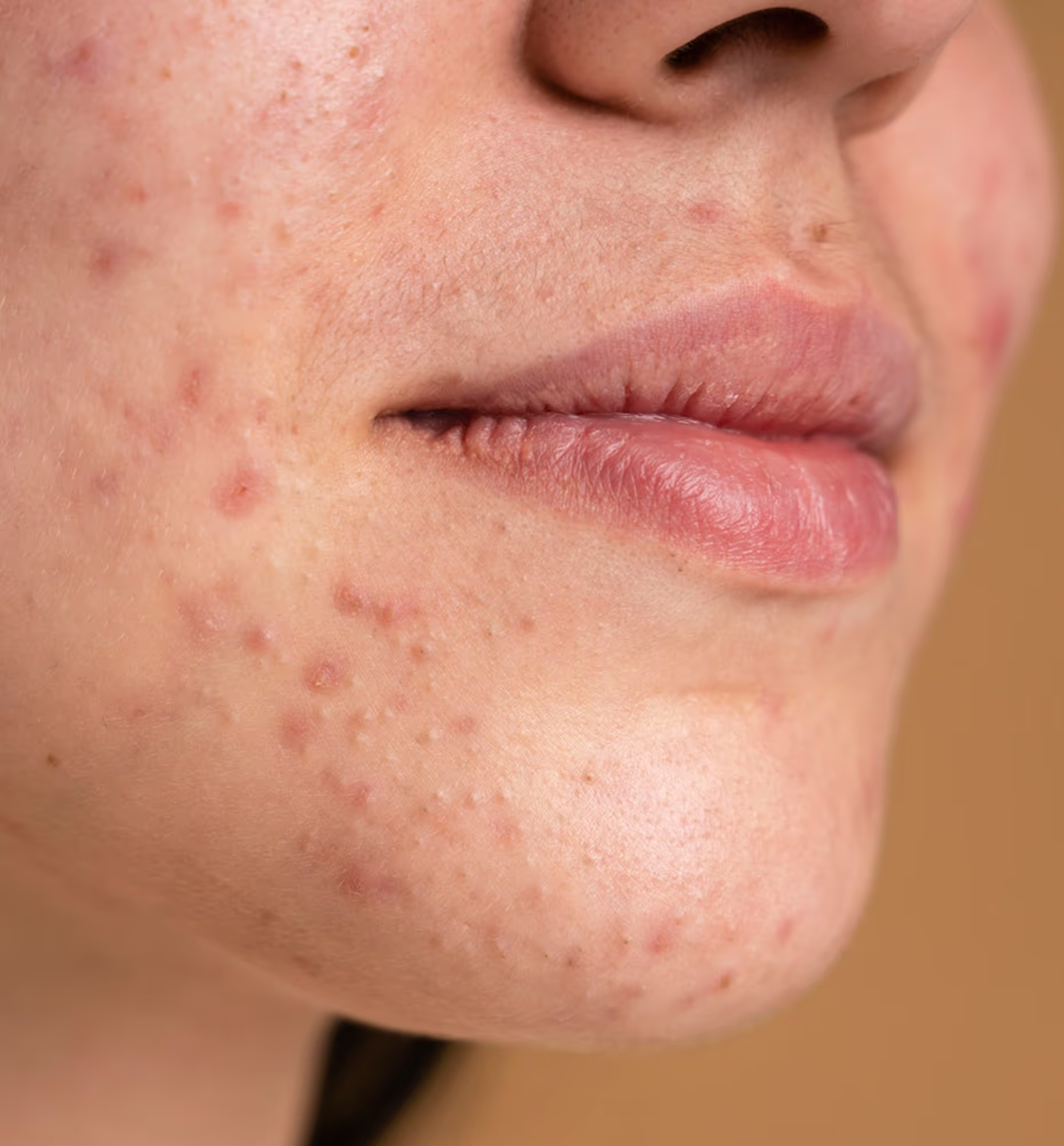
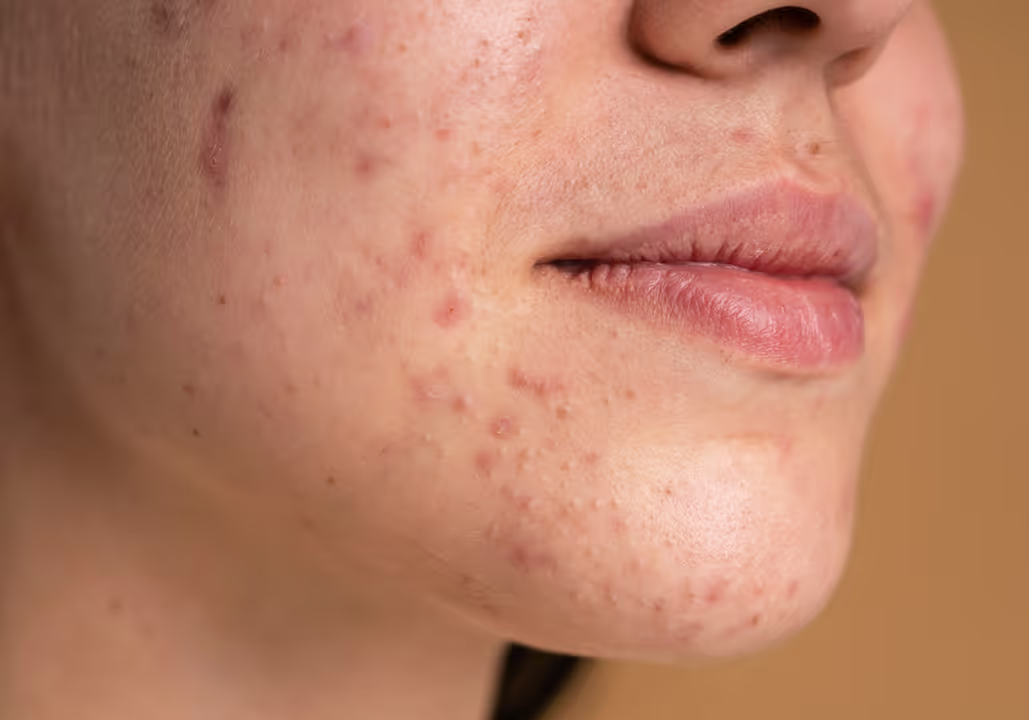
Ice pick scars are more narrow, smaller indentations that extend deep into the skin's layers (into the dermis, and even into the subcutaneous tissue). The scar's opening is wider and tapers off at the base, creating an ice pick-like shape. Because ice pick scars penetrate the skin's deeper layers, they typically require more aggressive acne scarring procedures. Ice pick scars are common on the cheek area. They can also appear on the forehead and nose.
In general, ice pick scars have repeatedly been shown to respond well to phenol CROSS, our frontline treatment method. However, patients with more severe ice pick scars may benefit more from punch excision, a process in which a small “cookie-cutter” tool is used to punch out the ice pick scar. In this manner, we ensure that the scar is removed in its entirety, as opposed to other treatments that merely treat the surface.
Post-Treatment Care
- It is normal for the first 24-48 hours after the procedure to feel slightly sore in the treatment area(s).
- Skin discoloration on the treated site(s) is common but does not always occur.
- Mild swelling in the treatment site(s) typically lasts less than 48 hours; in some cases, swelling may persist for up to a week.
- Blood-tinged oozing is expected after the first hour of treatment.
- Do not touch the treatment area(s), as this may lead to infection.
- For facial subcision: you may resume regular washing or shower activities after 24 hours unless instructed otherwise.
- For subcision on the body: no prolonged bathing or soaking treatment area (s) in the first 24 hours.
- For swelling and soreness, apply a cold, wet cloth to the treatment area in intervals of 10-15 minutes.
- You may resume normal activities within 48 hours.
- Do NOT pick scabs that develop in the treatment area.
- Do NOT wear makeup or other cosmetic products in the treatment area(s) for 24 hours.
- It is normal for the treatment area to be sore up to a week.
- Apply minimum SPF 50 sunscreen on treatment area(s).
- Apply a thin layer of Vaseline/petroleum jelly after showering.
Acne Scar Subcision Cost
The cost of acne scar subcision varies depending on how many layers of subcision you require (e.g., deep layer, middle layer, or superficial layer) and the number of areas you plan on subcising. The long-lasting results of subcision mean you do not have to keep paying money for maintenance treatments. And, compared to laser treatment, it ensures you do not have to spend as much money on collagen-boosting formulas or dermal fillers to thicken your skin in the areas of treatment.
Patient Experiences That
Speak for Themselves
Frequently Asked Questions
Subcision treatment for depressed acne scars in Los Angeles releases scar tethering for significant scar improvement.
What exactly is subcision and how does it work mechanically?
Subcision is a minimally invasive procedure that treats depressed acne scars by releasing the fibrous bands tethering scars to deeper tissue. Using a sharp needle or specialized subcision instrument, the dermatologist carefully creates separation between the scar tissue and underlying structures. This mechanical release allows trapped, depressed scar tissue to rise toward the normal skin surface. The procedure essentially breaks the anchors holding scars down. As the separated area heals, new collagen is naturally deposited, further improving the scar's appearance. The technique is particularly effective for rolling and tethered depressed scars. Dr. Salar Hazany's skilled technique in subcision produces excellent mechanical results while minimizing trauma. The procedure's mechanism—simple physical release of tethering—makes it highly effective for appropriately selected scars.
Is subcision painful and what should I expect during the procedure?
Subcision is performed under local anesthesia, so pain during the procedure is minimal to none. The initial anesthetic injection may cause brief discomfort, but most patients report little pain once numbness is achieved. During the procedure, patients may feel pressure or a scraping sensation but not pain. The procedure takes 30-60 minutes depending on the number and severity of scars being treated. Most patients describe the sensation as uncomfortable pressure rather than pain. The needle penetrates the skin and works beneath the scar tissue, which patients feel but don't find painful when properly anesthetized. Post-procedure soreness is typically mild and manageable with over-the-counter pain medication. Hazany Derm's team works carefully and efficiently to minimize patient discomfort. Dr. Hazany's experience ensures patients remain comfortable throughout subcision.
What is the recovery like after subcision?
Recovery after subcision is relatively quick with manageable side effects. Bruising and swelling are common immediately after the procedure and typically peak within 24-48 hours. The bruising gradually fades over 1-2 weeks. Most patients can return to work immediately or the next day, though visible bruising may influence this decision. Strenuous exercise and heavy lifting should be avoided for 3-5 days to prevent hematoma formation. The treated area should be kept clean and protected from sun exposure during healing. Makeup can usually be applied after 24 hours if bruising is minimal. Stitches are occasionally placed but often aren't necessary. Pain is usually minimal and easily controlled with over-the-counter pain medication. Dr. Hazany provides detailed aftercare instructions ensuring optimal healing. Most patients find the quick recovery worthwhile for the scar improvement achieved.
How many subcision treatments are needed for optimal results?
Most patients require multiple subcision treatments to achieve optimal scar improvement. The number depends on scar severity, extent, and individual healing response. Mild depressed scarring may improve significantly with 1-2 treatments spaced 6-8 weeks apart. Moderate scarring typically requires 2-4 treatments. Severe, extensive scarring may benefit from 4-6 or more treatments. Each treatment stimulates additional collagen deposition and improvement. Spacing treatments allows proper healing between sessions—treating too frequently prevents adequate healing. Most patients see noticeable improvement after the first treatment, with continued improvement over months. Results continue developing for 6-12 months after the final treatment as collagen continues remodeling. Dr. Hazany assesses improvement at each visit and recommends appropriate retreatment timing. The cumulative effect of multiple treatments produces superior results compared to single treatment.
Can subcision be combined with other acne scar treatments?
Absolutely. Subcision combines excellently with other scar treatments for enhanced results. Combining subcision with laser treatments on different visits addresses scars from multiple angles—subcision mechanically releases tethering while laser remodels the surface. TCA CROSS can be performed after subcision healing to further improve scars. Dermal fillers can be placed into subcised scars to optimize results during the remodeling period. Microneedling can follow subcision to further stimulate collagen. The timing and sequencing of combination treatments matter for optimal safety and results. Dr. Hazany strategically combines subcision with complementary treatments based on scar characteristics. The synergistic effects of combination approaches often produce results superior to any single treatment alone.
Who is a good candidate for subcision?
Ideal candidates for subcision are patients with depressed acne scars, particularly rolling or tethered scars with defined edges. Patients should have realistic expectations about scar improvement—subcision doesn't eliminate scars but dramatically improves them. Good candidates are in overall good health without bleeding disorders or conditions that impair healing. Patients who have completed acne treatment are ideal, as treating active acne alongside subcision isn't recommended. Those seeking non-surgical options without significant downtime are good candidates. Darker skin types can undergo subcision but must be monitored for postinflammatory hyperpigmentation. Dr. Hazany evaluates each patient's scar characteristics and overall health to determine if subcision is appropriate. Consultation with Dr. Hazany determines if subcision will benefit your specific scarring pattern.
What results can I expect from subcision?
Subcision produces impressive improvement in appropriately selected depressed scars. Patients typically see 50-70% improvement in rolling and tethered scars with appropriate treatment. Improvement becomes noticeable within weeks but continues developing for months as collagen remodels. Some patients achieve near-complete scar resolution with adequate treatment. Results are permanent since the treatment addresses the mechanical tethering causing scarring. Combining subcision with other treatments often produces even better results—70-90% improvement is achievable. Before-and-after photos demonstrate the dramatic improvements possible with subcision. Most patients report high satisfaction given the significant functional improvement in scar appearance. Dr. Hazany's expertise with subcision produces results often exceeding patient expectations. Results typically justify the multiple treatments required for optimal improvement.