




%201.avif)



Skin Lesion Removal


Expert Skin Lesion Removal in Beverly Hills and Los Angeles
What are Skin Lesions?
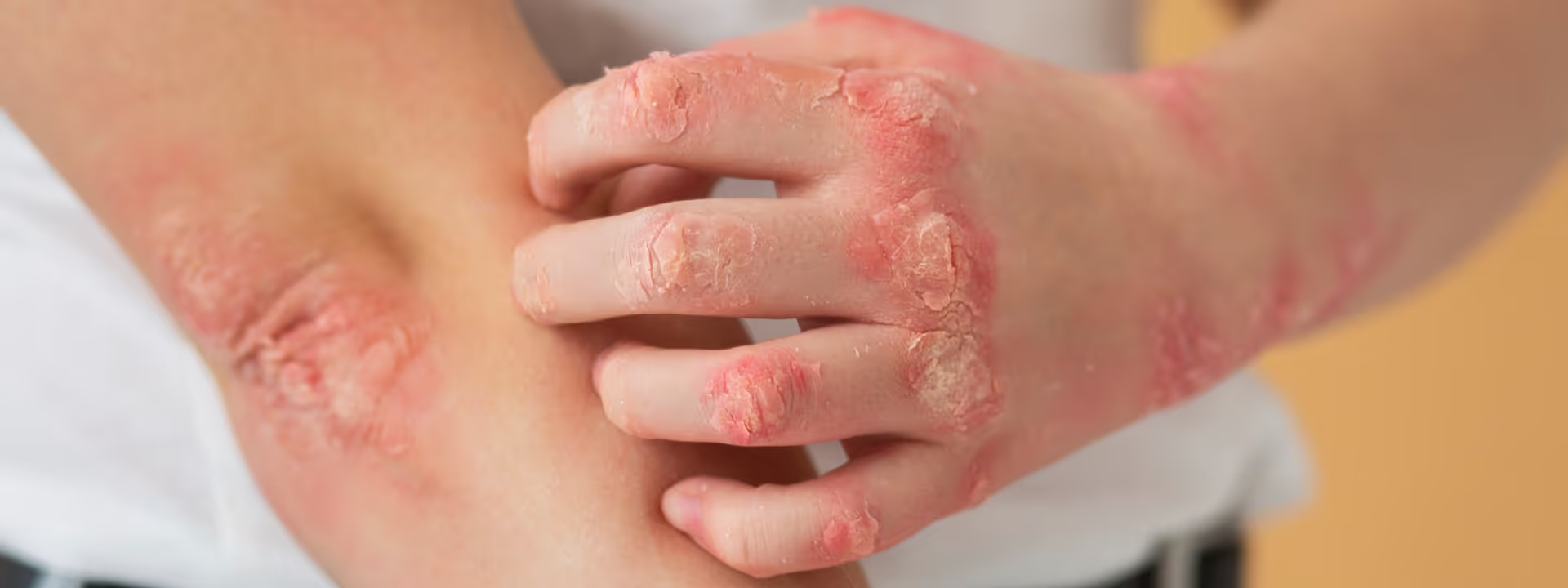
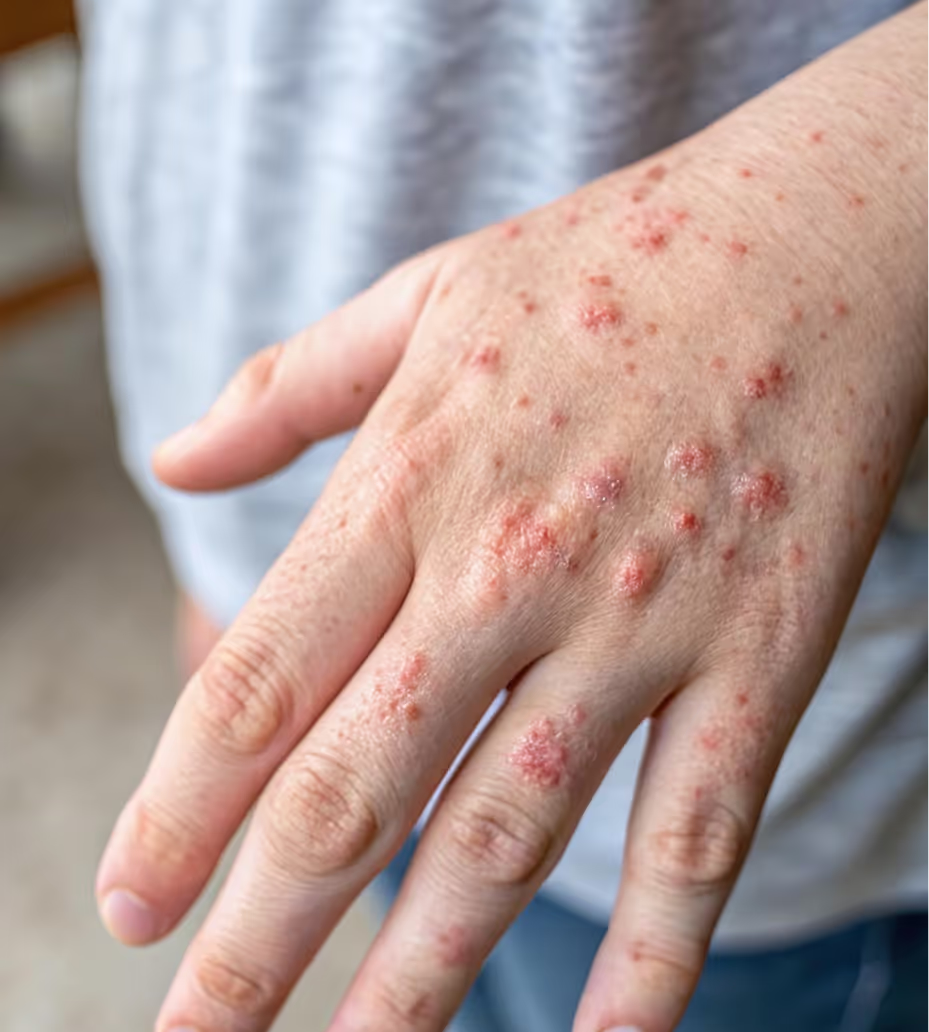
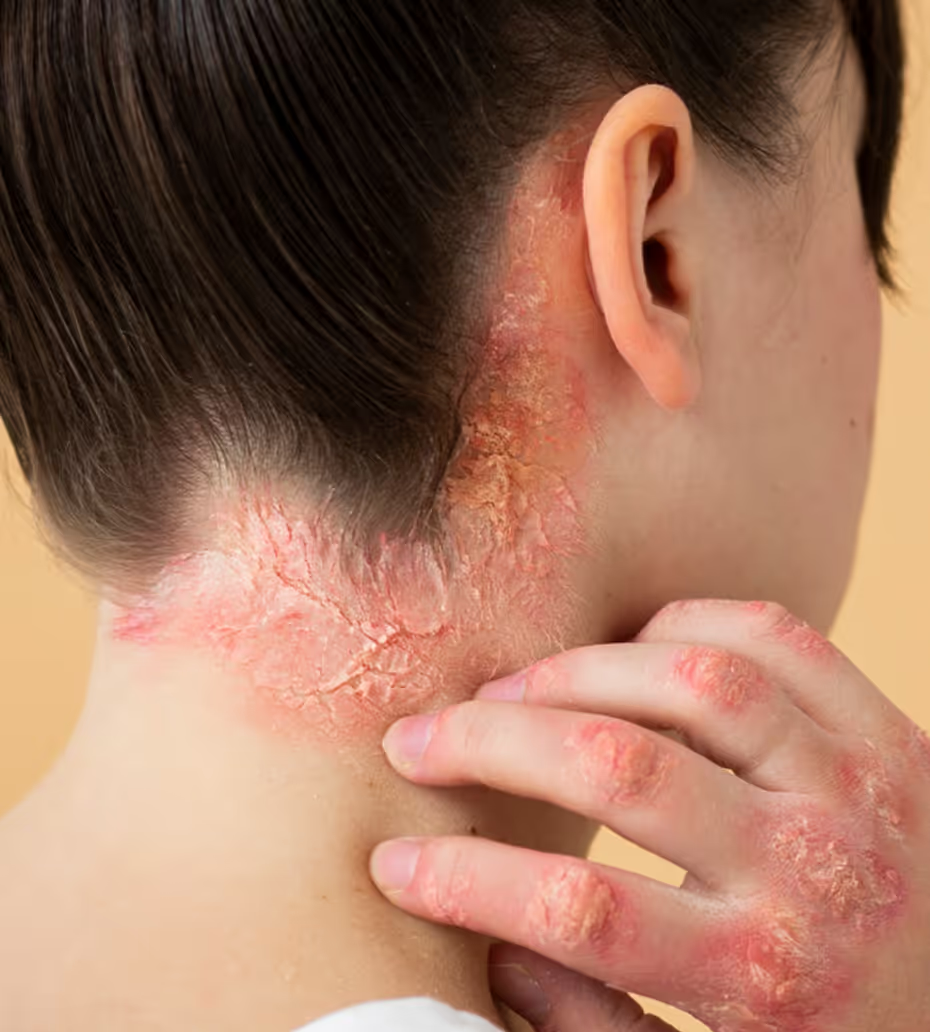
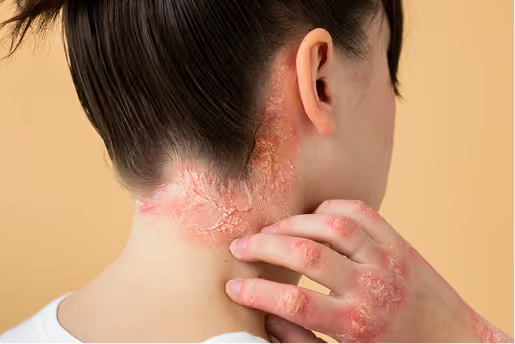
A skin lesion is any growth or area of skin that differs from the tissue around it. Lesions vary widely in cause and appearance: pyogenic granulomas are common benign lesions that typically appear as small, round, red lumps, often growing quickly and bleeding easily with minor contact. Other common lesions include moles, cysts, warts, seborrheic keratoses, and benign eyelid growths such as chalazion, epidermal cysts, and xanthelasma. While most skin lesions are non-cancerous, an accurate diagnosis is the only way to know for certain, particularly for lesions that appear suddenly or change quickly.


What Causes Skin Lesions?
Skin lesions can form for a variety of reasons, including sun exposure, genetics, hormonal changes, minor trauma to the skin, and the natural aging process. Some lesions, like pyogenic granulomas, can appear suddenly and grow quickly, while others, like moles, may develop gradually over years. Location matters too: lesions on the nose, eyelids, and lips are often more noticeable and can affect daily function, such as vision or expression, in addition to appearance.
Can I Get Skin Lesions Removed in LA?
Dr. Hazany is a skin lesion removal specialist located in Beverly Hills. As a board-certified dermatologist and fellowship-trained Mohs micrographic surgeon, he is trained to distinguish between benign and concerning lesions before any treatment begins, a distinction that matters most in cosmetically and functionally sensitive areas like the eyelids, nose, and lips. Dr. Hazany is well versed in lesion removal techniques such as shave excision, surgical excision, and laser treatment, selecting the appropriate method based on the lesion's type, depth, and location. Patients seeking removal of a nose lesion, eyelid lesion, lip growth, or any other skin lesion can expect a thorough evaluation followed by a treatment plan tailored to achieve the safest outcome with minimal scarring.
Patient Experiences That
Speak for Themselves
Frequently Asked Questions
At Hazany Derm, skin lesion evaluation, diagnosis, and removal by a board-certified dermatologist ensures both safety and the best possible cosmetic outcome.
What is a pyogenic granuloma?
A pyogenic granuloma is a small, fast-growing red bump made up of tiny blood vessels. It's benign, but it can bleed easily, even with light contact, since the blood vessels sit so close to the skin's surface. They often show up suddenly after a minor cut, scrape, or other irritation to the skin, and can grow noticeably within just days or weeks. Dr. Hazany and his team at Hazany Derm evaluate new, fast-growing red bumps to confirm what they are before recommending removal, since a quick exam is the only reliable way to rule out anything more serious.
Why do pyogenic granulomas bleed so easily?
Pyogenic granulomas are made up of small, densely packed blood vessels close to the skin's surface, which is why even light bumps or scratches can cause them to bleed, sometimes more than people expect from such a small lesion. This is one of the most common reasons patients seek treatment, since the frequent bleeding can be alarming even though the lesion itself isn't dangerous. Dr. Hazany typically recommends removal once a lesion is confirmed benign, both to resolve the bleeding and to prevent the area from being repeatedly irritated.
Is a sudden bump on the nose something to worry about?
Not usually, but it's worth getting checked rather than waiting to see what happens. Most sudden growths on the nose, including pyogenic granulomas, are completely benign and develop after minor trauma or irritation to the area. Still, because the nose is a common site for both harmless lesions and, less often, skin cancer, Dr. Hazany recommends a prompt evaluation to give you a clear answer instead of a guess, especially if the bump is growing quickly or changing in appearance.
What is that bump on my eyelid?
It depends on the type, since several different growths commonly appear in this area. Common eyelid bumps include cysts, small fatty deposits called xanthelasma, and pyogenic granulomas, each with a different cause and appearance. Most are harmless, but the eyelid is a thin-skinned, highly visible area, so Dr. Hazany recommends having any new or changing bump evaluated, especially if it affects your vision, eyelid movement, or continues to grow.
Will removing a skin lesion leave a scar?
It depends on the technique used and the size and depth of the lesion itself. Smaller, more superficial lesions removed by shaving or laser tend to heal with minimal visible scarring, often fading significantly within a few weeks. Larger or deeper lesions removed by surgical excision may leave a faint scar, but Dr. Hazany's experience working in cosmetically sensitive areas like the face helps keep results as clean and unnoticeable as possible.
Can a skin lesion grow back after it's removed?
Sometimes, depending on the removal method and the type of lesion. Pyogenic granulomas removed by shallow methods like shaving or scraping have a higher chance of returning than those removed by full surgical excision, since regrowth can happen if the blood vessels feeding the lesion underneath the skin aren't completely removed. Dr. Hazany notes that most other types of benign lesions rarely come back once they've been properly excised.
Should a removed lesion be sent for a biopsy?
Yes, especially if the lesion grew quickly, changed in appearance, or didn't have a clear-cut diagnosis to begin with. Sending the removed tissue to a lab confirms that it's benign and provides peace of mind, ruling out anything that might need further attention. The expert team at Hazany Derm treats this as a standard step worth taking even when removal is mostly for comfort or cosmetic reasons, since it adds very little to the process but real reassurance for the patient.
Meet Dr. Salar Hazany
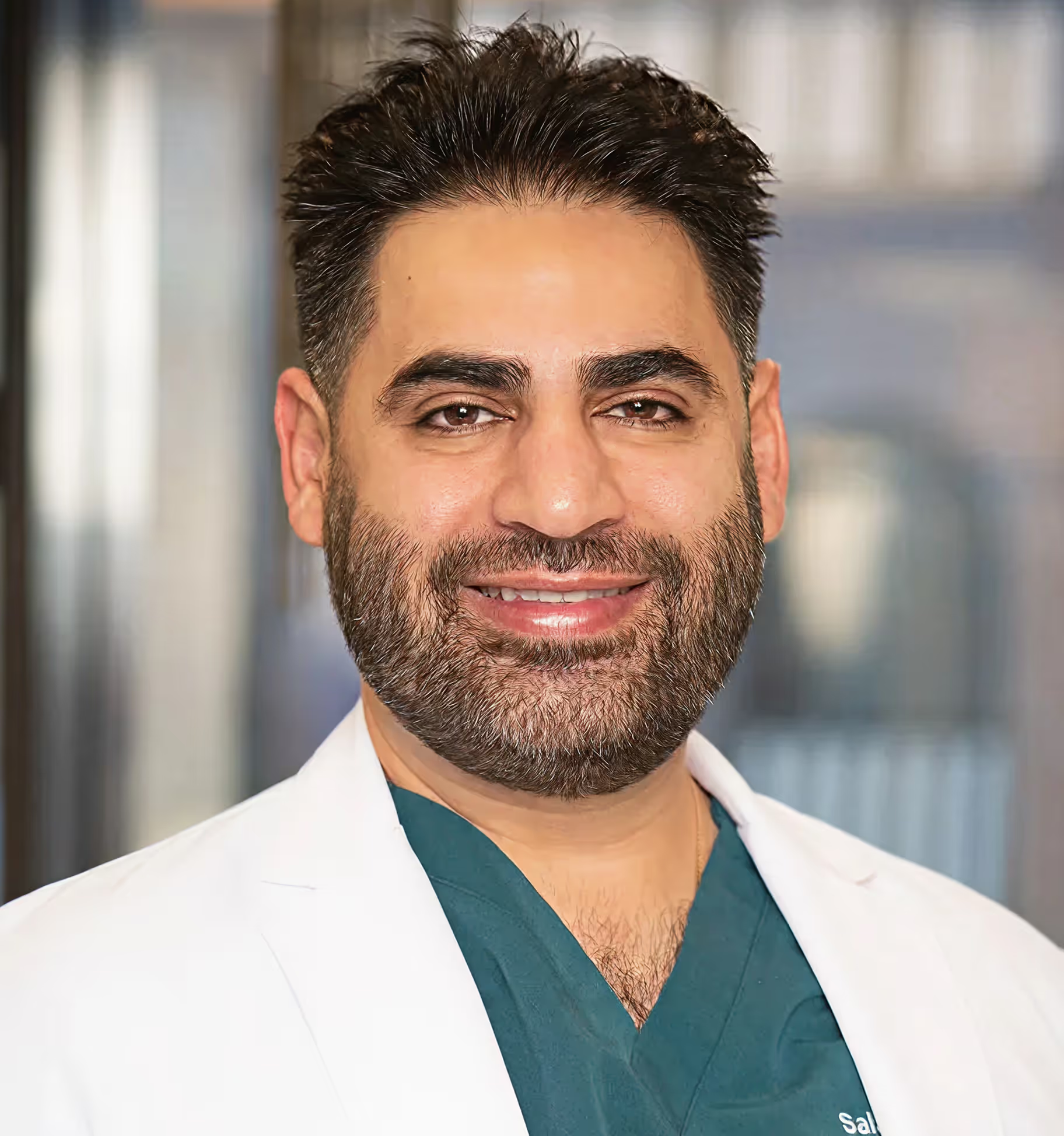
Dr. Salar Hazany is a board-certified dermatologist and fellowship-trained Mohs micrographic surgeon who is originally from Los Angeles, California. Through years of intense education and training, he has honed his practice of the latest and most cutting-edge medical and cosmetic dermatology methods to enhance and optimize his patients’ quality of life. Known as “Dr. Cancer Killer” on social media platforms, Dr. Hazany shares his ability to treat serious forms of skin cancer, in addition to treating both commonplace and esoteric skin conditions.