





%201.avif)



Do Sunscreens Really Prevent Skin Cancer?



Yes, sunscreens significantly prevent skin cancer when used correctly with broad-spectrum SPF 30+ protection. Research shows consistent sunscreen use reduces melanoma risk by 50% and other skin cancers by up to 40%. Hazany Derm emphasizes proper application and reapplication for maximum protection.
The relationship between sunscreen use and skin cancer prevention has been extensively studied for decades, with overwhelming scientific evidence supporting sunscreen's protective benefits. Understanding how ultraviolet radiation damages skin cells and leads to cancerous changes helps explain why sunscreen serves as such a crucial preventive tool. Many patients wonder whether the daily ritual of applying sunscreen truly makes a meaningful difference in their long-term skin health outcomes.
Skin cancer rates continue to climb globally, with one in five Americans developing skin cancer during their lifetime. This alarming statistic underscores the importance of effective prevention strategies that can significantly reduce these risks. The good news is that skin cancer is largely preventable through proper sun protection measures, with sunscreen serving as the cornerstone of any comprehensive photoprotection plan.
At Hazany Derm, we regularly counsel patients about the critical role sunscreen plays in maintaining healthy skin and preventing malignant transformations. The scientific evidence supporting sunscreen's cancer-prevention benefits is robust and continues to grow stronger with each passing year. Understanding both the mechanisms of UV damage and the protective effects of sunscreen empowers individuals to make informed decisions about their daily sun protection routines.
The Science Behind UV Damage and Cancer Formation
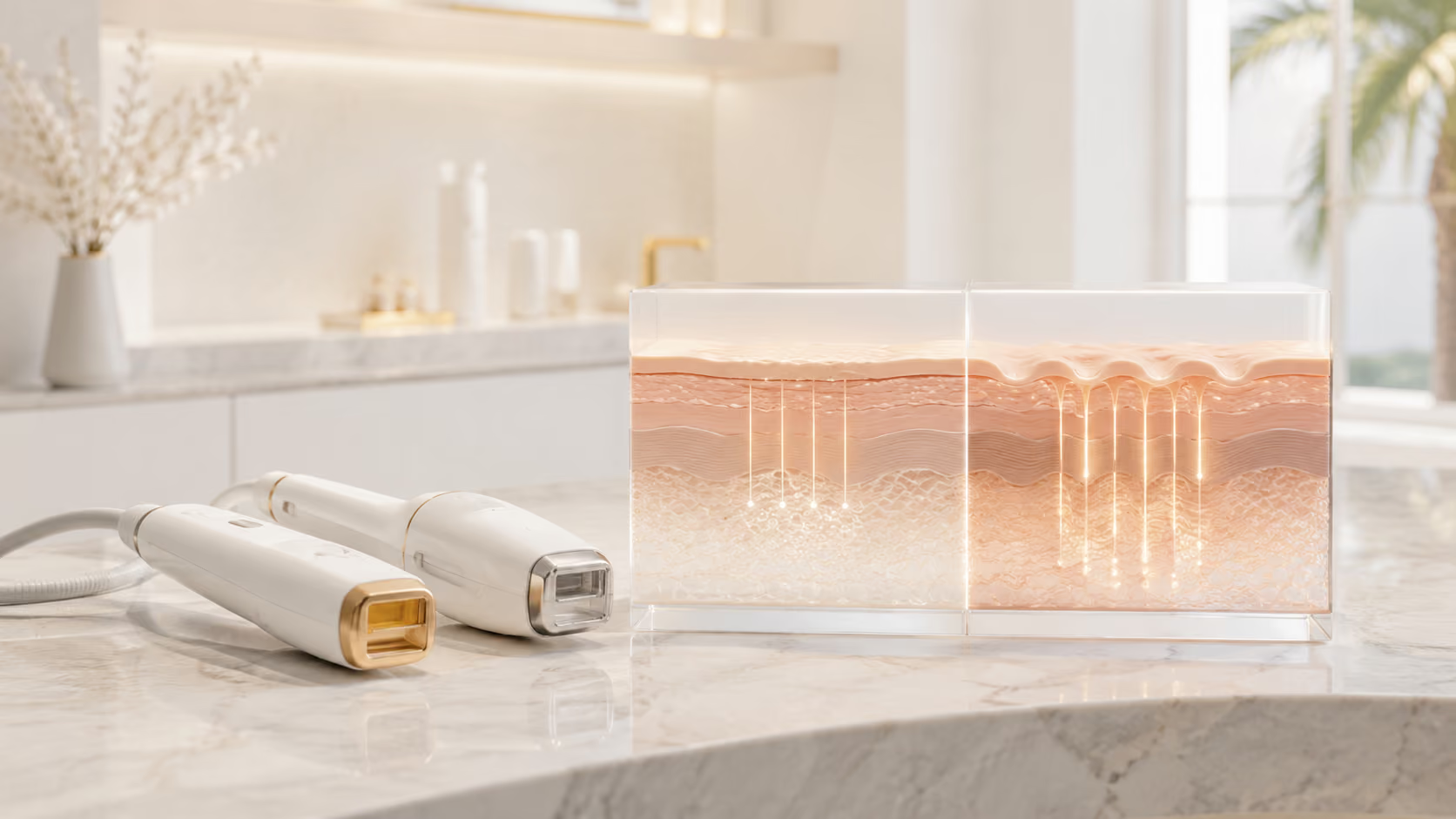
Ultraviolet radiation penetrates the skin and causes direct DNA damage within cellular structures, leading to mutations that can eventually result in cancerous growths. UVB rays primarily affect the outer skin layers and cause the burning associated with sun exposure, while UVA rays penetrate deeper and contribute to premature aging and DNA damage. Both types of radiation play significant roles in skin cancer development through different pathways of cellular destruction. The cumulative effect of repeated UV exposure over years creates an environment where normal cells can transform into malignant ones.
The process of skin cancer formation begins at the molecular level when UV photons interact with DNA bases in skin cells. These interactions create abnormal chemical bonds called pyrimidine dimers that distort the normal DNA structure and interfere with proper cellular replication. While the body has natural repair mechanisms to fix some of this damage, repeated exposure overwhelms these systems and allows mutations to accumulate. Over time, these accumulated genetic errors can trigger the uncontrolled cell growth characteristic of cancer.
Research has identified specific genetic pathways involved in UV-induced skin cancer development, including p53 tumor suppressor gene mutations found in over 90% of skin cancers. The p53 gene normally acts as a cellular guardian, detecting DNA damage and either repairing it or triggering cell death to prevent cancerous transformation. When UV radiation damages this critical gene, cells lose their ability to self-regulate and can begin growing uncontrollably. Understanding these mechanisms helps explain why consistent sun protection is so vital for cancer prevention.
Key factors that influence UV-induced skin cancer risk include:
- Cumulative exposure: Total lifetime UV dose matters more than individual severe burns, making daily protection essential for long-term prevention
- Skin type vulnerability: Fair-skinned individuals with light eyes and hair face higher risks due to lower melanin protection levels
- Geographic and environmental factors: Higher altitudes, reflective surfaces like water and snow, and proximity to the equator increase exposure intensity
- Time-dependent sensitivity: Childhood and adolescent exposure carries disproportionately higher cancer risks compared to adult exposure
The relationship between UV exposure timing and cancer risk has important implications for prevention strategies throughout different life stages. Studies show that severe sunburns during childhood and adolescence significantly increase melanoma risk later in life, even if sun protection improves during adulthood. This finding highlights the importance of establishing good sun protection habits early and maintaining them consistently over time. However, it's never too late to start protecting your skin, as reducing UV exposure at any age provides meaningful benefits.
Dr. Salar Hazany emphasizes that understanding UV damage mechanisms helps patients appreciate why daily sunscreen use matters so much for long-term skin health. The invisible nature of UV radiation means that significant damage can occur even on cloudy days or during brief outdoor exposures. Recognizing that skin cancer development is a gradual process influenced by cumulative exposure patterns reinforces the importance of making sun protection a daily habit rather than something reserved only for beach days or summer months.
Clinical Evidence Supporting Sunscreen's Protective Effects
Large-scale epidemiological studies have consistently demonstrated that regular sunscreen use significantly reduces skin cancer incidence across all major types of skin malignancies. The landmark Australian study following over 1,600 adults for more than two decades found that daily sunscreen use reduced melanoma risk by 50% and squamous cell carcinoma risk by approximately 40%. These findings have been replicated in multiple populations and geographic regions, establishing sunscreen as one of the most effective cancer prevention tools available. The protective effects become more pronounced with longer periods of consistent use, suggesting that starting and maintaining good sun protection habits pays dividends over time.
Randomized controlled trials, considered the gold standard of medical research, have provided definitive proof of sunscreen's cancer-prevention benefits. A pivotal study published in the Journal of Clinical Oncology tracked participants who were randomly assigned to either daily sunscreen use or discretionary application over four years. The daily sunscreen group showed significantly lower rates of new skin cancers and precancerous lesions compared to the control group. These results were particularly striking because the study period was relatively short, suggesting that even greater benefits would emerge with longer follow-up periods.
Meta-analyses combining data from multiple studies have strengthened the evidence base supporting sunscreen's protective effects against skin cancer. These comprehensive reviews, which include data from hundreds of thousands of participants across different countries and climates, consistently show 20-40% reductions in skin cancer risk with regular sunscreen use. The protective effects are strongest for squamous cell carcinoma and basal cell carcinoma, though significant melanoma protection has also been demonstrated. Recent studies have also shown that sunscreen use reduces the formation of precancerous actinic keratoses, which can progress to invasive skin cancers if left untreated.
Essential characteristics of effective sunscreen protection include:
- Broad-spectrum coverage: Protection against both UVA and UVB radiation is necessary since both contribute to cancer development through different mechanisms
- Adequate SPF levels: SPF 30 or higher provides optimal protection for daily use, blocking approximately 97% of UVB radiation when applied properly
- Proper application technique: Using sufficient amounts (1 ounce for full body coverage) and reapplying every two hours ensures maintained protection levels
- Water-resistant formulations: Maintaining protection during swimming, sweating, or humid conditions requires specially formulated products that adhere better to skin
The importance of proper sunscreen application cannot be overstated, as most people apply far less than the amounts used in research studies demonstrating protective benefits. Laboratory testing of sunscreen SPF values assumes application of 2 milligrams per square centimeter of skin, which translates to about one teaspoon for the face and neck area alone. Real-world application studies show that most people use only 25-50% of this recommended amount, significantly reducing the actual protection achieved. This application gap helps explain why some individuals develop skin cancers despite reported sunscreen use.
Hazany Derm specialists regularly educate patients about proper sunscreen application techniques to ensure they receive maximum protective benefits. We recommend choosing broad-spectrum sunscreens with SPF 30 or higher and applying them generously to all exposed skin areas 15-30 minutes before sun exposure. Reapplication every two hours, or more frequently with swimming or sweating, maintains consistent protection throughout the day. Combining sunscreen with other protective measures like seeking shade and wearing protective clothing provides the most comprehensive approach to skin cancer prevention.
Optimizing Sunscreen Use for Maximum Cancer Prevention
The effectiveness of sunscreen in preventing skin cancer depends heavily on selecting appropriate products and using them correctly as part of a comprehensive sun protection strategy. Modern sunscreen formulations offer various options including chemical absorbers, physical blockers, and hybrid combinations that cater to different skin types and preferences. Understanding the differences between these formulations helps individuals choose products they'll use consistently, which is the most important factor in achieving cancer prevention benefits. Product selection should also consider factors like skin sensitivity, activity levels, and cosmetic preferences to ensure long-term adherence to daily sun protection routines.
Timing and frequency of sunscreen application play crucial roles in maintaining protective coverage throughout periods of sun exposure. Applying sunscreen 15-30 minutes before going outdoors allows chemical sunscreens to form protective bonds with skin proteins and ensures even distribution across all exposed areas. Reapplication every two hours addresses the natural breakdown of sunscreen ingredients due to UV exposure, as well as removal through sweating, swimming, or clothing contact. Many people underestimate how quickly sunscreen protection diminishes, leaving them vulnerable during extended outdoor activities.
Integration of sunscreen use with other photoprotective measures creates a comprehensive defense system against UV-induced skin damage and cancer development. Seeking shade during peak UV hours (10 AM to 4 PM), wearing wide-brimmed hats and UV-protective clothing, and using sunglasses all complement sunscreen's protective effects. This multi-layered approach is particularly important for individuals at higher risk due to fair skin, family history of skin cancer, or occupational sun exposure. No single protective measure provides complete protection, but combining multiple strategies significantly reduces overall skin cancer risk.
Best practices for comprehensive sun protection include:
- Daily application routine: Making sunscreen application part of morning skincare routines ensures consistent protection regardless of planned activities or weather conditions
- Adequate coverage areas: Applying sunscreen to often-missed areas like ears, lips, tops of feet, and along hairlines prevents cancer development in these vulnerable locations
- Seasonal consistency: Maintaining sun protection year-round addresses UV exposure from reflected light off snow, water, and sand that can cause significant damage
- Product rotation strategy: Using different sunscreen formulations for face versus body, or indoor versus outdoor activities, optimizes protection while maintaining user satisfaction
The role of sunscreen in preventing skin cancer extends beyond just blocking UV radiation to include supporting the skin's natural repair mechanisms. Recent research suggests that some sunscreen ingredients may have antioxidant properties that help neutralize free radicals generated by UV exposure. These additional benefits complement the primary UV-blocking effects and may contribute to the superior cancer prevention results seen with consistent sunscreen use. However, the mechanical blocking or absorption of UV radiation remains the primary mechanism through which sunscreens prevent skin cancer.
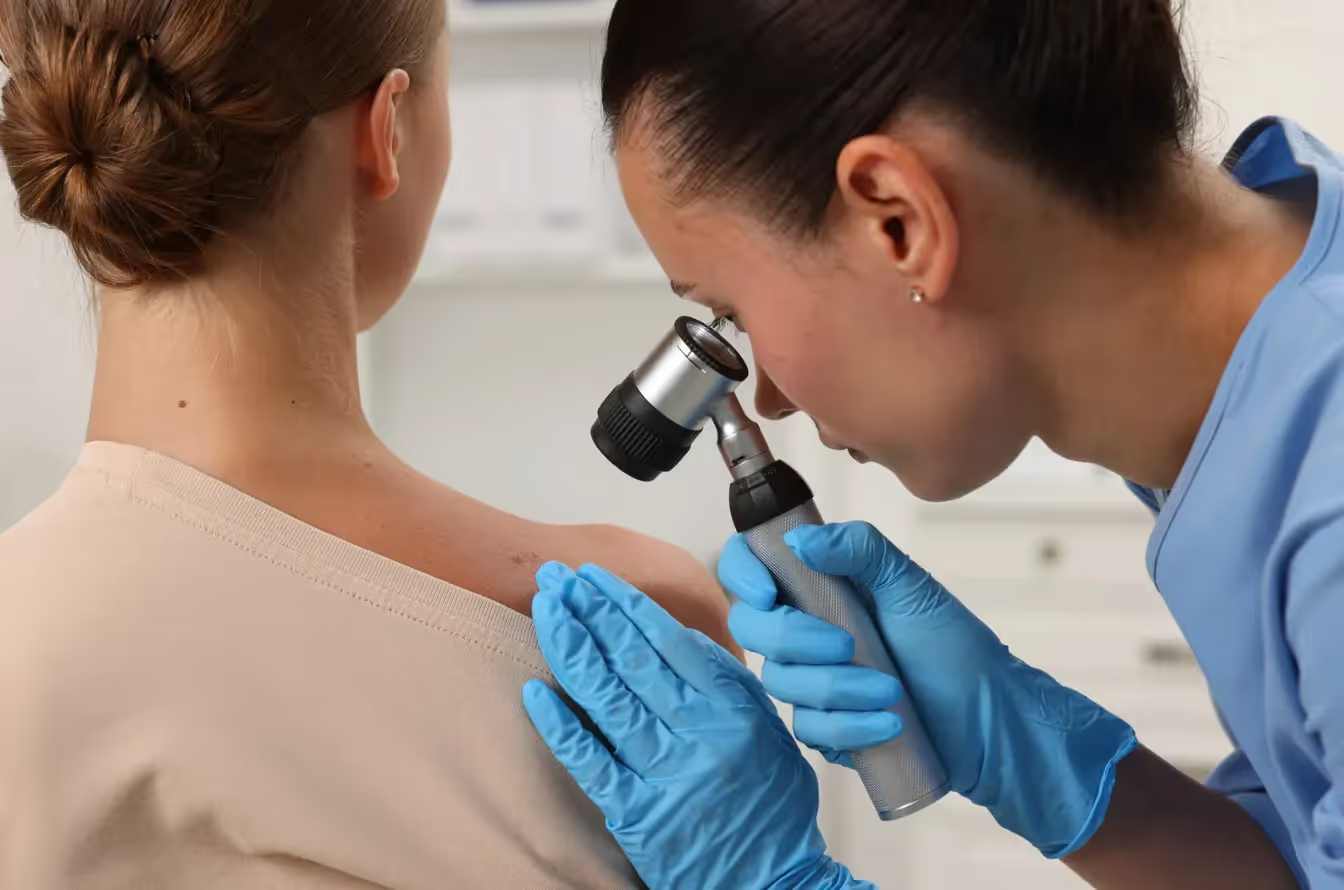
Dr. Salar Hazany recommends that patients view sunscreen as essential daily protection rather than something reserved for special occasions or summer months. The cumulative nature of UV damage means that even brief daily exposures, such as walking to the car or sitting near windows, contribute to long-term skin cancer risk. Establishing habits that incorporate sun protection into daily routines makes it easier to maintain consistent coverage and achieve the cancer prevention benefits demonstrated in clinical studies. Regular skin examinations combined with diligent sun protection provide the best strategy for maintaining healthy skin throughout life.
Frequently Asked Questions
How effective is sunscreen at preventing melanoma specifically?
Research demonstrates that consistent sunscreen use reduces melanoma risk by approximately 50% when used daily over extended periods. Dr. Salar Hazany notes that this protection is particularly significant given melanoma's potential for metastasis and life-threatening complications. The protective effect is strongest with broad-spectrum formulations that block both UVA and UVB radiation, as both contribute to melanoma development through different cellular pathways. Studies show the greatest benefits occur with early adoption of sun protection habits, though starting at any age provides meaningful risk reduction. Daily application of SPF 30 or higher sunscreen, combined with other protective measures, offers substantial melanoma prevention benefits.
Can sunscreen alone prevent all types of skin cancer?
While sunscreen significantly reduces skin cancer risk, Hazany Derm emphasizes that it works best as part of a comprehensive protection strategy rather than as a standalone solution. Sunscreen provides excellent protection against UV radiation, which causes the majority of skin cancers, but cannot eliminate all risk factors. Genetic predisposition, immune system status, and previous sun damage also influence cancer development. The most effective approach combines daily broad-spectrum sunscreen use with seeking shade, wearing protective clothing, and avoiding peak UV hours. Regular dermatological examinations remain essential for early detection, as no preventive measure provides 100% protection against all skin cancer types.
What SPF level do dermatologists recommend for cancer prevention?
The team at Hazany Derm recommends SPF 30 or higher for optimal cancer prevention benefits, as this level blocks approximately 97% of UVB radiation when applied properly. Higher SPF values provide incrementally better protection, with SPF 50 blocking about 98% of UVB rays. However, proper application technique and reapplication frequency matter more than choosing extremely high SPF numbers. Most people apply insufficient amounts of sunscreen, reducing the effective protection significantly below labeled SPF values. For daily use, SPF 30-50 broad-spectrum sunscreens offer excellent cancer prevention when applied generously and reapplied every two hours during sun exposure.
How often should sunscreen be reapplied for maximum protection?
Dr. Hazany advises reapplying sunscreen every two hours during sun exposure, or more frequently when swimming, sweating, or engaging in activities that remove the product from skin. This timing addresses the natural breakdown of sunscreen ingredients due to UV exposure and physical removal through normal activities. Water-resistant formulations maintain protection longer during swimming but still require reapplication according to product labeling, typically every 40-80 minutes. For daily activities with minimal direct sun exposure, morning application may suffice, but extended outdoor time always requires regular reapplication. Setting phone reminders or using products with built-in application timers helps maintain consistent protection throughout the day.
Do physical sunscreens work better than chemical ones for cancer prevention?
Hazany Derm specialists explain that both physical (mineral) and chemical sunscreens provide excellent cancer prevention when used properly, with the best choice depending on individual skin type and preferences. Physical sunscreens containing zinc oxide or titanium dioxide work by reflecting UV rays and start protecting immediately upon application. Chemical sunscreens absorb UV radiation and convert it to heat, requiring 15-30 minutes after application to become fully effective. Both types demonstrate similar cancer prevention benefits in clinical studies when broad-spectrum formulations are used consistently. The most important factor is choosing a product that feels comfortable and encourages daily use rather than focusing solely on the active ingredient type.
Can people with darker skin skip sunscreen since they have natural protection?
Dr. Salar Hazany emphasizes that while darker skin provides some natural UV protection through higher melanin content, it does not eliminate skin cancer risk entirely. People with darker skin types can develop all forms of skin cancer, including melanoma, which often occurs in areas with less pigmentation like palms, soles, and nail beds. UV exposure also contributes to premature aging and hyperpigmentation in darker skin tones. Daily broad-spectrum sunscreen use benefits everyone regardless of skin color, though individuals with darker skin may tolerate slightly lower SPF levels for daily use. Regular skin examinations remain important for early detection of suspicious changes in all skin types.
Does sunscreen prevent the vitamin D production needed for health?
The Hazany Derm clinic addresses this common concern by explaining that adequate vitamin D levels can be maintained through diet, supplements, and brief sun exposure while still practicing good cancer prevention. Most people require only 10-15 minutes of midday sun exposure on small areas of skin several times per week to produce sufficient vitamin D. This minimal exposure poses little cancer risk while meeting nutritional needs. For individuals with vitamin D deficiency or limited sun exposure, dietary sources and supplements provide safer alternatives than prolonged unprotected UV exposure. Regular blood testing can monitor vitamin D status and guide appropriate supplementation when needed.
What role does sunscreen play in preventing precancerous skin lesions?
The experts at Hazany Derm note that consistent sunscreen use significantly reduces the development of actinic keratoses, the most common precancerous skin lesions caused by chronic sun exposure. These rough, scaly patches can progress to invasive squamous cell carcinoma if left untreated, making prevention through sun protection crucial. Studies show that daily sunscreen use can reduce new actinic keratosis formation by 40-60% and may even help existing lesions regress. This preventive effect is particularly important for individuals with fair skin, outdoor occupations, or previous sun damage. Early intervention through consistent sun protection prevents the progression from precancerous changes to invasive skin cancers requiring more extensive treatment.