




%201.avif)



Can Severe Acne Be Cured Permanently?



While severe acne cannot always be "permanently cured," it can be effectively managed and controlled long-term with proper treatment. At Hazany Derm, Dr. Salar Hazany provides comprehensive acne treatment plans that can achieve lasting clear skin for most patients.
Severe acne affects millions of people worldwide, causing not only physical discomfort but also significant emotional distress. Many patients struggling with persistent breakouts, cystic lesions, and inflammatory acne wonder if there's hope for permanent relief. The question of whether severe acne can be permanently cured is complex and depends on various factors including acne type, underlying causes, and individual skin characteristics.
Understanding the nature of acne is crucial to setting realistic expectations about treatment outcomes. Acne is a chronic inflammatory skin condition that involves multiple factors including hormones, genetics, bacteria, and oil production. While the term "cure" implies complete elimination without recurrence, the reality is that most dermatological conditions, including severe acne, are better described as manageable rather than curable. However, this doesn't mean patients should lose hope for achieving clear, healthy skin.
At Hazany Derm, patients receive comprehensive evaluations to determine the most effective treatment approach for their specific type of severe acne. Dr. Salar Hazany emphasizes that while permanent elimination may not always be possible, significant improvement and long-term control are achievable goals for the vast majority of patients. With proper treatment, many individuals can experience years or even decades of clear skin, making the distinction between "cure" and "effective long-term management" less important in practical terms.
Understanding Severe Acne and Its Causes
Severe acne, also known as nodulocystic or cystic acne, represents the most serious form of this common skin condition. Unlike mild comedonal acne with blackheads and whiteheads, severe acne involves deep, painful nodules and cysts that extend into the dermis. These lesions can cause significant scarring and may persist for months without proper treatment, making early intervention crucial for optimal outcomes.
The development of severe acne involves a complex interplay of factors that create the perfect storm for persistent breakouts. Hormonal fluctuations, particularly androgens like testosterone, increase sebaceous gland activity and oil production. This excess sebum combines with dead skin cells to clog hair follicles, creating an environment where Propionibacterium acnes bacteria can thrive. The resulting inflammatory response leads to the formation of papules, pustules, nodules, and cysts characteristic of severe acne.
Genetic predisposition plays a significant role in determining who develops severe acne and how they respond to treatment. Patients with a family history of severe acne are more likely to experience persistent breakouts and may require more aggressive treatment approaches. At Hazany Derm, understanding these genetic factors helps Dr. Salar Hazany develop personalized treatment plans that address each patient's unique risk profile and skin characteristics.
Several key factors contribute to the development and persistence of severe acne:
- Hormonal imbalances: Elevated androgen levels stimulate excessive oil production and follicular hyperkeratinization
- Genetic susceptibility: Family history of severe acne increases likelihood of developing persistent, treatment-resistant forms
- Bacterial overgrowth: Propionibacterium acnes proliferation in clogged follicles triggers inflammatory cascades
- Inflammatory response: Overactive immune responses lead to deeper, more destructive lesions and potential scarring
Environmental and lifestyle factors can also influence acne severity and treatment response. Stress, certain skincare products, dietary factors, and hormonal medications can all impact acne development and persistence. Understanding these contributing factors is essential for developing comprehensive treatment strategies that address not only the immediate symptoms but also the underlying causes of severe acne.
The chronic nature of severe acne means that even after successful treatment, patients may experience occasional flares or require ongoing maintenance therapy. This doesn't represent treatment failure but rather reflects the complex, multifactorial nature of the condition. Patients who understand this chronic aspect are better prepared to maintain long-term skin health and work collaboratively with their dermatologist to achieve optimal results.
Current Treatment Options and Their Effectiveness
Modern dermatology offers numerous effective treatment options for severe acne, ranging from topical medications to systemic therapies and procedural interventions. The key to successful treatment lies in selecting the appropriate combination of therapies based on individual patient factors, acne severity, and treatment goals. Hazany Derm utilizes a comprehensive approach that may include multiple treatment modalities to achieve optimal results for each patient.
Topical treatments form the foundation of many acne treatment regimens and can be highly effective when used consistently and appropriately. Prescription-strength retinoids, such as tretinoin and adapalene, help normalize skin cell turnover and prevent comedone formation. Topical antibiotics like clindamycin target bacterial overgrowth, while benzoyl peroxide provides both antibacterial and comedolytic effects. These medications work synergistically to address multiple aspects of acne pathophysiology.
Systemic therapies are often necessary for severe acne cases that don't respond adequately to topical treatments alone. Oral antibiotics, particularly tetracycline derivatives like doxycycline and minocycline, reduce bacterial populations and provide anti-inflammatory effects. Hormonal treatments, including oral contraceptives and spironolactone, can be particularly effective for women with hormonally-driven acne. For the most severe cases, isotretinoin (formerly known as Accutane) offers the potential for long-term remission or even permanent improvement.
The most effective systemic and topical treatments include:
- Isotretinoin therapy: Oral retinoid that can provide long-lasting improvement or remission in severe acne cases
- Hormonal treatments: Birth control pills and anti-androgen medications for hormonally-driven acne in women
- Combination topical therapy: Retinoids, antibiotics, and benzoyl peroxide used together for synergistic effects
- Oral antibiotics: Tetracycline derivatives that reduce inflammation and bacterial populations
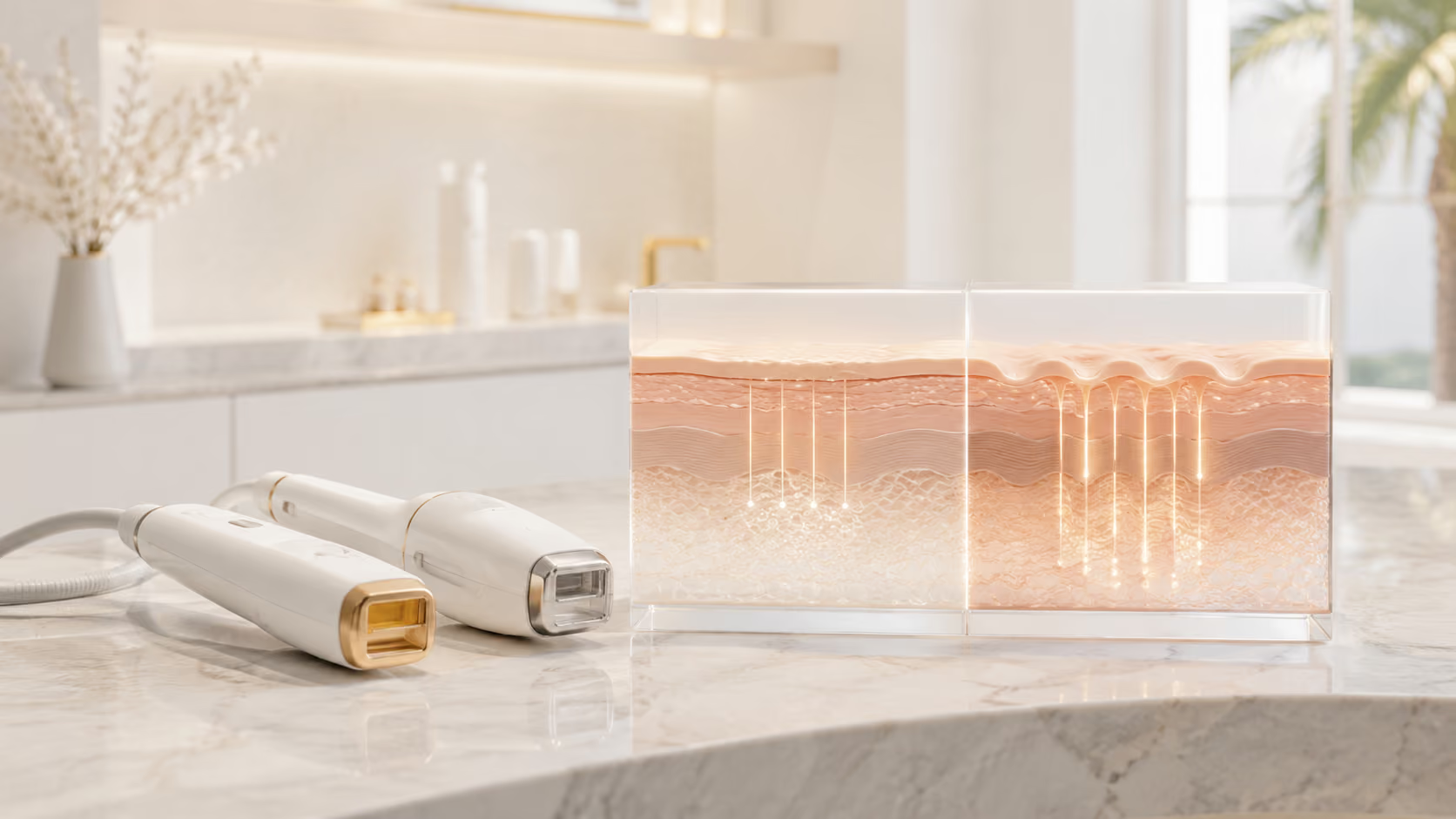
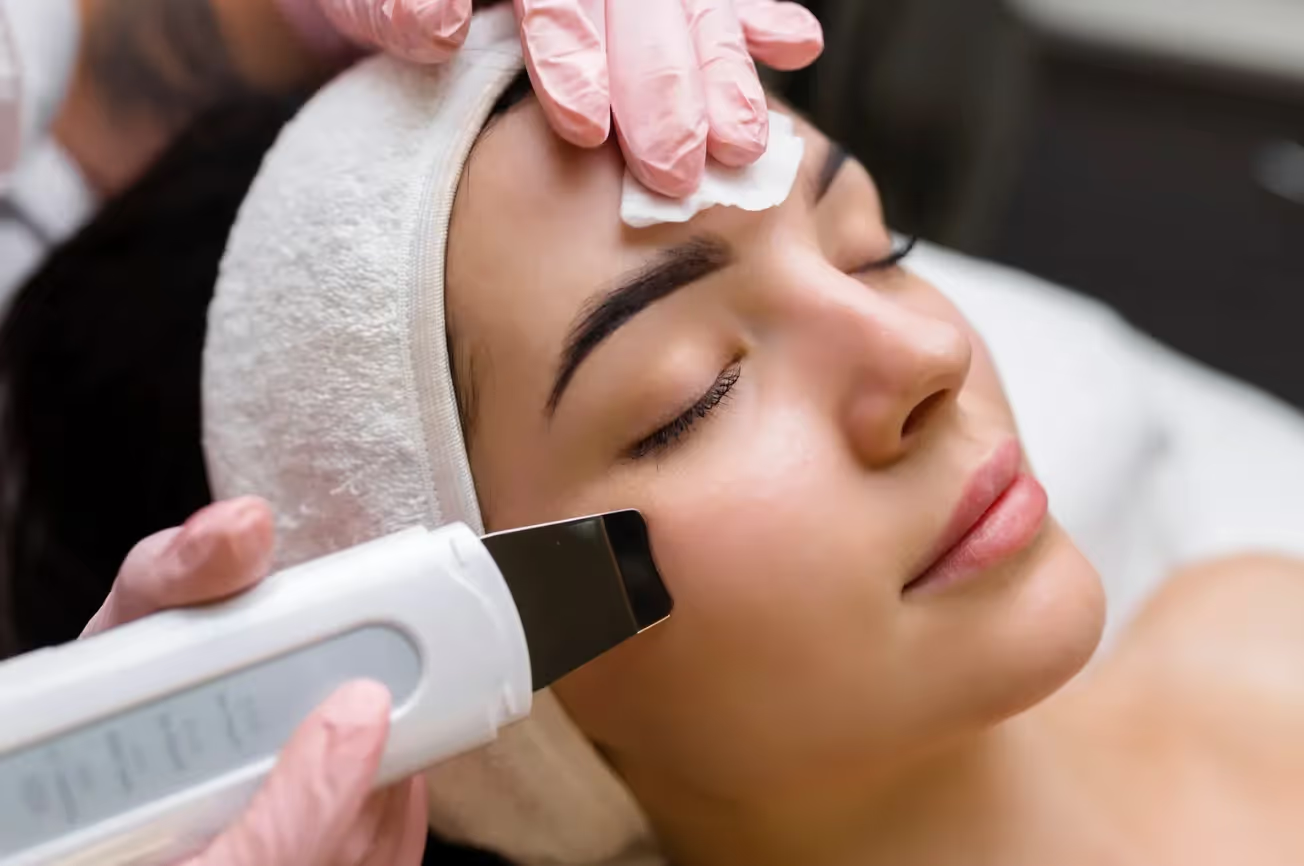
Procedural treatments play an increasingly important role in severe acne management and can complement medical therapies effectively. Professional extractions help remove stubborn comedones and reduce inflammatory lesions. Chemical peels using salicylic acid, glycolic acid, or other agents help unclog pores and improve skin texture. Light-based therapies, including blue light and photodynamic therapy, target acne bacteria and reduce inflammation. Dr. Salar Hazany often incorporates these procedures into comprehensive treatment plans to enhance overall outcomes.
The effectiveness of any treatment approach depends heavily on patient compliance, realistic expectations, and ongoing monitoring by qualified dermatological professionals. Many patients see significant improvement within 3-6 months of starting appropriate treatment, though complete clearing may take longer. Some individuals may achieve what appears to be permanent clearing, while others require ongoing maintenance therapy to prevent recurrence. The goal is always to achieve the best possible long-term outcomes while minimizing side effects and maximizing patient satisfaction.
Long-term Management and Realistic Expectations
Achieving long-term control of severe acne requires a shift in perspective from seeking a quick fix to embracing a comprehensive management approach. Many patients who experience excellent initial treatment results can maintain clear skin for years with appropriate maintenance strategies. This long-term success often depends on continued use of certain medications, regular dermatological follow-ups, and lifestyle modifications that support skin health. Hazany Derm emphasizes the importance of viewing acne treatment as an ongoing partnership between patient and provider.
Maintenance therapy plays a crucial role in preventing acne recurrence and should be viewed as a normal part of long-term skin health management. Many patients require continued use of topical retinoids or other medications at reduced frequencies to maintain clear skin. This approach is similar to managing other chronic conditions like diabetes or hypertension, where ongoing treatment prevents symptom recurrence. The specific maintenance regimen varies based on individual factors, treatment response, and skin tolerance.
Realistic expectations are fundamental to patient satisfaction and treatment adherence. While some individuals may experience what appears to be permanent clearing, others may have occasional mild flares that require temporary treatment adjustments. The team at Hazany Derm works closely with patients to establish realistic timelines and outcomes, helping them understand that excellent long-term control is achievable even if complete permanent elimination isn't guaranteed. This perspective helps patients stay committed to their treatment plans and maintain optimal results.
Key components of successful long-term acne management include:
- Consistent maintenance therapy: Ongoing use of proven treatments at appropriate frequencies to prevent recurrence
- Regular monitoring: Scheduled follow-up appointments to assess treatment response and adjust protocols as needed
- Lifestyle optimization: Stress management, appropriate skincare routines, and dietary considerations that support clear skin
- Early intervention: Prompt treatment of any breakthrough lesions to prevent progression to more severe forms
The concept of "cure" versus "control" is important for patients to understand when setting treatment expectations. While isotretinoin can provide long-lasting remission that may appear permanent, some patients may still experience mild acne years later, particularly during times of hormonal change or stress. This doesn't represent treatment failure but rather reflects the chronic nature of acne as a condition. Patients who understand this distinction are better equipped to maintain long-term treatment success.
Patient education and empowerment are essential components of long-term acne management success. Understanding proper skincare techniques, recognizing early signs of breakouts, and knowing when to seek professional help all contribute to better outcomes. Dr. Hazany provides comprehensive education to help patients become active participants in their skin health journey. This collaborative approach often leads to better compliance, improved outcomes, and higher patient satisfaction with long-term results.
Frequently Asked Questions
What is the difference between curing acne and controlling it?
Curing acne would mean permanent elimination without any recurrence, while controlling acne refers to long-term management that prevents significant breakouts. Dr. Salar Hazany explains that true permanent cures are rare in dermatology, but excellent long-term control is very achievable. Most patients can maintain clear skin for years with appropriate maintenance therapy, making the practical difference between cure and control less significant. The focus should be on achieving sustained clear skin rather than seeking absolute permanent elimination, as this leads to more realistic expectations and better treatment outcomes.
How long does isotretinoin treatment typically last?
Isotretinoin treatment courses typically last 4-6 months, depending on the patient's weight, acne severity, and response to therapy. Hazany Derm carefully monitors patients throughout treatment to ensure optimal dosing and manage any side effects. Many patients experience long-lasting improvement that can persist for years or even decades after completing treatment. Some individuals may require a second course if acne returns, but this doesn't indicate treatment failure. The medication works by fundamentally altering oil gland function and can provide the closest thing to permanent improvement available in severe acne treatment.
Are there any natural ways to manage severe acne permanently?
While natural approaches can support acne management, severe acne typically requires professional medical intervention for optimal control. The team at Hazany Derm recognizes that lifestyle factors like stress management, appropriate nutrition, and gentle skincare routines can complement medical treatments effectively. However, natural remedies alone are rarely sufficient for severe acne cases that involve deep cystic lesions and significant inflammation. Combining evidence-based medical treatments with healthy lifestyle practices provides the best opportunity for long-term success. Professional guidance ensures that natural approaches enhance rather than interfere with proven medical therapies.
What role do hormones play in severe acne recurrence?
Hormones, particularly androgens like testosterone, play a central role in acne development and can influence treatment outcomes significantly. Dr. Hazany often evaluates hormonal factors, especially in female patients, as part of comprehensive acne assessment. Hormonal fluctuations during menstrual cycles, pregnancy, menopause, or due to conditions like PCOS can trigger acne recurrence even after successful treatment. Hormonal therapies such as oral contraceptives or anti-androgen medications can provide excellent long-term control for hormonally-driven acne. Understanding and addressing hormonal factors is crucial for achieving sustained improvement in many severe acne cases.
Can severe acne scars be prevented with proper treatment?
Early and aggressive treatment of severe acne is the best strategy for preventing permanent scarring. Hazany Derm specialists emphasize that prompt professional intervention can significantly reduce the risk of scar formation. Deep cystic lesions that characterize severe acne have high scarring potential, making professional treatment essential rather than optional. Modern acne treatments can effectively control inflammation and prevent new lesions, dramatically reducing scar risk. However, if scarring does occur, various treatments including chemical peels, microneedling, and laser therapy can improve skin texture and appearance. Prevention through proper acne management remains the most effective approach.
How often should someone with severe acne see a dermatologist?
Patients with severe acne typically require more frequent monitoring, especially during initial treatment phases when medications are being adjusted and optimized. Dr. Salar Hazany usually schedules appointments every 4-8 weeks during active treatment to assess progress, manage side effects, and modify treatment plans as needed. Once acne is well-controlled, follow-up intervals can be extended to every 3-6 months for maintenance monitoring. Patients on isotretinoin require monthly visits during treatment due to necessary blood work and monitoring requirements. Even after achieving clear skin, periodic check-ups help maintain long-term success and address any emerging concerns promptly.
What lifestyle changes can help maintain clear skin long-term?
Sustainable lifestyle modifications can significantly support long-term acne control when combined with appropriate medical treatment. The Hazany Derm clinic recommends stress management techniques, as chronic stress can trigger hormonal fluctuations that worsen acne. Gentle, consistent skincare routines using non-comedogenic products help maintain treatment benefits without causing irritation. Adequate sleep, regular exercise, and staying hydrated support overall skin health. Some patients benefit from identifying and avoiding specific dietary triggers, though dietary modifications alone aren't sufficient for severe acne. The key is finding sustainable habits that complement medical treatments rather than attempting to replace proven therapies.
Is it safe to stop acne treatment once skin is clear?
Discontinuing acne treatment too quickly often leads to recurrence, as the underlying factors that cause acne may still be present. The experts at Hazany Derm typically recommend gradual treatment tapering rather than abrupt discontinuation to maintain clear skin. Many patients require some form of maintenance therapy, even if it's less intensive than initial treatment protocols. The decision to modify or discontinue treatment should always be made in consultation with a dermatologist who can assess individual risk factors. Some treatments like isotretinoin may provide lasting benefits after completion, while others like topical retinoids often need to be continued long-term for optimal maintenance.