






%201.avif)



What is Vitamin C Serum?



Vitamin C serum is a potent skincare product containing L-ascorbic acid or its derivatives that brightens skin, stimulates collagen production, and provides antioxidant protection. At Hazany Derm, patients learn how this powerhouse ingredient can transform their complexion when used correctly.
Vitamin C serum has become one of the most celebrated ingredients in modern skincare, and for good reason. This powerhouse antioxidant offers remarkable benefits for skin health, from brightening dark spots to stimulating collagen production. Understanding what vitamin C serum is and how it works can help you make informed decisions about incorporating this essential ingredient into your daily routine.
At its core, vitamin C serum is a concentrated skincare product that delivers this vital nutrient directly to your skin. Unlike vitamin C supplements that work from the inside out, topical vitamin C serums provide targeted treatment to address specific skin concerns. The serum format allows for higher concentrations of active ingredients while maintaining stability and effectiveness.
The popularity of vitamin C serum continues to grow as more people discover its transformative effects on skin appearance and health. From reducing hyperpigmentation to protecting against environmental damage, this versatile ingredient addresses multiple skin concerns simultaneously. At Hazany Derm, patients frequently ask about vitamin C serum benefits and how to choose the right formulation for their unique skin needs.
What is a Vitamin C Serum?
A vitamin C serum is a lightweight, concentrated skincare product that delivers stabilized vitamin C — usually 10–20% L-ascorbic acid or a gentler derivative — directly into the skin. Applied in the morning under sunscreen, it brightens dark spots, defends against free-radical damage, and supports the collagen production that keeps skin firm.
Understanding Vitamin C and Its Forms
Vitamin C, scientifically known as L-ascorbic acid, is a water-soluble vitamin that plays a crucial role in collagen synthesis and immune function. When applied topically, this nutrient becomes a powerful tool for skin rejuvenation and protection. The human body cannot produce vitamin C naturally, making topical application an effective way to deliver this essential nutrient directly to skin cells.
L-ascorbic acid is the most potent and well-researched form of vitamin C used in skincare products. This pure form of vitamin C offers maximum effectiveness but can be unstable and potentially irritating for sensitive skin types. Many manufacturers have developed derivative forms of vitamin C that provide similar benefits with improved stability and reduced irritation potential.
The concentration of vitamin C in serums typically ranges from 10% to 20%, though some formulations may contain higher percentages. Higher concentrations don't always mean better results, as skin tolerance and proper formulation play equally important roles in effectiveness. Dr. Salar Hazany often recommends starting with lower concentrations and gradually increasing strength as skin builds tolerance.
- L-Ascorbic Acid: The most potent form providing maximum antioxidant benefits and collagen stimulation
- Magnesium Ascorbyl Phosphate: A stable, gentle derivative suitable for sensitive skin types
- Sodium Ascorbyl Phosphate: Water-soluble form with antibacterial properties, ideal for acne-prone skin
- Ascorbyl Palmitate: Fat-soluble derivative that penetrates deeper into skin layers
The pH level of vitamin C serums significantly impacts their effectiveness and skin compatibility. L-ascorbic acid requires a low pH (around 3.5) to remain stable and penetrate the skin effectively. However, this acidic environment can cause irritation in some individuals, making buffered or derivative forms more suitable alternatives.
Proper formulation also involves combining vitamin C with complementary ingredients that enhance stability and effectiveness. Vitamin E and ferulic acid are common additions that help stabilize vitamin C while providing additional antioxidant benefits. These synergistic combinations often prove more effective than vitamin C alone, offering comprehensive skin protection and rejuvenation.
Key Benefits and Mechanisms of Action
Vitamin C serum works through multiple mechanisms to improve skin health and appearance. As a potent antioxidant, it neutralizes free radicals that cause premature aging and cellular damage. This protective action helps prevent the formation of fine lines, wrinkles, and age spots while supporting overall skin health and vitality.
One of the most significant benefits of vitamin C serum is its role in collagen synthesis. Vitamin C serves as a cofactor in the enzymatic processes that create new collagen fibers, helping to maintain skin firmness and elasticity. Regular use of vitamin C serum can help reduce the appearance of existing fine lines while preventing new signs of aging from developing.
The brightening effects of vitamin C serum make it particularly valuable for addressing hyperpigmentation and uneven skin tone. Vitamin C inhibits tyrosinase, the enzyme responsible for melanin production, helping to fade dark spots and prevent new discoloration. At Hazany Derm, patients often see noticeable improvements in skin brightness and clarity within several weeks of consistent vitamin C serum use.
The photoprotective properties of vitamin C serum make it an excellent complement to sunscreen use. While vitamin C doesn't provide direct UV protection like sunscreen, it helps repair and prevent damage from UV exposure. This dual-action approach offers comprehensive protection against both immediate and long-term effects of sun damage.
Vitamin C serum also supports the skin's natural healing processes, making it beneficial for those dealing with acne scars or other forms of skin damage. The ingredient promotes cellular turnover and helps rebuild damaged tissue, leading to smoother, more even skin texture over time. Regular use can significantly improve the appearance of post-inflammatory hyperpigmentation and mild scarring.
Application Guidelines and Best Practices
Proper application of vitamin C serum is crucial for achieving optimal results while minimizing potential irritation. The timing, technique, and frequency of application all play important roles in the effectiveness of your vitamin C routine. Understanding these factors helps ensure you receive maximum benefits from this powerful skincare ingredient.
Morning application is generally recommended for vitamin C serum, as it provides antioxidant protection throughout the day when your skin faces environmental stressors. Apply vitamin C serum to clean, dry skin before heavier products like moisturizers and sunscreen. The lightweight consistency of most serums allows for quick absorption, making them ideal for morning routines.
Start with a small amount of serum, typically 2-3 drops for the entire face, and gently pat or press into the skin rather than rubbing vigorously. Allow the serum to fully absorb before applying subsequent products, usually waiting 10-15 minutes between applications. The team at Hazany Derm emphasizes the importance of patience in allowing each product to properly penetrate the skin.
A few habits protect both your skin and your investment: patch-test any new serum, introduce it every other day before going daily, store the bottle somewhere cool and dark (oxidized serum turns brown and loses potency), and always follow morning application with broad-spectrum sunscreen.
The frequency of vitamin C serum application depends on your skin's tolerance and the product's concentration. Most people can eventually use vitamin C serum daily, but sensitive skin types may benefit from alternating days or using lower concentrations. Signs of over-application include persistent redness, irritation, or increased sensitivity to other products.
Combining vitamin C serum with other active ingredients requires careful consideration to avoid potential interactions or irritation. Generally, vitamin C pairs well with hyaluronic acid, niacinamide, and peptides, while combinations with retinol or alpha hydroxy acids should be approached cautiously. Dr. Hazany often provides personalized guidance on creating effective skincare routines that incorporate vitamin C safely with other beneficial ingredients.
Skincare Guidance in Beverly Hills
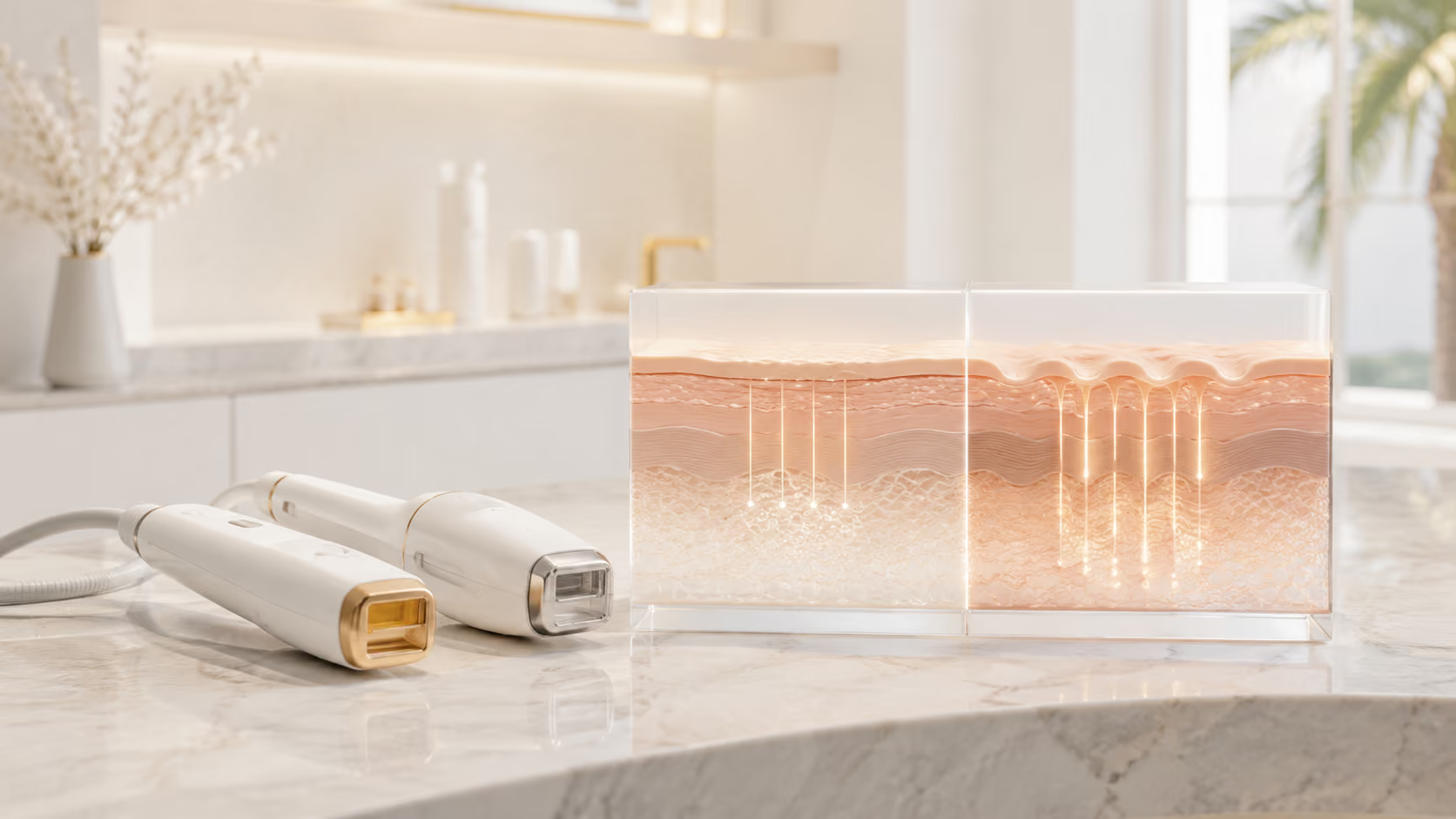
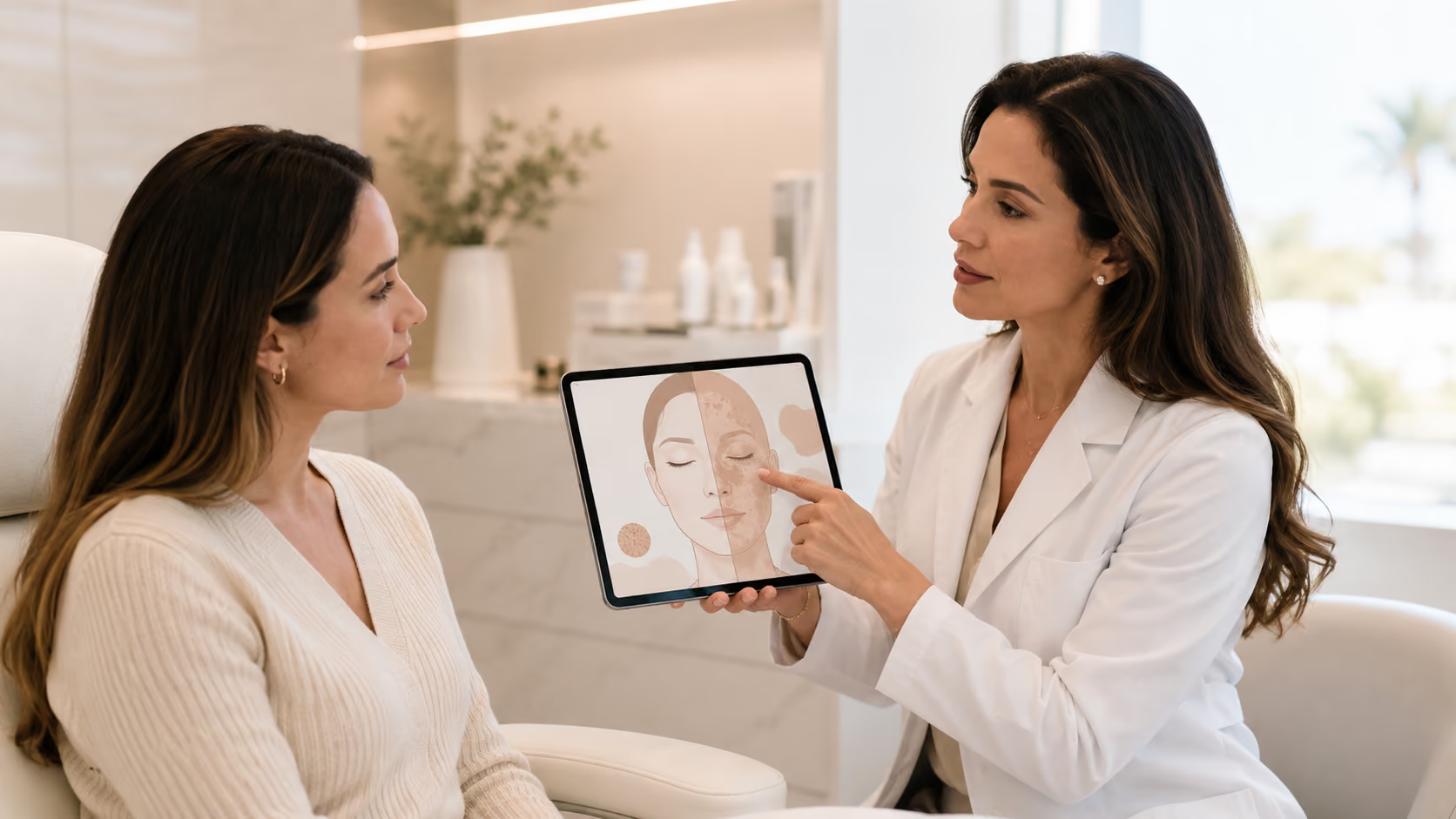
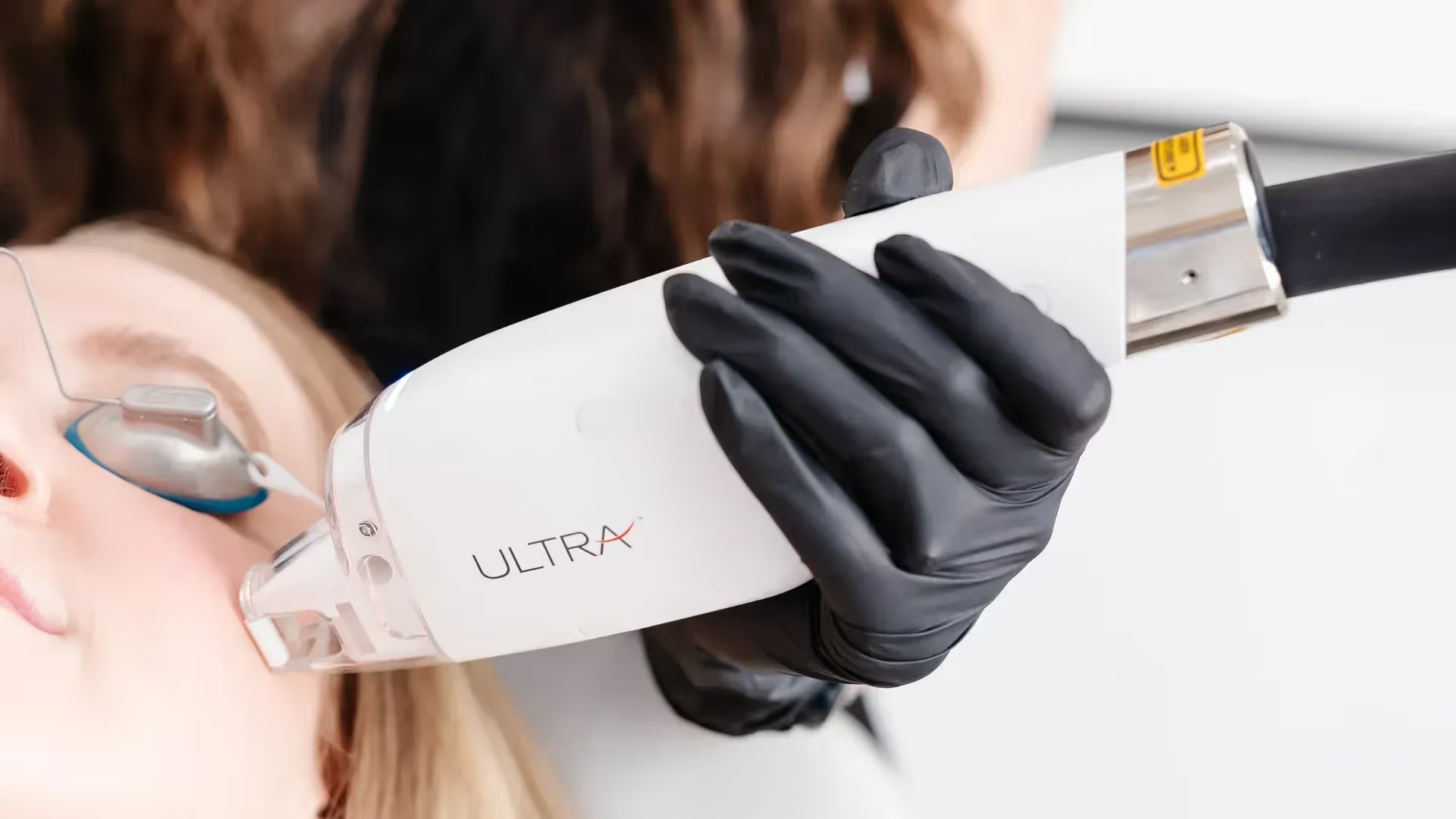
The right vitamin C serum depends on your skin type, your tolerance, and what you're actually treating. For a routine built around your skin — including in-office treatments like the LaseMD Ultra, which creates microchannels that dramatically boost how well topicals absorb — schedule a consultation with Dr. Salar Hazany in Beverly Hills.
Frequently Asked Questions
What concentration of vitamin C serum should beginners start with?
Beginners should typically start with vitamin C serum concentrations between 10-15% to allow their skin to build tolerance gradually. Dr. Salar Hazany recommends starting with lower concentrations and applying every other day initially, then increasing frequency as the skin adapts. This approach minimizes potential irritation while still providing noticeable benefits. Higher concentrations (20% or above) can be introduced later once tolerance is established. The key is consistency rather than high concentration, as regular use of moderate-strength vitamin C serum often produces better long-term results than sporadic use of high-concentration products.
Can vitamin C serum be used with retinol products?
Vitamin C serum can be used with retinol, but timing and application method are crucial for avoiding irritation. Hazany Derm typically recommends using vitamin C serum in the morning and retinol products at night to minimize potential interactions. If using both products is new to your routine, introduce them separately and allow your skin to adjust to each ingredient individually. Some people with sensitive skin may need to alternate days between vitamin C and retinol use. When combining these powerful ingredients, always use sunscreen during the day, as both can increase photosensitivity.
How long does it take to see results from vitamin C serum?
Most people begin noticing improvements in skin brightness and texture within 2-4 weeks of consistent vitamin C serum use. The team at Hazany Derm explains that more significant changes, such as reduction in hyperpigmentation and fine lines, typically become apparent after 6-12 weeks of regular application. Individual results vary based on skin type, concerns being addressed, and product concentration. Factors like age, skin damage extent, and overall skincare routine also influence timeline expectations. Patience and consistency are essential, as vitamin C works gradually to rebuild and protect skin at the cellular level for lasting improvements.
Should vitamin C serum be refrigerated for better stability?
Refrigerating vitamin C serum can help extend its shelf life and maintain potency, especially for L-ascorbic acid formulations which are more unstable. Dr. Hazany notes that cool storage slows down oxidation processes that can reduce vitamin C effectiveness over time. However, stable derivative forms like magnesium ascorbyl phosphate may not require refrigeration. Signs that vitamin C serum has oxidized include color changes from clear to yellow, brown, or orange. Regardless of storage method, vitamin C serums should be kept away from direct sunlight and heat sources. Some people find cool serum application refreshing and soothing to the skin.
Can people with sensitive skin use vitamin C serum?
People with sensitive skin can often use vitamin C serum successfully by choosing gentler formulations and following proper application guidelines. Hazany Derm specialists recommend starting with stable vitamin C derivatives like magnesium ascorbyl phosphate rather than pure L-ascorbic acid for sensitive skin types. Lower concentrations (5-10%) and less frequent application help minimize irritation risk while still providing benefits. Patch testing is especially important for sensitive skin to identify potential reactions before full facial application. If irritation occurs, reducing frequency or switching to a buffered vitamin C formula often resolves issues while maintaining effectiveness.
What's the difference between vitamin C serum and vitamin C moisturizer?
Vitamin C serum typically contains higher concentrations of active vitamin C and is designed for targeted treatment, while vitamin C moisturizers usually have lower concentrations combined with hydrating ingredients. Dr. Salar Hazany explains that serums have smaller molecular structures that allow deeper penetration and more direct delivery of vitamin C to skin cells. Moisturizers provide hydration alongside vitamin C benefits but may be less potent for addressing specific concerns like hyperpigmentation. Serums are applied before moisturizers in skincare routines. Some people use both products together, with serum providing concentrated treatment and moisturizer offering additional hydration and barrier support.
Are there any side effects of using vitamin C serum?
Common side effects of vitamin C serum include mild irritation, redness, stinging, or dryness, particularly when first starting use or with high concentrations. The Hazany Derm clinic advises that these effects often subside as skin builds tolerance over several weeks. More serious reactions like persistent burning, severe redness, or breakouts may indicate sensitivity or allergic reaction requiring product discontinuation. Starting with lower concentrations and gradually increasing strength helps minimize side effects. Proper application technique, using appropriate amounts, and following with moisturizer and sunscreen can reduce irritation risk. Most side effects are temporary and manageable with proper introduction protocols.
How should vitamin C serum be stored to maintain effectiveness?
Vitamin C serum should be stored in a cool, dark place away from direct sunlight, heat, and humidity to maintain maximum potency and effectiveness. The experts at Hazany Derm recommend keeping serums in their original dark glass bottles, as light exposure accelerates vitamin C degradation. Bathroom storage is often problematic due to temperature fluctuations and humidity from showers. A bedroom dresser or cool closet provides ideal storage conditions. Refrigeration can extend shelf life but isn't always necessary for stable formulations. Always check expiration dates and monitor for color changes, as oxidized vitamin C loses effectiveness and may cause irritation.