





What Happens After Mohs Surgery Reconstruction?



After Mohs surgery reconstruction, patients experience a structured healing process involving wound care, activity restrictions, and follow-up appointments. Hazany Derm provides comprehensive post-operative guidance to ensure optimal healing and cosmetic results for every patient.
Mohs surgery is widely recognized as the most effective treatment for certain types of skin cancer, achieving cure rates of up to 99% for first-time cases. However, the surgical removal of cancerous tissue often leaves a defect that requires reconstruction to restore both function and appearance. Understanding what happens after Mohs surgery reconstruction is crucial for patients to prepare mentally and physically for their recovery journey.
The reconstruction phase immediately follows the complete removal of cancerous tissue during the Mohs procedure. Depending on the size, location, and complexity of the defect, various reconstructive techniques may be employed, from simple closures to more complex flaps or grafts. Each reconstruction method requires specific post-operative care protocols to ensure proper healing and minimize complications.
At Hazany Derm, patients receive detailed post-operative instructions tailored to their specific reconstruction type and individual needs. The recovery process involves multiple phases, each with distinct characteristics and requirements. Proper understanding of these phases helps patients actively participate in their healing process and achieve the best possible outcomes.
Immediate Post-Operative Care and Recovery Phase
The first 24 to 48 hours following Mohs surgery reconstruction represent the most critical period for wound healing and complication prevention. During this time, the surgical site begins the initial inflammatory response, which is a normal and necessary part of the healing process. Patients typically experience some degree of swelling, bruising, and discomfort, which are expected reactions to the surgical trauma.
Wound care during this immediate phase focuses on protecting the surgical site and maintaining optimal conditions for healing. The reconstruction site will be covered with specialized dressings designed to absorb drainage while maintaining appropriate moisture levels. These dressings also serve as a protective barrier against external contaminants and physical trauma that could disrupt the healing process.
Pain management becomes a priority during the immediate post-operative period, as adequate comfort levels allow patients to rest properly and follow care instructions more effectively. Most patients find that over-the-counter pain medications are sufficient for managing discomfort, though Dr. Salar Hazany may prescribe stronger medications for more extensive reconstructions. The pain typically peaks within the first 24 to 48 hours and gradually subsides as healing progresses.
Key aspects of immediate post-operative care include:
- Wound protection: Keeping the surgical site dry and covered with prescribed dressings to prevent infection and promote optimal healing conditions
- Activity restrictions: Limiting physical activities that could increase blood pressure or cause tension on the reconstruction site
- Ice application: Using cold compresses intermittently to reduce swelling and provide comfort during the first 48 hours
- Medication compliance: Taking prescribed antibiotics or pain medications exactly as directed to prevent complications and manage discomfort
The first post-operative visit typically occurs within 24 to 48 hours after surgery, allowing the medical team to assess initial healing progress and address any immediate concerns. During this visit, the original dressing is usually removed, the wound is cleaned and inspected, and fresh dressings are applied. Patients receive reinforcement of care instructions and have the opportunity to ask questions about their recovery process.
Hazany Derm emphasizes the importance of this immediate post-operative period, as proper care during these crucial first days significantly impacts long-term healing outcomes. Patients who follow instructions carefully during this phase typically experience smoother recoveries with fewer complications and better cosmetic results.
The First Week: Wound Healing and Suture Care
The first week following Mohs surgery reconstruction marks a transitional period where the initial inflammatory response gives way to active tissue repair and regeneration. During this time, the body begins producing collagen to strengthen the wound, and new blood vessels start forming to supply nutrients to the healing tissues. Patients often notice changes in the appearance of their reconstruction site, including color variations and texture differences that are normal parts of the healing process.
Suture care becomes a central focus during the first week, as proper maintenance of these closure materials directly impacts healing quality and cosmetic outcomes. The type of sutures used varies depending on the reconstruction technique and location, with some being absorbable and others requiring removal. Patients must learn to clean around sutures carefully without disrupting them, while watching for signs of complications such as excessive redness, warmth, or discharge.
Daily wound care routines become established during this week, typically involving gentle cleaning with prescribed solutions followed by application of appropriate ointments or dressings. The frequency and specific techniques for wound care depend on factors such as the reconstruction type, patient's healing characteristics, and environmental considerations. Consistency in following these routines proves crucial for achieving optimal healing outcomes.
Essential elements of first-week care include:
- Gentle cleansing: Using mild, prescribed cleansing agents to remove debris and prevent bacterial buildup while avoiding harsh scrubbing
- Proper dressing changes: Replacing bandages according to schedule using sterile technique to maintain clean healing environment
- Suture monitoring: Observing suture lines for proper healing progression and watching for signs of complications or premature loosening
- Sun protection: Implementing strict sun avoidance measures to prevent hyperpigmentation and protect healing tissues from UV damage
Most patients experience gradual improvement in comfort levels throughout the first week, with pain typically becoming more manageable and requiring less medication. However, some fluctuation in symptoms is normal, particularly related to activity levels and environmental factors. Swelling may persist or even increase slightly around days three to five before beginning to resolve.
The medical team at Hazany Derm closely monitors patients during this critical first week through scheduled follow-up appointments and availability for urgent concerns. These visits allow for assessment of healing progress, suture integrity, and early identification of any complications that might require intervention. Patient education continues during these visits, with refinement of care techniques based on individual healing patterns and needs.
Long-term Healing and Cosmetic Outcomes
The transition from acute healing to long-term tissue remodeling typically begins during the second week after reconstruction and continues for several months to over a year. This extended healing phase involves gradual improvements in both functional and cosmetic aspects of the reconstruction site. Understanding this timeline helps patients maintain realistic expectations and continue appropriate care throughout the entire healing process.
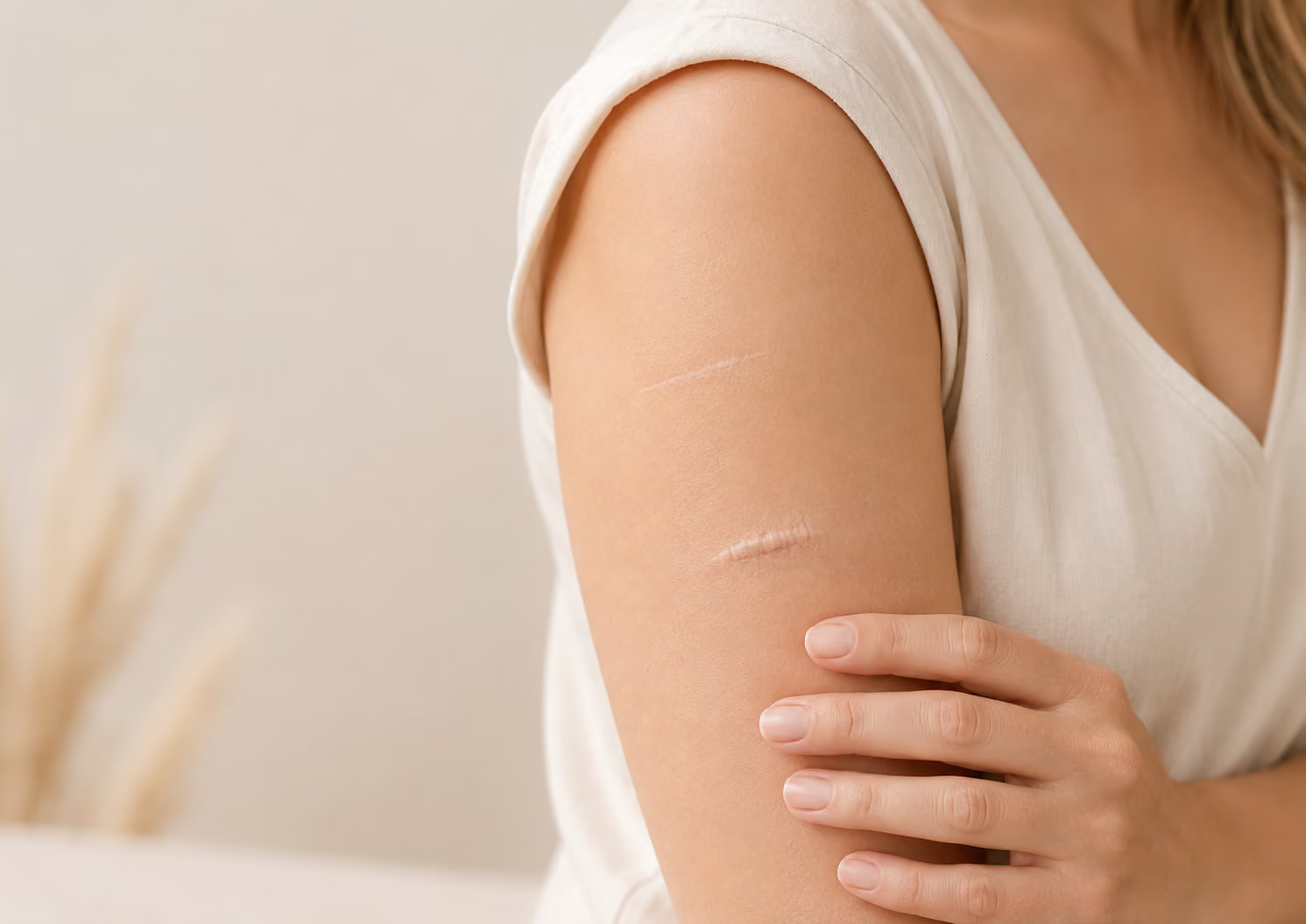
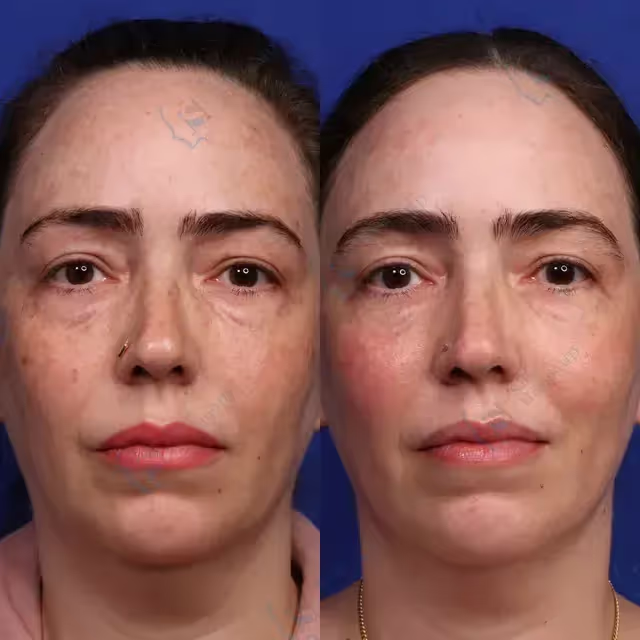
Scar maturation represents one of the most significant aspects of long-term healing, as the initial surgical scar undergoes continuous changes in color, texture, and flexibility. Early scars often appear red, raised, and firm, but gradually soften, flatten, and fade over time. The final appearance of reconstruction scars typically becomes apparent between six months to one year after surgery, though some subtle improvements may continue beyond this timeframe.
Activity restrictions gradually lift during the long-term healing phase, allowing patients to return to normal routines while maintaining awareness of their healing reconstruction site. The timeline for resuming specific activities varies based on reconstruction complexity, location, and individual healing characteristics. Most patients can return to regular daily activities within two to four weeks, though certain restrictions on strenuous exercise or sun exposure may continue longer.
Important considerations for long-term healing include:
- Scar massage: Implementing gentle massage techniques once cleared by the medical team to promote soft, flexible scar formation
- Sun protection: Maintaining vigilant UV protection for at least one year to prevent permanent hyperpigmentation and optimize cosmetic outcomes
- Follow-up surveillance: Attending scheduled long-term appointments to monitor healing progress and screen for skin cancer recurrence
- Skincare adaptation: Adjusting skincare routines to accommodate changed skin characteristics and maintain healthy tissue around the reconstruction site
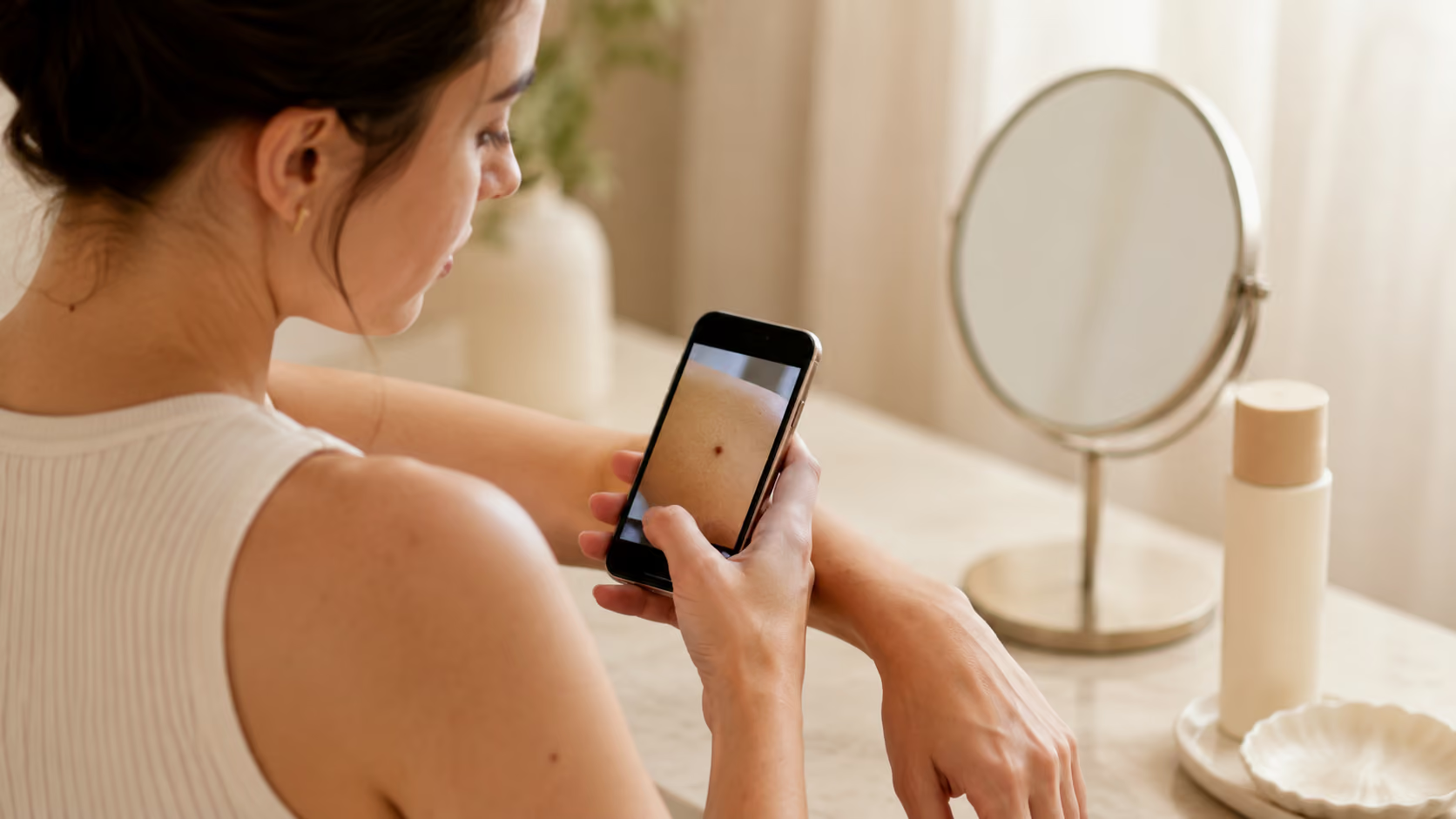
The psychological aspect of long-term healing often proves as important as the physical healing process, as patients adjust to changes in their appearance and regain confidence in their skin. Support from family, friends, and the medical team plays a crucial role in this adjustment process. Many patients find it helpful to document their healing progress through photographs, which can provide encouragement during periods when progress seems slow.
Dr. Salar Hazany and the team at Hazany Derm emphasize that patience remains essential throughout the long-term healing process, as rushing back to normal activities or becoming discouraged by temporary appearance changes can negatively impact final outcomes. Regular communication with the medical team ensures that any concerns are addressed promptly and that patients receive the support they need throughout their entire recovery journey. The commitment to long-term follow-up care demonstrates the comprehensive approach to patient care that extends well beyond the surgical procedure itself.
Frequently Asked Questions
How long does it take for Mohs reconstruction to fully heal?
Complete healing from Mohs reconstruction typically takes 6-12 months, though initial healing occurs within 2-4 weeks. The timeline varies based on reconstruction complexity, patient age, and location of the surgery. Dr. Salar Hazany explains that while the surface may appear healed within weeks, deep tissue remodeling and scar maturation continue for months. Factors like sun exposure, smoking, and underlying health conditions can extend healing time. Most patients see significant improvement in appearance and comfort within the first month, but final cosmetic results become apparent around the 6-month mark. Following post-operative care instructions precisely helps ensure optimal healing within the expected timeframe.
What are the most important care instructions after reconstruction?
Post-reconstruction care at Hazany Derm focuses on several critical elements for optimal healing. Keeping the wound clean and properly dressed prevents infection while maintaining ideal moisture levels. Patients must avoid sun exposure for at least a year to prevent permanent discoloration. Activity restrictions help prevent wound dehiscence and excessive scarring. Taking prescribed medications, particularly antibiotics, exactly as directed reduces complication risks. Attending all follow-up appointments allows for professional monitoring and early intervention if needed. Gentle cleansing with recommended products and avoiding harsh skincare ingredients protects healing tissues. Following these instructions diligently significantly improves both functional and cosmetic outcomes while minimizing the risk of complications.
When can I return to normal activities after Mohs reconstruction?
Activity resumption depends on the reconstruction type and location, with the team at Hazany Derm providing personalized timelines for each patient. Light daily activities typically resume within a few days, while more strenuous activities may require 2-4 weeks of restriction. Facial reconstructions often allow quicker return to desk work but may require longer restrictions on exercise. Lifting restrictions usually last 1-2 weeks to prevent increased blood pressure that could disrupt healing. Swimming and contact sports typically require clearance at 4-6 weeks. Sun exposure should be avoided for at least one year. Each patient receives specific guidelines based on their reconstruction complexity, healing progress, and individual risk factors to ensure safe activity resumption.
What should I expect during follow-up appointments?
Follow-up appointments with Dr. Hazany involve comprehensive assessment of healing progress and early detection of any complications. The first visit typically occurs within 24-48 hours to remove initial dressings and evaluate early healing. Subsequent appointments monitor suture integrity, assess for signs of infection, and track scar formation. Suture removal usually occurs 5-14 days post-surgery, depending on location and tension. Long-term visits focus on scar maturation, skin cancer surveillance, and cosmetic outcomes. Each appointment includes patient education reinforcement and care instruction modifications based on healing progress. Photography may document healing progression, and any concerns about pain, appearance, or function are addressed. These appointments ensure optimal outcomes and provide ongoing support throughout the recovery process.
How do I care for sutures after reconstruction?
Suture care guidance from Hazany Derm specialists emphasizes gentle handling and infection prevention throughout the healing process. Daily cleaning with prescribed saline solution or mild soap removes debris without disrupting sutures. Patients should avoid picking, pulling, or excessive manipulation of suture lines. Applying recommended ointments keeps tissues moist and promotes healing while preventing scab formation. Covering sutures with appropriate dressings protects against contamination and trauma. Signs requiring immediate attention include increased redness, warmth, swelling, or purulent drainage around sutures. Some sutures dissolve naturally while others require removal at scheduled appointments. Swimming, soaking, and vigorous face washing should be avoided until sutures are removed or fully dissolved to prevent premature loosening or infection.
What complications should I watch for after reconstruction?
Post-reconstruction complications require prompt recognition and treatment, as Dr. Salar Hazany educates all patients about warning signs. Infection presents with increasing redness, warmth, swelling, pain, or purulent discharge around the surgical site. Wound dehiscence, or opening of the reconstruction, may occur with excessive activity or poor healing. Excessive bleeding beyond normal oozing requires immediate attention, especially if soaking through dressings. Signs of poor circulation include unusual color changes, excessive pain, or tissue that appears dusky or black. Allergic reactions to medications or dressing materials can cause widespread rash or difficulty breathing. Any sudden increase in pain, fever, or concerning changes in wound appearance warrant immediate contact with the medical team for evaluation and potential intervention.
How will my reconstruction site look as it heals?
The healing appearance progresses through predictable stages, as explained by professionals at Hazany Derm clinic during patient education sessions. Initially, the site appears red, swollen, and may have some bruising extending beyond the reconstruction borders. Within the first week, swelling begins subsiding and bruising changes from purple to yellow-green before resolving. Early scars appear red, raised, and firm but gradually soften and flatten over months. Color changes from red to pink to nearly matching surrounding skin occur over 6-12 months. Some patients experience temporary numbness or tingling that usually resolves with time. Final cosmetic results become apparent around 6-12 months post-surgery. Factors like age, genetics, sun exposure, and wound care compliance significantly influence the final appearance and healing progression.
Can I wear makeup or skincare products after reconstruction?
Product use restrictions vary by healing stage and reconstruction location, with the experts at Hazany Derm providing specific guidance for each patient's situation. During initial healing, only prescribed ointments and cleansers should contact the surgical site to avoid irritation or infection. Once sutures are removed and initial healing progresses, gentle, fragrance-free moisturizers may be introduced gradually. Makeup application typically begins 1-2 weeks post-surgery, using clean brushes or applicators and avoiding the immediate reconstruction area initially. Sunscreen becomes mandatory once cleared for use, usually within 2-4 weeks. Harsh products containing retinoids, acids, or strong fragrances should be avoided for several months. Any product causing irritation, redness, or discomfort should be discontinued immediately. Gradual reintroduction of regular skincare products ensures tolerance and prevents complications during healing.