





%201.avif)



What is a Pyogenic Granuloma?



A pyogenic granuloma is a benign but fast-growing vascular skin growth that bleeds easily and can appear on the face, lips, or body. At Hazany Derm, Dr. Salar Hazany offers precise, minimally invasive removal to safely treat these lesions with excellent cosmetic results.
If you have ever noticed a small, rapidly growing red bump on your skin that bleeds at the slightest touch, you may be looking at a pyogenic granuloma. These lesions can be startling to discover, especially when they appear on highly visible areas like the face, lips, or nose. While they are almost always benign, they require proper evaluation and treatment to prevent complications and achieve the best cosmetic outcome.
Pyogenic granulomas are more common than most people realize, affecting children, adults, and pregnant individuals alike. They tend to appear suddenly and grow quickly over the course of a few weeks, which is often what sends people searching for answers. The word "pyogenic" actually means "pus-producing," though this is something of a misnomer since these growths are not truly infectious or filled with pus. They are better understood as a type of lobular capillary hemangioma, meaning they consist of a dense cluster of small blood vessels.
At Hazany Derm, patients regularly come in seeking answers about unusual skin changes, and pyogenic granulomas are among the most frequently misunderstood growths. Dr. Salar Hazany evaluates each lesion carefully to confirm the diagnosis and recommend the safest, most effective removal approach. Whether the growth is on the lip, eyelid, nose, or another part of the body, a personalized treatment plan helps patients move forward with confidence.
Pyogenic Granuloma: A Quick Definition
A pyogenic granuloma is a benign, fast-growing skin bump made of densely packed blood vessels — technically a lobular capillary hemangioma. It's typically small, bright red, and bleeds easily at the slightest touch. Despite the name, it involves no pus and no infection, and it isn't cancer — but it rarely goes away without treatment.
What Does a Pyogenic Granuloma Look Like and Where Does It Grow?
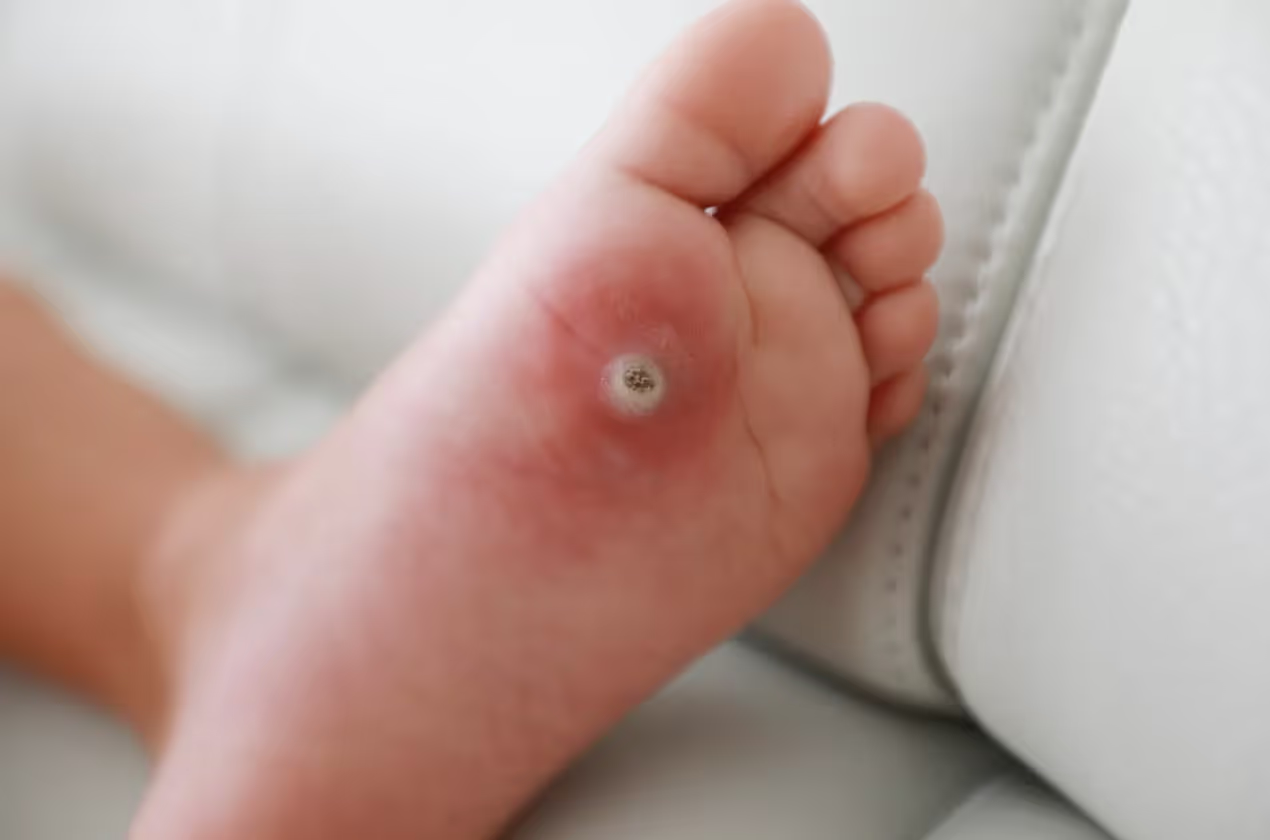
Understanding what a pyogenic granuloma looks like is the first step toward recognizing one and seeking appropriate care. These lesions are typically small, measuring anywhere from a few millimeters to over a centimeter in diameter. They tend to be round or dome-shaped, bright red or reddish-brown in color — occasionally darker or nearly black, especially in deeper skin tones — and often have a slightly moist or raw surface. Because they are so vascular, meaning they are rich in blood vessels, even minor trauma can cause them to bleed profusely.
The surface of a pyogenic granuloma may appear glistening and sometimes has a crusty or scabbed top if it has bled recently and begun to dry. Surrounding skin is often normal in appearance, which helps distinguish these lesions from other skin conditions that cause widespread redness or inflammation. In some cases, a thin stalk connects the growth to the skin below, making it look almost like a pedunculated bump. This raised, fleshy appearance is one of the features that prompts many patients to consult Dr. Salar Hazany for a professional assessment.
Pyogenic granulomas can develop virtually anywhere on the body, but they show a strong preference for certain locations. The face is one of the most common sites, particularly the lips, nose, and cheeks. In children, fingers and toes are frequently affected, while in pregnant individuals, the gums are a notoriously common location due to hormonal changes that increase blood vessel activity. Hazany Derm sees patients with lesions across a wide range of sites, and the approach to removal is carefully tailored to match both the location and the size of the growth.
Common locations where pyogenic granulomas tend to appear include:
- Lips: The lips are among the most frequently affected facial sites, and lesions here are prone to bleeding during eating or speaking, making prompt removal especially important.
- Nose: Growths on the nose can be both cosmetically noticeable and functionally disruptive, particularly if they develop inside the nasal cavity or at the nostril edge.
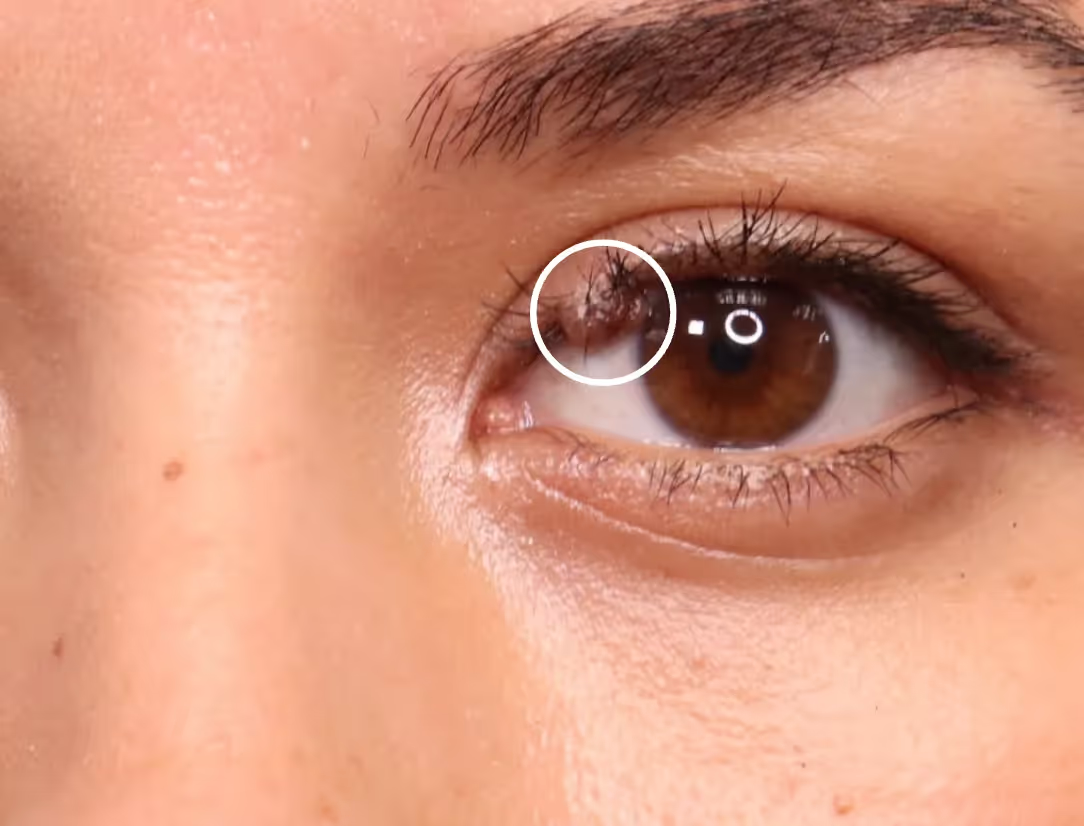
- Eyelid: When a pyogenic granuloma forms on or near the eyelid, it can interfere with vision or cause significant irritation, and precise removal is critical to avoid scarring in this delicate area.
- Fingers and hands: Trauma to the hands is a known trigger, and digital pyogenic granulomas are especially prone to repeated bleeding episodes that disrupt daily activities.
One important feature of pyogenic granulomas is that they almost never resolve on their own without some form of treatment. Unlike some benign lesions that shrink over time, these vascular growths tend to persist or even continue enlarging if left alone. This persistent nature is a key reason why professional evaluation is so important rather than taking a wait-and-see approach. At Hazany Derm, identifying the lesion early allows Dr. Salar Hazany to intervene before the growth becomes larger and more challenging to address.
Parents of children with pyogenic granulomas sometimes wonder whether the growth is dangerous or contagious, and the reassuring answer is that it is neither. However, the tendency to bleed heavily and the rapid growth pattern make these lesions understandably alarming. Seeking a professional opinion quickly is always the right call, particularly when a lesion appears in a sensitive location or has already bled multiple times. An experienced dermatologist can distinguish a pyogenic granuloma from other growths that may require different diagnostic steps.
Is a pyogenic granuloma dangerous?
No — pyogenic granulomas are benign and not contagious. The real problems are practical: they bleed heavily with minor bumps, persist without treatment, and can be mistaken for more serious growths, including some skin cancers. That look-alike risk is why professional evaluation matters, not because the lesion itself is a threat.
What's the difference between a pyogenic granuloma and a hemangioma?
A pyogenic granuloma is technically a type of hemangioma — a lobular capillary hemangioma — but it behaves differently from the infantile hemangiomas most people mean by the term. Infantile hemangiomas appear in the first weeks of life and usually shrink on their own; pyogenic granulomas can appear at any age, often after minor trauma, and persist until removed.
What Causes a Pyogenic Granuloma to Develop?
The exact cause of pyogenic granulomas is not fully understood, but researchers have identified several factors that consistently appear to play a role in their development. At the most basic level, these lesions seem to arise when local blood vessel growth is triggered and then fails to stop at the normal point. This overgrowth of capillaries creates the dense, vascular cluster that defines the lesion. Genetics, hormonal changes, certain medications, and physical trauma all appear to contribute in various ways.
Skin trauma is one of the most frequently cited triggers, with pyogenic granulomas often appearing at sites of minor cuts, scratches, insect bites, or ingrown nails. The body's wound healing response involves the creation of new blood vessels to supply nutrients to recovering tissue, and in some individuals this process goes into overdrive. Rather than stopping once the skin heals, new blood vessel formation continues unchecked, resulting in a small but persistent vascular mass. Dr. Salar Hazany often asks patients about recent skin injuries during the consultation process, as this information helps confirm the diagnosis.
Hormonal changes are another significant contributing factor, which explains why pyogenic granulomas are so much more common during pregnancy. Rising levels of estrogen and progesterone are thought to stimulate vascular growth throughout the body, making pregnant individuals particularly susceptible. Certain medications, including some oral contraceptives, retinoids, and targeted cancer therapies, have also been associated with an increased risk of developing these lesions. Hazany Derm takes a thorough medical history during consultations to help identify any underlying factors that may be contributing to the growth.
Known contributing factors and risk factors for pyogenic granuloma include:
- Skin trauma: Even minor injuries such as small cuts, bites, or abrasions can trigger the abnormal blood vessel growth that leads to a pyogenic granuloma in predisposed individuals.
- Pregnancy: Hormonal shifts during pregnancy significantly increase vascular activity throughout the body, making the gums, lips, and skin particularly vulnerable to developing these lesions.
- Medications: Certain drugs including some retinoids, antiretroviral medications, and targeted therapies have been documented to increase the likelihood of pyogenic granuloma formation as a side effect.
- Age and skin type: While pyogenic granulomas can affect anyone, they are particularly common in children and young adults, suggesting that more active tissue growth during these life stages may play a contributing role.
Understanding what triggered a particular lesion is useful not only for diagnosis but also for predicting whether new lesions might develop in the future. If a medication is identified as the likely cause, working with other treating physicians to adjust or switch that medication may be part of the broader management plan. In pregnancy-related cases, lesions sometimes shrink somewhat after delivery, though they typically do not disappear completely without removal. Patients at Hazany Derm benefit from a thorough and collaborative approach that considers the full picture.
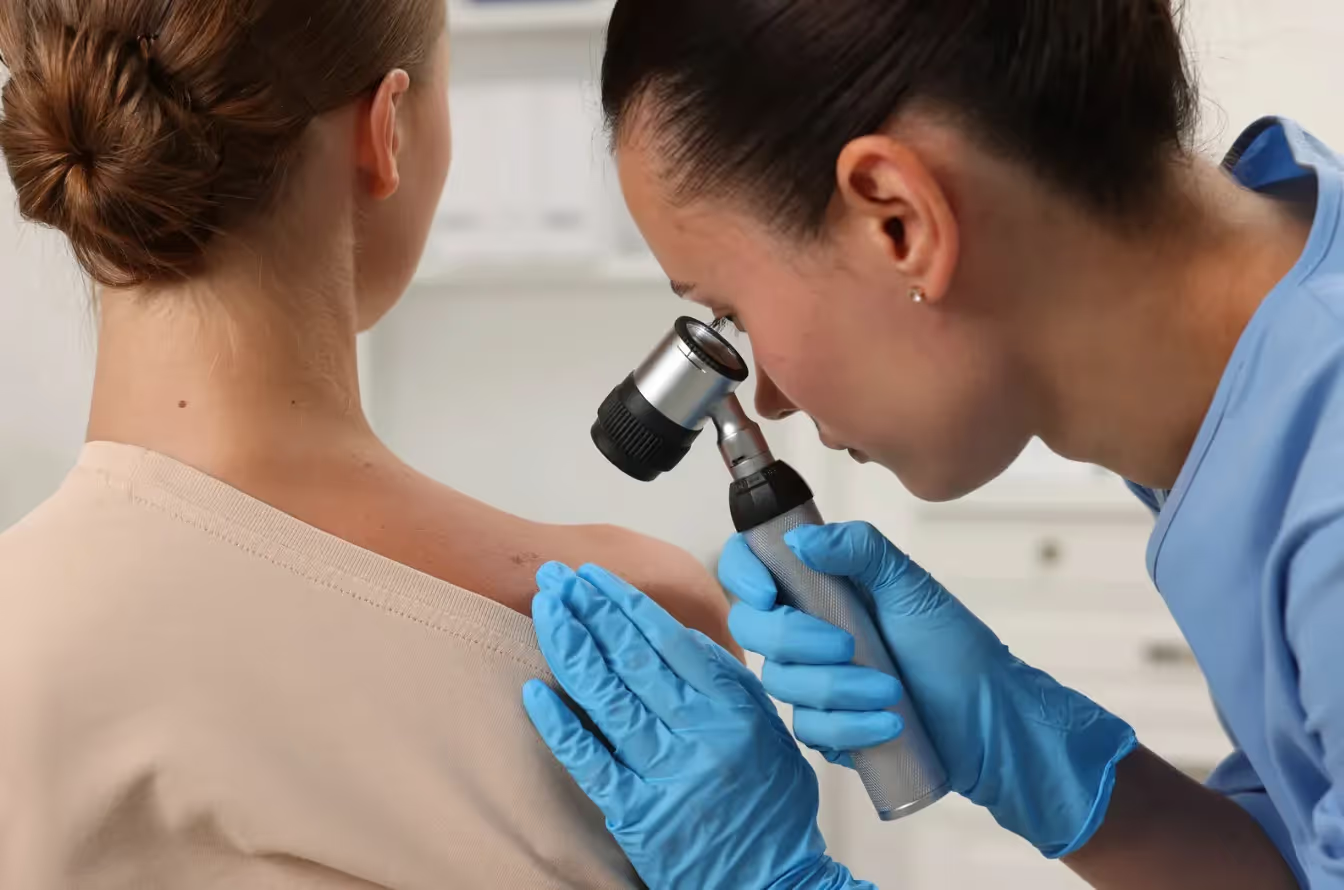
One often overlooked aspect of pyogenic granulomas is their potential to be mistaken for more serious skin conditions, including certain types of skin cancer. This is precisely why self-diagnosis and home treatment are strongly discouraged. A trained dermatologist uses clinical knowledge and, when appropriate, dermoscopy or tissue analysis to rule out other diagnoses. Dr. Salar Hazany prioritizes accurate identification before any treatment is performed, ensuring that patients receive care that is both safe and appropriate for their specific situation.
How Is a Pyogenic Granuloma Treated and Removed?
Pyogenic granulomas do not go away on their own, and because they bleed so easily and persistently, most patients ultimately need professional removal. The good news is that several effective treatment options exist, and with modern dermatologic techniques, removal can be accomplished with minimal discomfort and excellent cosmetic results. The choice of treatment depends on the size and location of the lesion, the patient's age and health, and the experience of the treating physician. At Hazany Derm, Dr. Salar Hazany uses precise, minimally invasive techniques that prioritize both effectiveness and aesthetics.
Shave excision followed by electrodesiccation is one of the most commonly used approaches for accessible lesions. In this procedure, the growth is shaved off at the skin surface and the base is then treated with a small electrical current to destroy any remaining abnormal blood vessels and reduce the chance of recurrence. Surgical excision, which involves removing the lesion along with a small margin of surrounding tissue and closing the wound with sutures, is preferred for larger or recurrent lesions. Both approaches are performed under local anesthesia, making the experience comfortable even for patients who are anxious about procedures.
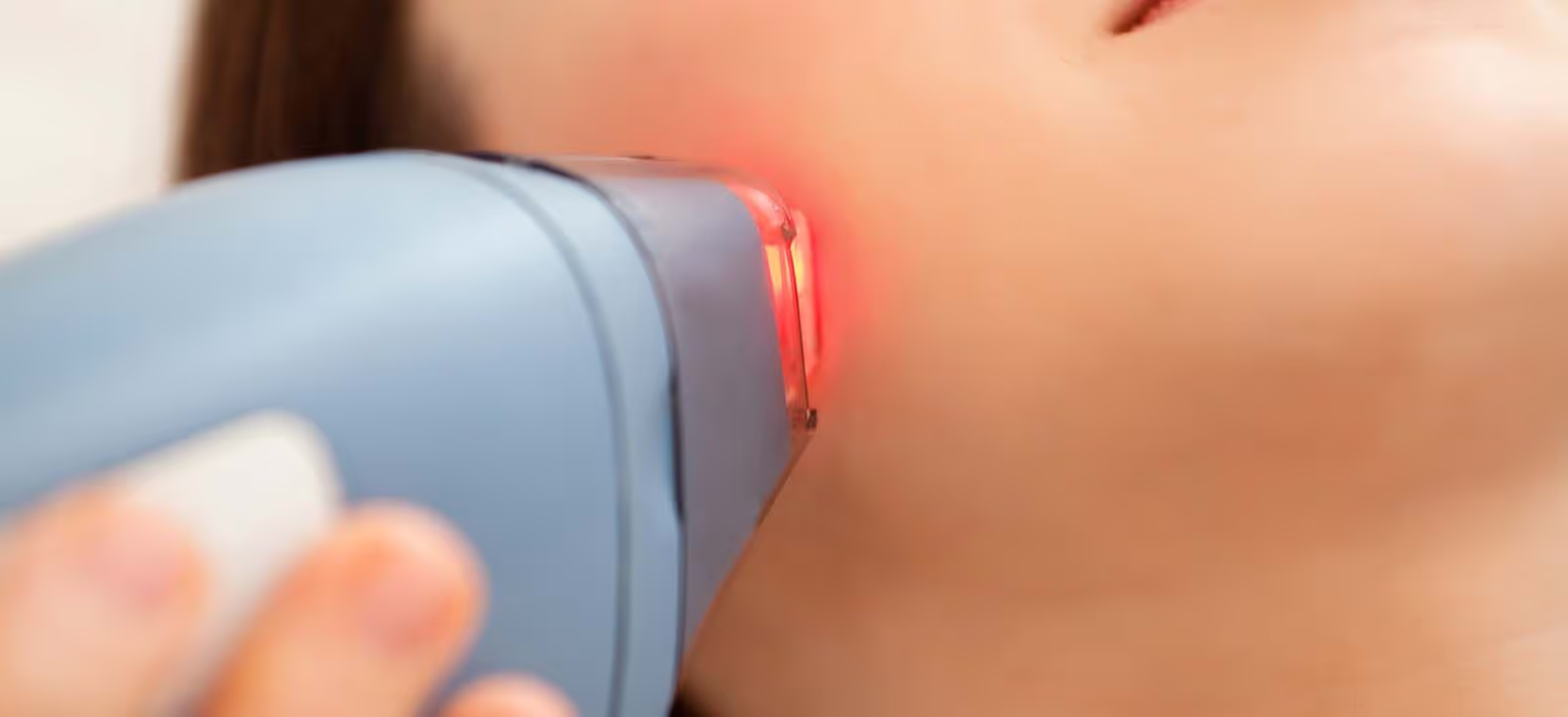
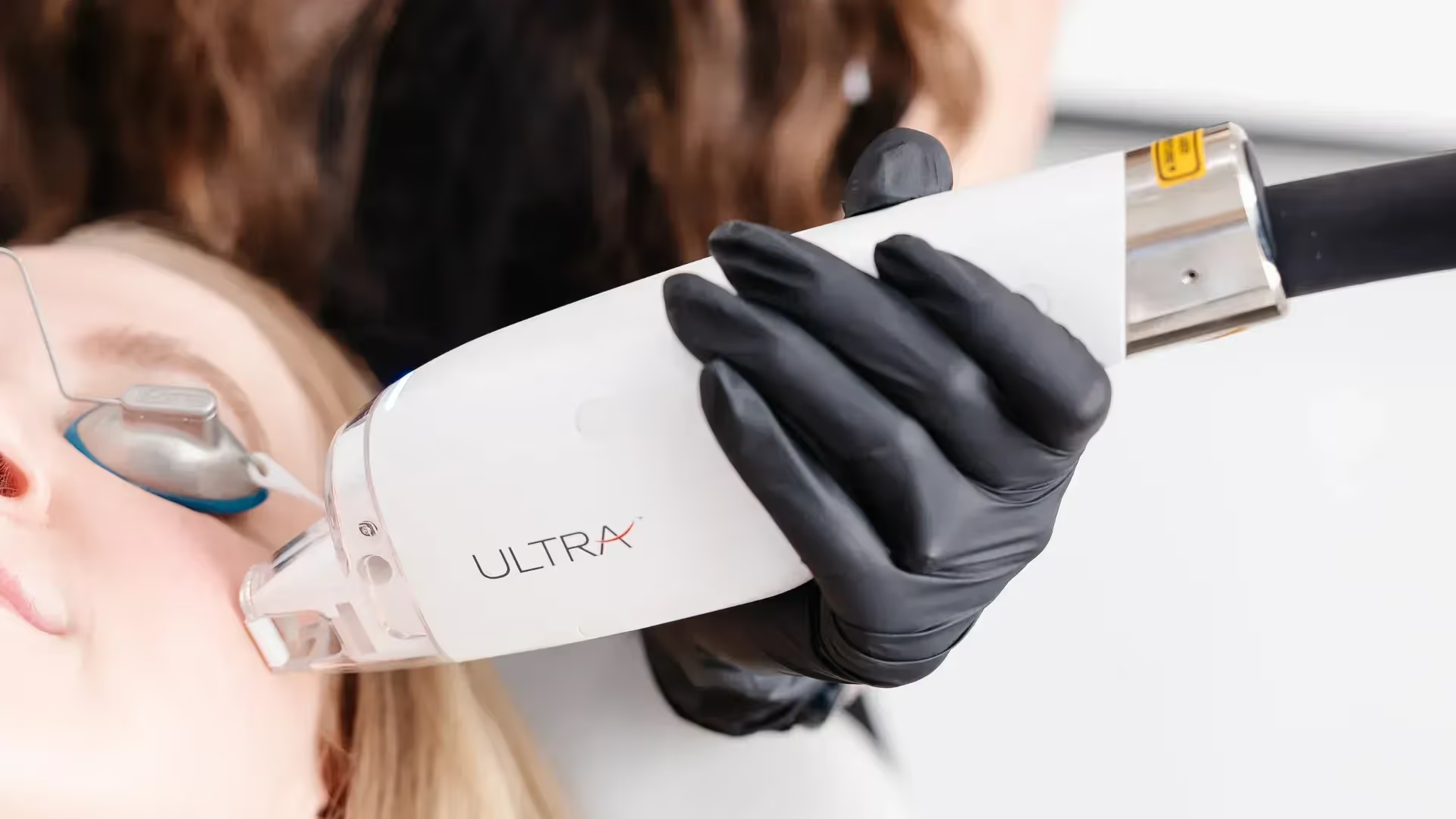
Laser treatment is another powerful option, particularly for lesions in highly sensitive or cosmetically critical areas such as the eyelid, lip, or nose. Laser energy can selectively target the blood vessels within the lesion without damaging the surrounding normal skin. This precision makes laser therapy an excellent choice for patients who want to minimize scarring and recovery time. Hazany Derm offers advanced skin lesion removal tailored to each patient, and consultations with Dr. Salar Hazany help determine which approach will deliver the best outcome for a given lesion and location.
Treatment options commonly used for pyogenic granuloma removal include:
- Shave excision with electrodesiccation: This straightforward office procedure removes the bulk of the lesion and destroys the vascular base, offering a fast recovery and a low rate of recurrence for most small to medium-sized growths.
- Surgical excision with sutures: Preferred for larger or previously recurrent lesions, this technique removes the growth completely and allows the wound to be closed neatly, producing a fine linear scar rather than an open healing site.
- Laser therapy: Vascular lasers such as the pulsed dye laser precisely target the blood vessels within the lesion, making this an ideal option for delicate facial areas where preserving normal tissue and minimizing visible scarring are top priorities.
- Topical treatments: In select cases, particularly for small lesions or in pediatric patients where procedures may be difficult, topical medications such as imiquimod or timolol have been used with some success, though these are typically considered second-line approaches.
After any form of removal, the treated area should be kept clean and protected according to the aftercare instructions provided. A small scab or crust typically forms and heals within a couple of weeks, depending on the size of the lesion and the treatment method used. Recurrence is possible, particularly if any residual vascular tissue remains at the base, which is why post-treatment follow-up with Dr. Salar Hazany is an important part of the process. Patients are encouraged to reach out if they notice any concerning changes at the treatment site during healing.
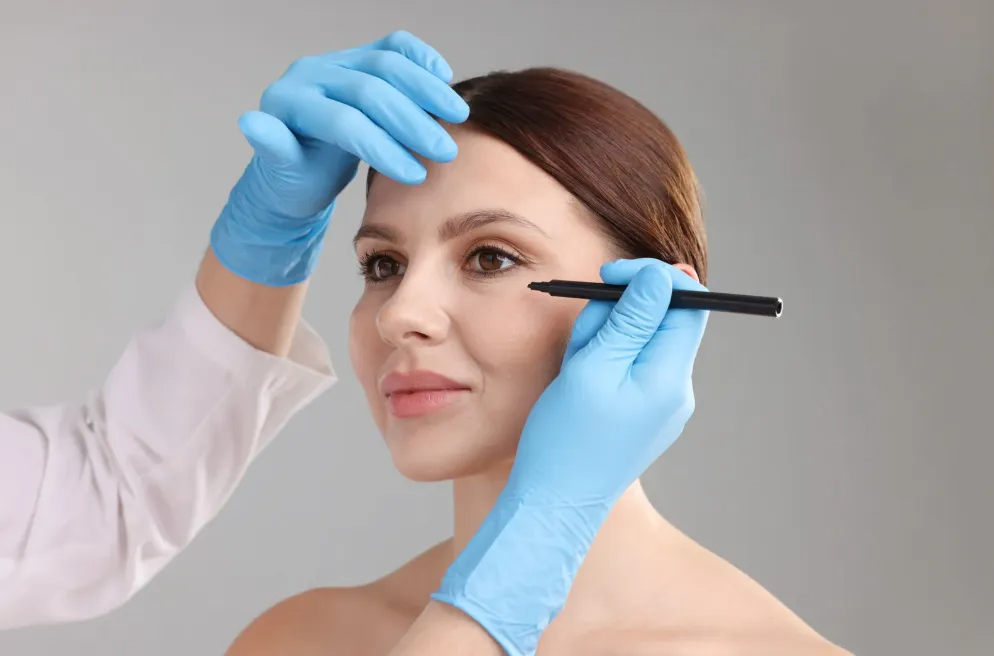
The cosmetic outcome of pyogenic granuloma removal is an important consideration, especially for lesions on the face. Experienced hands make a meaningful difference in how the skin heals and how minimal the resulting scar appears. Choosing a skilled dermatologist who understands both the medical and aesthetic dimensions of skin lesion removal gives patients the best possible result. At Hazany Derm, the skin lesion removal service is designed to address growths like pyogenic granulomas with the precision and care that sensitive areas demand, leaving patients with healthier skin and greater peace of mind. If a fast-growing red bump has you concerned, schedule an evaluation with Dr. Salar Hazany in Beverly Hills — most pyogenic granulomas can be removed in a single office visit.
Frequently Asked Questions
What exactly is a pyogenic granuloma?
A pyogenic granuloma is a benign, fast-growing vascular skin lesion made up of a dense cluster of small blood vessels. Despite its name, it is not caused by infection or pus. It typically appears as a bright red, raised, moist-looking bump that bleeds easily even with minor contact. These lesions do not resolve on their own and usually require professional removal. At Hazany Derm, Dr. Salar Hazany evaluates and treats these growths using minimally invasive techniques tailored to the lesion's size and location.
Is a pyogenic granuloma dangerous or cancerous?
Pyogenic granulomas are almost always benign and are not cancerous, but they should always be evaluated by a qualified dermatologist because they can resemble other, more serious skin conditions. Self-diagnosis is risky, and only a trained professional can confirm the diagnosis through clinical examination or, when necessary, a tissue sample. Dr. Salar Hazany at Hazany Derm conducts thorough assessments before any treatment is recommended. Getting an accurate diagnosis early ensures you receive the right care and rules out any conditions that may need different or more urgent attention.
Can a pyogenic granuloma go away on its own?
Unlike some benign skin growths that may shrink or disappear with time, pyogenic granulomas almost never resolve without treatment. They tend to persist and may even continue growing if left alone. Their tendency to bleed repeatedly and unpredictably makes waiting an uncomfortable and often impractical option for most patients. The team at Hazany Derm, led by Dr. Salar Hazany, recommends professional removal to stop bleeding episodes and prevent the lesion from enlarging. Early treatment typically results in a simpler procedure and a better cosmetic outcome than delaying care.
What causes a pyogenic granuloma to form?
The exact cause is not fully understood, but pyogenic granulomas are associated with skin trauma, hormonal changes, and certain medications. Minor injuries like cuts or insect bites can trigger abnormal blood vessel growth that fails to stop once the skin heals. Pregnancy significantly increases risk due to hormonal shifts that stimulate vascular activity throughout the body. Some medications, including certain retinoids and targeted therapies, are also linked to their development. During consultations at Hazany Derm, patients undergo a thorough medical history review to identify any contributing factors that may influence their treatment plan.
How is a pyogenic granuloma removed?
Removal options include shave excision with electrodesiccation, surgical excision with sutures, laser therapy, and in some cases topical medications. The best approach depends on the size, location, and history of the lesion. Facial growths, especially those near the eyes, nose, or lips, often benefit from laser treatment, which targets blood vessels precisely while minimizing damage to surrounding tissue. Salar Hazany, the founder and lead physician at Hazany Derm, performs all skin lesion removals using techniques focused on both effectiveness and cosmetic preservation, ensuring patients feel informed and comfortable throughout the process.
Will a pyogenic granuloma come back after removal?
Recurrence is possible, particularly if any vascular tissue remains at the base of the lesion after treatment. The recurrence rate varies depending on the treatment method used, the size of the original growth, and how thoroughly the base was addressed. Surgical excision and laser therapy tend to have lower recurrence rates than simpler surface treatments alone. Following up with your dermatologist after removal is important for monitoring healing and catching any regrowth early. Hazany Derm provides post-treatment guidance and follow-up care to help patients maintain the results of their skin lesion removal procedure.
Can children get pyogenic granulomas?
Yes, pyogenic granulomas are quite common in children and are actually more frequently seen in younger patients than in older adults. In children, fingers, toes, and the face are among the most commonly affected areas. Parents are often alarmed by the sudden appearance and tendency to bleed heavily, but these lesions are benign and very treatable. The experienced skin care providers at Hazany Derm understand how to approach treatment in a way that is as comfortable and low-stress as possible for younger patients and their families, with Dr. Salar Hazany guiding every case personally.
When should I see a dermatologist about a skin lesion that might be a pyogenic granuloma?
You should see a dermatologist promptly if you notice a rapidly growing red bump that bleeds easily, especially if it has appeared on your face, lip, nose, or eyelid. Any lesion that bleeds repeatedly, grows quickly, or looks unusual warrants professional evaluation rather than home monitoring. Early assessment makes treatment simpler and reduces the risk of complications or scarring. The specialists at our practice are experienced in diagnosing and treating a wide range of skin growths, and scheduling a consultation with Dr. Hazany at Hazany Derm is the most reliable first step toward getting clear answers and effective care.