






What is a Lipoma?



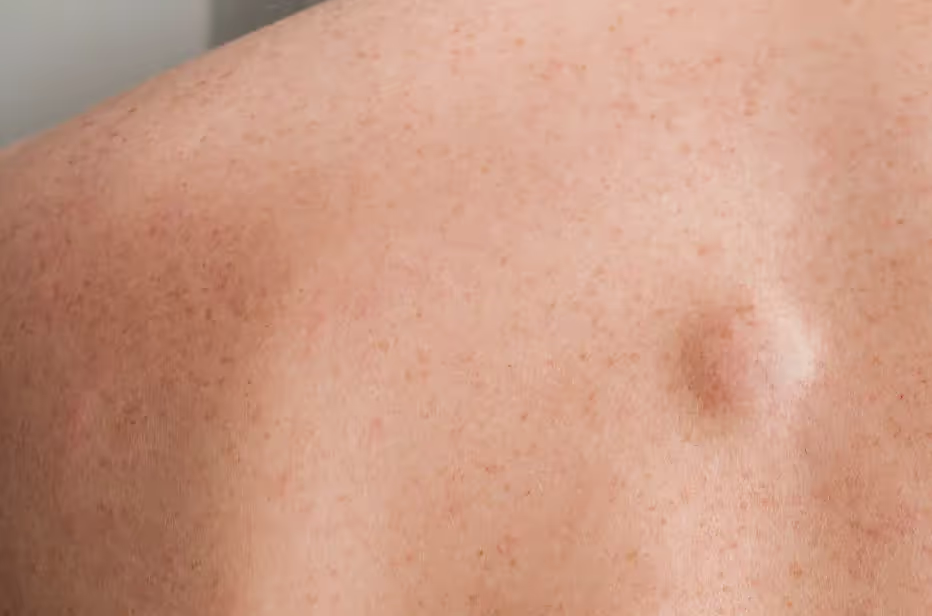
A lipoma is a benign fatty tumor that grows slowly under the skin, typically feeling soft and movable. While generally harmless, lipomas can cause discomfort or cosmetic concerns. Hazany Derm offers expert evaluation and treatment options for patients with lipomas.
Lipomas are among the most common benign soft tissue tumors that develop in adults, affecting millions of people worldwide. These growths consist of mature fat cells enclosed within a thin fibrous capsule and typically develop just beneath the skin's surface. Understanding what lipomas are, how they form, and when they require treatment is essential for anyone who has discovered an unusual lump or bump on their body.
Many patients become concerned when they first notice a lipoma, as any new growth can understandably cause anxiety about potential health implications. However, lipomas are almost always benign and pose no serious health risks to the individual. The key is proper evaluation by a qualified dermatologist who can accurately diagnose the growth and recommend appropriate management strategies based on the specific characteristics of each case.
At Hazany Derm, patients frequently seek consultation for various types of skin growths, including lipomas. Dr. Salar Hazany and his team have extensive experience in diagnosing and treating these common benign tumors. Their expertise ensures that patients receive accurate diagnosis, appropriate treatment recommendations, and peace of mind regarding their skin health concerns.
Understanding Lipoma Development and Characteristics
Lipomas develop when fat cells begin to multiply and cluster together within the subcutaneous tissue layer beneath the skin. The exact mechanism that triggers this abnormal cell growth remains not fully understood by medical researchers. Current theories suggest that genetic factors, hormonal influences, and minor trauma to fatty tissue may all play contributing roles in lipoma formation.
These benign tumors typically appear as soft, round or oval-shaped masses that feel doughy or rubbery to the touch. Most lipomas range in size from one to three centimeters in diameter, though some can grow significantly larger over time. The growth rate of lipomas is generally very slow, with most taking months or years to reach their full size, making them distinctly different from more aggressive types of tumors.
The location where lipomas develop can vary considerably, though they most commonly appear on the trunk, shoulders, neck, and upper extremities. Some patients develop solitary lipomas, while others may have multiple growths scattered across different areas of their body. The presence of multiple lipomas sometimes indicates an underlying genetic predisposition or a condition called familial multiple lipomatosis.
Several key characteristics help distinguish lipomas from other types of growths:
- Soft consistency: Lipomas feel soft and pliable when pressed, unlike harder masses that might indicate other conditions
- Mobility: These tumors typically move freely under the skin when gently pushed, as they are not firmly attached to underlying structures
- Slow growth: Lipomas develop gradually over months or years, rarely showing rapid size changes that might suggest malignancy
- Pain-free nature: Most lipomas are completely painless, though larger ones may cause discomfort due to pressure on surrounding tissues
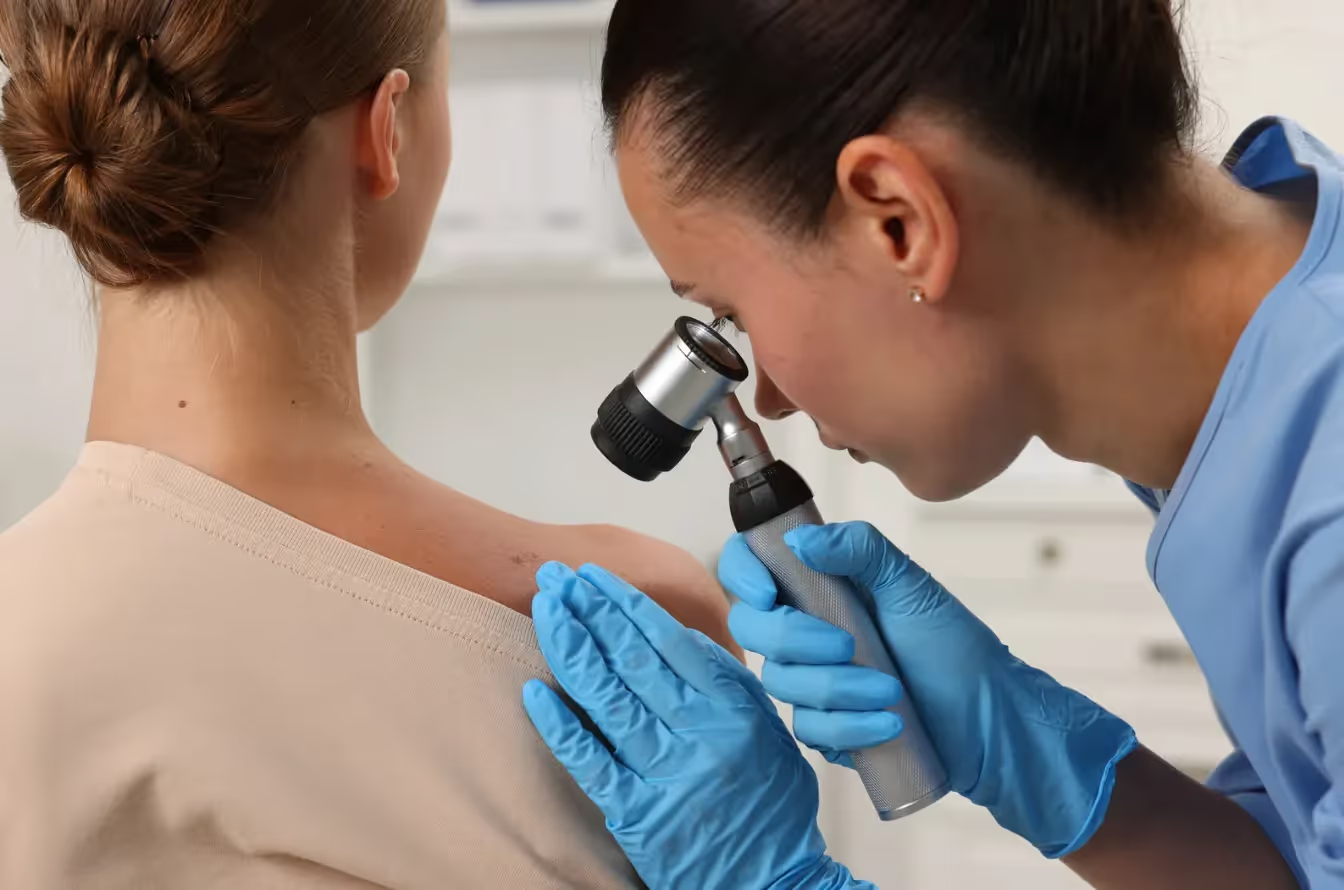
The diagnosis of lipomas often relies on clinical examination by an experienced dermatologist who can assess the growth's characteristics. Physical examination typically reveals the classic features of a lipoma, including its soft texture, mobility, and typical location patterns. In most cases, the clinical appearance is distinctive enough that additional testing may not be necessary for diagnosis.
However, certain situations may warrant further evaluation to confirm the diagnosis or rule out other conditions. When lipomas are unusually large, firm, or located in deeper tissues, imaging studies such as ultrasound or MRI may be recommended. These diagnostic tools can provide detailed information about the internal structure of the growth and help differentiate lipomas from other types of soft tissue masses.
When Lipomas Require Medical Attention
While most lipomas are harmless and require no immediate treatment, certain circumstances warrant professional medical evaluation and potential intervention. Understanding when to seek medical attention helps patients make informed decisions about their healthcare and ensures that any concerning changes are properly assessed. The decision to treat a lipoma often depends on factors such as size, location, symptoms, and patient preference.
Pain or discomfort represents one of the primary reasons patients seek treatment for lipomas. Although most lipomas are painless, larger growths may press against nerves, muscles, or other structures, causing varying degrees of discomfort. This is particularly common when lipomas develop in areas where they may be compressed by clothing, movement, or daily activities such as sitting or lying down.
Cosmetic concerns frequently motivate patients to pursue lipoma removal, especially when the growths are visible in prominent locations. Lipomas on the face, neck, or arms can affect a person's self-confidence and quality of life. Even smaller lipomas may be bothersome to patients who are conscious about their appearance or who participate in activities where the growth might be noticeable.
Changes in lipoma characteristics should always prompt immediate medical evaluation to rule out malignant transformation or other complications:
- Rapid growth: Any sudden increase in size warrants prompt assessment, as this could indicate malignant transformation
- Firmness changes: Lipomas that become hard or develop irregular textures may require biopsy to exclude other diagnoses
- Pain development: New onset of pain in a previously painless lipoma should be evaluated to determine the underlying cause
- Skin changes: Redness, warmth, or other skin changes over a lipoma may indicate inflammation or infection requiring treatment
The risk of malignant transformation of lipomas into liposarcomas is extremely low, occurring in less than one percent of cases. However, this rare possibility underscores the importance of professional evaluation, particularly when lipomas exhibit unusual characteristics. Liposarcomas are malignant tumors of fatty tissue that require aggressive treatment and have different clinical behavior compared to benign lipomas.
Large lipomas, typically those exceeding five centimeters in diameter, may warrant removal even if they are asymptomatic. These larger growths have a higher likelihood of causing future problems and may be more technically challenging to remove if they continue to grow. At Hazany Derm, the medical team carefully evaluates each patient's individual situation to determine the most appropriate management approach for their specific case.
Treatment Options and Management Strategies
The management of lipomas ranges from simple observation to surgical removal, depending on various factors including size, symptoms, location, and patient preferences. Most small, asymptomatic lipomas require only periodic monitoring to ensure they remain stable and do not develop concerning characteristics. This conservative approach is appropriate for the majority of patients who have typical lipomas without bothersome symptoms.
Surgical excision remains the gold standard treatment for lipomas that require removal. This outpatient procedure involves making a small incision over the lipoma and carefully removing the entire growth, including its surrounding capsule. Complete removal of the capsule is important to minimize the risk of recurrence, as leaving behind lipoma tissue can lead to regrowth over time.
The surgical technique used for lipoma removal depends on the size and location of the growth. Smaller lipomas can often be removed through minimal incisions using local anesthesia, resulting in excellent cosmetic outcomes with minimal downtime. Larger or deeper lipomas may require more extensive surgical approaches, though these procedures are still typically performed on an outpatient basis with excellent success rates.
Modern lipoma removal techniques focus on achieving optimal cosmetic results while ensuring complete tumor removal:
- Minimal incision technique: Small incisions placed strategically to minimize visible scarring while allowing complete lipoma removal
- Tumescent anesthesia: Local anesthetic technique that provides excellent pain control and reduces bleeding during the procedure
- Careful capsule removal: Meticulous attention to removing the entire lipoma capsule to prevent recurrence of the growth
- Layered closure: Proper wound closure techniques that promote optimal healing and minimize the appearance of surgical scars
Recovery from lipoma removal is generally straightforward, with most patients able to return to normal activities within a few days. Post-operative care typically involves keeping the surgical site clean and dry, avoiding strenuous activities for a brief period, and following up with the surgeon to monitor healing progress. Most patients experience minimal discomfort after the procedure and are satisfied with both the surgical outcome and cosmetic results.
Alternative treatment methods for lipomas have been explored, though surgical removal remains the most effective option. Some practitioners have reported success with steroid injections for smaller lipomas, though this approach may not achieve complete resolution and can have variable results. Liposuction has also been used for larger lipomas, though this technique may not remove the entire capsule and could result in incomplete treatment with higher recurrence rates compared to traditional surgical excision.
Frequently Asked Questions
Are lipomas dangerous or cancerous?
Lipomas are benign fatty tumors that are not cancerous and pose no serious health risks in the vast majority of cases. These common growths consist of normal fat cells and rarely undergo malignant transformation. Dr. Salar Hazany explains to patients that the risk of a lipoma becoming cancerous is extremely low, occurring in less than one percent of cases. While lipomas are generally harmless, any changes in size, texture, or pain levels should be evaluated promptly. Most patients can be reassured that their lipoma is simply a benign growth that may be monitored or removed for cosmetic or comfort reasons, depending on individual circumstances and preferences.
How can you tell the difference between a lipoma and other lumps?
Distinguishing lipomas from other types of lumps requires understanding their characteristic features and seeking professional evaluation when needed. Hazany Derm teaches patients to recognize that lipomas typically feel soft, doughy, and movable under the skin, unlike harder or fixed masses that might indicate other conditions. True lipomas are usually painless, grow slowly over months or years, and have a characteristic rubbery consistency when gently pressed. However, definitive diagnosis requires professional assessment, as other benign conditions like sebaceous cysts or more serious concerns can sometimes mimic lipomas. Any new lump or bump should be evaluated by a qualified dermatologist who can perform proper examination and recommend appropriate testing if necessary.
What causes lipomas to develop?
The exact cause of lipoma development remains not fully understood, though several factors appear to contribute to their formation. The team at Hazany Derm explains that genetic predisposition plays a significant role, as lipomas often run in families and some people develop multiple growths throughout their lifetime. Minor trauma to fatty tissue, hormonal changes, and metabolic factors may also influence lipoma development. Age is another contributing factor, with most lipomas appearing in adults between 40 and 60 years old. While the precise triggers remain unclear, understanding these risk factors helps patients recognize that lipoma development is usually a natural process rather than something caused by lifestyle choices or preventable factors.
Do lipomas need to be removed?
Most lipomas do not require removal and can be safely monitored over time, though certain circumstances may warrant treatment. Dr. Hazany evaluates each patient individually to determine whether removal is necessary or beneficial based on factors such as size, location, symptoms, and cosmetic concerns. Small, asymptomatic lipomas typically require only periodic observation to ensure they remain stable. However, removal may be recommended for lipomas that cause pain or discomfort, interfere with daily activities, or create cosmetic concerns for the patient. Large lipomas, those showing rapid growth, or growths that develop unusual characteristics should also be considered for removal. The decision ultimately depends on individual patient needs and preferences after thorough consultation with a qualified dermatologist.
Can lipomas come back after removal?
Lipoma recurrence after complete surgical removal is relatively uncommon when the procedure is performed properly by experienced practitioners. Hazany Derm specialists emphasize that the key to preventing recurrence lies in complete removal of both the lipoma and its surrounding fibrous capsule during the initial surgery. When the entire growth including the capsule is successfully removed, recurrence rates are typically very low. However, incomplete removal or disruption of the lipoma during surgery can leave behind cells that may lead to regrowth over time. Some patients may also develop new lipomas in different locations, which represents new growth rather than true recurrence. Proper surgical technique and complete excision by a skilled dermatologic surgeon significantly minimize the likelihood of the same lipoma returning in the treated area.
Are there non-surgical treatments for lipomas?
While surgical removal remains the most effective treatment for lipomas, some alternative approaches have been explored with varying degrees of success. Dr. Salar Hazany discusses with patients that steroid injections have shown some benefit for smaller lipomas, though results can be unpredictable and may not achieve complete resolution. Liposuction techniques have also been used for larger lipomas, though this method may not remove the entire fibrous capsule and could result in higher recurrence rates compared to traditional surgical excision. Other experimental treatments including laser therapy and injection lipolysis have been investigated, but lack sufficient evidence to recommend them as standard treatment options. For patients seeking lipoma treatment, surgical removal continues to offer the most reliable and definitive solution with excellent success rates and low complication risks.
How long does lipoma removal surgery take?
Lipoma removal is typically a straightforward outpatient procedure that can be completed relatively quickly depending on the size and location of the growth. The Hazany Derm clinic performs most lipoma removals using local anesthesia, with small lipomas often requiring only 15-30 minutes to remove completely. Larger or deeper lipomas may take 30-60 minutes, though the exact duration depends on individual factors such as the lipoma's size, location, and relationship to surrounding structures. The procedure includes time for anesthesia administration, surgical removal, and proper wound closure using techniques that optimize cosmetic outcomes. Most patients can return home immediately after the procedure and resume normal activities within a few days, making lipoma removal a convenient treatment option for those who require or desire removal of their growths.
What should I expect during recovery from lipoma removal?
Recovery from lipoma removal is generally straightforward and well-tolerated by most patients, with minimal downtime required. The experts at Hazany Derm provide comprehensive post-operative instructions to ensure optimal healing and cosmetic results. Patients typically experience mild discomfort for the first few days, which can be managed effectively with over-the-counter pain medications. The surgical site should be kept clean and dry, with specific wound care instructions provided based on the location and size of the removal. Most patients can return to work and light activities within 2-3 days, though strenuous exercise and heavy lifting should be avoided for about two weeks. Follow-up appointments are scheduled to monitor healing progress and remove sutures when appropriate, usually within 7-14 days after surgery depending on the location and closure technique used.