




%201.avif)



How Long Do Scars Take to Fully Mature?


Scars typically take 12-18 months to fully mature, though this timeline varies based on factors like wound size, location, and individual healing. Hazany Derm offers comprehensive scar treatment options to optimize healing outcomes.
Scar formation is a natural part of the body's healing process, representing the final stage of tissue repair after injury or trauma. When skin is damaged, whether from surgery, accidents, acne, or other causes, the body works to close the wound and restore the protective barrier that skin provides. This complex biological process involves multiple phases of healing, ultimately resulting in scar tissue that differs in structure and appearance from normal skin.
Understanding the timeline of scar maturation is crucial for anyone dealing with scarring, as it helps set realistic expectations for healing and treatment outcomes. Many patients are surprised to learn that what they see immediately after a wound heals is far from the final result. Scars continue to evolve, change color, texture, and size for months or even years after the initial injury occurs.
The maturation process follows predictable patterns, though individual variations exist based on numerous factors including genetics, age, wound characteristics, and aftercare. Hazany Derm frequently educates patients about these timelines to help them make informed decisions about when to seek treatment and what interventions might be most beneficial at different stages of healing.
How Long Does Scar Maturation Take?
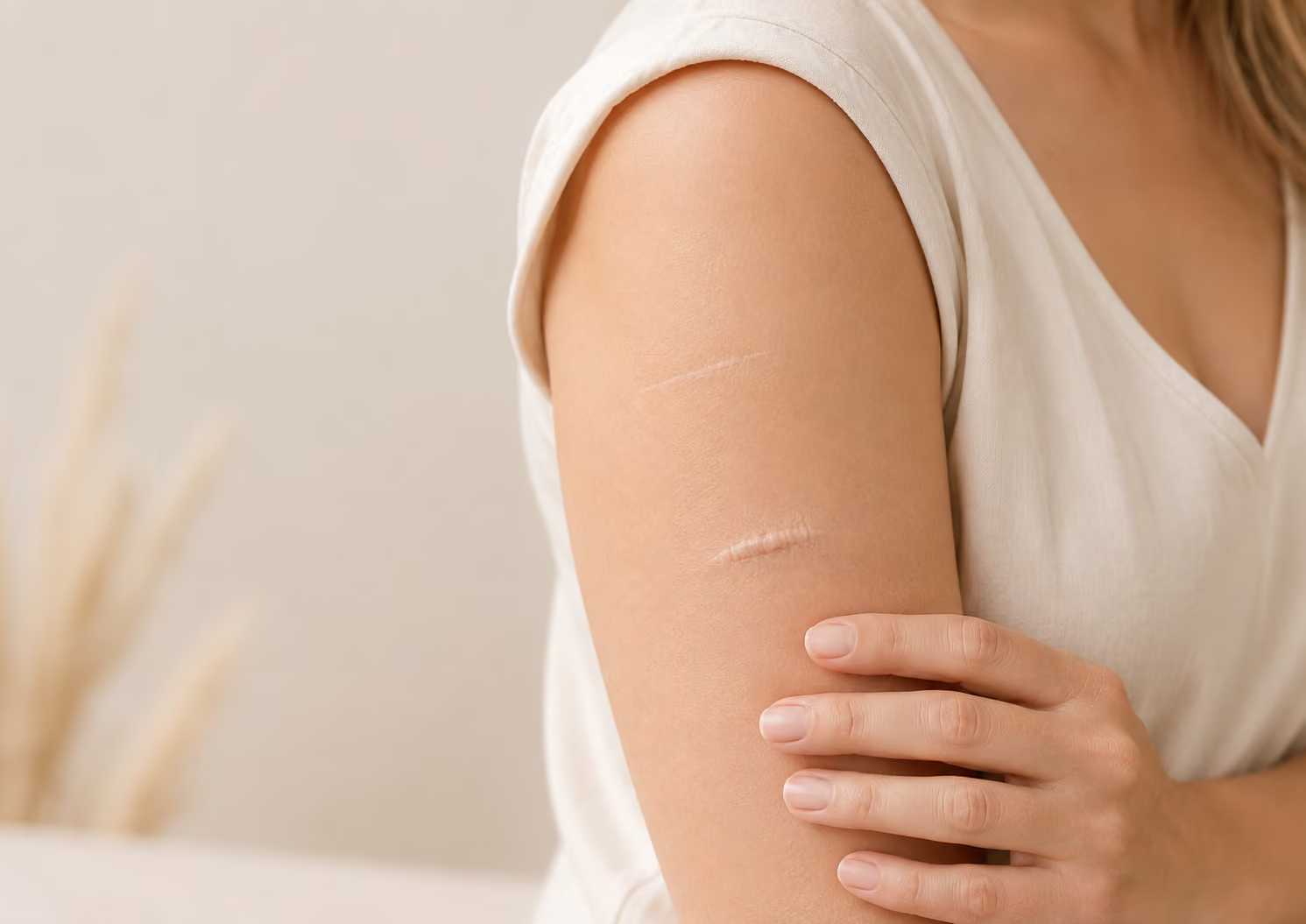
Most scars take 12 to 18 months to fully mature, and some — especially hypertrophic scars and keloids — continue changing for up to two years or more. Roughly 80% of the final appearance is reached within the first 6 to 12 months; after that, changes are gradual flattening, fading, and softening rather than dramatic shifts.
The Phases of Scar Development
Scar formation occurs through three distinct but overlapping phases, each characterized by specific cellular activities and visible changes in the healing tissue. The inflammatory phase begins immediately after injury and typically lasts 3-5 days, during which blood clotting occurs and immune cells rush to the wound site to prevent infection. During this initial period, the area appears red, swollen, and may feel warm to the touch as the body's natural defense mechanisms activate.
The proliferative phase follows, lasting approximately 3-6 weeks, during which new tissue begins to form and the wound contracts to close the gap. Fibroblasts, specialized cells responsible for collagen production, become highly active during this period, laying down the protein framework that will eventually become scar tissue. Blood vessels also regenerate during this phase, which is why scars often appear pink or red during early healing stages.
The final remodeling phase is the longest and most variable, typically lasting 6 months to 2 years or more. During this extended period, the initially disorganized collagen fibers gradually reorganize and mature, becoming more structured and stronger. The scar's appearance continues to evolve throughout this phase, generally becoming flatter, lighter in color, and more similar to surrounding normal skin, though it will never completely match the original tissue's characteristics.
The appearance of scars during early stages can be concerning to patients, as they often appear raised, dark, or irregularly shaped. However, significant improvement typically occurs during the first year of healing, with the most dramatic changes happening in the first six months. Dr. Salar Hazany often reassures patients that patience is essential during this process, as premature intervention may sometimes interfere with natural healing.
Understanding these phases helps patients recognize what constitutes normal healing versus concerning changes that might require medical attention. While some variation in healing is expected, signs such as increasing redness, warmth, or size after the initial healing period may indicate complications that warrant professional evaluation.
Timeline for Complete Scar Maturation
The complete maturation of scars follows a generally predictable timeline, though individual variations are common and expected. Most scars reach approximately 80% of their final appearance within the first 6-12 months after formation, with subtle changes continuing for an additional 6-12 months thereafter. The total process typically spans 12-18 months for most individuals, though some scars may continue evolving for up to two years or occasionally longer.
During the first three months, scars typically appear at their most prominent, often raised above the skin surface and displaying colors ranging from bright red to dark purple or brown. The intensity of coloration usually reflects the level of blood vessel development and inflammatory activity within the healing tissue. This period represents the most active phase of tissue remodeling, during which the scar may feel firm, thick, or even somewhat tender to touch.
Months 3-6 mark a period of significant visible improvement for most scars, as the initial inflammatory response subsides and collagen organization becomes more structured. The scar typically begins to flatten, and the intense coloration starts to fade toward lighter pink or brown tones. Texture improvements often become noticeable during this period, as the initially rough or irregular surface begins to smooth out, though complete texture normalization rarely occurs.
Factors that can extend or shorten the maturation timeline include:
- Scar type: Hypertrophic scars and keloids may continue changing for several years beyond typical timelines
- Patient age: Children and young adults often experience faster initial healing but may require longer for complete maturation
- Hormonal influences: Pregnancy, puberty, or hormonal medications can affect collagen production and remodeling speed
- Sun exposure: UV radiation can prolong the maturation process and worsen pigmentation changes
The final 6-12 months of maturation involve more subtle refinements in scar appearance and texture. Color changes become less dramatic but continue progressing toward closer matches with surrounding skin tone. The scar tissue also continues to gain strength and flexibility during this period, though it will typically reach only about 80% of normal skin's tensile strength even when fully mature.
Hazany Derm emphasizes to patients that the term "fully mature" doesn't mean the scar becomes invisible or identical to normal skin. Rather, maturation refers to the point at which no further significant changes occur without intervention. Even mature scars retain certain characteristics that distinguish them from normal tissue, including different texture, slight color variations, and reduced elasticity compared to surrounding skin.
Factors Affecting Scar Maturation Speed
Individual variations in scar maturation timing depend on numerous interconnected factors, some of which patients can influence while others remain beyond their control. Age represents one of the most significant variables, as younger patients typically demonstrate more robust healing responses but may also produce more aggressive scar formation. Children and teenagers often heal quickly but are more prone to developing hypertrophic scars or keloids due to their highly active collagen production systems.
Genetic factors play a crucial role in determining both healing speed and final scar characteristics, with family history often providing insights into an individual's likely scarring patterns. People of certain ethnic backgrounds, particularly those with darker skin tones, show increased susceptibility to hyperpigmentation and keloid formation, which can significantly extend the maturation timeline. These genetic predispositions cannot be changed but can be anticipated and managed through appropriate treatment strategies.
The location and characteristics of the original wound significantly impact healing timelines, with areas subjected to frequent movement or tension requiring longer maturation periods. Scars crossing joints, located on the chest or shoulders, or positioned in areas where clothing creates friction often take 18-24 months or longer to fully stabilize. Additionally, wounds that become infected during initial healing typically result in more complex scars that require extended maturation periods.
Lifestyle plays a measurable role too: adequate protein, vitamin C, and zinc support collagen synthesis, while smoking impairs circulation and delays every phase of healing. Diligent sun protection prevents the prolonged inflammation and pigmentation changes UV causes in developing scars, and managing chronic stress removes a hormonal drag on the healing process.
Proper wound care during the initial healing phase can significantly impact long-term scar development and maturation speed. Keeping wounds clean, moist, and protected from trauma during the first few weeks establishes the foundation for optimal healing outcomes. The team at Hazany Derm provides detailed aftercare instructions to help patients optimize their healing environment and minimize factors that could complicate or prolong the maturation process.
Certain medical conditions can substantially alter normal healing timelines, including diabetes, autoimmune disorders, and connective tissue diseases. These conditions often require specialized management approaches and may necessitate longer observation periods before determining final scar characteristics. Medications such as corticosteroids, blood thinners, and certain chemotherapy agents can also influence healing speed and should be discussed with healthcare providers when planning scar treatment strategies.
How long does it take for a scar to form?
Visible scar tissue forms within 3 to 6 weeks of injury, once the wound closes and collagen fills the gap. What forms at that point is an immature scar — typically red, raised, and firm. Facial scars often progress faster than average thanks to the face's rich blood supply.
Do scars grow as you age?
Mature scars don't grow on their own, though they can stretch as skin and body change, and keloids are the exception — they can slowly enlarge for years. More often, older scars simply become more noticeable as surrounding skin thins and loses elasticity with age.
How can you tell how old a scar is?
Color and texture give the best estimate: red or purple, raised, and firm suggests under six months; pink and flattening suggests six to twelve months; pale, flat, and soft indicates a mature scar of eighteen months or more. Even specialists can only estimate — healing speed varies widely between people.
Scar Treatment in Beverly Hills
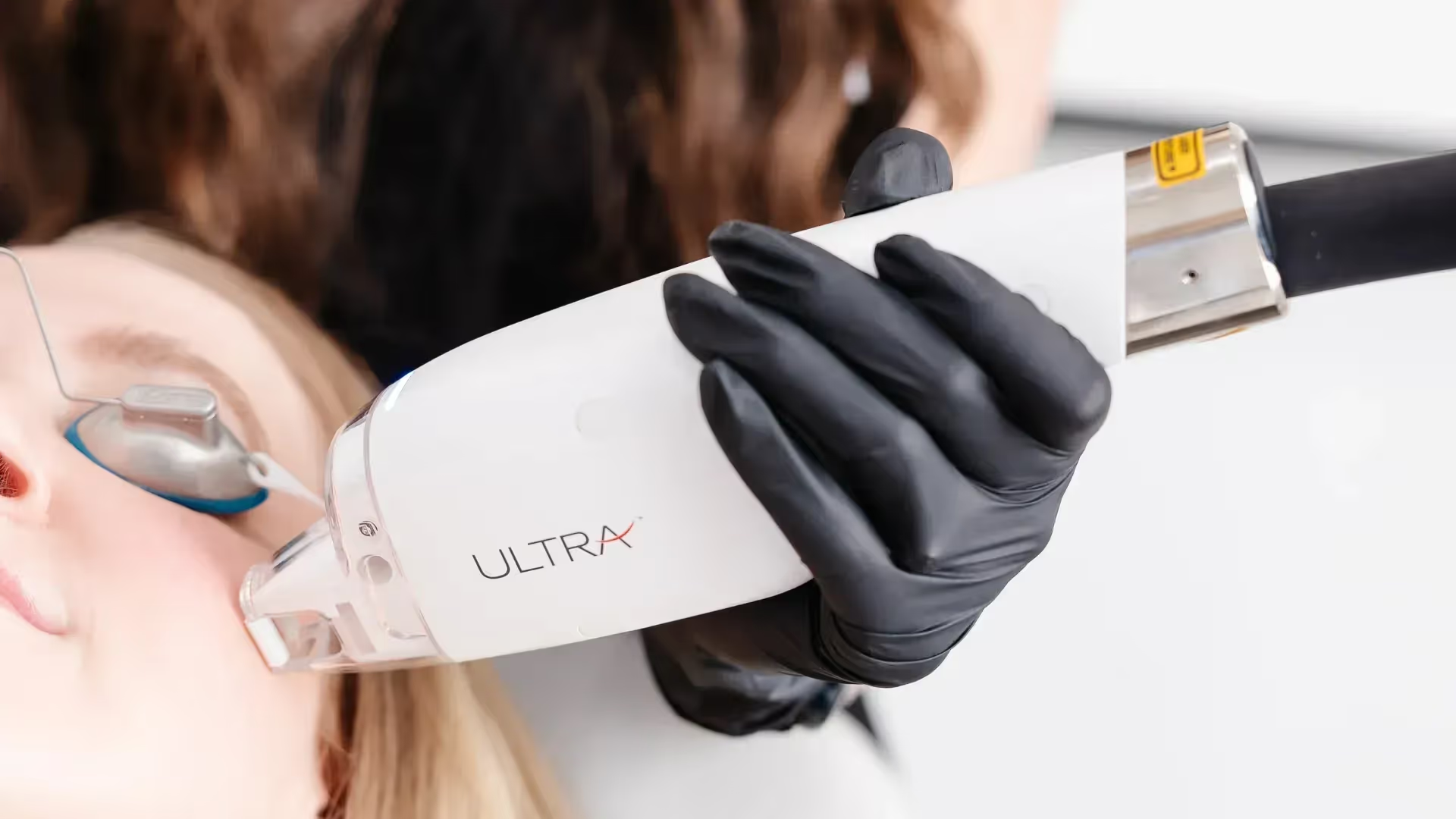
Understanding where your scar is in its maturation helps you time treatment for the best result. Dr. Salar Hazany offers scar treatment in Beverly Hills for scars at every stage — and if your scar has finished maturing and you're still unhappy with it, see our guide to scar revision timing for what comes next.
Frequently Asked Questions
What is the average time for a scar to reach full maturity?
The average scar takes approximately 12-18 months to reach full maturity, though this timeline can vary significantly based on individual factors. During the first 6-12 months, scars undergo the most dramatic changes in appearance, color, and texture. The final 6-12 months involve more subtle refinements as collagen continues to remodel and organize. Dr. Salar Hazany explains to patients that while most scars reach about 80% of their final appearance within the first year, complete maturation may take up to two years in some cases. Factors such as the scar's location, size, the patient's age, and individual healing characteristics all influence this timeline. Understanding this natural progression helps patients set realistic expectations for their healing journey.
Can anything be done to speed up scar maturation?
While the natural maturation process cannot be dramatically accelerated, several interventions can optimize healing and potentially improve final outcomes. Hazany Derm offers various treatments including silicone gel applications, massage therapy, and proper wound care techniques that may enhance the healing process. Maintaining adequate nutrition, staying hydrated, avoiding sun exposure, and not smoking all support optimal healing conditions. Early intervention with appropriate treatments can help guide the maturation process toward better cosmetic results. However, it's important to understand that attempting to rush the process through aggressive treatments may sometimes worsen outcomes. The key is working with experienced dermatologists who can recommend the right interventions at the appropriate stages of healing for each individual case.
Do all types of scars mature at the same rate?
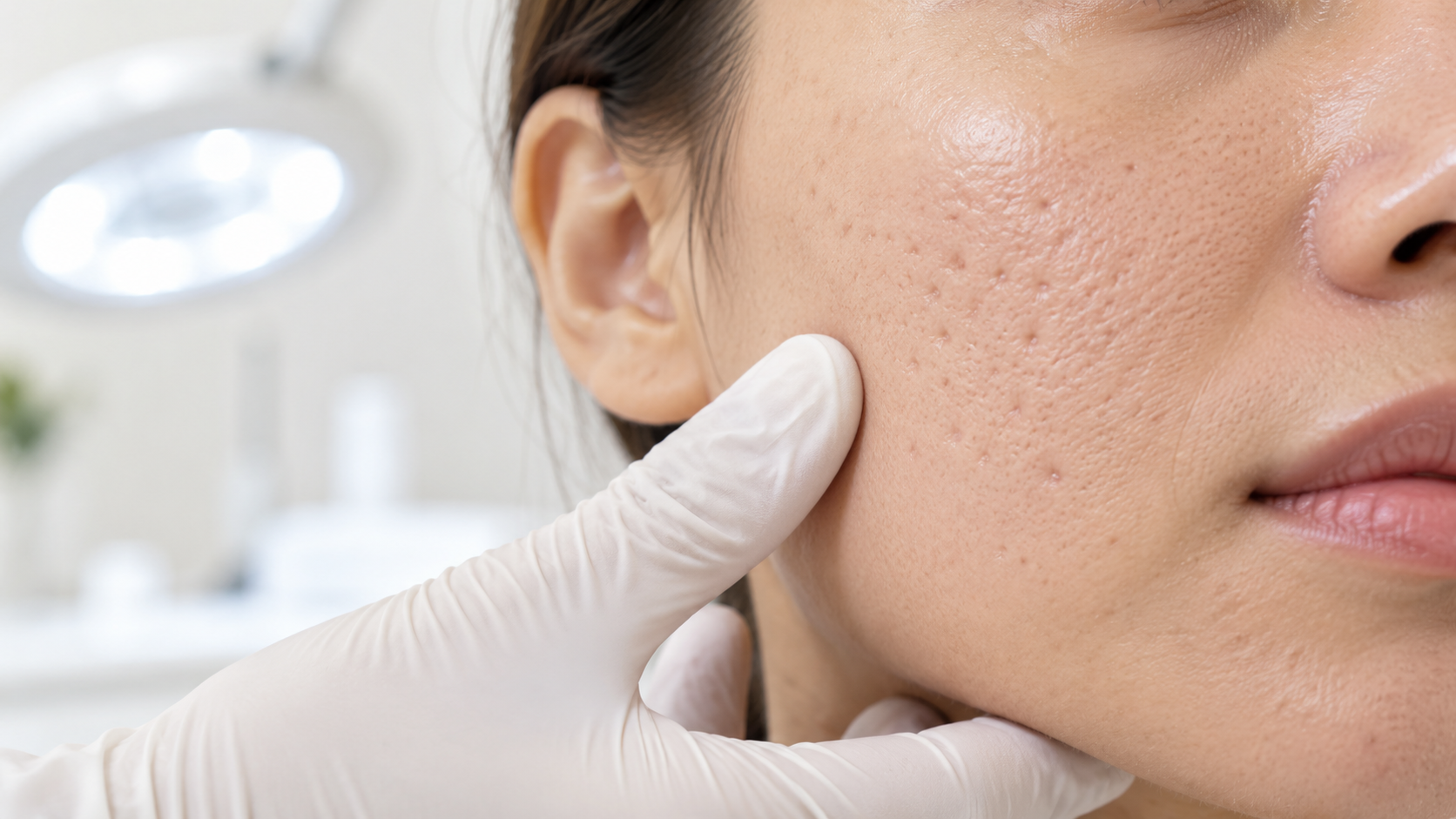
Different types of scars mature at varying rates and may follow different patterns throughout the healing process. Normal scars typically follow the standard 12-18 month timeline, while hypertrophic scars and keloids may continue changing for several years beyond this timeframe. Atrophic scars, such as those from acne, may stabilize more quickly but often require different treatment approaches. The team at Hazany Derm evaluates each scar type individually, as surgical scars often mature more predictably than traumatic injury scars, which may involve multiple tissue types and irregular wound patterns. Location also plays a crucial role, with scars in high-tension areas or over joints typically requiring longer maturation periods. Understanding these variations helps healthcare providers develop appropriate treatment timelines and intervention strategies for optimal outcomes.
When is the best time to start scar treatment?
The optimal timing for scar treatment depends on the specific intervention being considered and the individual scar characteristics. For most treatments, Dr. Hazany recommends waiting until the initial healing phase is complete, typically 6-8 weeks after wound closure, before beginning active interventions. However, some preventive measures like silicone gel application can begin earlier in the healing process. More aggressive treatments such as laser therapy, steroid injections, or surgical revision are usually delayed until the scar has had time to mature, often 6-12 months after formation. Starting treatment too early may interfere with natural healing processes, while waiting too long might miss opportunities for optimal improvement. The decision requires careful evaluation of the scar's characteristics, the patient's goals, and the specific treatment modalities being considered for the best possible outcomes.
What signs indicate that a scar is not maturing properly?
Several warning signs may indicate abnormal scar maturation that requires professional evaluation and intervention. Hazany Derm specialists advise patients to watch for scars that continue growing larger after the initial healing period, become increasingly raised or thick, or develop intense itching or pain months after formation. Persistent bright red coloration beyond 6-12 months, especially when accompanied by warmth or tenderness, may indicate ongoing inflammation or infection. Scars that develop irregular borders, become increasingly rigid, or begin extending beyond the original wound boundaries may be forming keloids or hypertrophic scars requiring specialized treatment. Additionally, scars that show no improvement in color, texture, or height after 6-8 months may benefit from professional intervention. Early recognition and treatment of abnormal healing patterns often lead to better outcomes than waiting for complete maturation.
How does age affect scar maturation time?
Age significantly influences both the speed and quality of scar maturation, with younger patients typically healing faster but potentially developing more prominent scarring. Children and teenagers have highly active collagen production systems that accelerate healing but may also lead to hypertrophic scars or keloids. Dr. Salar Hazany notes that pediatric patients often complete the maturation process more quickly, sometimes within 8-12 months, but require careful monitoring for excessive scar formation. Adults in their 20s-40s generally follow standard timelines, while older adults may experience slower healing due to reduced cellular activity and compromised circulation. Elderly patients might require 18-24 months or longer for complete maturation, and their scars may never achieve the same degree of improvement seen in younger individuals. Hormonal factors associated with different life stages also play a role, making individualized treatment approaches essential for optimal outcomes.
Does scar location affect how long maturation takes?
The location of a scar significantly impacts both the duration and success of the maturation process due to varying mechanical stresses and blood supply in different body regions. Hazany Derm clinic frequently observes that scars in high-tension areas such as the chest, shoulders, and over joints require extended healing periods, often 18-24 months or longer. Areas with rich blood supply like the face typically heal faster and achieve better final results, while locations with poor circulation such as the lower legs may experience delayed maturation. Scars subject to frequent movement or friction from clothing tend to remain active longer and may develop thicker, more prominent characteristics. Additionally, areas regularly exposed to sun require longer maturation periods due to UV-induced inflammation and pigmentation changes. Understanding these location-specific factors helps healthcare providers set appropriate expectations and develop targeted treatment strategies for each individual case.
Can you tell when a scar has finished maturing?
Determining when a scar has completed maturation involves observing several key indicators that signal the end of active remodeling processes. The experts at Hazany Derm look for stabilization in the scar's color, texture, height, and overall appearance over a period of 2-3 months. A mature scar typically appears pale pink or white in lighter skin tones, or slightly darker than surrounding skin in people with darker complexions, and feels soft and pliable rather than firm or rigid. The scar should no longer show signs of active inflammation such as redness, warmth, or tenderness, and any itching or discomfort should have resolved. Most importantly, the scar's characteristics should remain stable without significant changes over several months of observation. Once maturation is complete, further improvement typically requires active intervention rather than continued natural healing, making this an ideal time to consider treatment options if desired.