



%201.avif)


What Causes Rough Skin Texture?

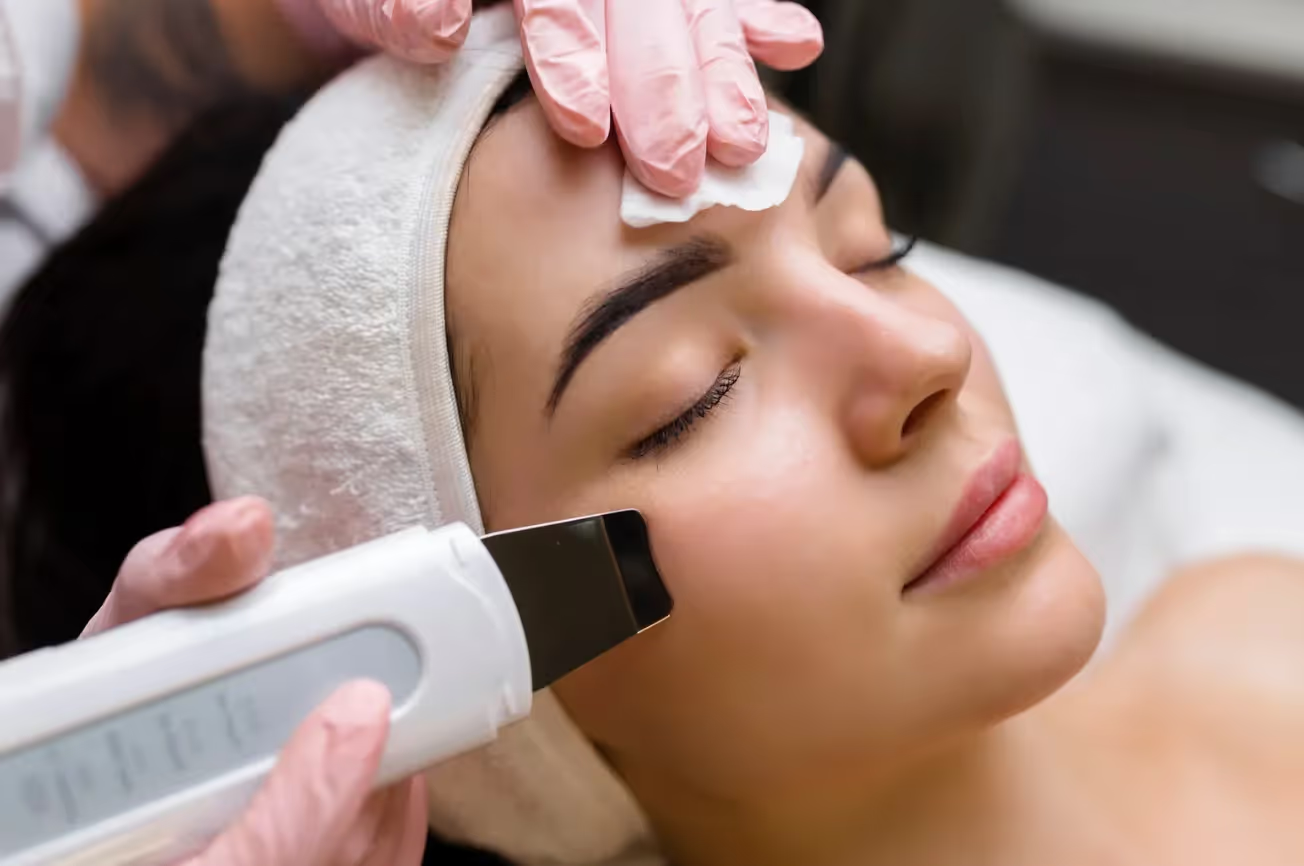
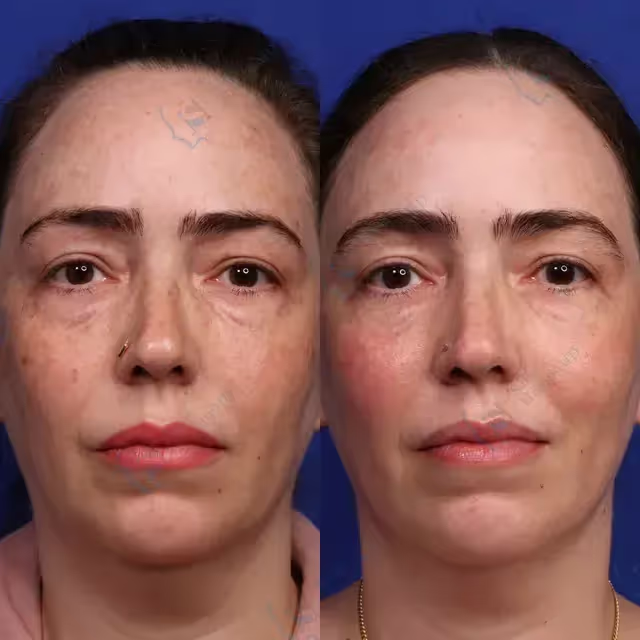
Rough skin texture stems from various factors including dead skin cell buildup, dehydration, sun damage, and aging. Understanding these causes helps determine the most effective treatment approach. Hazany Derm offers comprehensive solutions to restore smooth, healthy-looking skin through personalized care.
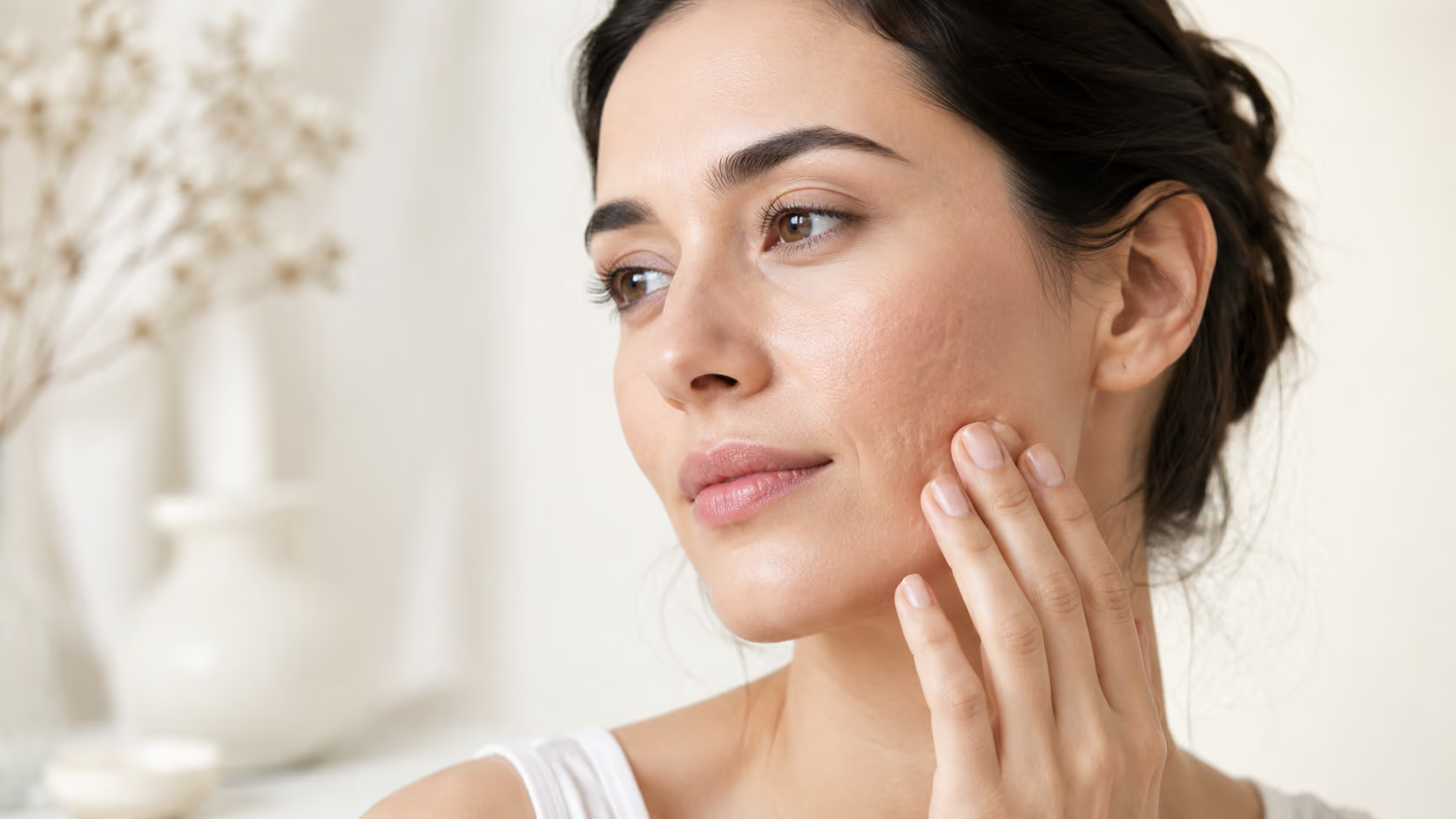
Smooth, soft skin is often considered the gold standard of healthy-looking complexions, but many people struggle with rough, uneven texture that affects their confidence and comfort. Whether it appears as bumpy patches, dry flakiness, or sandpaper-like areas, rough skin texture can occur anywhere on the body and stems from multiple underlying factors. Understanding what causes these textural changes is the first step toward achieving the smooth, radiant skin you desire.
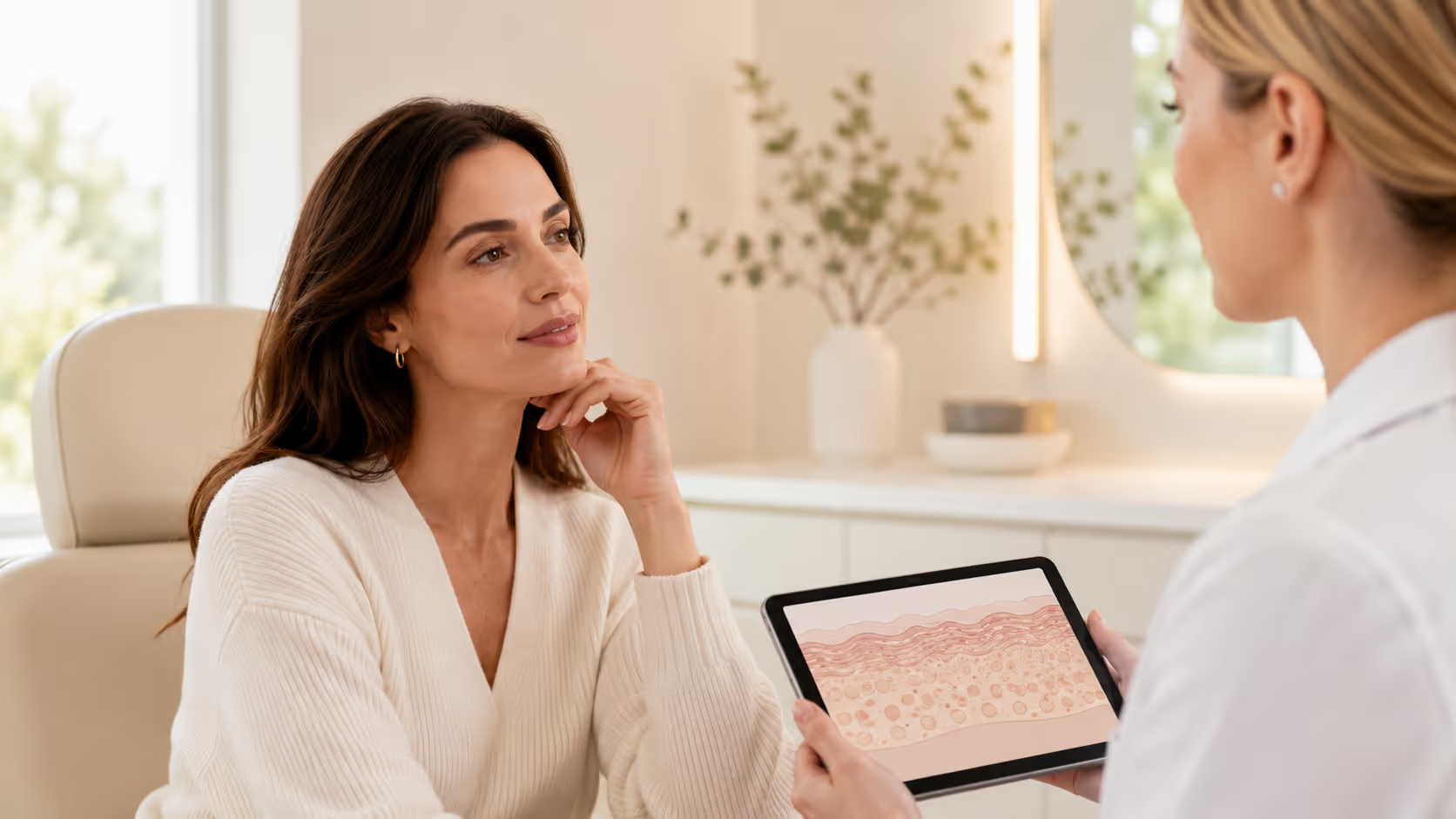
The skin's texture is primarily determined by how effectively the outermost layer, called the stratum corneum, functions and renews itself. This protective barrier consists of dead skin cells held together by natural lipids and proteins that maintain hydration and defend against environmental damage. When this delicate system becomes disrupted, either through internal factors like genetics and hormones or external influences like weather and skincare habits, the result is often noticeable changes in how the skin feels and appears.
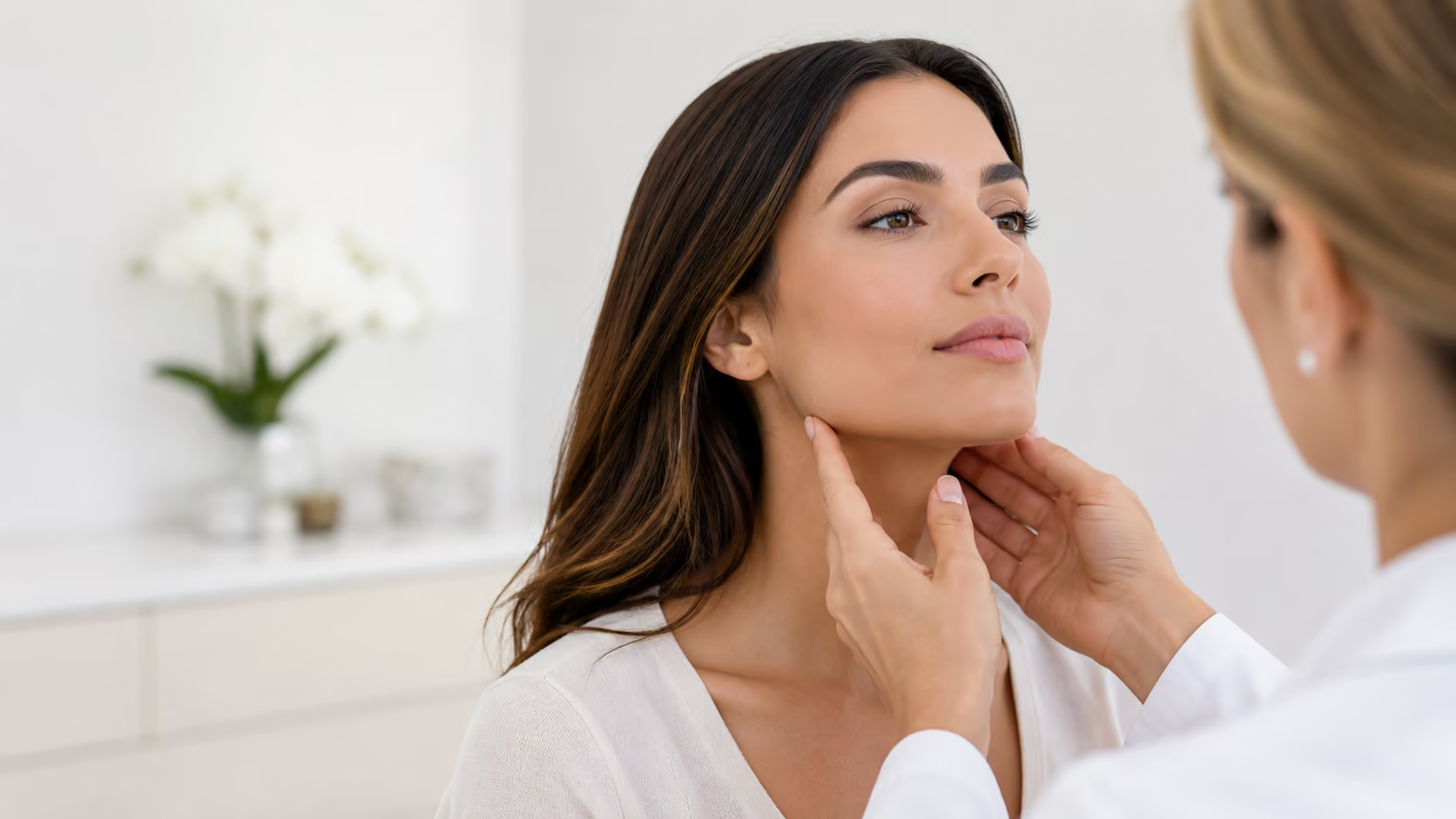
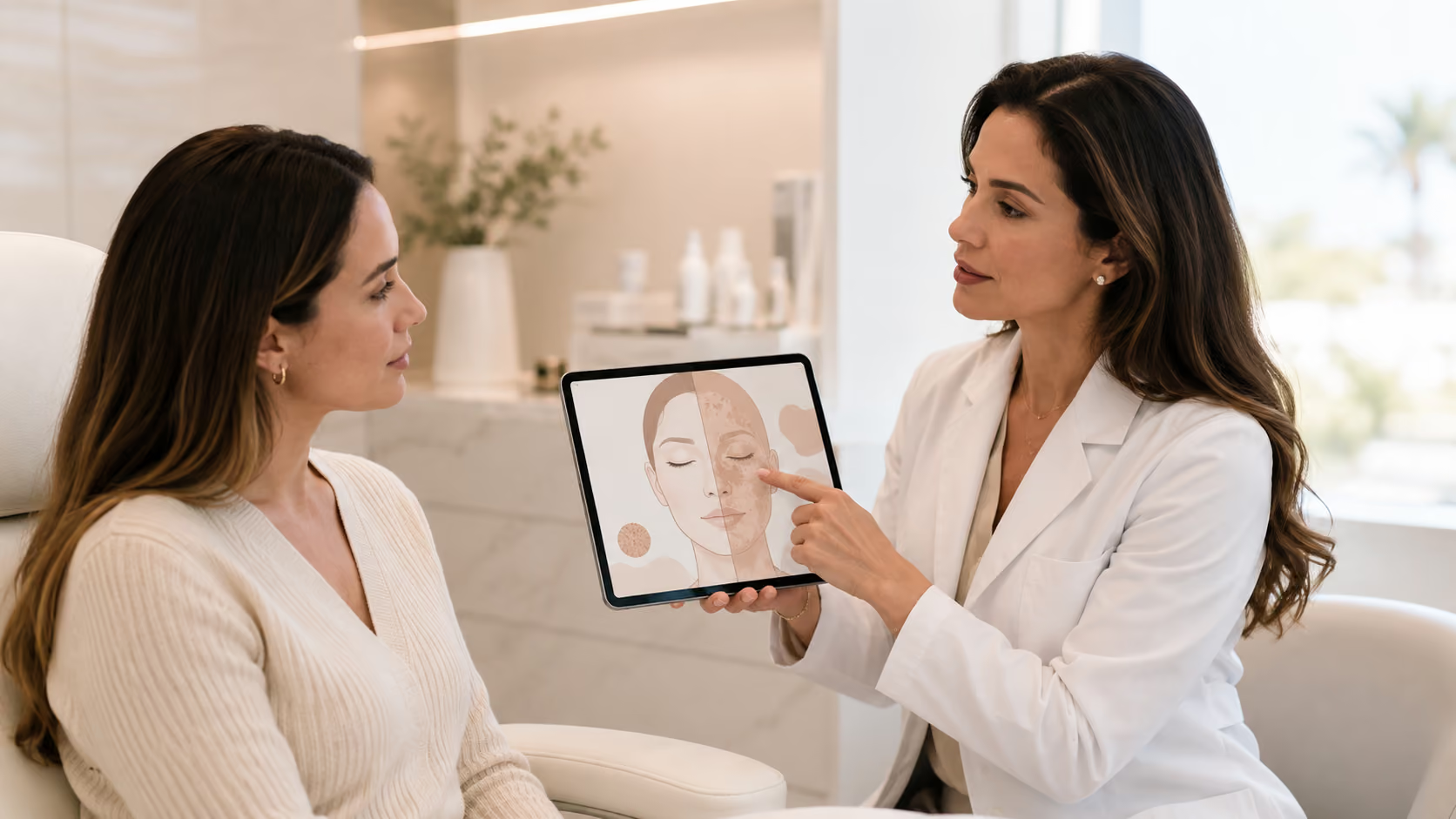
At Hazany Derm, patients frequently seek guidance for addressing rough skin texture that affects their daily comfort and appearance. The complexity of skin texture issues requires a thorough understanding of individual contributing factors, as what causes roughness in one person may be entirely different from another's experience. By identifying the specific underlying causes, effective treatment strategies can be developed to restore smoother, healthier-looking skin.
Why Does My Skin Feel Rough?
Rough skin texture happens when dead cells build up faster than they shed — usually because the skin barrier is damaged or dehydrated. The most common causes are dry weather, over-cleansing, sun damage, and slowed cell turnover with age, plus skin conditions like keratosis pilaris, eczema, and psoriasis. Most roughness improves once the specific cause is identified and treated.
Common External Factors That Create Rough Skin
Environmental and lifestyle factors play a significant role in developing rough skin texture, often working together to compromise the skin's natural barrier function. Daily exposure to harsh elements, combined with certain habits and products, can gradually break down the skin's protective mechanisms and lead to noticeable texture changes. These external influences are often the most controllable factors in managing rough skin, making them important targets for improvement.
Weather conditions, particularly low humidity environments and extreme temperatures, can rapidly deplete the skin's moisture content and disrupt normal cellular turnover. Cold winter air and heated indoor spaces create especially challenging conditions that strip away natural oils and cause the outer skin layer to become thick and rough. Similarly, excessive sun exposure breaks down collagen and elastin fibers while accelerating the aging process, leading to uneven texture and increased roughness over time.
Personal care habits and product choices significantly impact skin texture, sometimes in unexpected ways. Over-cleansing, using harsh scrubs, or applying products with irritating ingredients can damage the skin barrier and trigger compensatory responses that worsen texture problems. Hot showers, frequent swimming in chlorinated pools, and aggressive towel drying are additional lifestyle factors that contribute to rough, uncomfortable skin texture.
Airborne pollution that settles on the skin, harsh sulfate cleansers, over-exfoliation, and repeated contact with household or workplace chemicals all add to the load, gradually roughening the surface faster than it can repair itself.
Professional assessment of environmental and lifestyle factors helps identify specific triggers that may be contributing to rough skin texture in individual cases. Dr. Salar Hazany emphasizes the importance of evaluating daily habits and exposures as part of comprehensive treatment planning. Simple modifications to routines and environments can often produce dramatic improvements in skin texture and comfort.
Making targeted changes to address external factors requires patience and consistency, as skin typically needs several weeks to show visible improvement. The key is identifying which specific environmental or lifestyle elements are most problematic for each person's unique situation. With proper guidance and gradual adjustments, most people can significantly reduce the external factors contributing to their rough skin texture.
What Causes Rough Skin on the Face?
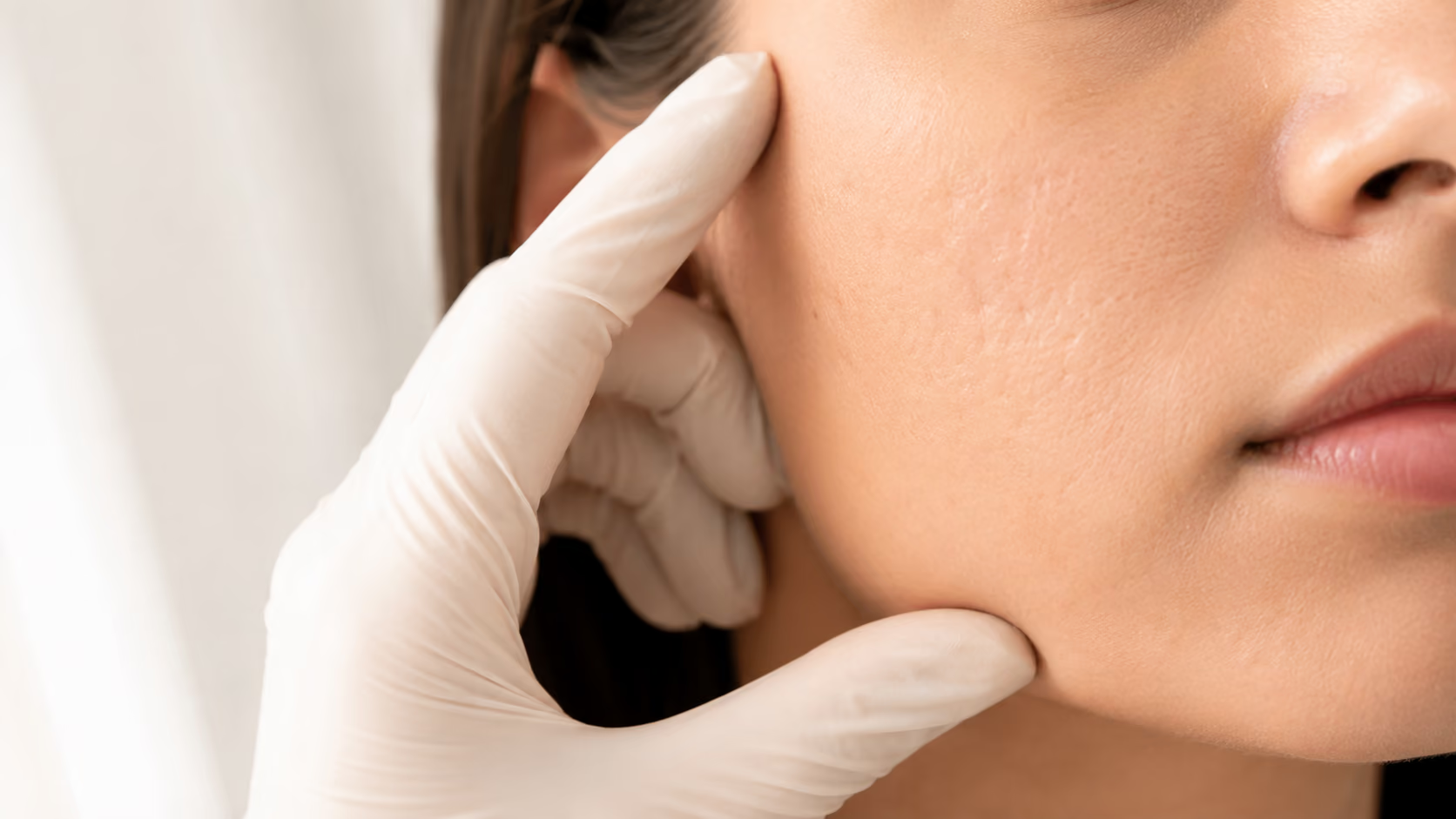
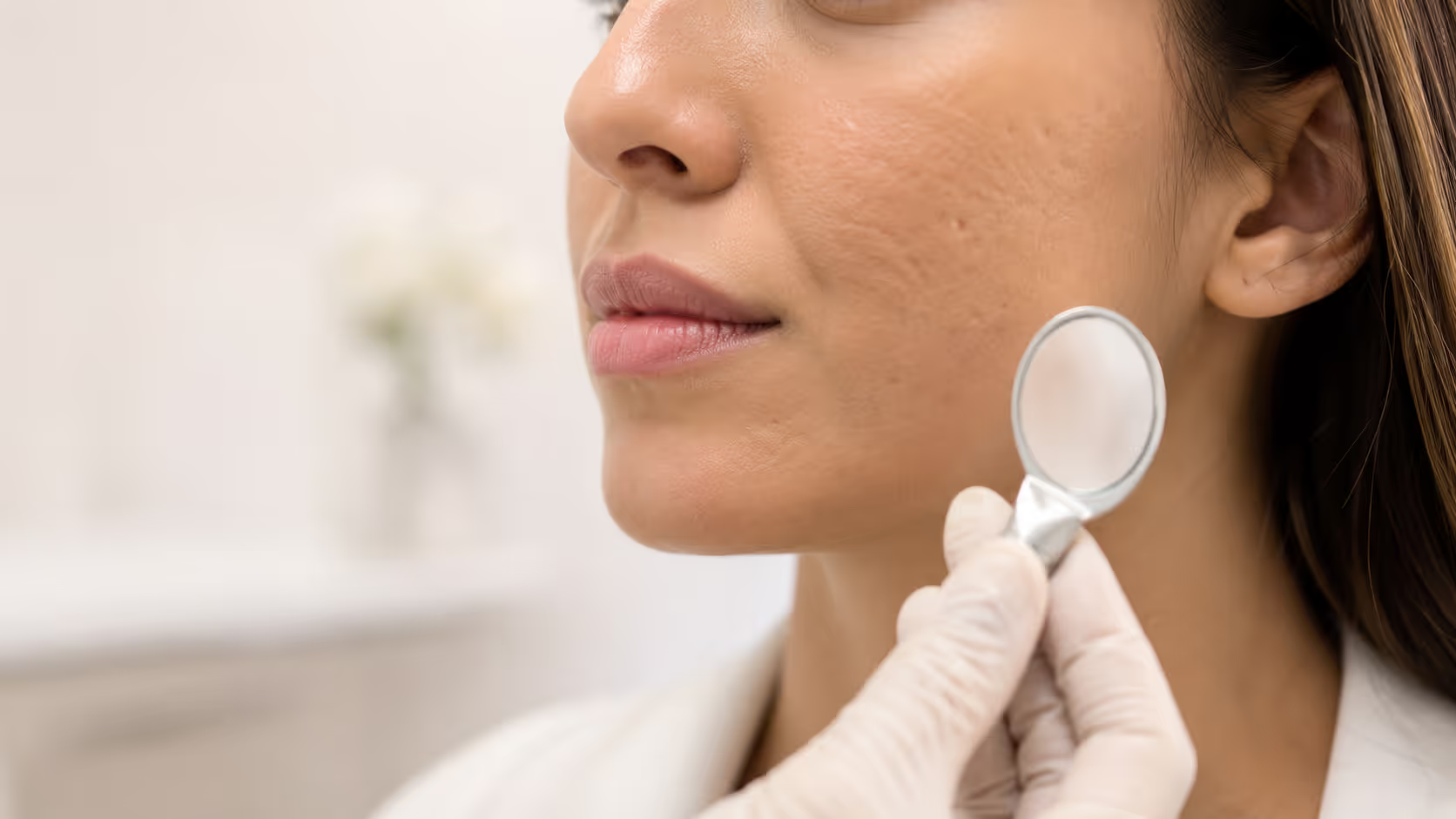
The face shows rough texture first because it takes the most environmental exposure — daily UV, wind, and pollution — plus more frequent cleansing and product use than anywhere else on the body. Over-exfoliation and harsh actives are especially common culprits on facial skin, stripping the barrier faster than it can recover.
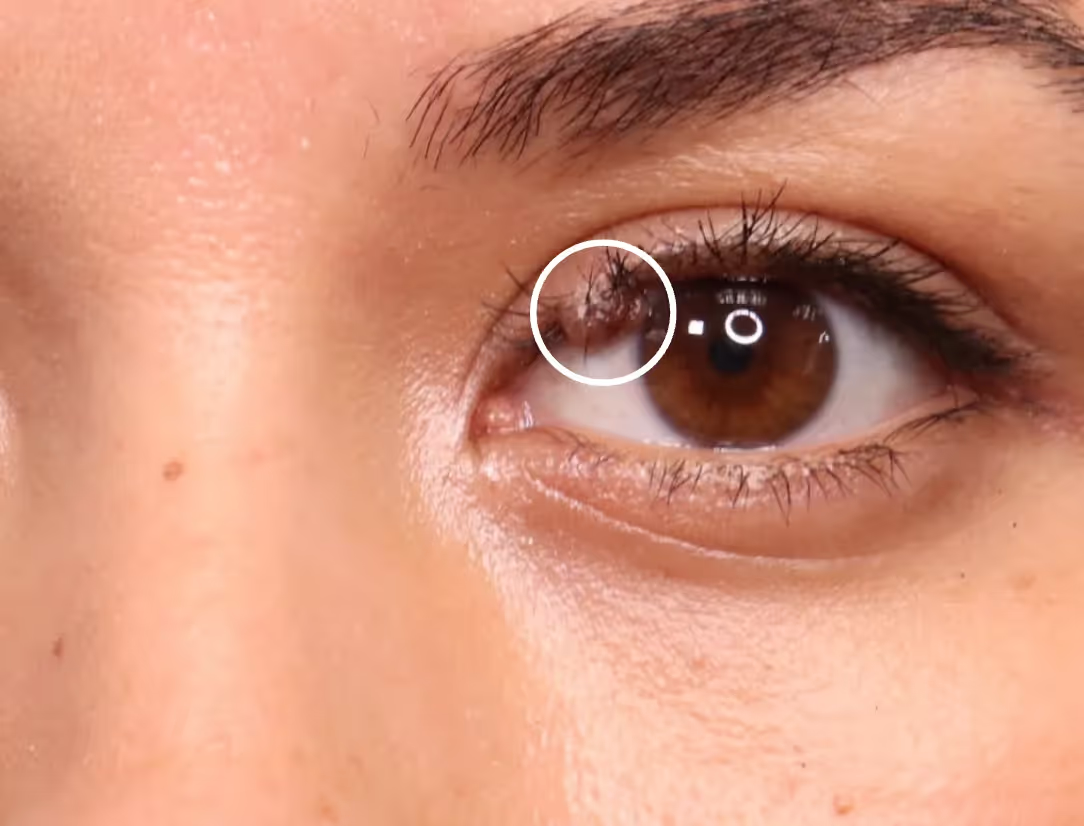
Skin conditions also favor the face: seborrheic dermatitis roughens the areas around the nose and eyebrows, keratosis pilaris can appear on the cheeks, and sun-driven changes like actinic keratoses create persistent gritty patches that deserve professional evaluation.
Why does my skin feel like sandpaper?
A sandpaper feel usually means keratin or dead skin cells are accumulating — classic keratosis pilaris on the arms, or actinic keratoses on sun-exposed skin like the face and scalp. Persistent gritty patches that don't smooth out with moisturizer should be checked by a dermatologist, since actinic keratoses are precancerous and very treatable.
Internal Biological Causes and Age-Related Changes
The body's internal processes and natural aging mechanisms play crucial roles in determining skin texture, often creating changes that develop gradually over months or years. Hormonal fluctuations, genetic predispositions, and cellular aging all contribute to how smooth or rough the skin feels and appears. These biological factors can be more challenging to address than external influences, but understanding their impact helps guide appropriate treatment approaches.
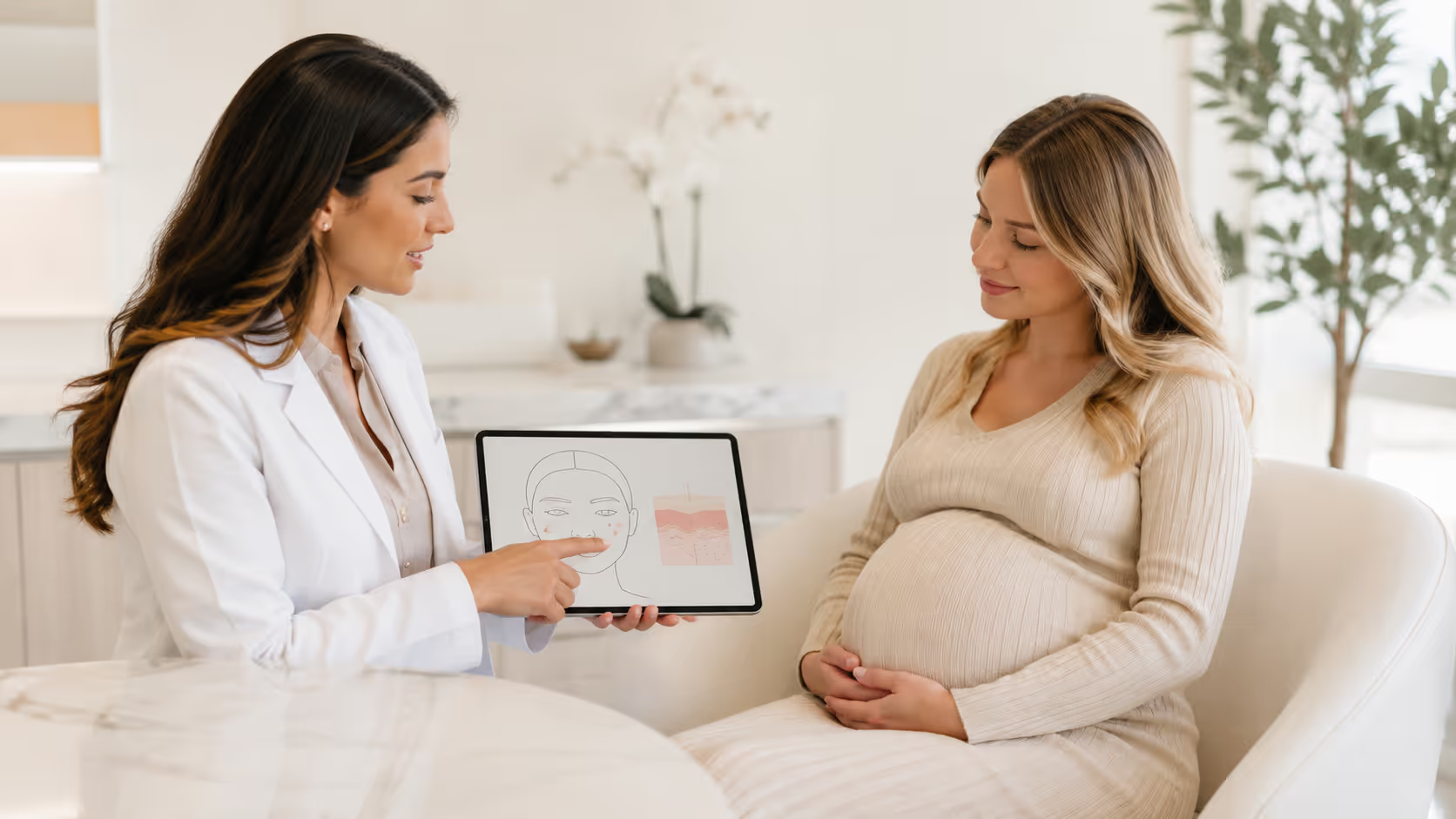
Hormonal changes throughout life significantly affect skin texture, with particularly noticeable impacts during puberty, pregnancy, and menopause. Declining estrogen levels reduce collagen production and slow cellular turnover, leading to thicker, rougher skin that may feel dry and uncomfortable. Testosterone fluctuations can increase oil production in some areas while causing dryness in others, creating uneven texture patterns that vary across different body regions.
Genetic factors determine baseline skin characteristics including thickness, oil production, and natural exfoliation rates that influence texture throughout life. Some people inherit tendencies toward conditions like keratosis pilaris or ichthyosis that create persistently rough patches despite good skincare habits. Age-related changes in cellular metabolism also slow the natural shedding process, allowing dead skin cells to accumulate and create the bumpy, uneven texture that bothers many adults.
Medical conditions and medications can also significantly impact skin texture through various mechanisms that affect cellular function and renewal. Diabetes, kidney disease, and autoimmune disorders may cause rough, dry skin as secondary symptoms of the underlying condition. Certain medications, including diuretics, retinoids, and chemotherapy drugs, can alter skin texture as side effects of their primary therapeutic actions.
The team at Hazany Derm recognizes that internal factors often require comprehensive evaluation and may benefit from coordinated care with other medical specialists. Blood work, hormone testing, and medical history review can reveal underlying causes that contribute to persistent texture problems. Addressing these biological factors often produces more lasting improvements than focusing solely on topical treatments and external modifications.
Medical Conditions and Skin Disorders Affecting Texture
Specific dermatological conditions directly cause rough skin texture through distinct mechanisms that affect how skin cells develop, mature, and shed naturally. These medical causes of texture problems often require targeted treatments beyond basic skincare modifications, and proper diagnosis is essential for achieving optimal results. Understanding the various conditions that create rough skin helps distinguish between temporary texture issues and those requiring ongoing medical management.
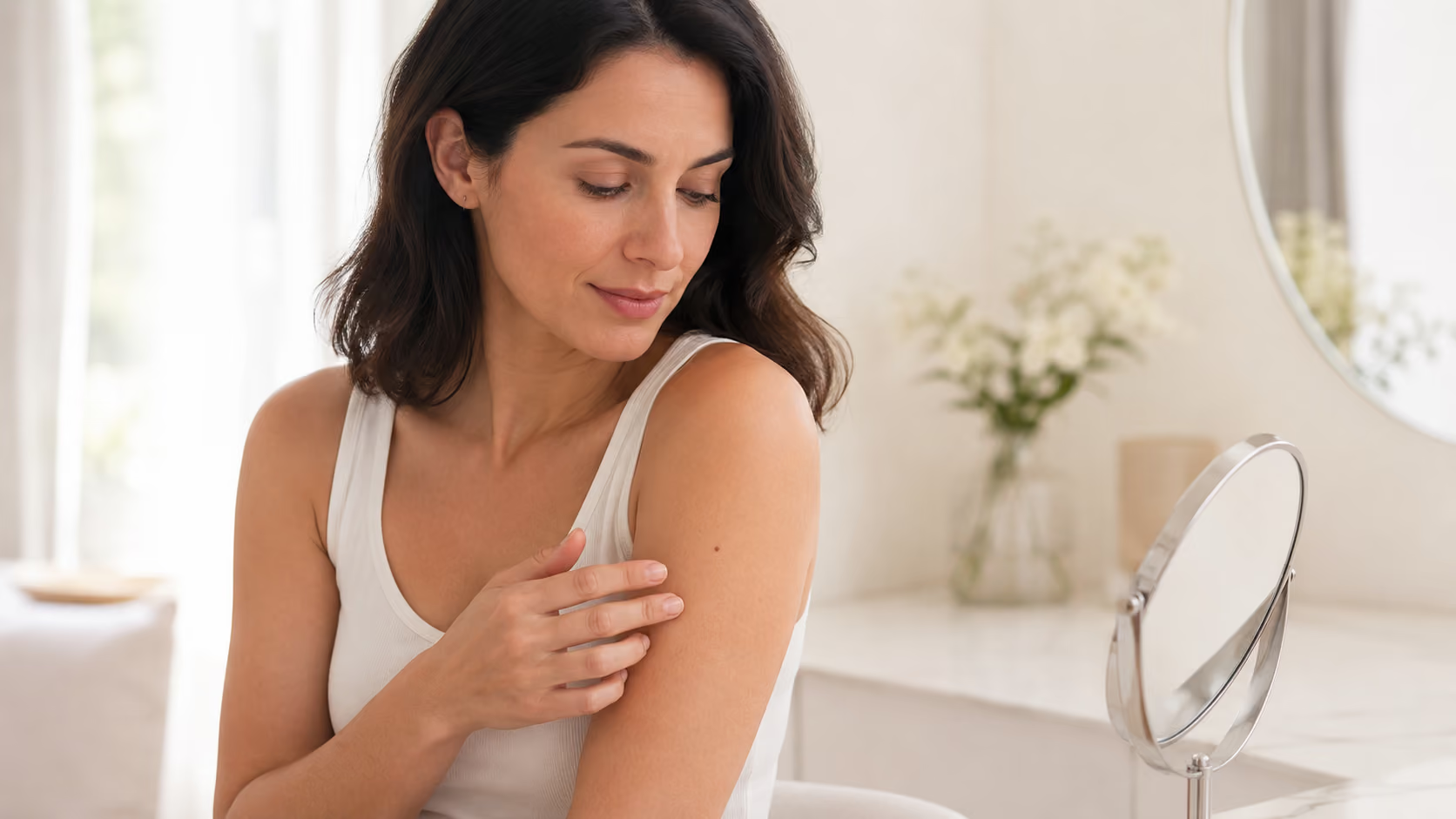
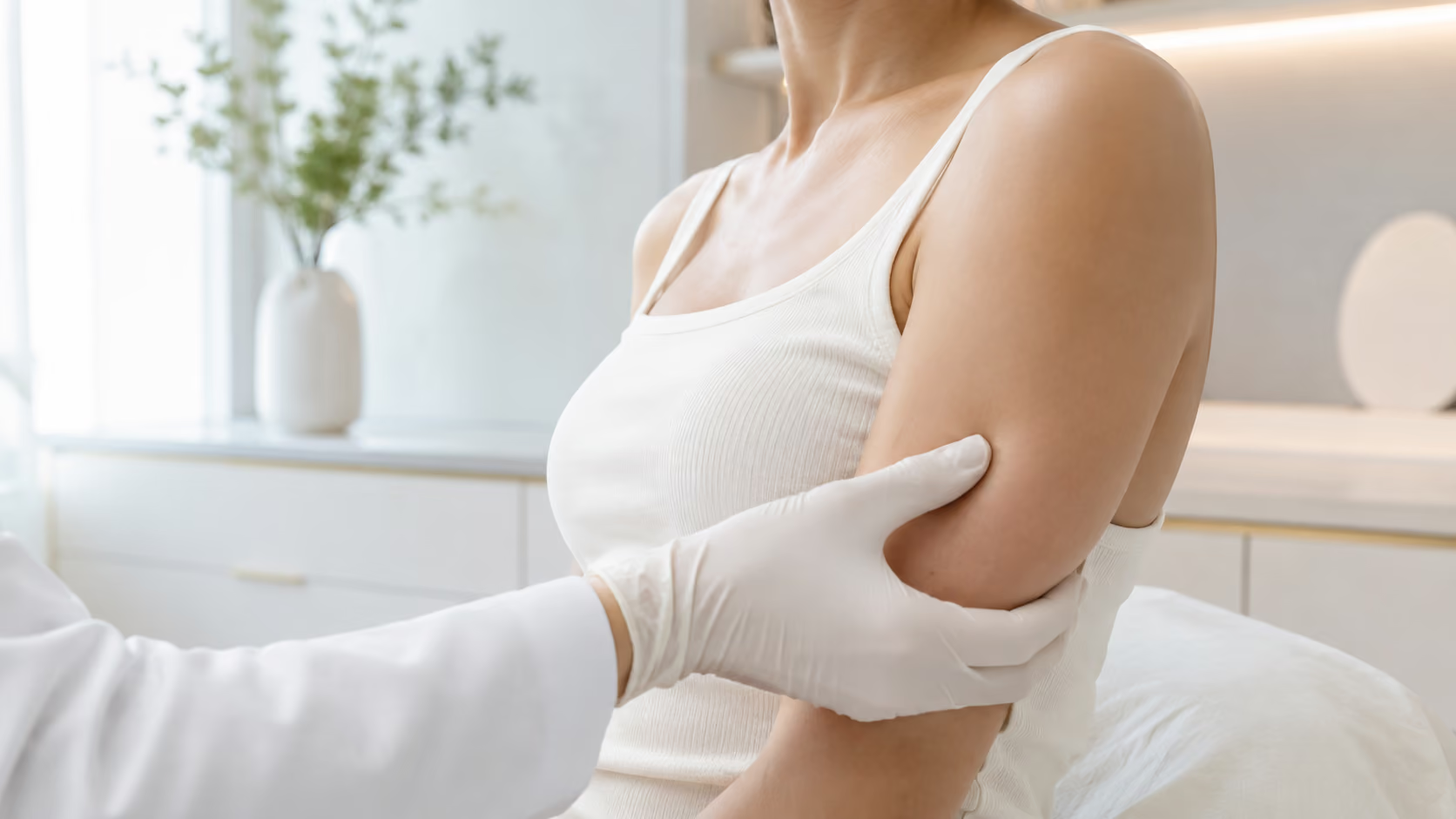
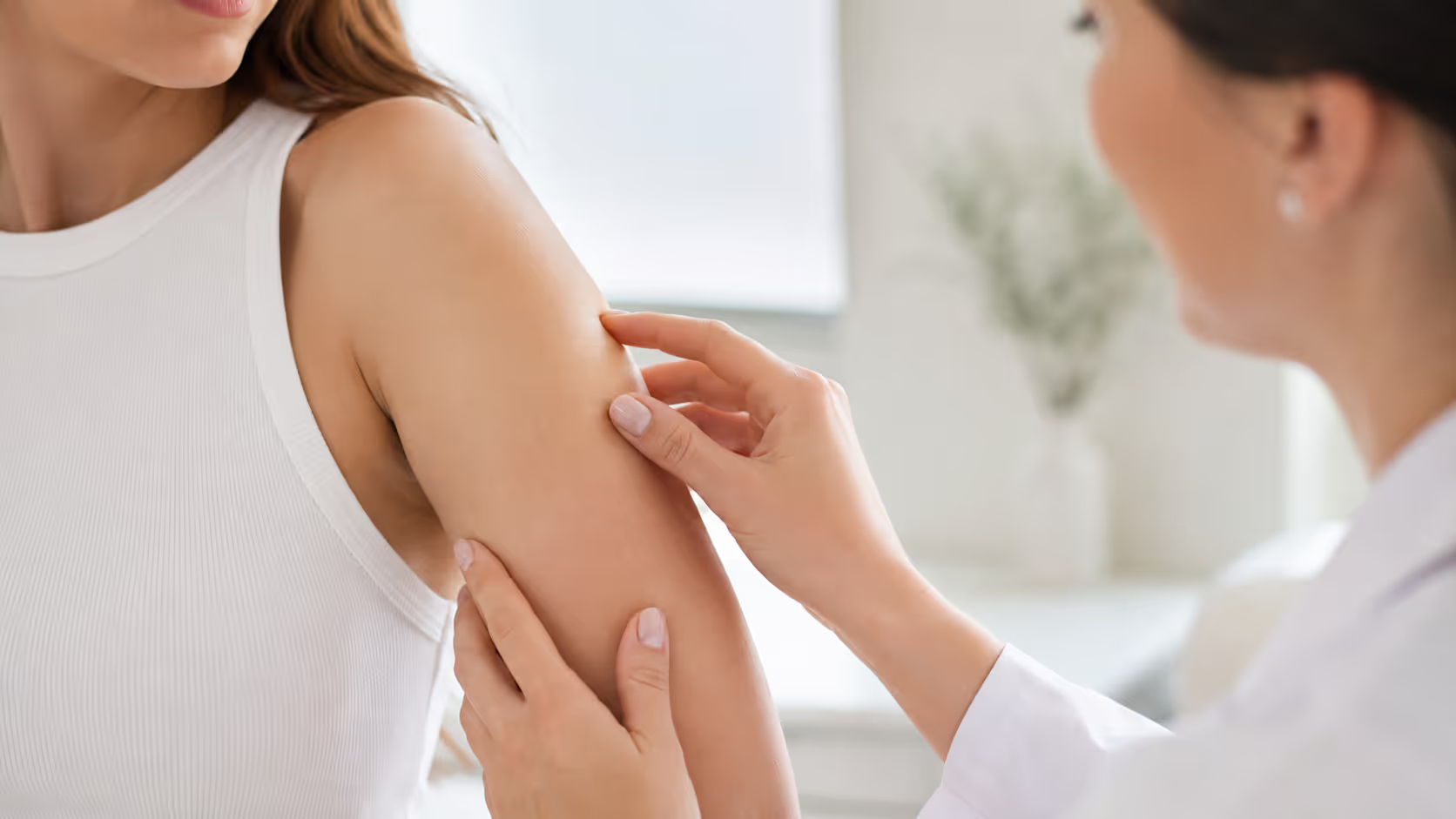
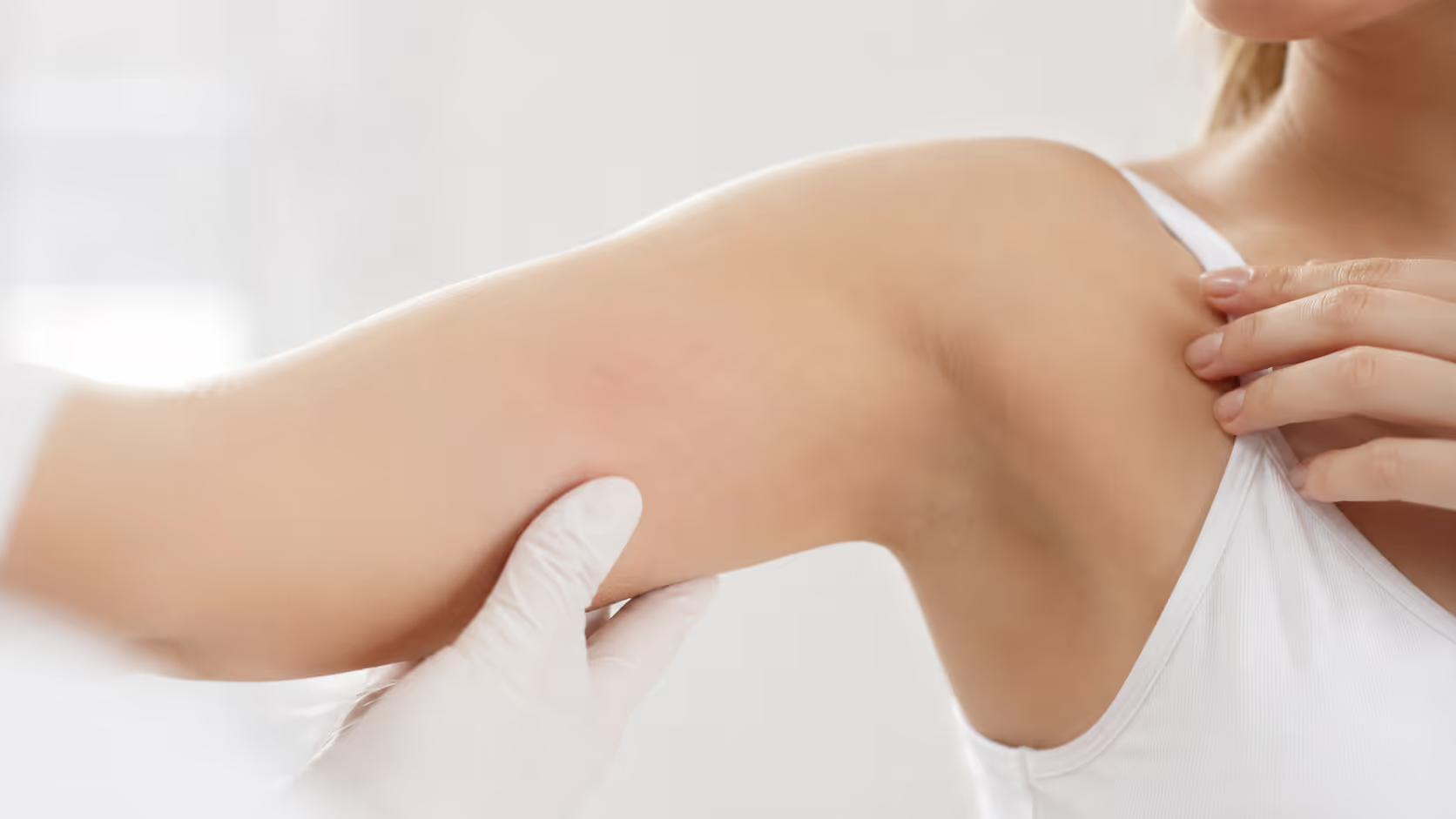
Keratosis pilaris represents one of the most common medical causes of rough skin texture, affecting up to 40% of adults worldwide. This genetic condition causes keratin protein to build up around hair follicles, creating small bumps that feel like sandpaper on the upper arms, thighs, and sometimes the face. The condition often worsens in dry weather and may improve with humidity, but typically requires consistent treatment to maintain smooth texture.
Eczema and dermatitis create rough, inflamed patches through immune system responses that disrupt normal skin barrier function. These conditions cause intense itching that leads to scratching and further texture damage, creating cycles of roughness and irritation. Psoriasis produces thick, scaly patches with distinctly rough texture due to accelerated skin cell production that outpaces the natural shedding process.
- Ichthyosis: Genetic disorders that cause excessive skin scaling and extremely rough, fish-like texture
- Follicular hyperkeratosis: Overproduction of keratin around hair follicles creates persistent bumpy texture
- Seborrheic dermatitis: Inflammatory condition causing rough, flaky patches especially in oily areas of the body
- Contact dermatitis: Allergic reactions create rough, irritated skin texture in response to specific triggers
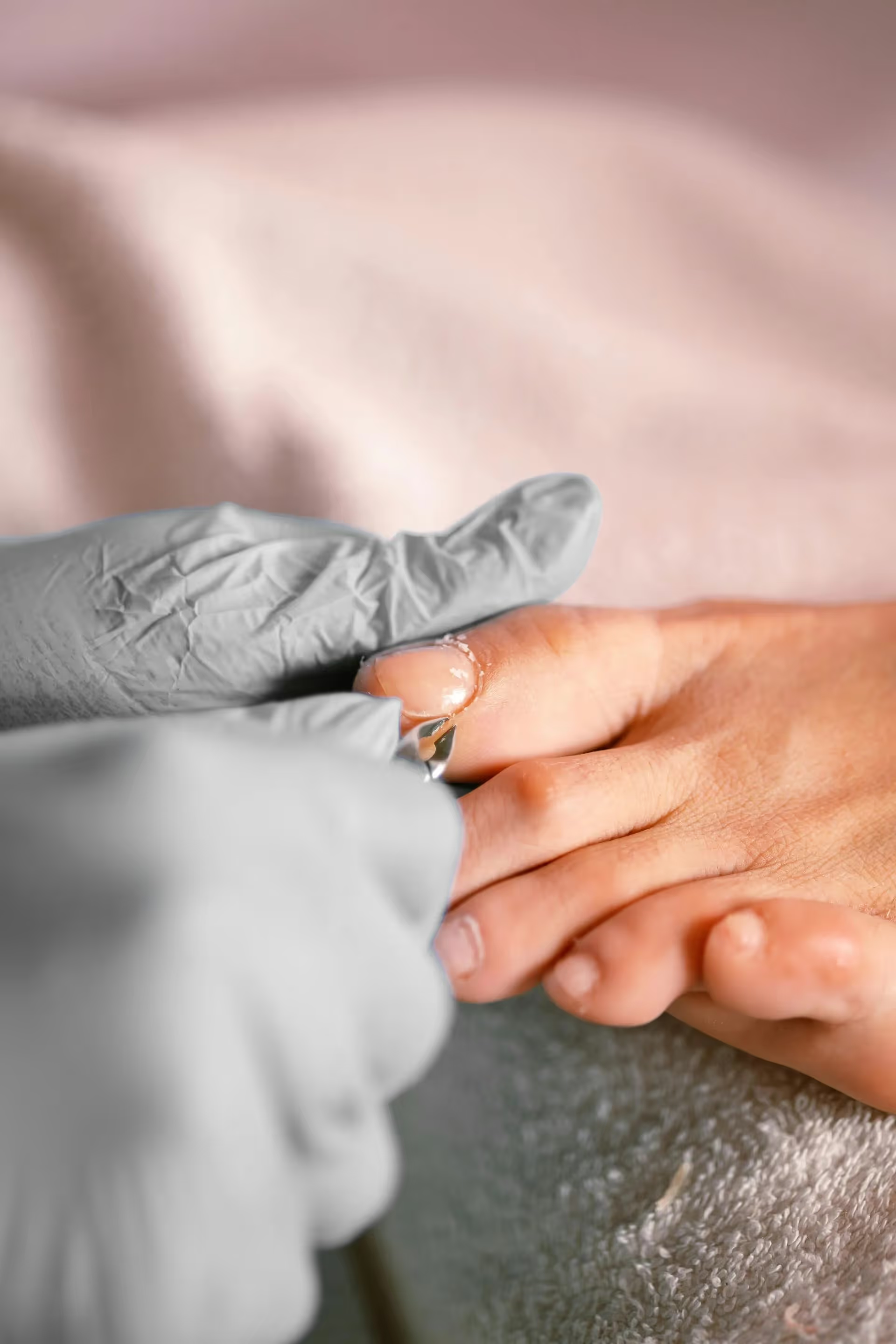
Fungal infections, particularly those affecting areas prone to moisture retention, can create rough, scaly texture that persists until properly treated with antifungal medications. These infections often occur between toes, in skin folds, or other areas where humidity and warmth create ideal growth conditions. Bacterial infections may also cause texture changes, especially when they lead to chronic inflammation or scarring.
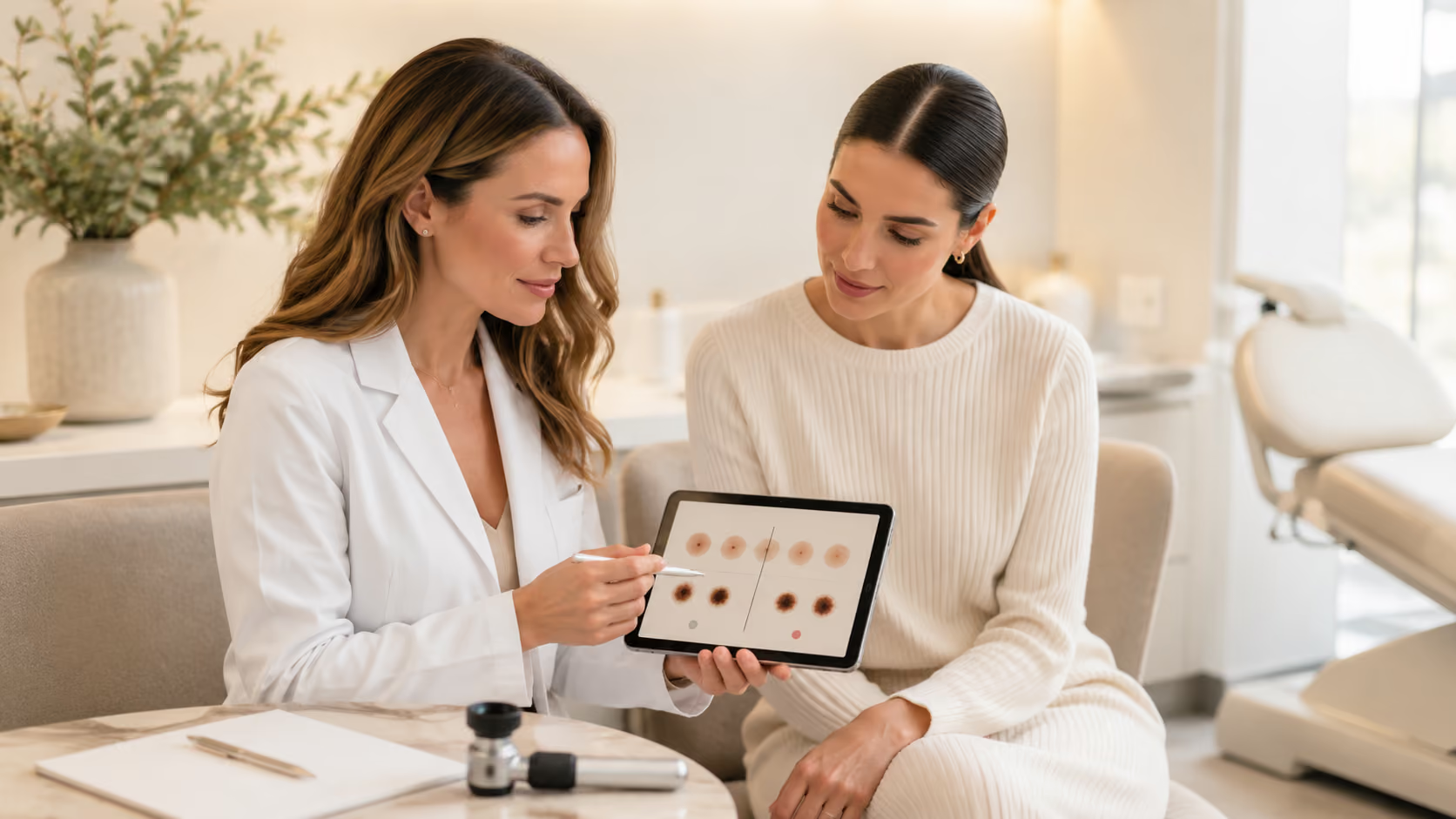
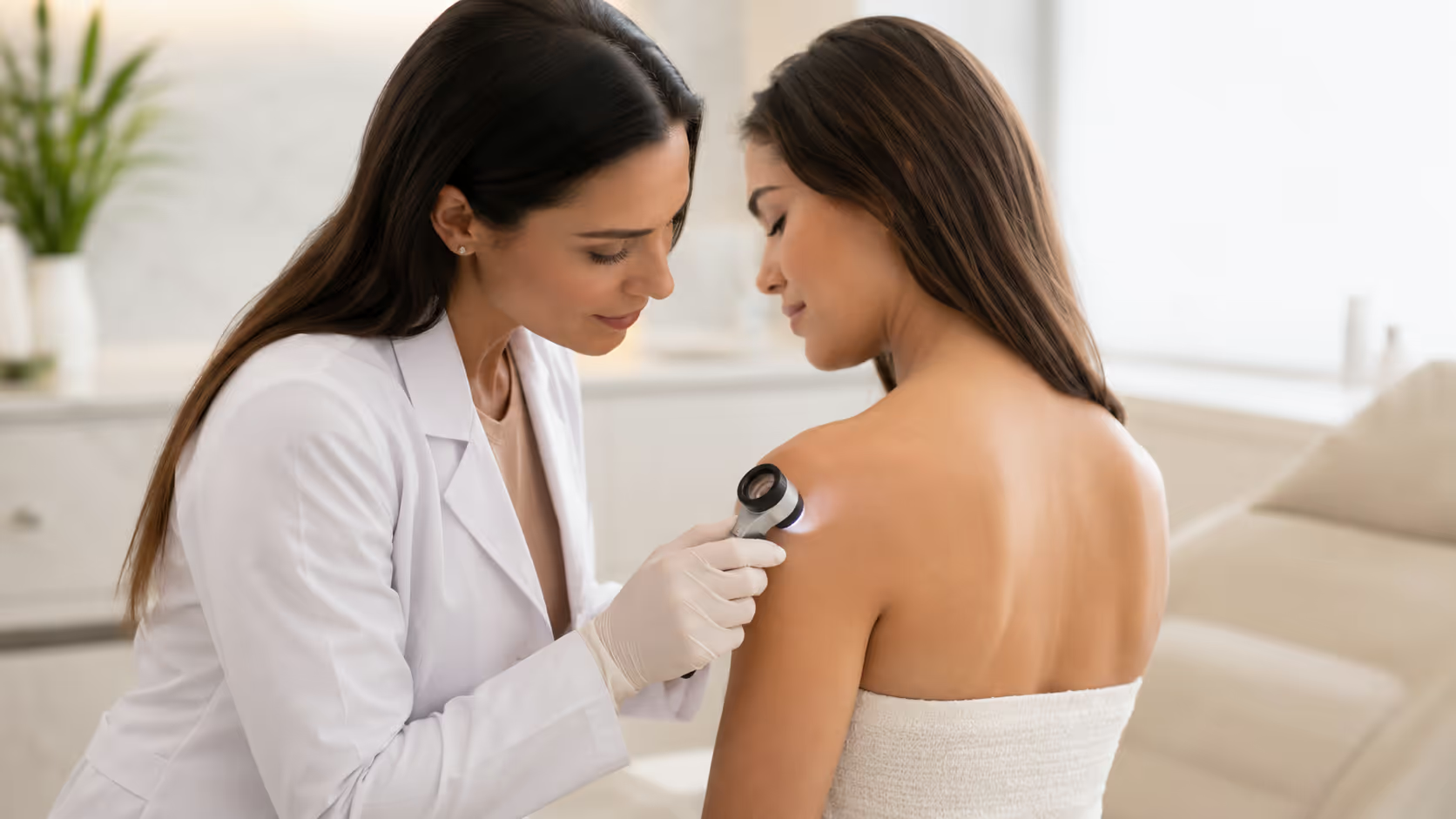
Dr. Hazany emphasizes the importance of accurate diagnosis when rough skin texture doesn't respond to standard moisturizing and gentle care approaches. Many medical conditions causing texture problems have specific treatment protocols that address underlying causes rather than just surface symptoms. Professional evaluation can distinguish between various conditions and ensure appropriate treatment strategies are implemented.
Successful management of medical causes often requires patience and consistent follow-through with prescribed treatments, as these conditions typically develop over time and need sustained intervention to improve. Regular monitoring and treatment adjustments may be necessary to maintain optimal results. With proper medical care, even persistent texture problems caused by chronic conditions can often be significantly improved.
Rough Skin Texture Treatment in Beverly Hills
If your skin stays rough no matter how diligently you moisturize, the cause is usually something a targeted treatment can fix. Schedule a consultation with Dr. Salar Hazany, a board-certified medical dermatologist in Beverly Hills, to identify what's behind your texture changes and build a plan to smooth them out.
Frequently Asked Questions
What are the main factors that contribute to rough skin texture?
The primary contributors to rough skin texture include environmental damage, natural aging processes, inadequate skincare routines, and underlying medical conditions. External factors like sun exposure, harsh weather, and aggressive cleansing strip away natural protective oils and disrupt cellular turnover. Internal factors such as hormonal changes, genetic predisposition, and slower cell renewal with age also play significant roles. Dr. Salar Hazany notes that most cases of rough texture result from multiple contributing factors working together, which is why comprehensive evaluation is essential for developing effective treatment plans that address individual causes.
How does aging specifically affect skin texture?
Aging impacts skin texture through several interconnected mechanisms that gradually change how the skin looks and feels. Collagen and elastin production decline with age, reducing the structural support that keeps skin smooth and supple. Cellular turnover slows significantly, allowing dead skin cells to accumulate on the surface and create rough, uneven texture. Natural oil production also decreases, compromising the skin barrier and leading to dryness and roughness. Hazany Derm specialists explain that these age-related changes typically begin in the late twenties and accelerate after menopause in women, making proactive care increasingly important for maintaining smooth texture.
Can weather conditions really make skin texture worse?
Weather conditions significantly impact skin texture, particularly extreme temperatures and low humidity environments that stress the skin barrier. Cold winter air combined with heated indoor spaces creates especially challenging conditions that rapidly deplete moisture and cause protective oils to diminish. Hot, dry climates can also worsen texture problems by accelerating water loss from the skin surface. Wind exposure further compounds these effects by physically abrading the skin and increasing moisture evaporation. The team at Hazany Derm frequently sees seasonal fluctuations in texture complaints, with winter months typically bringing the most concerns about rough, uncomfortable skin that requires adjusted care routines.
What medical conditions commonly cause rough skin texture?
Several medical conditions directly cause rough skin texture through specific mechanisms affecting cellular development and renewal. Keratosis pilaris creates sandpaper-like bumps around hair follicles due to keratin buildup, while eczema and dermatitis disrupt barrier function through inflammatory responses. Psoriasis accelerates cell production, creating thick, scaly patches with distinctly rough texture. Thyroid disorders, diabetes, and hormonal imbalances can also affect skin texture as secondary symptoms. Dr. Hazany emphasizes that persistent texture problems not responding to basic skincare often indicate underlying medical causes requiring professional diagnosis and targeted treatment approaches rather than over-the-counter solutions.
How do skincare products and routines affect skin texture?
Skincare products and routines can either improve or worsen skin texture depending on ingredient selection and application methods. Harsh cleansers containing sulfates strip natural protective oils, while over-exfoliation removes beneficial layers faster than they regenerate. Conversely, appropriate moisturizers, gentle cleansing, and targeted treatments can significantly improve texture by supporting barrier function and healthy cellular turnover. Product compatibility with individual skin types is crucial, as reactions to ingredients can create irritation and worsen texture problems. Hazany Derm specialists recommend personalized product selection based on specific skin needs rather than following generic routines that may not address individual texture concerns effectively.
Is rough skin texture always a cosmetic concern, or can it indicate health problems?
Rough skin texture can serve as an important indicator of underlying health conditions beyond cosmetic concerns. Sudden changes in skin texture may signal hormonal imbalances, nutritional deficiencies, or autoimmune conditions requiring medical attention. Persistent roughness accompanied by other symptoms like excessive dryness, color changes, or discomfort often indicates dermatological conditions needing professional treatment. Some medications and systemic diseases also manifest through skin texture changes as early warning signs. Dr. Salar Hazany advises patients not to dismiss significant texture changes as merely cosmetic issues, particularly when they develop rapidly or don't respond to basic skincare improvements.
What role does genetics play in skin texture problems?
Genetics significantly influence baseline skin characteristics including natural oil production, cellular turnover rates, and predisposition to conditions affecting texture. Inherited traits determine skin thickness, sensitivity levels, and how effectively the natural barrier functions throughout life. Some people inherit tendencies toward conditions like keratosis pilaris, ichthyosis, or eczema that create persistent texture challenges regardless of skincare habits. Genetic factors also influence how skin ages and responds to environmental stressors over time. While genetic predispositions cannot be changed, the Hazany Derm clinic emphasizes that understanding inherited tendencies helps develop targeted prevention and treatment strategies that work with individual genetic characteristics rather than against them.
Can dietary factors influence skin texture?
Dietary factors play important roles in skin texture through their effects on inflammation, hydration, and cellular function. Insufficient water intake compromises skin hydration and can contribute to rough, dry texture, while excessive sugar consumption may accelerate aging processes that worsen texture over time. Essential fatty acid deficiencies from inadequate healthy fat intake can impair barrier function and lead to rough, uncomfortable skin. Nutrient deficiencies, particularly vitamins A, C, and E, affect cellular renewal and collagen production. The experts at Hazany Derm often recommend nutritional assessment as part of comprehensive texture improvement plans, noting that internal nourishment supports external treatments for optimal results.