






%201.avif)



What is Laser Hair Removal?



Laser hair removal is a cosmetic procedure that uses concentrated light beams to target and destroy hair follicles, providing long-lasting hair reduction. At Hazany Derm, this advanced treatment offers patients a safe, effective alternative to traditional hair removal methods.
Laser hair removal has revolutionized the way people approach unwanted hair, offering a sophisticated solution that goes far beyond temporary fixes like shaving or waxing. This advanced cosmetic procedure uses precisely calibrated laser technology to target hair follicles at their root, disrupting the natural growth cycle and providing long-lasting results. The treatment has gained tremendous popularity due to its effectiveness, safety profile, and the convenience it offers to those seeking a permanent reduction in unwanted body hair.
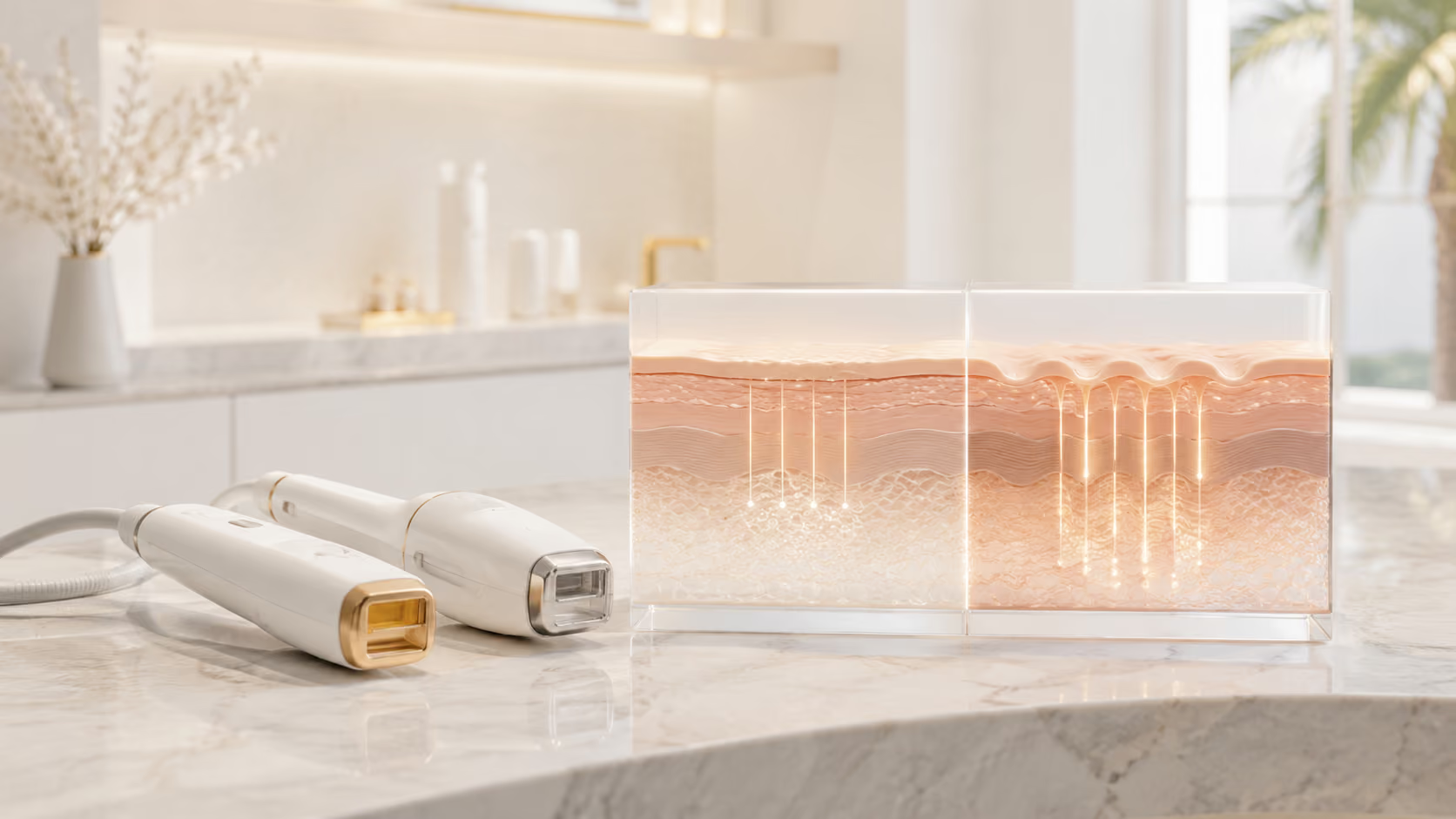
The science behind laser hair removal centers on the principle of selective photothermolysis, where specific wavelengths of light are absorbed by the melanin pigment in hair follicles. When the laser energy is absorbed, it converts to heat, which damages the follicle's ability to produce new hair growth. This targeted approach allows the laser to focus specifically on the hair structures while leaving the surrounding skin tissue largely unaffected, making it both safe and effective for various skin types.
At Hazany Derm, patients receive comprehensive consultations to determine their candidacy for laser hair removal and develop personalized treatment plans. The procedure has evolved significantly over the years, with modern laser systems offering improved comfort, faster treatment times, and better results across diverse skin tones and hair types. Understanding the fundamentals of this technology helps patients make informed decisions about incorporating laser hair removal into their aesthetic care routine.
How Laser Hair Removal Technology Works
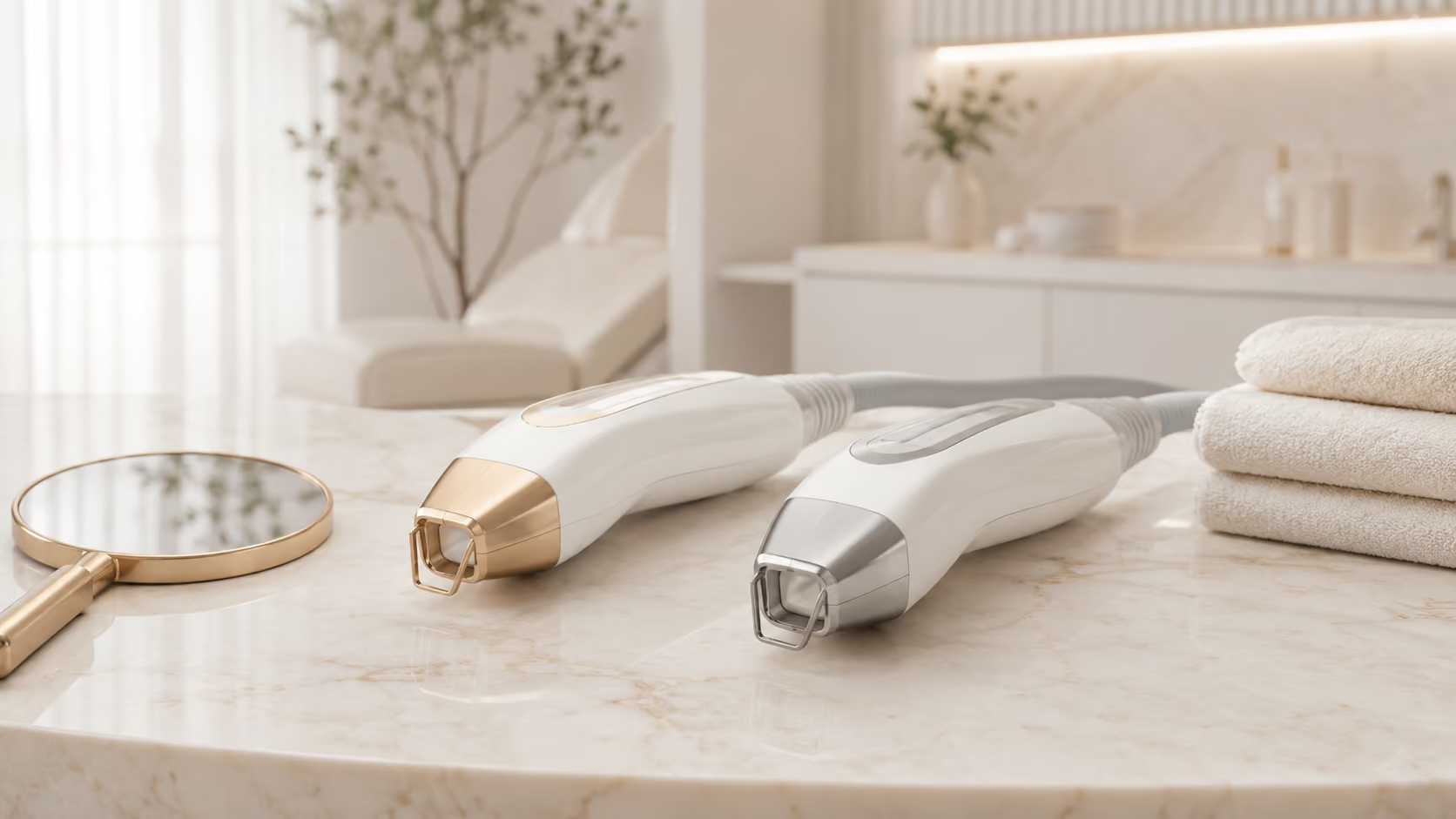
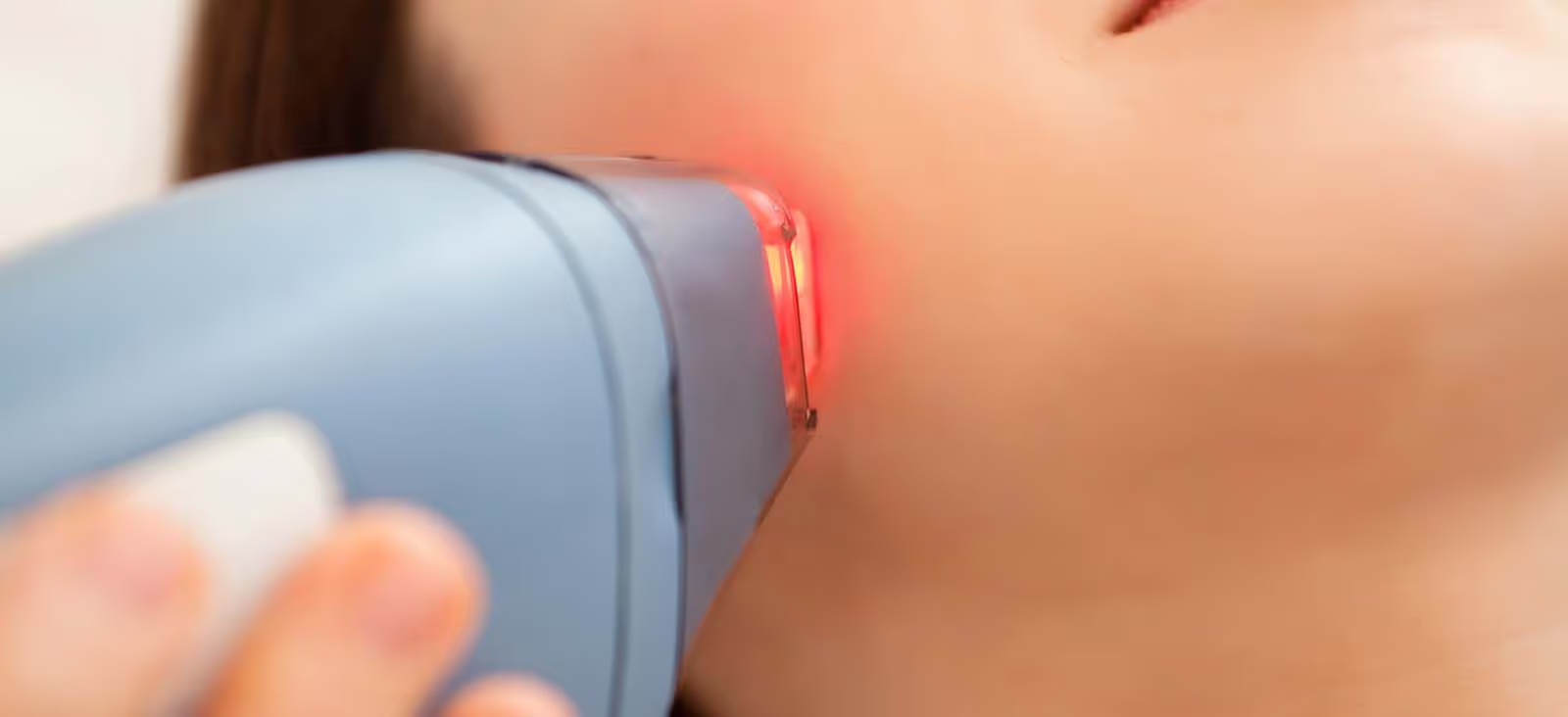
The mechanics of laser hair removal involve sophisticated light-based technology that specifically targets the chromophores within hair follicles. Different laser wavelengths are used depending on skin type, hair color, and the area being treated, with each system designed to optimize energy delivery while maximizing patient comfort. The laser emits concentrated beams of light that penetrate the skin to reach the hair follicle, where the energy is absorbed by melanin pigments and converted into thermal energy that disrupts cellular function.
Modern laser systems incorporate advanced cooling mechanisms that protect the skin's surface while allowing deeper penetration to reach the hair root effectively. These cooling technologies, including contact cooling tips, cryogen spray systems, and integrated air cooling, help minimize discomfort during treatment and reduce the risk of thermal injury to surrounding tissues. The combination of precise wavelength selection and sophisticated cooling makes contemporary laser hair removal significantly more comfortable than earlier generations of the technology.
The treatment process requires multiple sessions because hair grows in distinct phases, and laser energy is most effective during the active growth phase known as anagen. During this phase, the hair follicle contains the highest concentration of melanin, making it more susceptible to laser energy absorption and subsequent thermal damage. The cyclical nature of hair growth means that only a portion of hairs are in the optimal phase for treatment at any given time, necessitating multiple sessions spaced several weeks apart for comprehensive results.
Key technological components that make laser hair removal effective include:
- Wavelength specificity: Different laser types (alexandrite, diode, Nd:YAG) target various skin and hair combinations with optimal precision and safety profiles.
- Pulse duration control: Advanced systems can adjust the length of laser pulses to match the thermal relaxation time of hair follicles for maximum effectiveness.
- Spot size optimization: Larger treatment areas can be covered more efficiently while maintaining consistent energy distribution across the targeted zone.
- Fluence adjustment: Energy levels can be precisely calibrated based on individual skin characteristics, hair density, and treatment area sensitivity requirements.
The integration of these technological advances has made laser hair removal accessible to a broader range of patients, including those with darker skin tones who were previously not ideal candidates for the procedure. Contemporary laser systems can distinguish between the melanin in hair follicles and the melanin in darker skin, reducing the risk of pigmentation changes or burns. This technological evolution has expanded the treatment's applicability while maintaining high safety standards and efficacy rates.
Patient selection and treatment customization are crucial aspects of successful laser hair removal outcomes, requiring expertise in laser physics and dermatological assessment. The practitioner must evaluate factors such as skin phototype, hair characteristics, hormonal influences, and medical history to develop an appropriate treatment protocol. This comprehensive approach ensures that each patient receives optimal results while minimizing potential complications or side effects associated with the procedure.
Benefits and Advantages of Professional Laser Hair Removal
Professional laser hair removal offers numerous advantages over traditional hair removal methods, beginning with its ability to provide long-term hair reduction rather than temporary solutions. Unlike shaving, which only removes hair at the surface level, or waxing, which removes hair from the root but doesn't prevent regrowth, laser treatment actually damages the hair follicle's regenerative capacity. This fundamental difference means that patients can enjoy smooth skin for extended periods, with many experiencing permanent hair reduction in treated areas after completing their recommended treatment series.
The precision of laser technology allows for selective targeting of unwanted hair while preserving surrounding skin integrity, making it suitable for delicate areas such as the face, bikini line, and underarms. Professional-grade laser systems used at established practices like Hazany Derm incorporate multiple safety features and can be adjusted for different anatomical areas, ensuring optimal results regardless of the treatment location. The ability to treat both large areas, such as legs or backs, and smaller, more sensitive regions with equal effectiveness makes laser hair removal a versatile solution for comprehensive hair management.
Cost-effectiveness represents another significant advantage when considering the long-term investment in laser hair removal compared to the cumulative expense of traditional methods. While the initial cost may seem substantial, patients often find that they save money over time by eliminating the need for regular purchases of razors, shaving cream, waxing services, or other hair removal products. The convenience factor cannot be understated, as successful laser hair removal treatments can eliminate the time-consuming daily or weekly routines associated with maintaining smooth skin through conventional methods.
Primary benefits that make professional laser hair removal attractive include:
- Time efficiency: Treatment sessions are relatively quick, with small areas taking minutes and larger areas typically completed within an hour or less.
- Reduced ingrown hairs: By targeting the follicle itself, laser treatment significantly decreases the occurrence of painful ingrown hairs common with shaving and waxing.
- Improved skin texture: Many patients notice smoother, softer skin texture as the treatment progresses and hair density decreases over time.
- Minimal maintenance: Once the treatment series is complete, most patients require only occasional touch-up sessions to maintain their results long-term.
The psychological benefits of laser hair removal should not be overlooked, as many patients report increased confidence and comfort in their appearance after completing treatment. The elimination of daily shaving routines or monthly waxing appointments can significantly improve quality of life, particularly for individuals with excessive hair growth or those who experience skin irritation from traditional removal methods. This improvement in self-image and daily comfort often extends beyond the physical results to encompass broader lifestyle benefits.
Professional laser hair removal also offers superior safety profiles when performed by qualified practitioners using FDA-approved equipment in appropriate clinical settings. The controlled environment of a dermatology practice ensures proper sterilization, emergency preparedness, and access to medical expertise should any complications arise. Hazany Derm maintains the highest standards for equipment maintenance, staff training, and patient safety protocols, providing peace of mind alongside excellent treatment outcomes for every patient.
Treatment Process and What to Expect
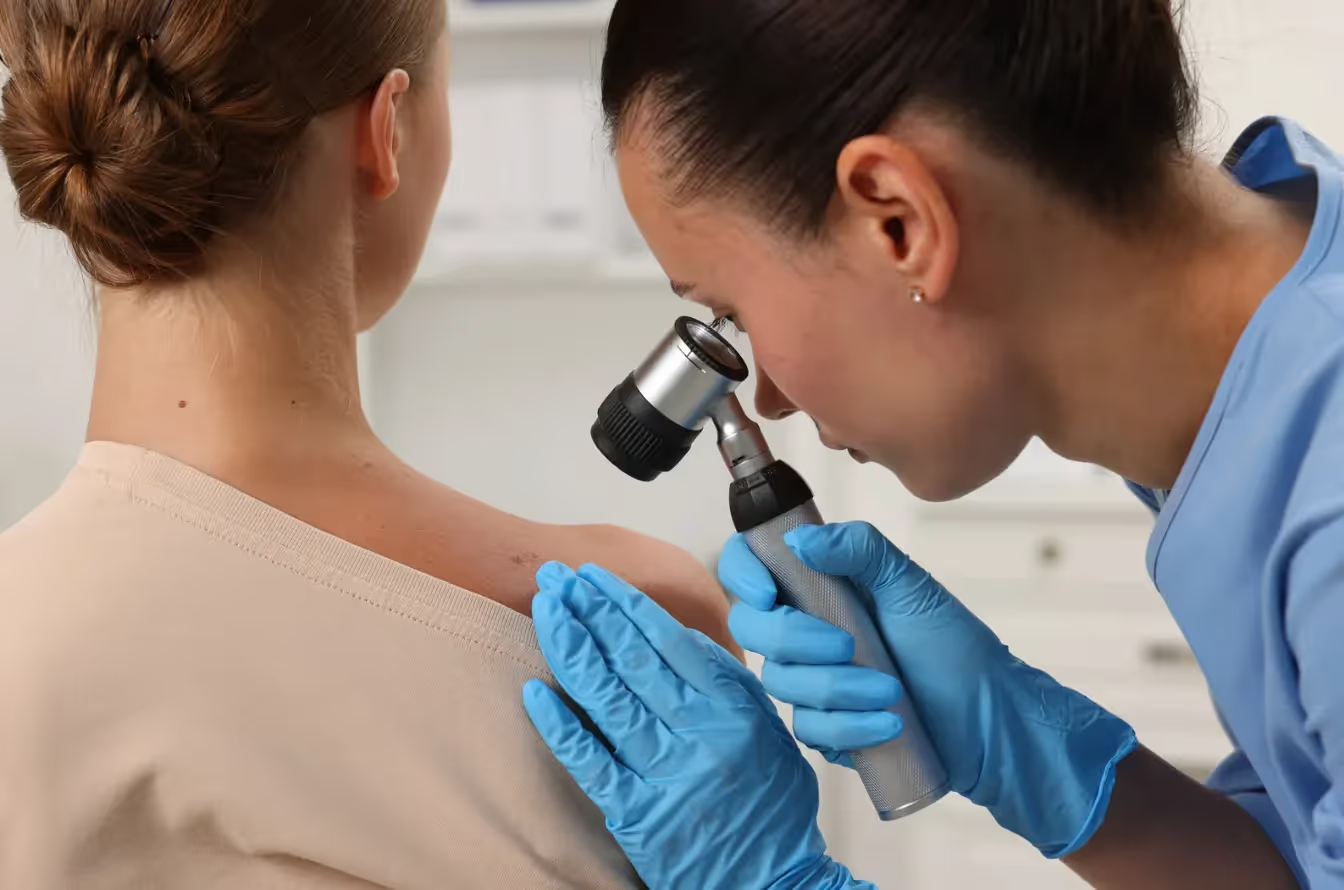
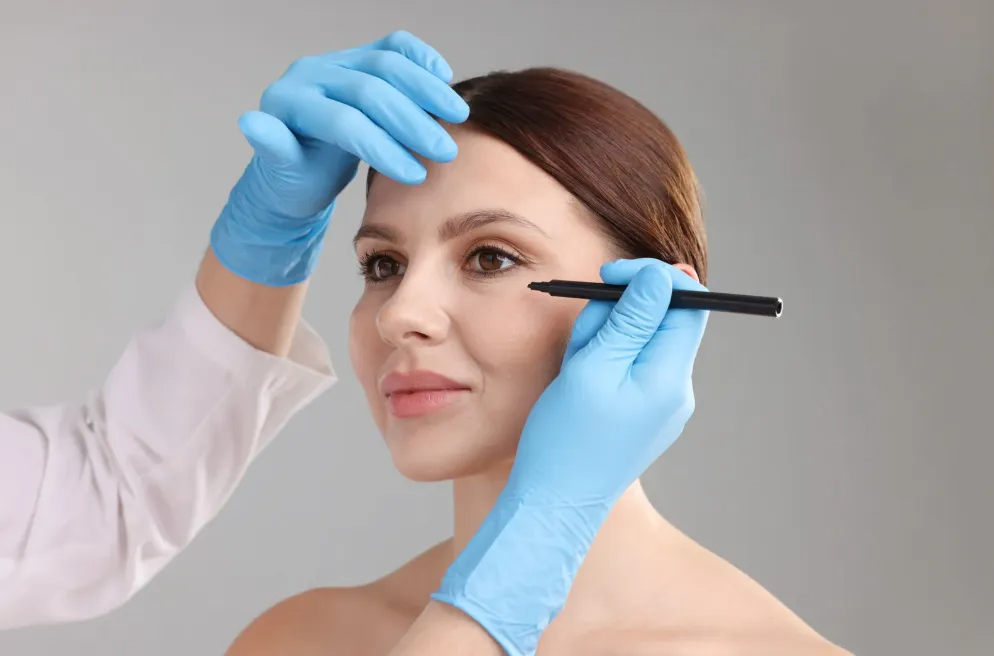
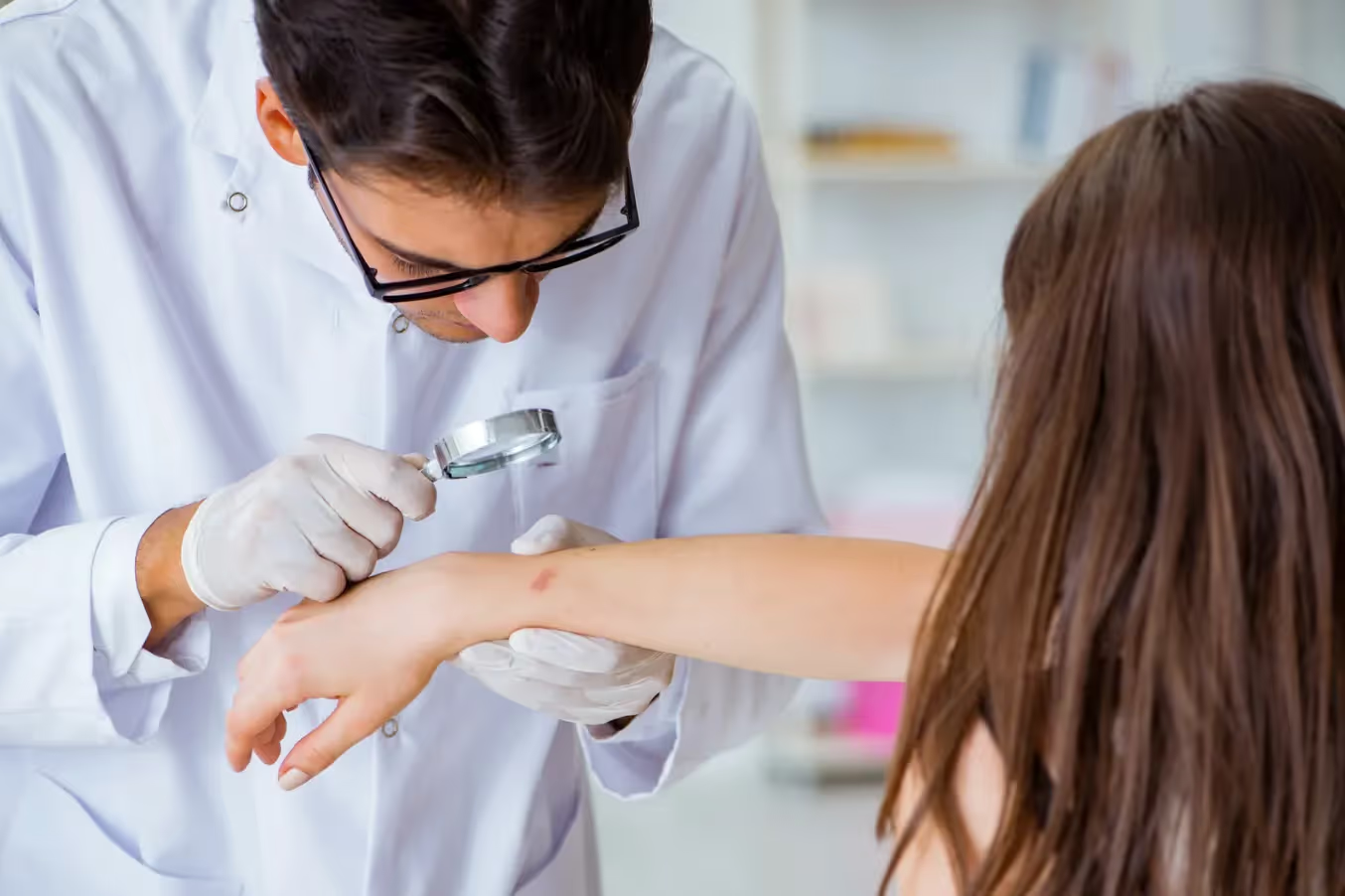
The laser hair removal journey begins with a comprehensive consultation where practitioners evaluate skin type, hair characteristics, medical history, and patient expectations to develop a customized treatment plan. During this initial assessment, factors such as hormonal influences, medications, and previous hair removal experiences are discussed to ensure optimal treatment outcomes and minimize potential complications. Patients receive detailed information about the number of sessions required, expected timeline for results, and proper preparation protocols to follow before their first treatment.
Preparation for laser hair removal involves specific guidelines that patients must follow to ensure treatment safety and effectiveness. The treatment area should be shaved 24-48 hours before the appointment, as shorter hair allows the laser energy to travel more efficiently to the follicle while reducing surface heat buildup. Sun exposure must be avoided for several weeks prior to treatment, as tanned skin increases the risk of pigmentation changes and reduces treatment efficacy due to competing melanin in the epidermis.
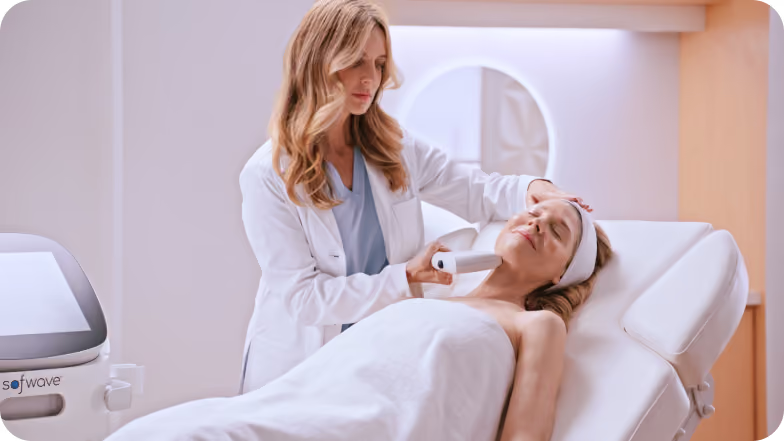
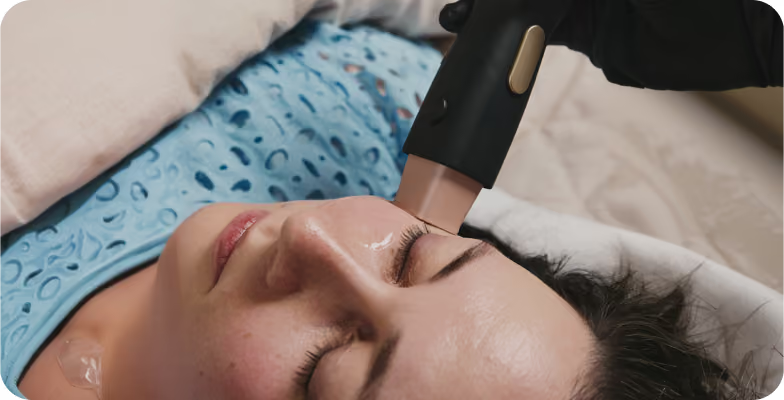
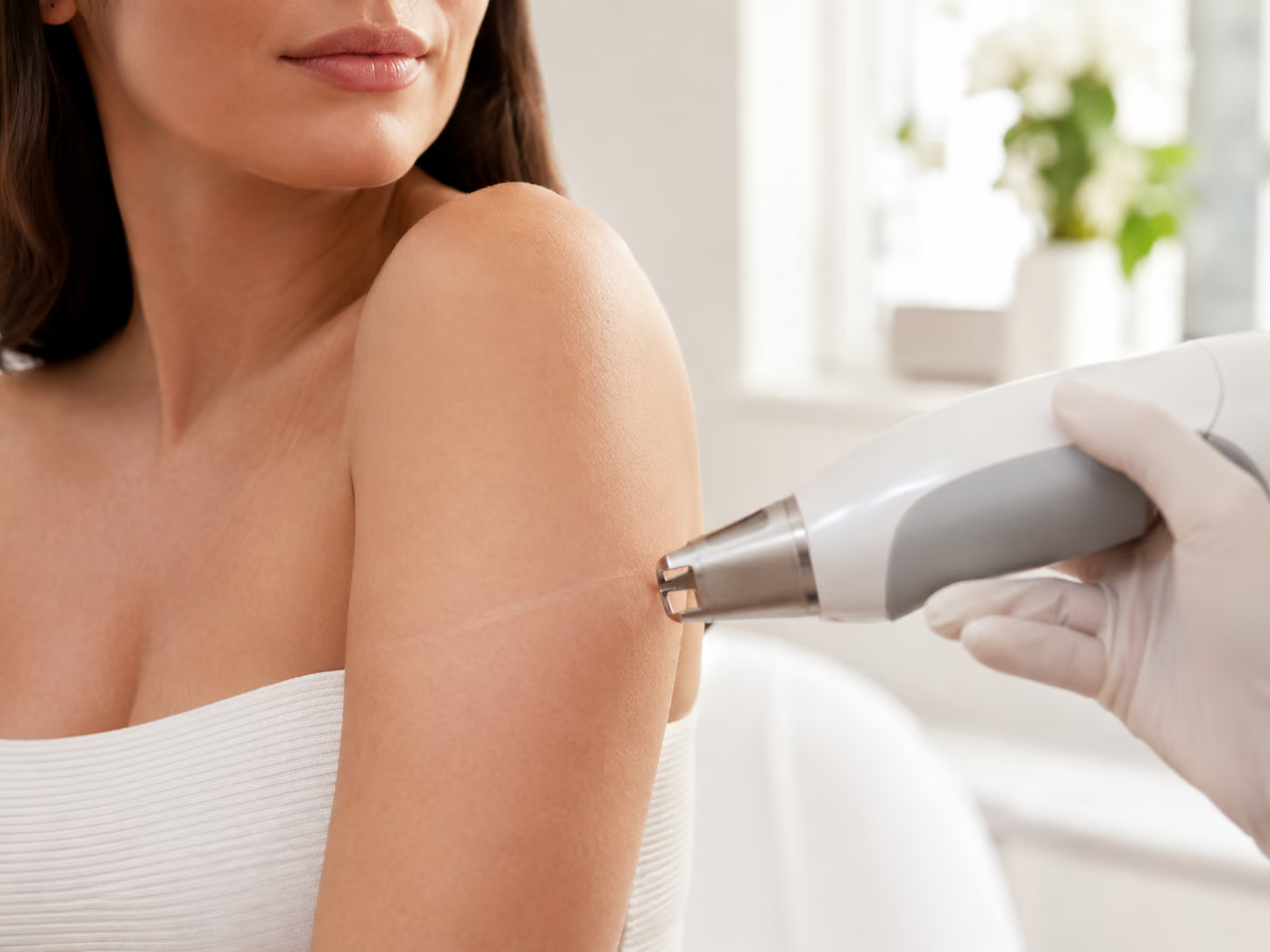
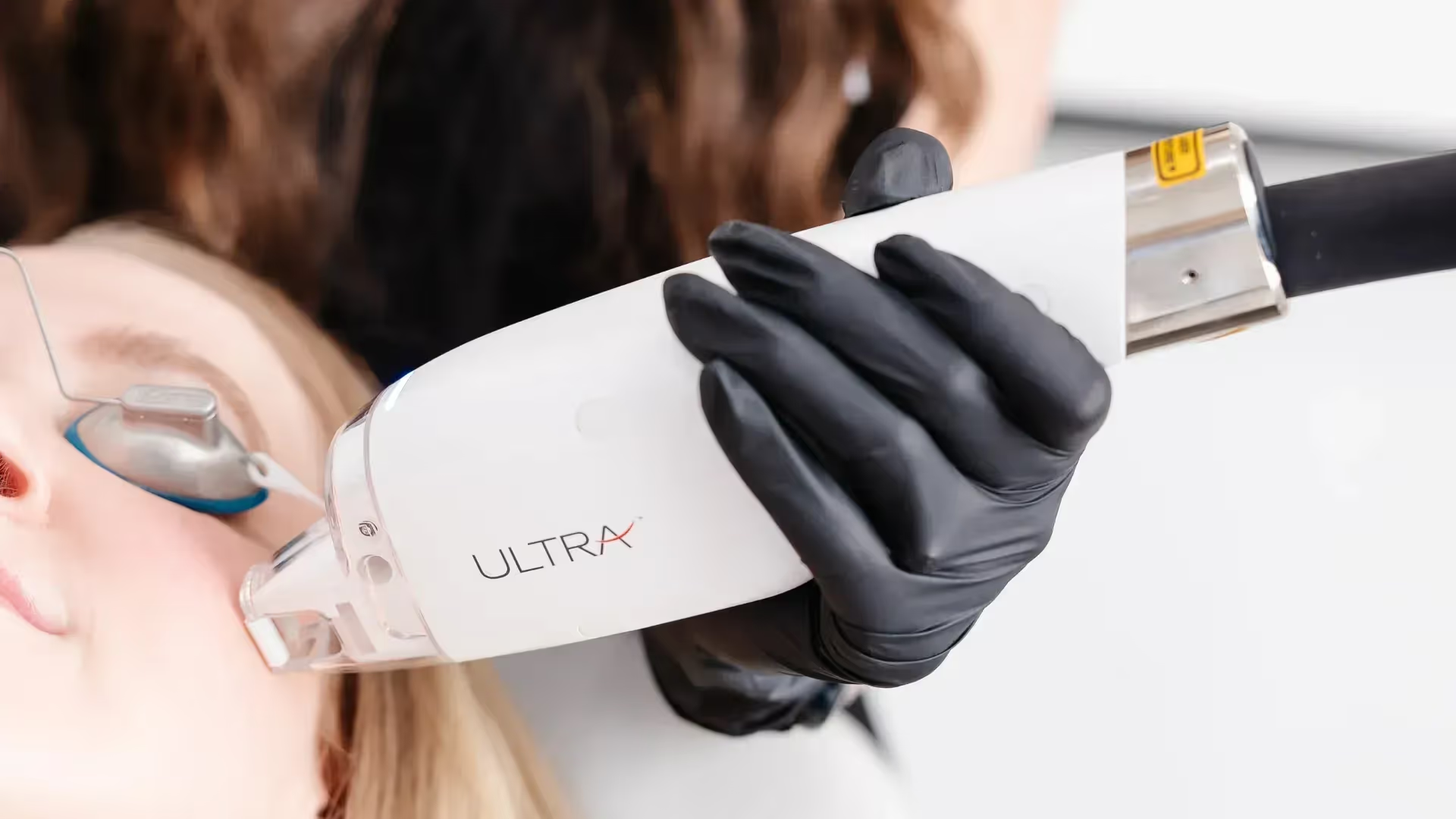
The actual treatment process begins with thorough skin cleansing and the application of a cooling gel or contact cooling device to enhance patient comfort during the procedure. Protective eyewear is provided to both patient and practitioner to prevent retinal damage from laser exposure. The laser handpiece is systematically moved across the treatment area, delivering controlled pulses of light energy while the integrated cooling system maintains skin temperature within safe parameters throughout the session.
Essential aspects of the treatment experience include:
- Sensation management: Most patients describe the feeling as similar to a rubber band snapping against the skin, with modern cooling systems significantly reducing discomfort levels.
- Session duration: Treatment times vary from 15 minutes for small areas like the upper lip to 90 minutes for comprehensive leg treatments, depending on area size and hair density.
- Immediate aftercare: Patients can typically return to normal activities immediately, though sun protection and gentle skin care are essential for optimal healing and results.
- Progress monitoring: Each session builds upon previous treatments, with patients typically noticing hair reduction within 2-3 weeks after their first appointment as treated hairs shed naturally.
Post-treatment care is crucial for achieving optimal results and preventing complications, requiring patients to follow specific guidelines for skin protection and maintenance. The treated area may appear slightly red or feel tender immediately after treatment, similar to a mild sunburn, but these effects typically resolve within 24-48 hours. Patients should avoid hot showers, saunas, vigorous exercise, and direct sun exposure for the first day or two following treatment to allow the skin to heal properly.
The series of treatments required for optimal results typically ranges from 6-8 sessions spaced 4-8 weeks apart, depending on the area being treated and individual hair growth patterns. Hair grows in cycles, and multiple sessions are necessary to target follicles during their active growth phase when they are most susceptible to laser energy. Dr. Salar Hazany and his team provide ongoing assessment and adjustment of treatment parameters as needed to ensure each patient achieves their desired level of hair reduction while maintaining skin health and safety throughout the process.
Frequently Asked Questions
How does laser hair removal work on different skin types?
Laser hair removal effectiveness varies across different skin types due to melanin concentration differences in both skin and hair. Dr. Salar Hazany utilizes advanced laser systems that can safely treat various skin tones by adjusting wavelength, pulse duration, and energy levels. Lighter skin with darker hair typically responds most readily, as there's greater contrast for the laser to target follicular melanin. Darker skin requires specialized lasers like Nd:YAG that can distinguish between skin and hair pigment. Modern technology has made treatment safer and more effective across the Fitzpatrick skin type spectrum, though individual assessment is crucial for optimal results and safety.
Is laser hair removal painful compared to other hair removal methods?
The discomfort level of laser hair removal is generally considered more tolerable than waxing and varies significantly with modern cooling technologies. Hazany Derm employs advanced laser systems with integrated cooling mechanisms that minimize sensation during treatment. Most patients describe the feeling as quick pinpricks or rubber band snaps rather than prolonged pain. Unlike waxing, which removes multiple hairs simultaneously causing intense momentary pain, laser pulses are brief and followed immediately by cooling relief. Topical numbing creams can be applied for sensitive areas, and the discomfort decreases with subsequent sessions as hair density reduces, making the overall experience increasingly comfortable.
How many laser hair removal sessions are typically needed?
The number of sessions required varies based on individual factors including hair type, skin color, treatment area, and hormonal influences. The team at Hazany Derm typically recommends 6-8 initial treatments spaced 4-8 weeks apart for optimal results. Facial areas may require more frequent sessions due to faster hair growth cycles, while body areas often need fewer treatments spaced further apart. Hormonal areas like the chin or bikini line might need additional sessions. Most patients see significant reduction after 3-4 treatments, with final results achieved after completing the full series. Maintenance sessions may be needed annually or biannually to address any new hair growth.
What areas of the body can be treated with laser hair removal?
Laser hair removal can effectively treat virtually any area of the body where unwanted hair growth occurs. Dr. Hazany commonly treats legs, arms, underarms, bikini areas, face, chest, and back with excellent results. Sensitive areas like the upper lip, chin, and intimate zones require specialized technique and appropriate laser settings. Large areas such as full legs or backs can be efficiently treated in single sessions. The versatility of professional laser systems allows for customization based on hair density, skin sensitivity, and patient comfort preferences. Some areas like inside the nose or ears are not suitable for treatment due to safety considerations.
Are there any side effects or risks with laser hair removal?
When performed by qualified professionals, laser hair removal has minimal side effects, though some temporary reactions are normal. Hazany Derm specialists ensure proper patient screening and laser parameter selection to minimize risks. Common temporary effects include mild redness, slight swelling, and skin sensitivity similar to sunburn, typically resolving within 24-48 hours. Rare complications can include hyperpigmentation, hypopigmentation, or burns, particularly if pre- and post-treatment instructions aren't followed. Patients with active tans, certain medications, or specific skin conditions may need to postpone treatment. Proper eye protection, skin cooling, and experienced practitioners significantly reduce risk levels while maximizing treatment effectiveness and safety.
How should I prepare for my laser hair removal appointment?
Proper preparation is essential for safe and effective laser hair removal treatments. Dr. Salar Hazany recommends shaving the treatment area 24-48 hours before your appointment, as this allows optimal laser energy penetration to the follicle. Avoid sun exposure, tanning beds, and self-tanning products for at least two weeks prior to treatment. Discontinue plucking, waxing, or bleaching for six weeks before your session, as these methods remove the hair root needed for laser targeting. Avoid certain medications and topical products that increase photosensitivity. Arrive with clean skin free of lotions, deodorants, or makeup in the treatment area to ensure optimal laser contact and effectiveness.
How long do laser hair removal results last?
Laser hair removal provides long-lasting to permanent hair reduction for most patients when treatment protocols are properly followed. The Hazany Derm clinic achieves excellent long-term results through comprehensive treatment series and appropriate follow-up care. Most patients experience 80-90% permanent hair reduction after completing their initial series of treatments. Some fine, light hair may eventually regrow due to hormonal changes, aging, or dormant follicles activating, but this hair is typically much finer and lighter than original growth. Annual or biannual maintenance treatments can address any new growth. Results are considered permanent for the majority of treated follicles, making it a superior long-term investment compared to temporary hair removal methods requiring constant repetition.
What is the cost difference between laser hair removal and traditional methods?
While laser hair removal requires a higher initial investment, it often proves more economical long-term compared to traditional methods. The experts at Hazany Derm help patients understand the cost-benefit analysis of permanent hair reduction versus ongoing expenses. Consider that lifetime costs of razors, shaving cream, waxing appointments, and time investment can exceed laser treatment costs within a few years. Professional laser hair removal eliminates recurring monthly expenses while providing superior results and convenience. Treatment costs vary by area size and number of sessions required, but most patients find the investment worthwhile when calculating long-term savings and lifestyle improvements. Many practices offer financing options or package deals to make treatment more accessible and affordable.