





%201.avif)



What is a Facelift?
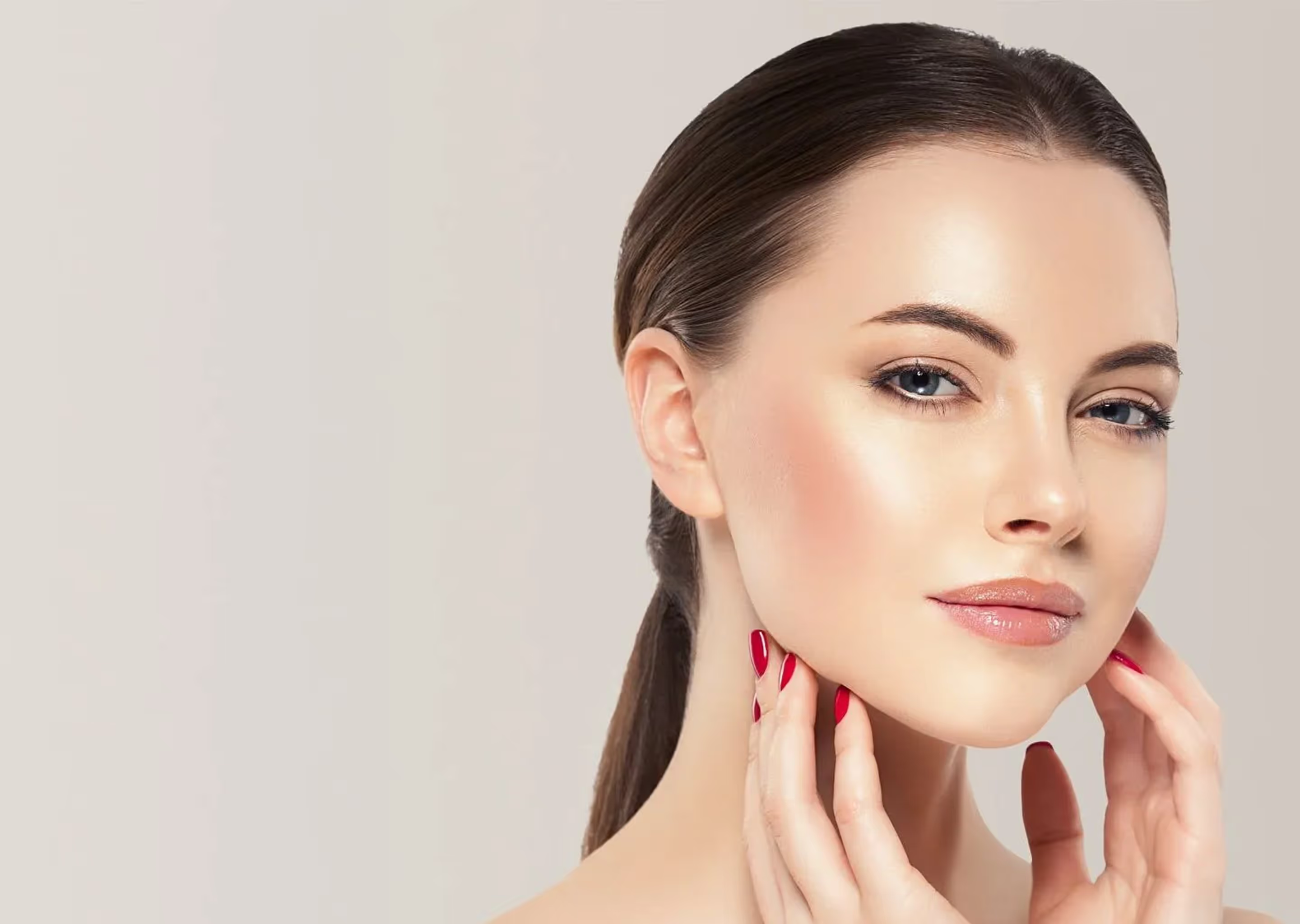


A facelift is a surgical procedure that tightens facial skin and muscles to reduce signs of aging. At Hazany Derm, Dr. Salar Hazany performs advanced facelift techniques to restore youthful contours and eliminate sagging skin for natural-looking rejuvenation.
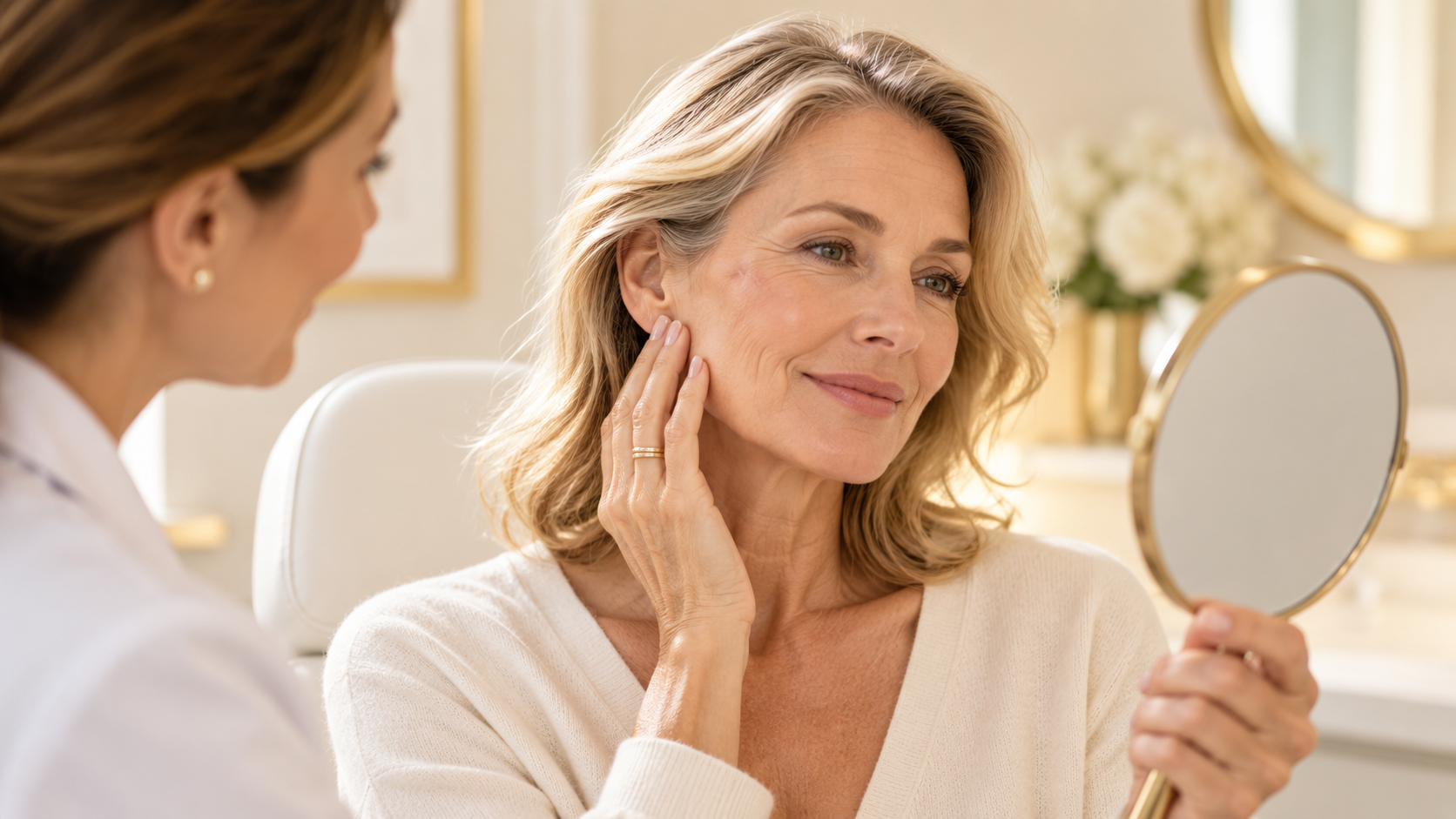
Aging is a natural process that affects everyone, but the visible signs on our face can sometimes make us feel less confident about our appearance. As we age, our skin loses elasticity, facial muscles weaken, and gravity takes its toll, leading to sagging skin, deep wrinkles, and jowls. These changes can make us look tired, stressed, or older than we feel inside.
A facelift, medically known as rhytidectomy, represents one of the most effective surgical solutions for addressing these age-related facial changes. This comprehensive procedure targets multiple layers of facial tissue to restore a more youthful appearance. Unlike temporary treatments that only address surface concerns, a facelift provides long-lasting results by repositioning underlying structures and removing excess skin.
At Hazany Derm, patients seeking facial rejuvenation benefit from advanced surgical techniques and personalized care. Dr. Salar Hazany combines artistic vision with surgical expertise to deliver natural-looking results that enhance each patient's unique features. Understanding what a facelift entails helps patients make informed decisions about their aesthetic goals and treatment options.
What is a Facelift?
A facelift — medically called a rhytidectomy — is a surgical procedure that rejuvenates the lower two-thirds of the face and often the neck. Through incisions around the ears and hairline, the surgeon tightens the underlying SMAS muscle layer, repositions sagging tissue, and removes excess skin. Results can turn back the clock 10 to 15 years and typically last a decade or more.
Understanding Facelift Procedures
A facelift is a sophisticated surgical procedure that addresses the lower two-thirds of the face and often includes the neck area. The surgery involves making carefully placed incisions, typically around the ears and hairline, to access the underlying facial structures. Through these incisions, the surgeon can lift and reposition sagging facial muscles, remove excess skin, and redistribute fat deposits for a more youthful contour.
The procedure works by targeting the superficial musculoaponeurotic system (SMAS), a layer of tissue that connects the facial muscles to the skin. Over time, this layer becomes lax and contributes to facial sagging. By tightening and repositioning the SMAS layer, surgeons can achieve more natural and longer-lasting results than simply pulling the skin tight.
Modern facelift techniques have evolved significantly from earlier methods that often produced an unnatural, "windswept" appearance. Today's approaches focus on creating subtle, natural-looking improvements that restore facial harmony. The goal is to help patients look like refreshed, younger versions of themselves rather than dramatically altered individuals.
Different types of facelifts are available to address varying degrees of aging and patient needs:
- Traditional Facelift: Comprehensive procedure addressing significant sagging in the mid and lower face with incisions extending from the temples to behind the ears
- Mini Facelift: Less invasive option targeting early signs of aging with shorter incisions and reduced recovery time
- Deep Plane Facelift: Advanced technique that releases deeper facial structures for more dramatic and natural-looking results
- SMAS Facelift: Focuses specifically on tightening the muscle layer beneath the skin for improved longevity and natural appearance
The choice of facelift technique depends on individual factors such as the degree of aging, skin quality, facial structure, and desired outcomes. A thorough consultation allows the surgeon to assess these factors and recommend the most appropriate approach. Hazany Derm's personalized treatment plans ensure that each patient receives the most suitable procedure for their specific needs and goals.
Recovery from facelift surgery typically involves several weeks of healing, with initial swelling and bruising gradually subsiding. Most patients can return to work and light activities within two weeks, though complete healing and final results may take several months. Following post-operative instructions carefully helps ensure optimal healing and the best possible outcomes.
Benefits and Results of Facelift Surgery
The primary benefit of facelift surgery is its ability to provide comprehensive facial rejuvenation that addresses multiple signs of aging simultaneously. Unlike non-surgical treatments that target individual concerns, a facelift can eliminate jowls, tighten loose neck skin, reduce deep nasolabial folds, and restore youthful facial contours in a single procedure. This comprehensive approach often makes it more cost-effective than multiple separate treatments over time.
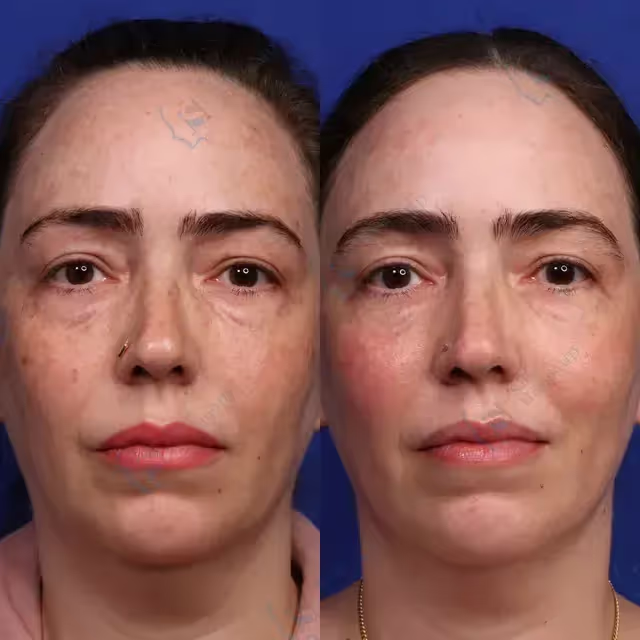
Facelift results are notably long-lasting compared to non-surgical alternatives. While injectable treatments typically last months and non-invasive procedures may provide temporary improvements, a well-performed facelift can turn back the clock by 10-15 years with results lasting a decade or more. The longevity of results makes facelift surgery an excellent investment for patients seeking significant, permanent improvement in their facial appearance.
Beyond the physical improvements, many patients experience significant psychological benefits from facelift surgery. Feeling more confident about their appearance can positively impact personal relationships, professional interactions, and overall quality of life. The procedure often helps patients feel more comfortable in photos, more confident in social situations, and better aligned between how they feel internally and how they appear externally.
The skill and experience of the surgeon play a crucial role in achieving optimal facelift results. Board-certified plastic surgeons and dermatologic surgeons with extensive facelift experience are best equipped to deliver natural-looking outcomes while minimizing risks. At Hazany Derm, patients benefit from Dr. Salar Hazany's expertise in facial anatomy and commitment to achieving beautiful, natural results.
Modern facelift techniques also allow for customization based on individual needs and preferences. Some patients may benefit from combining their facelift with other procedures such as eyelid surgery, brow lift, or fat grafting for more comprehensive rejuvenation. This individualized approach ensures that each patient achieves their specific aesthetic goals while maintaining facial harmony and natural expression.
Candidacy and Considerations for Facelift Surgery
Ideal facelift candidates are typically individuals in their 40s to 70s who have noticeable signs of facial aging but still maintain good skin elasticity and overall health. Good candidates have realistic expectations about the procedure and understand both the benefits and limitations of surgery. They should be non-smokers or willing to quit smoking well before and after surgery, as smoking significantly impairs healing and increases complication risks.
Physical health is a crucial consideration for facelift candidacy. Candidates should be in good general health without conditions that could impair healing or increase surgical risks. A thorough medical evaluation helps determine if a patient is healthy enough for surgery and anesthesia. Age alone is not a determining factor, as some older patients in excellent health are better candidates than younger patients with health issues.
Realistic expectations are essential for patient satisfaction with facelift results. While the procedure can provide dramatic improvements, it cannot stop the aging process or create perfection. Understanding what a facelift can and cannot achieve helps ensure that patients are satisfied with their outcomes and have appropriate expectations about recovery and results.
Important factors to consider before facelift surgery include:
- Financial Investment: Facelift surgery represents a significant financial commitment including surgeon fees, facility costs, and recovery expenses
- Recovery Time: Plan for several weeks of limited activities and social downtime while healing progresses
- Surgical Risks: While rare, potential complications include bleeding, infection, nerve damage, and scarring
- Long-Term Commitment: Maintaining results requires ongoing skincare, sun protection, and healthy lifestyle choices
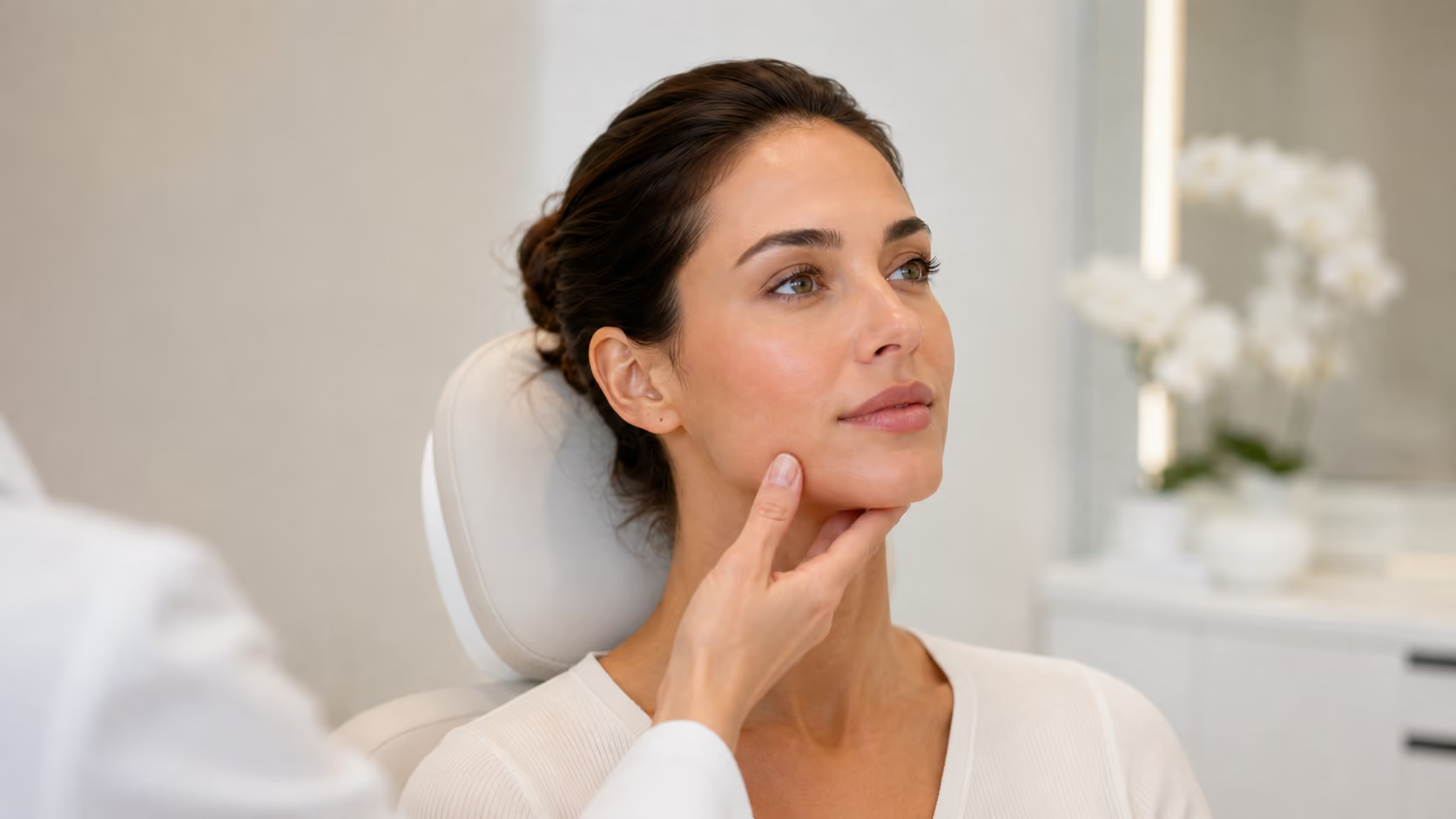
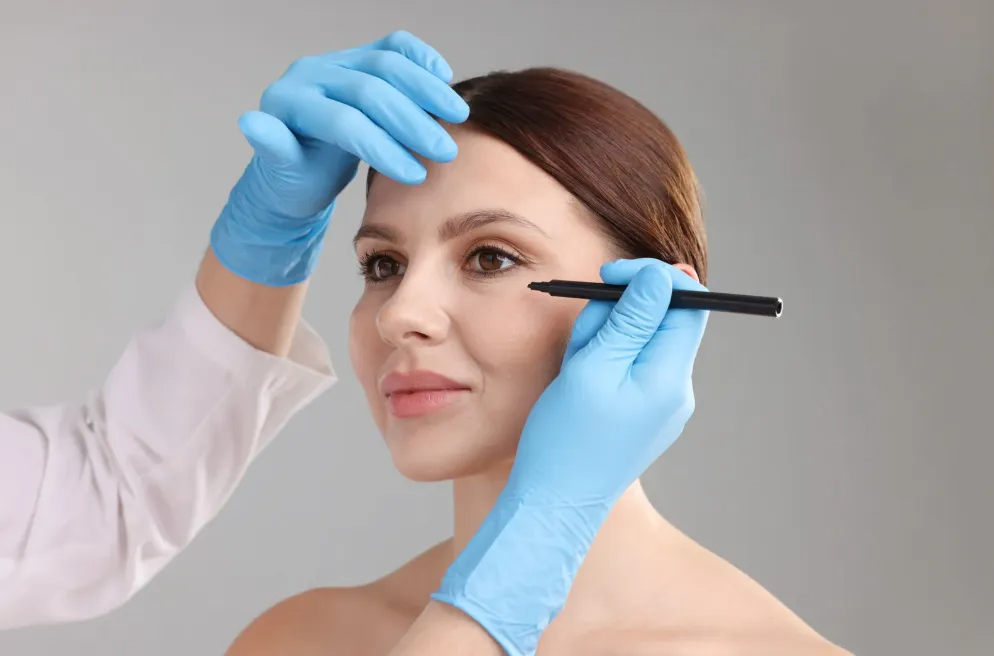
The consultation process is crucial for determining candidacy and developing an appropriate treatment plan. During this appointment, the surgeon evaluates facial anatomy, discusses goals and expectations, explains the procedure in detail, and reviews potential risks and benefits. This comprehensive discussion helps ensure that patients make informed decisions about their treatment.
Timing considerations also play a role in facelift planning. Patients should schedule surgery when they can dedicate adequate time to recovery without work or social pressures. Many patients find that scheduling surgery during cooler months allows them to wear concealing clothing and avoid sun exposure during the critical healing period. Hazany Derm works with patients to identify optimal timing for their individual circumstances and lifestyle needs.
Preparing for facelift surgery involves following pre-operative instructions carefully, arranging for assistance during recovery, and creating a comfortable healing environment at home. Patients who prepare thoroughly and follow all guidelines typically experience smoother recoveries and better outcomes. The investment in proper preparation pays dividends in terms of results and overall satisfaction with the facelift experience.
Explore Your Facial Rejuvenation Options in Beverly Hills
Understanding what a facelift is turns out to be the easy part — knowing whether you need one, or whether a less invasive option gets you there, is where expertise earns its keep. Schedule a consultation with Dr. Salar Hazany in Beverly Hills to map your options, from mini lift to non-surgical alternatives.
Frequently Asked Questions
How long does a facelift procedure typically take?
A facelift procedure typically takes between 3 to 6 hours, depending on the extent of the surgery and whether additional procedures are being performed simultaneously. Traditional full facelifts generally require more time than mini facelifts or less extensive procedures. Dr. Salar Hazany takes the necessary time to ensure precise technique and optimal results, never rushing the surgical process. The duration also depends on individual anatomy and the specific techniques being used. Factors such as combining the facelift with neck lift, fat grafting, or other facial procedures can extend the surgical time. Most facelifts are performed under general anesthesia in an accredited surgical facility to ensure patient comfort and safety throughout the procedure.
What is the typical recovery time after a facelift?
Recovery from facelift surgery varies among individuals, but most patients can expect initial healing within 2-3 weeks. Swelling and bruising are most prominent during the first week and gradually subside over the following weeks. At Hazany Derm, patients receive detailed post-operative care instructions to optimize their healing process. Most people can return to work and light activities within 10-14 days, though strenuous exercise should be avoided for 4-6 weeks. Complete healing and final results typically become apparent after 3-6 months as all swelling resolves and tissues settle. Following all post-operative guidelines carefully helps ensure the best possible outcome and minimizes complications during the recovery period.
Are facelift results permanent?
While facelift results are long-lasting, they are not technically permanent as the aging process continues after surgery. However, the team at Hazany Derm helps patients understand that a well-performed facelift typically provides results that last 10-15 years or more. The procedure essentially turns back the clock, and while you will continue to age naturally, you will generally maintain a more youthful appearance than if you had not had the surgery. Factors that influence longevity include genetics, lifestyle choices, skincare routine, and sun protection habits. Some patients choose to have revision procedures years later to maintain their results, while others find their single facelift provides lasting satisfaction. The key is maintaining realistic expectations about the natural aging process.
What are the risks associated with facelift surgery?
Like any surgical procedure, facelifts carry potential risks that patients should understand before proceeding. Common risks include temporary numbness, swelling, bruising, and discomfort during the healing process. More serious but rare complications can include infection, bleeding, adverse reactions to anesthesia, and temporary or permanent nerve damage affecting facial movement or sensation. Dr. Hazany discusses all potential risks thoroughly during the consultation process and takes extensive precautions to minimize complications. Choosing a board-certified surgeon with extensive facelift experience significantly reduces the likelihood of complications. Following all pre-operative and post-operative instructions carefully also helps minimize risks. Most patients experience smooth recoveries without significant complications when proper protocols are followed and surgery is performed by qualified professionals.
How much does a facelift cost?
Facelift costs vary significantly based on several factors including the extent of surgery, geographic location, surgeon's experience, and facility fees. The investment typically ranges from $10,000 to $25,000 or more for comprehensive procedures. Hazany Derm specialists provide detailed cost information during consultations, including surgeon fees, anesthesia costs, facility charges, and any additional expenses. Many practices offer financing options to help make the procedure more accessible to qualified patients. It's important to consider the long-lasting nature of facelift results when evaluating cost, as the per-year investment over 10-15 years of results can be quite reasonable. The expertise and qualifications of your surgeon should be the primary consideration rather than simply choosing the lowest price option available.
What is the difference between a mini facelift and a full facelift?
The main differences between mini and full facelifts relate to the extent of correction, incision length, and recovery time required. A mini facelift addresses early signs of aging with smaller incisions and less tissue manipulation, making it suitable for younger patients or those with minimal sagging. Full facelifts provide more comprehensive correction for advanced aging signs through longer incisions and more extensive tissue repositioning. Dr. Salar Hazany evaluates each patient's specific anatomy and aging concerns to recommend the most appropriate procedure type. Mini facelifts typically have shorter recovery times but provide more subtle improvements, while full facelifts offer more dramatic and longer-lasting results. The choice depends on individual goals, anatomy, degree of aging, and desired downtime. Both procedures can provide excellent results when performed by experienced surgeons.
Can a facelift be combined with other procedures?
Yes, facelifts are frequently combined with other facial rejuvenation procedures to achieve comprehensive results. Common combinations include eyelid surgery (blepharoplasty), brow lifts, neck lifts, and fat grafting to restore volume to areas like the cheeks or lips. The Hazany Derm clinic often recommends combining procedures to address multiple aging concerns simultaneously, which can be more cost-effective and require only one recovery period. Other popular additions include skin resurfacing treatments, chin implants, or rhinoplasty depending on individual needs and goals. The decision to combine procedures depends on factors such as overall health, surgical time considerations, and recovery capacity. Combining procedures does extend surgical time and may increase recovery complexity, but many patients appreciate addressing multiple concerns at once. A thorough consultation helps determine the best combination approach for each patient's specific situation.
How do I know if I'm a good candidate for a facelift?
Good facelift candidates typically have several key characteristics that indicate they will benefit from and heal well after surgery. Generally, ideal candidates are in good overall health, have realistic expectations about results, and demonstrate noticeable signs of facial aging such as sagging skin, jowls, or deep wrinkles. The experts at Hazany Derm evaluate factors including skin elasticity, bone structure, healing capacity, and psychological readiness for surgery. Non-smokers or those willing to quit smoking are preferred candidates due to improved healing outcomes. Age is less important than overall health and degree of aging, with candidates typically ranging from their 40s to 70s or beyond. A thorough consultation including medical history review, physical examination, and discussion of goals helps determine candidacy. Patients should have adequate time for recovery and realistic expectations about both results and the healing process.