




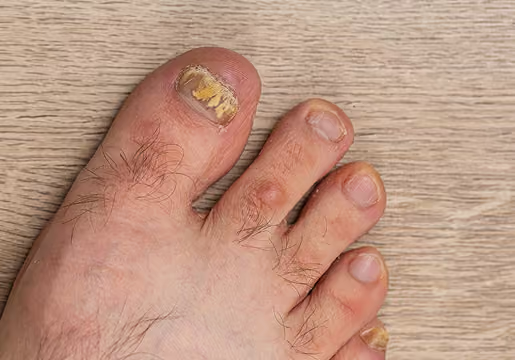



How Do Environmental Factors Affect Skin?


Environmental factors significantly impact skin health through UV damage, pollution exposure, weather changes, and indoor conditions. Dr. Salar Hazany at Hazany Derm helps patients understand and protect against these environmental stressors for healthier skin.
Your skin serves as your body's first line of defense against the outside world, constantly battling environmental factors that can significantly impact its health and appearance. From the moment you step outside, your skin encounters various stressors including ultraviolet radiation, air pollution, temperature fluctuations, and humidity changes. Understanding how these environmental elements affect your skin is crucial for developing an effective skincare routine and maintaining healthy, radiant skin throughout your life.
Environmental factors can accelerate aging, trigger inflammatory conditions, and compromise your skin's natural barrier function. These external stressors work both individually and in combination to create oxidative stress, break down collagen and elastin, and disrupt the delicate balance of your skin's microbiome. The cumulative effect of daily environmental exposure can lead to premature aging, hyperpigmentation, dehydration, and increased sensitivity. Recognizing these impacts allows you to take proactive steps to protect and nourish your skin.
At Hazany Derm, we understand that environmental skin damage is not just a cosmetic concern but a health issue that requires professional attention and personalized care. Our comprehensive approach addresses both the immediate and long-term effects of environmental exposure on your skin. Through advanced treatments and customized skincare protocols, we help patients restore and maintain their skin's health while providing education on effective protection strategies. Let's explore the major environmental factors that affect your skin and how you can defend against them.
UV Radiation and Sun Damage
Ultraviolet radiation from the sun represents the most significant environmental threat to skin health, causing both immediate and cumulative damage over time. UVA rays penetrate deep into the dermis, breaking down collagen and elastin fibers that provide skin structure and elasticity. UVB rays primarily affect the epidermis, causing sunburn and directly damaging DNA in skin cells. Even on cloudy days, up to 80% of UV rays can penetrate through clouds, making daily protection essential regardless of weather conditions.
The effects of UV exposure extend far beyond temporary sunburn, contributing to photoaging that manifests as wrinkles, age spots, and leathery skin texture. Chronic sun exposure leads to the formation of solar lentigines, commonly known as age spots or sun spots, which appear as flat, brown patches on frequently exposed areas. UV radiation also weakens the skin's immune system, reducing its ability to repair damage and fight off harmful bacteria. This immunosuppression can increase the risk of skin infections and delay wound healing processes.
Long-term UV exposure significantly increases the risk of developing skin cancer, including melanoma, basal cell carcinoma, and squamous cell carcinoma. The DNA damage caused by UV radiation can accumulate over years, eventually leading to malignant transformations in skin cells. Even individuals with darker skin tones, who have natural protection from melanin, are not immune to UV damage and should maintain consistent sun protection habits. Regular dermatological screenings become increasingly important for early detection and treatment of any suspicious changes.
- Broad-spectrum sunscreen: Daily application of SPF 30 or higher protects against both UVA and UVB radiation
- Protective clothing: Long sleeves, wide-brimmed hats, and UV-blocking fabrics provide physical sun protection
- Seek shade: Avoiding direct sun exposure during peak hours (10 AM to 4 PM) reduces UV intensity
- Regular reapplication: Sunscreen should be reapplied every two hours or after swimming and sweating
Professional treatments at specialized clinics can help reverse existing sun damage through advanced therapies such as laser resurfacing, chemical peels, and photodynamic therapy. These treatments work by removing damaged skin layers and stimulating the production of new, healthy cells. Topical treatments containing retinoids, vitamin C, and other antioxidants can also help repair UV damage and prevent further deterioration. The key to successful sun damage treatment lies in combining professional interventions with consistent daily protection habits to prevent new damage from occurring.
Air Pollution and Environmental Toxins
Air pollution has become an increasingly significant factor in skin health, particularly in urban environments where exposure to particulate matter, ozone, and chemical pollutants is highest. Fine particulate matter (PM2.5) can penetrate deep into the skin, generating free radicals that damage cellular structures and accelerate aging processes. These microscopic particles can clog pores, leading to increased acne breakouts and inflammatory skin conditions. Studies have shown that individuals living in highly polluted areas often experience more pronounced signs of aging, including increased pigmentation and reduced skin elasticity.
Ozone exposure at ground level creates oxidative stress that depletes the skin's natural antioxidant defenses, leaving it vulnerable to damage from other environmental factors. Chemical pollutants from vehicle emissions, industrial processes, and indoor sources can trigger allergic reactions and exacerbate existing skin conditions such as eczema and dermatitis. The skin's barrier function becomes compromised when constantly exposed to these environmental toxins, leading to increased water loss and heightened sensitivity. This compromised barrier also makes the skin more susceptible to bacterial infections and other harmful microorganisms.
The team at Hazany Derm recognizes that pollution-related skin damage requires specialized treatment approaches that address both the visible effects and underlying cellular damage. Pollutants can also interact with UV radiation to create even more harmful effects, a phenomenon known as photooxidative stress. This combination accelerates the breakdown of collagen and elastin while promoting the formation of advanced glycation end products (AGEs) that contribute to skin aging. Indoor air pollution from sources such as cooking, cleaning products, and building materials can also impact skin health, making comprehensive environmental protection essential.
- Antioxidant skincare: Products containing vitamin C, vitamin E, and niacinamide help neutralize free radical damage
- Thorough cleansing: Double cleansing removes pollution particles and prevents pore congestion
- Barrier repair products: Ceramides and hyaluronic acid help restore and maintain the skin's protective barrier
- Air purification: Using HEPA filters indoors reduces exposure to airborne pollutants and allergens
Regular professional treatments can help combat pollution-related skin damage through deep cleansing facials, antioxidant infusions, and barrier repair therapies. These treatments remove accumulated pollutants while delivering concentrated nutrients to support cellular repair and regeneration. Incorporating pollution-fighting ingredients into your daily skincare routine provides ongoing protection against environmental toxins. Prevention remains the most effective strategy, including measures such as avoiding peak pollution hours for outdoor activities and creating cleaner indoor environments through proper ventilation and air filtration systems.
Climate and Weather Conditions
Weather patterns and seasonal changes create varying challenges for skin health, requiring adaptive skincare strategies throughout the year. Cold weather and low humidity levels can strip moisture from the skin, leading to dryness, flaking, and increased sensitivity. Winter conditions often cause the skin's natural oil production to decrease while indoor heating systems further reduce humidity levels. This combination can result in compromised barrier function, making the skin more vulnerable to irritation and inflammatory conditions such as eczema flares.
Hot and humid climates present different challenges, including increased sebum production that can lead to clogged pores and acne breakouts. High humidity can also promote the growth of bacteria and fungi on the skin's surface, potentially causing infections or exacerbating existing conditions. Sudden temperature changes, such as moving between air-conditioned interiors and hot outdoor environments, can shock the skin and trigger reactive responses including redness and irritation. Wind exposure can physically damage the skin's surface while accelerating moisture loss through increased evaporation.
Hazany Derm specialists emphasize the importance of adapting skincare routines to match seasonal and climatic conditions for optimal skin health. Extreme weather conditions can also affect the efficacy of skincare products, with some ingredients becoming less stable or effective in certain temperatures or humidity levels. Geographic relocation often requires a complete reassessment of skincare needs as the skin adapts to new environmental conditions. Understanding these climate-related factors helps in making informed decisions about product selection and treatment timing.
- Seasonal product rotation: Switching between lighter and heavier formulations based on weather conditions
- Humidity monitoring: Using humidifiers in dry conditions and dehumidifiers in overly moist environments
- Weather protection: Wearing appropriate clothing and accessories to shield skin from harsh conditions
- Climate-specific ingredients: Choosing formulations designed for your specific environmental conditions
Professional guidance becomes particularly valuable when dealing with climate-related skin issues, as treatment approaches may need modification based on environmental factors. Seasonal treatment planning can help address predictable skin changes before they become problematic. For example, preparing for winter dryness with intensive hydration treatments or addressing summer acne concerns with appropriate cleansing protocols. The key lies in understanding how your individual skin responds to different environmental conditions and adjusting your care routine accordingly to maintain optimal skin health year-round.
Frequently Asked Questions
What are the most damaging environmental factors for skin health?
The most harmful environmental factors include UV radiation, air pollution, extreme weather conditions, and indoor environmental stressors. UV rays cause immediate sunburn and long-term damage including premature aging and skin cancer risk. Air pollution generates free radicals that accelerate aging and trigger inflammatory responses. Extreme temperatures and humidity levels can compromise the skin barrier, while indoor factors like dry air and harsh lighting also contribute to skin problems. Dr. Salar Hazany emphasizes that cumulative exposure to these factors creates the most significant impact, making daily protection essential for maintaining healthy skin throughout life.
How does air pollution specifically damage the skin?
Air pollution damages skin through multiple mechanisms, primarily by generating harmful free radicals that attack cellular structures. Fine particulate matter penetrates the skin barrier, causing oxidative stress and inflammation. These pollutants can clog pores, leading to acne and blackheads, while also breaking down collagen and elastin fibers responsible for skin firmness. Chemical pollutants trigger allergic reactions and worsen existing conditions like eczema. Hazany Derm treatments focus on removing accumulated pollutants while strengthening the skin's natural defenses. The damage is cumulative, with urban residents showing accelerated aging signs compared to those in cleaner environments.
Can weather changes really affect my skin condition?
Weather changes significantly impact skin health by altering moisture levels, temperature exposure, and environmental stressors. Cold, dry air strips natural oils and moisture, leading to flaking and irritation, while hot, humid conditions increase oil production and bacterial growth. Sudden temperature shifts can cause reactive responses including redness and sensitivity. Seasonal transitions often trigger flares of conditions like eczema or rosacea. The team at Hazany Derm recommends adjusting skincare routines seasonally to address these varying challenges. Wind, rain, and extreme temperatures all require specific protective measures to maintain healthy skin barrier function and prevent environmental damage.
What role does indoor air quality play in skin health?
Indoor air quality significantly affects skin health through factors like humidity levels, air circulation, and pollutant concentration. Heating and cooling systems can create extremely dry or humid conditions that disrupt skin barrier function. Poor ventilation allows pollutants from cleaning products, cooking, and building materials to accumulate, causing irritation and sensitivity. Dust mites, mold, and other indoor allergens can trigger inflammatory skin responses. Dr. Hazany emphasizes that people spend most of their time indoors, making indoor air quality crucial for skin health. Using air purifiers, maintaining proper humidity levels, and ensuring adequate ventilation help create skin-friendly indoor environments.
How can I protect my skin from environmental damage daily?
Daily environmental protection requires a multi-layered approach combining topical products and lifestyle measures. Apply broad-spectrum sunscreen every morning, regardless of weather or indoor activities. Use antioxidant serums containing vitamin C or niacinamide to neutralize free radical damage. Cleanse thoroughly each evening to remove accumulated pollutants and debris. Maintain skin barrier health with moisturizers containing ceramides and hyaluronic acid. Hazany Derm specialists recommend wearing protective clothing, seeking shade during peak UV hours, and avoiding outdoor activities during high pollution periods. Consistency in these protective measures provides cumulative benefits and prevents long-term environmental damage to your skin.
Are certain skin types more vulnerable to environmental damage?
Yes, certain skin types show increased vulnerability to environmental stressors. Fair skin with less melanin offers minimal natural UV protection, making sun damage more likely. Sensitive skin types react more severely to pollution, temperature changes, and harsh weather conditions. Dry skin lacks adequate barrier function, allowing environmental toxins to penetrate more easily. Oily skin may seem more resilient but can experience increased acne from pollution-clogged pores. Dr. Salar Hazany emphasizes that while some skin types face higher risks, all individuals can benefit from environmental protection strategies. Understanding your specific skin type vulnerabilities allows for targeted protection and treatment approaches.
What professional treatments help reverse environmental skin damage?
Professional treatments effectively address various types of environmental damage through targeted approaches. Chemical peels remove damaged surface layers while stimulating cellular renewal. Laser therapies target sun spots, wrinkles, and texture irregularities caused by UV exposure. Antioxidant facials deliver concentrated nutrients to combat free radical damage from pollution. Hydrating treatments restore barrier function compromised by weather exposure. The Hazany Derm clinic offers advanced therapies like photodynamic therapy for severe sun damage and customized treatment plans addressing individual environmental exposure patterns. These professional interventions work best when combined with proper daily protection to prevent new damage while healing existing concerns.
How long does it take to see improvement from environmental protection measures?
Improvement timelines vary depending on the type and extent of environmental damage, but some benefits appear within weeks of consistent protection. Immediate improvements in hydration and barrier function occur within days of proper moisturizing and protection. Reduction in new sun damage and pigmentation typically shows results within 4-6 weeks of diligent sun protection. More significant improvements in texture, fine lines, and deeper pigmentation may require 3-6 months of consistent care. The experts at Hazany Derm emphasize that environmental protection is an ongoing process, with cumulative benefits increasing over time. Professional treatments can accelerate improvement timelines, but maintaining protective measures remains essential for sustained results.