







Skin Flaps Preserve a Natural Look After Skin Cancer Surgery



A well-designed skin flap tends to heal into the most natural-looking result after Mohs surgery because the tissue never loses its own blood supply, unlike a skin graft, which has to grow new vessels after being placed. Surgeons protect that natural appearance by placing incisions along facial aesthetic subunits, using techniques like beveled edges and tension-free closure, and matching flap design to the specific demands of each facial location. Some pinkness, firmness, and swelling are normal during the first several weeks and don't reflect the final result, which typically settles into its true appearance somewhere between six months and a year.
Patients told they need reconstruction after a facial Mohs defect usually aren't worried about healing safely. They're worried about whether their face will still look like their own face. A well-designed skin flap tends to come closest to answering that worry, for one simple biological reason: the tissue never stops receiving its own blood supply. Skin flap surgery is built around protecting exactly that blood supply from the first incision onward.
The Blood Supply Difference, and Why It Shows on the Skin
A skin flap is a piece of skin and underlying tissue repositioned from next to the wound while staying attached to its original blood vessels through a pedicle. Because it never loses that blood flow, the tissue keeps its native color, thickness, oil gland density, and hair-bearing pattern the entire time. A skin graft, by contrast, is fully detached tissue that has to grow an entirely new blood supply after it's placed, which is part of why grafts more often heal with a visible difference in color or texture.
That detail carries real weight. It's the main reason flaps tend to look like undisturbed skin once healing finishes, especially somewhere a mismatch would stand out, like the center of the face.
This is also why the practice performing your Mohs excision matters for how the reconstruction gets approached from the start. Hazany Derm's overview of Mohs surgery describes cancer removal and cosmetic reconstruction planned together, rather than as two separate, disconnected steps.
Scar Placement: Hiding the Incision in Plain Sight
Surgeons who design flaps work with the concept of facial aesthetic subunits, the natural regions of the face divided by shadows, creases, and contour changes: the tip of the nose, the alar sidewall, the cheek, the upper lip. A well-planned flap places its incision along the border of one of these subunits whenever possible, tucking the scar into a crease the eye already expects to see, like the melolabial fold beside the nose. A scar hidden this way tends to disappear into the face's existing lines instead of reading as a surgical mark. That's the difference between an ordinary closure and a genuinely natural looking scar Mohs surgery patients can forget is even there: the placement is deliberate, not incidental.
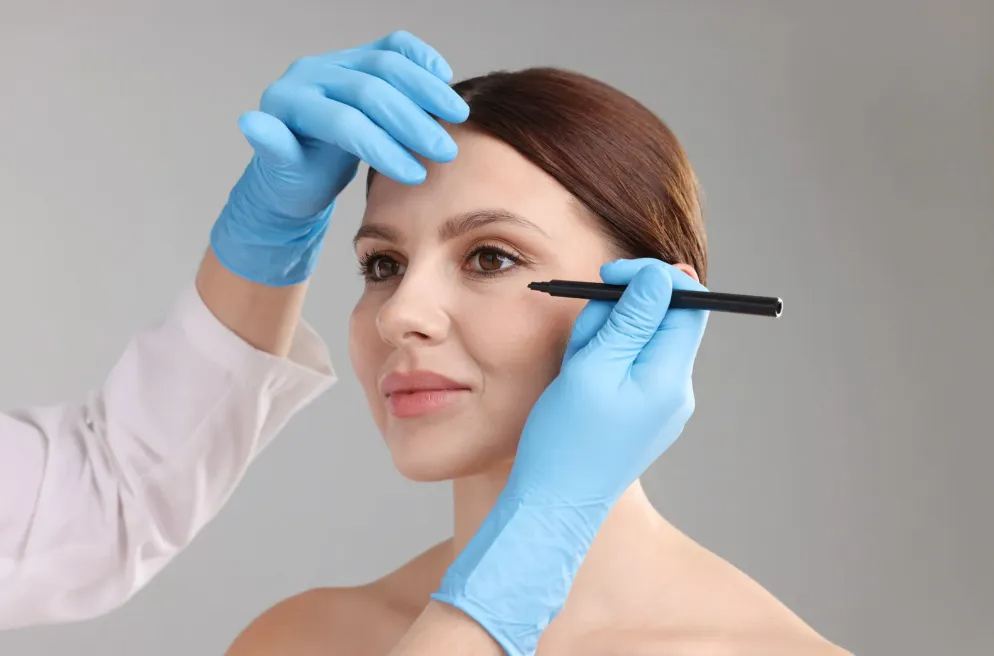
This is part of why the same-sized defect can be planned two completely different ways depending on exactly where it falls relative to a subunit border. A surgeon marking out incision lines before the first cut is accounting for where your particular defect sits against those natural landmarks, not applying a fixed template. Getting that placement right takes real judgment, since it has to balance hiding the scar against the amount of tissue available to move.
How Flap Choice Changes by Facial Location
On the nose: the skin is thin and tightly adhered to the cartilage beneath it, which limits how much tissue can move. Smaller nasal defects are often repaired with a bilobed or rhombic transposition flap, while a dorsal nasal flap can address higher, more central defects. For a larger defect covering most of the nasal tip, a staged interpolation flap using forehead skin is sometimes the most reliable path to a natural result. Research comparing the two techniques put this to a direct test on nasal defects, scoring photos against a standardized wound evaluation scale. Flap repairs came out on top almost without exception, while graft repairs met that same bar of cosmetic acceptability only about three times out of four.
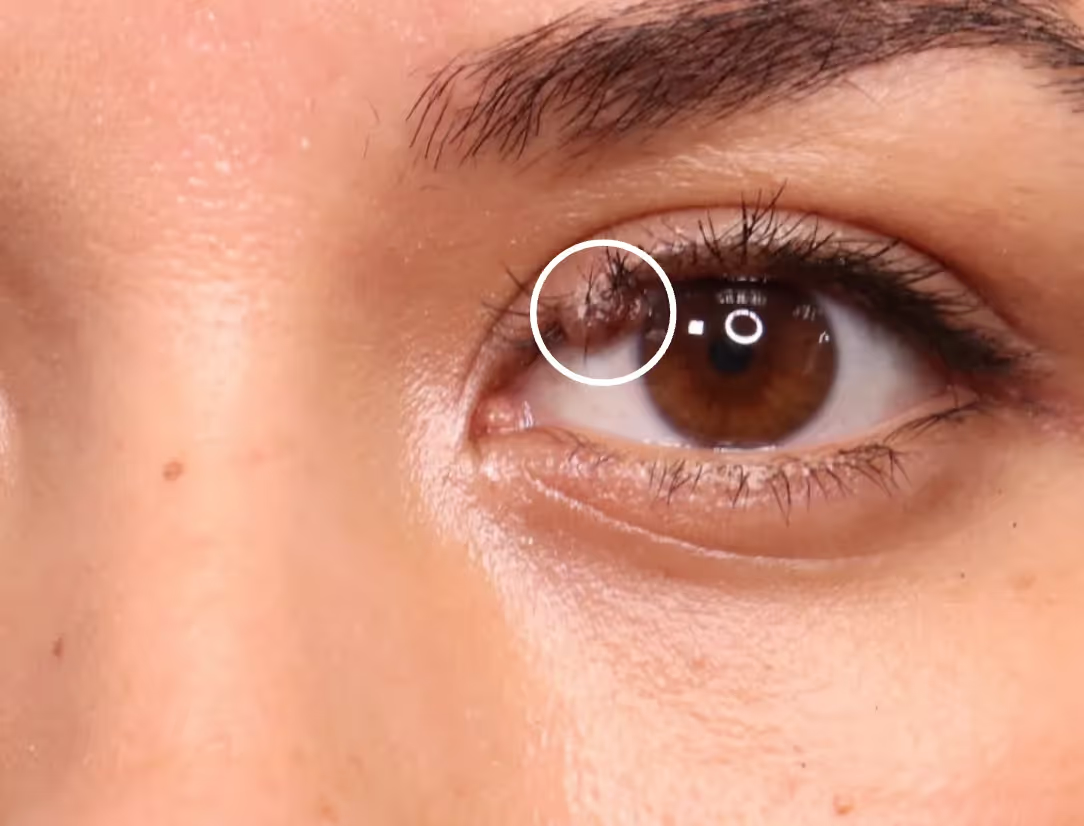
Near the inner corner of the eye: a comparative study of medial canthal reconstruction tells a different story. Local flaps went to 13 patients there and grafts to 8, with 4 more splitting the difference between both. Flaps edged ahead on appearance, but not by a margin that reached statistical significance, and nobody in either group had a major complication. In a spot this tight on spare tissue, a well-matched graft can end up looking nearly as natural as a flap would have.
On the cheek, there's generally more spare, mobile skin, which allows advancement or rotation flaps that recruit tissue along the natural cheek-jawline boundary. On the lip and chin, flap design has to account for the muscles controlling expression and speech; advancement flaps along the vermillion border or the labiomental crease can restore both function and a natural resting look. Forehead and scalp defects benefit from the relative abundance of skin there, though hair direction and density become their own design consideration.
The Small Techniques That Make a Flap's Edge Disappear
Choosing the right flap type and location is only part of the story. A cosmetic Mohs closure lives or dies on the finer details, several of which shape how invisible the final scar becomes:
- Beveling the wound edges rather than cutting straight down, so the skin surfaces overlap slightly as they heal.
- Layered, tension-free closure. Closing the deeper tissue first, so the visible skin layer carries little to no tension, keeps the scar narrower and flatter.
- Removing standing skin cones. Rotated or advanced tissue sometimes bunches at one end into a small raised area, sometimes called a dog-ear. Trimming it during the original procedure produces a smoother contour than waiting for it to flatten on its own.
- Fine sutures on the face, placed close together and removed early, often within five to seven days, to avoid crosshatch marks.
None of this is visible to the patient during the procedure. It's still a meaningful part of why two flaps of similar design can heal with noticeably different results.
What 'Natural' Actually Looks Like During Healing
Even a well-designed flap doesn't look finished right away. In the first two to six weeks, some firmness, mild swelling, and pinkness along the incision are expected, not signs of a poor outcome. Because the flap's blood supply is intact from day one, the tissue's underlying color and texture are already close to the surrounding skin. What changes over the following months is mostly the scar line's maturation, which typically softens and fades considerably by six months to a year.
Some flap types, particularly staged interpolation flaps used for larger nasal defects, require a brief second procedure a few weeks later to divide the pedicle and refine the final contour. Planned, not a complication.
Common Misconceptions About Flap Scars
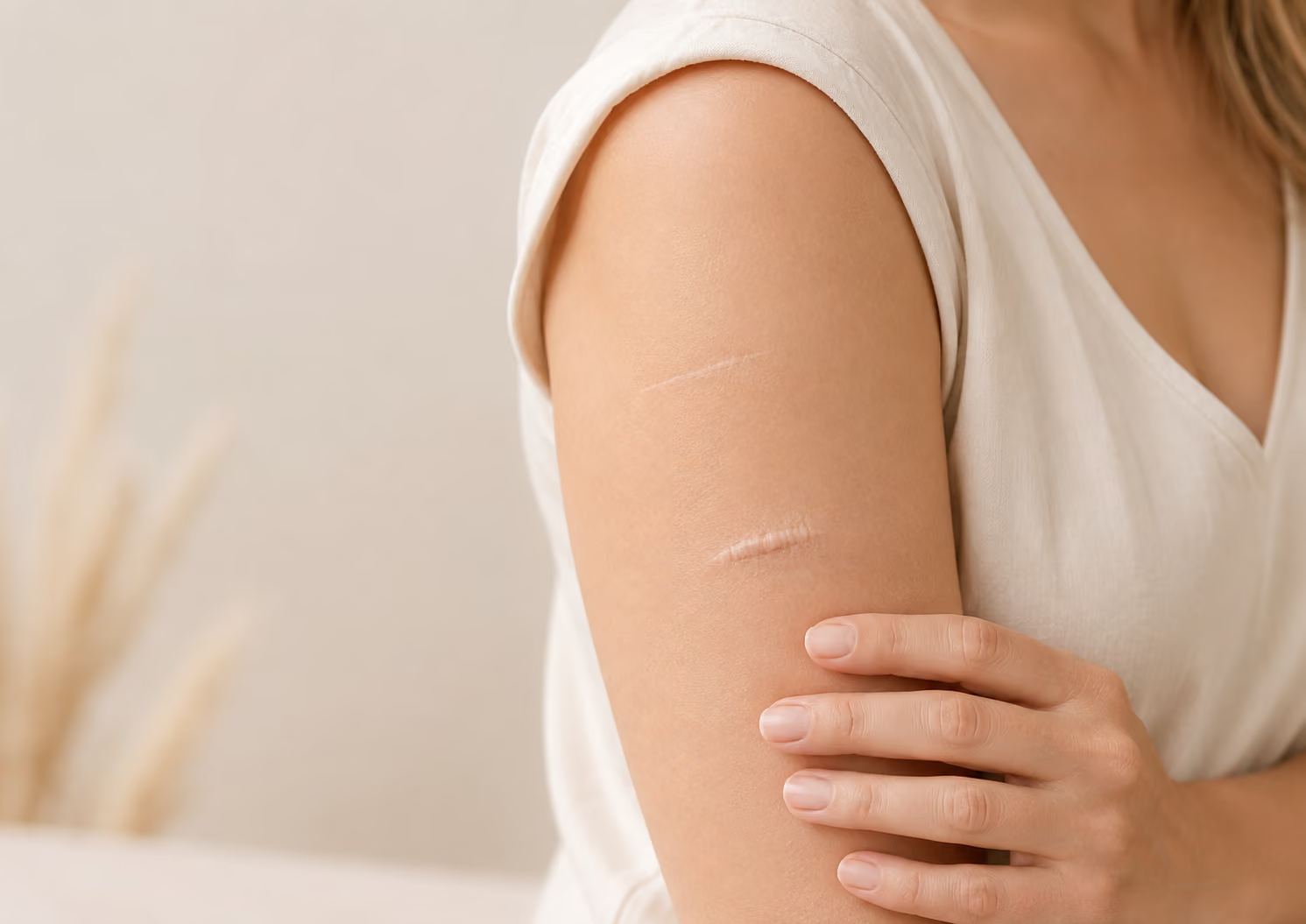
A visible line means the surgery didn't go well. Not true. A fine, well-placed scar line is normal and expected, even from a well-executed flap. Good design aims for a scar that sits along a natural crease and fades over time, not one that vanishes entirely.
Some patients also assume that pink or reddish discoloration a month out means something has gone sideways, when in reality that coloring is typical for weeks to a few months and resolves on its own as the scar matures. Bigger defects don't automatically mean a more obvious scar either; visibility has more to do with subunit placement and closure technique than raw size, so a large, well-designed flap can sometimes heal more discreetly than a small, poorly placed incision. And suture removal isn't the finish line. It marks the end of the most fragile phase; the scar itself keeps remodeling for months.
A More Detailed Look at the First Six Months
Zooming in on that scar-maturation window, here's what's actually happening under the surface at each stage:
- Weeks 1 to 2: sutures usually come out within five to seven days on the face. The incision often looks its worst right here, which is discouraging but also the least representative point in the whole timeline.
- Weeks 3 to 6: swelling resolves and the scar starts to soften, though pink or slightly raised is still normal. Staged flaps typically get their second procedure to divide the pedicle around now.
- Months 2 to 4: the scar flattens noticeably and starts blending in color, though redness can linger longer for fair or easily flushed skin.
- Months 6 to 12: most patients would call this the final appearance, though subtle softening can keep going even past a year.
Camouflage makeup or a bandage can help during the more visible early weeks, and most surgeons are glad to advise on options that won't interfere with healing. Think of it as a bridge to get through the rough weeks, nothing more. The goal of a well-designed flap is a result that never needs ongoing concealment once it's matured.
If a scar ever settles in a way you'd like refined further, Hazany Derm's scar treatment and revision services are available as a follow-up option well after initial healing is complete.
When a Flap Might Not Be the Best Option for a Natural Look
Flaps aren't automatically the more natural-looking choice in every situation, despite their advantages. Forcing one where there isn't enough loose skin nearby, without pulling on the eyelid, nostril, or lip, can create its own distortion, sometimes a worse cosmetic result than a well-matched graft would have produced. An honest surgeon will say so and explain why a graft, or a different flap design than you expected, is actually the more natural path for that particular defect.
Recognizing this in advance is part of what separates a good consultation from a rushed one. A surgeon who examines how much adjacent skin actually moves, rather than assuming it based on the defect's size alone, is in a better position to catch this before committing to a design that won't hold up. If a flap has already been proposed for your defect, it's a fair question to ask how much tension the design will place on nearby structures once it's closed.
How This Differs From a Graft, Briefly
Worth knowing the contrast, even briefly, since some defects genuinely need a graft instead. A graft is detached tissue placed over the wound and left to develop its own blood supply, usually taken from an area chosen to match the surrounding color as closely as possible, like behind the ear for facial defects. It can still heal with a good cosmetic result when the donor site is well matched. What it lacks is the original blood flow a flap carries with it, which is why flaps get favored on the face whenever there's enough adjacent tissue to make one possible.
Grafts also heal on a different visual timeline than flaps do. Because the tissue has to develop its own blood supply after placement, the color can look more pink or mismatched during the first several weeks than a flap's would, even when the eventual result is a good one. Choosing a donor site that closely matches the surrounding skin, like behind the ear for facial defects, narrows that gap considerably, but it rarely closes it entirely. That's the tradeoff a graft makes for being usable in places where a flap simply isn't.
The Role of Surgical Experience in a Natural Outcome
Flap design is widely considered one of the more technically demanding parts of post-Mohs reconstruction, since it requires planning around tension, subunit borders, and nearby structures all at once. At Hazany Derm, Dr. Salar Hazany performs both the Mohs excision and the flap reconstruction for many patients, so cancer removal and cosmetic planning get considered together from the start instead of handed off between two separate providers.
You can read more about Dr. Hazany's background and training to see how his combined experience in cancer surgery and cosmetic reconstruction shapes flap planning for facial defects.
That combined experience also shows up in smaller decisions that don't get discussed in detail beforehand, like exactly where to place the incision relative to a subunit border, how much tension the closure can safely carry, or whether trimming a standing skin cone during the original procedure will save a second visit later. None of these are decisions a patient is positioned to evaluate in the moment, which is part of why the surgeon's specific training and experience with facial reconstruction matters more here than it might for a more routine procedure.
What You Can Do Before Surgery to Support a Better Outcome
A flap's final look depends on more than surgical technique. What you do in the weeks before surgery matters too, particularly around one habit in particular.
Smoking is the single biggest modifiable risk factor for a poor flap outcome. A systematic review on smoking and wound healing found that stopping for at least four weeks before surgery meaningfully reduced surgical site infections across specialties.
The effect is even sharper in facial flap surgery specifically. One older study of facelift patients, cited in a more recent review on smoking and facial wound healing, found that smokers had more than twelve times the risk of skin slough compared with non-smokers.
If you smoke and have a flap coming up, ask your surgeon for a specific quit-by date rather than a vague goal. Beyond that, keep three things in mind heading into surgery: bring an accurate medication list, since some supplements and blood thinners affect bleeding risk; avoid new sun exposure to the area if the defect is already healing from the Mohs excision; and don't start any new skincare actives, like retinoids, on the surrounding skin without checking first.
A Real Example of Multiple Flaps Working Together
Large or awkwardly placed defects sometimes need more than one flap to look right. A published case report on cheek reconstruction describes an 85-year-old patient with a cheek defect spanning multiple facial subunits after Mohs surgery, about 5.8 by 3.2 centimeters. Rather than stretch one flap to cover the entire area, which risked pulling on the lower eyelid or the corner of the mouth, the surgeons combined three techniques: a triple advancement flap for the bulk of the defect, an island pedicle flap for the front portion, and a small rotation flap for the upper edge.
Each piece did the job it was best suited for instead of one design being forced to do everything. The report describes an excellent aesthetic and functional result, which is really the point of natural-looking reconstruction: matching the repair to what the defect actually needs, rather than reaching for whichever flap comes to mind first.
What You'll Actually See in the Mirror the First Few Days
The first time you see the incision without a dressing, ahead of any of the reassuring statistics about six-month outcomes, is usually the hardest moment. It helps to know what's actually normal at that stage rather than measuring it against the healed photos on a website.
Right after surgery, the area is often swollen and can look larger than the actual incision line, especially on the nose and cheek, where even a small amount of fluid retention shows. Bruising is common if the flap involved undermining nearby tissue, and it can spread beyond the immediate surgical site, sometimes down toward the jaw or around the eye, before fading over one to two weeks. The skin right at the incision can look slightly darker or more purple than the surrounding area initially, which reflects blood flow reestablishing itself through the pedicle rather than a problem with the tissue.
None of this is what the flap will actually look like once healed. Swelling and bruising are temporary responses to the surgery itself, not a preview of the final scar. If something looks different from what you were told to expect, like spreading redness well beyond the incision, pain that's getting worse instead of gradually easing, or a section of the flap turning notably darker or cooler than the rest, that's worth a call to the office rather than something to wait out. Otherwise, the unglamorous look of the first several days is simply part of the process on the way to the result the design was actually built for.
Still weighing whether a flap or a graft fits your particular defect? Skin Flap vs. Skin Graft: How Surgeons Decide walks through the reasoning surgeons actually use to make that call. And if a graft is the plan and you've been referred to a different surgeon for it, Referred for a Skin Graft After Mohs Surgery? What to Know covers what to bring to that appointment.
Frequently Asked Questions
Do skin flaps always look completely normal afterward?
Not perfectly invisible, but usually well camouflaged enough that it reads as part of your face rather than a surgical mark. A flap's biggest advantage is that it never loses its own blood supply, so the tissue keeps its native color, thickness, and texture the entire time, unlike a graft, which has to grow new blood vessels from scratch. Surgeons also design the incision itself to disappear: placing it along the border of a facial aesthetic subunit, like the crease beside the nose or along the jawline, tucks the scar into a line the eye already expects to see. Fine details matter too, like beveling the wound edges, closing the deeper tissue first so the visible layer carries little tension, and removing any small raised areas that form at the ends of the repositioned tissue. A visible scar line is normal and expected even from a well-executed flap. The goal isn't an invisible scar. It's one that fades into the face's existing lines rather than reading as a surgical mark.
How long until a flap looks like it has fully healed?
Initial healing wraps up within a few weeks: sutures usually come out within five to seven days on the face, and most of the swelling and firmness resolves within the first month or two. But the truly final, most natural-looking result takes longer. The scar continues to soften and blend in color through months two to four, and most patients reach what looks like the final appearance somewhere between six months and a year, though subtle softening can keep going even past that point. Some flap types, particularly staged interpolation flaps used for larger nasal defects, also require a brief second procedure a few weeks after the first to divide the pedicle and refine the contour. That's a planned part of the process, not a complication. Hazany Derm checks progress at scheduled follow-ups the whole way through, so you're never left guessing whether what you're seeing at any given stage is on track.
Why does my flap look pink or firm a few weeks after surgery?
That's ordinary scar maturation, and it's expected for weeks to a few months after surgery, not a sign that something has gone wrong. Because a flap's blood supply stays intact the whole time, the tissue's underlying color and texture are already close to the surrounding skin from day one. What you're seeing during those early weeks is the incision working through a predictable healing sequence: firmness and mild swelling in the first two to six weeks, gradual softening and color blending over the following months, and a more settled appearance by six months to a year. Redness in particular can linger longer if you have fair or easily flushed skin. Suture removal marks the end of the most fragile phase, not the finish line. The scar keeps remodeling underneath for months afterward. If something feels off compared to what you were told to expect, that's worth mentioning at your next appointment rather than waiting to see if it resolves on its own.
Can a flap be used anywhere on the face?
Not in the same way everywhere, no. What changes by location isn't whether a flap can technically be attempted, but how much room the design has to work with. Thin, tightly adhered skin near the nasal cartilage leaves far less to recruit than the loose, mobile skin on the cheek, which is why the same size defect can call for a completely different flap design, or a completely different technique altogether, depending on where it sits. Areas with working muscles underneath, like the lip and chin, add another constraint: the design has to move tissue without limiting expression or speech. The right flap type, and whether a flap is even the better choice, depends far more on where the defect sits than on its size alone.
Is a flap always more natural-looking than a graft?
Generally, yes, thanks to that intact blood supply, which lets a flap keep its native color, thickness, and texture in a way a graft can't fully replicate. But it's not universal. Forcing a flap where there isn't enough loose skin nearby, without pulling on the eyelid, nostril, or lip, can create its own distortion, sometimes a worse cosmetic result than a well-matched graft would have produced. Some areas, like the inner corner of the eye, have research showing flaps and grafts performing much closer to each other in outcome, simply because there's so little surrounding tissue to build a flap from. And a well-matched graft, taken from a donor site chosen specifically for color similarity, can still heal with a genuinely good cosmetic result. The right choice still comes down to your specific defect's size, depth, and location, not a general rule about which technique tends to look better.
Can I use makeup to cover a healing flap in the meantime?
Usually, yes, once the incision has closed enough to tolerate it, which is typically after the most fragile early healing phase has passed. Camouflage makeup or a bandage can help bridge the more visible weeks while the scar is still pink, firm, or slightly raised, before it has had time to soften and blend with the surrounding skin. Think of it as a temporary bridge through the rough stretch, not a long-term fix. The goal of a well-designed flap is a result that never needs ongoing concealment once it has fully matured, usually somewhere between six months and a year out. Timing matters, though: starting makeup too early, before the incision has sealed, can interfere with healing or introduce infection risk. Ask Hazany Derm specifically when it's safe to start, since that timeline can vary depending on your particular procedure, and the practice is glad to advise on options that won't interfere with the healing already underway.