



%201.avif)


Can Moisturizers Treat Keratosis Pilaris?

Moisturizers can significantly improve keratosis pilaris by hydrating skin and reducing inflammation, though specialized formulations work best. At Hazany Derm, we recommend specific moisturizing treatments combined with professional care for optimal results in managing this common skin condition.
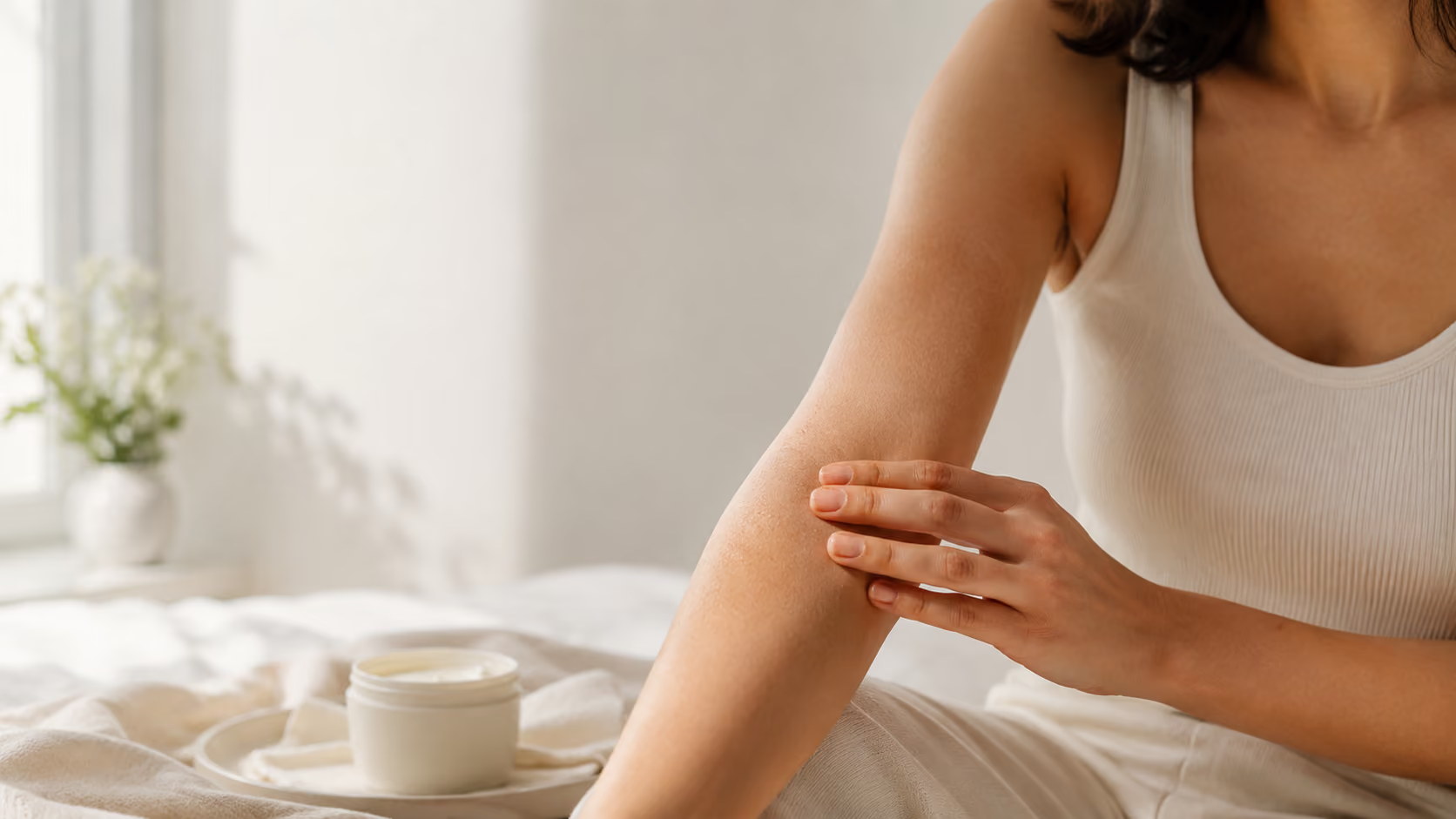
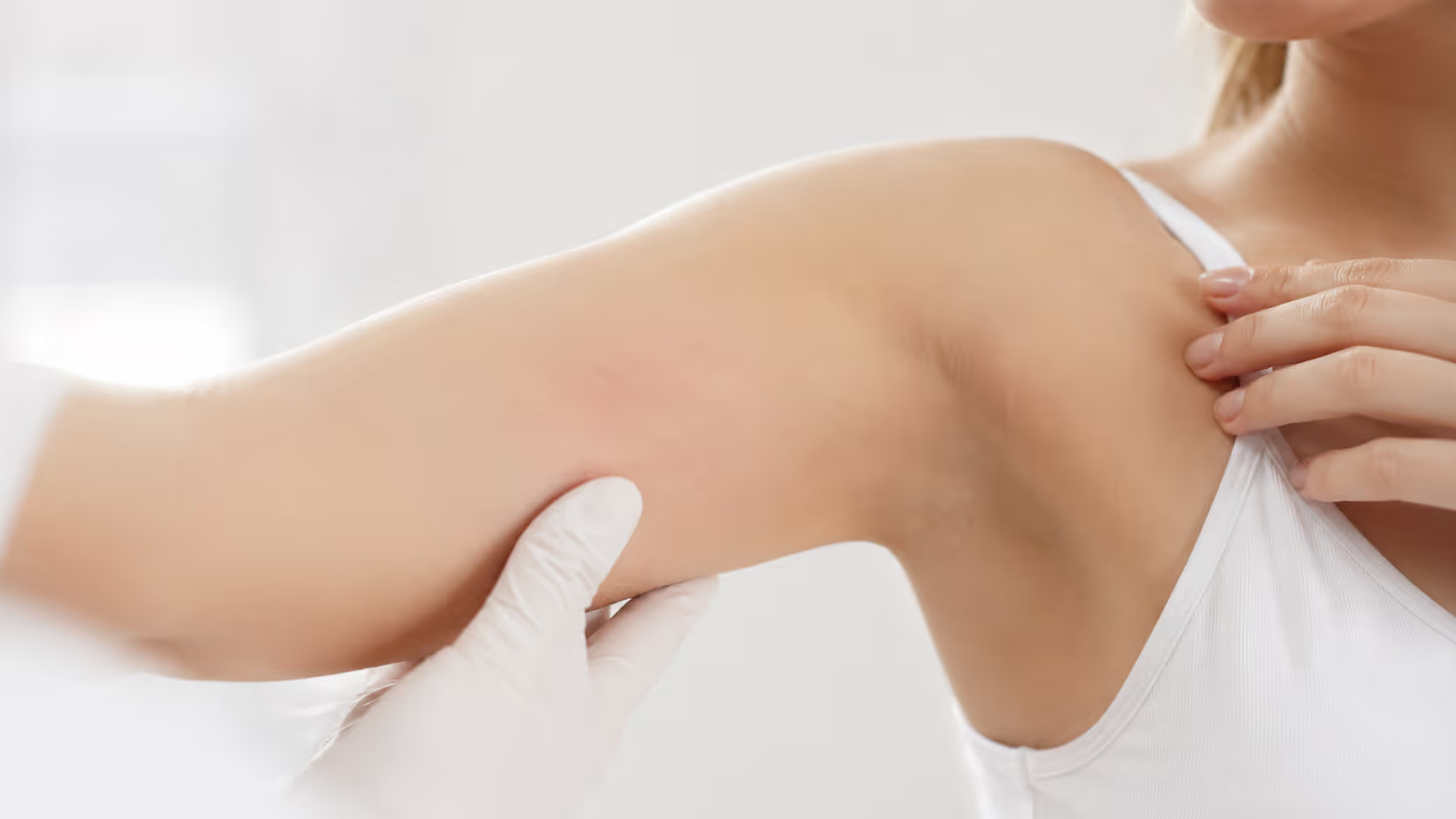
Keratosis pilaris affects millions of people worldwide, creating those characteristic small, rough bumps that often appear on the arms, thighs, and cheeks. This common skin condition occurs when keratin builds up around hair follicles, creating a sandpaper-like texture that can be both frustrating and aesthetically concerning. Many patients wonder if something as simple as moisturizer can make a meaningful difference in their treatment journey.
The relationship between moisturizers and keratosis pilaris treatment is more complex than it might initially appear. While basic lotions provide some benefit, the specific ingredients and formulation of moisturizers play crucial roles in determining their effectiveness. Understanding how different moisturizing ingredients interact with keratinized skin can help patients make informed decisions about their skincare routines.
At Hazany Derm, we frequently encounter patients seeking effective solutions for keratosis pilaris management. Dr. Salar Hazany emphasizes that while moisturizers alone may not completely eliminate keratosis pilaris, they serve as a fundamental component of successful treatment protocols. The key lies in selecting the right products and understanding how they work within a comprehensive treatment approach.
Can Moisturizers Treat Keratosis Pilaris? Yes — With a Catch
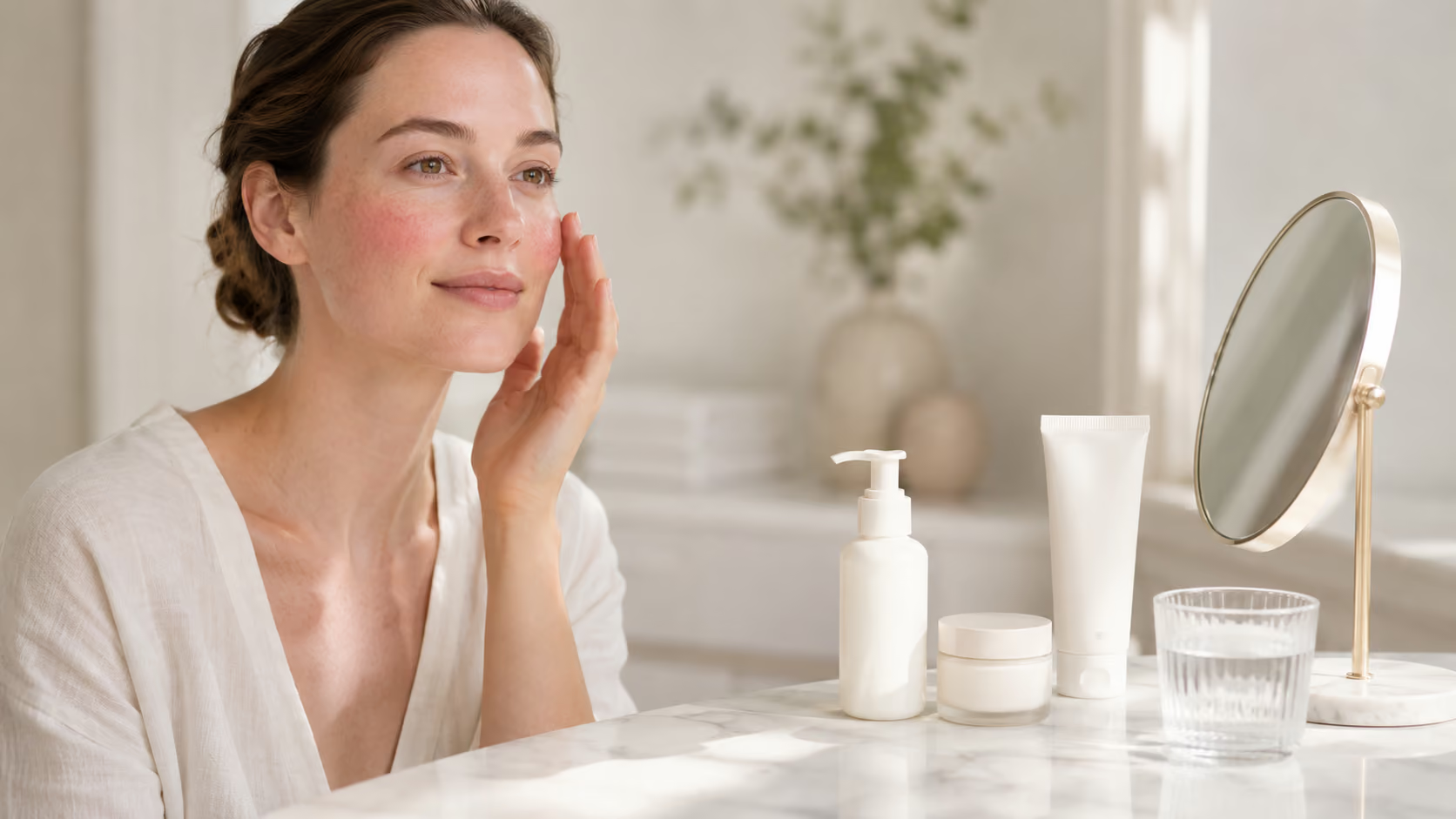
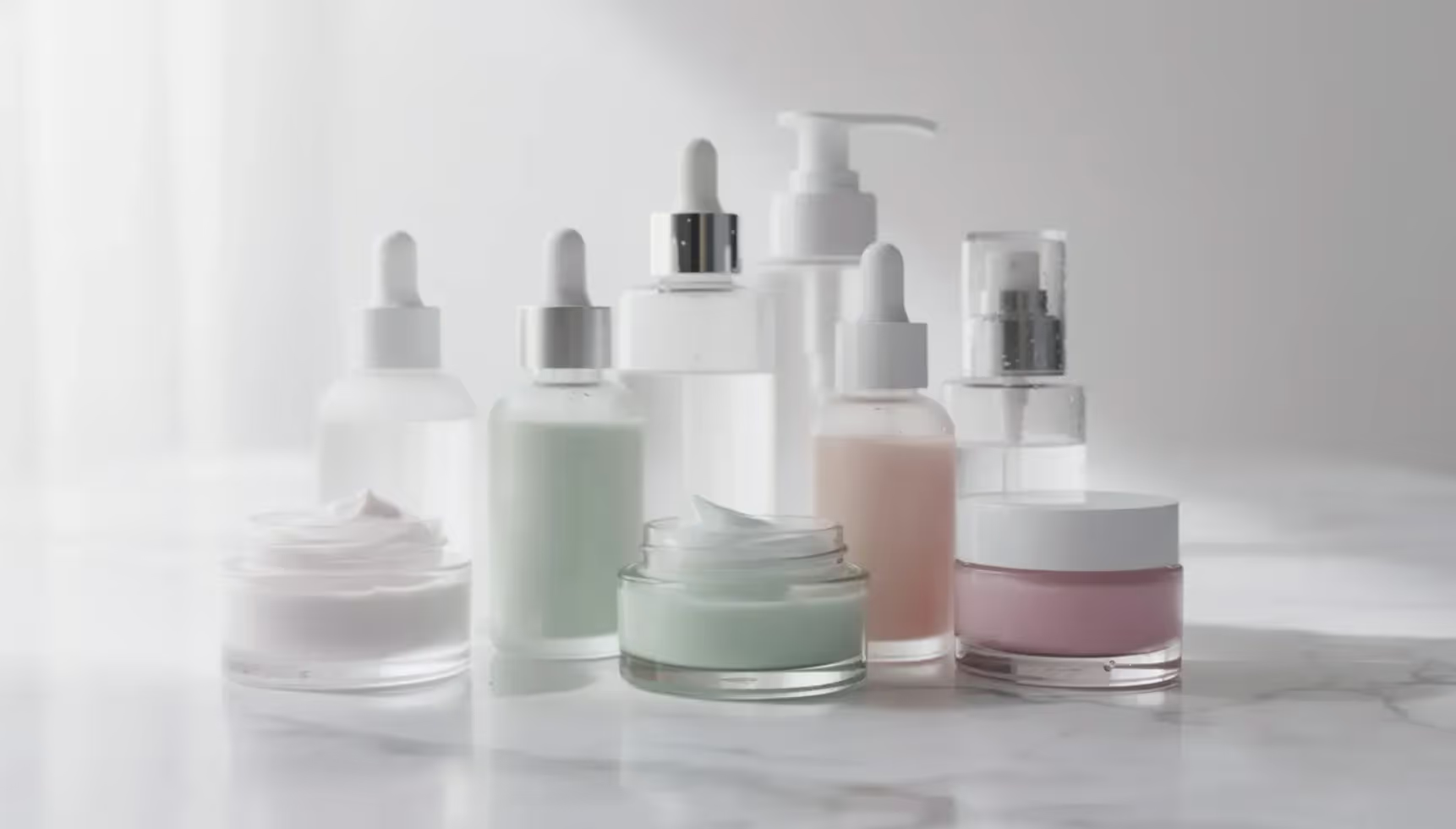
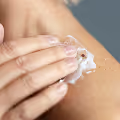
Moisturizers genuinely improve keratosis pilaris — but only the right ones, and they manage it rather than cure it. Plain lotion softens skin; what dissolves the keratin plugs is a moisturizer with active ingredients like urea, lactic acid, or glycolic acid, applied twice daily to damp skin. Expect smoother texture within a few weeks of consistency — and expect the bumps to return if you stop.
Understanding How Moisturizers Address Keratosis Pilaris
The mechanism by which moisturizers improve keratosis pilaris involves multiple pathways that target the underlying causes of this condition. Proper hydration helps soften the keratin plugs that block hair follicles, making them easier to remove naturally through gentle exfoliation. When skin maintains adequate moisture levels, the normal process of cell turnover can resume more effectively, preventing the accumulation of dead skin cells around follicles.
Moisturizers also play a crucial role in reducing the inflammation often associated with keratosis pilaris. Many people with this condition experience redness and irritation alongside the characteristic bumps, and well-formulated moisturizers can help calm these inflammatory responses. The barrier function of properly moisturized skin becomes stronger, protecting against environmental irritants that might worsen the condition.
The timing and frequency of moisturizer application significantly impact treatment outcomes for keratosis pilaris patients. Applying moisturizer to slightly damp skin helps lock in additional hydration, creating a more effective treatment environment. Consistency in application becomes particularly important, as the benefits of moisturizers for keratosis pilaris are cumulative and require sustained use to maintain improvements.
Several specific ingredients enhance the effectiveness of moisturizers for keratosis pilaris treatment:
- Urea: This naturally occurring compound helps soften keratin buildup while providing deep hydration to affected areas.
- Lactic acid: A gentle alpha hydroxy acid that promotes cell turnover and helps dissolve keratin plugs blocking follicles.
- Ceramides: Essential lipids that restore the skin barrier function and help maintain long-term moisture retention.
- Glycolic acid: A powerful exfoliating agent that can penetrate deeply to address stubborn keratin accumulation.
Hazany Derm patients often report noticeable improvements in skin texture within several weeks of consistent moisturizer use. However, the degree of improvement varies significantly based on the severity of the condition and individual skin characteristics. Some patients experience dramatic smoothing of affected areas, while others see more gradual changes that require patience and continued treatment.
The psychological benefits of improved skin texture through moisturizer use should not be underestimated in keratosis pilaris treatment. Many patients report increased confidence and reduced self-consciousness about their skin appearance as the condition improves. This positive feedback loop often encourages better adherence to treatment protocols, leading to more sustained improvements over time.
Choosing the Right Moisturizer for Keratosis Pilaris
Not all moisturizers are created equal when it comes to treating keratosis pilaris effectively. The concentration and combination of active ingredients determine how well a product can address the specific challenges presented by this condition. Products designed specifically for keratosis pilaris typically contain higher concentrations of keratolytic agents compared to standard body lotions.
The texture and formulation of moisturizers also influence their effectiveness for keratosis pilaris treatment. Thicker, cream-based formulations often provide more intensive hydration and longer-lasting effects, making them ideal for severe cases or particularly dry skin types. Lighter lotions may be more suitable for patients with sensitive skin or those living in humid climates where heavier products might feel uncomfortable.
Dr. Salar Hazany recommends evaluating several factors when selecting moisturizers for keratosis pilaris treatment. The pH level of the product can affect how well active ingredients penetrate the skin and interact with keratin buildup. Additionally, the presence of potential irritants like fragrances or harsh preservatives can counteract the benefits of otherwise effective ingredients.
The frequency of application plays a critical role in maximizing the benefits of moisturizers for keratosis pilaris. Most dermatologists recommend applying treatment moisturizers twice daily, with special attention to timing after bathing when skin is most receptive to hydration. Some patients benefit from more frequent application during initial treatment phases or in particularly dry environmental conditions.
Hazany Derm emphasizes the importance of patch testing new moisturizers before full application, especially for patients with sensitive skin or a history of allergic reactions. Even products marketed specifically for keratosis pilaris can cause irritation in some individuals, and identifying problematic ingredients early prevents setbacks in treatment progress. Starting with small amounts and gradually increasing coverage allows the skin to adjust to new active ingredients.
Combining Moisturizers with Other Keratosis Pilaris Treatments
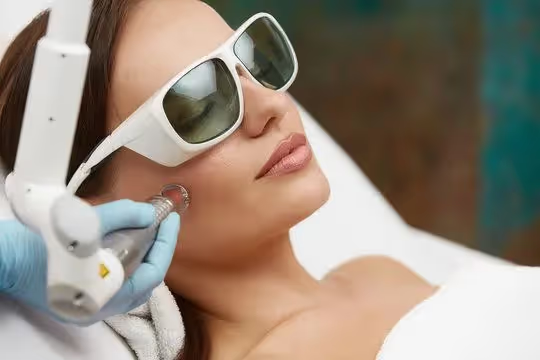
While moisturizers form an essential foundation for keratosis pilaris treatment, combining them with other therapeutic approaches often yields superior results. Professional treatments offered at dermatology practices like Hazany Derm can address more stubborn cases that don't respond adequately to moisturizers alone. Chemical peels, for example, can provide deeper exfoliation than topical products, creating better conditions for moisturizer absorption and effectiveness.
The sequence and timing of different treatments significantly impact overall results in keratosis pilaris management. Applying moisturizers after professional treatments helps soothe skin and maintain the benefits achieved through clinical procedures. Many patients find that their skin becomes more responsive to moisturizing treatments following professional interventions that remove built-up keratin more thoroughly.
Lifestyle modifications can enhance the effectiveness of moisturizer-based keratosis pilaris treatments significantly. Avoiding harsh soaps and using lukewarm water during bathing helps preserve the skin's natural moisture barrier, making moisturizers more effective. Additionally, using a humidifier in dry environments can support the hydrating effects of topical treatments.
The team at Hazany Derm often develops customized treatment protocols that incorporate moisturizers alongside other therapeutic modalities. These comprehensive approaches address the multifaceted nature of keratosis pilaris, targeting both the immediate symptoms and underlying causes. Patients following integrated treatment plans typically experience faster improvements and longer-lasting results compared to those using moisturizers alone.
Long-term success in keratosis pilaris management requires ongoing attention to skin health and consistent use of appropriate moisturizing products. Even after achieving significant improvement, many patients need to maintain their moisturizing routines to prevent recurrence of symptoms. The chronic nature of keratosis pilaris means that treatment is often about management rather than permanent cure, making the selection of sustainable, effective moisturizing strategies particularly important for patient satisfaction and treatment adherence. If months of diligent moisturizing haven't smoothed things out, your KP may need more than what's on the shelf. Schedule a consultation with Dr. Salar Hazany in Beverly Hills to pair the right at-home routine with in-office treatments that actually clear stubborn buildup.
Frequently Asked Questions
What ingredients should I look for in moisturizers for keratosis pilaris?
The most effective moisturizers for keratosis pilaris contain specific active ingredients that target the condition's underlying causes. Look for products with urea (10-20%), which softens keratin buildup, and alpha hydroxy acids like lactic or glycolic acid that gently exfoliate dead skin cells. Ceramides help restore the skin barrier, while ingredients like ammonium lactate provide both exfoliation and hydration. Dr. Salar Hazany often recommends products containing salicylic acid for its ability to penetrate follicles and dissolve keratin plugs. Avoid moisturizers with heavy fragrances or alcohol, which can irritate already sensitive skin and counteract the benefits of active ingredients.
How often should I apply moisturizer for keratosis pilaris?
For optimal results in treating keratosis pilaris, moisturizer should be applied consistently twice daily, ideally after showering when skin is still slightly damp to lock in extra moisture. The morning application helps protect skin throughout the day, while evening application allows active ingredients to work overnight during the skin's natural repair process. At Hazany Derm, we often recommend starting with once-daily application for sensitive skin types, then gradually increasing frequency as tolerance builds. During dry winter months or in arid climates, some patients benefit from additional applications. Consistency matters more than frequency - regular daily use produces better results than sporadic intensive treatments.
Can regular drugstore moisturizers help with keratosis pilaris?
While regular drugstore moisturizers provide basic hydration, they typically lack the specialized ingredients needed to effectively treat keratosis pilaris. Standard lotions may temporarily soften the skin but won't address the keratin buildup that causes the characteristic bumps. However, some drugstore brands do offer formulations specifically designed for keratosis pilaris with ingredients like urea or alpha hydroxy acids. The team at Hazany Derm suggests reading ingredient labels carefully and looking for products containing at least 10% urea or 5% lactic acid for therapeutic benefits. If budget is a concern, combining a basic moisturizer with targeted keratosis pilaris treatments can provide a cost-effective approach to managing the condition.
How long does it take to see results from moisturizer treatment?
Most patients begin noticing improvements in skin texture and appearance within 2-4 weeks of consistent moisturizer use for keratosis pilaris. However, significant changes typically require 6-12 weeks of regular application, as the skin's natural cell turnover cycle takes time to normalize. Some individuals may see faster results, while others with severe cases might need several months to achieve optimal improvement. Dr. Hazany emphasizes that patience is crucial, as premature discontinuation of treatment often leads to symptom return. The first signs of improvement usually include reduced roughness and softer skin texture, followed by gradual diminishing of the characteristic bumps. Maintaining realistic expectations and consistent application habits leads to the best long-term outcomes.
Should I use different moisturizers for different body areas affected by keratosis pilaris?
Different body areas may indeed benefit from varying moisturizer formulations due to differences in skin thickness and sensitivity. Arms and legs can typically tolerate stronger concentrations of active ingredients like urea or glycolic acid, while facial areas require gentler formulations to prevent irritation. The skin on thighs tends to be less sensitive than arms, potentially allowing for more intensive treatments. Hazany Derm specialists often recommend starting with milder formulations on all areas, then adjusting strength based on individual tolerance and response. Some patients find that cream-based moisturizers work better on drier areas like elbows and knees, while lighter lotions are preferred for larger surface areas where heavier products might feel uncomfortable or interfere with clothing.
Can moisturizers completely cure keratosis pilaris?
While moisturizers can significantly improve keratosis pilaris symptoms, they rarely provide a complete "cure" as this condition is largely genetic and tends to be chronic. Most patients experience substantial improvement in skin texture, reduced bumps, and decreased redness with consistent moisturizer use, but some degree of the condition may persist. The goal of treatment is management rather than elimination, focusing on minimizing symptoms and maintaining smoother skin texture. Dr. Salar Hazany explains that moisturizers work best as part of a comprehensive treatment approach that may include professional treatments for optimal results. Even after achieving significant improvement, ongoing moisturizer use is typically necessary to maintain results, as discontinuing treatment often leads to gradual return of symptoms within weeks to months.
Are there any side effects from using keratosis pilaris moisturizers?
Most keratosis pilaris moisturizers are well-tolerated, but some individuals may experience initial irritation, redness, or increased sensitivity, particularly with products containing higher concentrations of active ingredients like alpha hydroxy acids or urea. These side effects typically diminish as skin adjusts to the treatment, usually within 1-2 weeks of regular use. Some people may experience temporary stinging or burning upon application, especially on broken or inflamed skin. The Hazany Derm clinic recommends starting with lower concentrations and gradually increasing strength to minimize adverse reactions. Patch testing new products on a small skin area before full application helps identify potential sensitivities. If severe irritation, persistent redness, or allergic reactions occur, discontinue use and consult a dermatologist for alternative treatment options.
What's the difference between regular moisturizers and keratosis pilaris-specific products?
Keratosis pilaris-specific moisturizers contain higher concentrations of active ingredients designed to address keratin buildup and follicular plugging, while regular moisturizers focus primarily on basic hydration. Specialized products typically include keratolytic agents like urea (10-40%), alpha hydroxy acids, or salicylic acid that actively dissolve and prevent keratin accumulation. Regular moisturizers mainly contain emollients and humectants that soften skin but don't address the underlying cause of keratosis pilaris. The pH levels in specialized products are often formulated to optimize the effectiveness of active ingredients. The experts at Hazany Derm note that while regular moisturizers provide some benefit through hydration, they lack the therapeutic components necessary for significant improvement in keratosis pilaris symptoms, making specialized formulations a worthier investment for those seeking meaningful results.