






%201.avif)



Fotona Laser vs. Candela VBeam: Which is Better for Vascular Lesions?



Both Fotona laser and Candela VBeam offer excellent results for vascular lesions, but the best choice depends on your specific condition and skin type. At Hazany Derm, we evaluate each patient individually to determine the most effective treatment approach.
Vascular lesions affect millions of people worldwide, manifesting as spider veins, broken capillaries, rosacea, and other visible blood vessel irregularities. These conditions can significantly impact self-confidence and quality of life, driving patients to seek effective treatment solutions. Modern laser technology has revolutionized the treatment of vascular lesions, offering precise, minimally invasive options that deliver remarkable results.
Two leading laser systems have emerged as gold standards in vascular lesion treatment: the Fotona laser platform and the Candela VBeam pulsed dye laser. Both technologies utilize different wavelengths and mechanisms to target unwanted blood vessels while preserving surrounding healthy tissue. Understanding the distinctions between these systems is crucial for making informed treatment decisions.
At Hazany Derm, we recognize that choosing the right laser technology depends on multiple factors including lesion type, skin characteristics, and individual patient goals. Our comprehensive approach involves thorough evaluation of each case to determine which system will deliver optimal results. This comparison will explore the technical specifications, treatment capabilities, and clinical outcomes of both laser systems to help you understand which option might be best for your specific needs.
Fotona vs. VBeam: The Short Answer
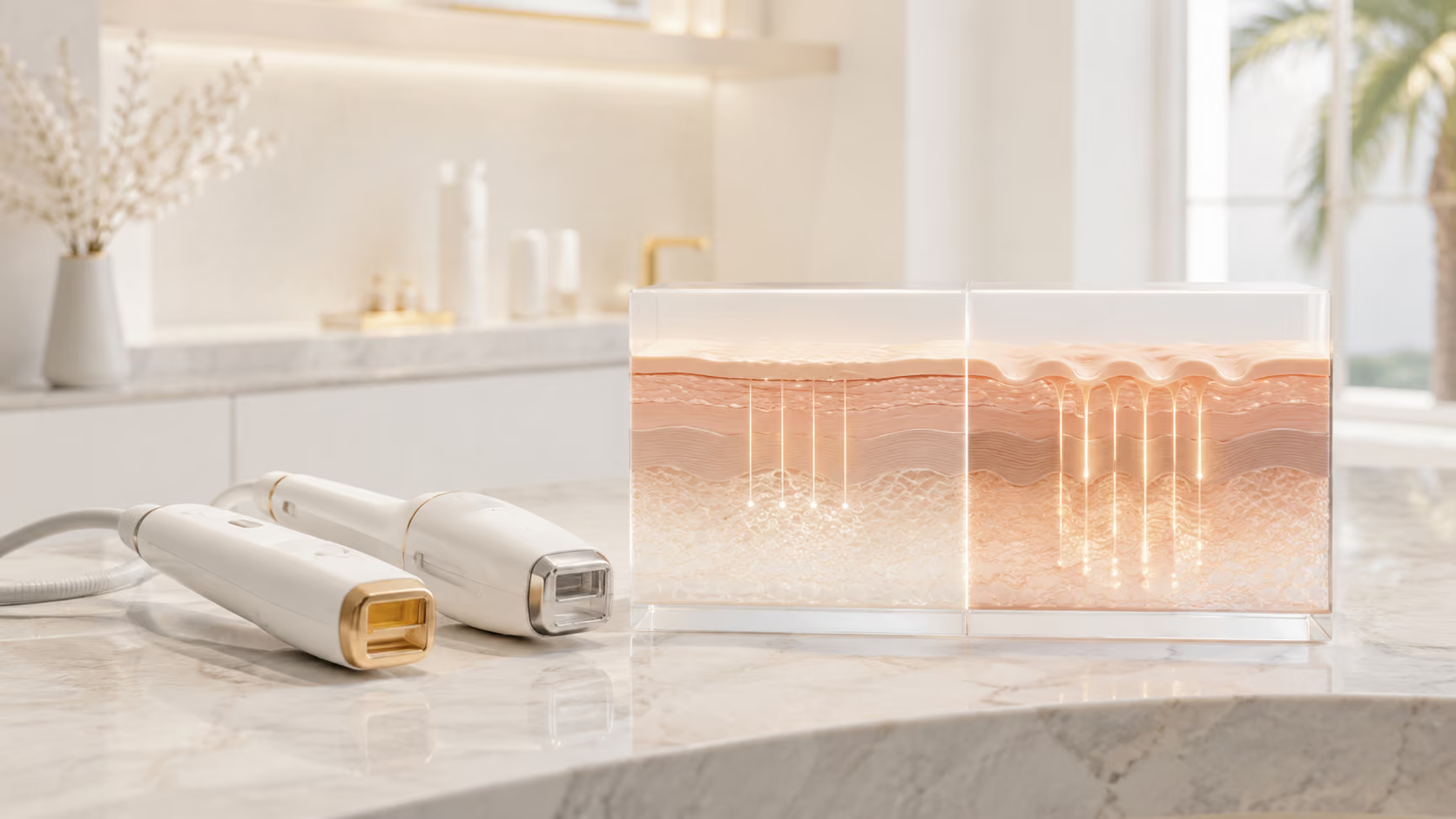
Neither is universally better — they're built for different depths. The VBeam's 595nm wavelength is the specialist for superficial red lesions: facial telangiectasias, early rosacea, and broken capillaries. Fotona's 1064nm Nd:YAG reaches deeper and larger vessels, including leg veins, and is often the safer choice for darker skin tones. Lesion depth, color, and your skin type decide.
Understanding Fotona Laser Technology
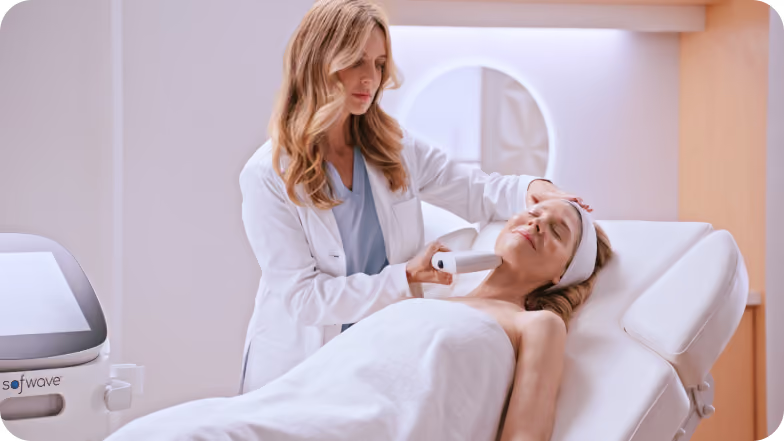
The Fotona laser system represents a versatile, multi-wavelength platform that has gained recognition for its effectiveness in treating various vascular conditions. This advanced technology utilizes Nd:YAG wavelengths, typically 1064nm, which penetrate deeply into tissue to target blood vessels effectively. The system's ability to deliver controlled energy pulses allows for precise treatment of both superficial and deeper vascular lesions. Dr. Salar Hazany has observed excellent results using Fotona technology for patients with diverse vascular concerns.
Fotona's unique PIANO pulse technology sets it apart from traditional laser systems by delivering energy in a series of controlled sub-pulses rather than single intense bursts. This approach minimizes thermal damage to surrounding tissues while maintaining effective vessel coagulation. The system's cooling mechanisms and adjustable parameters allow for customized treatments based on individual patient needs and lesion characteristics. The versatility of wavelength options makes it suitable for treating patients with varying skin types and phototypes.
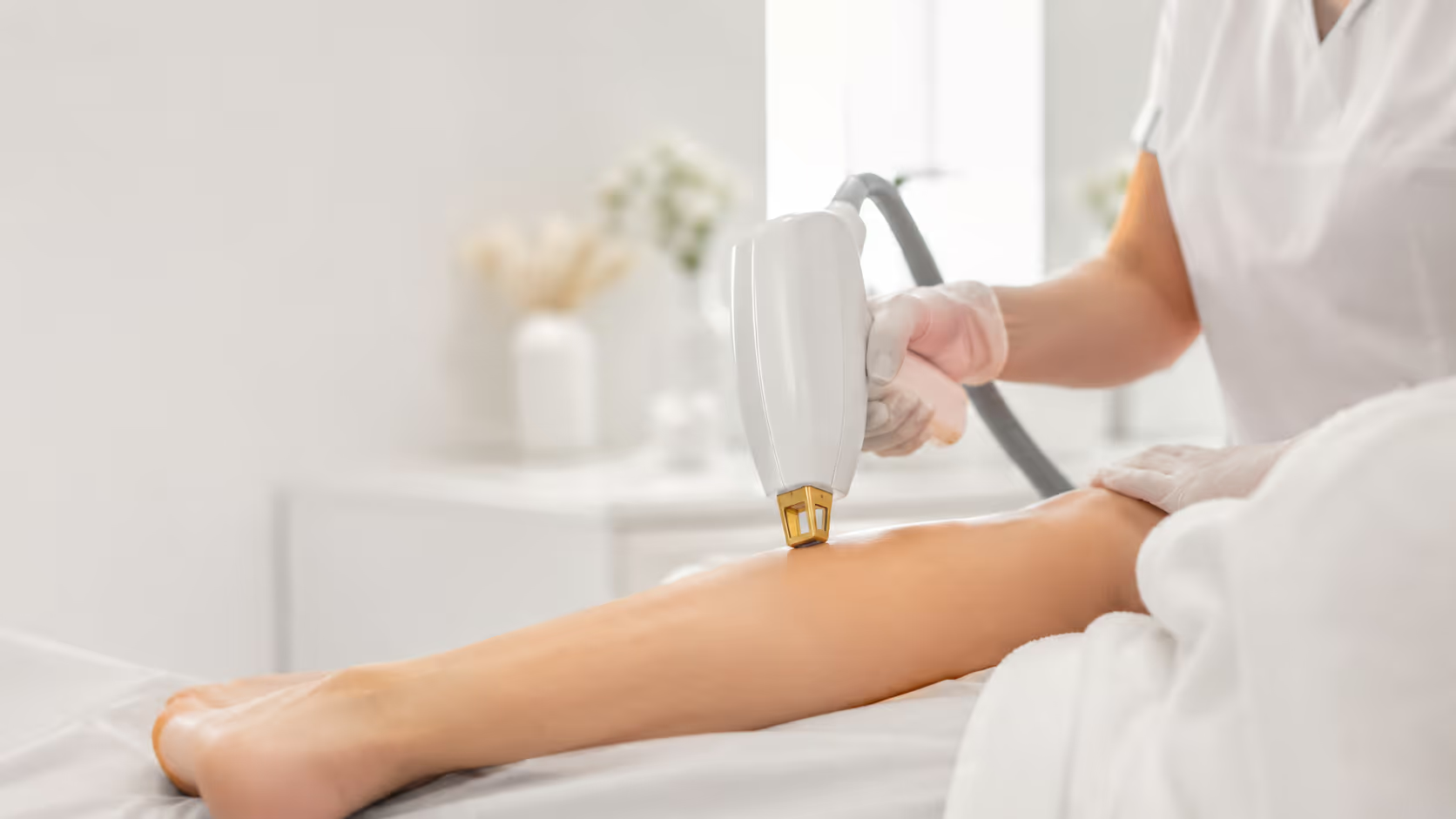
The clinical applications of Fotona laser extend beyond simple vascular lesion removal to include treatment of facial telangiectasias, leg veins, cherry angiomas, and certain types of hemangiomas. The system's precision allows practitioners to target specific vessels while preserving the integrity of surrounding healthy tissue. Patient comfort during treatment is enhanced by the system's cooling technology and optimized pulse delivery. The Fotona platform's reliability and consistent results have made it a preferred choice among dermatologists treating vascular conditions.
Treatment protocols with Fotona laser typically involve multiple sessions spaced several weeks apart to achieve optimal results. The gradual improvement allows for natural healing processes while minimizing the risk of complications. Patients often report minimal discomfort during treatment, describing sensations similar to rubber band snapping against the skin. Post-treatment care is relatively straightforward, with most patients able to return to normal activities immediately following their session.
Long-term outcomes with Fotona laser treatment show high patient satisfaction rates and durable results when combined with appropriate maintenance protocols. The system's ability to stimulate collagen production as a secondary benefit often leads to overall skin quality improvement beyond vascular lesion clearance. At Hazany Derm, we have documented excellent treatment responses across diverse patient populations using Fotona technology. The system's safety profile and predictable outcomes make it an excellent choice for many vascular lesion cases.
Exploring Candela VBeam Technology
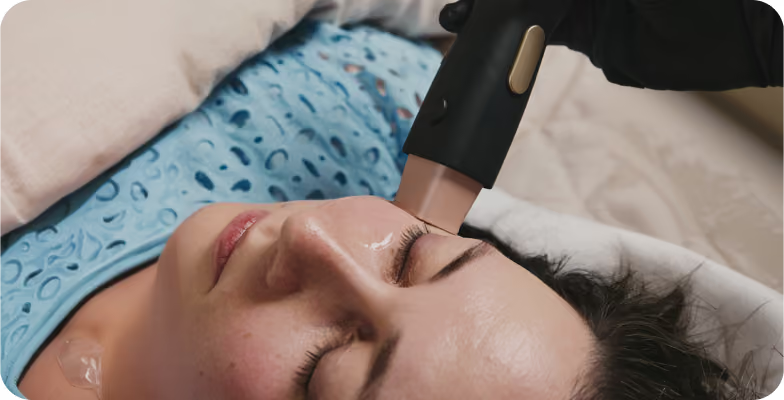
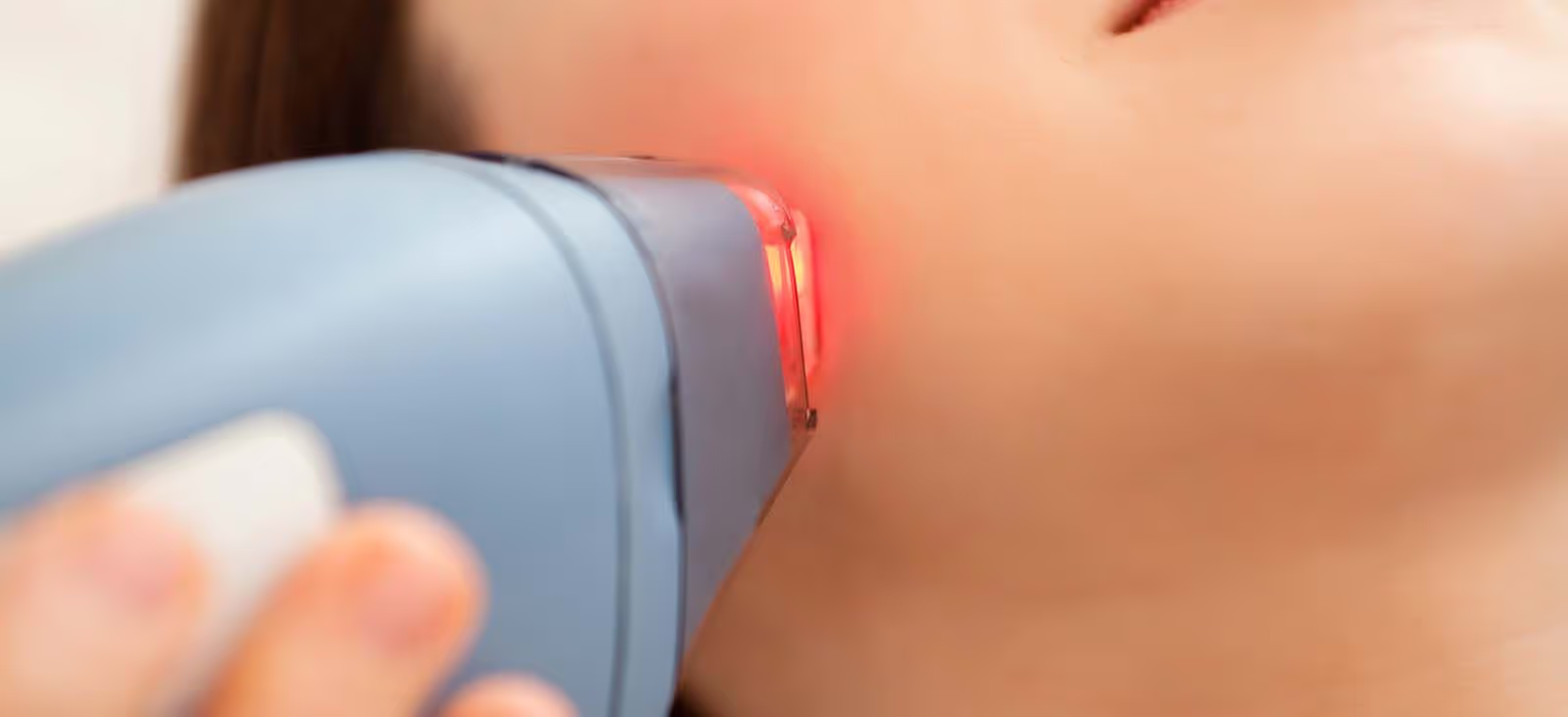
The Candela VBeam pulsed dye laser has established itself as the gold standard for treating superficial vascular lesions through its targeted 595nm wavelength. This specific wavelength corresponds to the peak absorption spectrum of oxyhemoglobin, making it exceptionally effective for treating red vascular lesions. The system's pulsed dye technology delivers intense but brief energy pulses that selectively destroy blood vessels while minimizing damage to surrounding tissues. The VBeam's reputation for treating facial vascular lesions, particularly rosacea and facial telangiectasias, has made it a cornerstone technology in cosmetic dermatology.
VBeam's Dynamic Cooling Device (DCD) represents a significant advancement in patient comfort and treatment safety by delivering cryogen spray immediately before each laser pulse. This cooling mechanism protects the epidermis from thermal injury while allowing effective energy delivery to target vessels. The system's variable pulse durations and energy settings provide flexibility in treating different vessel sizes and depths. Hazany Derm has utilized VBeam technology extensively, achieving consistently excellent results in treating superficial vascular conditions.
The precision of VBeam technology makes it particularly effective for treating delicate facial areas where other lasers might be too aggressive or imprecise. The system's ability to selectively target hemoglobin while sparing melanin makes it suitable for most skin types, though careful parameter selection is essential for darker skin tones. Treatment sessions are typically brief, often lasting only 15-30 minutes depending on the treatment area size. The immediate cooling and precise energy delivery contribute to high patient tolerance and satisfaction rates.
Clinical outcomes with VBeam laser consistently demonstrate high clearance rates for superficial vascular lesions, with many patients achieving significant improvement after just one to three treatment sessions. The system's selectivity for hemoglobin results in minimal collateral tissue damage and reduced risk of pigmentation changes. Recovery time is typically minimal, with most patients experiencing only mild redness and swelling that resolves within 24-48 hours. The predictable healing process and low complication rates make VBeam an attractive option for both patients and practitioners.
Patient selection for VBeam treatment requires careful evaluation of lesion characteristics, skin type, and treatment goals to ensure optimal outcomes. The system performs exceptionally well on superficial red lesions but may be less effective on deeper or larger vessels that require greater penetration depth. At Hazany Derm, we carefully assess each patient's unique needs to determine whether VBeam technology aligns with their treatment objectives. The combination of proven efficacy and excellent safety profile makes VBeam a preferred choice for many superficial vascular lesion cases.
Comparative Analysis and Treatment Selection
When comparing Fotona laser and Candela VBeam technologies, the primary distinctions lie in their wavelength characteristics, penetration depths, and optimal treatment applications. Fotona's 1064nm wavelength provides superior deep tissue penetration, making it more effective for larger, deeper vessels and patients with thicker skin. VBeam's 595nm wavelength offers exceptional selectivity for superficial red lesions, providing precise treatment of facial telangiectasias and early-stage rosacea. The choice between these technologies often depends on the specific characteristics of the vascular lesions being treated.
Treatment comfort and recovery profiles differ between the two systems, with both offering distinct advantages depending on patient preferences and tolerance levels. Fotona's PIANO pulse technology and integrated cooling systems provide comfortable treatment experiences with minimal downtime for most patients. VBeam's Dynamic Cooling Device offers immediate epidermal protection and enhanced comfort during treatment, though some patients may experience slightly more post-treatment erythema initially. Both systems have evolved to maximize patient comfort while maintaining treatment efficacy.
Cost considerations and treatment duration vary between Fotona and VBeam therapies, influencing patient decision-making and treatment planning. The number of required sessions may differ based on lesion characteristics and chosen technology, with some conditions responding more rapidly to one system versus the other. Long-term maintenance requirements should be factored into treatment selection, as some vascular conditions may require periodic touch-up sessions regardless of the initial treatment method. The team at Hazany Derm provides detailed treatment planning and cost analysis to help patients make informed decisions about their care.
Key factors in technology selection include:
- Lesion depth and size: Deeper, larger vessels typically respond better to Fotona's penetrating wavelength
- Skin type and phototype: Darker skin types may benefit from Fotona's reduced melanin absorption characteristics
- Treatment area sensitivity: Delicate facial areas often respond excellently to VBeam's precise targeting
- Patient lifestyle and downtime tolerance: Individual preferences for recovery time may influence technology selection
The integration of both technologies in a comprehensive dermatology practice allows for optimal treatment customization based on individual patient needs and lesion characteristics. Some complex cases may benefit from combination approaches or sequential treatments using different laser systems. Treatment protocols can be adjusted and refined based on patient response and evolving treatment goals throughout the therapeutic process. This flexibility ensures that patients receive the most appropriate and effective treatment for their specific vascular concerns.
What other vascular lasers are there?
Fotona and VBeam aren't the only players — Excel V and Derma V are prominent alternatives that pair a 532nm wavelength for superficial redness with a 1064nm wavelength for deeper vessels, effectively bridging the two approaches compared here. For a breakdown of how those systems fit in, see our guide to pigment and redness lasers.
Vascular Laser Treatment in Beverly Hills
The right laser follows from the right diagnosis. Schedule a consultation with Dr. Salar Hazany in Beverly Hills to have your vascular lesions properly evaluated and matched to the wavelength — and the treatment plan — they'll actually respond to.
Frequently Asked Questions
Which laser is better for deep vascular lesions?
For deep vascular lesions, the Fotona laser typically provides superior results due to its 1064nm wavelength, which penetrates more deeply into tissue compared to other laser systems. Dr. Salar Hazany frequently recommends Fotona technology for patients with larger, deeper vessels that require more aggressive treatment approaches. The system's PIANO pulse technology allows for effective energy delivery to deeper structures while minimizing surface tissue damage. This makes Fotona particularly effective for treating leg veins, deeper facial vessels, and other substantial vascular lesions that may not respond adequately to shorter wavelength lasers like the VBeam system.
How many treatments are typically needed with each system?
Treatment requirements vary significantly based on lesion characteristics and individual patient response, but general patterns emerge with each technology. Hazany Derm typically sees patients requiring 2-4 VBeam sessions for superficial facial vascular lesions, while Fotona treatments may need 3-6 sessions for deeper or more extensive vascular concerns. Factors influencing treatment numbers include lesion size, depth, location, and individual healing responses. Superficial telangiectasias often respond more quickly to VBeam, while deeper vessels treated with Fotona may require more sessions but often achieve more durable results. Treatment spacing typically ranges from 4-8 weeks between sessions to allow proper healing and assessment.
Which technology is safer for darker skin types?
Both technologies can be used safely on darker skin types when properly calibrated, but Fotona laser generally offers advantages due to its longer wavelength characteristics. The team at Hazany Derm carefully evaluates skin phototype and adjusts treatment parameters accordingly to minimize risks of pigmentation changes or other complications. Fotona's 1064nm wavelength has reduced melanin absorption compared to VBeam's 595nm wavelength, making it inherently safer for darker skin tones. However, VBeam can still be used effectively on darker skin with appropriate parameter selection, extended pulse durations, and aggressive cooling protocols. Pre-treatment testing and conservative initial settings are essential regardless of chosen technology.
What is the typical cost difference between these treatments?
Cost variations between Fotona and VBeam treatments depend on multiple factors including treatment area size, number of sessions required, and geographic location. Dr. Hazany typically finds that individual session costs may be comparable between systems, but total treatment costs can vary based on the number of sessions needed to achieve desired results. VBeam treatments for superficial lesions may require fewer total sessions, potentially reducing overall costs, while Fotona treatments for complex or deep lesions may require more sessions but often provide more comprehensive results. Insurance coverage varies significantly and rarely covers cosmetic vascular lesion treatments, making out-of-pocket cost considerations important for most patients seeking these services.
Which laser provides faster results?
Treatment speed varies considerably based on lesion characteristics and individual patient response patterns rather than laser technology alone. Hazany Derm specialists observe that superficial red lesions often respond more rapidly to VBeam treatment, with visible improvement sometimes apparent within days of treatment. Fotona treatments may show more gradual improvement over weeks to months, particularly for deeper or more complex vascular lesions. However, Fotona often provides more comprehensive and longer-lasting results for appropriate lesion types. Patient expectations should be managed appropriately, as vascular lesion improvement typically occurs gradually regardless of chosen technology, with final results often not apparent until weeks after treatment completion.
Can these lasers treat all types of vascular lesions?
While both laser systems treat a wide range of vascular lesions effectively, each has specific strengths and limitations that influence treatment selection. Dr. Salar Hazany emphasizes that proper lesion evaluation is crucial for determining appropriate treatment approaches and realistic outcome expectations. VBeam excels at treating superficial red lesions, facial telangiectasias, and early rosacea, while Fotona performs better on deeper vessels, leg veins, and larger vascular lesions. Some complex vascular malformations may require specialized treatment approaches or referral to vascular surgery specialists. Certain lesions, such as large hemangiomas or arteriovenous malformations, may not be appropriate for laser treatment and require alternative therapeutic approaches.
What should I expect during recovery from each treatment?
Recovery experiences differ between laser systems but are generally well-tolerated with both technologies when performed by experienced practitioners. Hazany Derm clinic provides detailed post-treatment instructions to optimize healing and minimize complications following either treatment approach. VBeam patients typically experience mild redness and swelling lasting 24-48 hours, with some bruising possible in sensitive areas. Fotona patients may experience similar symptoms but often with less intensity due to the system's deeper penetration and reduced surface trauma. Both treatments allow immediate return to normal activities with sun protection and gentle skincare. Complete healing typically occurs within 1-2 weeks, with continued improvement visible for months following treatment.
How do I choose between these two laser options?
Choosing between Fotona and VBeam technologies requires comprehensive evaluation of lesion characteristics, skin type, treatment goals, and individual patient factors. The experts at Hazany Derm conduct thorough consultations including detailed lesion assessment, medical history review, and discussion of patient expectations to determine optimal treatment approaches. Factors influencing technology selection include lesion depth, size, location, skin phototype, and lifestyle considerations such as downtime tolerance. Some patients may benefit from combination approaches using both technologies for different lesion types or treatment areas. Professional consultation with experienced dermatologists ensures appropriate technology selection and realistic treatment planning for optimal outcomes and patient satisfaction.