






%201.avif)



What Is the Cost of Injectable Treatments?


Injectable treatment costs vary based on product type, treatment area, and amount needed. At Hazany Derm, Dr. Salar Hazany provides transparent pricing consultations to help patients understand the investment required for their aesthetic goals and desired outcomes.
Injectable treatments have revolutionized the aesthetic medicine landscape, offering patients non-surgical solutions for wrinkle reduction, volume restoration, and facial enhancement. Understanding the cost of these procedures is crucial for anyone considering cosmetic injectables as part of their beauty routine. The investment in injectable treatments varies significantly based on multiple factors, making it essential to have a comprehensive understanding of pricing structures.
When evaluating the cost of injectable treatments, patients often discover that pricing depends on several key variables rather than a simple flat rate. The type of injectable used, the area being treated, the amount of product required, and the expertise of the practitioner all contribute to the final investment. At Hazany Derm, transparent pricing discussions ensure patients understand exactly what their treatment entails. This comprehensive approach helps individuals make informed decisions about their aesthetic investment.
The value of injectable treatments extends beyond the immediate cost, encompassing the long-term benefits of enhanced confidence and improved appearance. While some patients initially focus solely on upfront expenses, the duration of results and overall satisfaction often justify the investment. Dr. Salar Hazany emphasizes the importance of viewing injectable treatments as an investment in self-care and personal well-being. Quality treatments performed by experienced professionals typically provide better value than lower-cost alternatives that may require more frequent touch-ups.
Understanding Botox and Neuromodulator Pricing
Botox and other neuromodulators represent some of the most popular injectable treatments available today. These products work by temporarily relaxing facial muscles responsible for dynamic wrinkles, creating smoother, more youthful-appearing skin. The cost of neuromodulator treatments typically ranges from several hundred to over a thousand dollars per session, depending on the number of areas treated. Most patients require treatments every three to four months to maintain optimal results.
The pricing structure for neuromodulators often follows a per-unit model, where patients pay based on the amount of product used during their treatment. Common treatment areas include the forehead, crow's feet, and frown lines between the eyebrows. Each area requires a specific number of units to achieve the desired effect, with some patients needing more product than others based on muscle strength and treatment goals. Hazany Derm provides detailed consultations to determine the exact amount needed for each individual patient.
Geographic location significantly impacts neuromodulator pricing, with metropolitan areas typically commanding higher rates than smaller cities. The expertise and reputation of the injector also influence cost, as board-certified dermatologists and plastic surgeons often charge premium rates for their advanced skills and training. Patients should consider that while experienced practitioners may charge more initially, their expertise often results in better outcomes and fewer complications. The investment in quality care frequently pays dividends in terms of natural-looking results and patient satisfaction.
Several factors specifically influence neuromodulator pricing that patients should understand before scheduling treatment:
- Treatment Area Size: Larger areas like the forehead require more units than smaller areas like crow's feet, directly impacting overall cost
- Individual Muscle Strength: Patients with stronger facial muscles may need additional units to achieve the same results as those with weaker muscles
- Previous Treatment History: First-time patients may require more product initially, while experienced patients often need maintenance doses
- Desired Outcome: Subtle improvements require fewer units than dramatic transformations, allowing patients to customize their investment level
Patient expectations play a crucial role in determining the appropriate treatment plan and associated costs. Some individuals prefer subtle enhancements that require minimal product, while others seek more dramatic improvements necessitating higher unit counts. Dr. Salar Hazany works closely with each patient to establish realistic expectations and develop treatment plans that align with both aesthetic goals and budget considerations. This collaborative approach ensures patients receive value-appropriate treatments that deliver satisfying results.
The longevity of neuromodulator results affects the overall cost-effectiveness of treatment. While initial sessions may seem expensive, the three to four-month duration of results often makes the monthly cost quite reasonable when compared to other beauty treatments. Many patients find that regular neuromodulator treatments become a manageable part of their self-care budget, similar to regular hair appointments or skincare products. Hazany Derm offers various payment options and treatment packages to help make these investments more accessible to patients seeking consistent care.
Dermal Filler Investment Considerations
Dermal fillers represent another major category of injectable treatments, designed to restore volume, smooth wrinkles, and enhance facial contours. Unlike neuromodulators that relax muscles, fillers add substance to areas that have lost volume due to aging or require enhancement for aesthetic purposes. The cost of dermal filler treatments varies significantly based on the type of filler used, the amount needed, and the complexity of the treatment area. Premium fillers designed for specific areas or longer-lasting results typically command higher prices than basic formulations.
The variety of available dermal fillers creates a wide spectrum of pricing options for patients. Hyaluronic acid fillers, the most common type, range from moderate to premium pricing depending on their specific formulation and intended use. Specialized fillers designed for areas like the under-eyes or lips often cost more than those used for basic volume restoration. At Hazany Derm, patients receive detailed explanations of different filler options and their associated costs during consultation appointments. This educational approach helps individuals make informed decisions about their aesthetic investment.
Treatment complexity significantly impacts dermal filler pricing, as some procedures require advanced techniques and artistic skill to achieve optimal results. Simple treatments like basic lip enhancement or nasolabial fold correction typically cost less than comprehensive facial rejuvenation involving multiple areas and injection techniques. The time required for complex procedures, along with the skill level needed, justifies higher pricing for intricate treatments. Dr. Salar Hazany's expertise in advanced injection techniques ensures patients receive appropriate value for complex procedures requiring specialized knowledge.
Key factors that influence dermal filler pricing include several important considerations:
- Filler Type and Brand: Premium brands with advanced formulations cost more than basic hyaluronic acid fillers, reflecting research and development investments
- Treatment Volume: The number of syringes needed directly impacts total cost, with some areas requiring multiple syringes for optimal results
- Injection Technique: Advanced techniques like microdroplet injection or cannula placement may increase treatment cost due to added complexity
- Combination Treatments: Addressing multiple areas simultaneously often provides package pricing benefits compared to separate treatment sessions
The duration of dermal filler results significantly affects their cost-effectiveness compared to other aesthetic treatments. Most hyaluronic acid fillers last six to eighteen months, depending on the specific product and treatment area. Some premium fillers designed for deeper injection provide results lasting up to two years or longer. When evaluating filler costs, patients should consider the per-month expense rather than just the upfront investment. Hazany Derm helps patients understand the long-term value proposition of different filler options based on their longevity and expected results.
Patient anatomy and aesthetic goals play crucial roles in determining the appropriate filler investment for each individual. Some patients achieve their desired results with minimal product, while others require more substantial volume restoration to meet their expectations. The team at Hazany Derm conducts thorough assessments to determine realistic treatment plans and associated costs. This personalized approach ensures patients invest appropriately in treatments that will deliver satisfying outcomes while avoiding unnecessary expenses for excessive product that won't enhance their natural beauty.
Factors Affecting Injectable Treatment Costs
Multiple variables contribute to the final cost of injectable treatments, making it essential for patients to understand these factors when budgeting for aesthetic procedures. Geographic location plays a significant role in pricing, with major metropolitan areas typically commanding higher rates than smaller cities due to increased overhead costs and market demand. The cost of living in different regions directly impacts practice expenses, which ultimately influences treatment pricing. Patients should research typical pricing in their area while recognizing that quality and expertise often justify premium pricing.
Practitioner credentials and experience level substantially impact injectable treatment costs across all practice settings. Board-certified dermatologists and plastic surgeons typically charge more than less qualified practitioners due to their extensive training and expertise. The investment in advanced education, ongoing training, and professional development justifies higher pricing for experienced practitioners. At Hazany Derm, patients benefit from Dr. Salar Hazany's extensive training and experience, ensuring they receive premium care that justifies the associated investment.
The quality and source of injectable products significantly influence treatment costs, as premium products command higher prices than generic alternatives. FDA-approved products from reputable manufacturers undergo extensive testing and quality control measures that increase their cost but ensure safety and efficacy. Some practices offer lower prices by using inferior products or purchasing from questionable sources, potentially compromising patient safety and results. Reputable practices like Hazany Derm exclusively use authentic, FDA-approved products from authorized distributors, ensuring patient safety and optimal outcomes.
Several specific factors directly impact the cost structure of injectable treatments:
- Practice Overhead: High-end facilities with advanced equipment and premium amenities typically charge more than basic clinical settings
- Staff Training: Practices investing in ongoing staff education and certification programs often reflect these costs in their pricing structure
- Product Authenticity: Genuine products from authorized distributors cost more than questionable alternatives but ensure safety and efficacy
- Follow-up Care: Comprehensive practices including follow-up appointments and touch-ups in their pricing may initially cost more but provide better overall value
Seasonal demand fluctuations can affect injectable treatment pricing, with some practices offering promotions during slower periods or charging premium rates during high-demand seasons. Many patients schedule injectable treatments before special events or holidays, creating increased demand that may impact availability and pricing. Understanding these patterns can help patients plan their treatments strategically to optimize both timing and cost. The specialists at Hazany Derm work with patients to schedule treatments optimally for both results and budget considerations.
Volume pricing and package deals often provide cost savings for patients requiring multiple treatments or regular maintenance sessions. Many practices offer discounts for purchasing multiple treatment sessions upfront or combining different injectable treatments in comprehensive packages. These arrangements benefit both patients and practices by ensuring consistent treatment schedules while providing cost savings. Dr. Salar Hazany works with patients to develop long-term treatment plans that optimize both results and cost-effectiveness, helping individuals achieve their aesthetic goals within their budget parameters while maintaining consistent, high-quality care throughout their treatment journey.
Frequently Asked Questions
How much do Botox injections typically cost?
Botox injection costs vary significantly based on the number of units needed and the areas being treated. Most patients can expect to invest between $300 to $800 per treatment session, depending on their specific needs and treatment goals. Dr. Salar Hazany evaluates each patient individually to determine the optimal number of units required for their desired results. Common treatment areas like crow's feet, forehead lines, and frown lines each require different amounts of product. The cost per unit typically ranges from $10 to $20, with most patients needing 20 to 60 units per session. Geographic location and practitioner expertise also influence pricing, with experienced injectors often charging premium rates that reflect their advanced skills and consistent results.
What factors influence dermal filler pricing?
Several key factors determine dermal filler costs, including the type of filler used, treatment area complexity, and amount of product needed. Hazany Derm provides transparent pricing based on individual patient needs and aesthetic goals. Premium fillers designed for specific areas like lips or under-eyes typically cost more than basic hyaluronic acid fillers used for volume restoration. The number of syringes required directly impacts total treatment cost, with some patients needing multiple syringes to achieve optimal results. Treatment complexity, practitioner expertise, and geographic location also influence pricing. Most dermal filler treatments range from $600 to $1,500 per syringe, depending on these various factors. Patients should consider the longevity of results when evaluating costs, as longer-lasting fillers may provide better value despite higher upfront investments.
Are injectable treatments covered by insurance?
Injectable treatments for cosmetic purposes are typically not covered by health insurance plans, as they are considered elective aesthetic procedures rather than medical necessities. The team at Hazany Derm helps patients understand their payment options and develop treatment plans that fit within their budget parameters. However, some injectable treatments may qualify for insurance coverage when used for medical conditions like excessive sweating, migraines, or muscle spasticity. Patients should check with their insurance providers to determine coverage eligibility for specific medical conditions. Most cosmetic injectable treatments require out-of-pocket payment, though many practices offer financing options, payment plans, or package deals to make treatments more accessible. Flexible spending accounts or health savings accounts may sometimes be used for certain injectable treatments, depending on the specific circumstances and account terms.
How can I budget for regular injectable treatments?
Planning for regular injectable treatments requires understanding both the initial investment and ongoing maintenance costs throughout the year. Dr. Hazany recommends that patients consider the frequency of treatments when budgeting, as Botox typically requires sessions every 3-4 months while fillers may last 6-18 months. Creating a monthly savings plan can help distribute costs evenly rather than facing large expenses at treatment time. Many patients allocate $100-300 monthly for injectable treatments, depending on their specific needs and treatment goals. Consider seasonal timing, special promotions, and package deals that might provide cost savings. Some practices offer membership programs or loyalty rewards that can reduce overall treatment costs. Additionally, combining treatments during single appointments can sometimes provide package pricing benefits while reducing the frequency of office visits and associated time commitments.
What payment options are available for injectable treatments?
Most aesthetic practices offer multiple payment options to make injectable treatments accessible to patients with varying budgets and financial preferences. Hazany Derm specialists work with patients to identify payment solutions that accommodate their individual financial situations while ensuring consistent, quality care. Common options include cash payments, credit cards, and healthcare financing through companies like CareCredit or Alphaeon Credit. Many practices offer in-house payment plans that allow patients to spread treatment costs over several months. Some patients use flexible spending accounts or health savings accounts for qualifying treatments. Package deals and prepaid treatment plans can provide significant savings for patients committed to regular maintenance sessions. Membership programs may offer discounted rates and priority scheduling benefits. Additionally, some practices provide seasonal promotions or loyalty rewards that can reduce overall treatment costs while maintaining consistent care.
Do injectable treatment costs vary by location?
Injectable treatment costs vary significantly based on geographic location, with metropolitan areas typically commanding higher prices than smaller cities or rural areas. Dr. Salar Hazany explains that location-based pricing differences reflect varying overhead costs, local market demand, and regional cost of living factors. Major cities like New York, Los Angeles, and Miami generally have higher treatment costs due to increased rent, staff wages, and overall business expenses. However, these areas often provide access to highly experienced practitioners and cutting-edge treatment options. Patients in smaller markets may find lower base prices but potentially fewer experienced injectors or advanced treatment options. When considering location-based pricing, patients should evaluate the total value proposition, including practitioner expertise, facility quality, product authenticity, and follow-up care. Sometimes traveling to a reputable practitioner in a nearby metropolitan area provides better overall value despite higher individual treatment costs.
Are there ways to save money on injectable treatments?
Several strategies can help patients reduce the cost of injectable treatments while maintaining quality care and optimal results. The Hazany Derm clinic offers various cost-saving opportunities including package deals, seasonal promotions, and loyalty programs for regular patients. Timing treatments strategically during promotional periods can provide significant savings without compromising quality or safety. Many practices offer discounts for combining multiple treatments during single appointments, reducing both cost and time commitments. New patient specials and referral programs may provide additional savings opportunities. Consider starting with smaller treatment areas to spread costs over time while building toward comprehensive treatment plans. Some patients benefit from group events or treatment parties that offer volume discounts. However, always prioritize practitioner credentials and product authenticity over price alone, as inferior treatments often require costly corrections. Building long-term relationships with reputable practices often leads to better pricing and personalized care that maximizes treatment value.
What should I expect during a consultation about treatment costs?
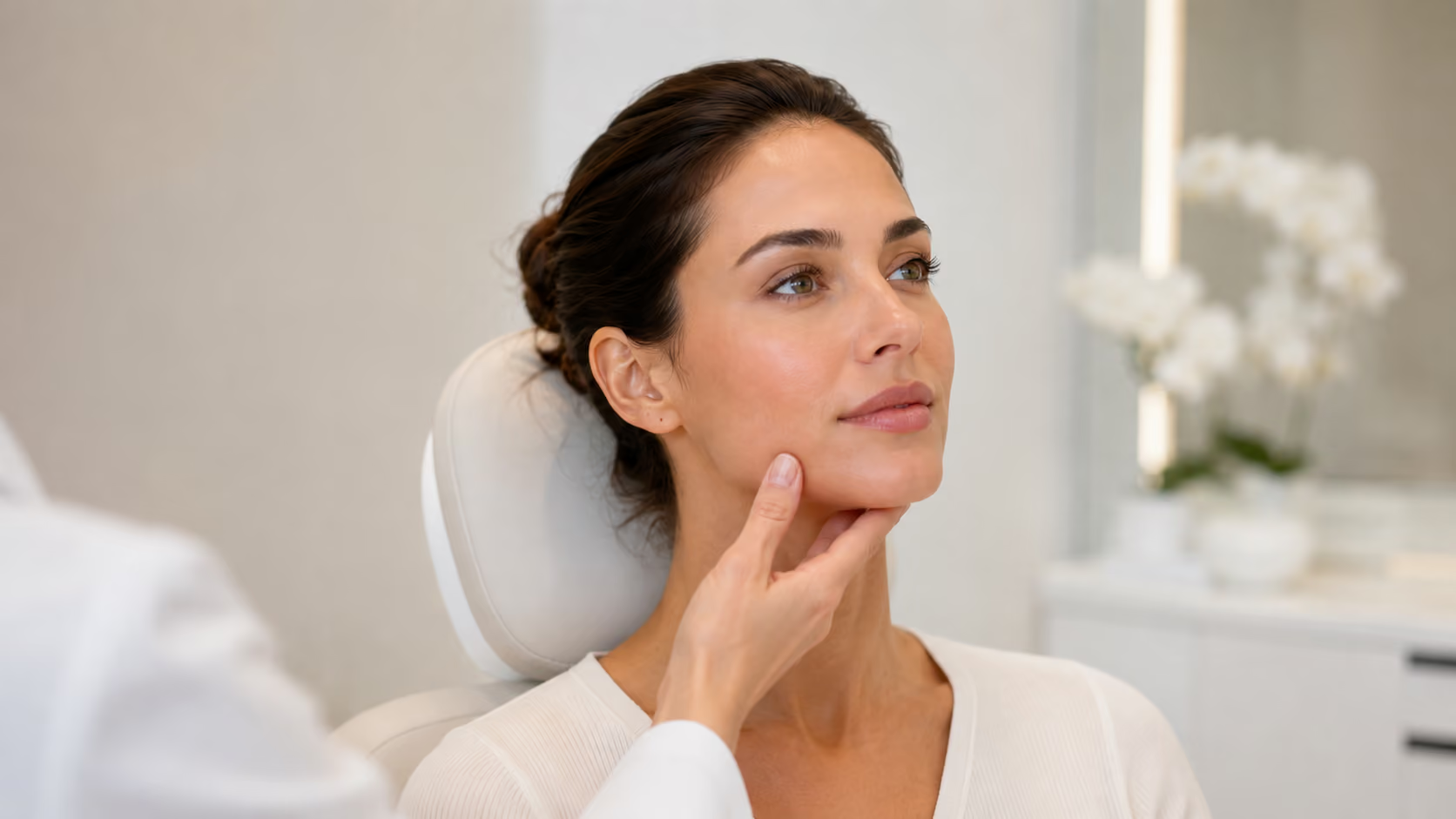
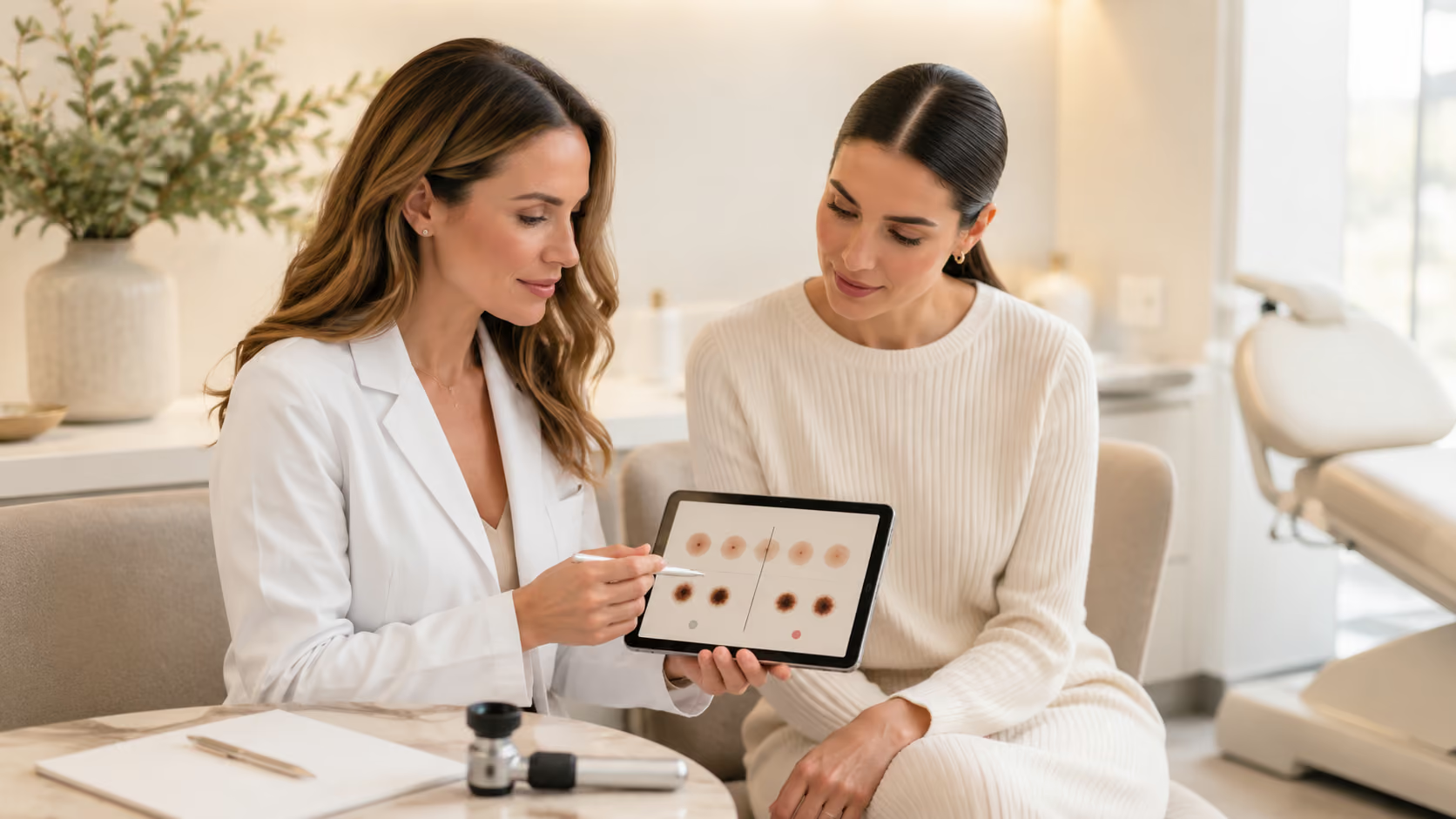
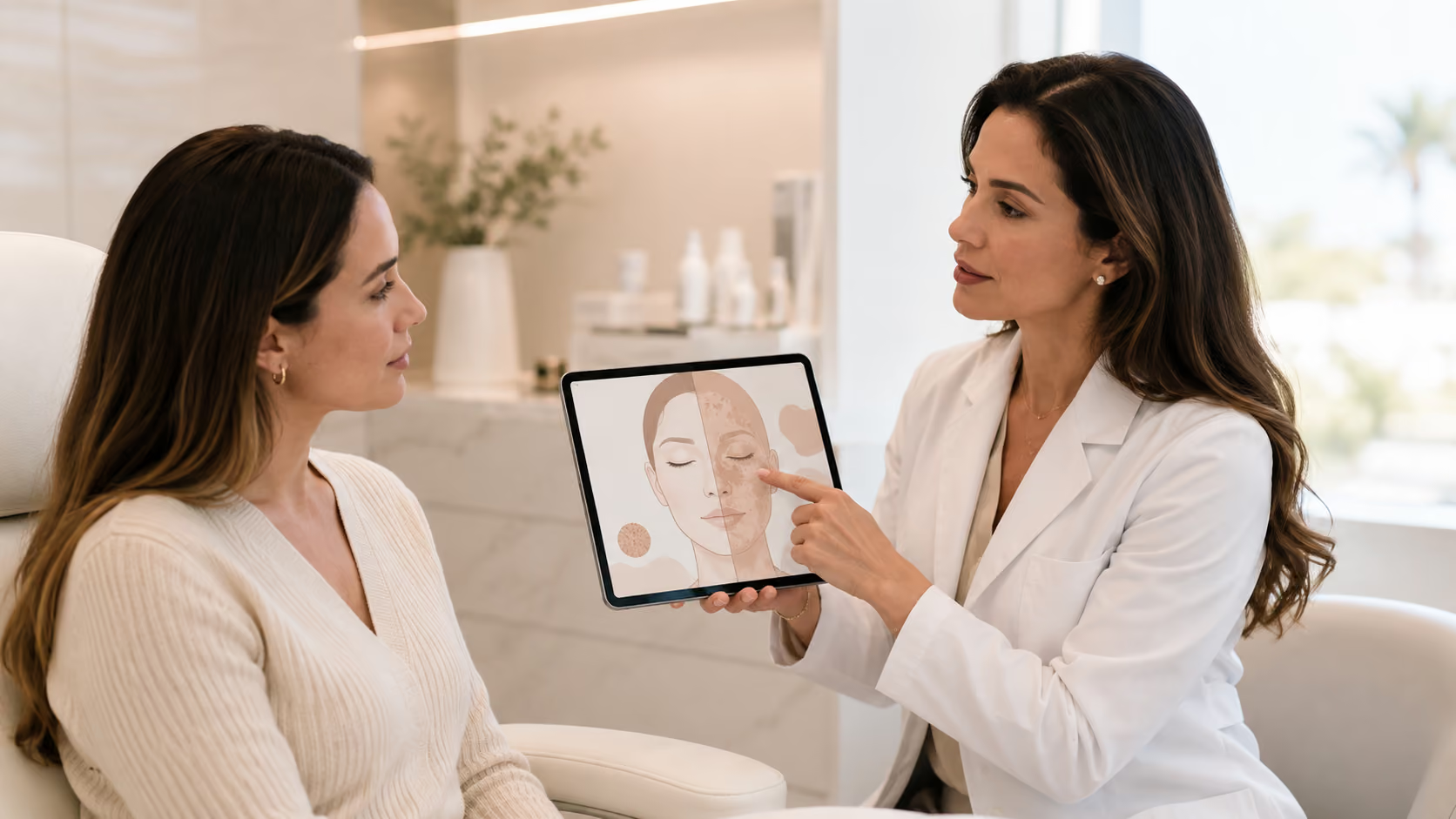
A comprehensive consultation about injectable treatment costs should provide transparent pricing information and personalized treatment recommendations based on individual goals and anatomy. The experts at Hazany Derm conduct thorough assessments that include discussing aesthetic goals, evaluating facial anatomy, and explaining appropriate treatment options with associated costs. Expect detailed explanations of different product options, their longevity, and value propositions for your specific needs. Qualified practitioners should discuss realistic expectations, potential risks, and alternative treatment approaches during cost consultations. The consultation should cover maintenance schedules and long-term investment requirements for sustained results. Reputable practices provide written treatment estimates and payment option information without pressure tactics or unrealistic promises. Quality consultations also include before-and-after photos, testimonials, and educational materials about proposed treatments. Patients should feel comfortable asking questions about pricing, financing options, and package deals. A professional consultation focuses on achieving optimal results within the patient's budget rather than simply selling the most expensive treatments available.