





%201.avif)



Can LaseMD Ultra Replace Traditional Ablative Lasers?



While LaseMD Ultra offers significant advantages over traditional ablative lasers, complete replacement depends on specific treatment goals and patient needs. At Hazany Derm, we evaluate each case individually to determine the most effective laser approach for optimal results.
The landscape of laser skin treatments has evolved dramatically over the past decade, with newer technologies challenging the dominance of traditional ablative lasers. LaseMD Ultra represents one of the most significant advances in non-ablative fractional laser technology, offering patients effective skin rejuvenation with minimal downtime. This innovative treatment has sparked considerable debate among dermatologists about whether it can truly replace the gold standard ablative procedures. Understanding the capabilities and limitations of both approaches is essential for making informed treatment decisions.
Traditional ablative lasers have long been considered the most powerful tools for addressing severe skin concerns, including deep wrinkles, significant sun damage, and pronounced textural irregularities. These treatments work by completely removing the outer layers of skin, stimulating robust collagen production and dramatic tissue remodeling. However, the intensive nature of ablative procedures comes with substantial downtime, potential complications, and extended recovery periods that many patients find difficult to accommodate. The search for equally effective but less invasive alternatives has driven continuous innovation in laser technology.
LaseMD Ultra emerges as a compelling alternative that bridges the gap between gentle non-ablative treatments and aggressive ablative procedures. This advanced fractional laser system delivers controlled energy to targeted areas while preserving surrounding healthy tissue, promoting natural healing responses without complete surface destruction. At Hazany Derm, we have witnessed remarkable results with LaseMD Ultra across diverse patient populations and skin concerns. The question remains whether this technology can truly replace traditional ablative lasers for all clinical applications or if both approaches have distinct roles in comprehensive skin care.
Can LaseMD Ultra Replace Ablative Lasers? The Short Answer
Not entirely — and it doesn't need to. LaseMD Ultra has effectively replaced ablative lasers for mild to moderate concerns: photoaging, tone, texture, and maintenance, where it delivers comparable results with days instead of weeks of recovery. But severe damage — deep wrinkles, extensive sun damage — still demands the aggressive tissue remodeling only ablative lasers achieve. The two now play complementary roles.
Understanding Traditional Ablative Laser Technology
Traditional ablative lasers operate by completely vaporizing targeted skin tissue, creating controlled wounds that trigger the body's natural healing processes. Carbon dioxide (CO2) and erbium lasers represent the most commonly used ablative technologies, each offering specific advantages for different skin concerns. These powerful systems can address severe photodamage, deep wrinkles, acne scars, and significant textural irregularities with dramatic precision. The immediate tissue removal allows for comprehensive skin resurfacing that can achieve results unmatched by gentler alternatives.
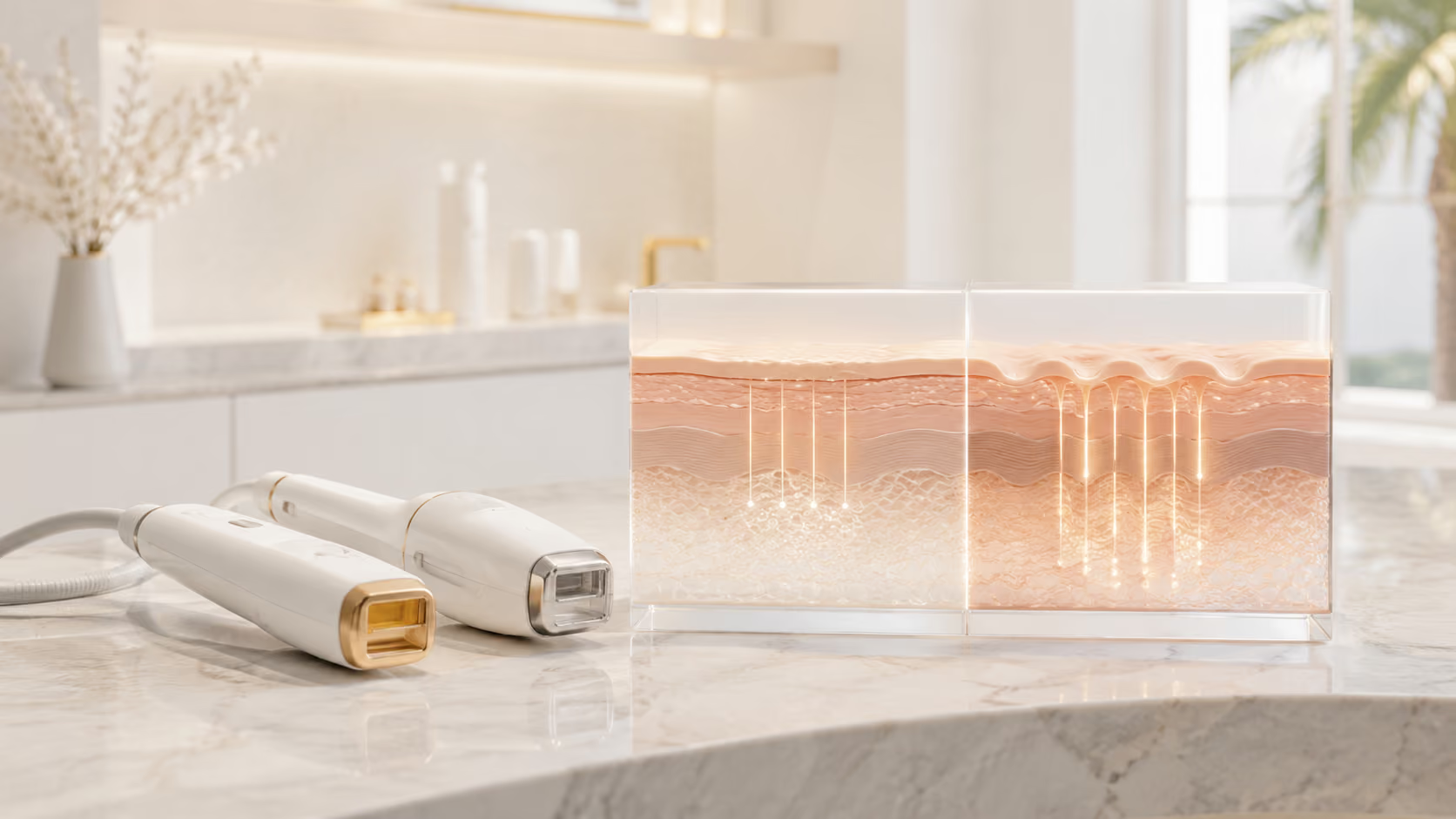
The mechanism of action in ablative laser treatments involves heating water molecules within skin cells to the point of vaporization, effectively removing entire layers of damaged tissue. This process exposes fresh, healthy skin while simultaneously triggering intense collagen synthesis and tissue remodeling. The thermal injury extends into deeper dermal layers, promoting long-lasting structural improvements that can persist for years following treatment. Recovery involves complete epithelialization of treated areas, during which new, healthier skin replaces the removed tissue.
Patient selection for traditional ablative procedures requires careful consideration of multiple factors, including skin type, medical history, lifestyle constraints, and realistic expectations. Candidates must be prepared for significant downtime, ranging from one to three weeks depending on treatment intensity and individual healing characteristics. Post-treatment care involves meticulous wound management, sun protection, and adherence to specific skincare protocols to optimize results and minimize complications. The commitment required for proper ablative laser recovery often limits the appeal of these treatments despite their proven effectiveness.
Despite their proven track record, ablative lasers present significant challenges that have motivated the development of alternative approaches. The extended recovery period can interfere with professional and social obligations, making these treatments impractical for many patients. Risk of complications, including infection, scarring, and pigmentary changes, requires extensive pre-treatment evaluation and post-treatment monitoring. Additionally, certain skin types may be more prone to adverse reactions, limiting the universal applicability of ablative procedures.
The evolution toward less invasive alternatives reflects both patient preferences and technological advances that have improved the effectiveness of non-ablative approaches. Modern patients increasingly seek treatments that provide meaningful results without significant lifestyle disruption. This shift in demand has driven innovation in laser technology, leading to the development of systems like LaseMD Ultra that aim to deliver comparable results with reduced downtime and risk profiles.
Exploring LaseMD Ultra Technology and Capabilities
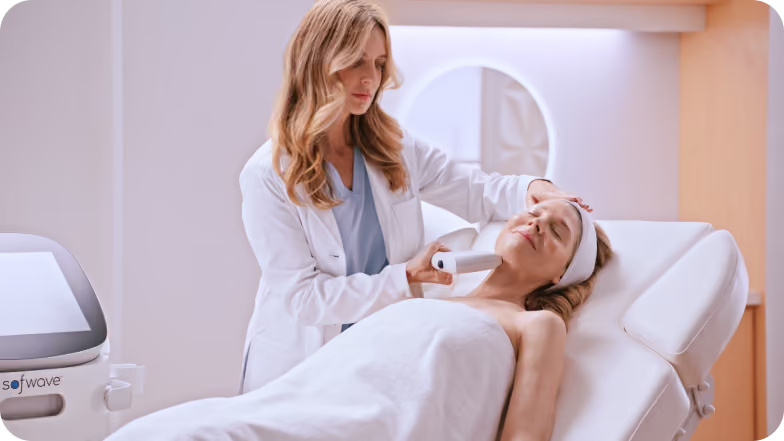
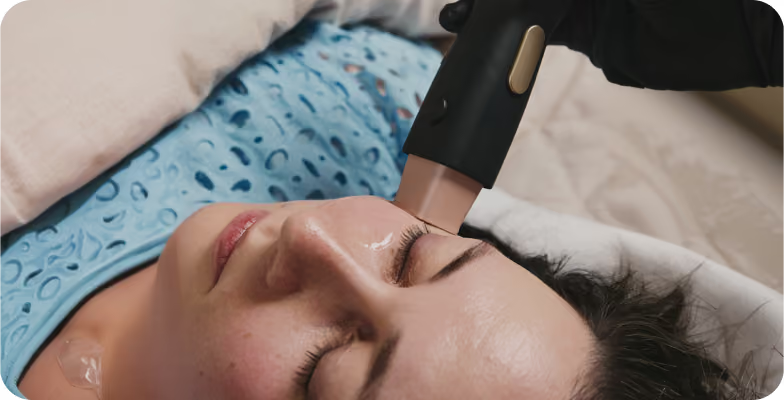
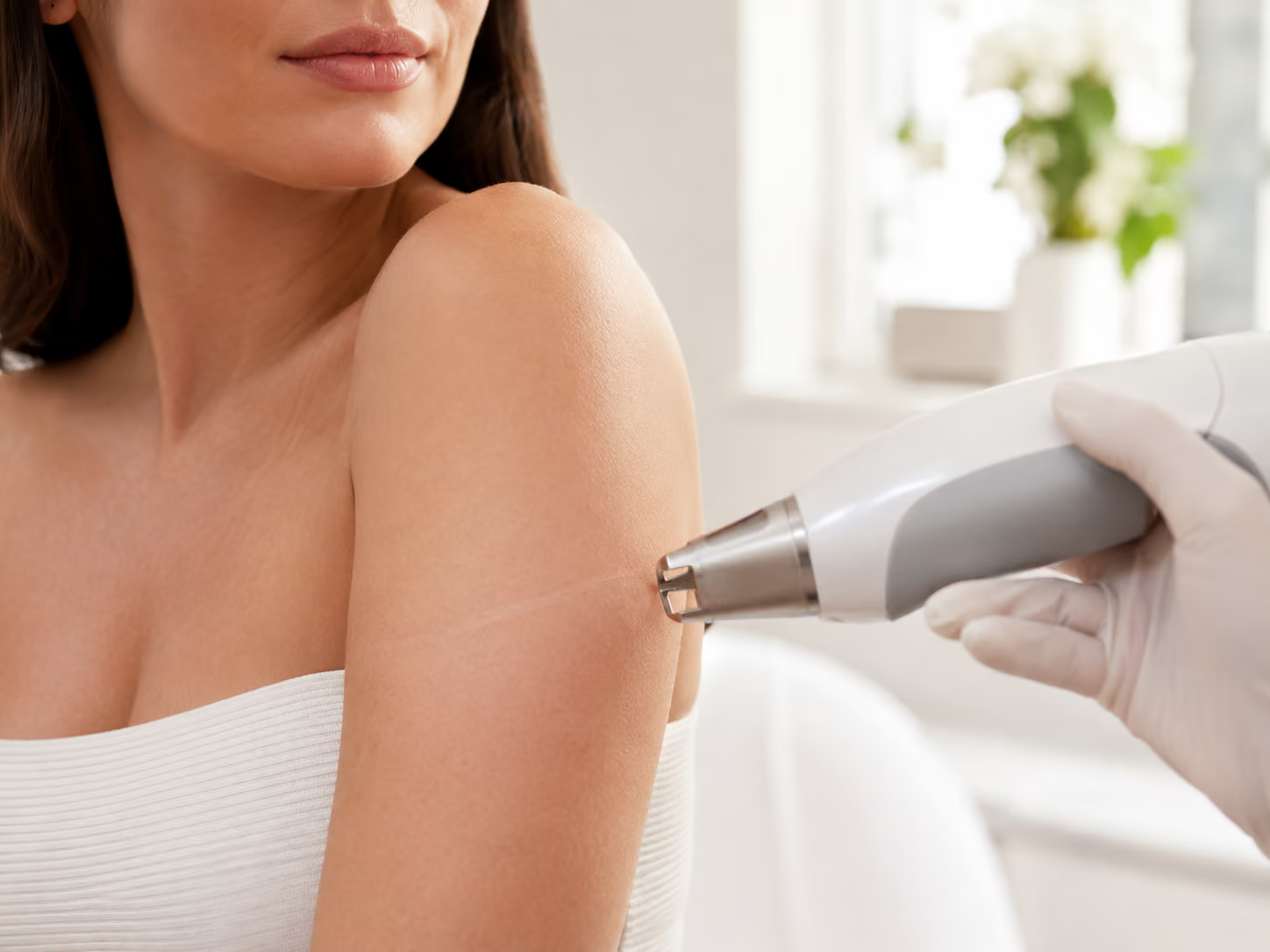
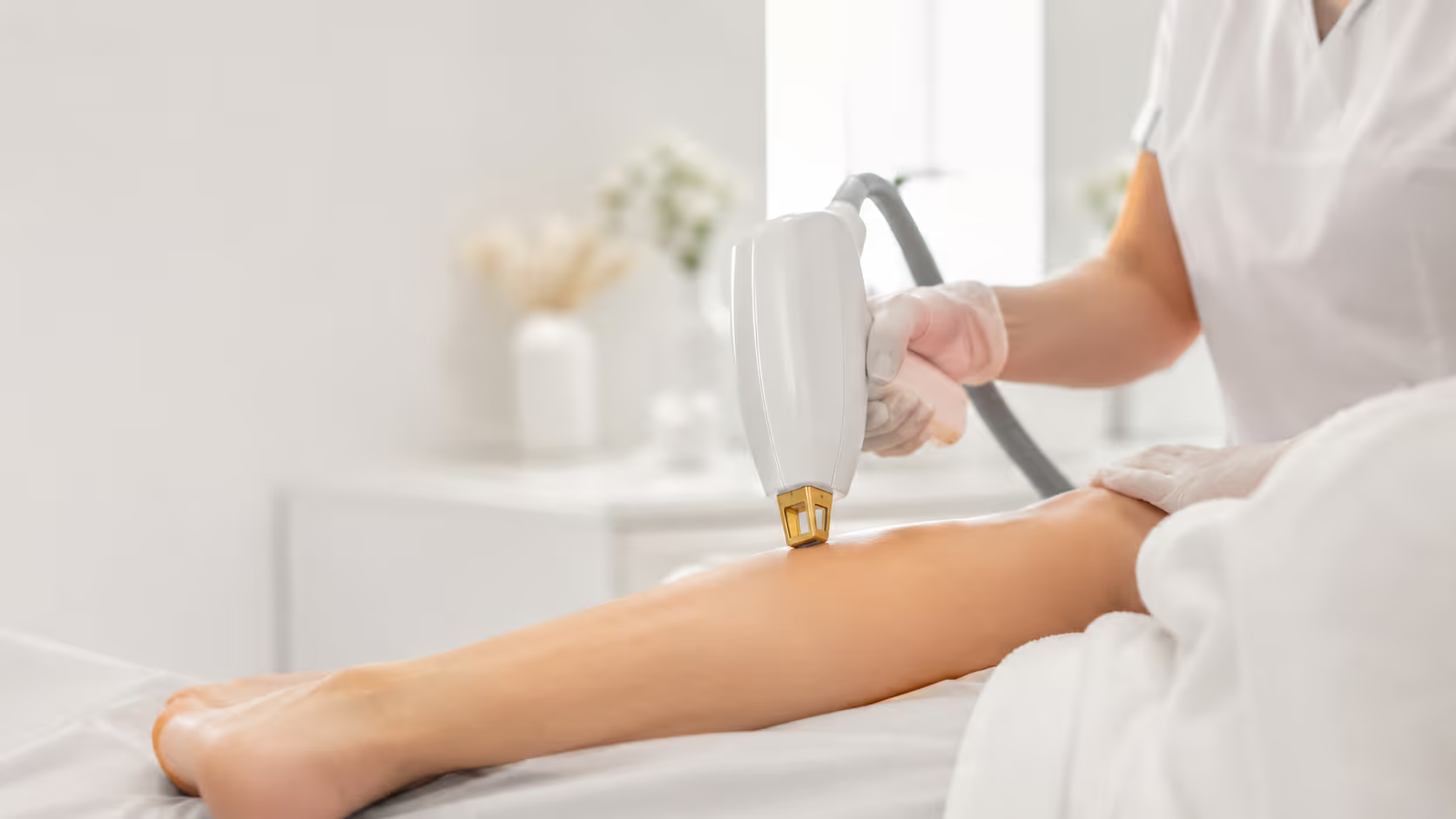
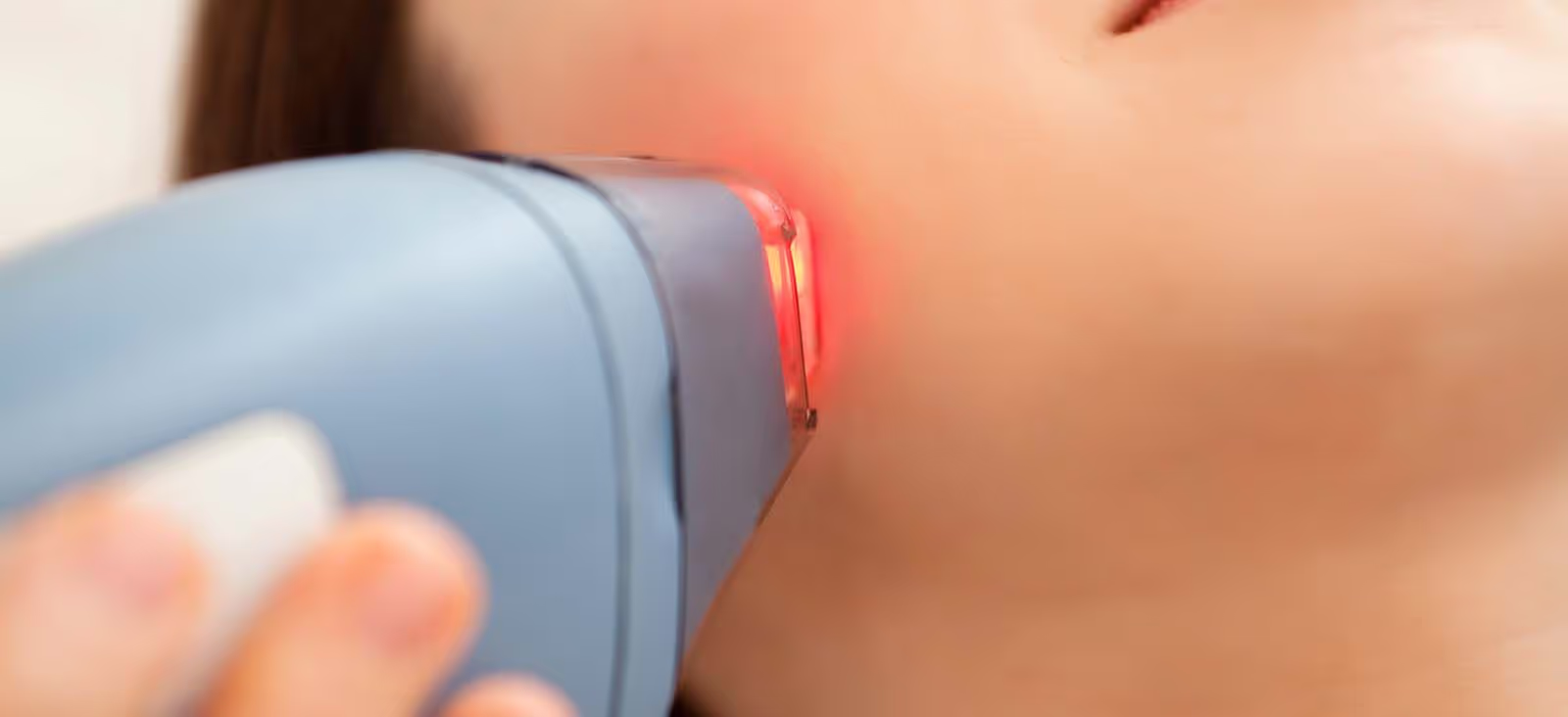
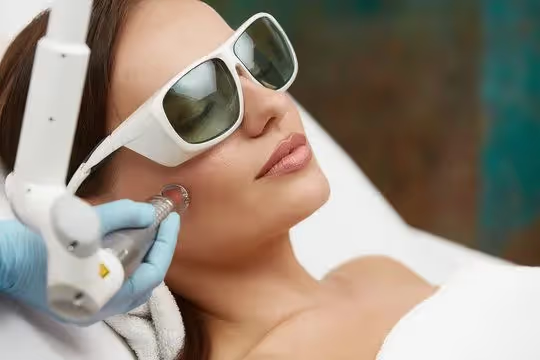
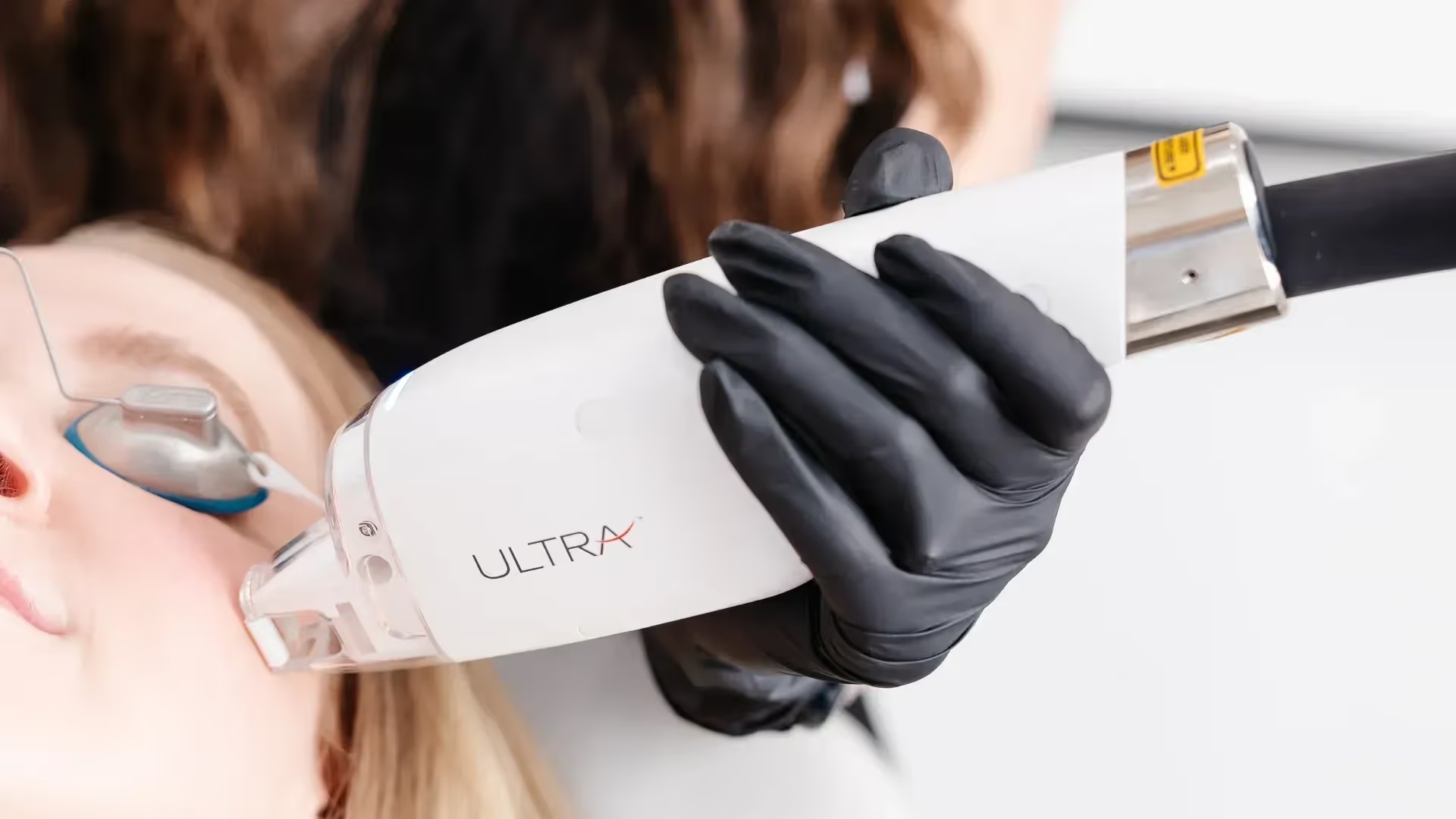
LaseMD Ultra represents a significant advancement in non-ablative fractional laser technology, utilizing a unique approach to skin rejuvenation that preserves the surface while targeting deeper tissue layers. This innovative system employs a 1927-nanometer thulium laser that creates microscopic treatment zones throughout the skin without removing surface tissue. The fractional delivery pattern allows surrounding healthy tissue to facilitate rapid healing while stimulating comprehensive collagen remodeling. At Hazany Derm, this technology has proven particularly effective for patients seeking significant improvements without traditional ablative downtime.
The treatment mechanism involves creating controlled thermal zones that extend from the epidermis into the papillary dermis, triggering natural healing responses without surface ablation. These microscopic injury columns stimulate immediate collagen synthesis while promoting the turnover of damaged skin cells through accelerated cellular renewal. The preserved surface integrity allows patients to return to normal activities much sooner than traditional ablative procedures. The laser energy penetrates to optimal depths for collagen stimulation while maintaining surface protection that prevents many complications associated with ablative treatments.
Patient experience with LaseMD Ultra differs dramatically from traditional ablative procedures, with most individuals experiencing only mild redness and slight swelling that resolves within days rather than weeks. The treatment itself is generally well-tolerated, often requiring only topical anesthesia for patient comfort. Multiple sessions are typically recommended to achieve optimal results, with treatments spaced four to six weeks apart to allow complete tissue remodeling between sessions. This approach allows for gradual, natural-looking improvements that avoid the dramatic initial appearance changes associated with ablative procedures.
The ability to customize treatment parameters allows practitioners to tailor LaseMD Ultra sessions to individual patient needs and tolerance levels. Energy settings, spot sizes, and coverage patterns can be adjusted to optimize results for different skin types and concerns. This flexibility enables treatment of sensitive areas and diverse skin types that might not be suitable candidates for traditional ablative procedures. The gradual improvement pattern also allows for treatment adjustments based on patient response and evolving aesthetic goals.
Recovery advantages of LaseMD Ultra have made it increasingly popular among patients who previously avoided laser treatments due to downtime concerns. Most patients can resume normal skincare routines within days and return to work immediately following treatment. The absence of open wounds eliminates infection risk and simplifies post-treatment care significantly. However, achieving optimal results typically requires multiple sessions, which may extend the overall treatment timeline compared to single ablative procedures that provide immediate dramatic changes.
Comparative Analysis and Clinical Applications
Direct comparison between LaseMD Ultra and traditional ablative lasers reveals distinct advantages and limitations that influence treatment selection for different clinical scenarios. Traditional ablative procedures excel in addressing severe skin damage, deep wrinkles, and significant textural irregularities that require dramatic tissue remodeling. These treatments can achieve in single sessions what might require multiple non-ablative treatments to accomplish. However, the associated downtime, discomfort, and risk profile make ablative procedures less appealing for many patients seeking skin improvement.
LaseMD Ultra demonstrates superior patient acceptance due to minimal downtime and reduced risk of complications, making it accessible to broader patient populations including those with active lifestyles or professional obligations that preclude extended recovery periods. The treatment's ability to address multiple skin concerns simultaneously while maintaining normal daily activities represents a significant advantage over traditional approaches. At Hazany Derm, patient satisfaction scores consistently favor LaseMD Ultra for overall treatment experience, though result expectations must be appropriately managed regarding the gradual improvement pattern.
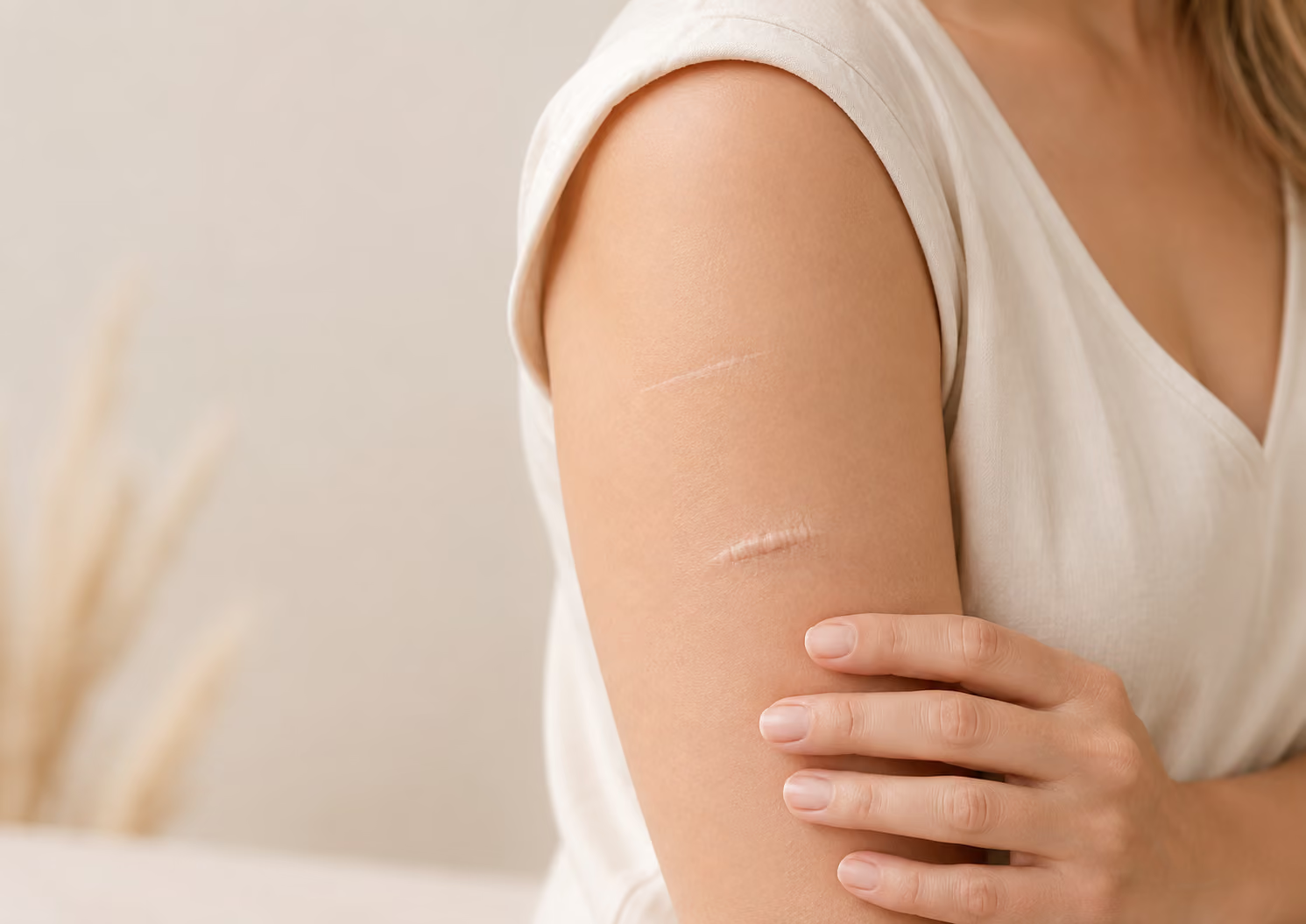
The effectiveness comparison depends heavily on the specific skin concerns being addressed and patient expectations regarding treatment intensity and results timeline. Severe acne scarring, deep wrinkles, and extensive photodamage may still require the aggressive tissue remodeling achievable only through ablative procedures. Mild to moderate skin concerns, preventive treatments, and maintenance protocols often respond excellently to LaseMD Ultra with superior patient comfort and convenience. The choice between technologies should reflect individual patient priorities regarding result magnitude versus treatment experience.
Clinical applications where each technology excels include:
- LaseMD Ultra superiority: Melasma treatment, sensitive skin types, maintenance protocols, combination with other procedures
- Ablative laser advantages: Severe acne scarring, deep rhytides, extensive sun damage, single-treatment preferences
- Equivalent effectiveness: Mild acne scars, fine lines, general photoaging, skin texture improvement
- Combined approaches: Sequential treatments using both technologies for comprehensive rejuvenation protocols
Cost considerations also influence treatment selection, as multiple LaseMD Ultra sessions may ultimately equal or exceed the cost of single ablative treatments. However, the ability to spread treatments over time and maintain normal activities throughout the process provides value that many patients find worth the potential additional expense. Insurance coverage rarely applies to either approach, making out-of-pocket cost analysis important for treatment planning. Long-term maintenance requirements may favor non-ablative approaches that can be repeated safely without cumulative risk.
The future of laser skin treatments likely involves continued refinement of non-ablative technologies that approach the effectiveness of ablative procedures while maintaining the convenience and safety advantages. LaseMD Ultra represents significant progress toward this goal, though complete replacement of ablative lasers may never be appropriate for all clinical scenarios. The optimal approach involves understanding the strengths and limitations of each technology to provide patients with the most appropriate treatment recommendations based on their individual needs, preferences, and circumstances.
Laser Resurfacing in Beverly Hills
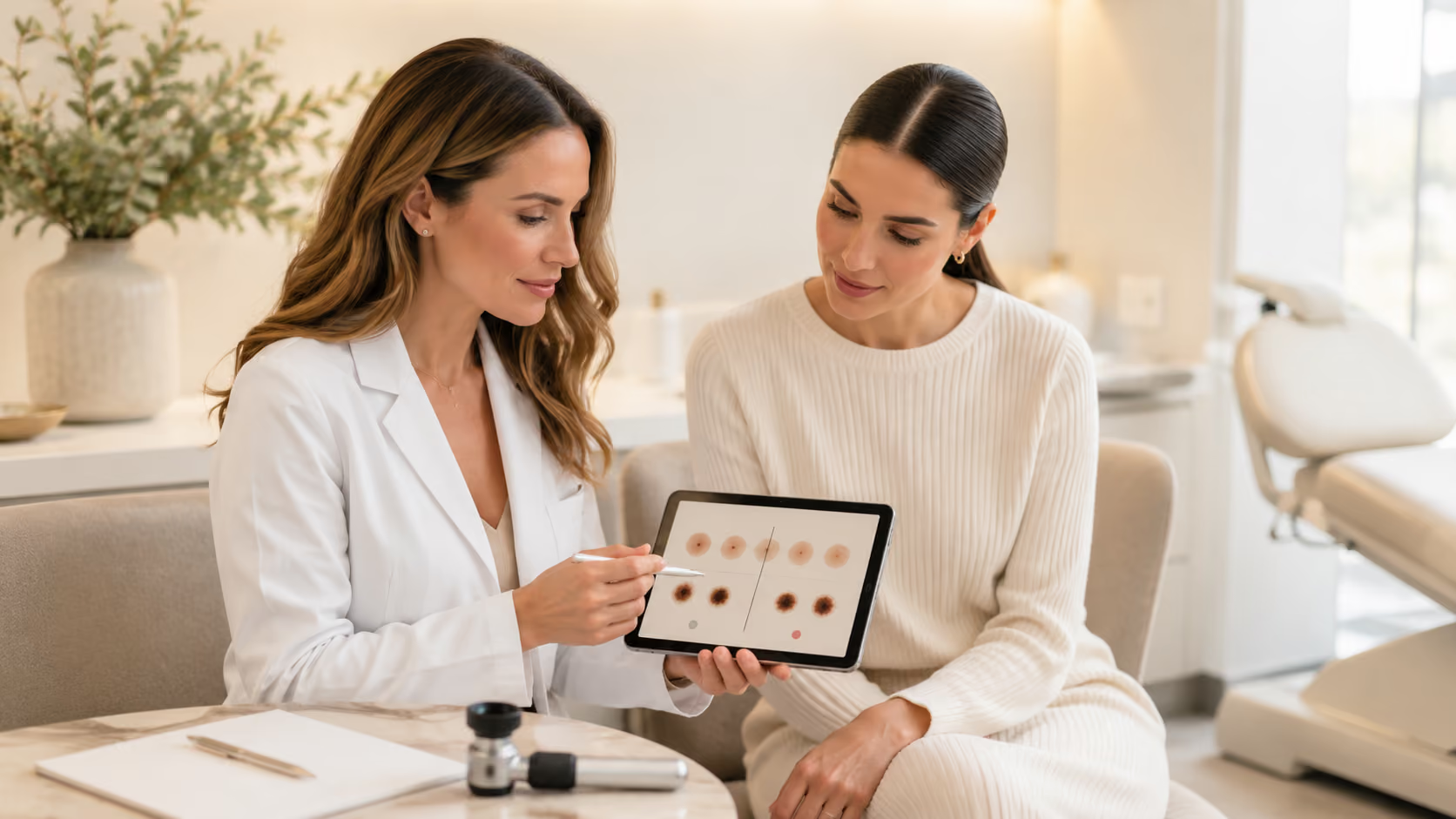
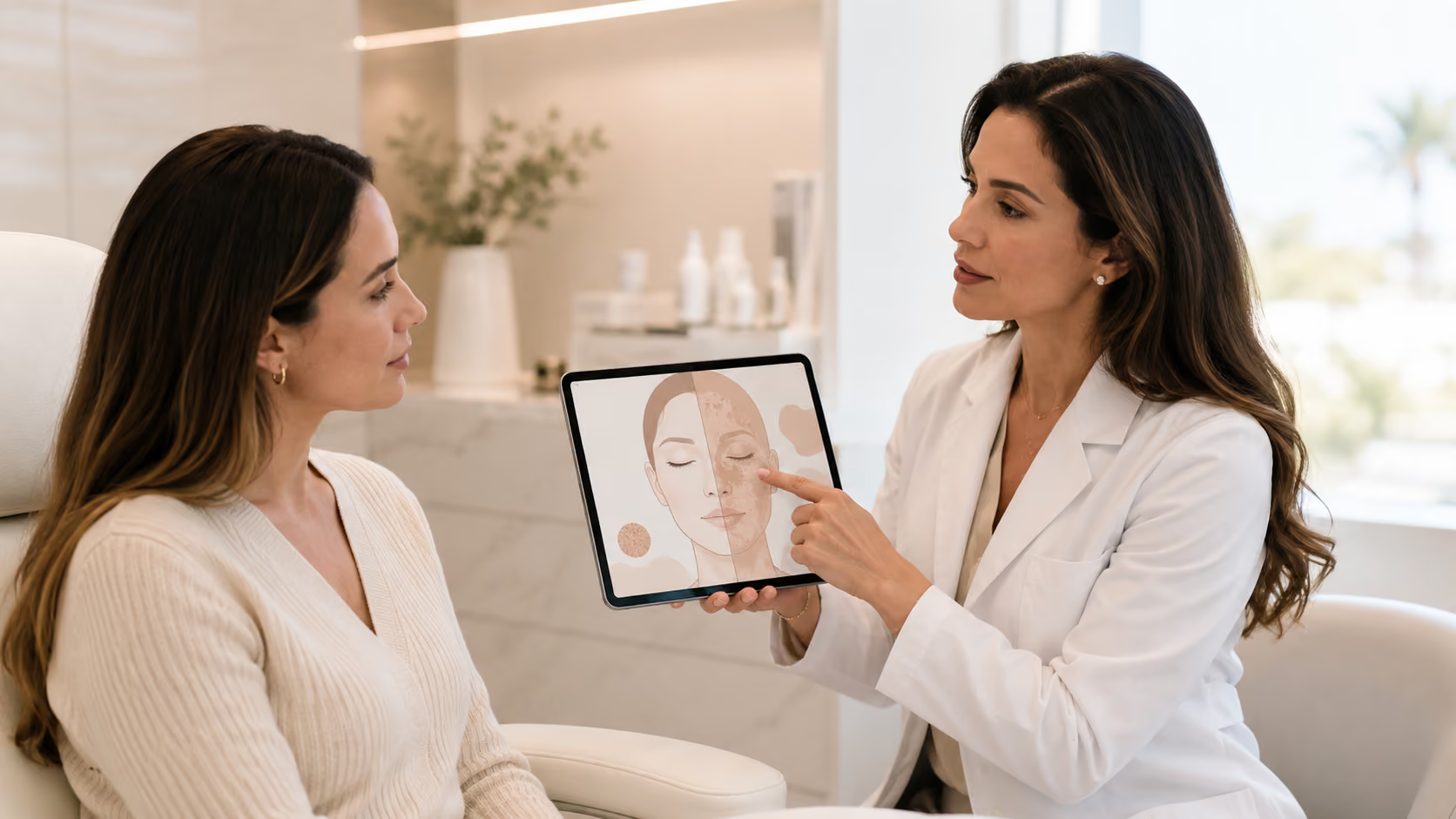
Hazany Derm offers both non-ablative and ablative resurfacing in Beverly Hills, so the recommendation follows your skin — not the equipment list. Schedule a consultation with Dr. Salar Hazany to find where your concerns fall on the spectrum, and for a device-by-device breakdown, see our LaseMD Ultra vs. CO2 comparison.
Frequently Asked Questions
What are the main differences between LaseMD Ultra and traditional ablative lasers?
The primary differences lie in their mechanisms of action and recovery requirements. Traditional ablative lasers completely remove skin layers, creating controlled wounds that require extensive healing time but produce dramatic results. LaseMD Ultra uses fractional non-ablative technology that preserves the skin surface while creating microscopic treatment zones that stimulate collagen production. According to Dr. Salar Hazany, this approach allows patients to return to normal activities immediately while still achieving significant skin improvements. Traditional ablative treatments may require weeks of downtime with potential complications, while LaseMD Ultra typically involves only mild redness for a few days. The choice depends on patient preferences for downtime versus result intensity.
How many LaseMD Ultra treatments are typically needed compared to ablative laser sessions?
LaseMD Ultra typically requires a series of 3-5 treatments spaced 4-6 weeks apart to achieve optimal results, while traditional ablative lasers often produce significant improvements in a single session. At Hazany Derm, treatment protocols are customized based on individual skin concerns and patient goals. The gradual improvement approach of LaseMD Ultra allows for natural-looking results that develop over time without the dramatic initial changes associated with ablative procedures. While this means more treatment sessions, many patients prefer the ability to maintain their normal routines throughout the process. Some patients may benefit from annual maintenance treatments with LaseMD Ultra to preserve results, whereas ablative laser results typically last 5-10 years before retreatment consideration.
Which skin concerns are better suited for traditional ablative lasers versus LaseMD Ultra?
Traditional ablative lasers excel at addressing severe skin damage including deep wrinkles, extensive sun damage, significant acne scarring, and precancerous lesions that require aggressive tissue remodeling. The team at Hazany Derm typically recommends ablative treatments when dramatic results are needed in minimal sessions. LaseMD Ultra performs exceptionally well for mild to moderate concerns such as fine lines, age spots, melasma, enlarged pores, and general skin texture improvement. It's also ideal for patients with sensitive skin types or those seeking preventive treatments. Both technologies can effectively address photoaging and mild acne scars, though the treatment experience and timeline differ significantly. The choice often depends on severity of concerns and patient lifestyle considerations.
What is the recovery process like for each treatment type?
Traditional ablative laser recovery involves 1-3 weeks of significant downtime with wound care requirements, potential swelling, and strict sun avoidance during the healing process. Patients experience complete skin surface removal that must regenerate, often requiring time off work and social activities. Dr. Hazany emphasizes the importance of proper wound care and patient compliance during ablative recovery to prevent complications and optimize results. LaseMD Ultra recovery is minimal, typically involving mild redness and slight swelling that resolves within 2-3 days. Patients can immediately return to work and most normal activities, though gentle skincare is recommended initially. The preserved skin surface eliminates wound care concerns and significantly reduces infection risk compared to ablative procedures.
Can LaseMD Ultra achieve the same results as traditional ablative lasers?
LaseMD Ultra can achieve comparable results to ablative lasers for mild to moderate skin concerns, though the approach and timeline differ significantly. For severe damage requiring dramatic tissue remodeling, traditional ablative lasers may still provide superior single-treatment results. Hazany Derm specialists evaluate each patient's specific concerns to determine the most appropriate technology. LaseMD Ultra's strength lies in its ability to provide meaningful improvements with minimal disruption to daily life, making it accessible to patients who previously avoided laser treatments. The gradual improvement pattern often produces more natural-looking results that colleagues and friends notice as general skin health enhancement rather than obvious cosmetic intervention. Multiple LaseMD Ultra sessions can achieve substantial cumulative improvements that rival ablative results in many cases.
What are the risks and side effects associated with each treatment?
Traditional ablative lasers carry higher risks including infection, scarring, prolonged redness, pigmentation changes, and potential for poor wound healing. These risks require careful patient selection and extensive pre-treatment evaluation. Dr. Salar Hazany thoroughly assesses candidates to minimize complications and ensure appropriate expectations. LaseMD Ultra has a significantly lower risk profile with minimal side effects typically limited to temporary redness and mild swelling. The preserved skin surface virtually eliminates infection risk and serious complications. Some patients may experience temporary darkening of pigmented lesions before they flake away, which is considered a normal treatment response. Both treatments require proper sun protection, though this is more critical and prolonged with ablative procedures due to increased photosensitivity during healing.
How do the costs compare between LaseMD Ultra and traditional ablative laser treatments?
Traditional ablative laser treatments typically involve higher upfront costs due to their intensive nature and single-session effectiveness, though total investment may be comparable when considering longevity of results. Multiple LaseMD Ultra sessions required for optimal results can accumulate to similar or higher total costs, depending on individual treatment plans. The Hazany Derm clinic provides detailed cost analysis during consultations to help patients understand total investment requirements. However, LaseMD Ultra allows patients to spread costs over time while maintaining normal activities, which many find financially and practically advantageous. Long-term considerations include maintenance requirements, with LaseMD Ultra potentially needing periodic touch-ups while ablative results typically last many years. Insurance rarely covers either treatment, making careful cost-benefit analysis important for treatment planning.
Which treatment is better for patients with darker skin types?
LaseMD Ultra is generally safer and more appropriate for patients with darker skin types due to its non-ablative nature and reduced risk of pigmentation changes. Traditional ablative lasers carry higher risks of post-inflammatory hyperpigmentation and hypopigmentation in darker skin, requiring extreme caution and extensive pre-treatment preparation. The experts at Hazany Derm carefully evaluate skin type and pigmentation patterns when recommending laser treatments. LaseMD Ultra's fractional approach with preserved surface integrity significantly reduces pigmentation risks while still providing effective results. Pre-treatment and post-treatment protocols may include lightening agents and strict sun protection for both treatments, though this is more critical with ablative procedures. Individual assessment remains essential, as some darker-skinned patients may still be candidates for carefully controlled ablative treatments when maximum results are desired and risks are properly managed.