




%201.avif)



What is a Forehead Lift?
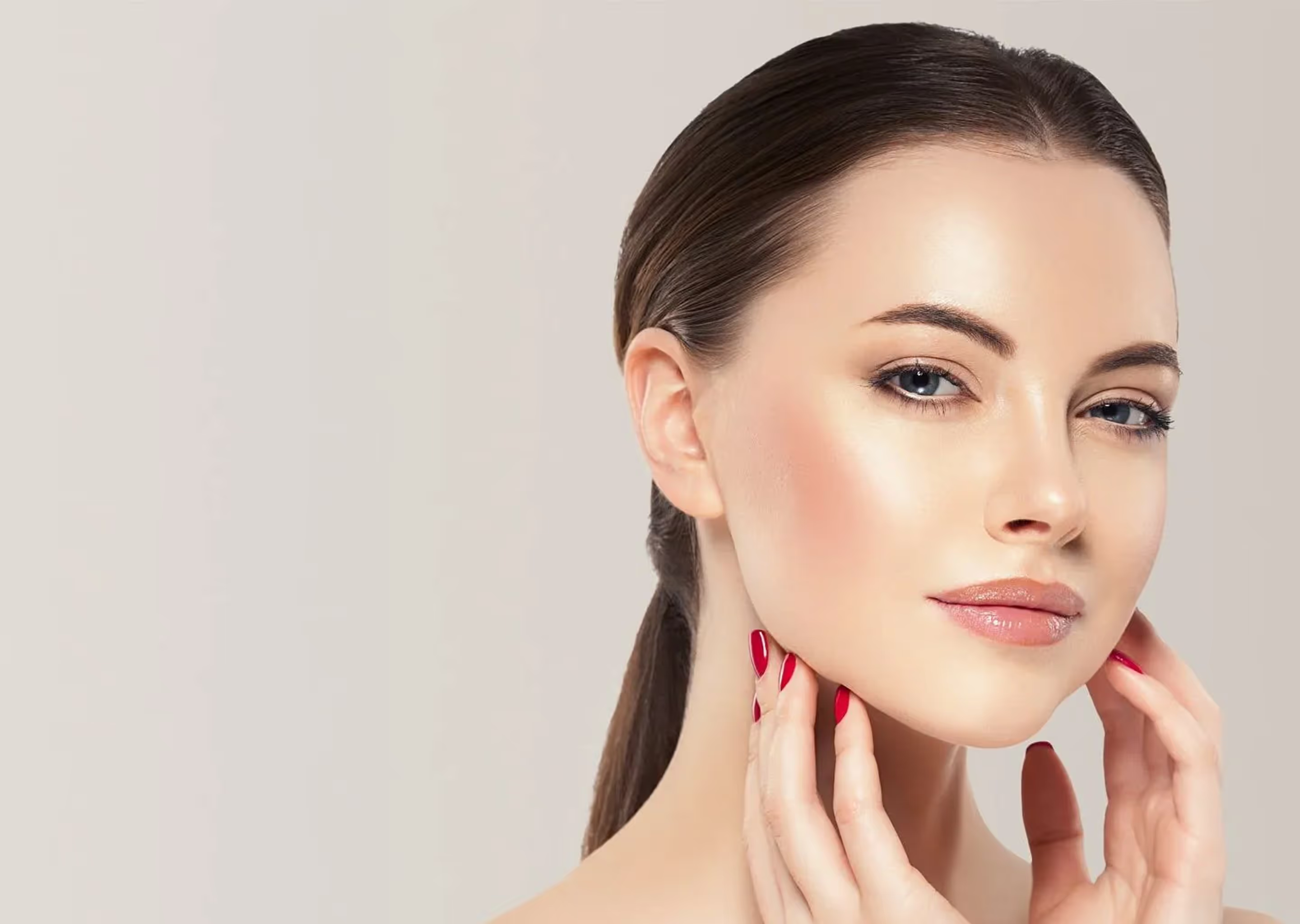


A forehead lift is a cosmetic surgical procedure that reduces wrinkles and raises sagging eyebrows to create a more youthful appearance. At Hazany Derm, Dr. Salar Hazany provides expert forehead lift procedures tailored to each patient's unique needs and aesthetic goals.
A forehead lift, also known as a brow lift, is one of the most effective cosmetic procedures for addressing signs of aging in the upper face. This surgical technique targets the forehead area, eyebrows, and upper eyelids to create a more refreshed and youthful appearance. Many patients seek this procedure when they notice deep horizontal forehead lines, frown lines between the eyebrows, or drooping brows that make them appear tired or angry.
The aging process naturally causes the skin and underlying tissues of the forehead to lose elasticity and begin to sag. Gravity, repeated facial expressions, and sun exposure contribute to the formation of wrinkles and the descent of the eyebrows. These changes can significantly impact a person's overall facial expression, often making them appear older, more tired, or less approachable than they feel. A forehead lift addresses these concerns by repositioning the tissues and removing excess skin.
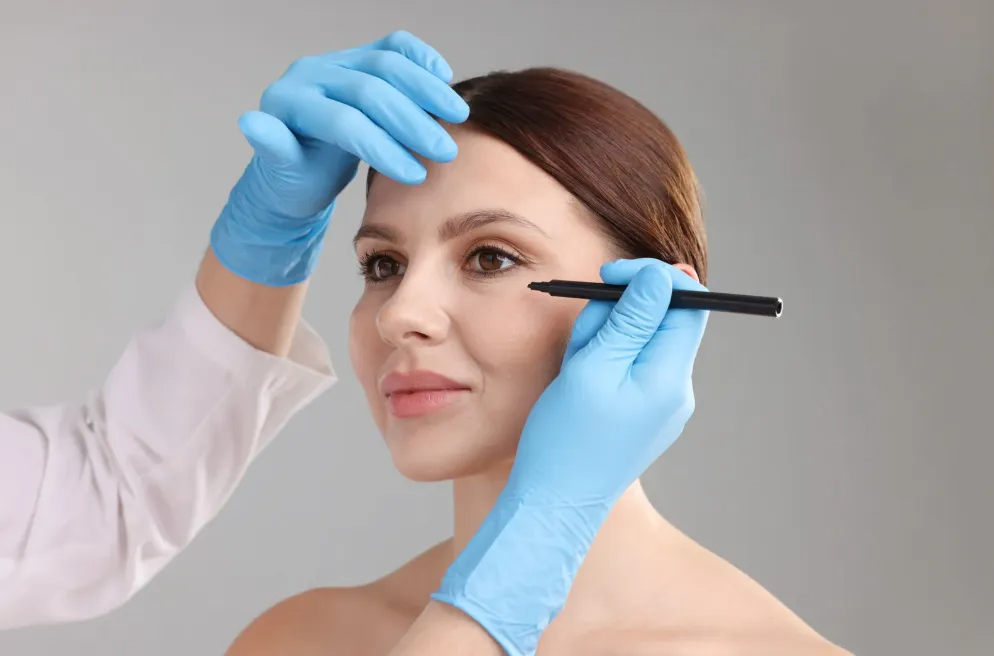
At Hazany Derm, patients receive comprehensive consultations to determine if a forehead lift is the right solution for their aesthetic goals. The procedure can be performed using various techniques, each designed to achieve optimal results while minimizing scarring and recovery time. Dr. Salar Hazany carefully evaluates each patient's facial anatomy, skin condition, and desired outcomes to recommend the most appropriate approach for their individual needs.
What is a Forehead Lift?
A forehead lift — also called a brow lift — is a surgical procedure that repositions the tissues of the upper face, smoothing horizontal forehead lines and frown lines while raising drooping brows to a more youthful position. Techniques range from minimally invasive endoscopic approaches to traditional lifts, and results typically last ten to fifteen years.
Understanding Forehead Lift Techniques
Modern forehead lift procedures have evolved significantly over the years, offering patients multiple options for achieving their desired results. The traditional coronal forehead lift involves making an incision across the top of the head, from ear to ear, hidden within the hairline. This technique provides excellent access to the forehead tissues and allows for comprehensive correction of sagging brows and deep forehead wrinkles. The surgeon can remove excess skin, tighten underlying muscles, and reposition the eyebrows to create a more youthful appearance.
The endoscopic forehead lift represents a more minimally invasive approach that has gained popularity among both surgeons and patients. This technique uses several small incisions hidden within the hairline, through which a tiny camera and specialized instruments are inserted. The endoscopic approach allows for precise tissue manipulation with less trauma to surrounding areas. Recovery time is typically shorter, and scarring is minimal compared to traditional methods.
The temporal or limited incision forehead lift focuses specifically on lifting the outer portion of the eyebrows and smoothing crow's feet. This technique uses shorter incisions located at the temples, making it ideal for patients who primarily want to address drooping outer brows. The procedure can often be combined with other facial rejuvenation treatments for comprehensive results. Hazany Derm offers all these techniques, ensuring that each patient receives the most appropriate treatment for their specific concerns and anatomy.
The choice of technique depends on several important factors that Dr. Salar Hazany carefully considers during the consultation process:
- Degree of sagging: Patients with significant brow drooping may benefit more from traditional techniques that allow for greater tissue repositioning and skin removal.
- Hairline position: Those with high hairlines might be better candidates for endoscopic approaches that don't affect hairline placement, while others may benefit from techniques that can actually lower the hairline.
- Skin quality: The thickness, elasticity, and overall condition of the skin influence which technique will provide the best long-lasting results.
- Patient goals: Some patients want dramatic transformation while others prefer subtle enhancement, which affects the choice of surgical approach.
Recovery expectations also vary depending on the chosen technique. Traditional forehead lifts typically require a longer healing period, with patients experiencing swelling and bruising for up to two weeks. The endoscopic approach generally involves less downtime, with most patients returning to work within a week. Regardless of the technique used, patients can expect some temporary numbness in the forehead area, which gradually resolves over several months.
Long-term results from forehead lift procedures are generally excellent when performed by experienced surgeons. The effects typically last ten to fifteen years, though individual results may vary based on skin quality, lifestyle factors, and the natural aging process. At Hazany Derm, patients receive detailed post-operative care instructions and follow-up appointments to ensure optimal healing and results.
Benefits and Ideal Candidates
The benefits of a forehead lift extend far beyond simple wrinkle reduction, offering patients a comprehensive improvement in their upper facial appearance. One of the most significant advantages is the elimination or significant reduction of horizontal forehead lines that can make individuals appear older or more stressed. The procedure also effectively addresses the vertical frown lines between the eyebrows, often called "eleven lines," which can create a perpetually angry or concerned expression. By smoothing these lines and lifting sagging tissues, patients often report feeling more confident and looking more approachable.
Eyebrow repositioning is another major benefit that can dramatically improve facial balance and expression. As we age, the eyebrows naturally descend, sometimes to the point where they begin to hood the upper eyelids. This can make the eyes appear smaller and create a tired or sad expression. A forehead lift raises the eyebrows to a more youthful position, opening up the eye area and creating a more alert, refreshed appearance. The procedure can also improve the arch of the eyebrows, enhancing the natural beauty of the eyes.
Many patients are surprised to learn that a forehead lift can also improve the appearance of the upper eyelids without directly operating on them. When sagging brow tissues are lifted, excess skin that was bunching over the eyelids is naturally elevated, reducing the hooded appearance. This can sometimes eliminate the need for a separate upper eyelid surgery, making the forehead lift a comprehensive solution for upper facial aging. Dr. Salar Hazany often evaluates patients for combination procedures to achieve the most harmonious results.
The ideal candidates for forehead lift surgery share several important characteristics that contribute to successful outcomes:
- Good overall health: Candidates should be in excellent physical condition without medical issues that could complicate surgery or healing, including well-controlled chronic conditions and realistic expectations about recovery time.
- Realistic expectations: The best candidates understand what the procedure can and cannot achieve, seeking improvement rather than perfection while maintaining realistic timelines for seeing final results.
- Stable lifestyle: Ideal patients are non-smokers or willing to quit smoking well before and after surgery, as smoking significantly impairs healing and increases complication risks.
- Appropriate age range: While there's no strict age requirement, most candidates are between 40 and 70 years old, though some younger patients with genetic predisposition to early aging may also benefit.
Psychological readiness is equally important as physical candidacy. Patients should be undergoing the procedure for themselves rather than to please others, and they should have realistic expectations about the recovery process. The best candidates are those who have researched the procedure thoroughly and understand both the benefits and potential risks involved. They should also be prepared to follow all pre-operative and post-operative instructions carefully.
Hazany Derm takes a comprehensive approach to candidate evaluation, considering not only the physical aspects but also the patient's emotional readiness and support system. The consultation process includes detailed discussions about expectations, lifestyle factors that might affect healing, and long-term maintenance of results. This thorough evaluation helps ensure that patients are well-prepared for their procedure and likely to be satisfied with their outcomes.
Recovery and Long-Term Results
The recovery process following a forehead lift varies depending on the specific technique used, but patients can generally expect a predictable timeline of healing stages. During the first few days after surgery, swelling and bruising are normal and typically peak around day three before beginning to subside. Pain is usually manageable with prescribed medications, and most patients describe the discomfort as similar to a tension headache rather than sharp pain. Cold compresses applied gently to the area can help reduce swelling and provide comfort during this initial healing phase.
The first week of recovery requires careful attention to post-operative instructions to ensure optimal healing. Patients should keep their head elevated while sleeping and avoid bending over or engaging in strenuous activities that could increase blood pressure in the head area. Most sutures or staples are removed within seven to ten days, and patients can typically return to office work after one week if their job doesn't involve heavy lifting or physical exertion. However, it's important to avoid activities that could cause sweating or strain during this critical healing period.
By the second week, most of the visible bruising and swelling have significantly improved, though some subtle swelling may persist for several more weeks. Patients can gradually resume normal activities, including light exercise, but should still avoid anything that dramatically increases heart rate or blood pressure. Many patients feel comfortable returning to social activities at this point, as any remaining signs of surgery can usually be concealed with makeup. The team at Hazany Derm provides detailed guidance on when various activities can be safely resumed.
The timeline for seeing final results involves several important milestones that patients should understand:
- Immediate results: While swelling obscures final outcomes, patients can see the general improvement in brow position and forehead smoothness right after surgery, providing early encouragement about their decision.
- One month: Most swelling has resolved, and patients can appreciate significant improvement in their appearance, though some subtle changes continue to occur as tissues settle into their new position.
- Three months: The majority of healing is complete, and results are very close to final, with any remaining minor swelling barely noticeable and incision lines continuing to fade.
- Six to twelve months: Final results are fully apparent with complete tissue settling, optimal scar maturation, and the full benefit of the procedure clearly visible in a natural-looking outcome.
Long-term maintenance of forehead lift results involves several factors that patients can influence through their choices and habits. Sun protection is crucial, as UV exposure accelerates skin aging and can compromise the longevity of surgical results. A comprehensive skincare regimen that includes quality moisturizers, sunscreen, and possibly prescription retinoids can help maintain skin health and appearance. Some patients also benefit from periodic non-surgical treatments like Botox or dermal fillers to enhance and prolong their surgical results.
The longevity of forehead lift results is generally excellent, with most patients enjoying their improved appearance for ten to fifteen years or more. However, the natural aging process continues, and some patients may choose to have touch-up procedures or additional treatments over time. At Hazany Derm, long-term patient relationships are valued, and ongoing consultations help patients maintain their results and explore additional options as their needs evolve. The key to lasting satisfaction is understanding that while the procedure significantly turns back the clock, it doesn't stop the aging process entirely.
Is a Forehead Lift Right for You?
The difference between a good outcome and a great one starts before the procedure — with matching the right technique to your anatomy, hairline, and goals. Schedule a consultation with Dr. Salar Hazany in Beverly Hills to find out whether a forehead lift, a combination approach, or a non-surgical option best fits what you're seeing in the mirror.
Frequently Asked Questions
How long does a forehead lift procedure typically take to complete?
A forehead lift procedure typically takes between one to three hours to complete, depending on the specific technique used and the complexity of each individual case. The endoscopic approach usually takes less time, often completing in about one to two hours, while traditional coronal lifts may require up to three hours for optimal results. Dr. Salar Hazany ensures that adequate time is allocated for each procedure to achieve the best possible outcomes without rushing. The duration also depends on whether the forehead lift is performed as a standalone procedure or combined with other facial rejuvenation treatments. Patients receive detailed timing information during their consultation to help them plan accordingly for their surgery day.
What is the difference between a forehead lift and Botox injections?
A forehead lift and Botox injections address similar concerns but work through completely different mechanisms and provide varying degrees of improvement. Botox temporarily relaxes the muscles that create dynamic wrinkles, providing smoothing effects that last three to six months, while a forehead lift surgically removes excess skin and repositions tissues for long-lasting results. The experts at Hazany Derm explain that Botox is ideal for preventing and treating early signs of aging, particularly dynamic lines that appear with facial expressions. However, when significant skin laxity and brow drooping are present, surgical intervention becomes necessary. Many patients benefit from combining both treatments, using Botox to maintain their surgical results and prevent new wrinkles from forming over time.
Can a forehead lift be combined with other facial procedures?
Yes, a forehead lift is frequently combined with other facial rejuvenation procedures to achieve comprehensive facial harmony and optimal aesthetic results. Common combination procedures include upper and lower eyelid surgery, facelifts, and neck lifts, which address aging concerns throughout the face and neck area simultaneously. The team at Hazany Derm carefully evaluates each patient's individual needs to determine the best combination approach for their goals. Combining procedures often provides more dramatic and balanced results while reducing overall recovery time compared to staging multiple separate surgeries. However, the decision to combine procedures depends on factors such as the patient's overall health, extent of correction needed, and personal preferences regarding recovery time and surgical complexity.
What are the potential risks and complications of forehead lift surgery?
Like all surgical procedures, forehead lifts carry potential risks and complications, though serious issues are rare when performed by experienced surgeons. Common temporary side effects include swelling, bruising, numbness, and mild discomfort, which typically resolve within weeks to months after surgery. More serious but uncommon risks include infection, bleeding, nerve damage, asymmetry, and adverse reactions to anesthesia. Dr. Hazany thoroughly discusses all potential risks during consultation and takes extensive measures to minimize complications through careful patient selection, meticulous surgical technique, and comprehensive post-operative care. Patients can further reduce their risk by following all pre-operative and post-operative instructions, maintaining good overall health, and choosing a qualified, experienced surgeon. Most patients experience smooth recoveries with excellent results when proper precautions are taken.
How much does a forehead lift cost, and is it covered by insurance?
Forehead lift costs vary significantly based on factors such as the specific technique used, geographic location, surgeon experience, and whether additional procedures are performed simultaneously. Generally, patients can expect to invest several thousand dollars for this procedure, with costs typically including surgeon fees, anesthesia, facility charges, and post-operative care. Hazany Derm specialists provide detailed cost breakdowns during consultation, ensuring patients understand all associated expenses before proceeding. Since forehead lifts are considered cosmetic procedures, they are typically not covered by insurance unless performed for functional reasons, such as correcting vision obstruction caused by severely drooping brows. Many practices offer financing options to help make the procedure more accessible, and patients should discuss payment plans during their consultation to find arrangements that fit their budget.
How should I prepare for forehead lift surgery?
Proper preparation for forehead lift surgery is essential for optimal results and smooth recovery, beginning several weeks before the scheduled procedure date. Patients should arrange for someone to drive them home after surgery and stay with them for at least the first night, as they will be recovering from anesthesia. Dr. Salar Hazany provides comprehensive pre-operative instructions, which typically include stopping certain medications and supplements that can increase bleeding risk, such as aspirin, ibuprofen, and vitamin E. Smoking must be discontinued at least two weeks before and after surgery, as it significantly impairs healing and increases complication risks. Patients should also prepare their recovery space with extra pillows for elevation, ice packs, comfortable clothing that doesn't pull over the head, and any prescribed medications. Following all pre-operative instructions carefully helps ensure the best possible surgical outcome.
When can I return to work and normal activities after a forehead lift?
Return to work and normal activities following a forehead lift depends on several factors, including the specific surgical technique used, individual healing rates, and the physical demands of the patient's occupation. Most patients can return to desk work within one week, though they may still experience some swelling and need to avoid strenuous activities. Those with more physically demanding jobs typically need two weeks off work to ensure proper healing and avoid complications. The Hazany Derm clinic provides personalized recovery timelines based on each patient's specific procedure and lifestyle requirements. Light exercise can usually be resumed after two weeks, while more intensive workouts and heavy lifting should be avoided for at least four to six weeks. Patients should attend all follow-up appointments to ensure healing is progressing appropriately before gradually increasing their activity levels.
Will I have visible scars after a forehead lift?
Scarring after a forehead lift is carefully planned and managed to ensure the most inconspicuous results possible, with incision placement designed to be hidden within the natural hairline or facial contours. The endoscopic technique uses several small incisions within the hairline that typically heal to become nearly invisible, while traditional approaches involve longer incisions that are strategically placed to be concealed by hair growth. The experts at Hazany Derm use advanced surgical techniques and provide detailed scar care instructions to optimize healing and minimize scar visibility. Most patients find that their scars fade significantly over time and are easily concealed by their natural hair or makeup when necessary. Factors such as genetics, skin type, sun exposure, and adherence to post-operative care instructions all influence final scar appearance. With proper care and time, the vast majority of patients are very satisfied with how well their scars heal and blend into their natural features.