





%201.avif)



Can You Get Injectables While Pregnant?



Most cosmetic injectables are not recommended during pregnancy due to limited safety data. Hazany Derm prioritizes maternal and fetal health by recommending patients wait until after pregnancy and breastfeeding to resume cosmetic treatments safely.
Pregnancy brings numerous changes to a woman's body, including shifts in skin appearance and texture that may prompt consideration of cosmetic treatments. Many expectant mothers wonder whether they can safely receive injectable treatments during this transformative period. The desire to maintain one's appearance while navigating pregnancy is completely natural and understandable.
However, the safety of cosmetic injectables during pregnancy requires careful consideration of both maternal and fetal wellbeing. Most dermatologists and cosmetic specialists recommend postponing elective injectable treatments until after pregnancy and breastfeeding. This conservative approach stems from limited research data on how these substances affect developing babies.
At Hazany Derm, patient safety always takes precedence over cosmetic concerns. Dr. Salar Hazany and his team provide comprehensive guidance to help patients make informed decisions about their treatment timeline. Understanding the reasoning behind these recommendations helps expectant mothers prioritize their health while planning for future cosmetic goals.
Can You Get Botox or Fillers While Pregnant? No — Here's Why
No — cosmetic injectables like Botox and dermal fillers are not recommended during pregnancy or while breastfeeding. It's not that they're proven harmful; it's that they can't be proven safe, since ethical limits prevent testing on pregnant women. With zero medical urgency and unknown fetal risk, every major dermatology guideline says the same thing: wait.
Safety Considerations for Injectable Treatments During Pregnancy
The primary concern with injectable treatments during pregnancy centers on the lack of comprehensive safety studies. Ethical considerations prevent researchers from conducting controlled studies on pregnant women using cosmetic substances. Most available data comes from accidental exposures or animal studies, which may not accurately reflect human responses.
Botulinum toxin, commonly used in wrinkle-reducing treatments, was classified in the FDA's former pregnancy category C — a labeling system since retired, though the underlying point still stands. That classification indicated that animal studies have shown adverse effects, but adequate human studies are lacking. The toxin's ability to temporarily paralyze muscles raises theoretical concerns about potential effects on fetal development.
Dermal fillers present their own set of considerations during pregnancy. While hyaluronic acid fillers are generally considered biocompatible, the injection process itself carries risks of swelling, bruising, and potential complications. Pregnancy already increases blood volume and can affect healing processes, potentially amplifying these risks.
Key safety factors to consider include:
- Systemic absorption: Even localized treatments may have minimal systemic effects that could theoretically impact pregnancy
- Immune response changes: Pregnancy alters immune system function, potentially affecting how the body responds to foreign substances
- Increased sensitivity: Hormonal changes during pregnancy can make skin more reactive and sensitive to treatments
- Emergency treatment limitations: If complications arise, treatment options may be limited due to pregnancy restrictions on certain medications
The conservative medical approach recommends avoiding unnecessary procedures during pregnancy whenever possible. This principle extends to cosmetic treatments that, while generally safe in non-pregnant individuals, lack sufficient pregnancy-specific safety data. Healthcare providers must weigh minimal cosmetic benefits against any potential risks to mother and baby.
Professional medical organizations, including dermatology societies, generally support postponing elective cosmetic procedures during pregnancy. This consensus reflects the medical community's commitment to the "first, do no harm" principle. Hazany Derm follows these established guidelines to ensure patient safety above all other considerations.
Alternative Approaches for Skin Concerns During Pregnancy
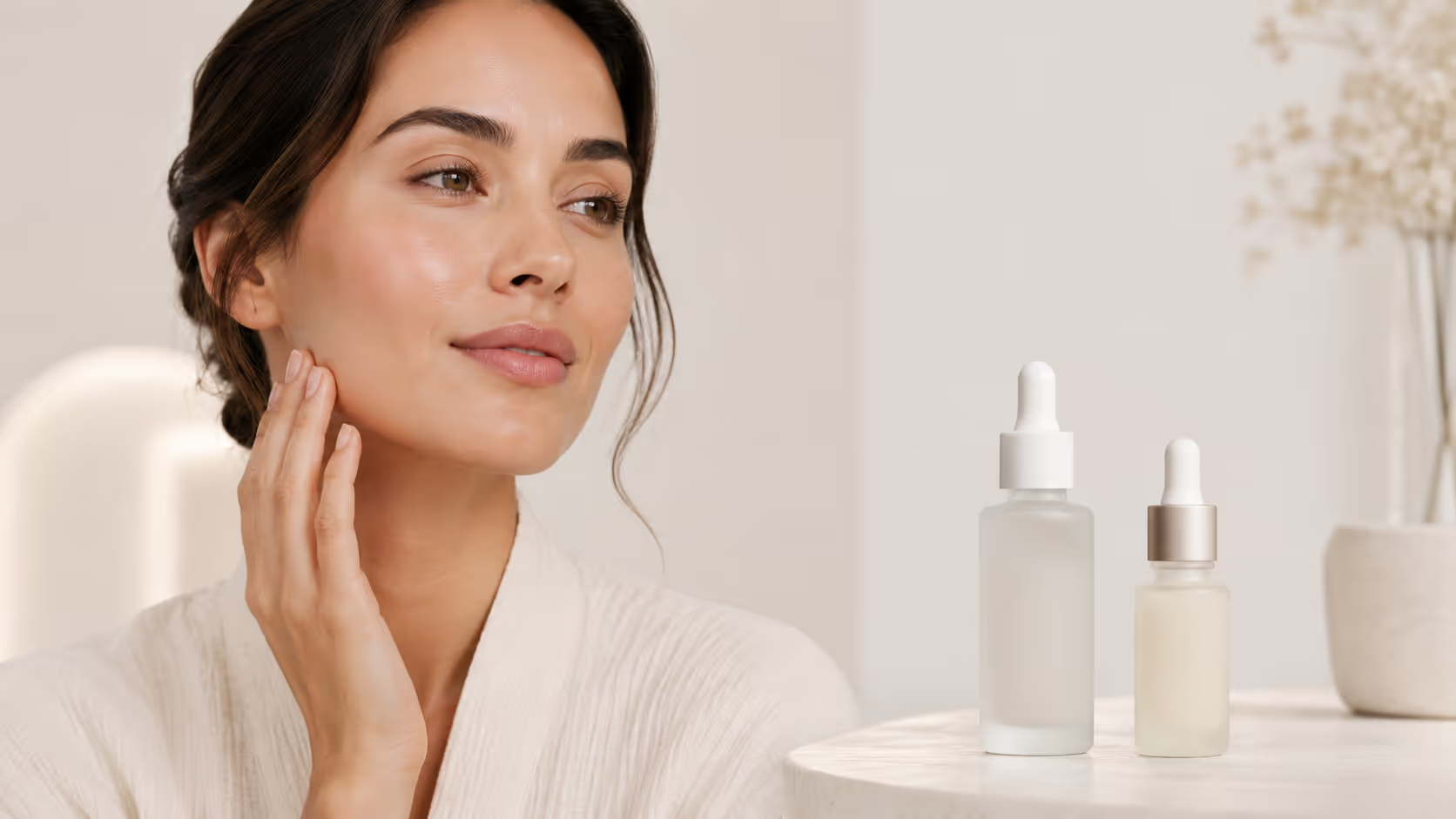
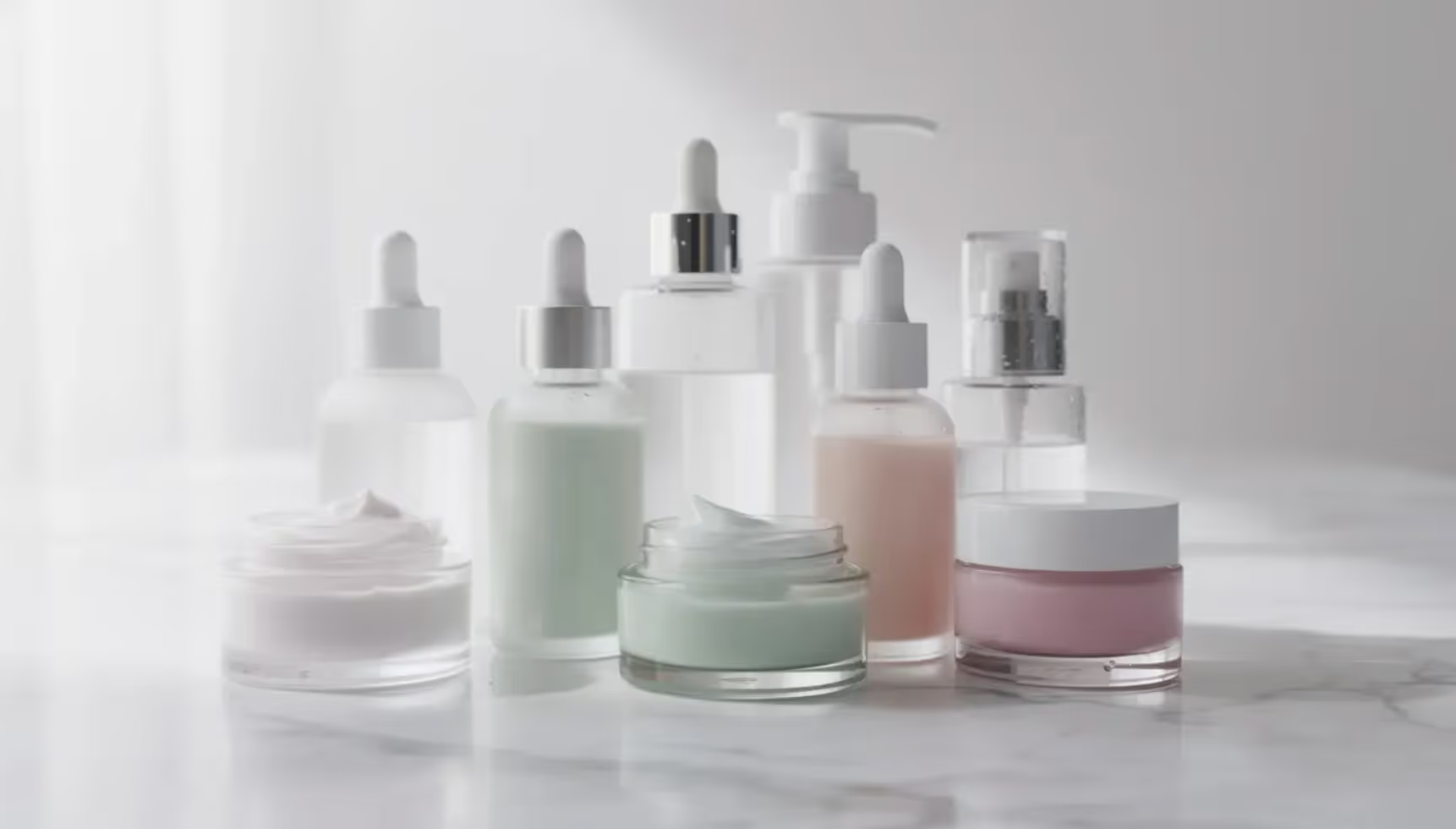
Pregnancy often brings welcome skin changes, but it can also introduce new concerns like melasma, increased sensitivity, or changes in skin texture. Fortunately, many pregnancy-safe alternatives exist for addressing these issues without injectable treatments. Topical treatments with pregnancy-approved ingredients can often provide significant improvements.
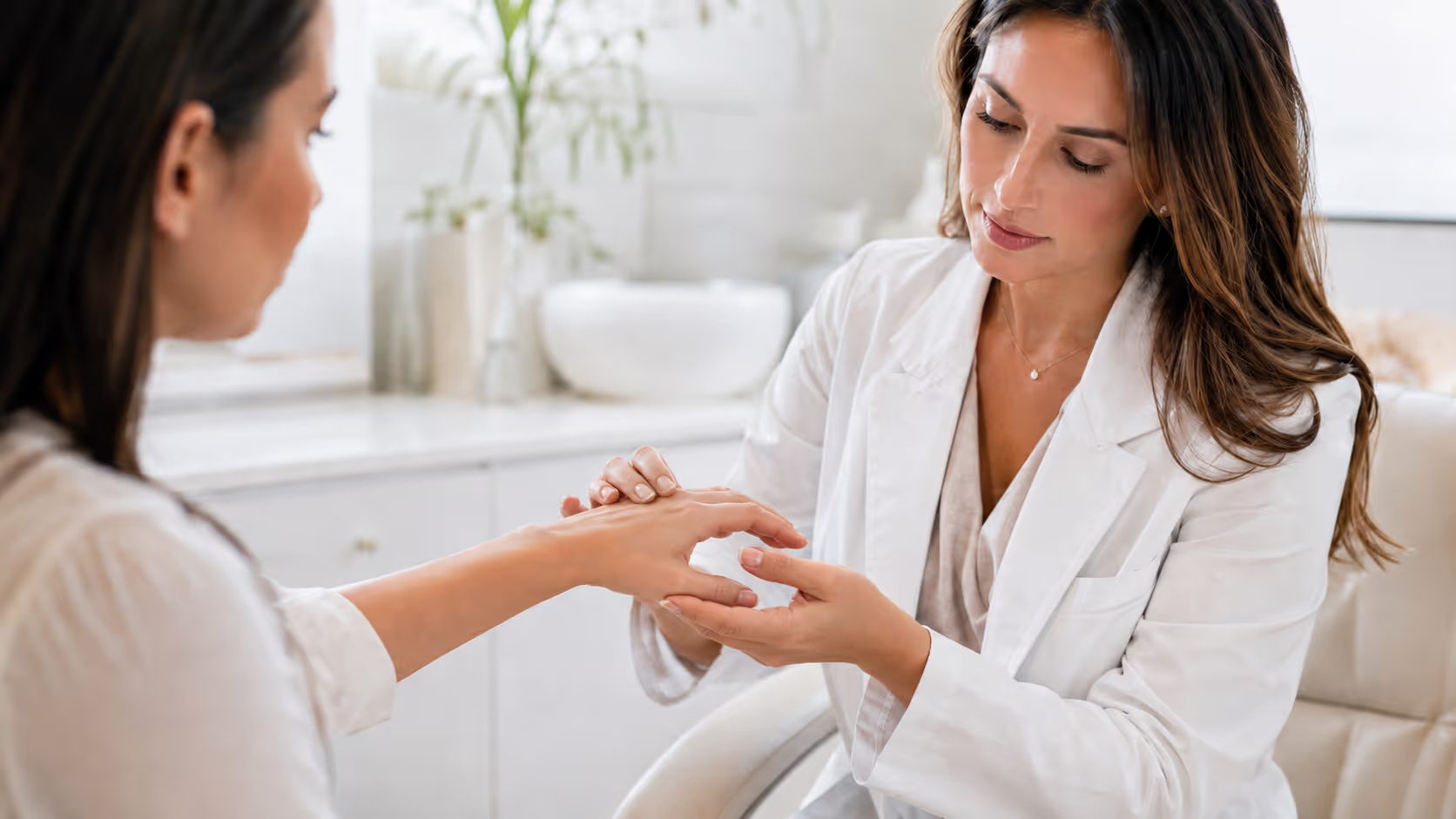
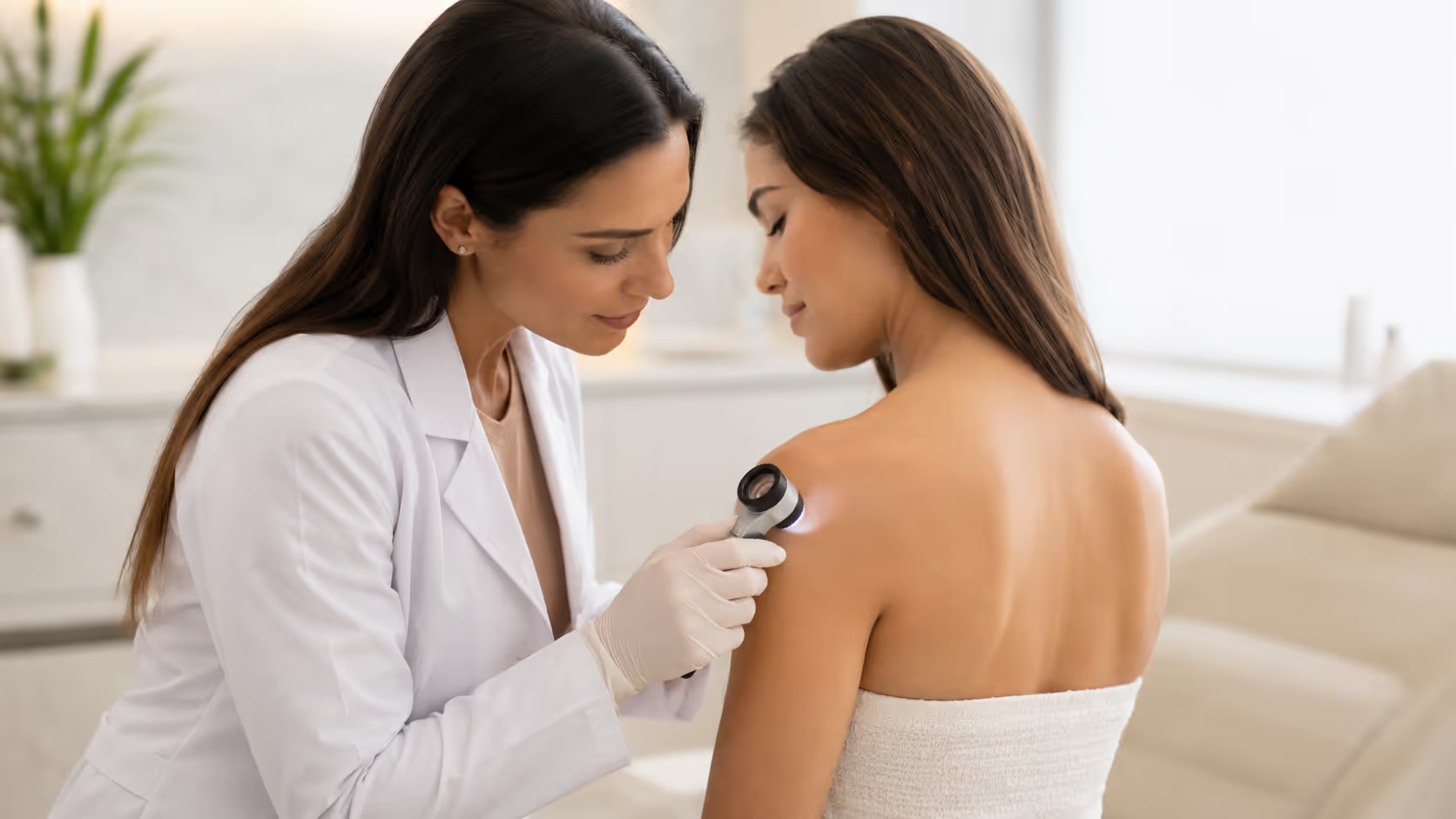
Professional skincare consultations become even more valuable during pregnancy when treatment options may be limited. A qualified dermatologist can recommend safe, effective alternatives tailored to pregnancy-specific skin changes. These approaches often focus on gentle, non-invasive methods that support skin health without potential risks.
Preventive care takes on increased importance when active treatments are limited. Consistent use of pregnancy-safe sunscreen, gentle cleansers, and appropriate moisturizers can help maintain skin health throughout pregnancy. These foundational steps often provide better long-term results than sporadic cosmetic treatments.
Pregnancy-safe skincare options include:
- Gentle chemical exfoliants: Mild glycolic acid or lactic acid treatments in low concentrations
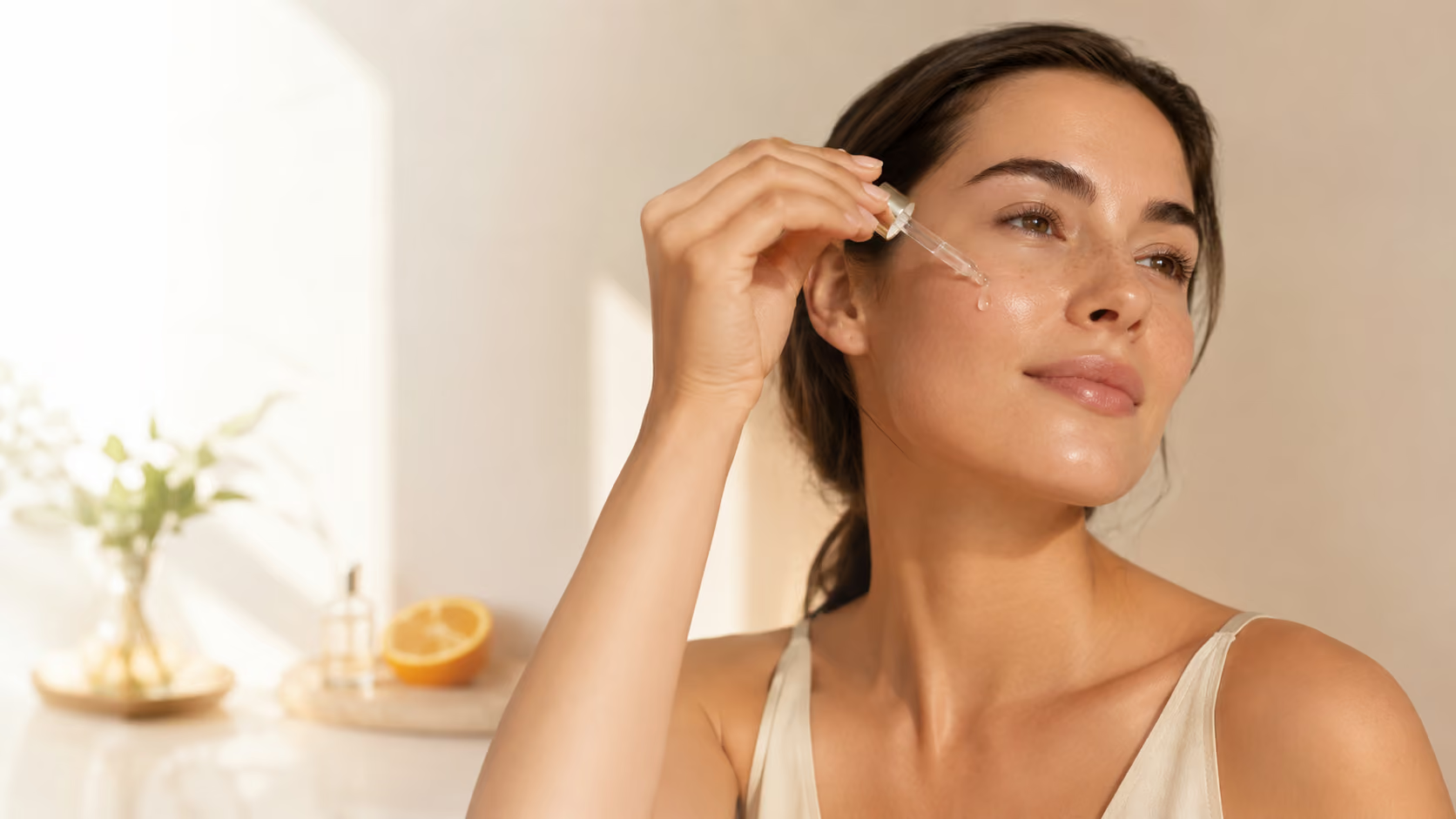
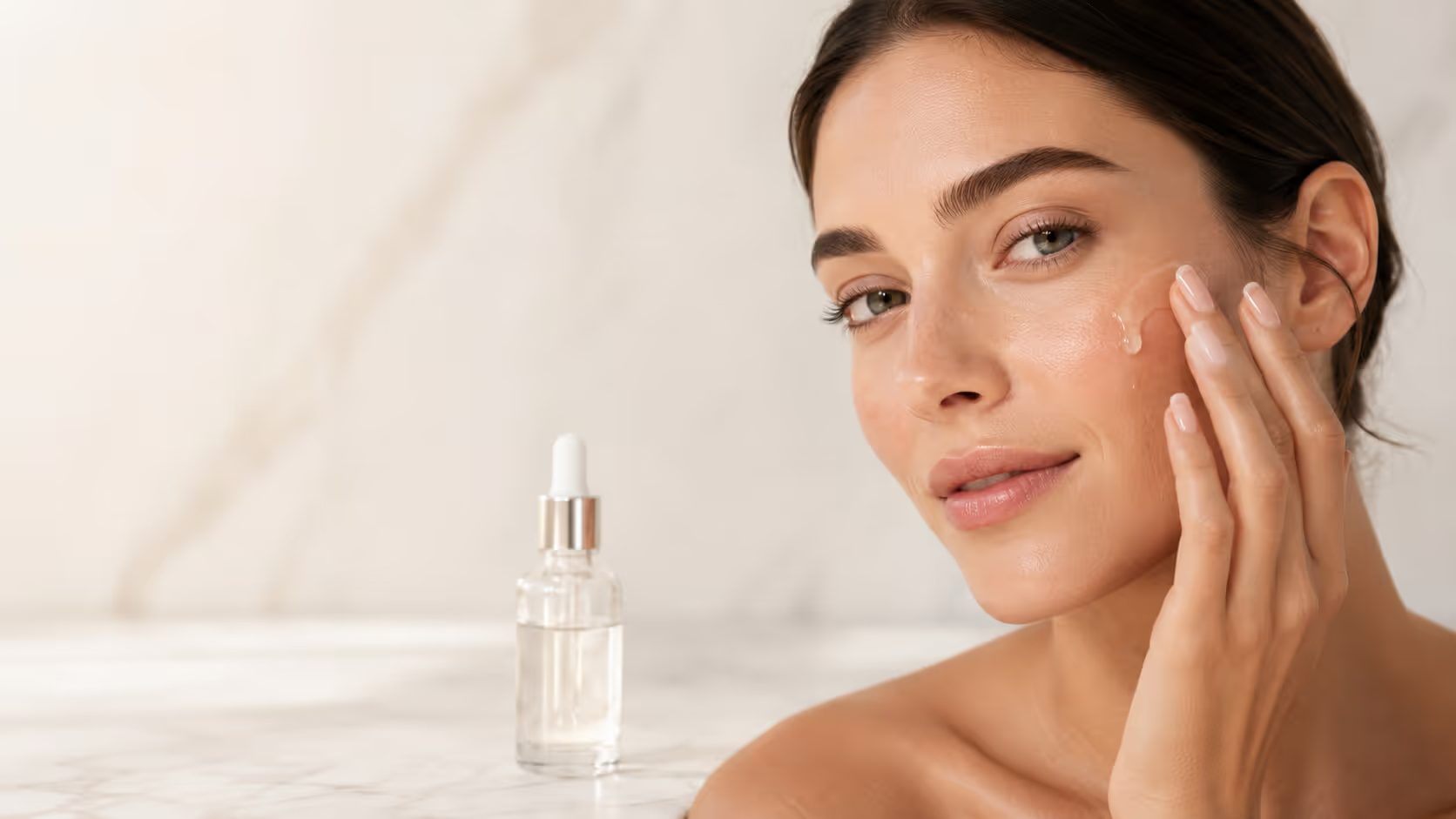
- Vitamin C serums: Antioxidant protection that supports skin health and brightness
- Pregnancy-safe retinol alternatives: Bakuchiol and other plant-based ingredients that provide similar benefits
- Professional facials: Customized treatments using pregnancy-approved products and techniques
Many skin concerns that prompt interest in injectables during pregnancy will naturally resolve postpartum. Hormonal fluctuations often stabilize after delivery and breastfeeding, leading to improvements in skin texture, pigmentation, and overall appearance. Patience during this temporary period often yields better results than rushing into treatments.
The postpartum period presents an ideal time to reassess skincare goals and develop a comprehensive treatment plan. Dr. Salar Hazany works with patients to create personalized approaches that address pregnancy-related skin changes safely and effectively. This planning process allows for optimal timing of treatments when they can be performed safely.
Planning Your Post-Pregnancy Treatment Timeline
The journey back to cosmetic treatments after pregnancy requires thoughtful timing and professional guidance. Breastfeeding mothers face continued restrictions on certain treatments, as substances can potentially transfer through breast milk. Most practitioners recommend waiting until breastfeeding is complete before resuming injectable treatments.
Physical recovery from pregnancy and childbirth affects treatment planning significantly. The body needs time to return to its pre-pregnancy state, and rushing into cosmetic procedures may not yield optimal results. Hormonal fluctuations can continue for months after delivery, particularly in breastfeeding mothers.
Creating a realistic timeline helps manage expectations and ensures the best possible outcomes from future treatments. This planning phase allows patients to research options, budget for treatments, and prepare for the commitment that effective cosmetic treatments often require. Professional consultation during pregnancy can help establish these future goals.
The waiting period also provides an opportunity to optimize overall health before resuming cosmetic treatments. Good nutrition, adequate sleep, and stress management can significantly improve treatment outcomes. These factors become even more important for new parents managing the demands of caring for an infant.
Hazany Derm supports patients throughout their pregnancy journey and beyond, providing continuity of care that ensures safe, effective treatment when the time is right. This ongoing relationship allows for personalized treatment planning that accounts for individual circumstances and goals. The investment in professional guidance pays dividends in both safety and results. If you're expecting and wondering how to time your treatment plans, schedule a consultation with Dr. Salar Hazany in Beverly Hills — planning now means you'll be ready the moment it's safe to proceed.
Frequently Asked Questions
Is Botox safe during pregnancy?
Botox is not recommended during pregnancy due to limited safety data. While there are no definitive studies showing harm, the FDA classifies botulinum toxin as pregnancy category C, indicating potential risks based on animal studies. Dr. Salar Hazany advises patients to postpone Botox treatments until after pregnancy and breastfeeding are complete. The conservative approach prioritizes maternal and fetal safety over cosmetic concerns. Most practitioners agree that waiting is the safest option, as the effects of botulinum toxin on developing babies remain unknown. Alternative pregnancy-safe skincare treatments can help address skin concerns during this waiting period.
Can I get dermal fillers while pregnant?
Dermal fillers are generally not recommended during pregnancy, even though hyaluronic acid fillers are biocompatible substances. The injection process carries risks of swelling, bruising, and complications that pregnancy may amplify due to increased blood volume and altered healing responses. Hazany Derm follows medical guidelines that advise postponing elective cosmetic procedures during pregnancy. The lack of comprehensive safety studies on filler use during pregnancy makes it impossible to guarantee complete safety for both mother and baby. Additionally, hormonal changes can affect skin sensitivity and treatment outcomes. Patients are encouraged to wait until after pregnancy and breastfeeding to resume filler treatments safely.
What injectable treatments are safe during pregnancy?
Currently, no cosmetic injectable treatments are considered definitively safe during pregnancy due to insufficient research data on fetal effects. The team at Hazany Derm follows established medical guidelines that recommend avoiding all elective injectable procedures during pregnancy and breastfeeding. This includes Botox, dermal fillers, and other cosmetic injectables commonly used for aesthetic purposes. The conservative approach stems from ethical limitations on conducting pregnancy studies with cosmetic substances. Even treatments with excellent safety profiles in non-pregnant individuals lack the specific pregnancy safety data needed for confident recommendations. Patients should focus on pregnancy-safe topical treatments and professional skincare consultations to address skin concerns during this period.
When can I resume injectables after giving birth?
The timing for resuming injectable treatments after birth depends on several factors, including breastfeeding status and individual recovery. Dr. Hazany typically recommends waiting until breastfeeding is complete, as substances can potentially transfer through breast milk to the baby. For non-breastfeeding mothers, waiting at least 3-6 months postpartum allows for hormonal stabilization and physical recovery. The body needs time to return to its pre-pregnancy state for optimal treatment outcomes. Rushing into procedures too early may result in unpredictable responses due to ongoing hormonal fluctuations. A consultation can help determine the ideal timing based on individual circumstances, recovery progress, and specific treatment goals for safe, effective results.
Are there alternatives to injectables during pregnancy?
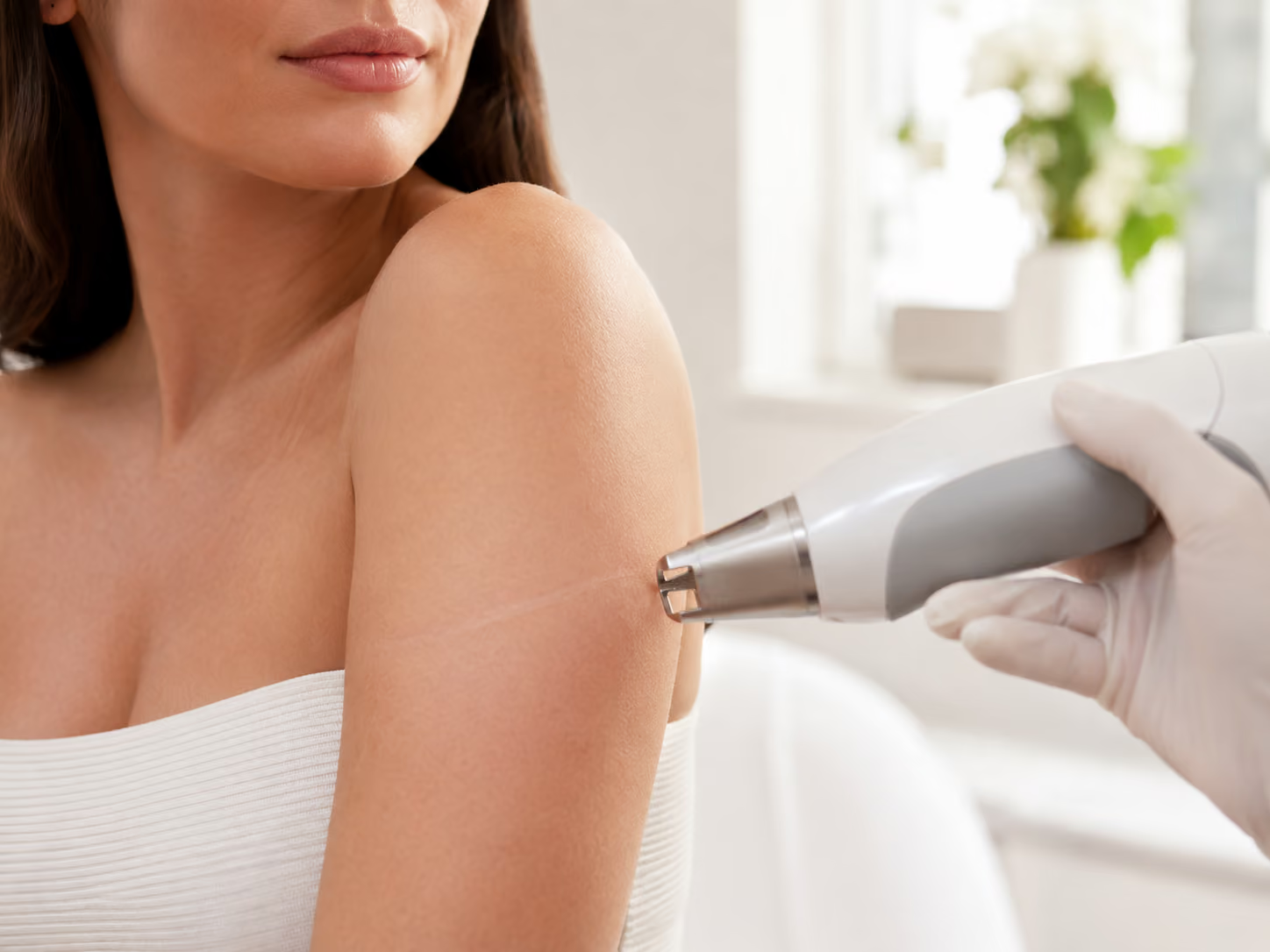
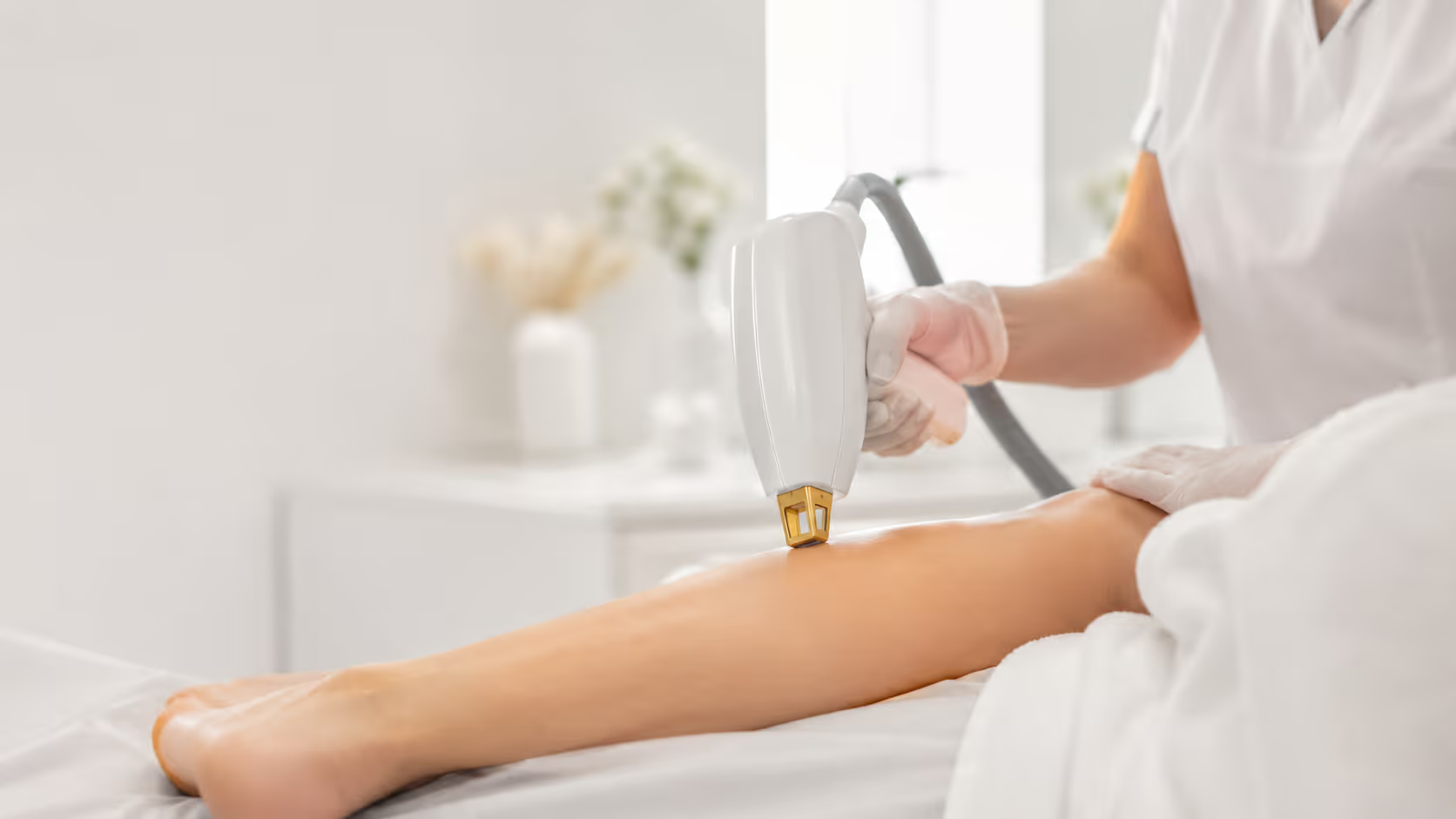
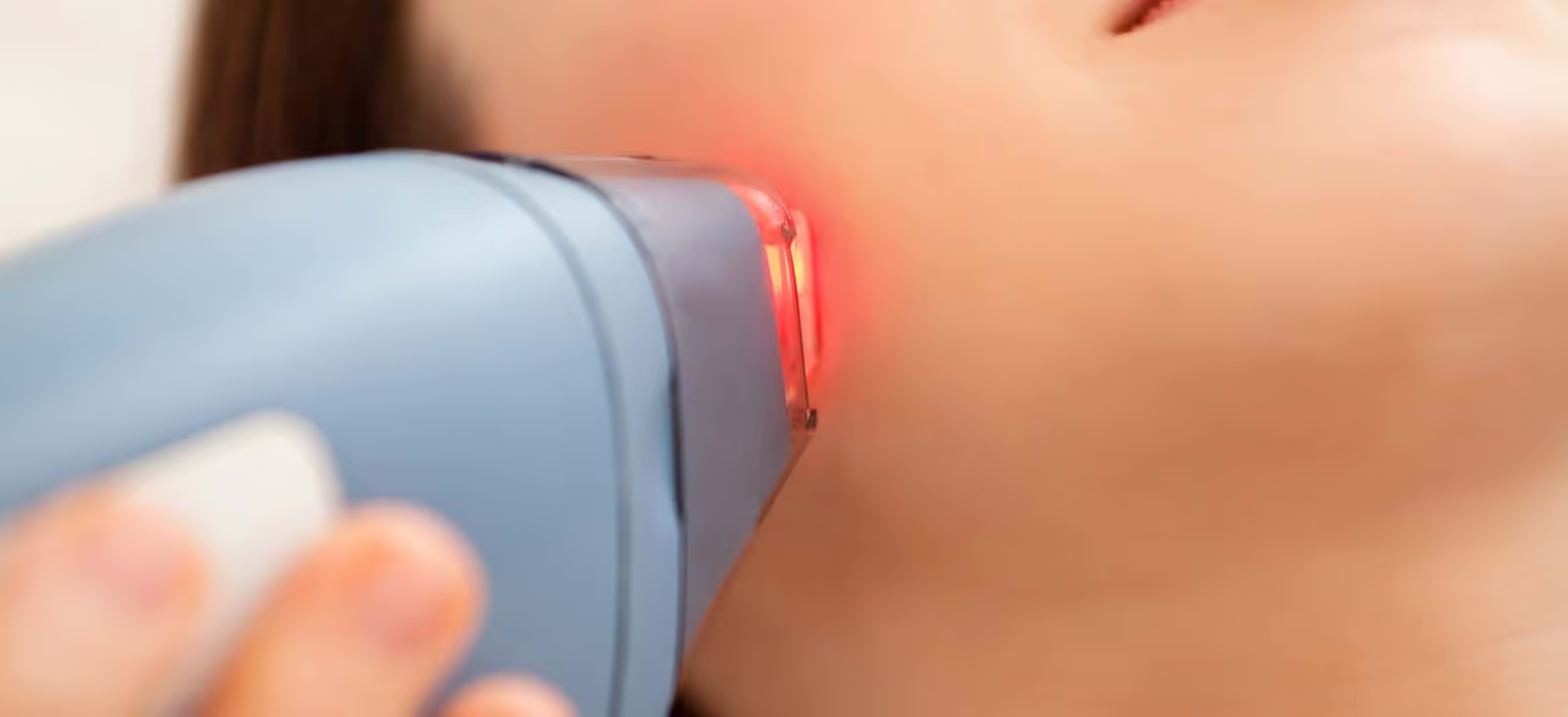
Yes, several pregnancy-safe alternatives can address skin concerns without injectable treatments. Hazany Derm specialists recommend focusing on topical treatments with pregnancy-approved ingredients like vitamin C serums, gentle chemical exfoliants, and safe moisturizers. Professional facials using pregnancy-compatible products can help maintain skin health and address texture concerns. Preventive measures become especially important, including consistent sunscreen use and gentle skincare routines. Many pregnancy-related skin changes resolve naturally postpartum as hormones stabilize. Laser treatments may also be options for certain concerns, though timing and safety must be evaluated individually. These alternatives often provide significant improvements while maintaining complete safety for both mother and developing baby throughout the pregnancy journey.
What should I know about Botox and breastfeeding?
Botox during breastfeeding is not recommended due to potential transfer through breast milk. While the exact amount that might transfer is unknown, Dr. Salar Hazany advises waiting until breastfeeding is completely finished before resuming botulinum toxin treatments. The conservative approach ensures no risk to the nursing infant, whose developing nervous system could theoretically be affected by botulinum toxin exposure. Most medical professionals agree that the cosmetic benefits do not justify any potential risks to the baby. The waiting period also allows maternal hormones to stabilize, potentially improving treatment outcomes. Many breastfeeding mothers find that their skin concerns improve naturally as hormonal fluctuations settle, making the wait worthwhile for both safety and effectiveness reasons.
How does pregnancy affect cosmetic treatment outcomes?
Pregnancy significantly impacts how the body responds to cosmetic treatments due to hormonal fluctuations, increased blood volume, and altered immune responses. The Hazany Derm clinic explains that these changes can make treatment outcomes unpredictable and potentially less effective. Increased skin sensitivity during pregnancy may lead to stronger reactions or unexpected side effects from procedures that were previously well-tolerated. Swelling and bruising may be more pronounced and last longer due to pregnancy-related circulation changes. Additionally, many skin concerns that prompt treatment interest may resolve naturally postpartum as hormones normalize. These factors support the recommendation to wait until after pregnancy and breastfeeding for optimal, predictable results from cosmetic injectable treatments.
What questions should I ask about injectables and pregnancy?
When discussing injectables and pregnancy, ask the experts at Hazany Derm about specific safety data for each treatment you're considering. Important questions include the FDA pregnancy classification of substances, potential risks to fetal development, and whether any ingredients might transfer through breast milk. Inquire about pregnancy-safe alternatives that can address your concerns during the waiting period. Ask about optimal timing for resuming treatments postpartum and factors that influence this timeline. Discuss how pregnancy might affect your skin and whether anticipated changes could impact future treatment needs. Understanding the reasoning behind safety recommendations helps you make informed decisions. Also ask about planning strategies to optimize results when you do resume treatments after pregnancy and breastfeeding are complete.