






%201.avif)



Can a Pyogenic Granuloma Go Away on Its Own?



Pyogenic granulomas rarely go away on their own and often grow larger or bleed repeatedly without treatment. At Hazany Derm, Dr. Salar Hazany offers precise, minimally invasive skin lesion removal to address these growths safely and effectively before complications arise.
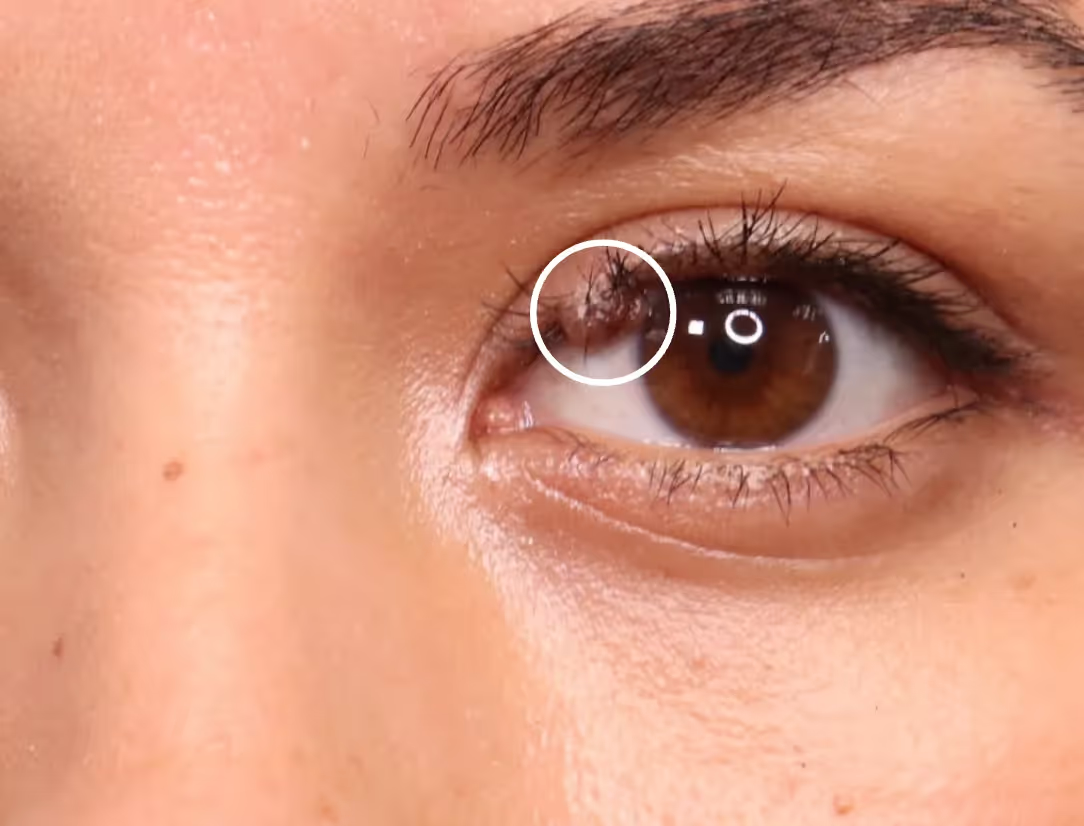
If you have noticed a small, red, raised bump that bleeds easily and seems to be growing, you may be dealing with a pyogenic granuloma. These vascular skin lesions are surprisingly common and can appear on the face, lips, nose, eyelids, or elsewhere on the body. While they are benign, meaning they are not cancerous, that does not mean they should be ignored or left to resolve on their own.
Many people discover a pyogenic granuloma after a minor skin injury, during pregnancy, or seemingly out of nowhere with no clear cause. The lesion tends to grow quickly in its early stages, sometimes reaching several millimeters or even a centimeter or more within weeks. Because they are rich in blood vessels, even light contact can trigger significant bleeding, which understandably alarms most patients who experience it for the first time.
The good news is that effective, professional treatment is available. At Hazany Derm, Dr. Salar Hazany specializes in the precise removal of skin lesions, including pyogenic granulomas, using minimally invasive techniques designed to minimize discomfort and downtime. Understanding what these growths actually are, whether they can disappear on their own, and what your treatment options look like will help you make an informed decision about your skin health.
Do Pyogenic Granulomas Go Away on Their Own?
Rarely. A pyogenic granuloma occasionally shrinks on its own — mostly pregnancy-related lesions after delivery, or when a triggering medication is stopped — but most persist, keep growing, and keep bleeding until they're removed. And because a few serious conditions can mimic these lesions, a dermatologist's evaluation beats watchful waiting in nearly every case.
What Is a Pyogenic Granuloma and Why Does It Form?
A pyogenic granuloma is a benign vascular lesion made up of rapidly proliferating blood vessels embedded in a loose connective tissue framework. Despite its intimidating name, it is not actually caused by infection or pus, and it is not a true granuloma in the pathological sense of the word. The term has simply persisted through medical history, and today dermatologists understand these lesions as overgrowths of blood vessel tissue triggered by various stimulating factors.
These lesions most commonly arise following skin trauma, such as a cut, abrasion, or even a puncture wound that may have seemed minor at the time. Hormonal changes, particularly those associated with pregnancy, can also dramatically increase the likelihood of developing a pyogenic granuloma, which is why they are sometimes called "pregnancy tumors" in informal clinical settings. Certain medications, including some retinoids and targeted cancer therapies, have also been linked to their development.
Pyogenic granulomas grow through a process called angiogenesis, which is the rapid formation of new blood vessels. This is why they bleed so easily and so profusely relative to their small size. The walls of these vessels are fragile and close to the surface, meaning even gentle friction from clothing, a fingertip, or a facecloth can rupture them and cause noticeable bleeding.
Common locations and characteristics of pyogenic granulomas include:
- Gingiva and oral mucosa: Often appear in pregnant women as soft, red growths on the gums that bleed with brushing
- Fingers and hands: Frequently linked to prior minor trauma or nail-biting habits that disrupt the skin barrier
- Facial zones: Including the nose, lip, and eyelid, where even small lesions can cause cosmetic concern and functional issues
- Trunk and extremities: Can develop anywhere on the body, often following a scratch or insect bite that stimulates localized vessel growth
Because pyogenic granulomas are highly vascular and prone to bleeding, they frequently cause patients significant anxiety. Many people assume the bleeding indicates something serious, and while the lesion itself is benign, the symptoms it produces are anything but trivial. If you notice a rapidly growing, easily bleeding lesion anywhere on your skin, it is worth having a qualified dermatologist evaluate it promptly.
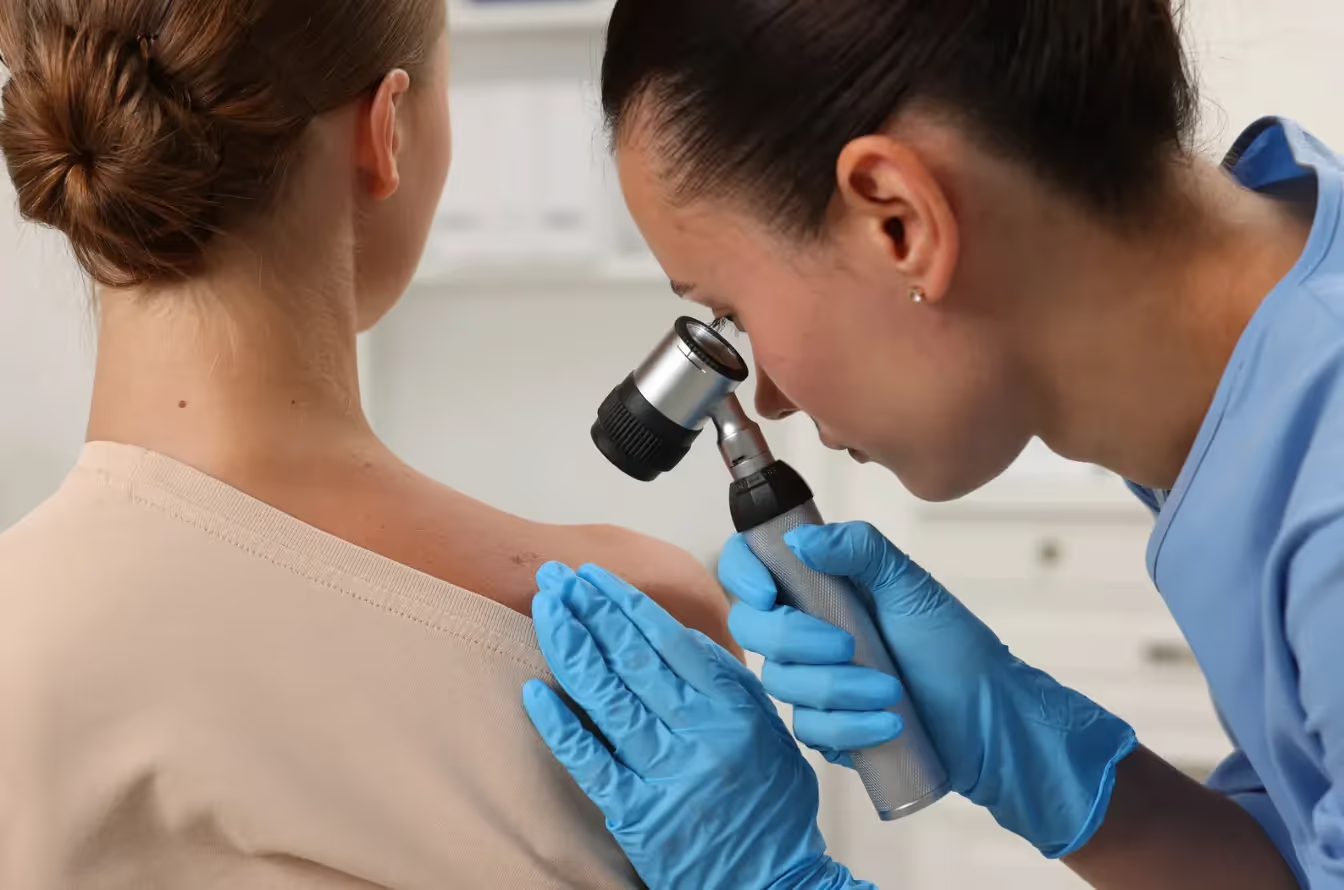
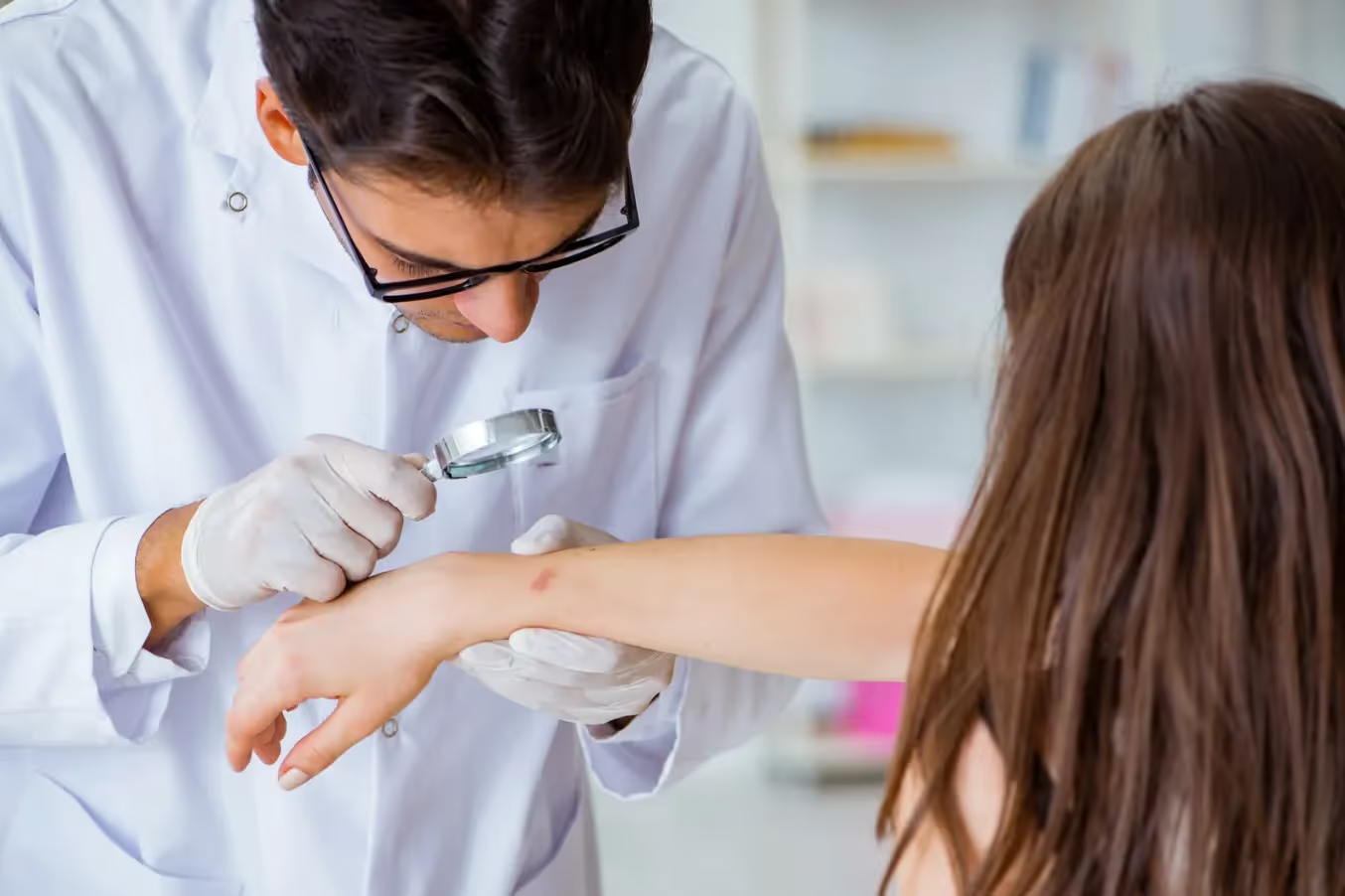
The diagnosis of a pyogenic granuloma is usually made clinically by a trained dermatologist who can recognize its characteristic appearance. However, because some other lesions, including amelanotic melanoma, can occasionally mimic its appearance, professional evaluation is essential rather than assuming a self-diagnosis. Dr. Salar Hazany at Hazany Derm performs thorough evaluations before any treatment to ensure an accurate diagnosis and the most appropriate treatment plan for each patient.
Will a Pyogenic Granuloma Go Away on Its Own?
This is the most common question patients ask when they first notice this type of lesion, and the honest answer is that spontaneous resolution is possible but uncommon. In rare cases, a pyogenic granuloma will stop growing and gradually regress without any medical intervention, particularly if the triggering factor, such as a medication or hormonal change, is removed. However, waiting and hoping for spontaneous resolution is rarely a practical or advisable strategy for most patients.
Several factors make watchful waiting a risky approach for most pyogenic granulomas. First, the lesion may continue to grow, becoming larger and more vascularized over time, which can make eventual treatment more complex. Second, the repeated bleeding episodes that these lesions cause can be disruptive to daily life and emotionally distressing. Third, without a confirmed diagnosis from a professional, there is always a small but meaningful risk that the lesion could be something other than a benign pyogenic granuloma.
Studies in dermatology literature have noted that true spontaneous regression of pyogenic granulomas is more commonly reported in lesions that develop during pregnancy, as the hormonal environment that contributed to their growth normalizes after delivery. Even in these cases, however, regression is not guaranteed, and many postpartum patients still find that the lesion persists and requires treatment. For lesions that are not pregnancy-related, the chance of spontaneous resolution without any intervention is considerably lower.
Factors that make spontaneous resolution unlikely include:
- Persistent triggering factors: If the medication, injury, or hormonal imbalance causing the lesion remains present, the growth has little reason to regress
- Lesion size and maturity: Larger, older lesions have a more developed vascular network that is unlikely to spontaneously dismantle itself
- Location with ongoing friction: Growths on the lip, nostril edge, or fingers are constantly subjected to physical contact that perpetuates their irritation and growth cycle
- Recurrent bleeding history: Lesions that bleed frequently are actively remodeling their vascular supply, a sign of continued biological activity rather than regression
Even when a pyogenic granuloma does appear to shrink slightly on its own, patients often notice that it does not fully resolve and may flare again. This partial regression can give a false sense of security, leading patients to delay treatment until the lesion has grown larger and become harder to address with simple techniques. From a practical standpoint, early evaluation and timely treatment tend to produce better cosmetic and clinical outcomes than prolonged observation alone.
Is this true for all granulomas?
No — "granuloma" covers several unrelated conditions. Granuloma annulare, for example, often does clear on its own within a couple of years, while pyogenic granulomas usually don't. If you're not certain which type you're dealing with, that alone is a good reason for a professional look.
Will removing a pyogenic granuloma leave a scar?
Any removal leaves some mark, but with precise technique the result is typically a small, flat, well-healed spot far less visible than the lesion itself — which is raised, red, and prone to bleeding. Lesions on the face are treated with extra care to keep the final result as subtle as possible.
At Hazany Derm, Dr. Salar Hazany takes a conservative, patient-centered approach to skin lesion evaluation. If a lesion is very small, recently appeared, and the patient prefers a short observation period, that conversation can absolutely happen during a consultation. However, for most patients presenting with a confirmed pyogenic granuloma, proceeding with professional removal is the most reliable path to a lasting solution without ongoing disruption to daily life.
What Are Your Treatment Options for Pyogenic Granuloma?
When a pyogenic granuloma does not resolve on its own, and even when it might theoretically do so, professional treatment is the most reliable, efficient, and safe way to address these lesions. There are several established treatment modalities used by dermatologists, and the best choice depends on the size, location, and individual characteristics of the lesion, as well as patient preferences and skin type. At Hazany Derm, Dr. Salar Hazany carefully evaluates each case to determine which approach will deliver the cleanest result with the least disruption to surrounding tissue.
Shave excision with curettage and electrodesiccation is one of the most commonly used techniques for pyogenic granulomas located on accessible body surfaces. This approach involves shaving the lesion flush with the surrounding skin, then using a curette to physically remove any remaining vascular tissue, followed by light electrodesiccation to destroy residual abnormal vessels and control bleeding. When performed precisely, as Dr. Salar Hazany routinely does, this technique typically results in a small, flat, well-healed scar that is far less noticeable than the original lesion.
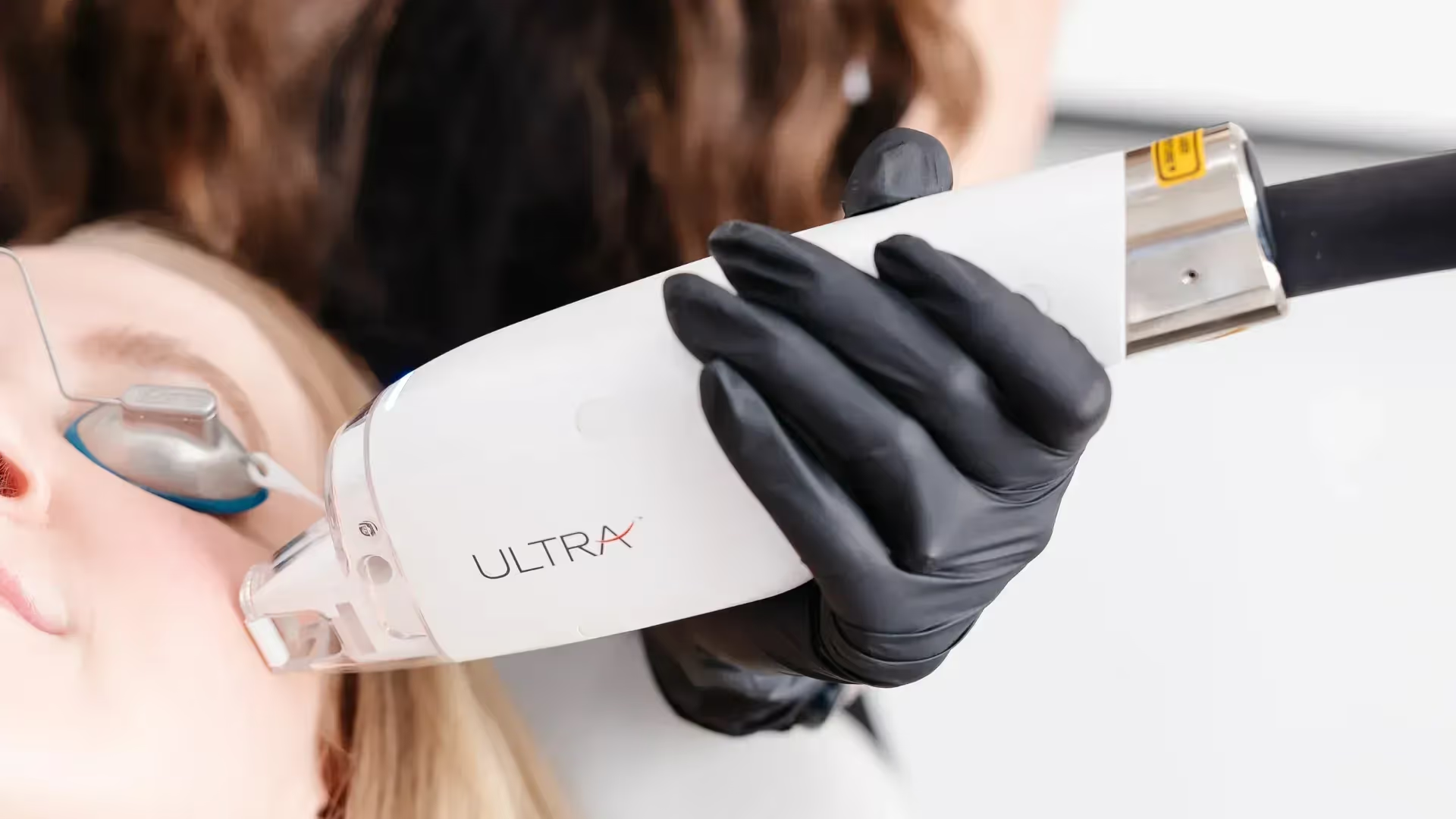
Surgical excision with formal closure is occasionally recommended for larger lesions or those in locations where recurrence risk is higher. This approach removes the entire lesion along with a small margin of normal tissue, and the wound is closed with sutures. While it is a more involved procedure than shave excision, it offers a very low recurrence rate and allows the removed tissue to be sent for pathological analysis, confirming the diagnosis with laboratory certainty. Laser-based treatments and chemical cauterization with silver nitrate are also used in certain clinical contexts, each with their own advantages depending on the specific presentation of the lesion.
Key considerations when choosing a treatment approach include:
- Location sensitivity: Lesions on the eyelid, nose, or lip require particular precision to preserve both function and aesthetics, areas where Dr. Salar Hazany has specific expertise
- Lesion size and depth: Superficial, smaller growths typically respond well to shave excision, while deeper or larger lesions may benefit from full surgical excision
- Recurrence risk: The base of a pyogenic granuloma must be fully treated to prevent regrowth, meaning thoroughness during the procedure is more important than speed
- Skin type and scarring tendency: Patients with darker skin tones or a history of keloid formation may require a modified approach to minimize the risk of post-procedural pigment changes or raised scarring
Recurrence after treatment is a known consideration with pyogenic granulomas, particularly when the base of the lesion is not fully addressed during the initial procedure. This is one reason why choosing a skilled, experienced dermatologist matters so much, because the technique and thoroughness of the treating physician directly influence the likelihood of the lesion returning. At Hazany Derm, the focus on precision and complete lesion removal is central to how skin lesion removal procedures are performed.
After successful removal, most patients find that healing is straightforward and that the treated area looks significantly better than the original lesion within a matter of weeks. Post-procedural care instructions from Dr. Salar Hazany at Hazany Derm typically include keeping the area clean, avoiding sun exposure during the healing period, and returning for a follow-up visit to confirm that healing is progressing well and that no recurrence is developing. For patients who have been living with the bleeding, discomfort, and cosmetic concern of a pyogenic granuloma, the relief that comes with successful, definitive treatment is considerable. If a bleeding red bump keeps interrupting your life, schedule an evaluation with Dr. Salar Hazany in Beverly Hills — most pyogenic granulomas can be removed in a single office visit.
Frequently Asked Questions
What exactly is a pyogenic granuloma?
A pyogenic granuloma is a benign vascular lesion made up of rapidly proliferating blood vessels within a loose connective tissue framework. Despite the name, it is not caused by infection and is not a true granuloma in the pathological sense. The term has simply persisted through medical history. These lesions grow through angiogenesis, the rapid formation of new blood vessels, which is why even light contact can cause noticeable bleeding. Dr. Salar Hazany evaluates each lesion thoroughly before recommending any course of treatment.
Can a pyogenic granuloma go away without treatment?
Spontaneous resolution is possible but uncommon. In rare cases, particularly when a triggering factor like a medication or hormonal shift is removed, the lesion may gradually regress on its own. Pregnancy-related pyogenic granulomas have the highest reported rate of spontaneous regression after delivery, but even then, resolution is not guaranteed. For lesions unrelated to pregnancy, the likelihood of self-resolution is considerably lower. The team at Hazany Derm generally advises against watchful waiting given the risks of continued growth and repeated bleeding episodes.
Why do pyogenic granulomas bleed so easily?
These lesions are densely packed with fragile, newly formed blood vessels that sit very close to the skin surface. Because they develop through rapid angiogenesis, the vessel walls lack structural stability. Even gentle friction from clothing, a fingertip, or a facecloth can rupture those vessels and trigger significant bleeding relative to the lesion's small size. While the bleeding itself is not dangerous, it can be alarming and disruptive to daily life. Hazany Derm recommends prompt professional evaluation if you notice a rapidly bleeding skin growth.
What causes a pyogenic granuloma to form?
Pyogenic granulomas most commonly develop following minor skin trauma such as cuts, abrasions, or puncture wounds. Hormonal changes associated with pregnancy can significantly increase the likelihood of developing one, which is why they are sometimes informally called pregnancy tumors. Certain medications, including some retinoids and targeted cancer therapies, have also been linked to their formation. In some cases, no clear cause is identified. Dr. Hazany and his team perform thorough evaluations to understand each patient's individual history before recommending a treatment approach.
Where on the body do pyogenic granulomas most commonly appear?
These lesions can develop almost anywhere on the skin or mucous membranes. Common locations include the gingiva and oral mucosa, where they frequently appear in pregnant women as soft red growths that bleed during brushing. They also develop on the fingers and hands following minor trauma, on facial areas such as the nose, lip, and eyelid, and on the trunk or extremities after scratches or insect bites. Dr. Salar Hazany has extensive experience treating pyogenic granulomas across all of these locations with minimally invasive techniques.
Is a pyogenic granuloma dangerous or cancerous?
Pyogenic granulomas are benign, meaning they are not cancerous. However, that does not mean they should be dismissed or left untreated. Some other lesions, including amelanotic melanoma, can occasionally mimic the appearance of a pyogenic granuloma, making professional diagnosis essential. Assuming a self-diagnosis without evaluation carries meaningful risk. The team at Hazany Derm conducts a thorough clinical assessment before any treatment to confirm an accurate diagnosis and ensure the most appropriate care plan is developed for each individual patient.
Why is waiting for a pyogenic granuloma to resolve on its own risky?
Waiting without treatment creates several concerns. The lesion may continue growing, becoming larger and more vascularized, which can complicate eventual removal. Repeated bleeding episodes can be emotionally distressing and disruptive to everyday activities. Additionally, without professional evaluation, there is always a small but meaningful chance the lesion is something other than a benign pyogenic granuloma. Dr. Hazany and his team advise against watchful waiting for most patients and instead recommend a proper clinical evaluation to determine the safest and most effective path forward.
What should you do if you think you have a pyogenic granuloma?
If you notice a small, red, raised bump that bleeds easily and appears to be growing, the recommended step is to have it evaluated by a qualified dermatologist as soon as possible. At Hazany Derm, Dr. Salar Hazany specializes in the diagnosis and minimally invasive removal of skin lesions including pyogenic granulomas. Early evaluation helps confirm the diagnosis, rules out other conditions, and gives you access to treatment options designed to minimize discomfort and recovery time while addressing the lesion effectively and thoroughly.