




%201.avif)



How Does LaseMD Ultra Compare to CO2 Laser Resurfacing?
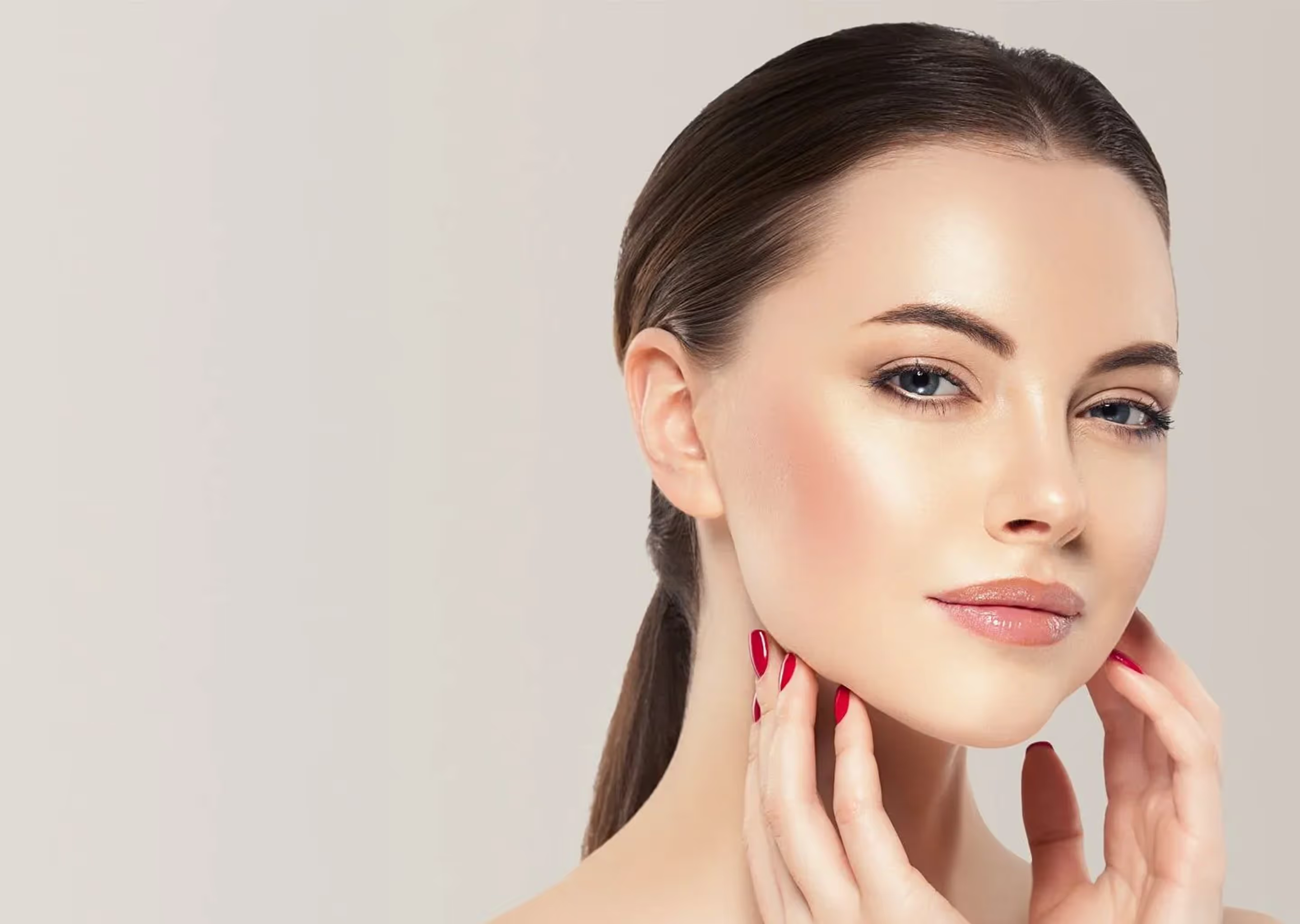


LaseMD Ultra offers gentler skin rejuvenation with minimal downtime, while CO2 laser provides more aggressive resurfacing with longer recovery. Hazany Derm helps patients choose the optimal treatment based on their specific skin concerns and lifestyle needs.
When considering laser skin resurfacing treatments, patients often find themselves comparing different technologies and wondering which option will best address their specific concerns. Two popular choices that frequently come up in consultations are LaseMD Ultra and CO2 laser resurfacing, each offering distinct advantages for skin rejuvenation. Understanding the differences between these treatments is crucial for making an informed decision about your skincare journey. At Hazany Derm, we believe in educating our patients about all available options to ensure they receive the most appropriate treatment for their individual needs.
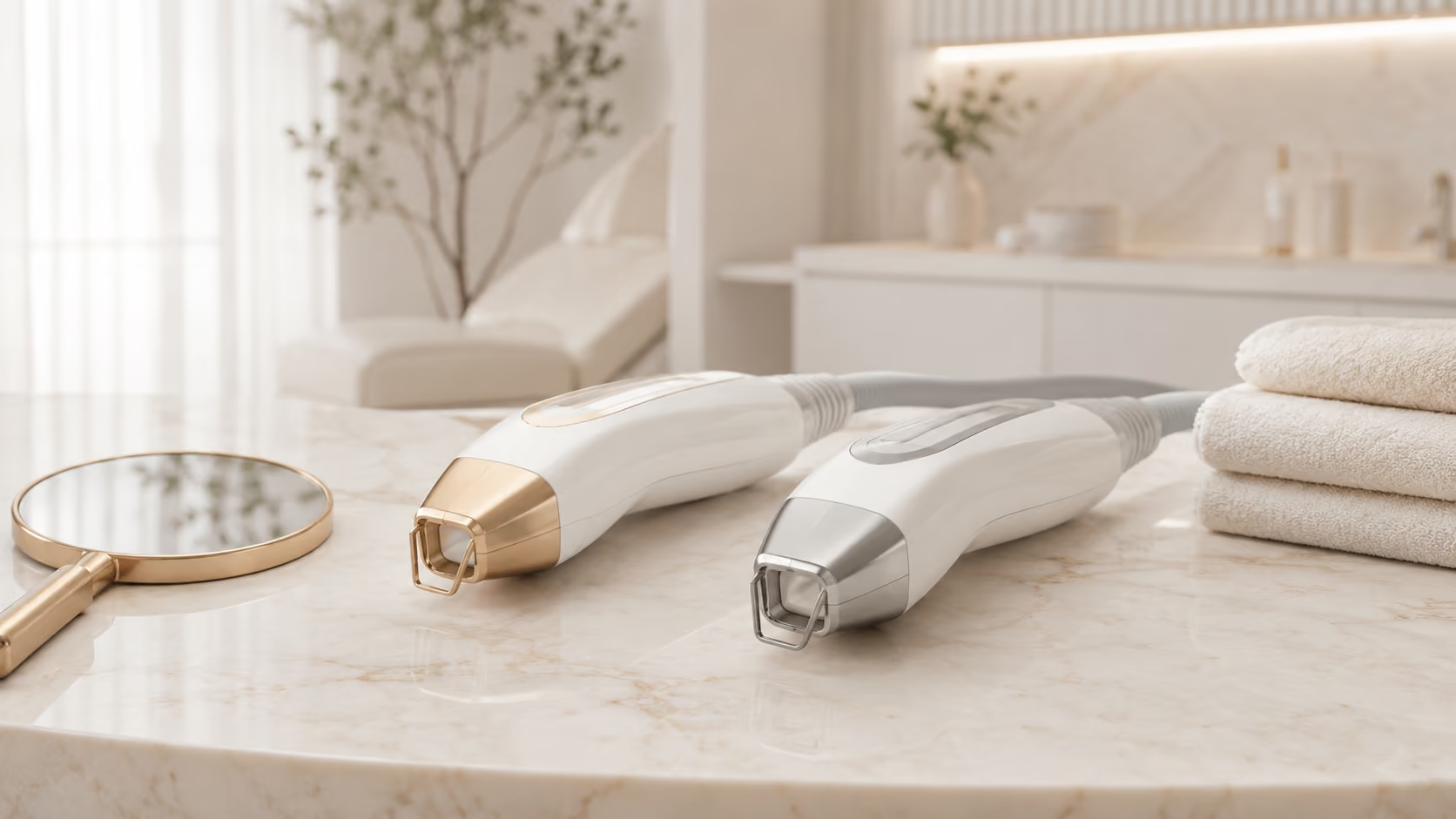
Both LaseMD Ultra and CO2 laser resurfacing work by creating controlled damage to the skin, which stimulates the body's natural healing response and promotes collagen production. However, the mechanisms, intensity levels, and recovery requirements differ significantly between these two approaches. LaseMD Ultra utilizes a non-ablative fractional laser technology that penetrates the skin without removing the surface layer, while CO2 lasers employ ablative technology that actually vaporizes tissue. This fundamental difference in approach leads to varying results, downtime requirements, and patient experiences.
The choice between these treatments often depends on factors such as the severity of skin concerns, desired results, available recovery time, and individual pain tolerance. Dr. Salar Hazany frequently explains to patients that neither treatment is inherently superior to the other; rather, each serves different purposes in the spectrum of laser resurfacing options. The key is matching the right technology to the patient's specific goals, skin type, and lifestyle constraints to achieve optimal outcomes.
LaseMD Ultra vs. CO2 Laser: The Short Answer
CO2 is the heavy hitter: one ablative treatment, dramatic correction of deep wrinkles and severe sun damage, and 7–14 days of real recovery. LaseMD Ultra is the gentle alternative: a series of non-ablative sessions with 24–48 hours of downtime and gradual improvement. Severe damage points to CO2; mild-to-moderate concerns and busy schedules point to LaseMD Ultra.
Understanding LaseMD Ultra Technology
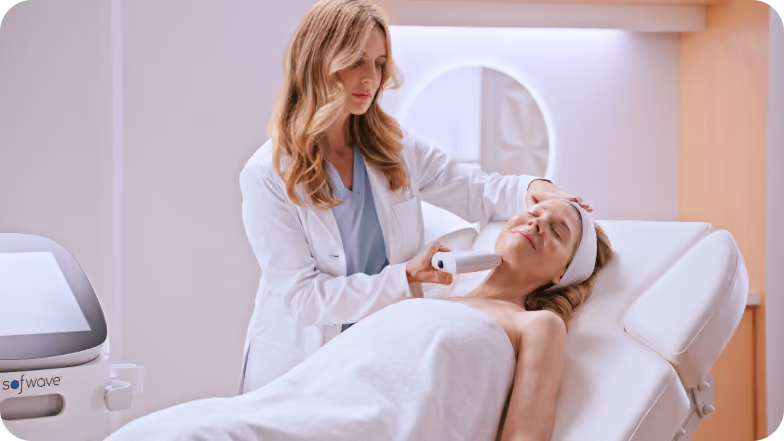
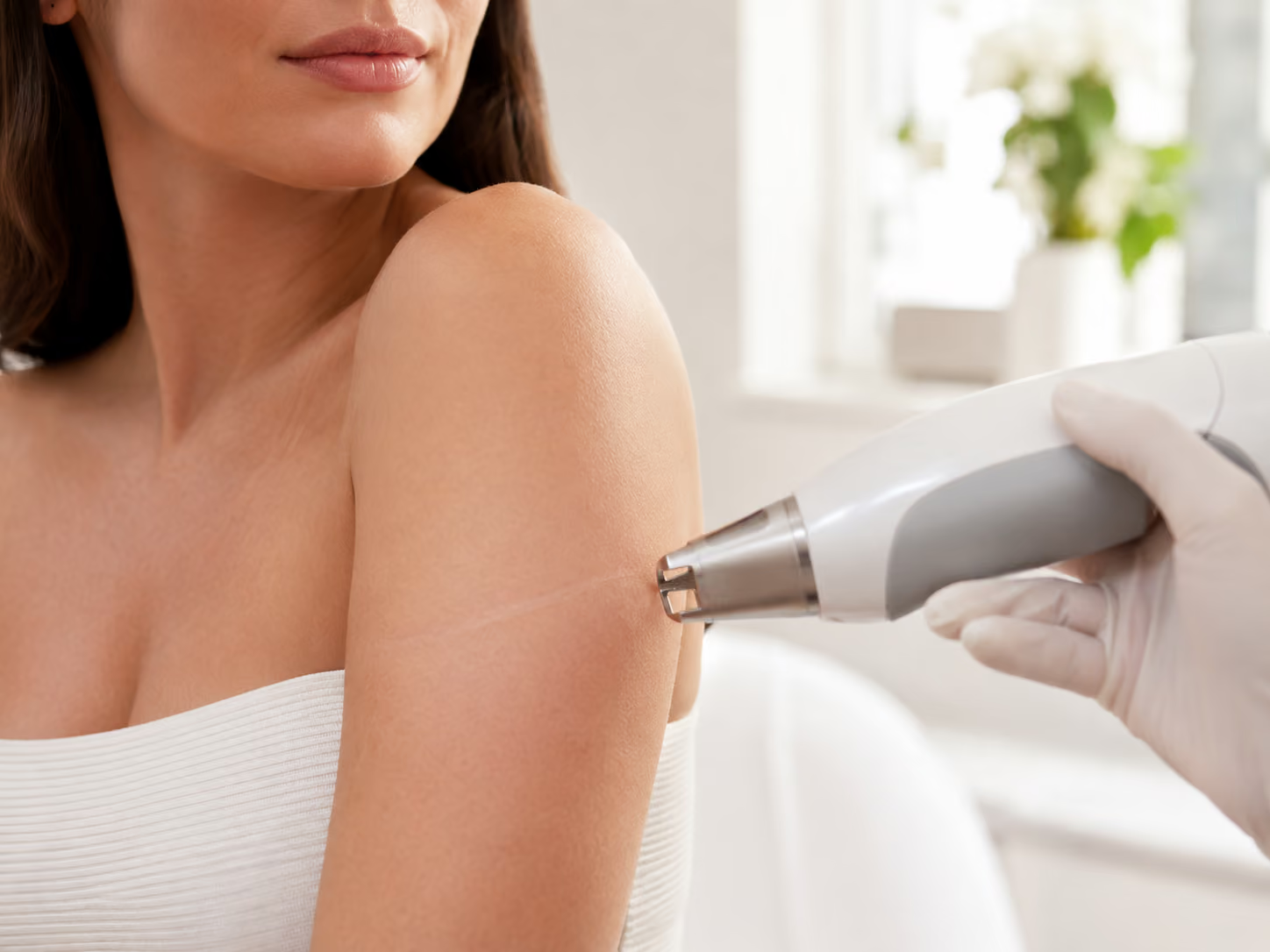
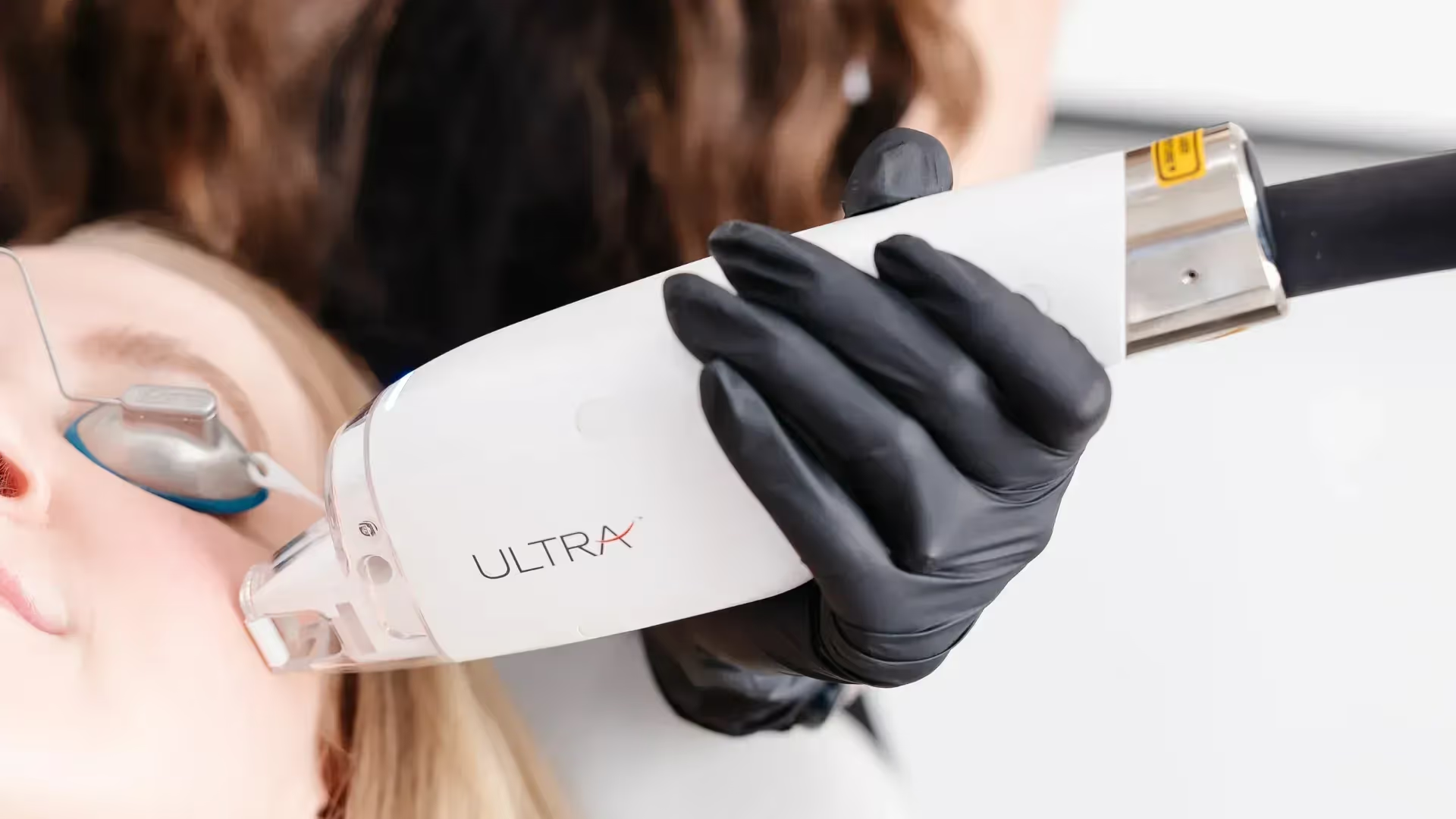
LaseMD Ultra represents a breakthrough in non-ablative fractional laser technology, designed to provide significant skin improvements with minimal disruption to daily activities. This innovative system uses a 1927-nanometer wavelength that creates microscopic treatment zones in the skin while leaving surrounding tissue intact for faster healing. The technology allows for precise control over treatment depth and intensity, making it suitable for a wide range of skin types and concerns. Hazany Derm has found this versatility particularly valuable for treating patients with varying skin tones and sensitivities.
The non-ablative nature of LaseMD Ultra means that the skin's surface remains largely intact during treatment, which significantly reduces recovery time compared to ablative alternatives. The laser energy penetrates deep into the dermis to stimulate collagen production and cellular renewal without creating open wounds. This approach triggers the skin's natural repair mechanisms while maintaining the protective barrier function of the epidermis. The result is gradual but noticeable improvement in skin texture, tone, and overall appearance over the weeks following treatment.
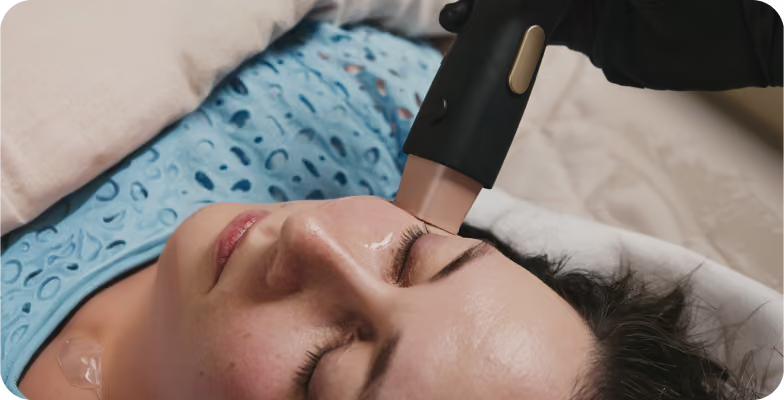
One of the most appealing aspects of LaseMD Ultra is its ability to deliver professional-grade results with what many patients describe as manageable discomfort levels. The treatment typically feels like a warm, prickling sensation during the procedure, and most patients tolerate it well without the need for extensive numbing protocols. Post-treatment effects are generally limited to mild redness and possible light peeling, similar to a moderate sunburn that resolves within a few days. This makes LaseMD Ultra an attractive option for individuals with busy lifestyles who cannot accommodate extended downtime periods.
The treatment protocol for LaseMD Ultra typically involves a series of sessions spaced 4-6 weeks apart, allowing the skin adequate time to heal and regenerate between treatments. Most patients see optimal results after 3-4 sessions, though the exact number may vary based on individual skin conditions and desired outcomes. Dr. Salar Hazany often customizes treatment parameters for each patient, adjusting energy levels and coverage patterns to maximize effectiveness while ensuring comfort and safety.
Recovery from LaseMD Ultra is notably straightforward compared to more aggressive laser treatments, which contributes to its growing popularity among patients seeking professional results without significant lifestyle disruption. The skin may appear slightly red immediately after treatment, similar to a mild sunburn, but this typically subsides within 24-48 hours. Some patients experience light flaking or peeling over the following few days as the skin naturally sheds damaged cells and reveals fresher, healthier tissue underneath. Hazany Derm provides comprehensive aftercare instructions to optimize healing and results during this crucial recovery period.
Exploring CO2 Laser Resurfacing
CO2 laser resurfacing represents the gold standard in ablative laser treatments, offering dramatic results for patients with significant skin damage and aging concerns. This powerful technology uses a carbon dioxide laser operating at a 10,600-nanometer wavelength to precisely vaporize damaged skin tissue layer by layer. The ablative nature of CO2 treatment means it removes the entire epidermis and penetrates deeply into the dermis, creating controlled wounds that stimulate extensive collagen remodeling. At Hazany Derm, we reserve this intensive treatment for patients who require substantial correction and can commit to the necessary recovery period.
The mechanism of CO2 laser resurfacing involves complete removal of the skin's surface layer, which eliminates sun-damaged cells, reduces the appearance of deep wrinkles, and dramatically improves skin texture. The laser's heat also causes immediate collagen contraction, providing some instant tightening effects, while the healing process stimulates new collagen formation over the following months. This dual action of immediate and progressive improvement makes CO2 resurfacing particularly effective for addressing severe photoaging, deep acne scars, and significant textural irregularities. The results can be truly transformative, often taking years off a patient's appearance with a single treatment.
However, the aggressive nature of CO2 resurfacing comes with considerable recovery requirements that patients must carefully consider before proceeding. The treatment creates essentially a controlled burn on the treated area, which requires 7-14 days to heal completely. During this time, the skin will be raw, weepy, and require careful wound care to prevent infection and optimize results. The team at Hazany Derm provides detailed post-treatment protocols and closely monitors patients throughout their recovery journey to ensure proper healing and minimize complications.
The recovery process from CO2 laser resurfacing is intensive and requires significant commitment from patients to achieve optimal results safely. The first week involves careful wound care, including regular cleaning and application of healing ointments to prevent scabbing and promote proper regeneration. Patients must avoid sun exposure completely during healing and often need to take time off work or social activities until the skin has sufficiently recovered. Despite these challenges, many patients find the dramatic and long-lasting results justify the temporary inconvenience and discomfort.
Pain management is an important consideration with CO2 laser resurfacing, as the treatment and recovery process can be quite uncomfortable for many patients. Most procedures are performed under local anesthesia or conscious sedation to ensure patient comfort during treatment. Post-treatment pain typically peaks within the first 48-72 hours and gradually subsides as healing progresses. Dr. Hazany works closely with patients to develop appropriate pain management strategies and provides detailed instructions for managing discomfort during the recovery period, ensuring the experience is as comfortable as possible.
Comparing Treatment Outcomes and Patient Experience
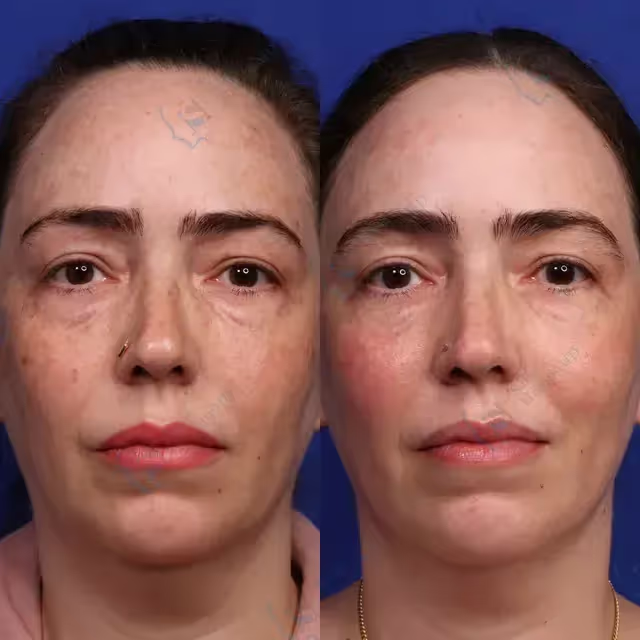
The fundamental differences between LaseMD Ultra and CO2 laser resurfacing become most apparent when examining treatment outcomes and the overall patient experience. LaseMD Ultra excels at providing moderate improvements with exceptional convenience, making it ideal for patients seeking gradual enhancement without disrupting their daily routines. The results develop slowly over 2-3 months as the skin naturally regenerates and produces new collagen, creating a subtle but noticeable improvement in overall skin quality. Hazany Derm often recommends this approach for younger patients with mild to moderate concerns or those who prefer a more conservative treatment approach.
In contrast, CO2 laser resurfacing delivers dramatic, transformative results that can address even severe skin damage and aging signs. The comprehensive nature of treatment means that patients often achieve in one session what might require multiple LaseMD Ultra treatments over many months. However, this dramatic improvement comes at the cost of significant downtime and recovery requirements that not all patients can accommodate. The results from CO2 treatment are typically more immediate once healing is complete and tend to be longer-lasting, often persisting for many years with proper care and maintenance.
The patient experience differs substantially between these two treatments, affecting everything from comfort levels during treatment to lifestyle impact during recovery. LaseMD Ultra patients often describe the experience as tolerable, with many able to return to work the next day with only minor redness that can be easily concealed with makeup. The gradual improvement timeline means patients can undergo treatment without anyone noticing they've had a procedure, which appeals to those who prefer privacy about their aesthetic treatments. Recovery is straightforward, requiring only basic skincare adjustments and diligent sun protection.
Key comparison factors include:
- Treatment comfort: LaseMD Ultra causes minimal discomfort while CO2 requires anesthesia and significant pain management
- Recovery timeline: LaseMD Ultra allows normal activities within 1-2 days versus 1-2 weeks for CO2 treatment
- Results timeline: LaseMD Ultra shows gradual improvement over months while CO2 provides dramatic change once healed
- Maintenance requirements: LaseMD Ultra typically needs multiple sessions while CO2 often provides years of improvement from one treatment
Cost considerations also play a role in treatment selection, as the different approaches involve varying financial commitments and value propositions. While CO2 laser resurfacing typically has a higher upfront cost, it may provide better long-term value for patients with significant concerns who can achieve their goals with a single treatment. LaseMD Ultra sessions are generally less expensive individually, but achieving optimal results usually requires multiple treatments over several months, which can accumulate to a substantial investment. Hazany Derm specialists work with each patient to evaluate not only their clinical needs but also their budget and preferences to recommend the most appropriate treatment approach.
The decision between LaseMD Ultra and CO2 laser resurfacing ultimately comes down to matching the treatment to the patient's specific needs, goals, and circumstances. Younger patients with mild sun damage and fine lines may find LaseMD Ultra provides exactly the level of improvement they desire with minimal disruption to their lives. Older patients with significant photoaging, deep wrinkles, or severe textural issues may benefit more from the comprehensive correction possible with CO2 resurfacing, despite the more challenging recovery period. At Hazany Derm, we believe that thorough consultation and honest discussion about expectations, limitations, and alternatives are essential for helping each patient make the best decision for their unique situation.
CO2 and LaseMD Ultra in Beverly Hills
Hazany Derm offers both technologies in Beverly Hills — which means the recommendation you get is based on your skin, not on the one machine in the office. Schedule a consultation with Dr. Salar Hazany to find out which resurfacing approach fits your goals and your calendar.
Frequently Asked Questions
Which treatment is better for sensitive skin types?
For patients with sensitive skin, LaseMD Ultra is typically the preferred choice due to its non-ablative approach and gentler treatment parameters. The technology allows Dr. Salar Hazany to customize energy levels and treatment intensity based on individual skin sensitivity, reducing the risk of adverse reactions or complications. Unlike CO2 lasers, which remove the entire surface layer of skin, LaseMD Ultra preserves the skin's protective barrier while still delivering effective results. This makes it suitable for patients who have experienced irritation with other treatments or have conditions like rosacea that make aggressive procedures risky. The recovery is also much more manageable for sensitive skin types, with minimal redness and irritation that typically resolves within 24-48 hours.
How many treatment sessions are typically needed for each option?
The number of sessions required varies significantly between these two treatments, and Hazany Derm customizes protocols based on individual patient needs and goals. LaseMD Ultra typically requires a series of 3-4 treatments spaced 4-6 weeks apart to achieve optimal results, as the gradual collagen stimulation builds progressively with each session. Some patients may benefit from additional maintenance treatments every 6-12 months to sustain their results. In contrast, CO2 laser resurfacing is often a single comprehensive treatment that provides dramatic, long-lasting results. However, some patients with severe damage may require a second session after full healing, typically 6-12 months later, to achieve their desired outcome completely.
What is the cost difference between these treatments?
The cost structure differs significantly between these treatments, and the team at Hazany Derm helps patients understand the financial investment required for each option. LaseMD Ultra sessions are generally less expensive individually, but the total cost can accumulate since multiple treatments are needed for optimal results. The investment typically ranges from moderate to substantial depending on the number of sessions required. CO2 laser resurfacing has a higher upfront cost due to its intensive nature and the comprehensive results it provides in a single treatment. While initially more expensive, it may offer better long-term value for patients with significant concerns who can achieve their goals with one procedure, eliminating the need for multiple sessions over months.
Can these treatments be combined with other procedures?
Both treatments can be effectively combined with other aesthetic procedures, though timing and sequencing are crucial factors that Dr. Hazany carefully considers for each patient. LaseMD Ultra's gentle nature makes it highly compatible with other treatments like chemical peels, microneedling, or injectable treatments, often enhancing overall results when properly coordinated. The minimal downtime also allows for more flexible scheduling of combination treatments. CO2 laser resurfacing requires more careful planning when combining with other procedures due to its intensive nature and extended recovery period. However, it can be strategically combined with surgical procedures or other intensive treatments when patients prefer to consolidate their recovery time and achieve maximum transformation in a single treatment period.
Which treatment works better for acne scars?
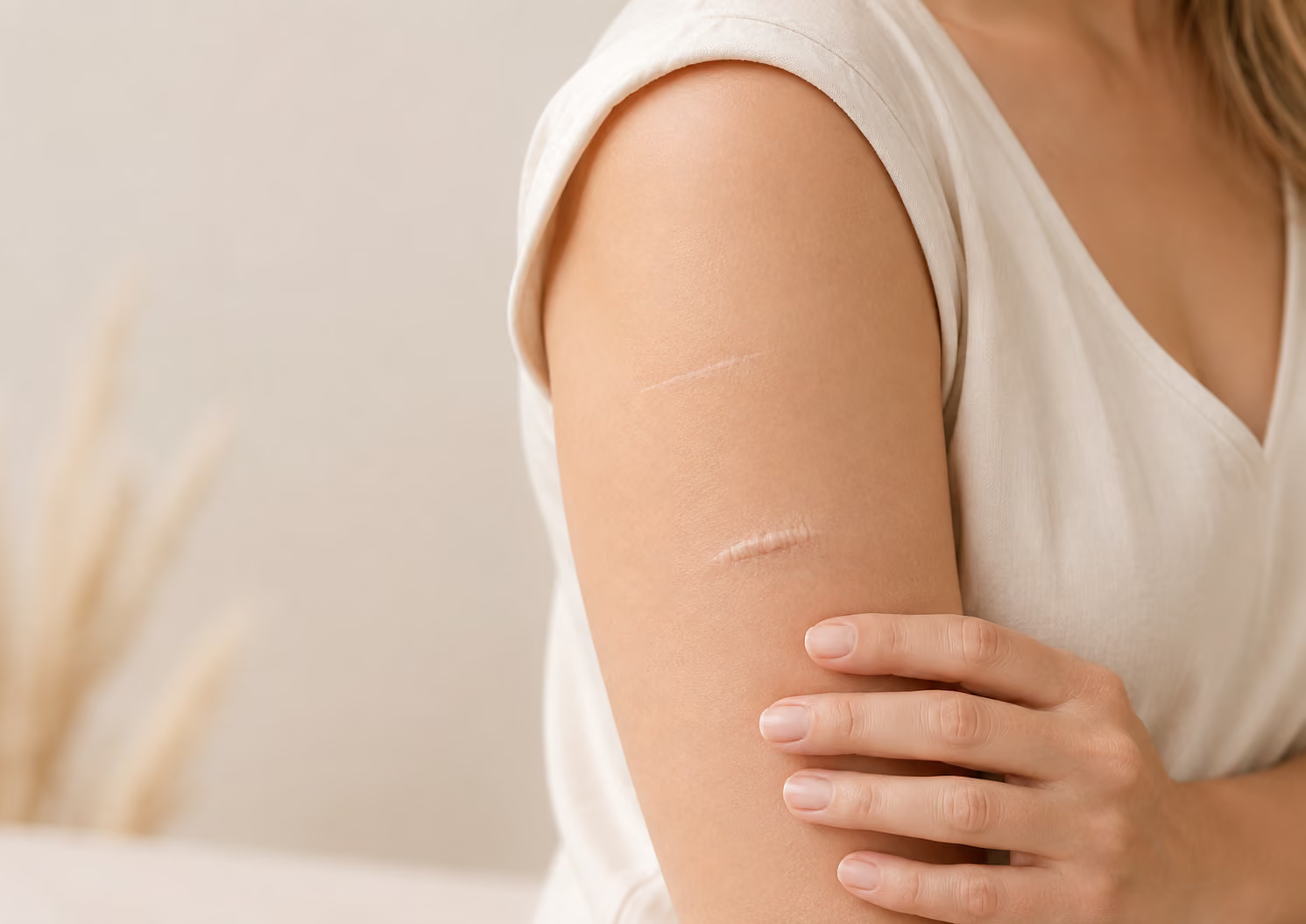
For acne scar treatment, the choice depends largely on the severity and type of scarring present, and Hazany Derm specialists carefully evaluate each patient's specific scar characteristics before making recommendations. LaseMD Ultra can be effective for mild to moderate acne scarring, particularly shallow boxcar scars and rolling scars, by stimulating collagen production and gradually improving skin texture over multiple sessions. The treatment helps blend scar edges and improve overall skin quality. However, for deep, severe acne scars, CO2 laser resurfacing is typically more effective due to its ability to precisely ablate scar tissue and stimulate significant collagen remodeling. The dramatic tissue renewal possible with CO2 treatment can achieve substantial improvement in even challenging ice pick and deep boxcar scars that may not respond adequately to gentler treatments.
What are the potential risks and side effects of each treatment?
Both treatments have distinct risk profiles that patients should understand before proceeding, and Dr. Salar Hazany thoroughly discusses these during consultation to ensure informed decision-making. LaseMD Ultra has minimal risks, with the most common side effects being temporary redness, mild swelling, and light peeling that resolves within a few days. Rare complications may include temporary hyperpigmentation, particularly in darker skin tones, but serious adverse events are uncommon. CO2 laser resurfacing carries more significant risks due to its ablative nature, including infection, scarring, permanent hypopigmentation or hyperpigmentation, and prolonged redness that can last several months. However, when performed by experienced practitioners with proper patient selection and post-treatment care, serious complications are relatively rare, and the dramatic results often justify the increased risk for appropriate candidates.
How long do results last from each treatment?
The longevity of results varies considerably between these treatments, influencing long-term treatment planning at the Hazany Derm clinic. LaseMD Ultra results typically last 12-18 months, with gradual fading as natural aging processes continue and new sun damage accumulates. Many patients choose to maintain their results with annual touch-up treatments or incorporate the procedure into their regular skincare routine. The gradual nature of improvement means results fade slowly and naturally. CO2 laser resurfacing provides much longer-lasting results, often persisting for 5-10 years or more with proper skincare and sun protection. The comprehensive tissue renewal and deep collagen remodeling create structural changes that resist aging more effectively, though patients will continue to age naturally and may eventually desire additional treatments to maintain their enhanced appearance.
Who is the ideal candidate for each treatment?
Ideal candidates for each treatment differ significantly based on skin concerns, lifestyle factors, and treatment expectations, and the experts at Hazany Derm carefully evaluate multiple factors when making recommendations. LaseMD Ultra candidates typically include younger patients with mild to moderate sun damage, fine lines, and textural concerns who want gradual improvement without lifestyle disruption. It's ideal for busy professionals, parents, or anyone who cannot accommodate significant downtime. Good candidates have realistic expectations about gradual results and are committed to a treatment series. CO2 laser resurfacing candidates usually have more significant aging concerns, severe sun damage, or deep wrinkles that require dramatic correction. Ideal candidates can commit to 1-2 weeks of recovery time, have realistic expectations about the healing process, and are motivated to achieve maximum improvement in their appearance through a single intensive treatment.