





%201.avif)



What is the Best Treatment for Hidradenitis Suppurativa?



The best hidradenitis suppurativa treatment combines antibiotics, biologics, and surgical interventions tailored to disease severity. Hazany Derm offers comprehensive treatment plans including topical therapies, immunosuppressants, and laser treatments to effectively manage this chronic inflammatory condition.
Hidradenitis suppurativa (HS) is a chronic inflammatory skin condition that causes painful bumps, abscesses, and scarring in areas where skin rubs together. This debilitating disease affects millions of people worldwide and can significantly impact quality of life. Finding the most effective treatment approach requires understanding the various therapeutic options available and how they work together to manage symptoms.
The complexity of hidradenitis suppurativa means that no single treatment works for everyone. Different patients respond better to different combinations of therapies depending on their disease severity, location of lesions, and individual health factors. Modern dermatology has developed a multi-faceted approach that combines medical treatments, surgical interventions, and lifestyle modifications to achieve optimal results.
At Hazany Derm, we understand that successful HS management requires a personalized treatment strategy. Our comprehensive approach evaluates each patient's unique presentation and creates customized treatment plans that address both immediate symptom relief and long-term disease management. The goal is not just to treat active flares but to prevent future outbreaks and minimize scarring.
What is the Best Treatment for HS? The Honest Answer
There's no single best treatment — it depends on severity. Mild HS typically starts with topical antibiotics; moderate disease adds oral antibiotics and hormonal therapy; and moderate-to-severe HS is where biologics like adalimumab — the first FDA-approved HS medication — change lives. For tunnels and stubbornly recurrent areas, procedures like deroofing and wide excision offer the most lasting control. HS is managed rather than cured, but managed well, it can stay in remission for years.
Medical Treatments for Hidradenitis Suppurativa
Medical management forms the foundation of hidradenitis suppurativa treatment for most patients. Topical and systemic medications work to reduce inflammation, control bacterial overgrowth, and prevent new lesion formation. The choice of medical treatment depends on disease severity, with mild cases often responding well to topical therapies while moderate to severe cases typically require systemic interventions.
Antibiotic therapy plays a crucial role in HS management due to the bacterial component of the inflammatory process. Both topical and oral antibiotics help reduce the bacterial load in affected areas and decrease inflammation. Long-term antibiotic use is often necessary, with many patients requiring maintenance therapy to prevent flare-ups.
Biologic medications have revolutionized hidradenitis suppurativa treatment by targeting specific inflammatory pathways. These advanced therapies work by blocking tumor necrosis factor-alpha (TNF-α) or interleukin pathways that drive the chronic inflammation characteristic of HS. Biologics are particularly effective for patients with moderate to severe disease who haven't responded adequately to conventional treatments.
- Topical antibiotics: Clindamycin gel or solution applied directly to affected areas reduces local bacterial colonization and mild inflammation
- Oral antibiotics: Tetracyclines, clindamycin, or rifampin combinations provide systemic anti-inflammatory effects and bacterial control
- Biologic agents: TNF-α inhibitors like adalimumab (FDA-approved for HS) or infliximab target specific inflammatory pathways
- Immunosuppressants: Methotrexate, cyclosporine, or mycophenolate mofetil help control the overactive immune response
Hormone therapy can be beneficial for some patients, particularly women whose HS flares correlate with menstrual cycles. Anti-androgen medications like spironolactone or finasteride may help reduce sebaceous gland activity and improve symptoms. Dr. Salar Hazany often considers hormonal factors when developing treatment plans, especially for female patients with hormonally-influenced disease patterns.
Corticosteroids, both topical and systemic, provide rapid anti-inflammatory effects during acute flares. While not suitable for long-term use due to side effects, steroids can be valuable for managing severe exacerbations and providing bridge therapy while other treatments take effect. Intralesional steroid injections can also help resolve individual nodules and reduce scarring.
Surgical Interventions and Advanced Therapies
Surgical treatment becomes necessary when medical management alone cannot adequately control hidradenitis suppurativa symptoms. Various surgical approaches exist, ranging from minor procedures for individual lesions to extensive excisions for severely affected areas. The choice of surgical intervention depends on disease extent, lesion characteristics, and patient factors.
Incision and drainage provides immediate relief for acute abscesses but doesn't prevent recurrence. This procedure is often used as emergency treatment during severe flares or as a temporizing measure while other treatments take effect. While helpful for symptom relief, incision and drainage alone is not considered definitive treatment for HS.
Wide excision represents the most definitive surgical treatment for hidradenitis suppurativa. This procedure involves removing all affected tissue down to healthy subcutaneous fat, eliminating the source of recurrent inflammation. While more extensive than other surgical options, wide excision offers the best chance of preventing disease recurrence in treated areas.
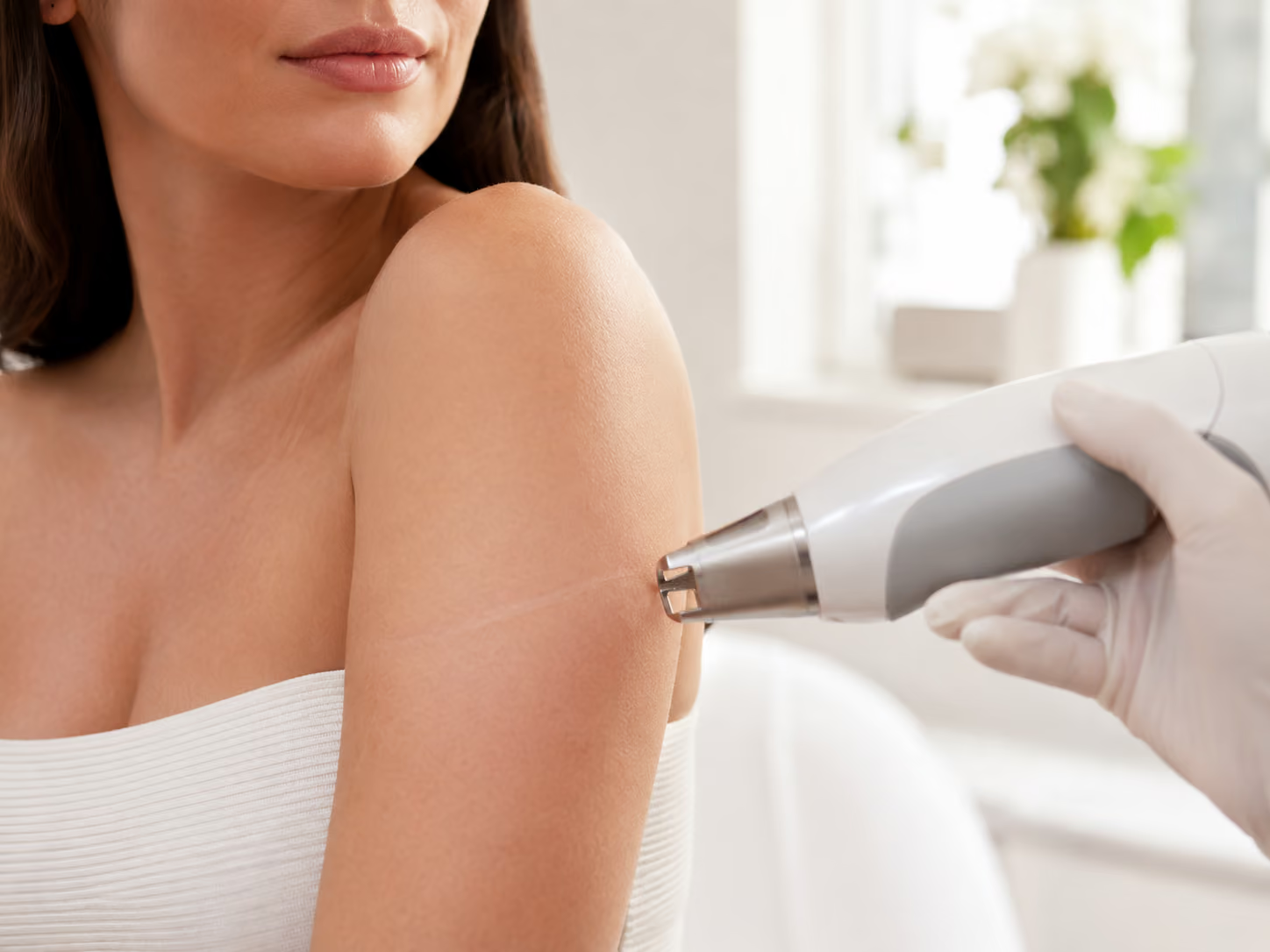
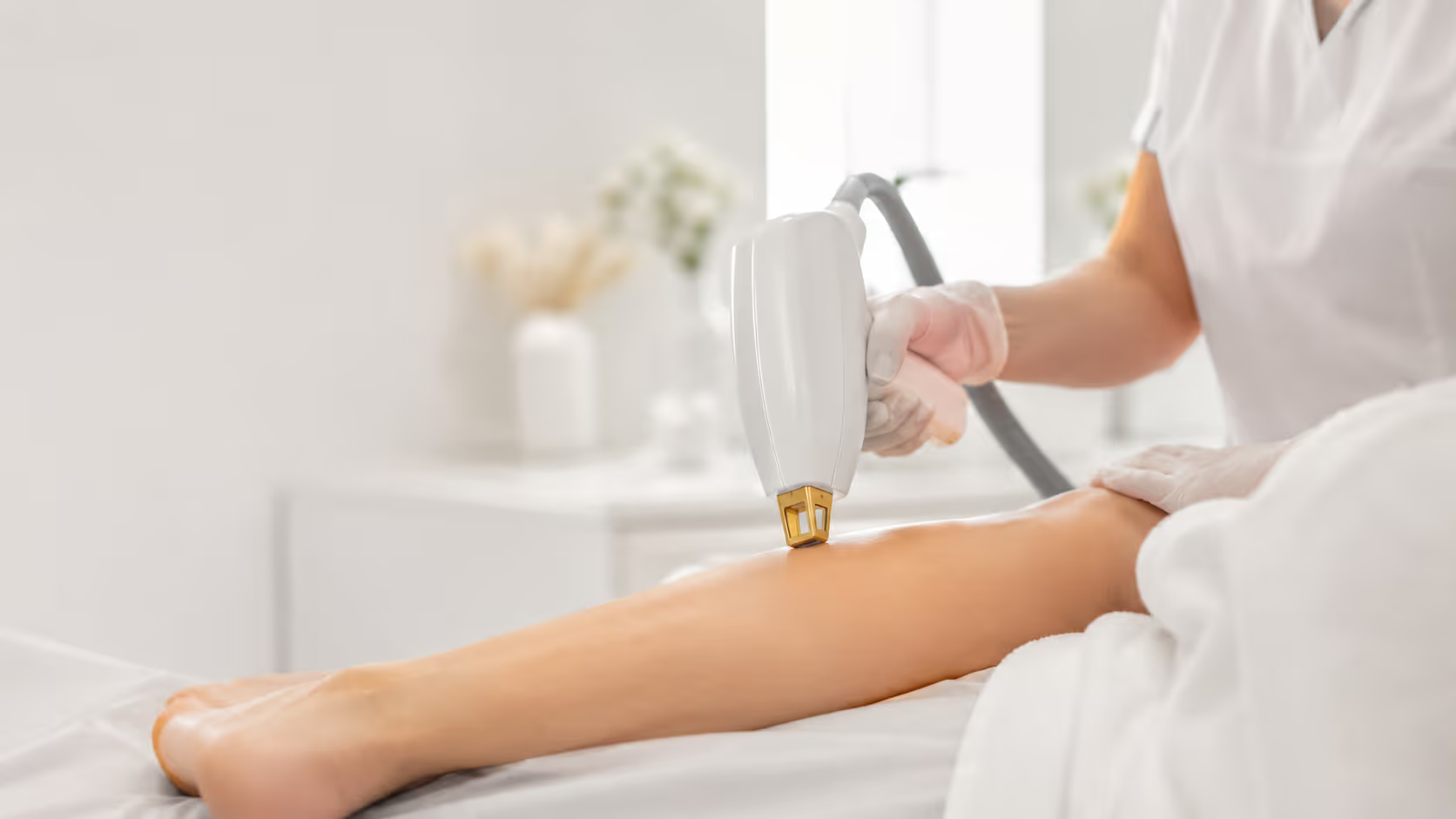
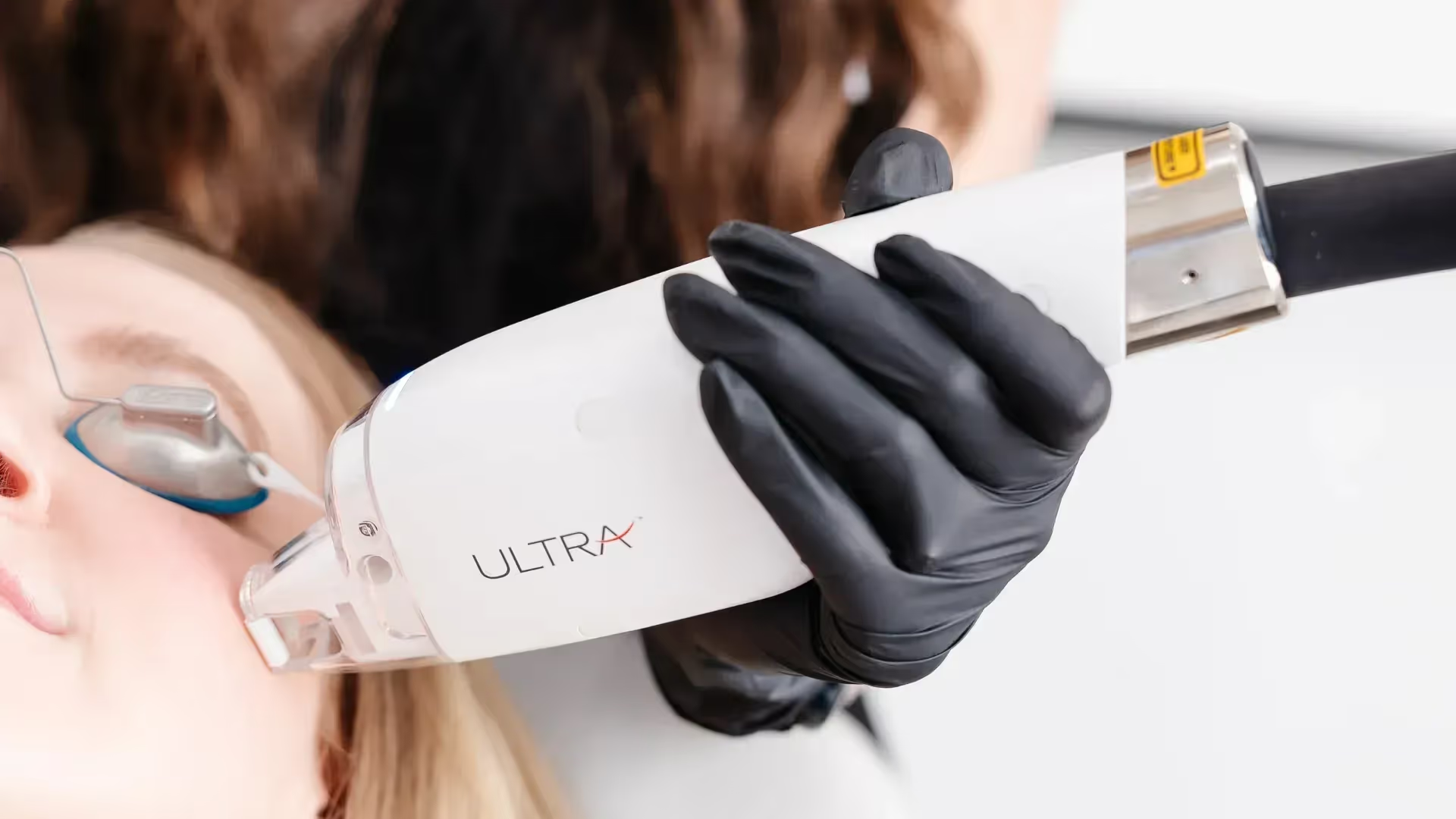
- Laser therapy: CO2 lasers or Nd:YAG lasers destroy hair follicles and reduce inflammation in affected areas
- Deroofing procedures: Unroofing of tunnels and sinuses while preserving healthy tissue minimizes scarring
- Local excision: Removal of individual nodules or limited disease areas with primary closure or healing by secondary intention
- Reconstructive surgery: Skin grafts or flaps may be necessary after extensive excisions to restore function and appearance
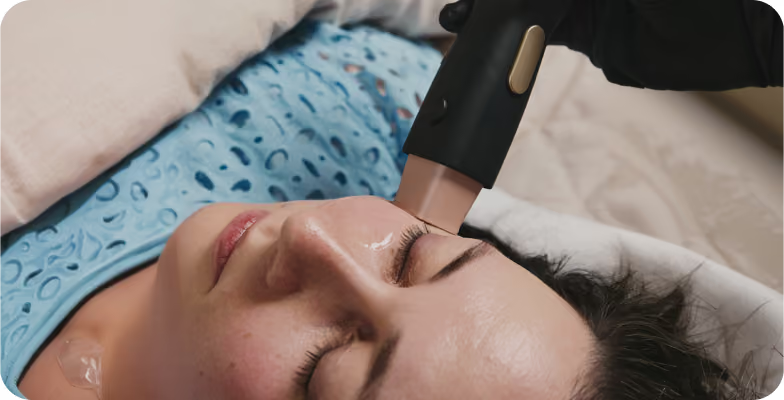
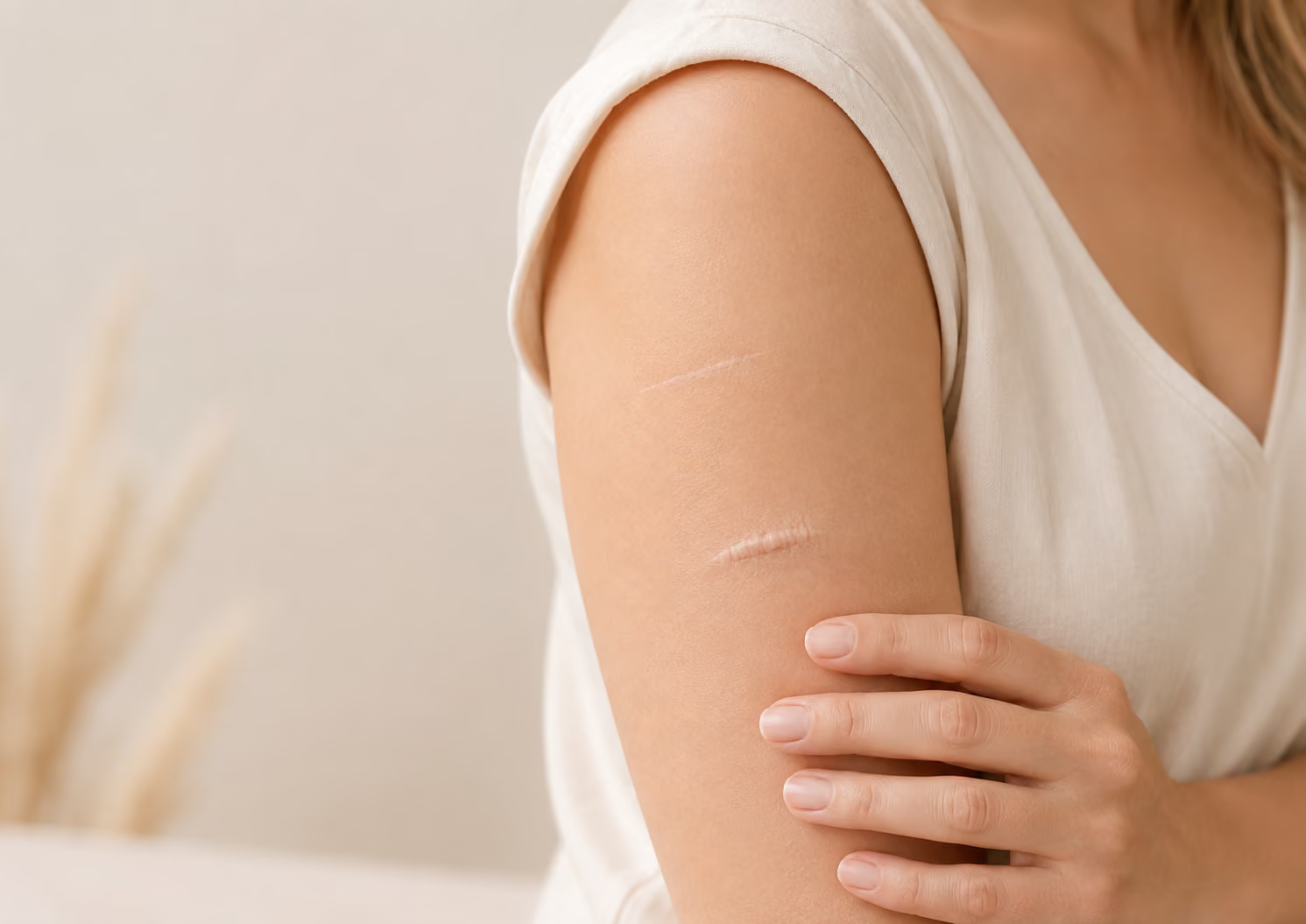
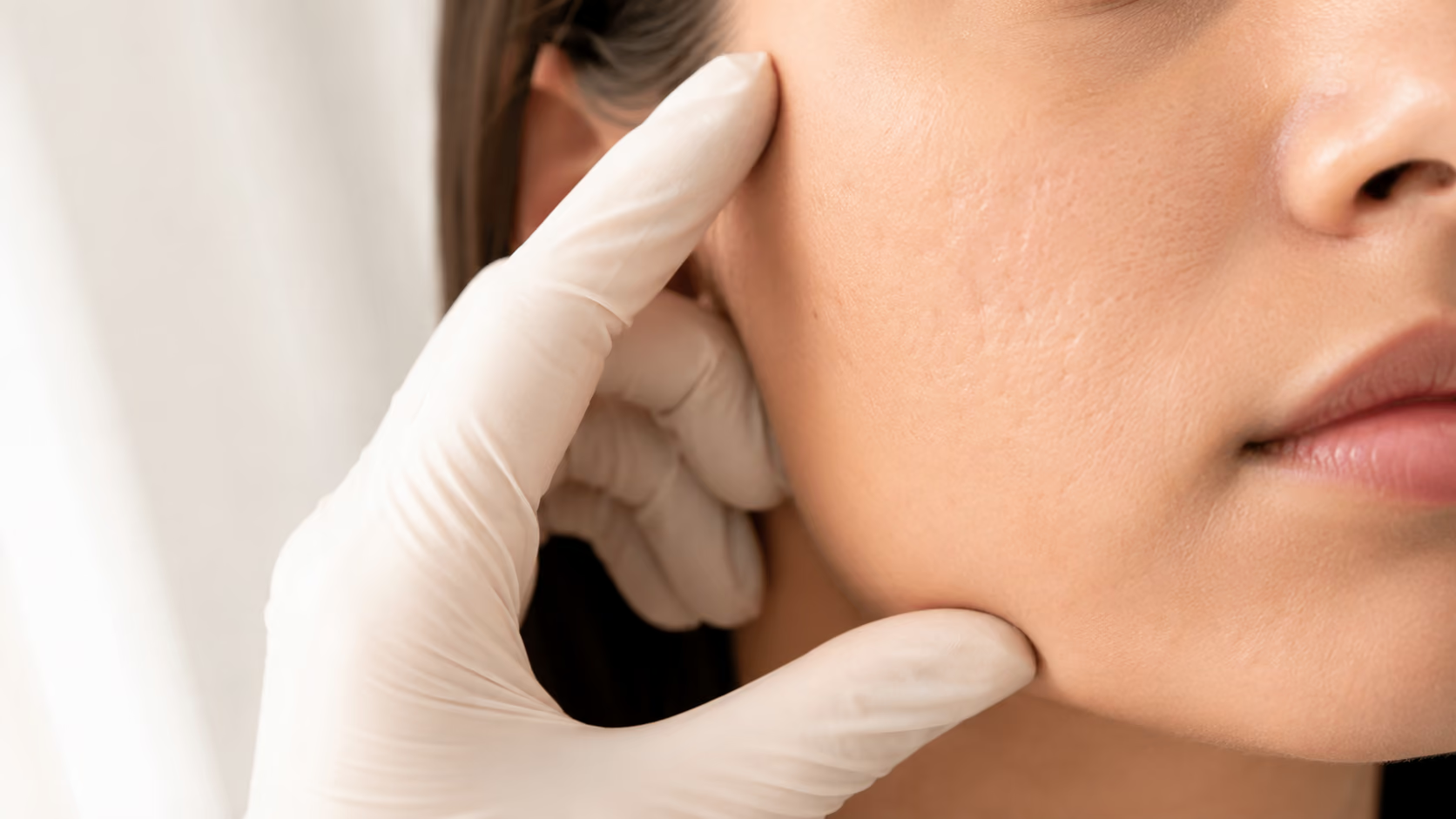
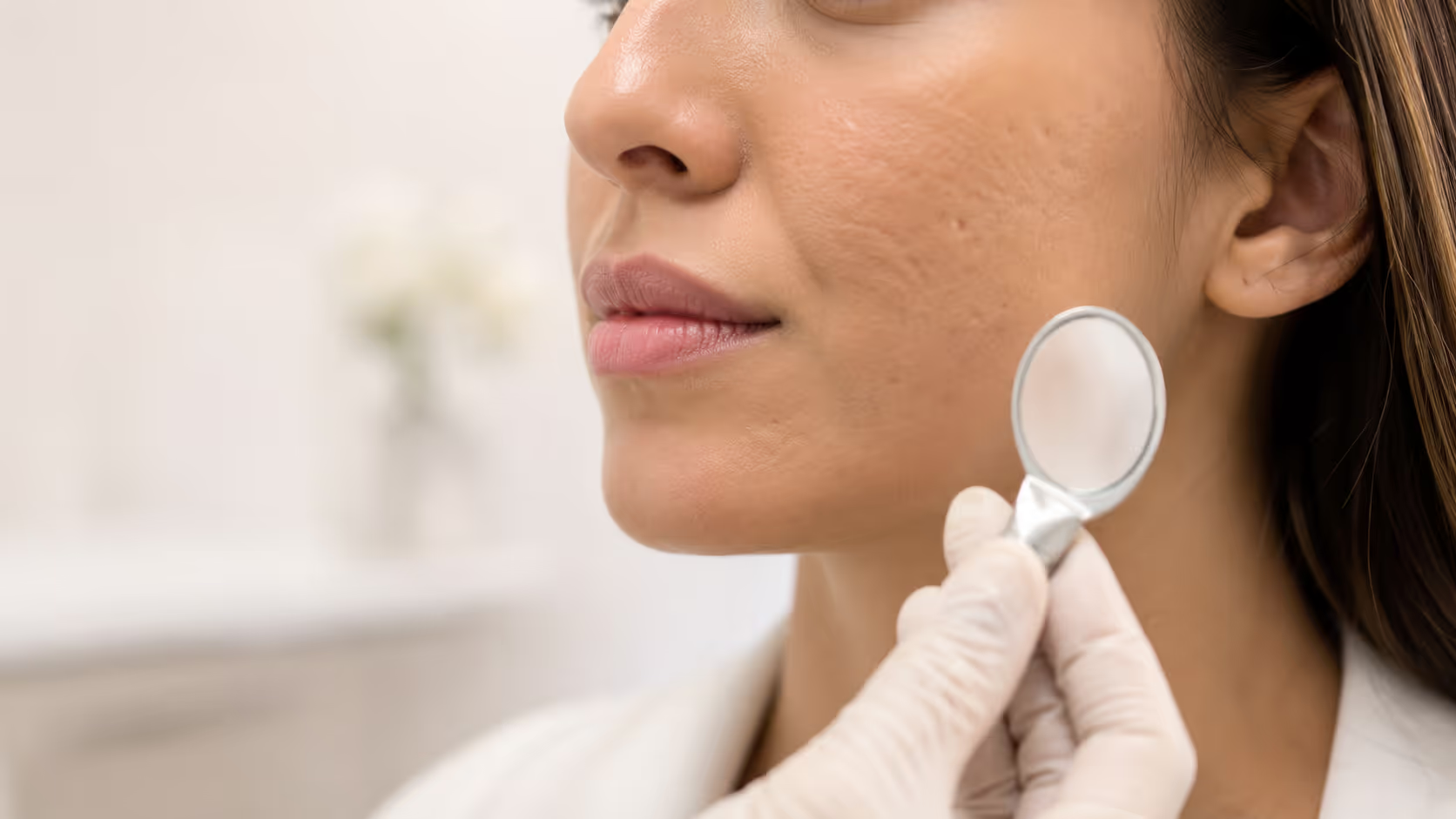
For patients whose active disease is controlled but whose scarring remains, dedicated scar treatment — including laser resurfacing and surgical scar revision — can address the rope-like scars and skin changes HS leaves behind.
Emerging therapies continue to expand treatment options for hidradenitis suppurativa patients. Photodynamic therapy uses light-activated compounds to reduce bacterial load and inflammation. Cryotherapy with liquid nitrogen can help manage individual lesions, while radiofrequency treatments target hair follicles and reduce disease activity.
At Hazany Derm, we stay current with the latest surgical techniques and advanced therapies for HS management. Our surgical approach emphasizes tissue preservation when possible while ensuring complete treatment of affected areas. We work closely with patients to determine the most appropriate surgical timing and technique based on their individual circumstances and treatment goals.
Comprehensive Treatment Strategies and Patient Care
The most effective approach to hidradenitis suppurativa treatment combines multiple modalities tailored to each patient's specific needs. Disease staging helps guide treatment selection, with mild disease often managed medically while moderate to severe cases may require combination approaches including surgery. Regular monitoring and treatment adjustments ensure optimal outcomes over time.
Lifestyle modifications play a crucial supporting role in HS management. Weight management, smoking cessation, and proper hygiene practices can significantly impact disease severity and treatment response. Dietary modifications, particularly reducing dairy and high-glycemic foods, may help some patients reduce inflammation and prevent flares.
Patient education forms an essential component of successful hidradenitis suppurativa treatment. Understanding disease triggers, proper wound care, and when to seek medical attention empowers patients to participate actively in their care. Support groups and counseling resources help address the psychological impact of living with this chronic condition.
Pain management represents another critical aspect of comprehensive HS care. Chronic pain associated with hidradenitis suppurativa can be severe and impact daily functioning. Multimodal pain management approaches may include topical analgesics, oral pain medications, and psychological support for pain coping strategies.
The team at Hazany Derm recognizes that hidradenitis suppurativa treatment requires ongoing commitment from both patients and healthcare providers. We develop long-term management plans that evolve with disease progression and treatment response. Our goal is to help patients achieve sustained remission while maintaining the highest possible quality of life through personalized, evidence-based care strategies. If HS is running your calendar — flares, drainings, dressing changes — it's time for a real management plan. Schedule a consultation with Dr. Salar Hazany in Beverly Hills to find where you are on the treatment ladder and what the next step should actually be.
Frequently Asked Questions
What are the early signs of hidradenitis suppurativa?
Early hidradenitis suppurativa signs include painful bumps or nodules in areas where skin rubs together, such as the armpits, groin, and under the breasts. These initial lesions may resemble boils or ingrown hairs but tend to recur in the same locations. Patients often experience tenderness, swelling, and sometimes drainage from these bumps. Dr. Salar Hazany emphasizes that early recognition and treatment can prevent disease progression and reduce scarring. Other early warning signs include persistent irritation in skin folds, recurring "boils" that don't respond to typical treatments, and the development of blackheads in clusters. Recognizing these symptoms early allows for prompt intervention and better long-term outcomes.
How long does it take for hidradenitis suppurativa treatments to work?
Treatment response times for hidradenitis suppurativa vary significantly depending on the therapy used and individual patient factors. Topical treatments may show initial improvement within 2-4 weeks, while oral antibiotics typically require 6-12 weeks for full effect. Biologic medications often take 12-16 weeks to demonstrate maximum benefits. Hazany Derm patients are counseled that patience is essential, as HS treatments work gradually to reduce inflammation and prevent new lesions. Surgical interventions provide immediate relief for active lesions but complete healing may take several weeks to months. The chronic nature of HS means that treatment is ongoing rather than curative, with the goal being long-term disease control and symptom management.
Can hidradenitis suppurativa be cured completely?
Currently, there is no definitive cure for hidradenitis suppurativa, but the condition can be effectively managed with appropriate treatment strategies. The chronic inflammatory nature of HS means that treatment focuses on controlling symptoms, preventing flares, and minimizing scarring rather than achieving a permanent cure. However, many patients can achieve long-term remission with proper medical management and lifestyle modifications. The team at Hazany Derm helps patients understand that while HS is a lifelong condition, modern treatments can significantly improve quality of life and reduce disease activity. Some patients may experience extended periods without symptoms, particularly when following comprehensive treatment plans. With advancing research into HS causes and mechanisms, future treatments may offer even better long-term control.
What lifestyle changes help manage hidradenitis suppurativa?
Several lifestyle modifications can significantly impact hidradenitis suppurativa management and reduce flare frequency. Weight management is crucial, as obesity can worsen symptoms by increasing skin friction and inflammation. Smoking cessation is equally important, as tobacco use is strongly associated with more severe disease. Dietary changes, including reducing dairy products and high-glycemic foods, may help some patients control inflammation. Dr. Hazany often recommends wearing loose-fitting, breathable clothing to minimize skin friction and irritation. Stress management techniques such as meditation or counseling can help, as stress may trigger flares. Good hygiene practices using gentle, fragrance-free cleansers help prevent secondary infections. Regular exercise, when tolerated, supports overall health and weight management while potentially reducing inflammation.
Is hidradenitis suppurativa related to poor hygiene?
Hidradenitis suppurativa is definitively not caused by poor hygiene, and this misconception can be harmful to patients who may feel stigmatized by their condition. HS is an inflammatory disease involving hair follicles and apocrine glands, with genetic, hormonal, and immune system factors playing key roles in its development. While maintaining good hygiene is important for managing the condition and preventing secondary infections, it neither causes nor cures HS. Hazany Derm specialists emphasize patient education about the true nature of this disease to combat stigma and guilt. In fact, excessive scrubbing or harsh cleansing can actually worsen symptoms by increasing irritation and inflammation. The focus should be on gentle cleansing with mild, fragrance-free products and appropriate medical treatment rather than aggressive hygiene measures.
What foods should be avoided with hidradenitis suppurativa?
While dietary triggers vary among individuals with hidradenitis suppurativa, certain foods are commonly associated with increased inflammation and flare-ups. Dairy products, particularly milk and cheese, may worsen symptoms in some patients due to hormonal factors and inflammatory proteins. High-glycemic foods such as refined sugars, white bread, and processed foods can promote inflammation and should be limited. Some patients report improvements when avoiding nightshade vegetables (tomatoes, potatoes, peppers, eggplant) or reducing yeast-containing foods. Dr. Salar Hazany often recommends keeping a food diary to identify personal triggers, as individual responses can vary significantly. An anti-inflammatory diet rich in omega-3 fatty acids, fresh fruits, vegetables, and lean proteins may help reduce overall inflammation. However, dietary changes should complement, not replace, medical treatment for optimal HS management.
How does stress affect hidradenitis suppurativa?
Stress can significantly impact hidradenitis suppurativa by triggering flare-ups and worsening existing symptoms through complex interactions between the nervous, immune, and endocrine systems. Chronic stress elevates cortisol levels and promotes inflammatory responses that can exacerbate HS activity. Many patients report increased lesion formation during periods of high stress, such as work pressures, relationship issues, or major life changes. The pain and social impact of HS can create additional stress, potentially creating a cycle of worsening symptoms. Hazany Derm clinic emphasizes stress management as an integral part of comprehensive HS treatment. Effective stress reduction techniques include regular exercise, meditation, counseling, adequate sleep, and relaxation practices. Some patients benefit from antidepressants or anti-anxiety medications when stress significantly impacts their condition. Managing stress effectively can improve treatment outcomes and overall quality of life for HS patients.
When should I see a dermatologist for hidradenitis suppurativa?
Patients should consult a dermatologist for hidradenitis suppurativa as soon as they notice recurring painful bumps or nodules in skin fold areas that don't resolve with basic home care. Early intervention by specialists can prevent disease progression and reduce long-term complications such as scarring and tunnel formation. Warning signs that require immediate dermatologic evaluation include lesions that drain pus, develop tunnels between bumps, or cause severe pain that interferes with daily activities. The experts at Hazany Derm recommend seeking professional care if over-the-counter treatments haven't helped within a few weeks or if lesions continue to recur in the same locations. Patients with suspected HS should also see a dermatologist if they experience fever, spreading redness, or signs of systemic infection. Additionally, existing HS patients should maintain regular follow-up appointments to monitor disease progression and adjust treatments as needed for optimal long-term management.