






%201.avif)



How Long Do Laser Hair Removal Results Last?



Laser hair removal provides long-lasting results, with most patients experiencing permanent hair reduction for years. However, maintenance sessions may be needed due to hormonal changes and new hair growth. Hazany Derm offers comprehensive treatment plans for optimal, lasting results.
When considering laser hair removal, one of the most frequently asked questions patients have is about the longevity of their results. Understanding how long you can expect your smooth, hair-free skin to last is crucial for making an informed decision about this popular cosmetic treatment. The answer involves several factors that can influence the duration and effectiveness of your laser hair removal results.
Laser hair removal has revolutionized the way we approach unwanted hair, offering a more permanent solution compared to traditional methods like shaving, waxing, or plucking. Unlike these temporary fixes that require constant maintenance, laser treatments target hair follicles at their root, providing long-lasting results that can span years. However, the term "permanent" in laser hair removal requires some clarification, as the results can vary significantly from person to person.
At Hazany Derm, patients often discover that their laser hair removal results exceed their expectations in terms of longevity and effectiveness. Dr. Salar Hazany emphasizes that while individual experiences may vary, most patients enjoy significant hair reduction that lasts for years with minimal maintenance required. Understanding the science behind laser hair removal and the factors that influence its lasting power will help you set realistic expectations for your treatment journey.
Understanding Laser Hair Removal Longevity
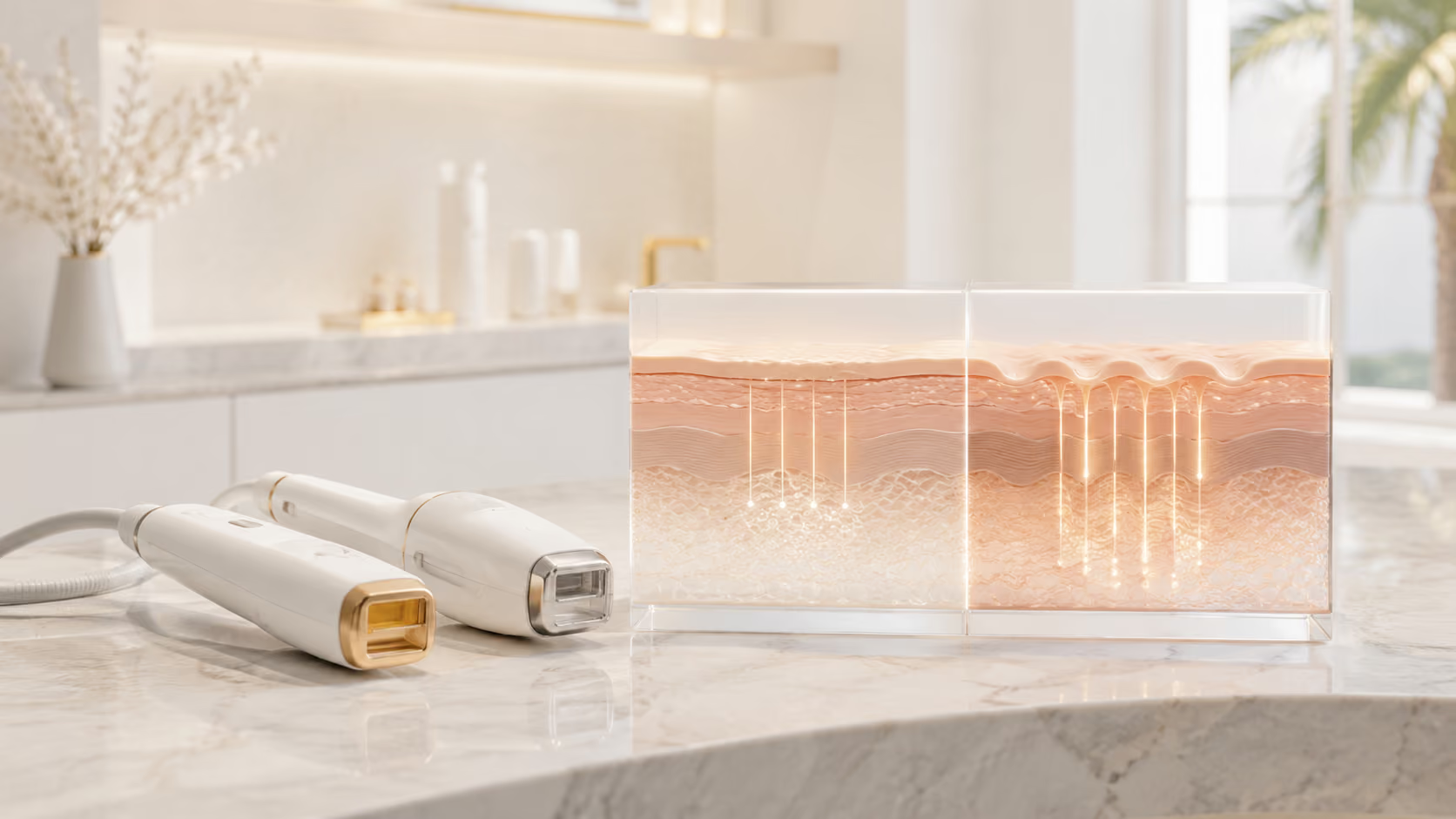
The longevity of laser hair removal results depends primarily on the treatment's ability to damage hair follicles permanently during their active growth phase. Hair grows in cycles, and laser energy is most effective when follicles are in the anagen or active growth phase. This is why multiple treatment sessions are necessary to catch all hair follicles during their optimal treatment window. The laser energy targets the melanin in hair shafts, traveling down to damage the follicle's ability to produce new hair.
Most patients experience what the FDA classifies as "permanent hair reduction" rather than complete permanent hair removal. This means that while the majority of treated hair will not regrow, some follicles may recover over time or new follicles may develop due to hormonal changes or other factors. The distinction is important because it sets realistic expectations about what laser hair removal can achieve. Typically, patients see an 80-95% reduction in hair growth that can last for many years.
The initial results become apparent after completing a full treatment series, which usually consists of 6-8 sessions spaced 4-6 weeks apart. After this initial phase, most patients enjoy smooth, hair-free skin for extended periods. Dr. Salar Hazany notes that many patients at Hazany Derm report satisfaction with their results lasting 2-5 years or even longer before considering any touch-up treatments. The key is completing the full initial treatment protocol to achieve optimal results.
Several factors influence how long your laser hair removal results will last:
- Hair color and thickness: Dark, coarse hair responds best to laser treatment and tends to stay gone longer than fine or light-colored hair
- Skin tone: Contrast between hair color and skin tone affects treatment effectiveness and longevity of results
- Treatment area: Different body areas respond differently, with areas like legs and underarms often showing longer-lasting results than facial hair
- Hormonal factors: Pregnancy, menopause, or hormonal disorders can stimulate new hair growth even in previously treated areas
Individual hair growth patterns and genetic factors also play a significant role in determining result longevity. Some people naturally have more active hair follicles or experience hormonal fluctuations that can influence hair regrowth over time. Additionally, the quality and consistency of your initial treatment series will directly impact how long your results last. Skipping sessions or spacing them too far apart can compromise the long-term effectiveness of your treatment.
At Hazany Derm, comprehensive treatment planning takes all these factors into account to maximize the longevity of your results. The clinic's approach focuses on customizing treatment protocols based on individual patient characteristics and goals. This personalized strategy helps ensure that patients achieve the longest-lasting results possible from their laser hair removal investment.
Factors That Affect Result Duration
Hormonal influences represent one of the most significant factors affecting the longevity of laser hair removal results. Hormonal fluctuations during pregnancy, menopause, or due to medical conditions can stimulate dormant hair follicles or encourage the development of new ones. Women may notice some hair regrowth in previously treated areas during these hormonal transitions, which is completely normal and expected. Understanding this connection helps patients prepare for potential maintenance needs throughout different life stages.
Age also plays a crucial role in how long laser hair removal results last. Younger patients may experience longer-lasting results because their hormone levels are more stable, and they have fewer underlying health conditions that could affect hair growth. However, as we age, hormonal changes become more common, potentially leading to new hair growth in treated areas. Additionally, certain medications, particularly those affecting hormone levels, can influence hair regrowth patterns and may require adjustments to maintenance schedules.
The treatment area significantly impacts result longevity, with different parts of the body responding uniquely to laser hair removal. Areas with hormonal sensitivity, such as the face, bikini line, and underarms, may require more frequent maintenance compared to legs or arms. Facial hair, particularly in women, is often influenced by hormonal fluctuations and may show regrowth sooner than body hair. Understanding these area-specific differences helps set appropriate expectations for long-term maintenance needs.
Key factors that influence how long results last include:
- Initial treatment compliance: Completing the full series of recommended sessions ensures optimal follicle destruction
- Laser technology used: Advanced laser systems provide more effective and longer-lasting results
- Professional expertise: Skilled practitioners can optimize settings for maximum effectiveness and longevity
- Post-treatment care: Following proper aftercare instructions helps maintain results and prevent complications
The quality of your initial treatment series cannot be overstated in its importance for long-term results. Patients who complete their full recommended treatment protocol typically enjoy much longer-lasting results than those who stop treatment prematurely. Each session builds upon the previous one, progressively weakening and destroying more hair follicles. Missing sessions or inconsistent treatment timing can allow some follicles to recover, potentially reducing the longevity of your overall results.
Hazany Derm emphasizes the importance of realistic expectations and proper treatment planning to achieve the longest possible results. The team at Hazany Derm works closely with each patient to identify potential factors that might affect their individual results and develops strategies to maximize treatment longevity. This comprehensive approach helps ensure that patients get the most value from their laser hair removal investment and enjoy smooth, hair-free skin for as long as possible.
Maintenance and Touch-Up Treatments
Even with excellent initial results, most patients will eventually need some form of maintenance treatment to address any new hair growth or hormonal changes. Maintenance sessions are typically much less frequent than initial treatments and may only be needed once or twice per year, if at all. The good news is that these touch-up treatments are usually quicker and less expensive than the original treatment series. Many patients find that a single annual maintenance session is sufficient to keep their skin smooth and hair-free.
The timing of maintenance treatments varies significantly among patients and depends on individual factors such as hormonal changes, age, and the treatment area. Some patients may not need any touch-ups for several years, while others might benefit from annual maintenance sessions. Dr. Salar Hazany recommends that patients at Hazany Derm schedule periodic consultations to assess their results and determine if maintenance treatments would be beneficial. This proactive approach helps catch any new hair growth early when it's easiest to treat.
Recognizing when you might need maintenance treatment is relatively straightforward. Most patients notice fine, sparse hair regrowth in previously treated areas, which is typically much lighter and less noticeable than the original hair. This regrowth often occurs gradually over months or years, making it easy to address with minimal treatment. The hair that does regrow is usually finer and lighter in color than the original hair, making it less noticeable and easier to treat during maintenance sessions.
Signs that maintenance treatment might be beneficial include:
- Sparse regrowth: Fine, scattered hairs appearing in previously treated areas after extended periods
- Hormonal changes: New hair growth following pregnancy, menopause, or medication changes
- Seasonal patterns: Some patients notice slight regrowth during certain times of the year
- Area-specific needs: Hormonal areas like the face may need touch-ups before other body areas
The cost-effectiveness of maintenance treatments makes them an attractive option for preserving your laser hair removal investment. These sessions typically require fewer pulses and less time than initial treatments, resulting in reduced costs. Additionally, the convenience of needing only occasional touch-ups compared to regular shaving, waxing, or other hair removal methods provides ongoing value. Most patients find that the long-term savings and convenience far outweigh the minimal maintenance requirements.
Planning for potential maintenance needs should be part of your initial laser hair removal decision. While not all patients will require regular maintenance, understanding that occasional touch-ups might be needed helps set realistic expectations and budget considerations. The team at Hazany Derm provides clear guidance about potential maintenance needs during initial consultations, helping patients understand the full scope of their treatment commitment. This transparency ensures that patients can make informed decisions about their laser hair removal journey and enjoy optimal results for years to come.
Frequently Asked Questions
How many years can I expect my laser hair removal results to last?
Most patients enjoy laser hair removal results for 2-5 years or longer before considering maintenance treatments. Dr. Salar Hazany explains that individual experiences vary based on factors like hormonal changes, treatment area, and initial treatment compliance. Some patients report satisfaction with their results lasting even longer, particularly in areas like legs and arms. The key is completing the full initial treatment series to achieve optimal longevity. While some fine regrowth may occur over time, it's typically much lighter and less noticeable than original hair growth, making maintenance treatments quick and effective when needed.
Will I need touch-up treatments after completing my laser hair removal series?
While not all patients require regular maintenance, occasional touch-up treatments may be beneficial for optimal results. Hazany Derm emphasizes that maintenance needs vary significantly among individuals and depend on factors like hormonal changes, age, and treatment areas. Some patients may not need any touch-ups for several years, while others benefit from annual maintenance sessions. These treatments are typically much quicker and less expensive than initial sessions. The sparse regrowth that may occur is usually fine and light-colored, making touch-up treatments highly effective. Planning for potential maintenance helps ensure long-term satisfaction with your investment.
What factors determine how long my laser hair removal results will last?
Several key factors influence the longevity of laser hair removal results. The team at Hazany Derm identifies hair color and thickness as primary factors, with dark, coarse hair typically showing longer-lasting results. Hormonal influences, including pregnancy, menopause, and medical conditions, can affect result duration by stimulating new hair growth. Treatment area matters significantly, as hormonally sensitive areas like the face may require more frequent maintenance than legs or arms. Completing the full initial treatment series is crucial for optimal longevity. Age, skin tone, genetic factors, and post-treatment care also play important roles in determining how long results will last.
Can hormonal changes affect my laser hair removal results over time?
Hormonal changes can indeed impact laser hair removal results, potentially causing new hair growth in previously treated areas. Dr. Hazany explains that pregnancy, menopause, thyroid disorders, and certain medications can stimulate dormant follicles or encourage new hair development. This is completely normal and doesn't indicate treatment failure. Women often notice some regrowth during major hormonal transitions, which can be effectively addressed with maintenance treatments. Areas most sensitive to hormonal influences include the face, bikini line, and underarms. Understanding this connection helps patients prepare for potential maintenance needs and maintain realistic expectations throughout different life stages.
How often will I need maintenance treatments to keep my results?
Maintenance treatment frequency varies greatly among patients, with many requiring touch-ups only once or twice per year, if at all. Hazany Derm specialists note that some patients don't need maintenance for several years, while others benefit from annual sessions. The frequency depends on individual factors like hormonal stability, age, treatment area, and personal preferences. Maintenance treatments are typically much quicker than initial sessions since they address only sparse regrowth. Most patients find that a single annual treatment is sufficient to maintain smooth, hair-free skin. Regular consultations can help determine optimal maintenance timing based on individual needs and results.
Does the treatment area affect how long results will last?
Treatment area significantly impacts the longevity of laser hair removal results, with different body parts showing varying response patterns. Dr. Salar Hazany notes that areas like legs and arms often provide longer-lasting results due to lower hormonal sensitivity. Facial hair, bikini areas, and underarms may require more frequent maintenance because these regions are more influenced by hormonal fluctuations. The hair characteristics in different areas also vary, with coarse body hair typically staying gone longer than fine facial hair. Understanding these area-specific differences helps patients set appropriate expectations for maintenance needs and long-term satisfaction with their results.
What should I expect in terms of hair regrowth after laser hair removal?
After completing laser hair removal, most patients experience an 80-95% permanent reduction in hair growth. The Hazany Derm clinic explains that any regrowth typically consists of fine, sparse, light-colored hairs that are much less noticeable than original hair. This minimal regrowth usually occurs gradually over months or years rather than suddenly. Complete regrowth to pre-treatment levels is extremely rare when treatments are performed correctly. Some patients may notice slight seasonal variations or changes during hormonal transitions. The regrown hair is typically easier to manage with traditional methods if desired, though most patients prefer occasional maintenance laser treatments to address any new growth.
Is laser hair removal truly permanent, or will hair eventually grow back?
Laser hair removal provides what the FDA classifies as "permanent hair reduction" rather than complete permanent removal. The experts at Hazany Derm explain that while the majority of treated hair follicles are permanently damaged and won't produce new hair, some follicles may recover over time or new ones may develop due to hormonal changes. Most patients experience long-lasting results spanning years with minimal regrowth. The treatment effectively destroys hair follicles during their active growth phase, providing results that far exceed temporary methods like shaving or waxing. Understanding this distinction helps set realistic expectations while still appreciating the significant long-term benefits of laser hair removal.