





%201.avif)



What Causes Droopy Eyelids?



Droopy eyelids result from aging, muscle weakness, nerve problems, or genetics. Age-related skin laxity is the most common cause. At Hazany Derm, we provide comprehensive evaluations and treatment options to address ptosis and restore youthful eye appearance.
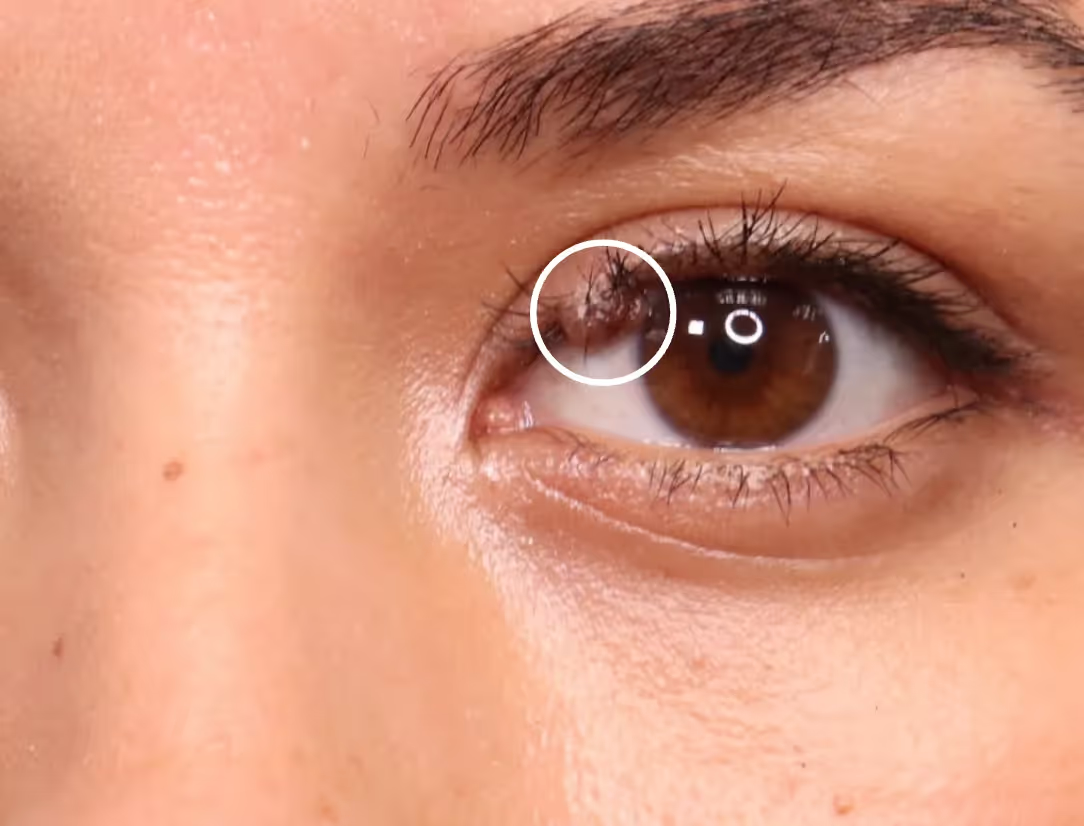
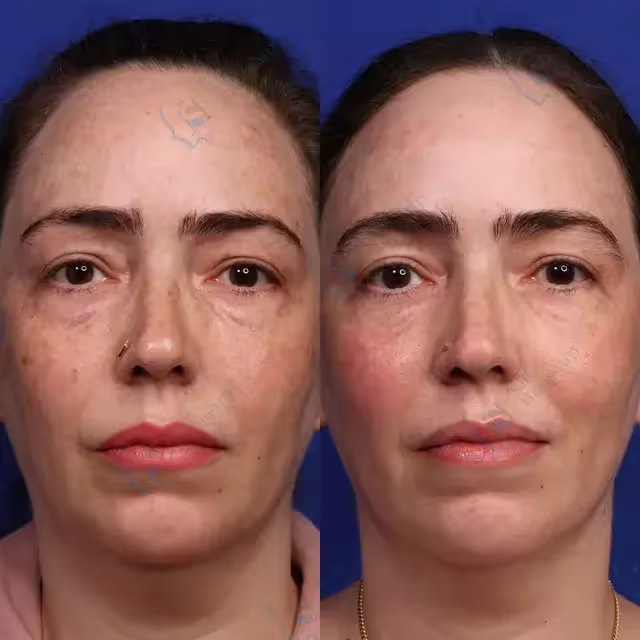
Droopy eyelids, medically known as ptosis, affect millions of people worldwide and can significantly impact both appearance and vision. This condition occurs when the upper eyelid falls lower than its normal position, creating a tired or aged appearance. While some cases are purely cosmetic concerns, others can interfere with daily activities and require medical attention.
The eyelid is a complex structure involving multiple muscles, tendons, and nerves working together to control movement and positioning. When any component of this intricate system becomes compromised, drooping can occur. Understanding the underlying causes is crucial for determining the most appropriate treatment approach and achieving optimal results.
At Hazany Derm, patients frequently seek consultation for droopy eyelids, whether the condition developed gradually over time or appeared suddenly. The expertise of our medical team allows for accurate diagnosis and personalized treatment plans that address each patient's specific needs and concerns. Proper evaluation helps distinguish between different types of ptosis and ensures the most effective intervention.
Age-Related Changes and Skin Laxity
The natural aging process represents the primary cause of droopy eyelids in most patients. As we age, the skin loses collagen and elastin, two proteins essential for maintaining firmness and elasticity. The delicate skin around the eyes is particularly susceptible to these changes due to its thinness and constant movement from blinking and facial expressions.
Over time, the levator muscle responsible for lifting the eyelid can weaken or stretch, leading to decreased functionality. This muscle weakening often occurs gradually, making the drooping less noticeable initially but more pronounced as years pass. The combination of weakened muscles and loose skin creates the characteristic droopy appearance that many associate with aging.
Additionally, fat deposits around the eyes can shift or increase with age, adding weight to the eyelid structure. This extra weight places additional strain on the already weakened muscles, exacerbating the drooping effect. The cumulative impact of these age-related changes often becomes most apparent in individuals over 40, though the timeline varies significantly based on genetics and lifestyle factors.
Several specific age-related factors contribute to eyelid drooping:
- Collagen degradation: Loss of structural proteins leads to skin sagging and reduced elasticity around the eye area
- Muscle deterioration: The levator palpebrae superioris muscle weakens over time, reducing its ability to maintain proper eyelid position
- Fat redistribution: Changes in facial fat distribution can create additional weight and alter the natural contours of the eyelid
- Gravity effects: Years of gravitational pull gradually stretch tissues and contribute to downward displacement of eyelid structures
The progression of age-related ptosis typically follows a predictable pattern, though individual experiences may vary. Early signs often include subtle hooding or a feeling of heaviness in the upper eyelids, particularly later in the day when facial muscles are tired. As the condition advances, patients may notice asymmetry between their eyelids or difficulty applying eye makeup evenly.
Hazany Derm specialists frequently observe that patients with age-related droopy eyelids also experience functional challenges beyond cosmetic concerns. These may include obstructed peripheral vision, difficulty reading or performing close-up tasks, and compensatory behaviors like raising the eyebrows or tilting the head back to see more clearly. Recognizing these functional impacts helps guide treatment decisions and emphasizes the medical importance of addressing ptosis.
Congenital and Neurological Factors
Some individuals are born with droopy eyelids due to congenital ptosis, a condition that occurs when the levator muscle fails to develop properly during fetal development. This type of ptosis can affect one or both eyes and may range from mild to severe depending on the degree of muscle underdevelopment. Congenital cases often require early intervention to prevent vision problems and ensure proper eye development during childhood.
Neurological conditions can also cause droopy eyelids by affecting the nerves that control eyelid muscles. The oculomotor nerve, which innervates the levator muscle, can be damaged by various conditions including stroke, brain tumors, or aneurysms. When nerve function is compromised, the muscle cannot contract properly, resulting in eyelid drooping that may appear suddenly or progress rapidly.
Myasthenia gravis, an autoimmune neuromuscular disorder, commonly presents with ptosis as one of its earliest symptoms. This condition causes antibodies to attack the communication between nerves and muscles, leading to muscle weakness that typically worsens with activity and improves with rest. Patients with myasthenia gravis often experience fluctuating eyelid drooping that may be more pronounced at certain times of day.
Key neurological and congenital factors include:
- Congenital muscle weakness: Underdeveloped levator muscles present from birth require specialized treatment approaches
- Nerve damage: Injury to the oculomotor nerve from trauma, surgery, or disease can cause sudden onset ptosis
- Autoimmune conditions: Disorders like myasthenia gravis create fluctuating muscle weakness affecting eyelid function
- Genetic syndromes: Various inherited conditions can include ptosis as one of several associated features
Distinguishing between different types of neurological ptosis requires careful evaluation and often additional testing. Dr. Salar Hazany and the team at Hazany Derm work closely with neurologists and other specialists when neurological causes are suspected. This collaborative approach ensures comprehensive care and appropriate management of any underlying conditions that may be contributing to the eyelid drooping.
The treatment approach for neurologically-related ptosis often differs significantly from age-related cases. While surgical correction may still be appropriate in some situations, addressing the underlying neurological condition takes priority. In cases of myasthenia gravis, medical management of the autoimmune disorder may improve eyelid function without requiring surgical intervention. For congenital cases, timing of treatment becomes crucial to prevent amblyopia (lazy eye) and ensure proper visual development.
Trauma, Medical Conditions, and External Factors
Physical trauma to the eye area can cause immediate or delayed onset of droopy eyelids through various mechanisms. Direct injury to the levator muscle, surrounding tissues, or the nerves controlling eyelid function can result in temporary or permanent ptosis. Car accidents, sports injuries, and surgical complications represent common sources of trauma-related eyelid drooping that may require specialized reconstruction techniques.
Certain medical conditions beyond neurological disorders can contribute to ptosis development. Thyroid eye disease, also known as Graves' ophthalmopathy, can cause eyelid changes including both drooping and retraction depending on which muscles are affected. Diabetes can lead to nerve damage that affects eyelid function, while some medications used to treat glaucoma may cause ptosis as a side effect.
Contact lens wear, particularly hard contact lenses worn for extended periods, has been associated with acquired ptosis in some individuals. The theory suggests that chronic manipulation of the eyelid during lens insertion and removal may stretch the levator muscle over time. Similarly, frequent eye rubbing due to allergies or other irritants can contribute to eyelid stretching and eventual drooping.
External factors contributing to droopy eyelids include:
- Physical trauma: Injuries from accidents, surgery, or sports can damage muscles, nerves, or supporting structures
- Medication effects: Certain eye drops, particularly those containing prostaglandin analogs, may cause eyelid drooping
- Chronic inflammation: Conditions like blepharitis or chronic allergies can lead to tissue changes and muscle weakness
- Lifestyle factors: Excessive eye rubbing, poor sleep habits, and UV exposure may accelerate eyelid aging and drooping
The relationship between lifestyle factors and eyelid health often goes unrecognized by patients until drooping becomes noticeable. Sun exposure, smoking, and poor nutrition can accelerate the breakdown of collagen and elastin in eyelid skin. Sleep deprivation may contribute to fluid retention and tissue swelling that places additional stress on eyelid structures over time.
Hazany Derm emphasizes the importance of identifying and addressing modifiable risk factors as part of comprehensive ptosis management. While genetic predisposition and natural aging cannot be prevented, patients can take steps to minimize external contributors to eyelid drooping. This may include using appropriate sun protection, managing allergies effectively, avoiding excessive eye manipulation, and maintaining overall health through proper nutrition and adequate sleep. Understanding these various causes allows for more targeted prevention strategies and helps patients make informed decisions about their eyelid health and treatment options.
Frequently Asked Questions
Can droopy eyelids be prevented?
While some causes of droopy eyelids cannot be prevented, particularly genetic and age-related factors, certain preventive measures may help slow their development. Protecting the delicate eye area from sun damage through sunglasses and sunscreen can preserve collagen and elastin. Avoiding excessive eye rubbing, managing allergies properly, and maintaining good overall health also contribute to eyelid preservation. Dr. Salar Hazany recommends establishing a comprehensive skincare routine early and addressing any underlying medical conditions that might affect eyelid function. Regular eye exams can help identify potential issues before they become significant cosmetic or functional problems.
At what age do droopy eyelids typically develop?
Most people begin noticing subtle signs of eyelid drooping in their 40s and 50s, though the timeline varies significantly based on genetics, lifestyle, and environmental factors. Some individuals may experience changes as early as their 30s, while others maintain firm eyelids well into their 60s or beyond. At Hazany Derm, we see patients across all age groups seeking treatment for ptosis. Congenital cases are present from birth, while trauma or medical conditions can cause drooping at any age. The key is recognizing when eyelid changes begin to impact quality of life or self-confidence, regardless of age.
How do I know if my droopy eyelids need medical attention?
Droopy eyelids warrant medical evaluation when they interfere with vision, cause eye strain, or significantly impact daily activities. Warning signs include difficulty seeing peripheral objects, compensatory head positioning, frequent eyebrow raising, or eye fatigue. Sudden onset drooping, especially when accompanied by other neurological symptoms, requires immediate medical attention. The team at Hazany Derm can distinguish between cosmetic concerns and functional problems requiring intervention. Even purely cosmetic cases deserve professional evaluation to explore available treatment options. A comprehensive assessment helps determine the underlying cause and most appropriate management approach for each individual situation.
Are droopy eyelids always related to aging?
While aging represents the most common cause of droopy eyelids, numerous other factors can contribute to this condition. Congenital ptosis appears at birth due to developmental issues, while neurological conditions like myasthenia gravis can cause drooping at any age. Trauma, certain medications, and medical conditions such as thyroid disease may also lead to eyelid drooping. Dr. Hazany emphasizes the importance of proper evaluation to identify the underlying cause, as treatment approaches vary significantly based on etiology. Young patients with sudden onset ptosis particularly require thorough investigation to rule out serious underlying conditions that might need immediate medical intervention.
Can makeup or lifestyle changes improve droopy eyelids?
Certain makeup techniques can create the illusion of more lifted eyelids, including strategic eyeshadow placement, eyeliner application, and false eyelashes. However, these cosmetic approaches only provide temporary visual improvement without addressing the underlying structural issues. Lifestyle modifications like adequate sleep, proper hydration, and gentle skincare may help optimize eyelid appearance but cannot reverse significant ptosis. Hazany Derm specialists often discuss these temporary measures with patients while exploring more definitive treatment options. Eye exercises and creams marketed for eyelid lifting typically provide minimal benefit for true ptosis, though they may help with minor skin laxity or puffiness around the eyes.
What's the difference between droopy eyelids and under-eye bags?
Droopy eyelids (ptosis) involve the upper eyelid falling below its normal position, while under-eye bags refer to swelling or fat protrusion in the lower eyelid area. These are distinct conditions with different causes and treatment approaches, though they may occur simultaneously as part of overall periorbital aging. Ptosis affects the levator muscle and upper eyelid position, potentially impacting vision and creating a tired appearance. Under-eye bags result from fat redistribution, fluid retention, or skin laxity in the lower lid region. Dr. Salar Hazany can evaluate both conditions during consultation and recommend appropriate treatment strategies. Some patients benefit from addressing both issues simultaneously for optimal aesthetic and functional outcomes.
Do droopy eyelids run in families?
Genetic factors play a significant role in eyelid aging patterns and ptosis development, with many patients reporting similar issues among family members. The rate of collagen breakdown, muscle strength, and skin elasticity have hereditary components that influence when and how severely droopy eyelids develop. Congenital ptosis definitely has genetic links, often appearing in multiple generations of the same family. However, environmental factors, lifestyle choices, and individual health conditions also contribute significantly to eyelid aging. At Hazany Derm clinic, we often see multiple family members seeking treatment for similar concerns. Understanding family history helps predict potential eyelid changes and allows for earlier intervention when appropriate.
Is surgery the only effective treatment for droopy eyelids?
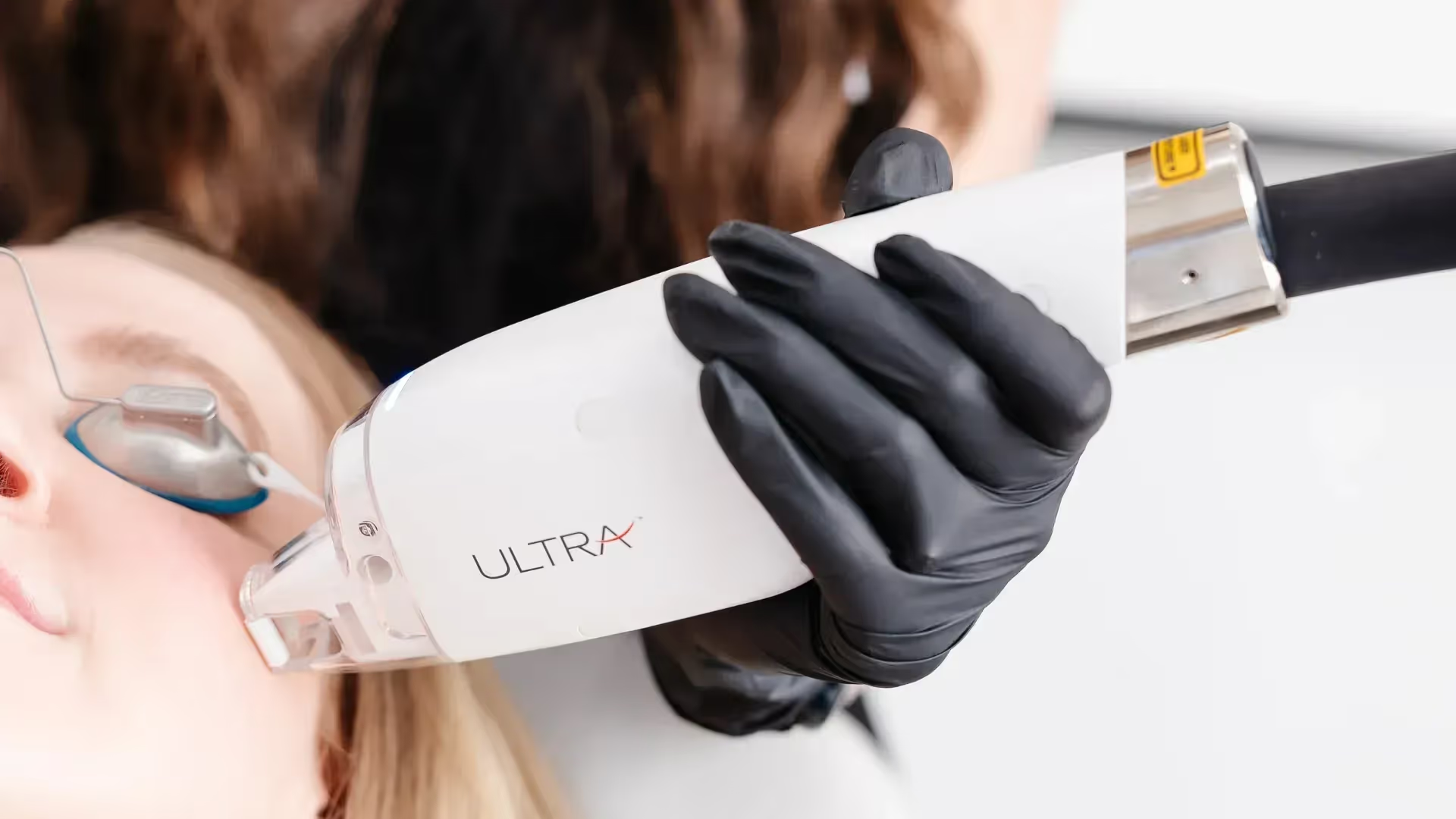
While surgery remains the most definitive treatment for significant ptosis, several non-surgical options may provide improvement in certain cases. Injectable treatments, radiofrequency devices, and laser therapies can help tighten mild skin laxity around the eyes. For ptosis caused by medical conditions like myasthenia gravis, treating the underlying disorder may improve eyelid function without surgical intervention. However, when true muscle weakness or significant drooping is present, surgical correction typically provides the most dramatic and long-lasting results. The experts at Hazany Derm thoroughly evaluate each case to determine whether non-surgical approaches might be beneficial or if surgical intervention is necessary for optimal outcomes and patient satisfaction.