






%201.avif)



How Often Should I Check My Skin for Cancer?



Monthly self-examinations are recommended for most adults, with professional dermatologist screenings annually or as advised. High-risk individuals may need more frequent checks. The experts at Hazany Derm provide personalized skin cancer screening schedules based on individual risk factors and medical history.
Skin cancer represents one of the most common forms of cancer worldwide, yet it remains highly treatable when detected early. Regular skin examinations serve as your first line of defense against potentially dangerous skin changes that could indicate malignant growth. The frequency of these examinations depends on various personal risk factors, family history, and existing skin conditions that require professional assessment.
Understanding when and how often to check your skin can mean the difference between catching cancer in its earliest, most treatable stages versus allowing it to progress undetected. Many patients feel uncertain about the appropriate screening schedule for their individual circumstances. Some worry they might be checking too frequently and becoming overly anxious, while others fear they may not be monitoring their skin often enough to catch potential problems early.
The medical community has established evidence-based guidelines for skin cancer screening that balance thoroughness with practicality. These recommendations take into account both self-examination practices that individuals can perform at home and professional screenings conducted by qualified dermatologists. At Hazany Derm, patients receive personalized guidance on developing effective skin monitoring routines that align with their specific risk profiles and lifestyle needs.
How Often Should You Check Your Skin for Cancer?
For most adults: a monthly self-exam at home and a professional skin check once a year. If you have elevated risk — fair skin, many or atypical moles, a personal or family history of skin cancer, heavy sun exposure, or a suppressed immune system — your dermatologist may recommend professional exams every three to six months instead. Any new, changing, or non-healing spot gets checked now, not at the next scheduled visit.
Monthly Self-Examinations: Your Personal Early Warning System
Most dermatology experts recommend conducting thorough self-examinations of your entire body once per month. This monthly schedule provides an optimal balance between catching changes early and avoiding excessive anxiety about normal skin variations. Regular monthly checks allow you to become familiar with your skin's normal appearance, making it easier to identify new or changing moles, spots, or lesions that warrant professional attention.
The monthly examination should be systematic and comprehensive, covering every inch of your skin from scalp to toes. Use good lighting, preferably natural daylight, and employ mirrors to examine hard-to-see areas like your back, scalp, and behind your ears. Take your time during these examinations, as rushing through the process may cause you to miss important changes or new growths that have developed since your last check.
Consistency in timing and method proves crucial for effective self-monitoring. Choose the same day each month, such as the first Saturday, to establish a routine that becomes second nature. Many people find it helpful to perform their skin checks after showering when their skin is clean and they are already undressed, making it convenient to examine their entire body thoroughly.
Key areas requiring special attention during monthly self-examinations include:
- • Sun-exposed regions: Face, neck, arms, and legs where UV damage commonly occurs and skin cancers frequently develop
- • Previously injured areas: Scars, burns, or sites of chronic irritation where abnormal cell growth may be more likely to occur
- • Existing moles and birthmarks: Any spots you have had previously that might show changes in size, color, shape, or texture over time
- • Hidden locations: Between toes, under nails, scalp, and genital areas where skin cancers can develop but often go unnoticed
Documentation can enhance the effectiveness of your monthly examinations significantly. Consider taking photographs of concerning spots or keeping a simple log of new findings to share with your dermatologist during professional visits. This record-keeping approach helps track changes over time that might be subtle and difficult to remember from month to month.
Remember that monthly self-examinations complement but never replace professional dermatological screenings. While you become the expert on your own skin's normal appearance, trained dermatologists possess the clinical experience and specialized tools necessary to evaluate suspicious lesions properly. Dr. Salar Hazany emphasizes that patient self-monitoring combined with regular professional care creates the most effective skin cancer detection strategy.
Professional Dermatologist Screenings: Expert Assessment and Peace of Mind
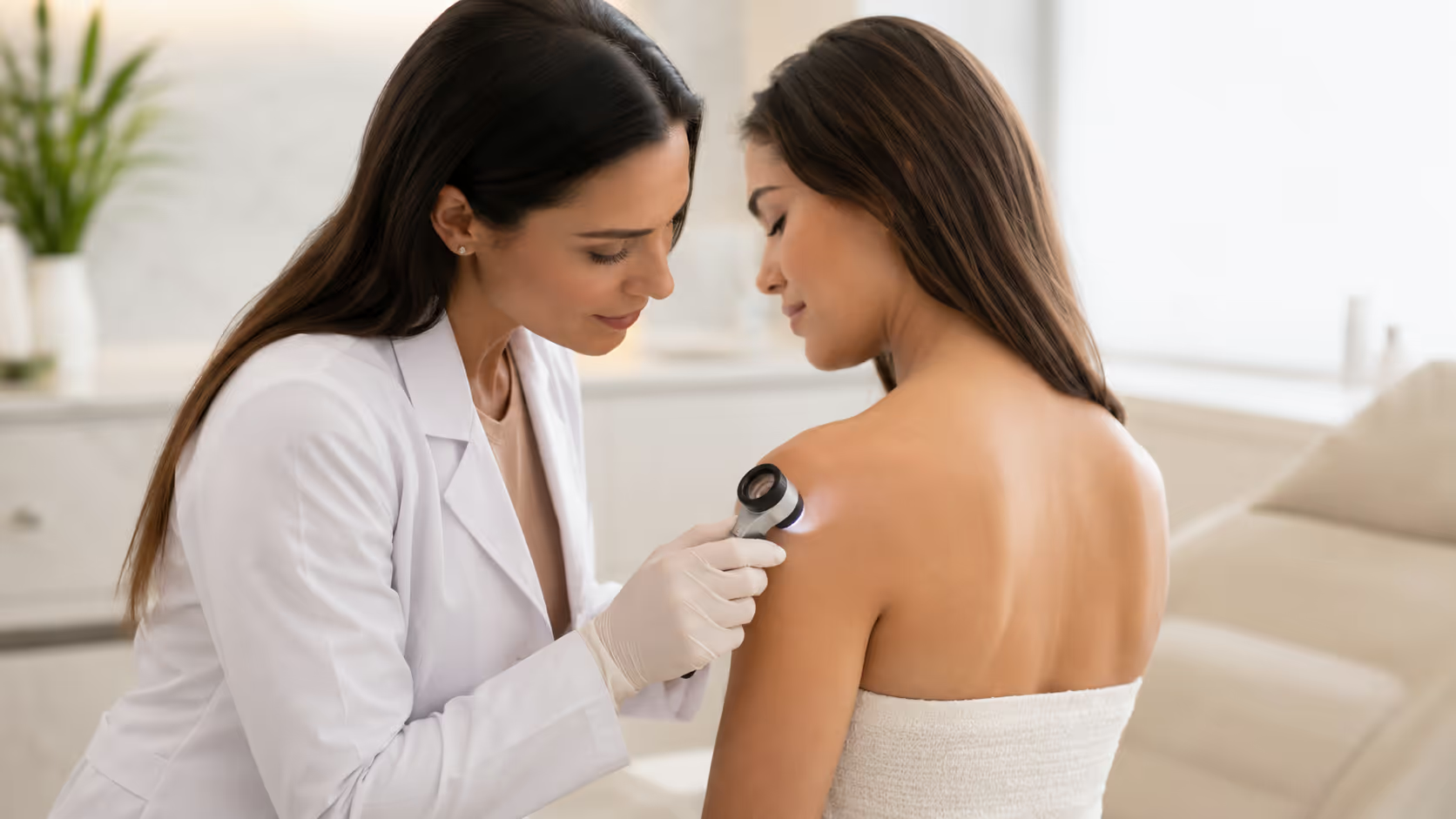
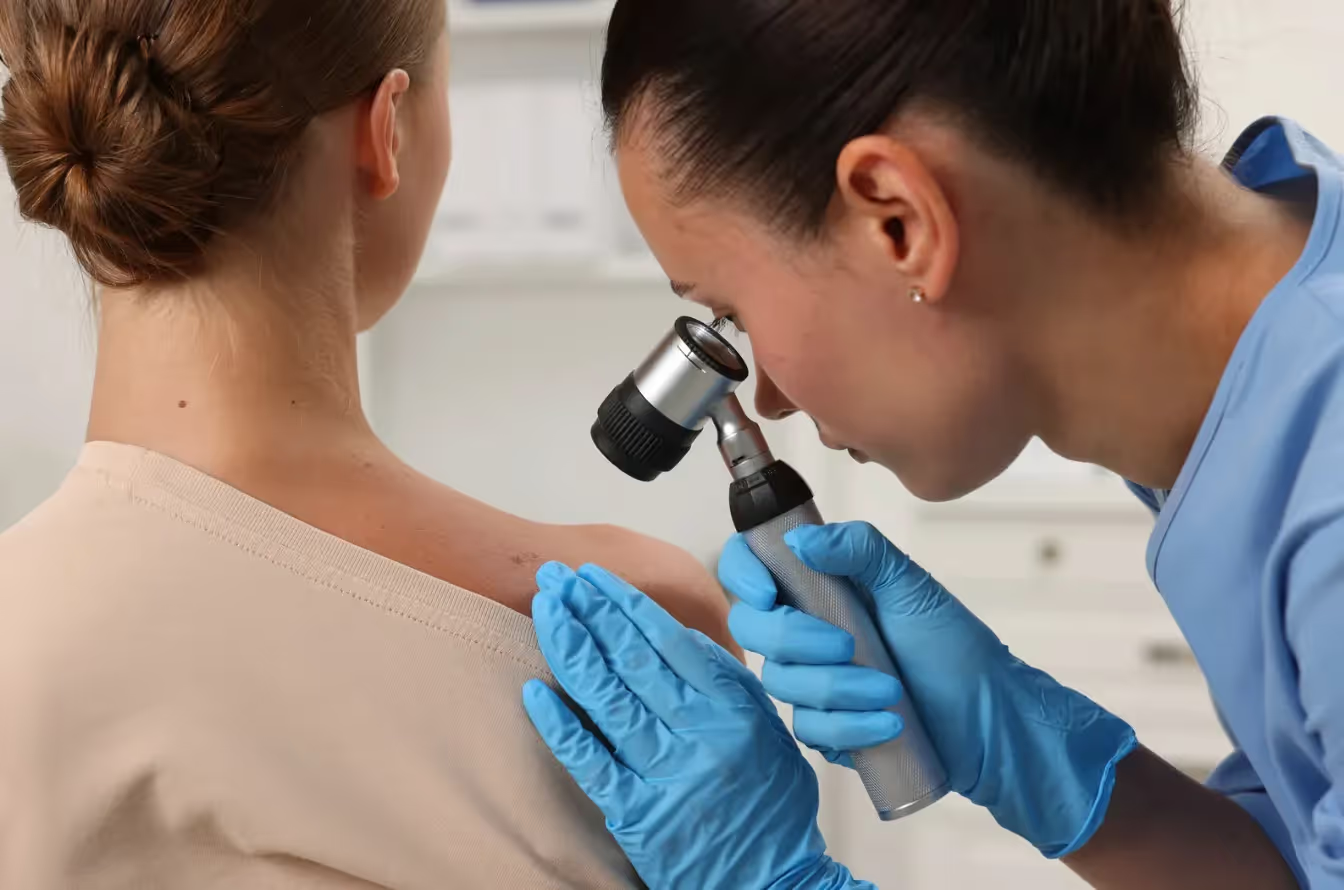
Annual professional skin cancer screenings represent the gold standard for comprehensive skin health assessment in average-risk individuals. During these appointments, dermatologists perform detailed full-body examinations using specialized lighting and magnification tools that reveal details invisible during self-examination. These professional screenings can identify subtle changes, pre-cancerous conditions, and early-stage skin cancers that might escape detection during home examinations.
The frequency of professional screenings varies based on individual risk factors, personal history, and family background. While yearly examinations suffice for many people, those with elevated risk factors may require screenings every six months or even more frequently. Your dermatologist will assess your specific situation and recommend an appropriate screening schedule that provides optimal protection while avoiding unnecessary medical interventions.
Professional screenings offer several advantages beyond what self-examination can provide. Dermatologists can examine areas that are difficult or impossible for patients to see clearly, such as the scalp, back, and behind the ears. They also possess the clinical expertise to distinguish between benign skin changes and potentially problematic lesions that require further evaluation or biopsy for definitive diagnosis.
Advanced diagnostic tools available during professional screenings enhance detection capabilities substantially. Dermoscopy, also known as dermatoscopy, allows dermatologists to examine skin lesions at high magnification with specialized lighting that reveals subsurface structures and patterns. Some practices utilize digital mapping systems that photograph and catalog moles for comparison during future visits, enabling detection of subtle changes over time.
The peace of mind that comes from professional screening cannot be understated, particularly for individuals with elevated risk factors or anxiety about skin cancer. Hazany Derm provides thorough, compassionate care that addresses both the medical and emotional aspects of skin cancer screening. Patients leave these appointments with clear understanding of their skin health status and personalized recommendations for ongoing monitoring and prevention strategies.
Special Considerations for High-Risk Individuals
Certain individuals require more frequent and intensive skin monitoring due to elevated risk factors that significantly increase their likelihood of developing skin cancer. These high-risk patients may need professional screenings every three to six months, along with more vigilant self-examination practices. Understanding your personal risk profile helps determine the appropriate screening frequency and monitoring strategies that best protect your health.
High-risk individuals often benefit from specialized screening approaches that go beyond standard annual examinations. These may include digital mole mapping, where photographs document the location and appearance of numerous moles for comparison over time. Some patients require dermoscopic evaluation of specific lesions at each visit, allowing for detailed monitoring of subtle changes that might indicate malignant transformation.
The psychological aspects of being high-risk require careful consideration and professional support. While increased vigilance is medically necessary, it should not create overwhelming anxiety that negatively impacts quality of life. Dermatologists skilled in managing high-risk patients provide education, reassurance, and practical strategies for maintaining appropriate awareness without developing excessive worry about every minor skin change.
Specific high-risk categories requiring intensified monitoring include:
- Organ transplant recipients: Immunosuppressive medications dramatically increase skin cancer risk, often requiring screenings every three to four months
- Individuals with genetic syndromes: Conditions like xeroderma pigmentosum or familial atypical mole syndrome require specialized monitoring protocols
- Previous multiple skin cancers: History of several skin cancers indicates ongoing high risk and necessitates frequent professional evaluation
- Occupational UV exposure: Outdoor workers, pilots, and others with significant occupational sun exposure need enhanced screening schedules
Patient education becomes particularly crucial for high-risk individuals who must balance appropriate vigilance with practical daily living. Learning to recognize the specific warning signs most relevant to their risk profile helps focus attention on truly concerning changes while avoiding panic over normal skin variations. This targeted education approach proves more effective than generic skin cancer awareness information.
Support systems and resources play vital roles in helping high-risk patients manage their screening requirements effectively. This might include reminder systems for monthly self-examinations, scheduling assistance for regular professional appointments, and access to educational materials specific to their risk category. The team at Hazany Derm works closely with high-risk patients to develop comprehensive monitoring strategies that fit seamlessly into their lifestyles while providing maximum protection against skin cancer development.
Schedule Your Skin Check in Beverly Hills
Most skin cancers announce themselves quietly — a spot that's new, changing, or simply won't heal. If you can't remember your last professional skin exam, that's your answer. Schedule a screening with Dr. Salar Hazany in Beverly Hills and get a monitoring plan matched to your actual risk profile, not a generic calendar.
Frequently Asked Questions
What warning signs should I look for during skin self-examinations?
The ABCDE rule provides an excellent framework for identifying concerning skin changes: Asymmetry, Border irregularities, Color variations, Diameter larger than a pencil eraser, and Evolving characteristics. Additionally, watch for new growths, sores that won't heal, or any spot that looks different from your other moles. According to Dr. Salar Hazany, patients should also monitor for itching, bleeding, or tenderness in existing moles, as these symptoms can indicate malignant changes. Any pigmented streak under fingernails or toenails, particularly in darker-skinned individuals, warrants immediate professional evaluation. Trust your instincts - if something looks or feels different, schedule a dermatological consultation promptly.
How do I properly examine hard-to-see areas like my back and scalp?
Use a hand mirror in combination with a full-length mirror to examine your back systematically, or ask a partner to help with thorough inspection of areas you cannot see clearly. For scalp examination, use a blow dryer to part your hair in different sections while looking in a mirror under good lighting. Hazany Derm recommends taking photographs of suspicious areas that are difficult to see, which can help track changes over time and provide valuable information during professional consultations. Pay special attention to areas where clothing rubs, as chronic irritation can contribute to skin cancer development. Consider using smartphone apps designed for skin examination assistance, though these should supplement rather than replace professional dermatological care.
Should people with darker skin tones follow the same screening schedule?
While skin cancer occurs less frequently in individuals with darker skin tones, it often presents in locations and forms that require specialized attention and monitoring approaches. The team at Hazany Derm emphasizes that darker-skinned individuals should maintain regular monthly self-examinations but focus particularly on areas with less pigmentation, such as palms, soles, nail beds, and mucous membranes. Acral lentiginous melanoma, the most common melanoma type in darker skin, typically appears on hands, feet, or under nails rather than sun-exposed areas. Professional screening frequency should follow similar guidelines as for lighter-skinned individuals, with annual examinations for average-risk patients and more frequent monitoring for those with elevated risk factors. Early detection remains equally crucial regardless of skin tone.
What should I do if I find something suspicious during self-examination?
Contact a dermatologist promptly to schedule an evaluation rather than waiting for your next routine appointment, as early detection significantly improves treatment outcomes for skin cancer. Avoid attempting to self-diagnose or dismissing concerning changes as insignificant, since even experienced physicians require proper examination tools and training to assess skin lesions accurately. Dr. Hazany advises patients to take a photograph of the suspicious area before their appointment, as this documentation can help track any changes that occur while waiting for the consultation. Don't panic, but don't delay seeking professional evaluation either. Avoid picking at, scratching, or irritating the suspicious area, as this can interfere with accurate diagnosis. Keep notes about when you first noticed the change and any associated symptoms like itching, bleeding, or pain.
Are there any tools or apps that can help with skin cancer screening?
Several smartphone applications can assist with organizing and tracking skin self-examinations, though they should never replace professional dermatological evaluation for suspicious lesions. Digital photography using your phone can help document moles and spots for comparison over time, creating a personal baseline for detecting changes. Hazany Derm specialists recommend using body mapping diagrams or apps that help systematically examine all areas of your skin during monthly checks. However, be cautious of apps claiming to diagnose skin cancer through photograph analysis, as these lack the accuracy and expertise of professional dermatological assessment. Quality mirrors, good lighting, and magnifying glasses remain the most reliable tools for effective self-examination. Consider using reminder apps to maintain consistent monthly screening schedules and track any changes you observe.
How does family history affect my skin cancer screening schedule?
A family history of melanoma significantly increases your personal risk and typically warrants more frequent professional screenings, often every six months instead of annually. Genetic factors can predispose individuals to developing multiple atypical moles, melanoma, or other skin cancers at younger ages than the general population. Dr. Salar Hazany evaluates each patient's family history carefully to determine appropriate screening intervals and monitoring strategies tailored to their inherited risk factors. First-degree relatives (parents, siblings, children) with melanoma history create the highest level of concern and may require specialized genetic counseling or testing. Additionally, families with multiple members affected by skin cancer may benefit from early professional screening starting in the teenage years. Inform your dermatologist about any family history of skin cancer, including the type, age at diagnosis, and number of affected relatives.
What's the difference between screening and diagnostic skin examinations?
Screening examinations are preventive evaluations performed on individuals without symptoms to detect early-stage skin cancers before they become clinically apparent or problematic. These routine screenings focus on identifying suspicious lesions that require further evaluation, even when patients have no specific concerns about their skin. Diagnostic examinations, conversely, investigate specific symptoms, suspicious lesions, or changes that patients or physicians have already identified as potentially concerning. The Hazany Derm clinic performs both types of examinations, tailoring the approach to each patient's individual needs and circumstances. Screening examinations typically involve full-body skin surveys using dermoscopy and other diagnostic tools, while diagnostic visits may focus more intensively on particular areas of concern. Both examination types are crucial components of comprehensive skin cancer prevention and early detection strategies.
Should children and teenagers have regular skin cancer screenings?
Most children and teenagers do not require routine professional skin cancer screenings unless they have significant risk factors such as family history, genetic conditions, or numerous atypical moles. However, establishing good skin protection habits and teaching self-examination techniques during adolescence creates lifelong healthy practices that reduce skin cancer risk substantially. The experts at Hazany Derm recommend professional evaluation for young people with concerning family histories, particularly if first-degree relatives developed melanoma at young ages. Additionally, teenagers with numerous moles, fair skin, or history of severe sunburns may benefit from baseline dermatological evaluation and personalized risk assessment. Parents should monitor children's skin for new or changing moles and teach age-appropriate sun protection measures including sunscreen use, protective clothing, and shade-seeking behaviors. Professional consultation helps establish appropriate screening schedules based on individual risk factors rather than chronological age alone.