





%201.avif)



What is Hyaluronic Acid?


Hyaluronic acid is a naturally occurring substance that holds up to 1,000 times its weight in water, making it essential for skin hydration and anti-aging. At Hazany Derm, we utilize this powerful ingredient to help patients achieve healthier, more youthful-looking skin.
Hyaluronic acid has become one of the most talked-about ingredients in skincare, and for good reason. This remarkable substance plays a crucial role in maintaining skin health, hydration, and youthful appearance. Despite its scientific-sounding name, hyaluronic acid is actually a naturally occurring component found throughout our bodies, particularly in our skin, joints, and eyes.
Understanding what hyaluronic acid is and how it works can help you make informed decisions about your skincare routine and treatment options. This powerful humectant has the extraordinary ability to attract and retain moisture, making it an invaluable tool in the fight against aging and dehydration. Its unique properties have made it a cornerstone ingredient in both topical skincare products and professional dermatological treatments.
At Hazany Derm, we frequently incorporate hyaluronic acid into various treatment protocols because of its proven efficacy and safety profile. Whether you're dealing with dry skin, fine lines, or simply want to maintain a healthy complexion, understanding this versatile ingredient can help you achieve your skincare goals. The science behind hyaluronic acid reveals why it has earned its reputation as a skincare superhero.
What is Hyaluronic Acid?
Hyaluronic acid is a sugar molecule your body produces naturally, concentrated in the skin, joints, and eyes. Its job is moisture — each molecule binds up to 1,000 times its weight in water, keeping skin plump and hydrated. Natural production declines with age, which is why it's a cornerstone of both daily skincare products and professional dermal filler treatments.
The Science Behind Hyaluronic Acid
Hyaluronic acid is a glycosaminoglycan, which is a type of molecule composed of sugar chains that naturally occurs in our bodies. This substance is particularly abundant in our skin, where it resides in the extracellular matrix and helps maintain the skin's structure and hydration levels. The human body contains approximately 15 grams of hyaluronic acid, with about one-third of it being broken down and regenerated daily.
What makes hyaluronic acid truly exceptional is its molecular structure and water-binding capacity. Each molecule can hold up to 1,000 times its weight in water, creating a reservoir of moisture that keeps tissues plump and well-hydrated. This incredible ability stems from its unique chemical composition, which allows it to form hydrogen bonds with water molecules. The result is a gel-like substance that provides cushioning and lubrication to various tissues throughout the body.
Unfortunately, our natural production of hyaluronic acid decreases as we age, beginning as early as our twenties. By the time we reach our forties, our skin contains only about half the amount of hyaluronic acid it had in our youth. This decline contributes to the development of fine lines, wrinkles, and the overall loss of skin volume and elasticity that we associate with aging.
The different molecular weights of hyaluronic acid also play important roles in skincare applications:
- High molecular weight HA: Forms a protective film on the skin's surface, providing immediate hydration and reducing transepidermal water loss
- Medium molecular weight HA: Penetrates slightly deeper into the skin, offering sustained moisture and improved skin texture
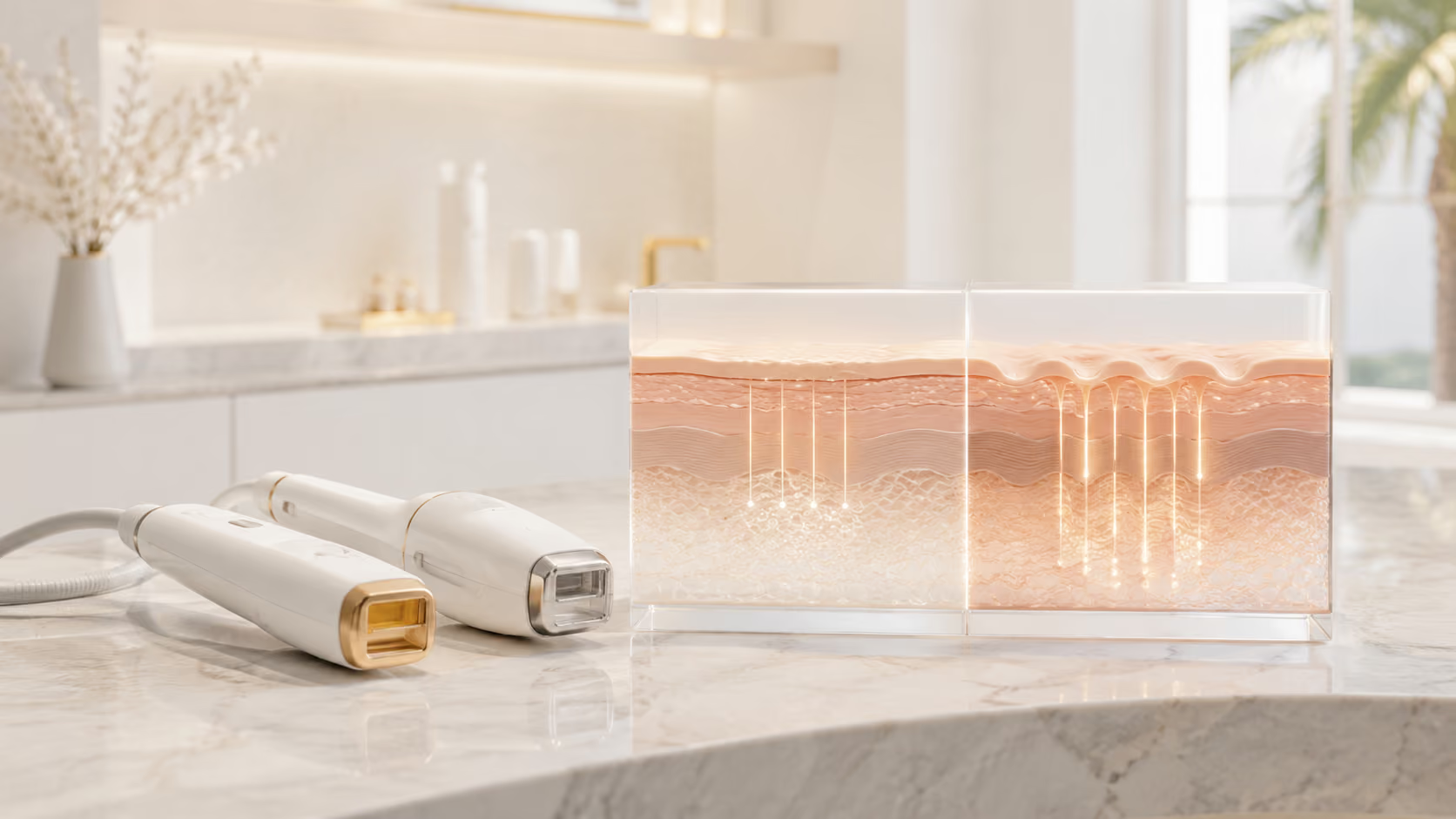
- Low molecular weight HA: Can penetrate deeper into the dermis, stimulating collagen production and providing long-term anti-aging benefits
- Nano hyaluronic acid: The smallest form that can reach the deepest layers of skin for maximum hydration and regeneration
Research has consistently demonstrated hyaluronic acid's safety and effectiveness across various applications. Clinical studies show that topical application can significantly improve skin hydration, elasticity, and overall appearance within just a few weeks of regular use. These findings have made hyaluronic acid a gold standard ingredient in both cosmetic and medical skincare formulations.
The body's natural hyaluronic acid is identical regardless of its source, whether it's naturally produced or synthetically created for skincare products. This biocompatibility means that hyaluronic acid treatments and products are generally well-tolerated by all skin types, including sensitive skin. Dr. Salar Hazany often recommends hyaluronic acid-based treatments because of this excellent safety profile and consistent results.
Benefits of Hyaluronic Acid for Skin Health
The primary benefit of hyaluronic acid lies in its unparalleled ability to hydrate the skin from within. When applied topically or injected professionally, it immediately begins attracting moisture from the environment and deeper skin layers. This hydrating action helps to plump the skin, reducing the appearance of fine lines and creating a smoother, more youthful texture. The increased hydration also improves the skin's barrier function, protecting against environmental damage and irritation.
Beyond basic hydration, hyaluronic acid offers significant anti-aging benefits that extend far beyond surface-level improvements. It stimulates collagen and elastin production, two proteins essential for maintaining skin firmness and elasticity. As hyaluronic acid increases moisture content in the deeper layers of skin, it creates an optimal environment for cellular regeneration and repair. This process helps to improve skin tone, reduce hyperpigmentation, and promote overall skin health.
The versatility of hyaluronic acid makes it suitable for addressing multiple skin concerns simultaneously. It can help soothe irritated or inflamed skin while providing the moisture necessary for healing and recovery. For individuals with acne-prone skin, hyaluronic acid offers hydration without clogging pores or adding excess oil. Its lightweight, non-comedogenic properties make it an ideal choice for those who need moisture but want to avoid heavy, greasy formulations.
Clinical applications of hyaluronic acid have expanded significantly as research continues to reveal new benefits. Professional treatments using hyaluronic acid can address volume loss, deep wrinkles, and skin laxity that topical products alone cannot effectively treat. These procedures offer more dramatic and longer-lasting results, making them popular choices for individuals seeking significant improvement in their skin's appearance.
The cumulative effects of regular hyaluronic acid use become more apparent over time, as the skin's natural moisture levels stabilize and cellular function improves. Patients at Hazany Derm often report not only visible improvements in their skin's appearance but also enhanced comfort and reduced sensitivity. This comprehensive improvement in skin health makes hyaluronic acid an essential component of any effective anti-aging or skin maintenance program.
Applications and Treatment Options
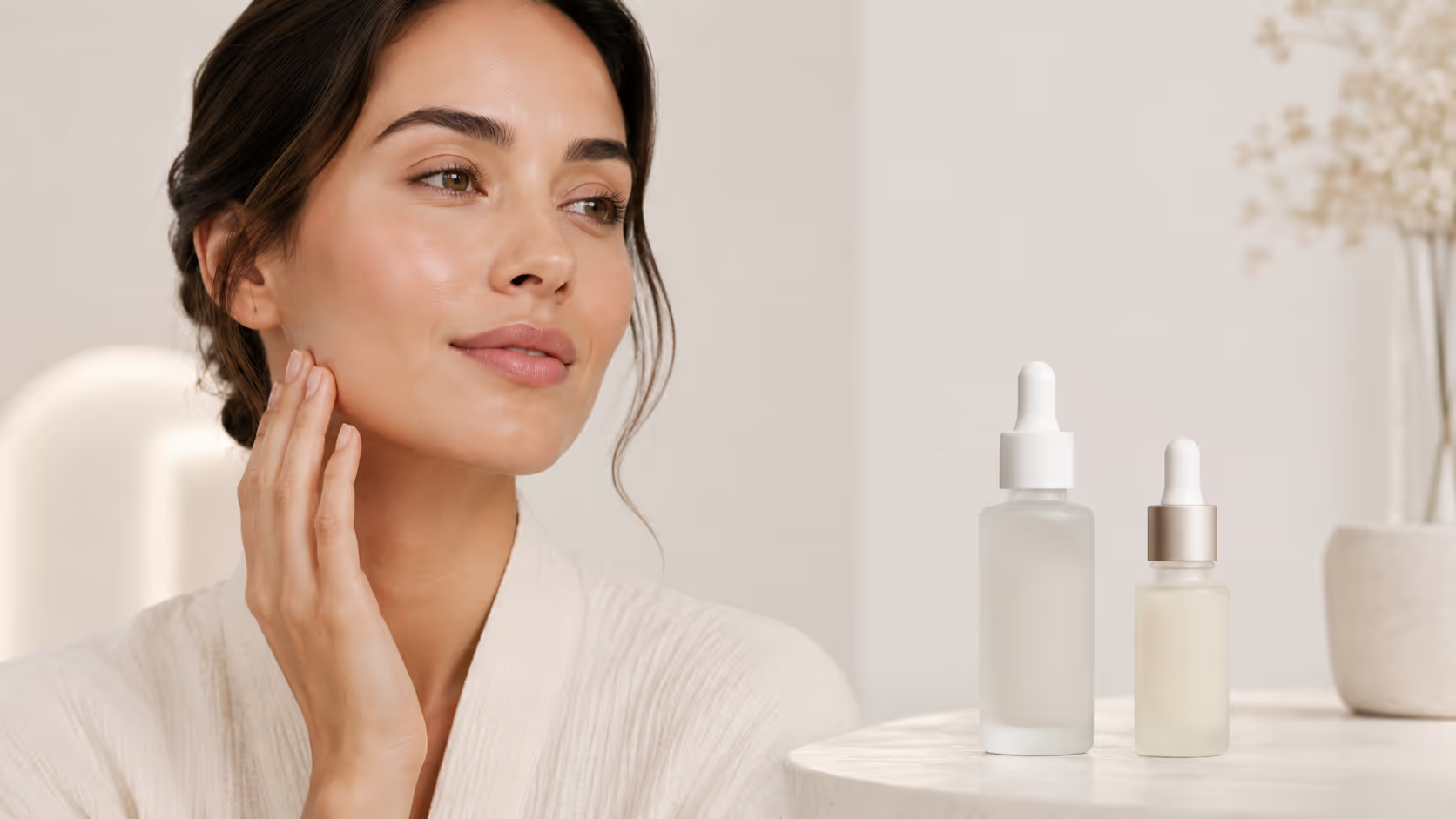
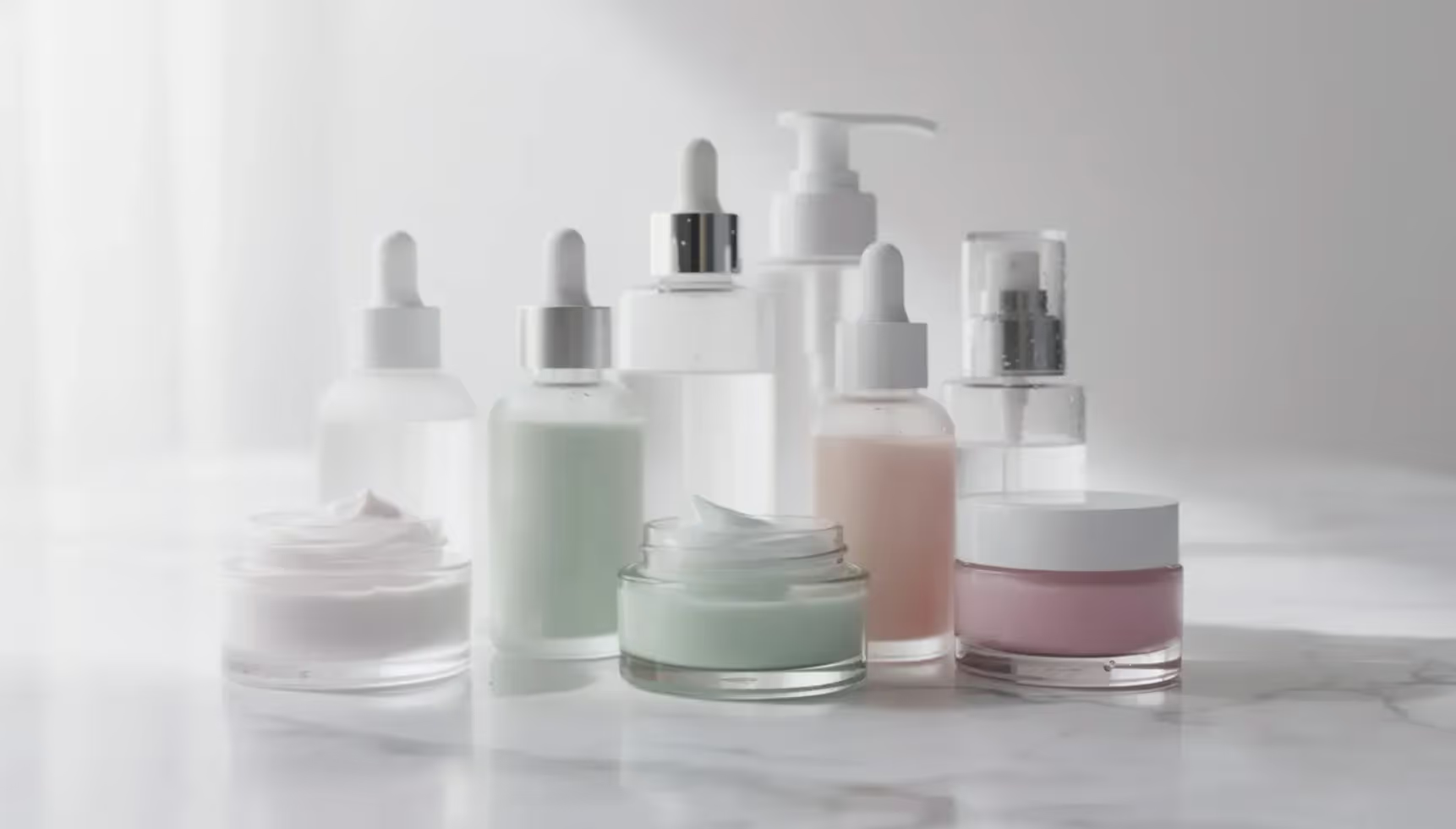
Hyaluronic acid is available in numerous forms, each designed to address specific skin concerns and treatment goals. Topical applications include serums, moisturizers, masks, and targeted treatments that can be easily incorporated into daily skincare routines. These products vary in concentration and molecular weight, allowing for customized approaches based on individual skin needs. Over-the-counter options provide accessible entry points for those new to hyaluronic acid, while professional-grade formulations offer higher concentrations and enhanced delivery systems.
Injectable hyaluronic acid treatments represent the most advanced application of this powerful ingredient, offering dramatic results for volume restoration and wrinkle reduction. Dermal fillers containing hyaluronic acid can restore lost facial volume, enhance features, and smooth deep lines that topical products cannot adequately address. These treatments require professional administration and offer results lasting six months to two years, depending on the specific product and treatment area.
Professional skincare treatments often combine hyaluronic acid with other beneficial ingredients or delivery methods to maximize results. Microneedling with hyaluronic acid, chemical peels followed by hyaluronic acid application, and professional-strength masks can penetrate deeper into the skin than standard topical applications. These combination treatments provide enhanced benefits and faster visible results, making them popular choices for individuals seeking comprehensive skin improvement.
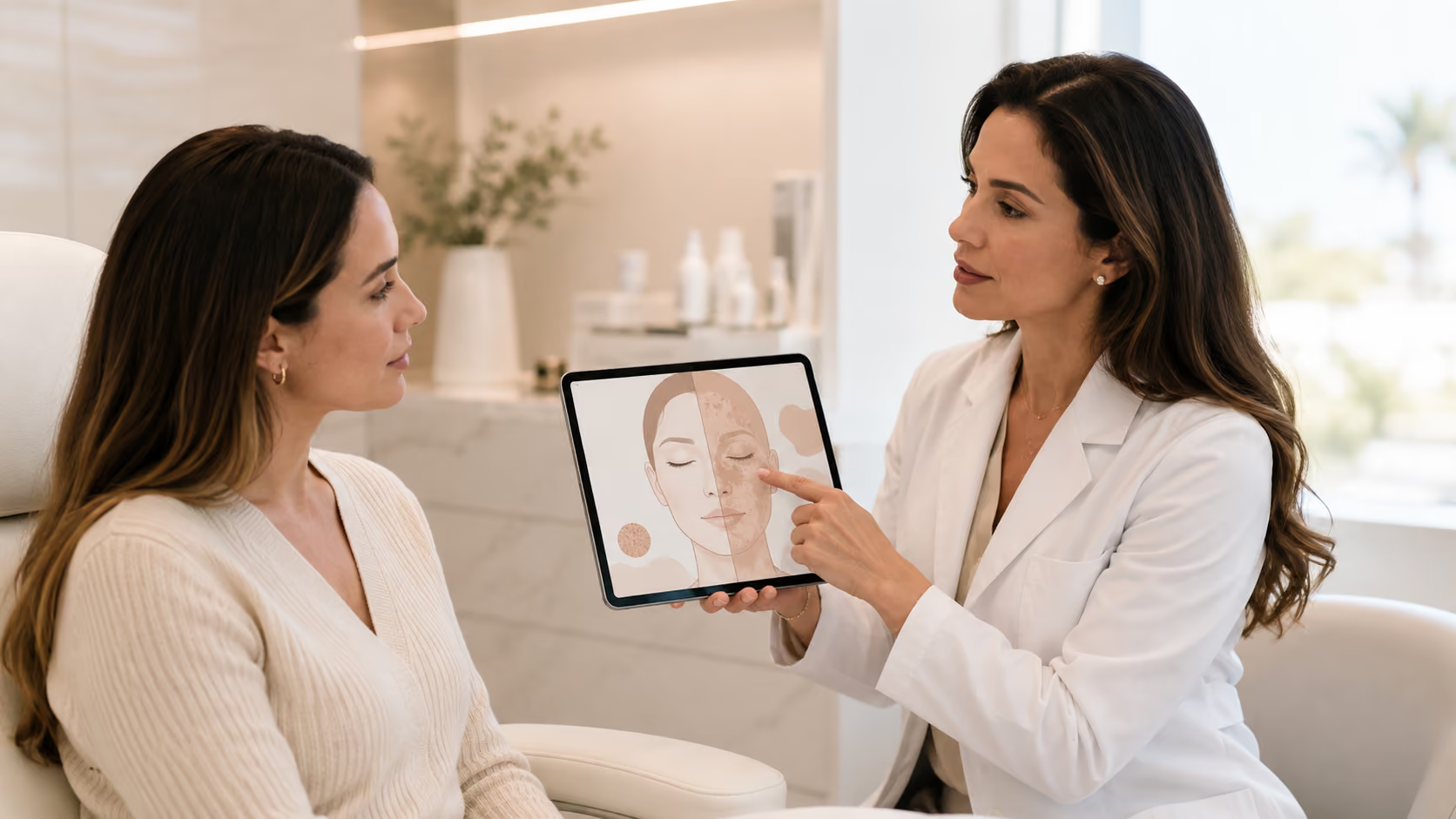
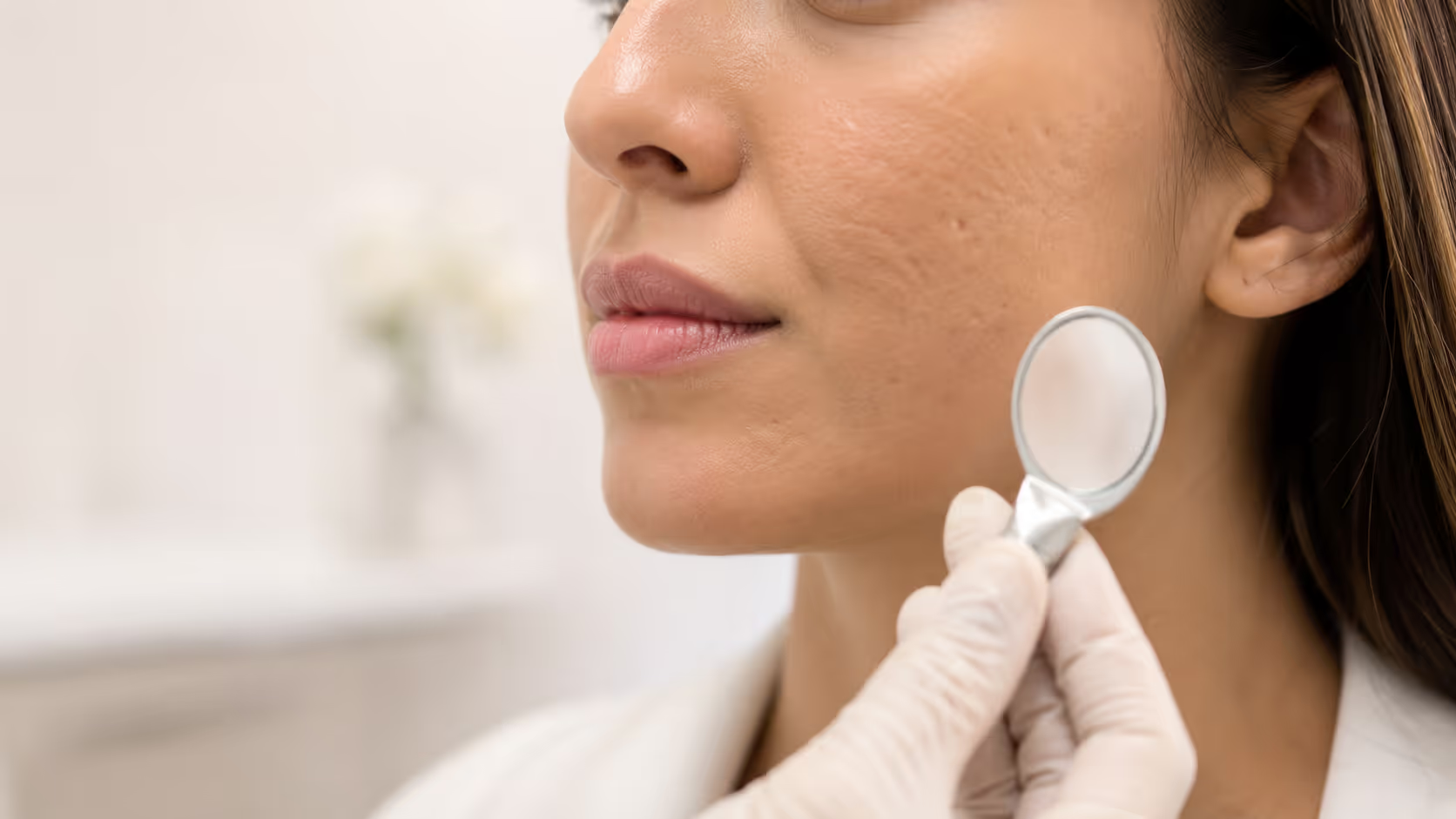
The selection of appropriate hyaluronic acid treatments depends on individual skin conditions, treatment goals, and lifestyle factors. A thorough skin analysis can help determine which applications will provide the most beneficial results. Factors such as skin type, age, specific concerns, and desired outcomes all influence the recommended treatment approach.
Working with experienced professionals ensures that hyaluronic acid treatments are properly selected and administered for optimal results and safety. At Hazany Derm, comprehensive consultations help patients understand their options and develop personalized treatment plans that incorporate hyaluronic acid effectively. This professional guidance maximizes the benefits of hyaluronic acid while minimizing potential risks or complications, ensuring that patients achieve their desired outcomes safely and effectively.
Find the Right Hyaluronic Acid Treatment in Beverly Hills
The gap between a drugstore serum and a professionally placed filler is enormous — and knowing which your skin actually needs is the whole game. Schedule a consultation with Dr. Salar Hazany in Beverly Hills to match the right form of hyaluronic acid to your skin's real concerns.
Frequently Asked Questions
Is hyaluronic acid suitable for all skin types?
Yes, hyaluronic acid is generally suitable for all skin types, including sensitive, oily, dry, and combination skin. Its lightweight, non-comedogenic properties make it an excellent choice for those with acne-prone skin who need hydration without clogging pores. Dr. Salar Hazany frequently recommends hyaluronic acid to patients across all skin types because of its excellent biocompatibility and minimal risk of irritation. The ingredient's natural occurrence in our bodies means it's well-tolerated even by those with reactive skin. Whether you have mature skin seeking anti-aging benefits or young skin needing basic hydration, hyaluronic acid can be safely incorporated into your routine. Its versatility allows for various concentrations and formulations to match specific skin needs and sensitivities.
How long does it take to see results from hyaluronic acid?
Results from hyaluronic acid can vary depending on the application method and individual skin conditions. Topical products typically show immediate hydrating effects, with more significant improvements in skin texture and appearance becoming visible within 2-4 weeks of consistent use. At Hazany Derm, patients often report noticing increased skin plumpness and reduced fine lines within the first week of incorporating hyaluronic acid serums into their routine. Injectable treatments provide immediate volume restoration and wrinkle reduction, with optimal results appearing within 1-2 weeks as any initial swelling subsides. The long-term benefits, including improved collagen production and enhanced skin barrier function, continue to develop over several months. Professional treatments typically offer faster and more dramatic results compared to at-home applications.
Can hyaluronic acid be used with other skincare ingredients?
Hyaluronic acid is remarkably compatible with most other skincare ingredients, making it easy to incorporate into existing routines. It works synergistically with ingredients like vitamin C, retinol, niacinamide, and peptides without causing irritation or reducing efficacy. The team at Hazany Derm often creates customized skincare regimens that combine hyaluronic acid with other active ingredients for enhanced results. It can be layered under moisturizers and sunscreens or applied after treatments like chemical peels to boost hydration and aid recovery. The key is proper application order, typically applying hyaluronic acid to slightly damp skin before heavier products. Some ingredients may enhance hyaluronic acid's penetration and effectiveness, creating powerful anti-aging combinations that address multiple skin concerns simultaneously while maintaining excellent tolerability.
What's the difference between different molecular weights of hyaluronic acid?
Different molecular weights of hyaluronic acid penetrate the skin to varying depths, providing distinct benefits at each level. High molecular weight hyaluronic acid remains primarily on the skin's surface, forming a protective moisture barrier and providing immediate hydration. Medium molecular weight penetrates the upper dermal layers, offering sustained moisture and improving skin texture over time. Dr. Hazany explains that low molecular weight hyaluronic acid can reach deeper skin layers, where it stimulates collagen production and provides long-term anti-aging benefits. The smallest nano-molecules penetrate deepest for maximum regenerative effects. Many effective products combine multiple molecular weights to provide comprehensive hydration and treatment at all skin levels. This multi-layered approach ensures both immediate comfort and long-term skin health improvements, making it a preferred strategy in professional skincare formulations.
Are there any side effects of using hyaluronic acid?
Hyaluronic acid is considered one of the safest skincare ingredients with minimal side effects for most users. Rarely, some individuals may experience mild irritation, redness, or breakouts when first introducing the ingredient, particularly if using high concentrations. Hazany Derm specialists advise starting with lower concentrations and gradually increasing usage to allow skin adjustment. Injectable treatments may cause temporary swelling, bruising, or tenderness at injection sites, but these effects typically resolve within a few days. In very humid environments, hyaluronic acid might occasionally cause a slightly sticky feeling on the skin, which can be minimized by using appropriate amounts and layering techniques. Allergic reactions are extremely rare due to hyaluronic acid's biocompatible nature. Most side effects are temporary and resolve as the skin adapts to the ingredient, making it suitable for long-term use.
How should hyaluronic acid be applied for best results?
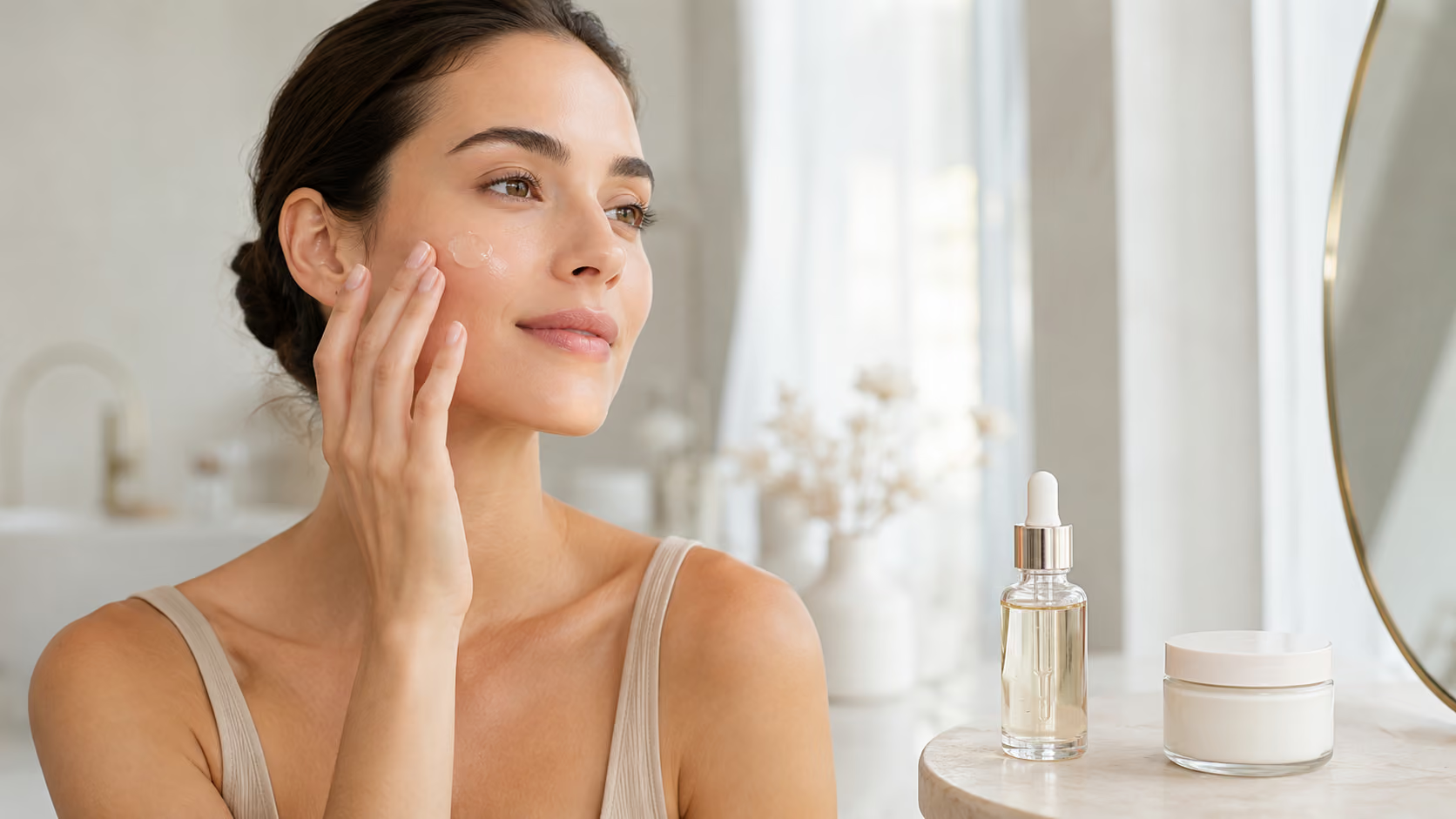
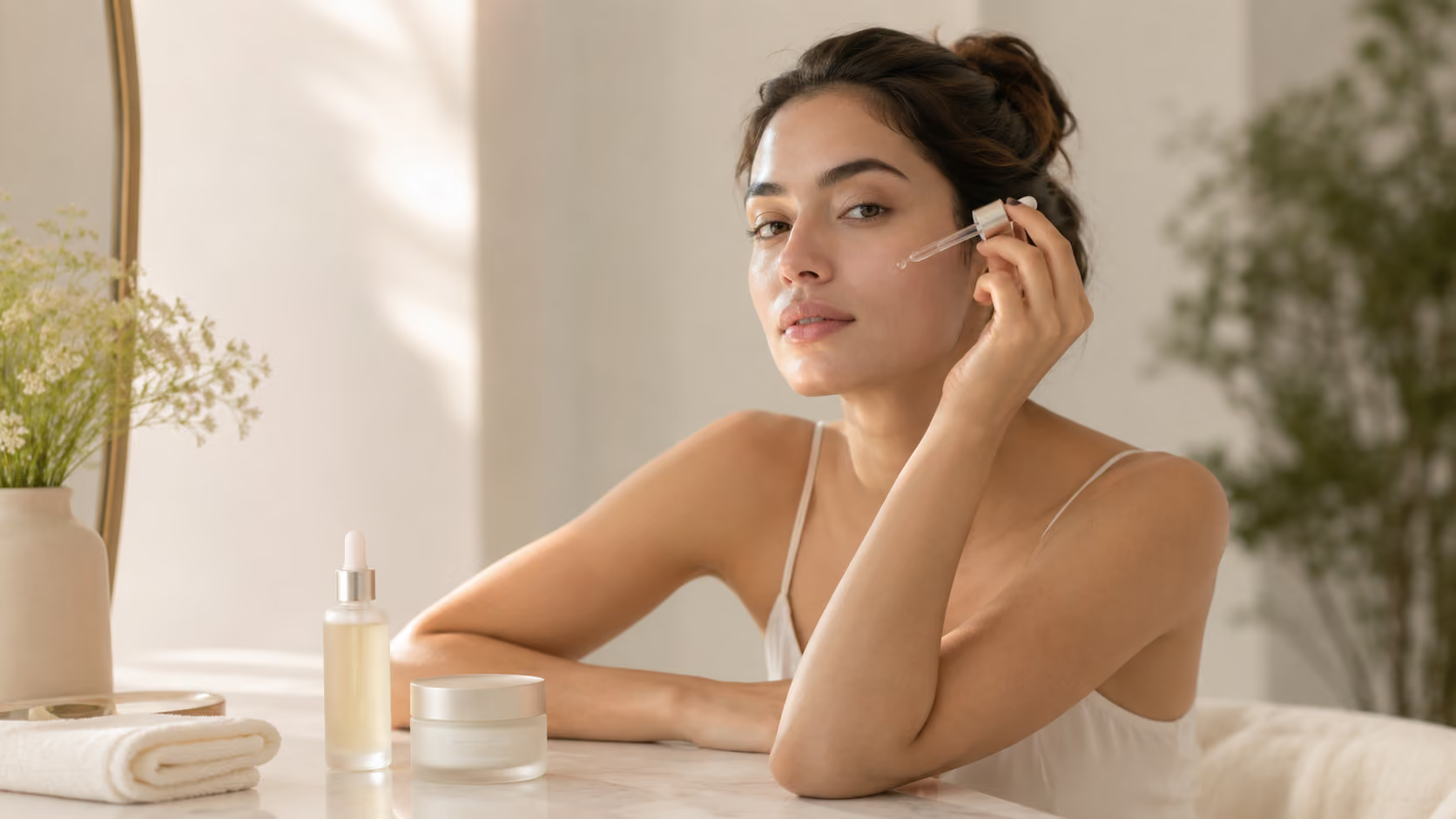
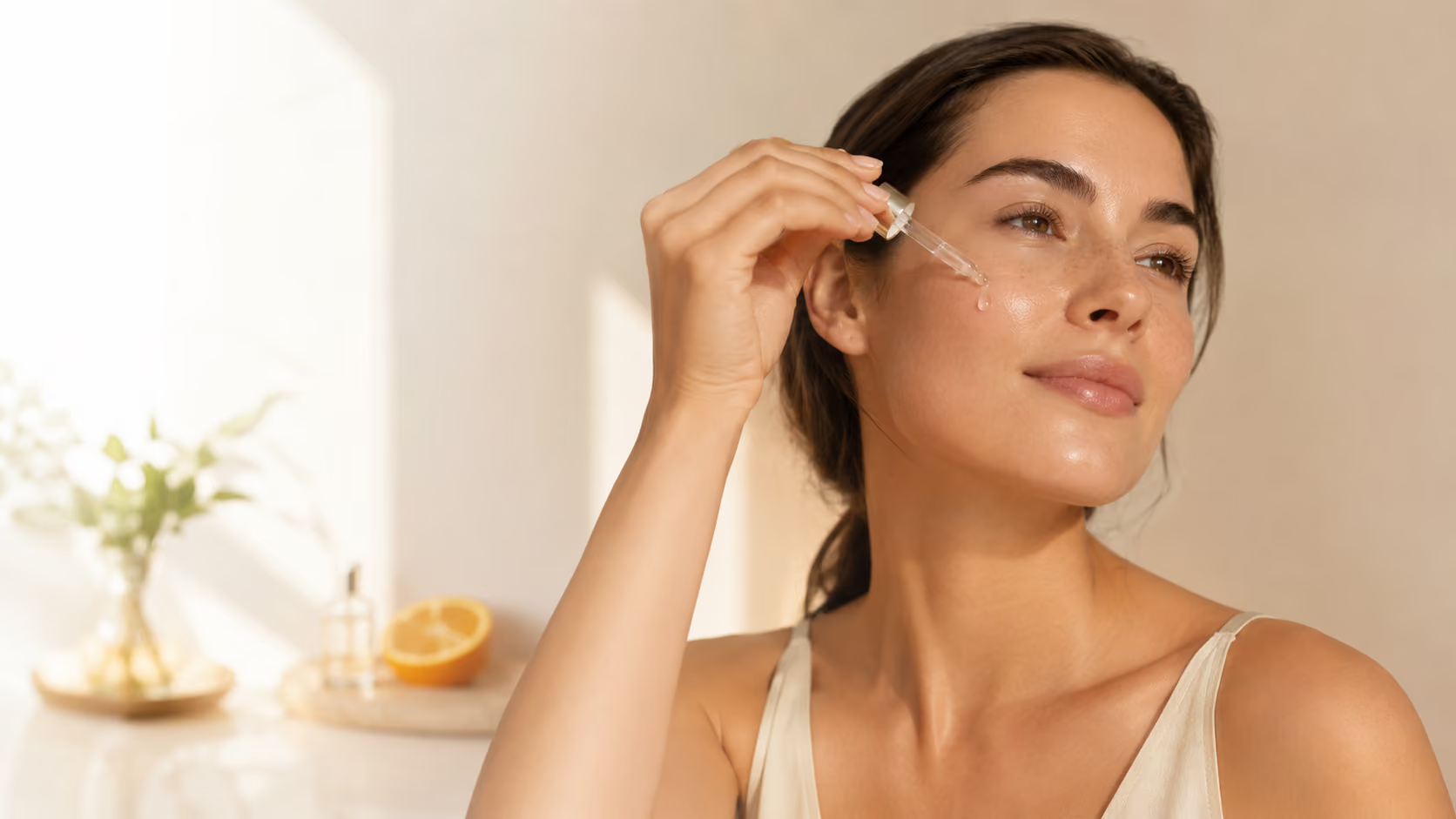
For optimal results, hyaluronic acid should be applied to clean, slightly damp skin to maximize its water-attracting properties. Apply a few drops of serum or a thin layer of product and gently pat into the skin rather than rubbing vigorously. Dr. Salar Hazany recommends following up with a moisturizer to seal in the hydration and prevent water loss throughout the day. In dry climates, it's especially important to layer hyaluronic acid under occlusive products to prevent it from drawing moisture from your skin instead of the environment. Morning and evening applications provide the best results, though some may prefer once-daily use initially. The key is consistency rather than quantity, as a little goes a long way. Always follow with sunscreen during daytime routines, as well-hydrated skin can be more photosensitive and requires protection from UV damage.
Can hyaluronic acid replace my regular moisturizer?
While hyaluronic acid is an excellent hydrating ingredient, it typically works best as a complement to, rather than a replacement for, traditional moisturizers. Hyaluronic acid primarily attracts and binds water to the skin but lacks the occlusive properties needed to prevent water loss throughout the day. The Hazany Derm clinic recommends using hyaluronic acid as a hydrating serum first, followed by a moisturizer that contains emollients and occlusives to seal in the hydration. This layered approach provides both immediate and sustained moisture benefits. In very humid climates or for those with naturally oily skin, a lightweight hyaluronic acid product might provide sufficient hydration alone. However, most people achieve better results by combining hyaluronic acid with their regular moisturizer, creating a comprehensive hydration system that addresses multiple aspects of skin moisture and barrier function.
Is hyaluronic acid effective for anti-aging purposes?
Hyaluronic acid is highly effective for anti-aging, though its mechanisms differ from other anti-aging ingredients like retinoids or peptides. Its primary anti-aging benefit comes from its exceptional ability to hydrate and plump the skin, which immediately reduces the appearance of fine lines and creates a smoother texture. The experts at Hazany Derm explain that well-hydrated skin appears more youthful and resilient, with improved elasticity and firmness. Beyond immediate effects, hyaluronic acid stimulates collagen production and supports cellular regeneration, providing long-term anti-aging benefits. It's particularly effective for addressing volume loss and dehydration-related aging signs. While it may not address all aging concerns like pigmentation or deep wrinkles as effectively as other ingredients, hyaluronic acid forms an excellent foundation for any anti-aging regimen. Its ability to enhance the effectiveness of other active ingredients makes it a valuable component in comprehensive anti-aging strategies.