






%201.avif)



How Fast Do Pyogenic Granulomas Grow?



Pyogenic granulomas typically grow very quickly, often reaching their full size within a few weeks of appearing. They are small but highly vascular growths that bleed easily and rarely resolve on their own. At Hazany Derm, Dr. Salar Hazany offers expert skin lesion removal for safe, effective treatment.
If you have noticed a new red growth on your skin that seemed to appear almost overnight and keeps getting bigger, you may be dealing with a pyogenic granuloma. These lesions are known for their rapid development, often alarming patients who are unfamiliar with them. Understanding how fast pyogenic granulomas grow and what drives that growth can help you make informed decisions about seeking treatment.
Pyogenic granulomas are benign vascular growths that arise from the skin or mucous membranes. Despite their somewhat alarming name, they are not caused by a true infection, and they are not cancerous. However, their tendency to bleed profusely at the slightest trauma, combined with their fast growth rate, makes them a condition that warrants prompt medical attention.
At Hazany Derm, patients frequently come in concerned about a growth that appeared suddenly on their face, nose, lip, or eyelid and seemed to expand within days. Dr. Salar Hazany evaluates each case with precision to confirm the diagnosis and recommend the most appropriate course of action. Knowing what to expect during the growth phase of a pyogenic granuloma can help you understand why early evaluation matters so much.
How Fast Do Pyogenic Granulomas Grow?
Pyogenic granulomas grow fast — often expanding from a tiny red dot to several millimeters within two to four weeks. This rapid proliferative phase, driven by multiplying blood vessels, is what gives the lesion its bright red color and fragile surface. Most stabilize at 5 to 10 millimeters, but they rarely shrink or disappear without treatment.
The Growth Timeline of a Pyogenic Granuloma
One of the most defining characteristics of pyogenic granulomas is how rapidly they develop compared to many other skin lesions. Most patients notice that the growth appears seemingly out of nowhere and reaches a noticeable size within just a few weeks. In some cases, the lesion can grow from a tiny dot to several millimeters in diameter in as little as two to four weeks.
The typical pyogenic granuloma grows quickly during what is called the proliferative phase, during which blood vessels multiply and expand inside the lesion. This rapid vascular proliferation is what gives the lesion its characteristic bright red or deep red color and its tendency to bleed easily. Once this phase concludes, the lesion may stabilize in size, though it will not usually shrink or disappear without treatment.
Most pyogenic granulomas ultimately reach a size between 5 and 10 millimeters, though some can grow larger, especially those located on the lips, gums, or fingertips. The speed of growth can vary depending on the individual, the location on the body, and any underlying triggers. At Hazany Derm, Dr. Salar Hazany carefully assesses each lesion to understand its stage of development before recommending a removal approach.
Key factors that influence how quickly a pyogenic granuloma grows include:
- Location on the body: Lesions on highly vascularized areas like the lips, nose, and eyelids tend to grow faster due to the rich blood supply in those regions.
- Trauma or irritation: Repeated minor injury to the site, such as friction from clothing or accidental scratching, can stimulate faster growth and increased bleeding.
- Hormonal changes: Pregnancy-related pyogenic granulomas, sometimes called pregnancy tumors, can grow particularly fast due to elevated hormone levels that promote blood vessel growth.
- Age of the patient: Children and young adults tend to experience faster growth rates, likely due to more active skin cell turnover and vascular responsiveness.
Understanding the growth timeline matters because pyogenic granulomas that are left untreated can become larger, more fragile, and more prone to significant bleeding. A lesion that starts as a minor annoyance can become a daily problem if it catches on clothing, is bumped during routine activities, or continues to enlarge. This is why patients who notice rapid growth are encouraged to seek evaluation as soon as possible.
Early intervention also makes the removal process simpler and more predictable. When Dr. Salar Hazany removes a lesion that has stabilized in size versus one that is still actively growing, the outcomes can differ in terms of healing time and the precision required. Scheduling a consultation at Hazany Derm at the first sign of a rapidly growing vascular lesion gives you the best chance of a smooth, efficient treatment experience.
What Triggers Rapid Growth and Why It Matters
Pyogenic granulomas do not grow rapidly without reason. There are well-documented biological and environmental triggers that set the growth process in motion, and understanding these triggers helps explain why some people experience faster development than others. The growth is driven by an overgrowth of capillary blood vessels, often in response to some kind of local stimulus.
One of the most common triggers is minor trauma to the skin. A small cut, a bug bite, an ingrown hair, or even a minor scrape can initiate the process by which the body sends an exaggerated vascular response to the site. Instead of healing normally, the area becomes a hotspot for new capillary formation, which then continues to proliferate beyond what is needed for normal repair.
Hormonal changes are another major driver, particularly during pregnancy. Women in their first or second trimester may notice these lesions appearing on their gums, lips, or skin, and growing at a notably fast pace. Certain medications, including some retinoids, systemic steroids, and oral contraceptives, have also been associated with the development and rapid growth of pyogenic granulomas. Patients at Hazany Derm are always encouraged to share their full medication and health history so Dr. Salar Hazany can provide the most accurate assessment.
Common triggers associated with faster pyogenic granuloma growth include:
- Recent skin trauma: Even something as minor as a small cut or repeated friction can initiate rapid capillary overgrowth at the injury site.
- Pregnancy hormones: Elevated estrogen and progesterone levels during pregnancy stimulate blood vessel formation, accelerating the development of these lesions.
- Certain medications: Drugs that affect hormonal balance or immune response, such as retinoids or oral contraceptives, can promote faster lesion growth.
- Chronic skin conditions: Pre-existing conditions that cause skin irritation or inflammation, like acne or eczema, may create environments where pyogenic granulomas are more likely to form and grow quickly.
Understanding the trigger behind your pyogenic granuloma is not just academic knowledge. It helps determine whether there is an underlying factor that needs to be addressed alongside the lesion removal itself. For example, a pregnancy-related lesion may be managed differently in terms of timing and anesthesia considerations than one caused by a simple skin injury.
This is why a thorough consultation is such a valuable first step. At Hazany Derm, Dr. Salar Hazany takes the time to understand the full context of each patient's situation, including any possible triggers, before proceeding with treatment. That comprehensive approach ensures that the removal is not only precise but also appropriate given the individual circumstances of each patient.
When to Seek Treatment and What Removal Looks Like
The speed at which pyogenic granulomas grow is one of the primary reasons dermatologists recommend treating them rather than waiting to see if they resolve on their own. While a very small percentage of lesions may involute spontaneously, the majority will persist indefinitely without intervention. And because they bleed so easily, the quality-of-life impact can be significant even for a small lesion.
Signs that a pyogenic granuloma needs prompt attention include repeated bleeding from the site, rapid increase in size over days or weeks, the appearance of satellite lesions around the original growth, or a location that makes the lesion particularly vulnerable to trauma. Lesions on the nose, eyelid, or lip can be especially disruptive to daily life and are areas where Dr. Salar Hazany has particular expertise in precise, minimally invasive removal.
Leaving a pyogenic granuloma untreated also introduces the risk of misdiagnosis. Because these lesions can sometimes resemble other more serious conditions, including amelanotic melanoma or a Kaposi sarcoma lesion, having a trained dermatologist evaluate and treat the growth is critical. At Hazany Derm, every skin lesion is assessed with diagnostic precision before any treatment decision is made.
Important reasons to pursue timely skin lesion removal at Hazany Derm include:
- Preventing excessive bleeding: Pyogenic granulomas bleed very easily and profusely, and removing the lesion eliminates the risk of a bleeding episode that can be difficult to control at home.
- Ruling out other diagnoses: A vascular lesion that grows rapidly should always be evaluated by a qualified dermatologist to ensure it is not something more serious requiring a different course of treatment.
- Cosmetic and functional concerns: Lesions on the face, lip, or eyelid can affect appearance and function, and precise removal by Dr. Salar Hazany minimizes the risk of scarring in these visible areas.
- Reducing the chance of recurrence: Proper removal technique matters greatly in preventing the lesion from coming back, and a minimally invasive approach that addresses the full base of the lesion significantly lowers recurrence rates.
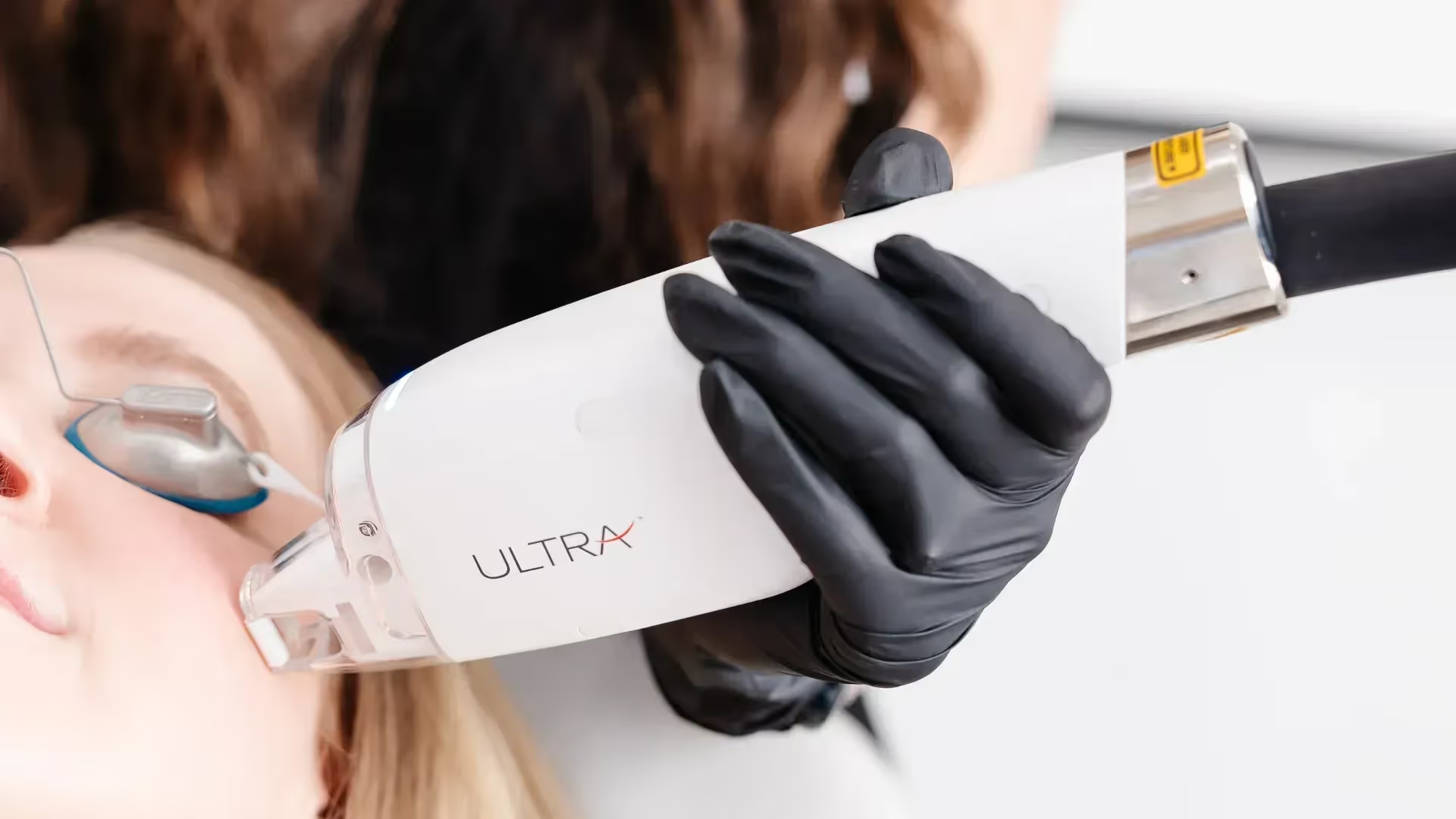
The removal process at Hazany Derm is designed to be as comfortable and efficient as possible. Depending on the size and location of the lesion, Dr. Salar Hazany may use techniques such as shave excision, curettage and electrodesiccation, or laser treatment. Each method is chosen based on what will yield the cleanest removal with the lowest risk of scarring and recurrence.
After removal, most patients experience relatively quick healing and can return to their normal routines with minimal downtime. The speed at which pyogenic granulomas grow is a reminder that these are not lesions to watch passively for months. Reaching out to a specialist like Dr. Salar Hazany at the first signs of rapid growth puts you on the fastest path toward a safe, effective solution.
Pyogenic Granuloma Evaluation in Beverly Hills
A lesion that doubles in size within weeks has earned a professional look. Schedule a consultation with Dr. Salar Hazany in Beverly Hills for a precise diagnosis and a removal approach matched to the lesion's size, location, and stage of growth.
Frequently Asked Questions
How fast do pyogenic granulomas typically grow?
Pyogenic granulomas are known for their unusually rapid growth. Most lesions reach their full size within two to four weeks of first appearing, though some can grow noticeably larger within just days depending on location and individual biology. They tend to stabilize after the initial proliferative phase but rarely resolve without treatment. If you notice a fast-growing vascular lesion, scheduling a consultation at Hazany Derm is the best next step to get an accurate diagnosis and discuss your removal options.
Can a pyogenic granuloma grow back after removal?
Yes, recurrence is possible, which is why the technique and thoroughness of removal matter so much. Lesions that are not completely removed at the base have a higher chance of returning. At Hazany Derm, Dr. Salar Hazany uses precise, minimally invasive methods specifically designed to address the full extent of the lesion, significantly reducing the likelihood of recurrence. Patients are also monitored after the procedure to ensure the site is healing properly and that no new growth is emerging at or near the treated area.
Are pyogenic granulomas dangerous if left untreated?
While pyogenic granulomas are benign, leaving them untreated carries real risks. They bleed very easily and profusely, sometimes from minimal contact, which can be alarming and difficult to manage. They can also grow larger over time, making removal more complex. Perhaps most importantly, a rapidly growing vascular lesion should always be evaluated by a qualified dermatologist to rule out more serious conditions. The team at Hazany Derm can assess your lesion thoroughly and provide a definitive diagnosis before recommending the right treatment path.
What causes pyogenic granulomas to grow so quickly?
The rapid growth of pyogenic granulomas is driven by an overgrowth of capillary blood vessels, typically triggered by minor skin trauma, hormonal changes, or certain medications. The body sends an exaggerated vascular response to the affected area, causing blood vessels to multiply far beyond what is needed for normal healing. This process can unfold very quickly, which explains why patients are often caught off guard by how fast the lesion appears. Dr. Salar Hazany evaluates each patient's unique triggers during consultation to ensure the most comprehensive and effective treatment approach.
Do pyogenic granulomas hurt as they grow?
Pyogenic granulomas are not typically painful during their growth phase, which is one reason patients sometimes delay seeking treatment. However, they can become tender if they are repeatedly traumatized, infected, or located in an area prone to friction. The bigger concern is their tendency to bleed heavily with very little provocation. Once a lesion begins interfering with daily activities or bleeds regularly, it is time to act. Patients in the Los Angeles area are encouraged to visit Hazany Derm for a professional evaluation and to discuss the most appropriate removal approach.
How big can a pyogenic granuloma get?
Most pyogenic granulomas grow to between 5 and 10 millimeters in diameter, though some can exceed this range, particularly when located on the lips, gums, or fingertips where blood supply is especially rich. Pregnancy-related lesions can also grow larger than average due to hormonal stimulation. Regardless of size, the lesion warrants professional evaluation. The skilled approach used by Dr. Salar Hazany at Hazany Derm accounts for lesion size and location to determine the most appropriate and minimally invasive removal technique for each individual patient.
Can a pyogenic granuloma appear on the face, nose, or eyelid?
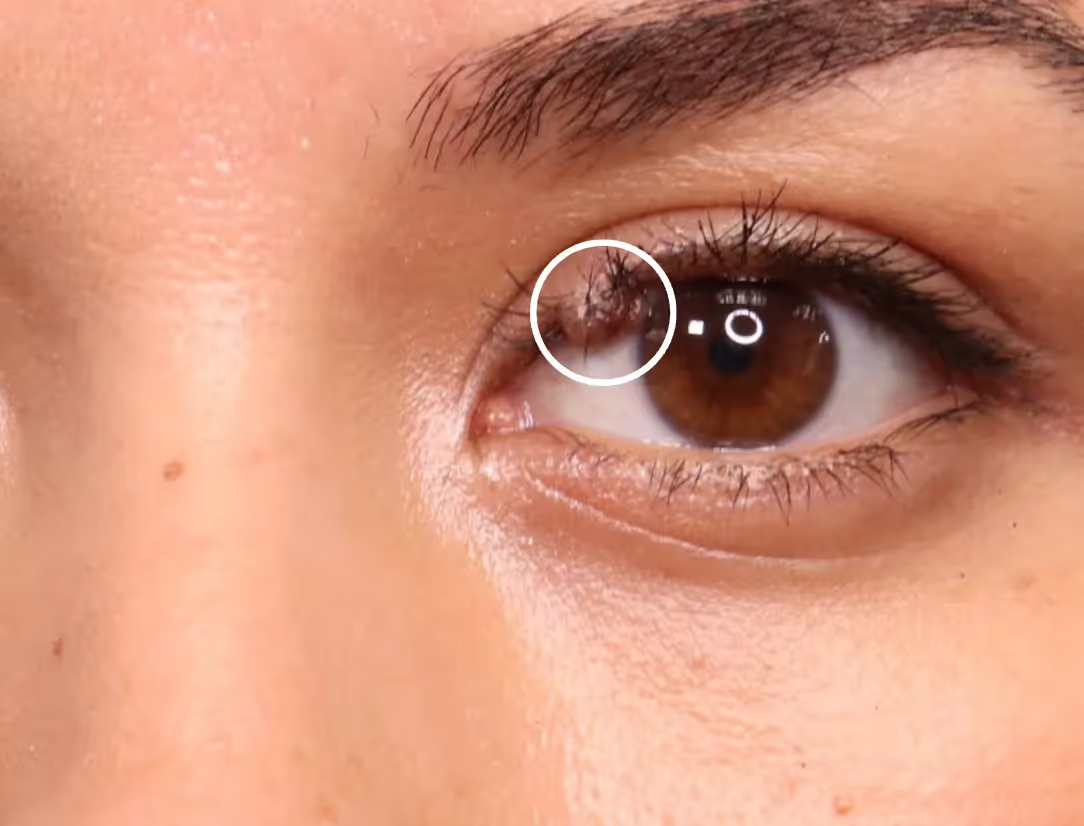
Yes, pyogenic granulomas can and do appear on the face, and locations like the nose, eyelid, and lip are among the more common sites. These are also among the most sensitive areas to treat because scarring and cosmetic outcomes are a primary concern. Precise removal is essential in these locations to minimize visible marks while still addressing the lesion completely. Skin lesion removal performed by Dr. Salar Hazany at Hazany Derm is specifically tailored to account for the unique challenges of facial lesions, prioritizing both thoroughness and the best possible cosmetic result.
Is removal of a pyogenic granuloma painful or involve a lot of downtime?
The removal procedure itself is typically performed under local anesthesia, meaning patients experience little to no pain during the process. Some mild soreness or sensitivity at the treatment site is normal in the days following removal, but most patients find this very manageable. Downtime is generally minimal, and most people return to their regular routines quickly. At Hazany Derm, the focus is on making the entire experience as comfortable and efficient as possible, from the initial consultation with Dr. Salar Hazany through the follow-up care that ensures optimal healing and results.