




%201.avif)


Is Keratosis Pilaris Dangerous?


Keratosis pilaris is not dangerous and poses no serious health risks. This common skin condition causes bumpy, rough patches but is purely cosmetic. Hazany Derm offers effective treatments to improve skin texture and appearance for concerned patients.
Keratosis pilaris affects millions of people worldwide, yet many individuals who notice these characteristic small bumps on their skin immediately worry about potential health implications. The rough, sandpaper-like texture and tiny raised bumps can appear alarming, especially when they develop suddenly or become more pronounced. Understanding the true nature of this condition helps alleviate concerns and guides appropriate treatment decisions.
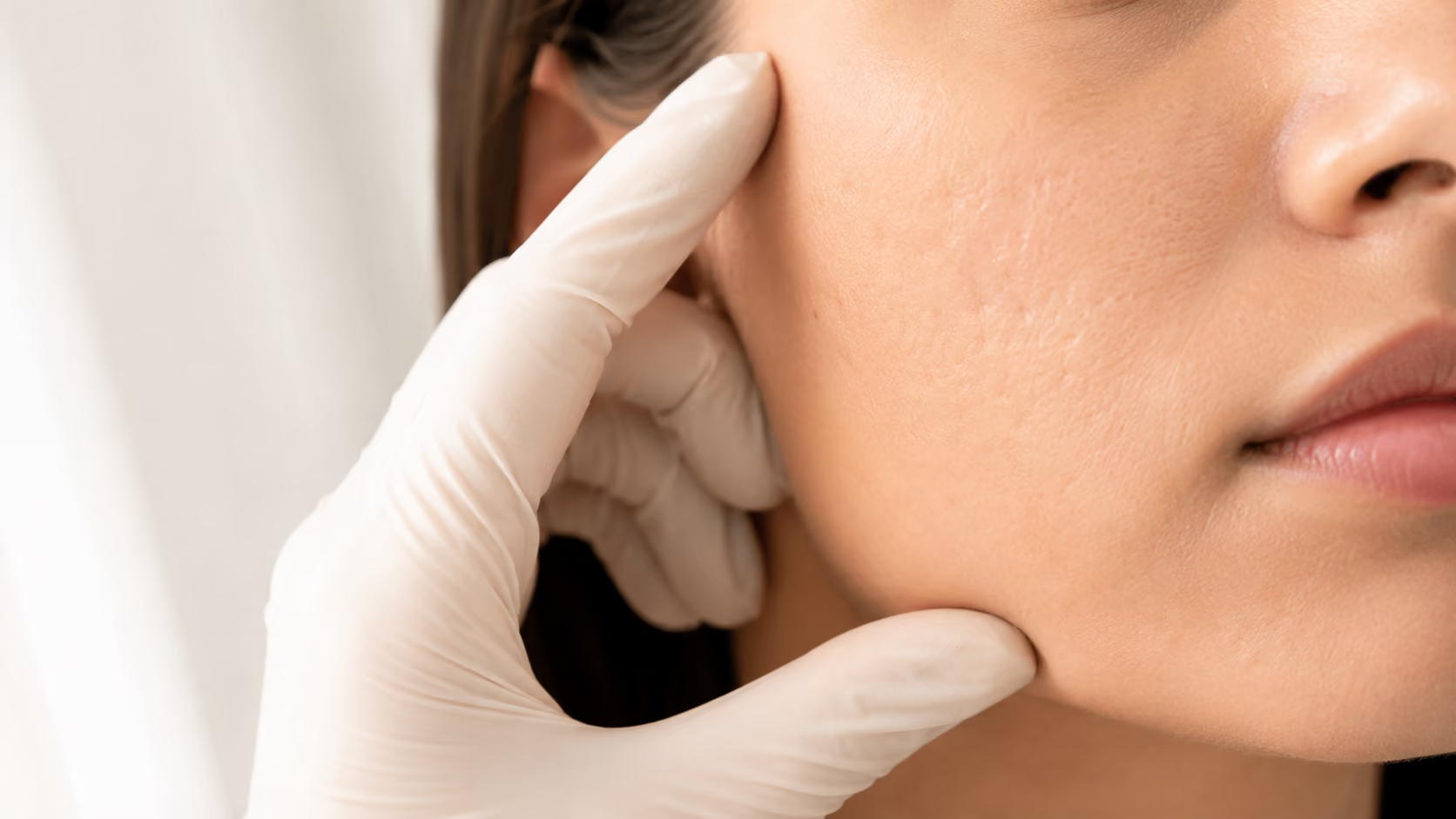
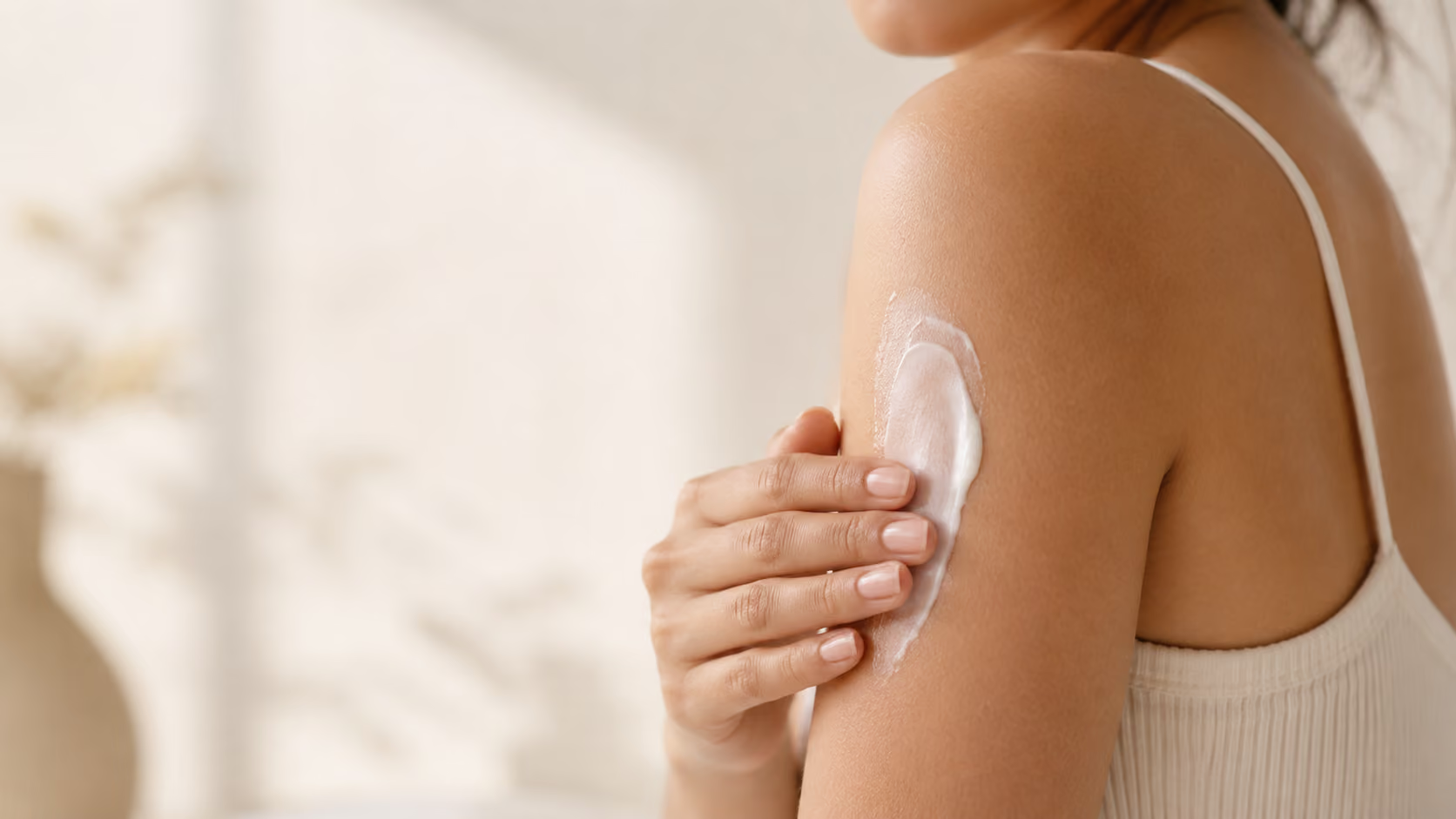
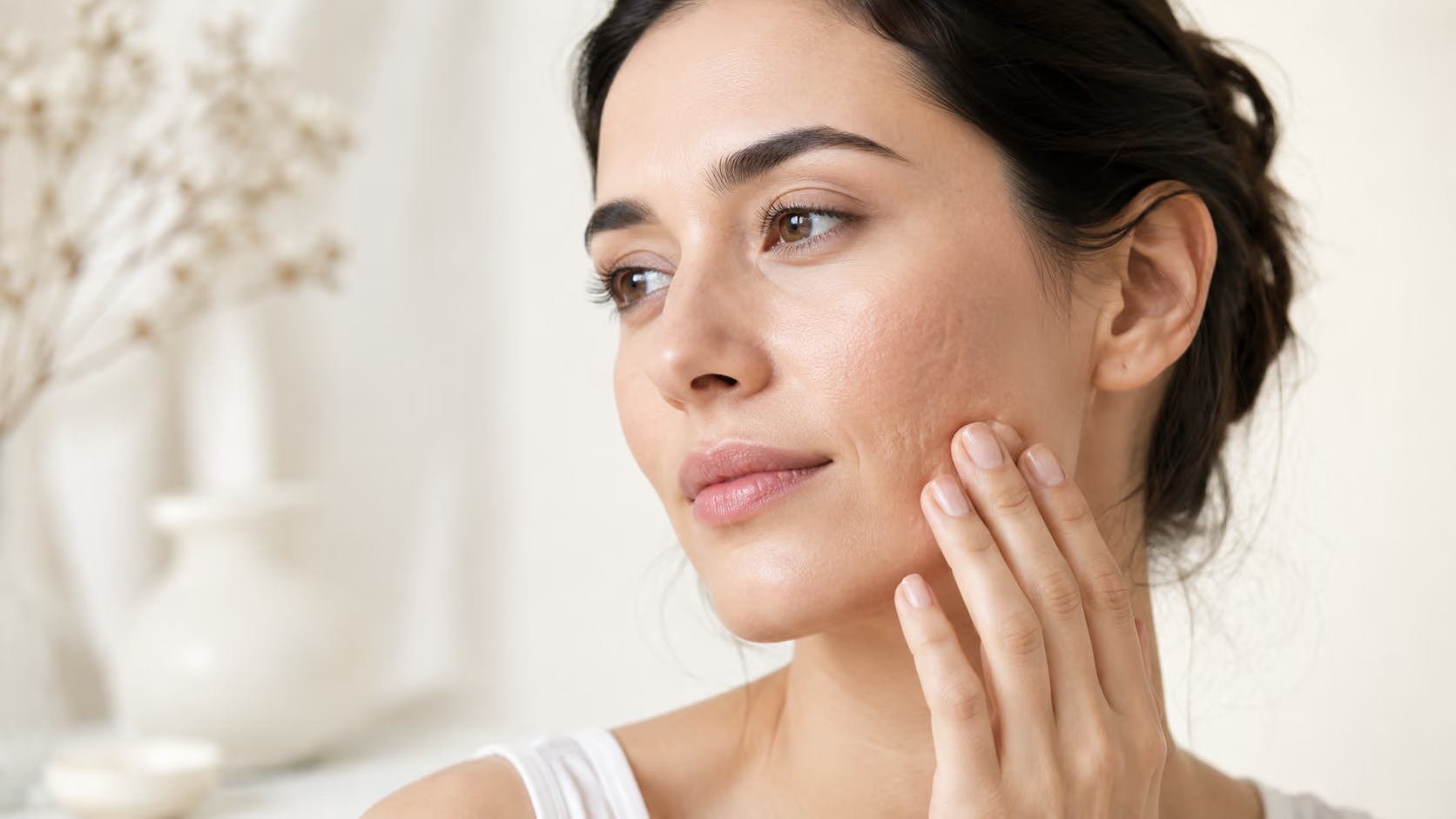
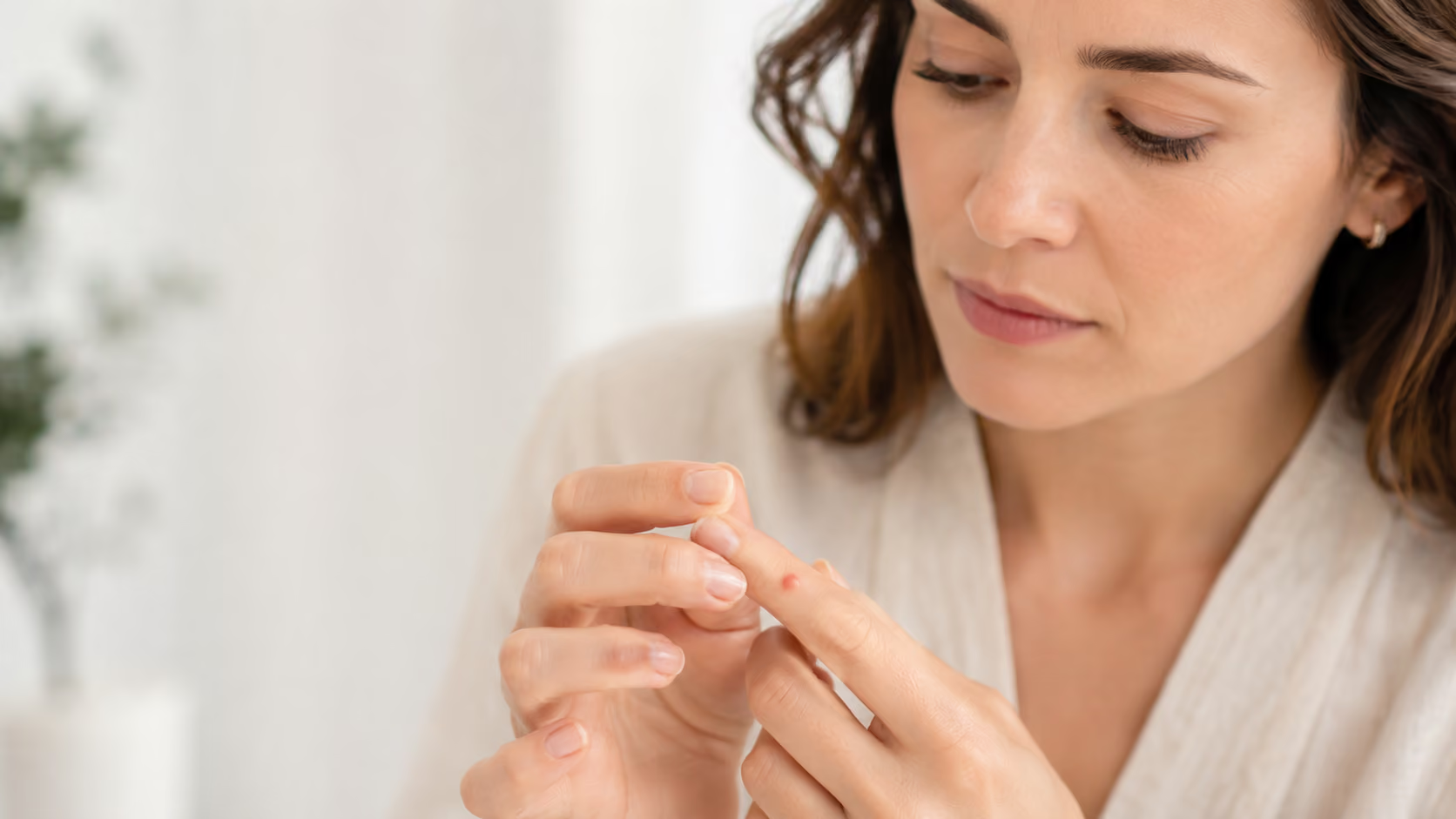
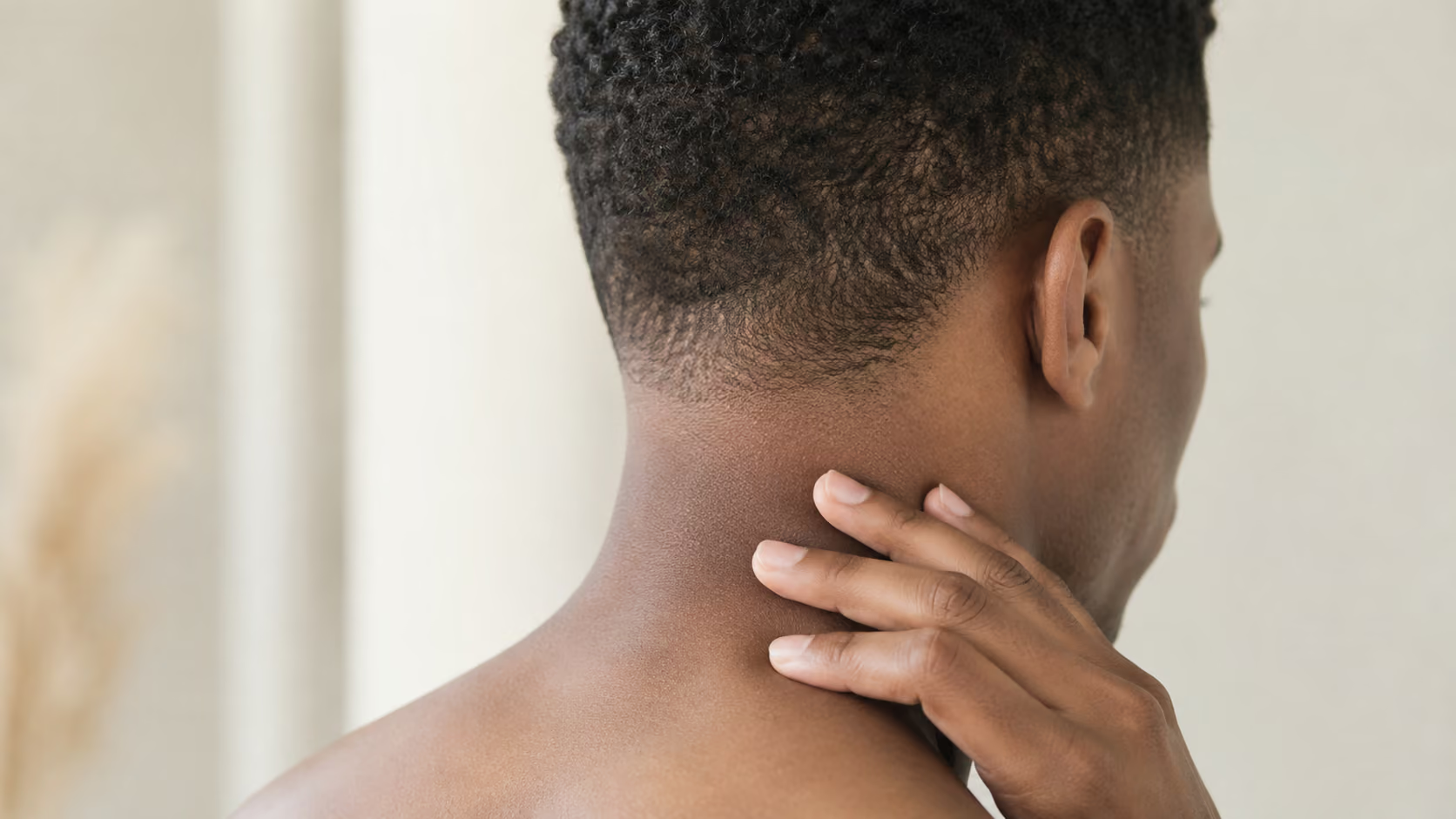
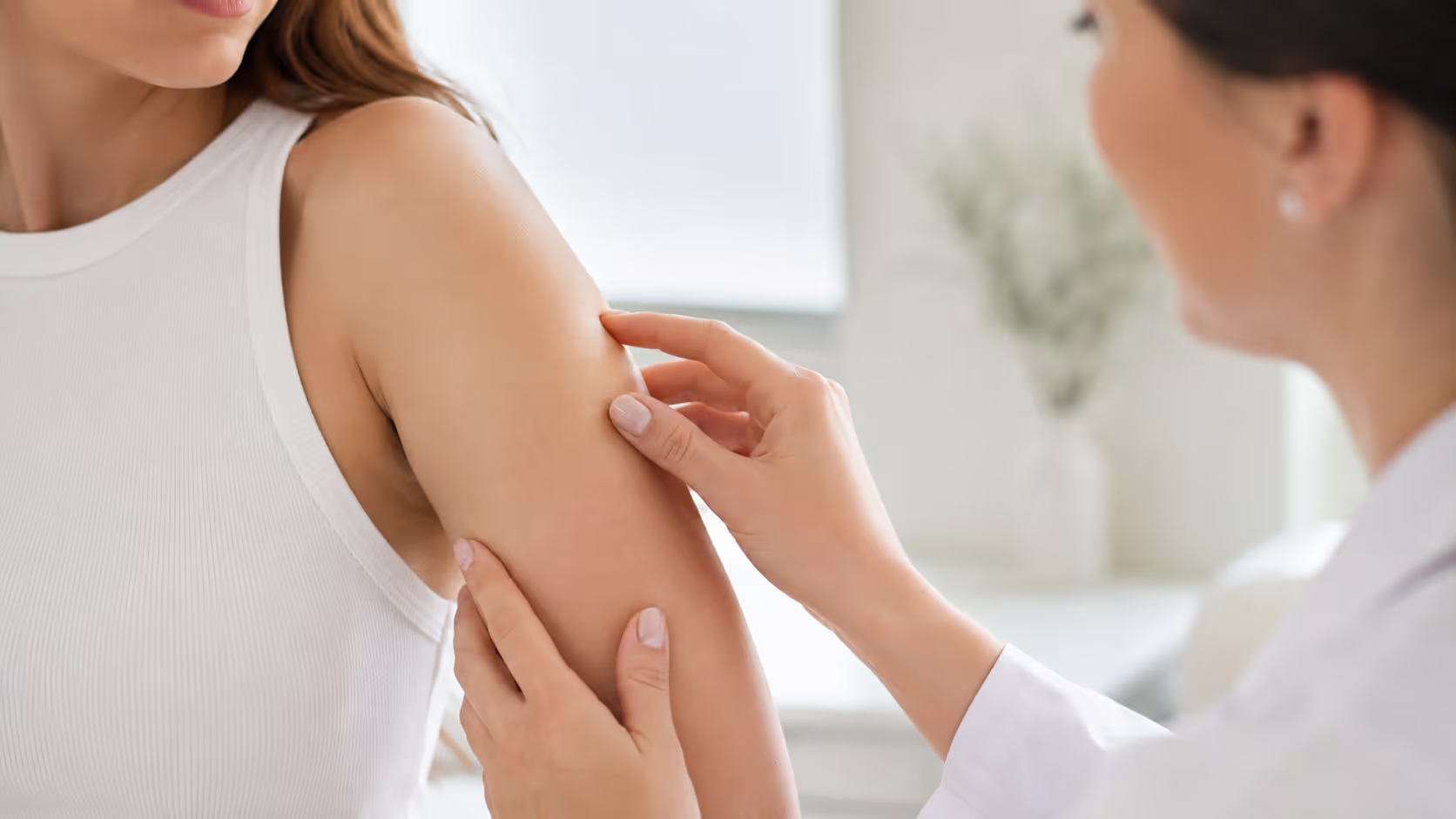
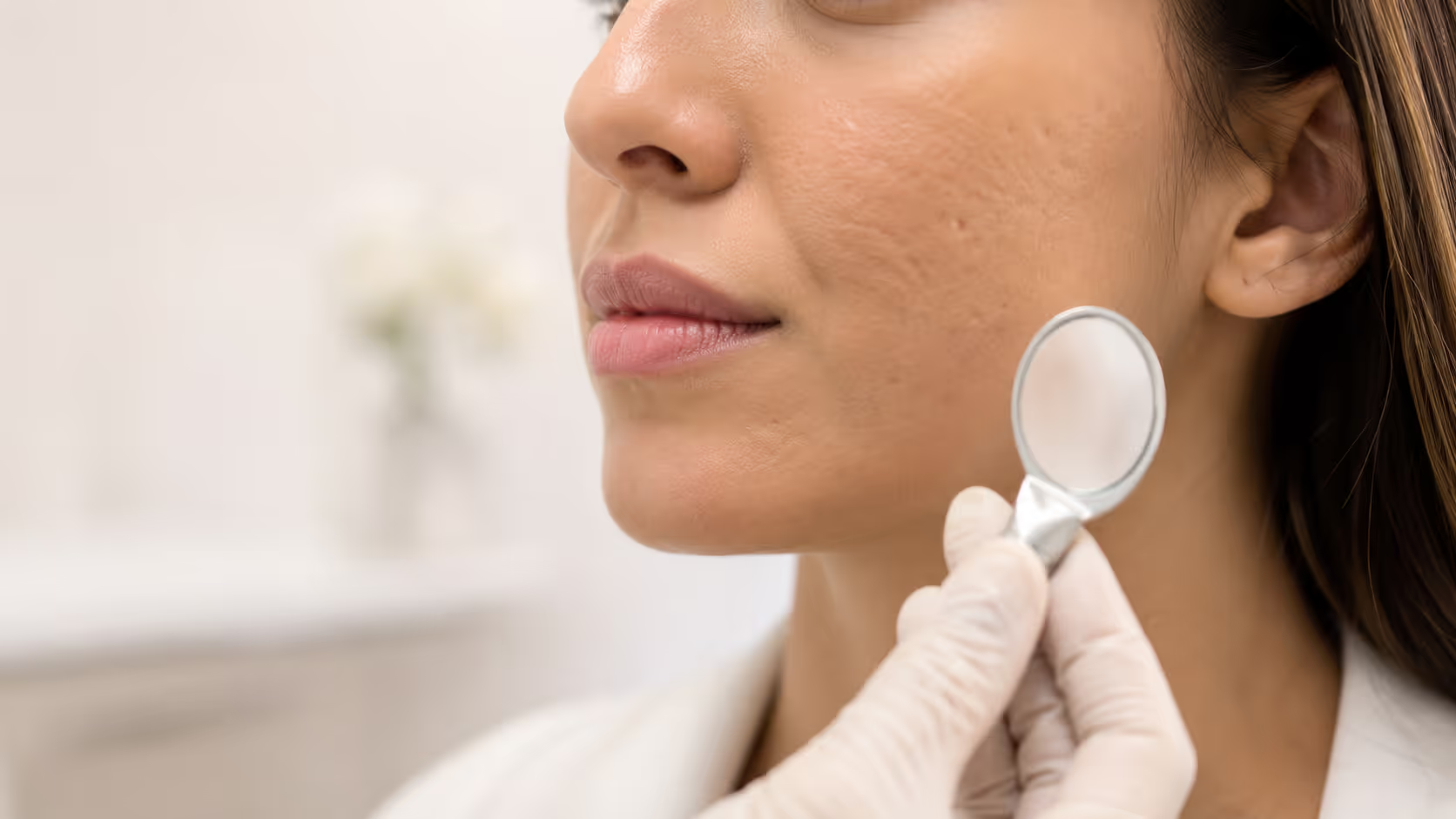
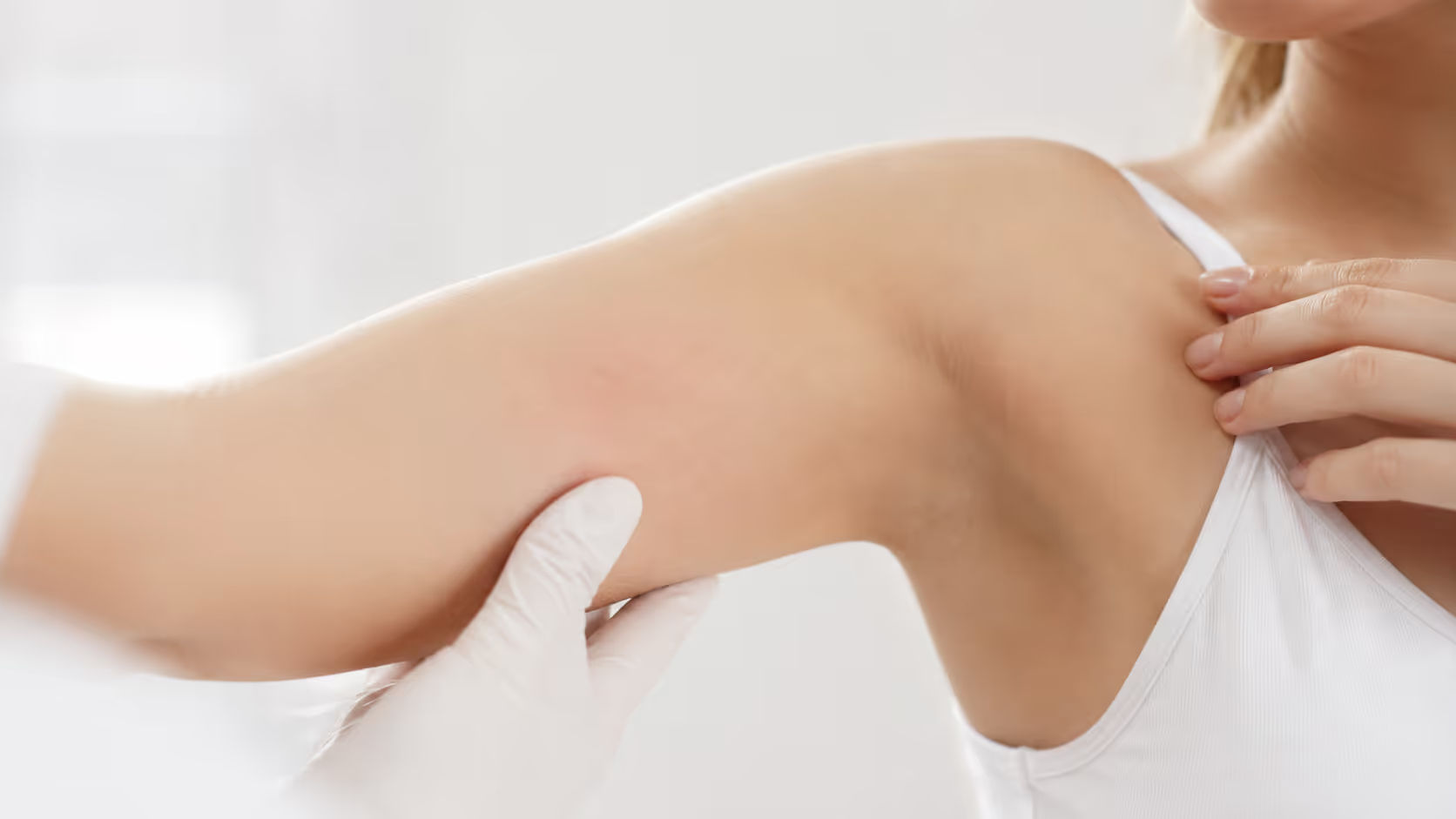
The condition manifests as small, hard bumps that typically appear on the upper arms, thighs, cheeks, and buttocks. These bumps often have a flesh-colored, white, or slightly red appearance and can make the skin feel rough to the touch. While the appearance may be concerning, particularly when it affects visible areas like the face or arms, the condition itself carries no inherent danger to overall health.
Dr. Salar Hazany frequently addresses patient concerns about keratosis pilaris, emphasizing that while the condition can be frustrating from a cosmetic standpoint, it poses no medical threat. The primary issues associated with keratosis pilaris relate to appearance and texture rather than any underlying health risks. Professional evaluation at Hazany Derm helps patients understand their specific condition and explore available treatment options to improve skin appearance.
Is Keratosis Pilaris Dangerous? No — Here's Why
No — keratosis pilaris is completely harmless. It's a cosmetic condition caused by keratin buildup around hair follicles, not a disease, infection, or immune problem. It doesn't progress to anything serious, doesn't increase skin cancer risk, and isn't contagious. The only real concerns it raises are cosmetic: rough texture and the look of the bumps.
Understanding Keratosis Pilaris: A Harmless but Persistent Condition
Keratosis pilaris occurs when keratin, a protein that protects skin from infections and harmful substances, builds up and blocks hair follicles. This blockage creates the characteristic small bumps that define the condition. The process is completely benign and does not indicate any underlying disease or immune system dysfunction that could pose health risks.
The condition has a strong genetic component, meaning it often runs in families and appears to be inherited. Environmental factors such as dry weather, low humidity, and certain skincare practices can exacerbate the appearance of keratosis pilaris. However, these factors do not transform the condition into something dangerous or medically concerning.
Most cases of keratosis pilaris follow predictable patterns, often appearing during childhood or adolescence and sometimes improving with age. The condition tends to be more noticeable during winter months when skin becomes drier. Hormonal changes during puberty, pregnancy, or other life stages can influence the severity of symptoms, but these fluctuations remain within the realm of cosmetic concerns rather than medical threats.
Can stress cause keratosis pilaris?
Stress doesn't cause keratosis pilaris — the condition is genetic, driven by how your skin produces keratin. But stress can make it look worse: stress hormones dry the skin and promote inflammation, deepening the redness and roughness of existing bumps. Managing stress won't clear KP, but it can soften flare-ups. Learn more about how stress affects skin inflammation.
Common characteristics of keratosis pilaris include:
- Small, hard bumps: Typically 1-2 millimeters in diameter, resembling goosebumps that never go away
- Rough texture: Skin feels like sandpaper or a washboard, particularly noticeable when running hands over affected areas
- Color variations: Bumps may appear flesh-colored, white, red, or brown depending on skin tone and inflammation level
- Specific locations: Most commonly affects outer upper arms, front thighs, buttocks, and sometimes cheeks
The persistence of keratosis pilaris can be frustrating for those who experience it, leading many to seek professional guidance. Patients often express relief when dermatologists explain that the condition poses no health dangers. At Hazany Derm, patients learn that while keratosis pilaris may be a lifelong condition, it remains completely harmless from a medical perspective.
Treatment approaches focus entirely on improving appearance and texture rather than addressing any health concerns. Various topical treatments, moisturizing regimens, and professional procedures can significantly improve the condition's appearance. The decision to treat keratosis pilaris remains purely personal, based on individual comfort levels and cosmetic preferences rather than medical necessity.
Distinguishing Keratosis Pilaris from Potentially Serious Conditions
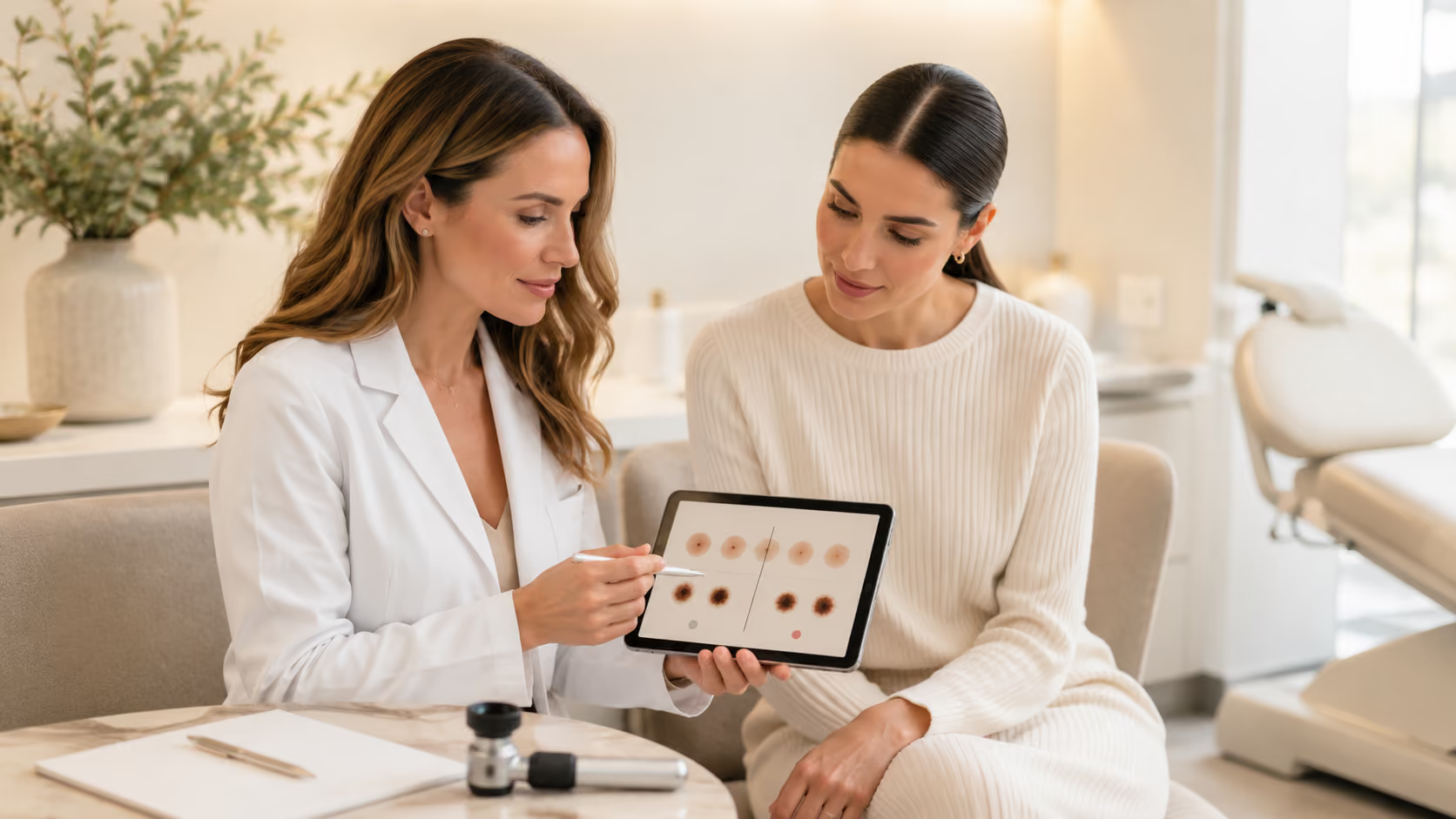
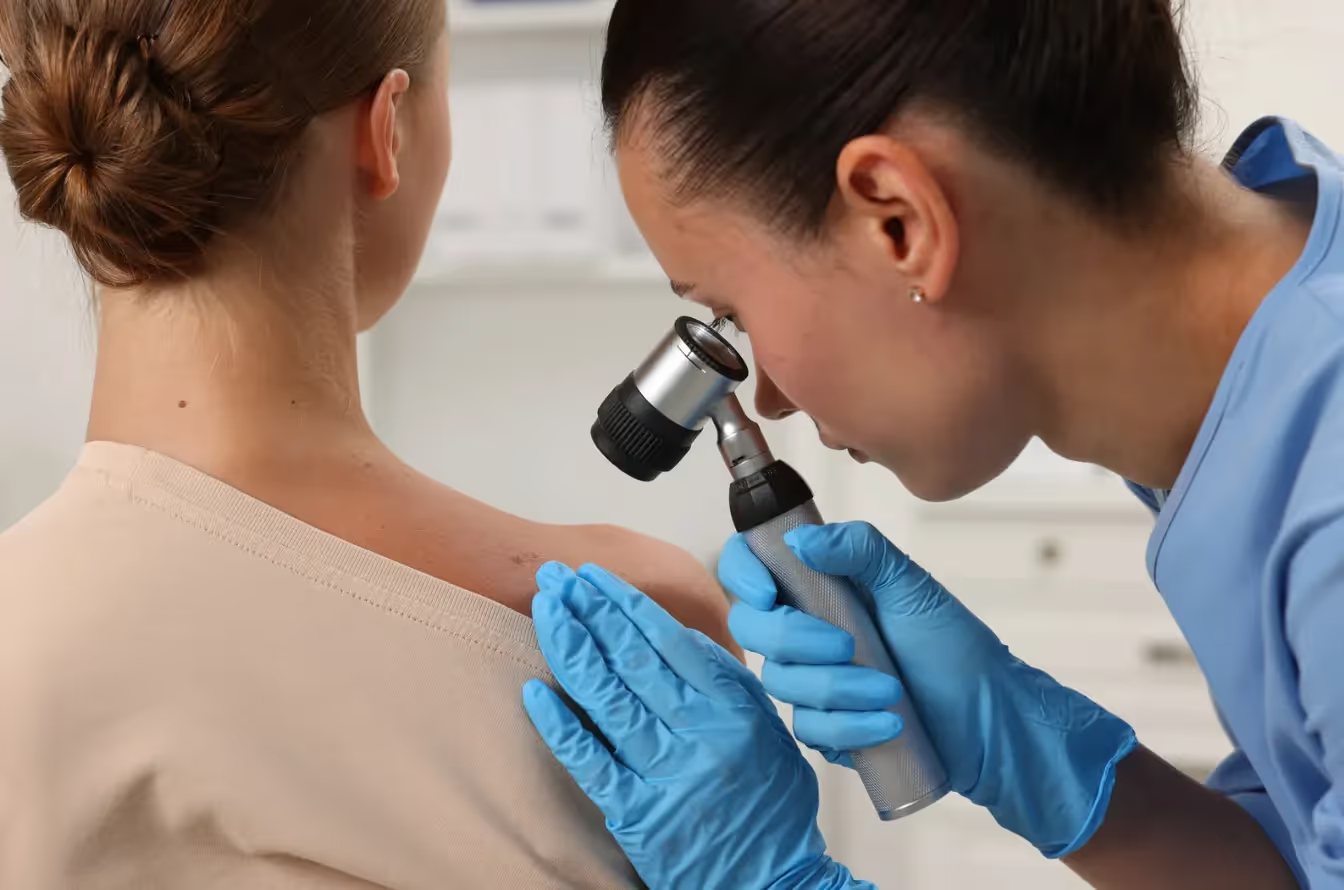
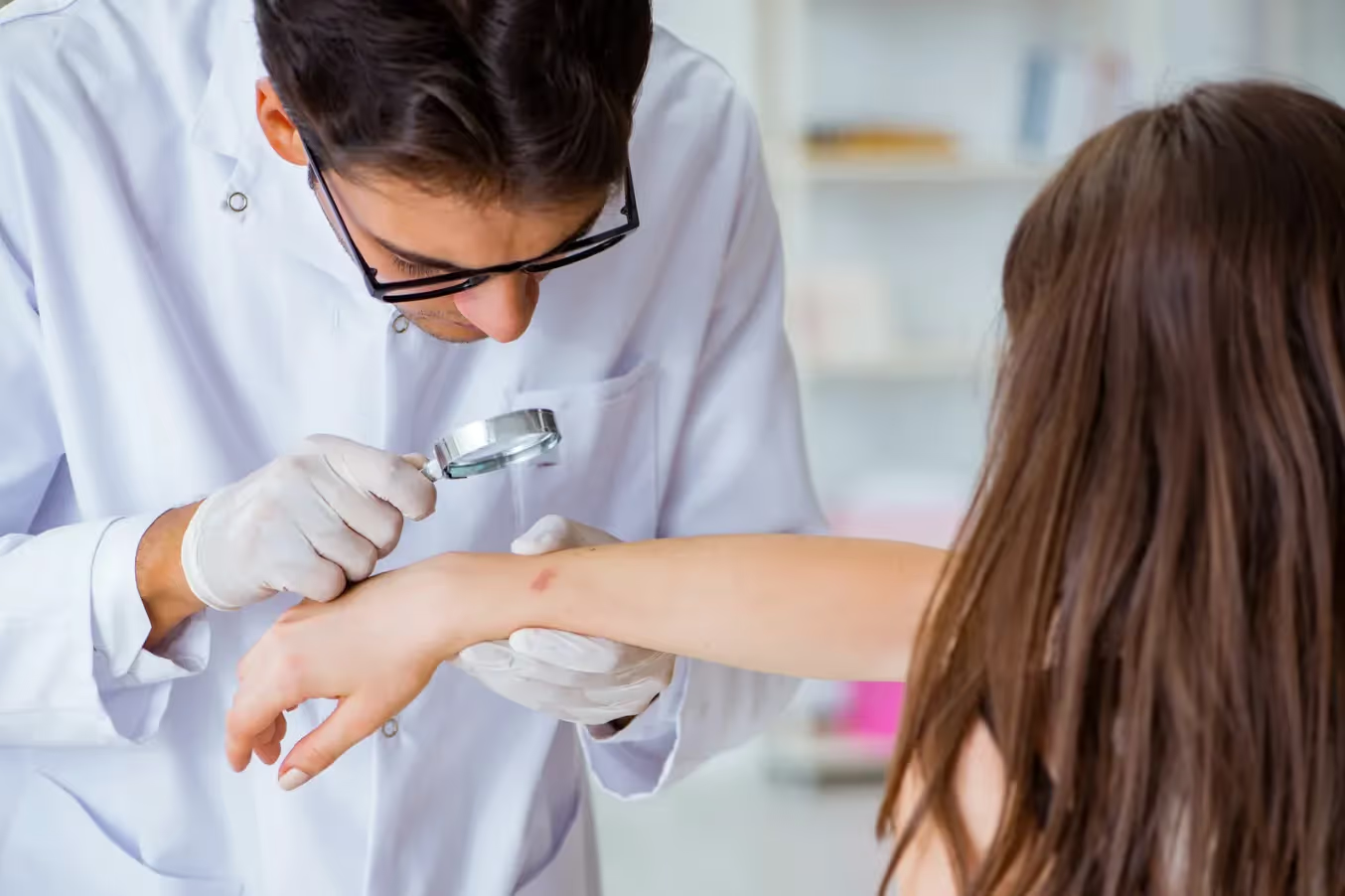
One of the most important aspects of addressing keratosis pilaris concerns involves distinguishing it from other skin conditions that might require medical attention. While keratosis pilaris itself is harmless, some other skin conditions can present with similar bumpy textures but carry different implications. Professional evaluation helps ensure accurate diagnosis and appropriate peace of mind.
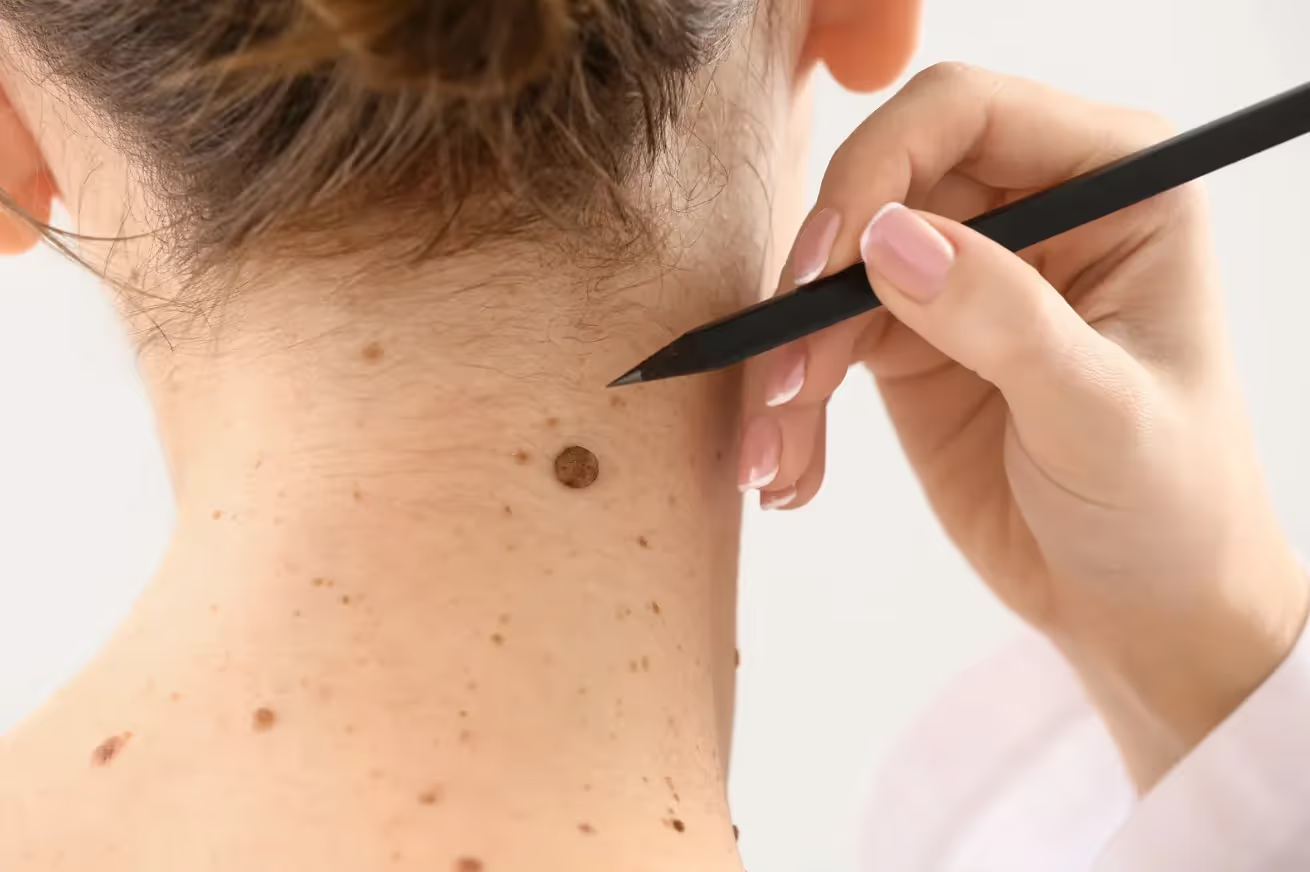
Certain skin conditionssuch as folliculitis, hidradenitis suppurativa, contact dermatitis, or even some types of skin cancer, can occasionally be confused with keratosis pilaris by untrained observers. However, these conditions typically present with additional symptoms such as pain, rapid changes in appearance, bleeding, or significant inflammation. Keratosis pilaris remains consistently stable in appearance and causes no physical discomfort beyond potential mild itchiness.
The timing and pattern of symptom development can also help distinguish keratosis pilaris from more serious conditions. Keratosis pilaris typically develops gradually and remains relatively stable over time, with seasonal variations in severity. Conditions that appear suddenly, change rapidly, or present with unusual colors or textures warrant professional evaluation to rule out more serious possibilities.
Dermatological expertise at Hazany Derm ensures accurate diagnosis and helps patients understand exactly what they are experiencing. Professional evaluation can quickly distinguish between harmless keratosis pilaris and any conditions that might require active medical management. This diagnostic clarity provides essential peace of mind for concerned patients.
When patients receive confirmation that their skin condition is indeed keratosis pilaris, they can shift focus from health concerns to cosmetic preferences. This transition allows for more targeted discussions about treatment options and realistic expectations. Understanding that the condition poses no danger enables patients to make informed decisions about whether and how aggressively to pursue treatment.
Treatment Options and Long-term Outlook
The treatment landscape for keratosis pilaris focuses entirely on improving appearance and skin texture rather than addressing any health threats. Various approaches can significantly reduce the visibility of bumps and improve skin smoothness, though complete elimination of the condition is rarely achieved. Treatment success varies among individuals, and maintenance therapy is typically required to sustain improvements.
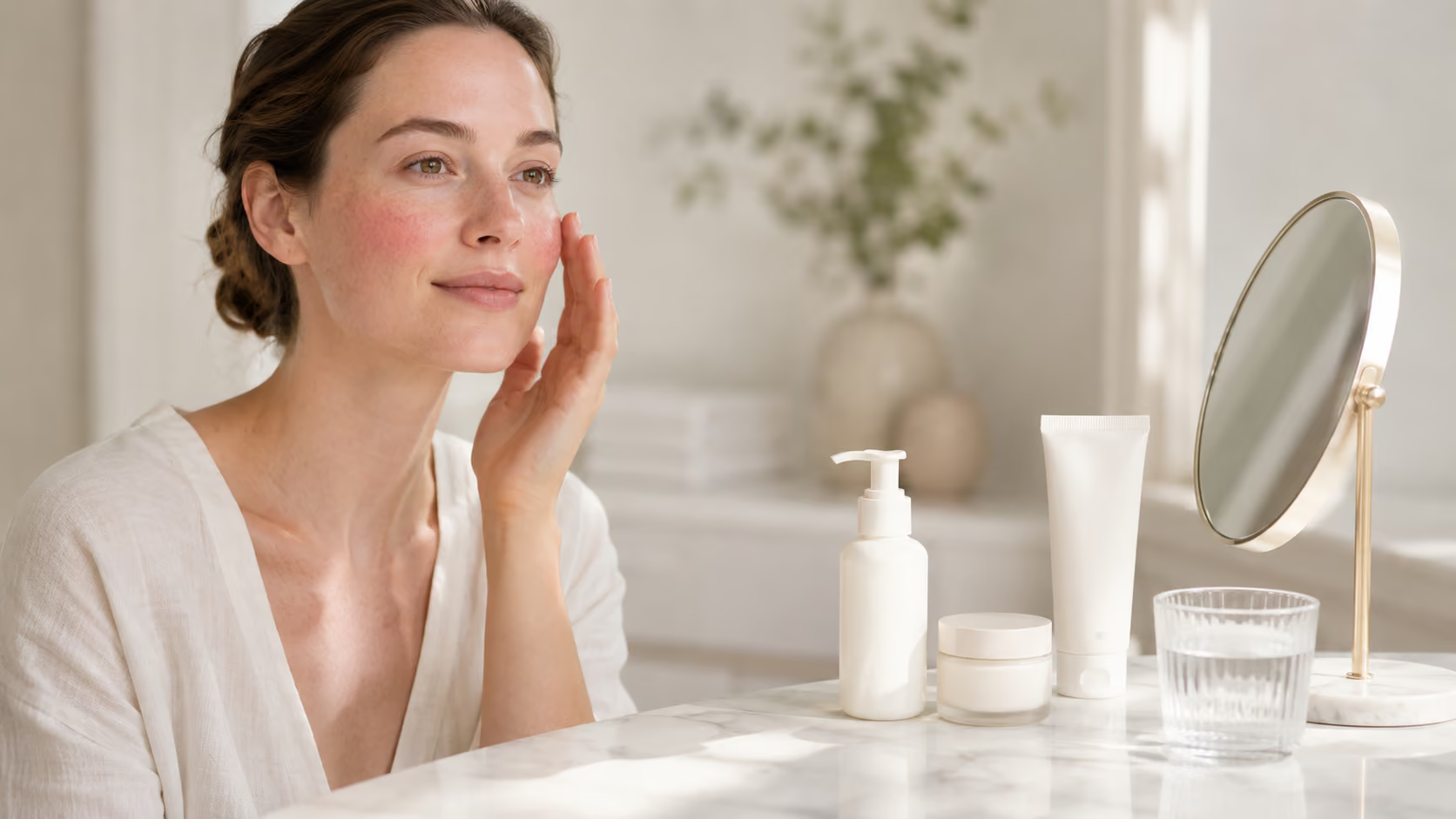
Topical treatments form the foundation of most keratosis pilaris management strategies. Gentle exfoliation with alpha hydroxy acids or beta hydroxy acids can help remove excess keratin buildup and improve skin texture. Moisturizing treatments containing urea, lactic acid, or ceramides can soften the skin and reduce the prominence of bumps while improving overall skin health.
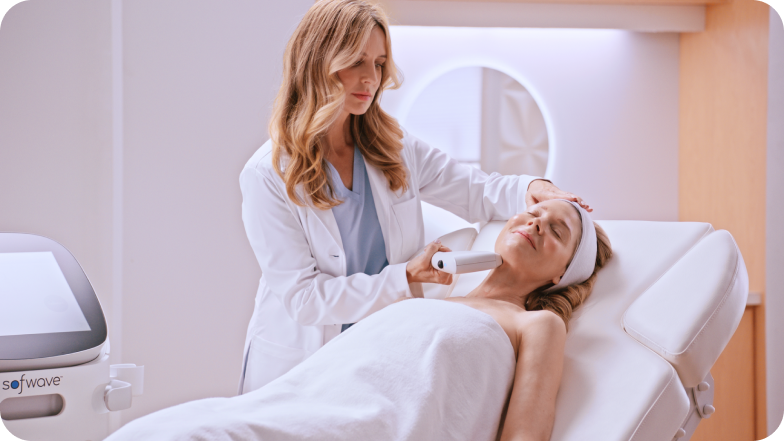
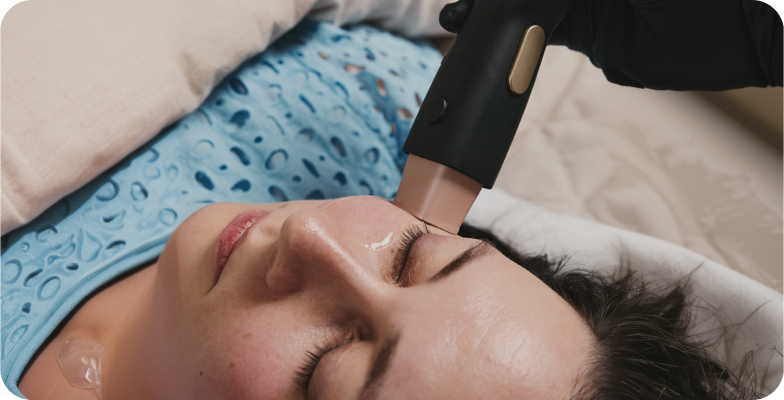
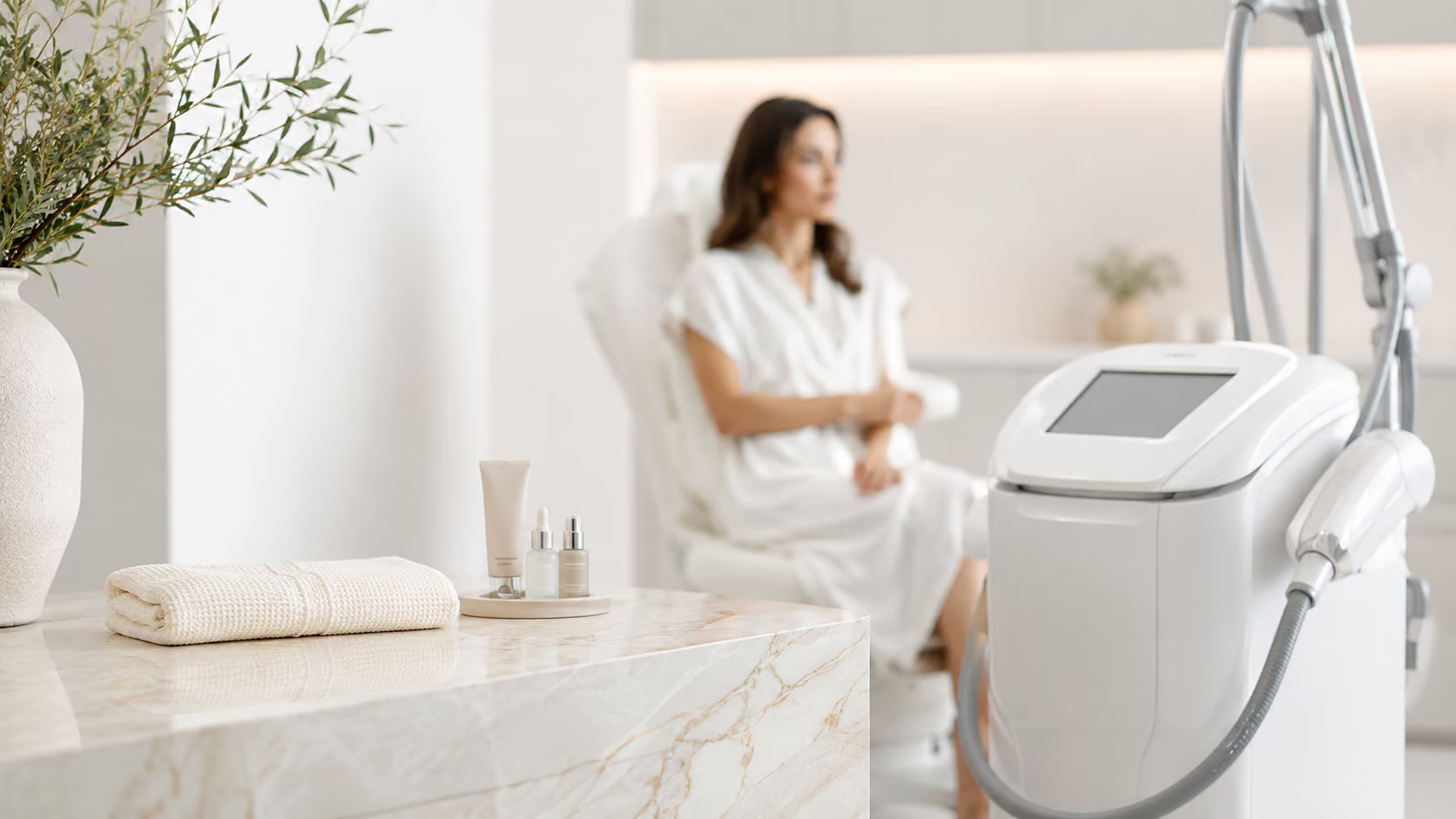
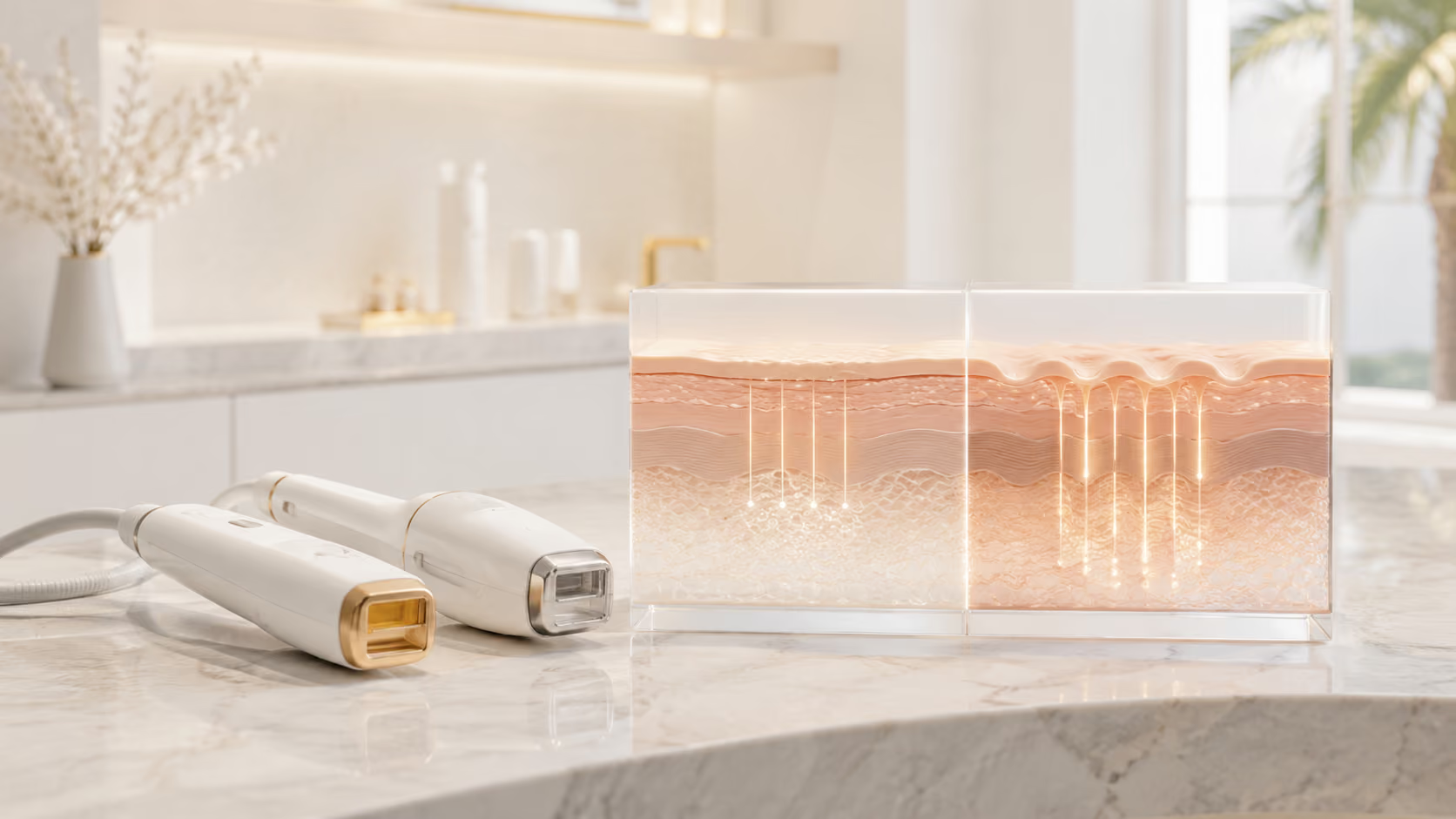
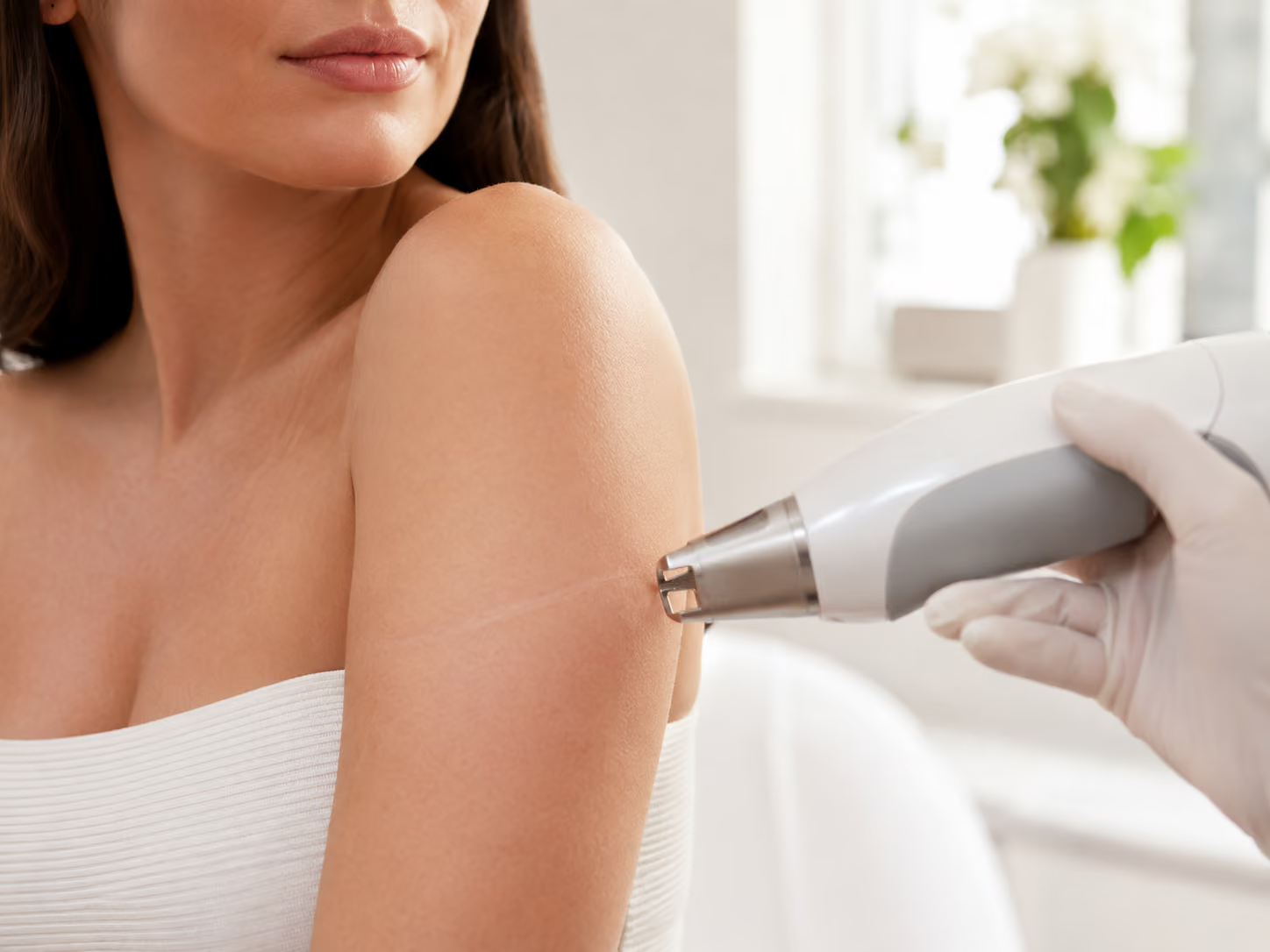
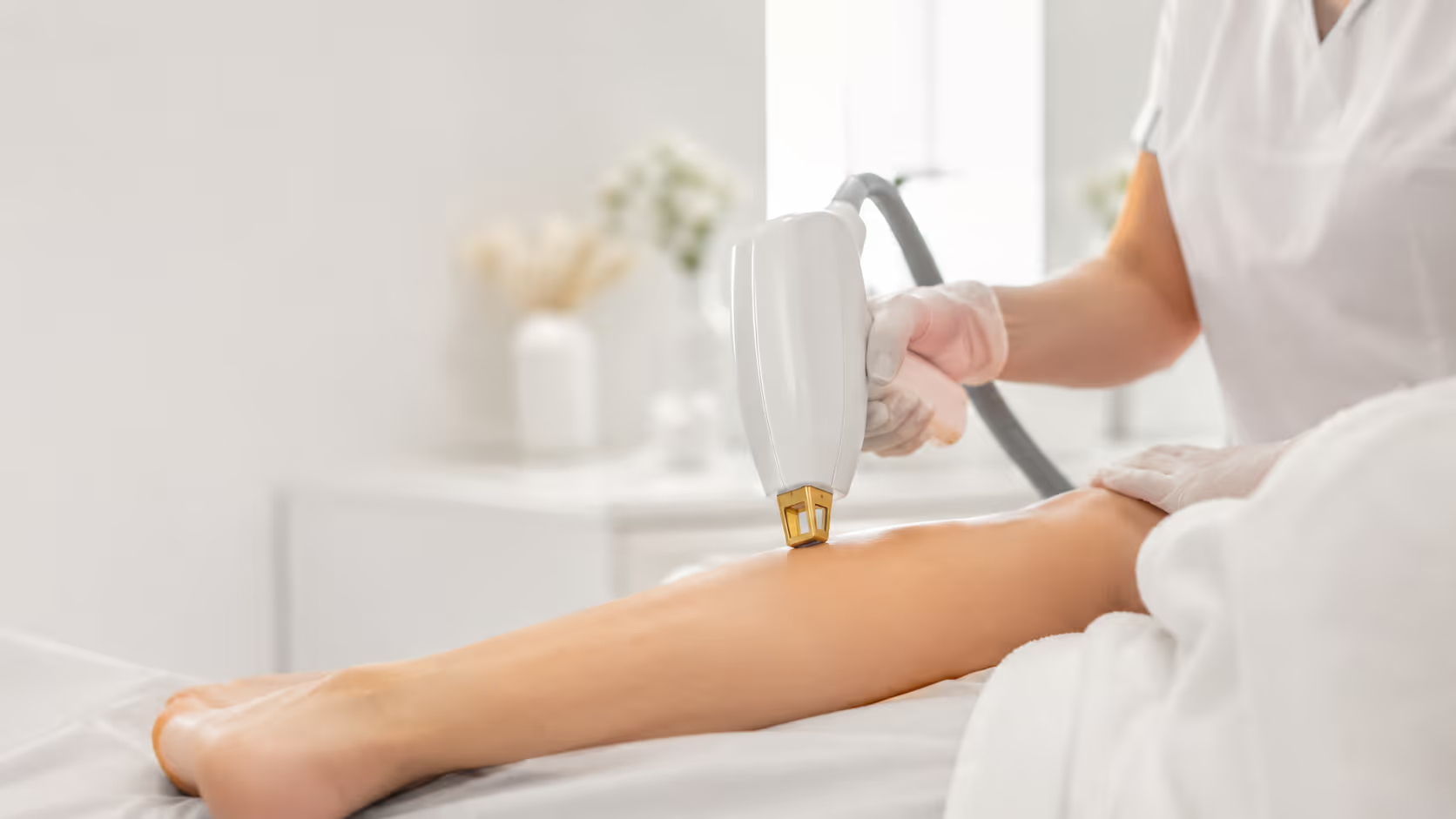
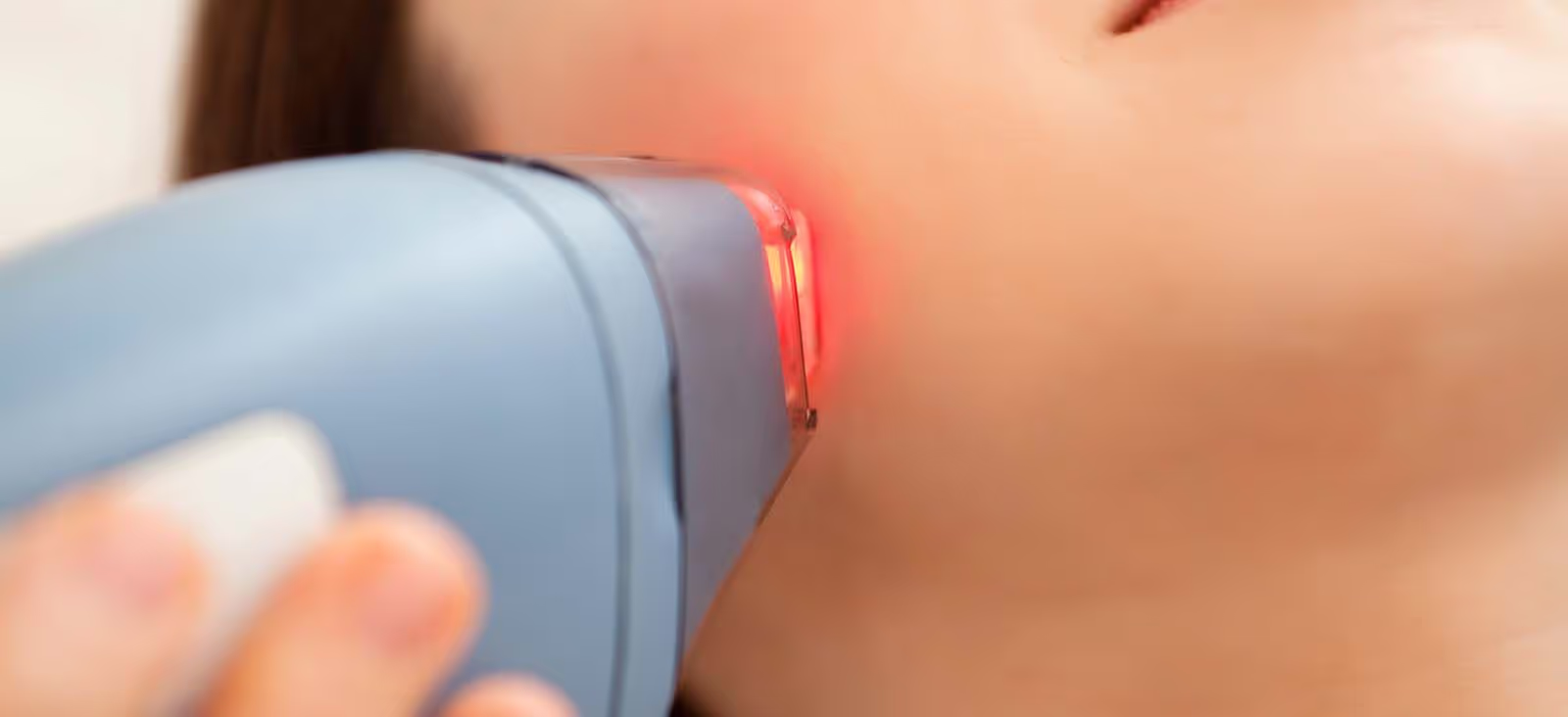
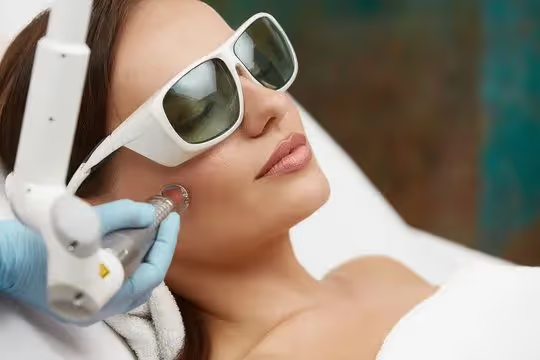
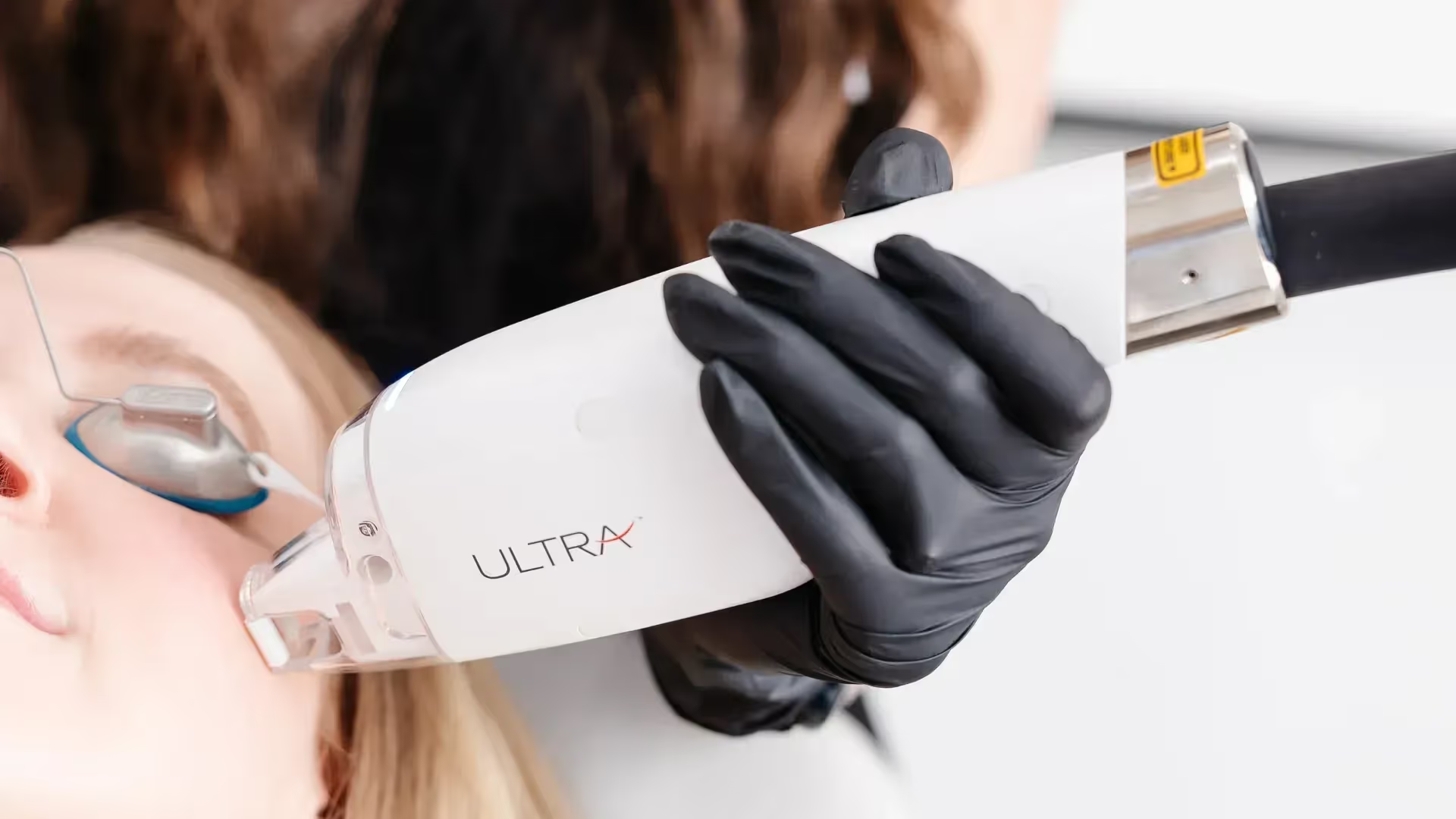
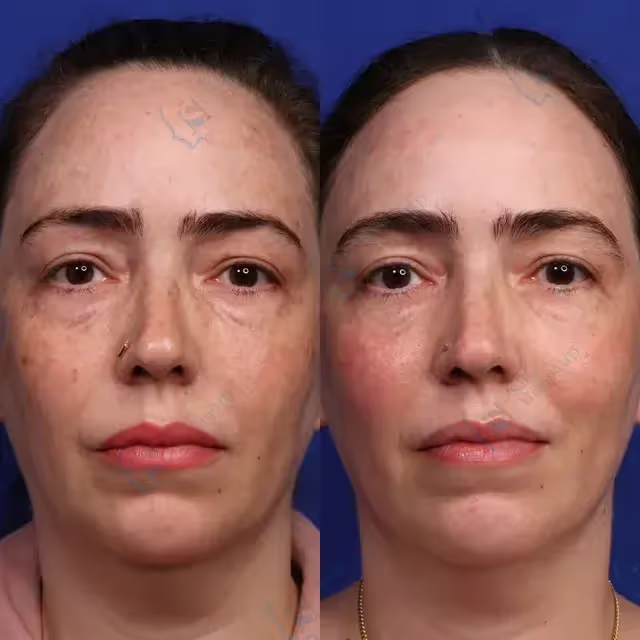
Professional treatments available at specialized clinics can provide more dramatic improvements for patients seeking significant cosmetic enhancement. Chemical peels, microdermabrasion, and laser treatments can address keratosis pilaris more aggressively than home treatments alone. These professional interventions require expertise to ensure safety and effectiveness while maintaining realistic expectations about outcomes.
The long-term outlook for individuals with keratosis pilaris remains entirely positive from a health perspective. The condition does not progress to more serious skin problems, nor does it indicate increased risk for skin cancer or other dermatological diseases. Many people find that their keratosis pilaris improves naturally with age, particularly after adolescence or following hormonal changes.
Patients working with Dr. Salar Hazany often discover that combining professional treatments with appropriate home care provides the best long-term results. The key lies in maintaining realistic expectations while consistently following evidence-based treatment protocols. Since keratosis pilaris poses no health dangers, treatment decisions can focus purely on personal satisfaction with appearance and skin texture, allowing patients to pursue their comfort levels without medical pressure.
Keratosis Pilaris Treatment in Beverly Hills
If your KP bothers you cosmetically, it responds well to the right combination of exfoliation, moisturizers, and professional treatments. Schedule a consultation with Dr. Salar Hazany in Beverly Hills to build a routine that smooths the bumps — and to confirm the diagnosis if you're not sure what you're seeing is really keratosis pilaris.
Frequently Asked Questions
Is keratosis pilaris a sign of a vitamin deficiency?
There is a common myth that KP is caused by a lack of Vitamin A or Omega-3 fatty acids. While nutrition plays a general role in skin health, KP is primarily a genetic condition. Dr. Salar Hazany notes that even individuals with perfect diets can experience KP. At Hazany Derm, the focus is on topical and laser treatments that address the physical buildup of keratin directly.
Can I "scrub away" the bumps with a loofah?
Vigorous scrubbing is generally discouraged for KP patients. Excessive physical exfoliation can irritate the skin and cause the follicles to become more inflamed and red. The experts at Hazany Derm suggest using "chemical" exfoliants like lactic acid or professional laser treatments, which dissolve the plugs without causing trauma to the surrounding skin surface.
Why does my keratosis pilaris look worse in the winter?
Cold air and indoor heating strip the skin of moisture. When the skin is dry, dead skin cells are more likely to clog the hair follicles, making the bumps feel harder and look more prominent. Dr. Salar Hazany recommends switching to richer, medical-grade moisturizers during the colder months to keep the skin barrier supple and reduce the visibility of KP.
Are the laser treatments for KP at Hazany Derm permanent?
Laser treatments like Coolaser can provide a significant and long-lasting reduction in the texture and redness of KP. However, because your body may continue its genetic tendency to produce excess keratin, some patients opt for occasional maintenance sessions. Most find that after an initial series of treatments, their skin remains much smoother and easier to manage with simple home care.
Is keratosis pilaris contagious?
Not at all. Keratosis pilaris is a non-infectious genetic condition. You cannot "catch" it from someone else, nor can you spread it to other parts of your body through touch. It is simply a localized issue where keratin has built up in the follicles. At Hazany Derm, we help patients understand that KP is a common part of human biology, not a disease to be feared.
Can children receive treatment for keratosis pilaris?
While KP often starts in childhood, many dermatologists recommend waiting until adolescence or adulthood for professional laser treatments. For younger children, the focus at Hazany Derm is typically on gentle, hydrating home care. As the patient gets older and the cosmetic concern becomes more significant, advanced clinical options can be explored to refine the skin's texture.
Will keratosis pilaris go away on its own?
For many people, KP improves significantly as they age, often clearing up by the time they reach their 30s. However, for those who don't want to wait decades for clear skin, the non-surgical treatments at Hazany Derm provide a way to take control of the condition immediately. Dr. Salar Hazany’s protocols are designed to give you the smooth skin you want today.