




%201.avif)



What is Eczema?



Eczema is a chronic inflammatory skin condition characterized by dry, itchy, and inflamed patches of skin. Dr. Salar Hazany at Hazany Derm provides comprehensive diagnosis and treatment for various types of eczema to help patients achieve healthier skin.
Eczema represents one of the most common chronic skin conditions affecting people worldwide, impacting millions of individuals across all age groups. This inflammatory disorder creates significant discomfort and can substantially affect quality of life when left untreated. Understanding the nature of eczema is crucial for proper management and treatment of this persistent condition.
The condition manifests as patches of skin that become dry, itchy, red, and inflamed, often appearing in cycles of flare-ups and remission. While eczema cannot be completely cured, it can be effectively managed with proper medical care and lifestyle modifications. The complexity of this condition requires professional dermatological expertise to develop appropriate treatment strategies.
At Hazany Derm, patients receive comprehensive evaluation and personalized treatment plans designed to address their specific eczema symptoms and triggers. Dr. Salar Hazany emphasizes the importance of early intervention and consistent management to prevent complications and improve long-term outcomes. Understanding what eczema is and how it affects the skin forms the foundation for successful treatment and symptom control.
Understanding the Basics of Eczema
Eczema, also known as atopic dermatitis in its most common form, is a chronic inflammatory skin disorder that disrupts the skin's natural barrier function. This disruption leads to increased water loss, making the skin dry and more susceptible to irritants and allergens. The condition typically involves an overactive immune response that triggers inflammation in the skin tissues.
The skin barrier dysfunction in eczema occurs due to genetic factors that affect the production of proteins essential for maintaining healthy skin structure. Filaggrin, a key protein responsible for skin barrier integrity, is often deficient in individuals with eczema. This deficiency allows moisture to escape more easily while permitting irritants and allergens to penetrate deeper into the skin layers.
Environmental factors play a significant role in triggering eczema flare-ups, working in combination with genetic predisposition to activate the inflammatory response. The condition often begins in early childhood but can persist into adulthood or even develop for the first time in adult years. Hazany Derm specializes in identifying the specific factors contributing to each patient's eczema presentation.
- Genetic predisposition: Inherited factors that affect skin barrier proteins and immune system function
- Environmental triggers: External factors like allergens, irritants, and climate conditions that provoke symptoms
- Immune dysfunction: Overactive immune responses that cause chronic inflammation in skin tissues
- Barrier impairment: Compromised skin structure that allows moisture loss and irritant penetration
The chronic nature of eczema means that symptoms tend to fluctuate over time, with periods of relative calm interrupted by acute flare-ups. These flare-ups can be triggered by various factors including stress, weather changes, exposure to irritants, or contact with specific allergens. Understanding these patterns helps healthcare providers develop more effective management strategies.
Treatment approaches must address both the underlying skin barrier dysfunction and the inflammatory processes driving symptom development. This multi-faceted approach requires careful assessment of individual triggers, symptom patterns, and response to various therapeutic interventions. Dr. Salar Hazany works closely with patients to identify their unique eczema characteristics and develop comprehensive management plans.
Types and Classifications of Eczema
Atopic dermatitis represents the most prevalent form of eczema, typically beginning in infancy or early childhood and often associated with other allergic conditions. This type frequently appears in families with a history of asthma, hay fever, or food allergies, reflecting its strong genetic component. The distribution of affected areas often changes with age, commonly affecting the face and scalp in infants, then moving to body folds and joint areas in older children and adults.
Contact dermatitis develops when the skin comes into direct contact with irritating substances or allergens, creating localized inflammatory reactions. Irritant contact dermatitis results from exposure to harsh chemicals, soaps, or other substances that directly damage the skin. Allergic contact dermatitis occurs when the immune system reacts to specific substances like nickel, fragrances, or poison ivy.
Dyshidrotic eczema primarily affects the hands and feet, causing small, intensely itchy blisters on the palms, fingers, and soles. This type often worsens during warm weather or periods of high stress and can be particularly challenging to manage due to its location on frequently used body parts. The team at Hazany Derm has extensive experience treating this specialized form of eczema.
- Atopic dermatitis: The most common chronic form associated with genetic factors and other allergic conditions
- Contact dermatitis: Reactions caused by direct skin contact with irritants or allergens
- Dyshidrotic eczema: Blister-forming type primarily affecting hands and feet
- Seborrheic dermatitis: Inflammatory condition affecting oil-rich areas like the scalp and face
Nummular eczema creates distinctive coin-shaped patches of inflamed skin that can appear anywhere on the body but commonly affect the legs and arms. These circular lesions can be particularly persistent and may be mistaken for other skin conditions without proper dermatological evaluation. The patches often become very dry and scaly, requiring specialized moisturizing and treatment approaches.
Stasis dermatitis develops in the lower legs due to poor circulation and fluid retention, often affecting older adults or those with venous insufficiency. This type requires addressing both the underlying circulation issues and the skin inflammation to achieve optimal results. Proper diagnosis and classification of eczema types is essential for developing effective treatment strategies that address the specific characteristics of each variant.
Symptoms and Diagnostic Approaches
The hallmark symptoms of eczema include persistent itching, dry skin, and visible inflammation that can range from mild redness to severe swelling and oozing. Itching often intensifies at night, disrupting sleep patterns and contributing to the cycle of scratching that can worsen skin damage. The appearance of eczematous skin varies depending on the type, location, and severity of the condition.
Acute eczema flare-ups typically present with red, swollen patches that may develop small blisters or areas of oozing and crusting. The affected skin feels hot and tender to the touch, and the intense itching can be almost unbearable for many patients. During these active phases, the skin becomes more vulnerable to secondary bacterial infections due to scratching and compromised barrier function.
Chronic eczema develops a different appearance characterized by thickened, leathery skin with enhanced skin markings called lichenification. This thickening results from repeated scratching and rubbing over extended periods, creating areas that may appear darker than the surrounding skin. Hazany Derm utilizes advanced diagnostic techniques to assess the extent and severity of both acute and chronic eczema presentations.
- Persistent itching: Intense pruritus that often worsens at night and disrupts daily activities
- Skin inflammation: Redness, swelling, and warmth in affected areas during active flare-ups
- Dryness and scaling: Compromised skin barrier leading to moisture loss and flaky skin
- Lichenification: Thickened, leathery skin texture from chronic scratching and rubbing
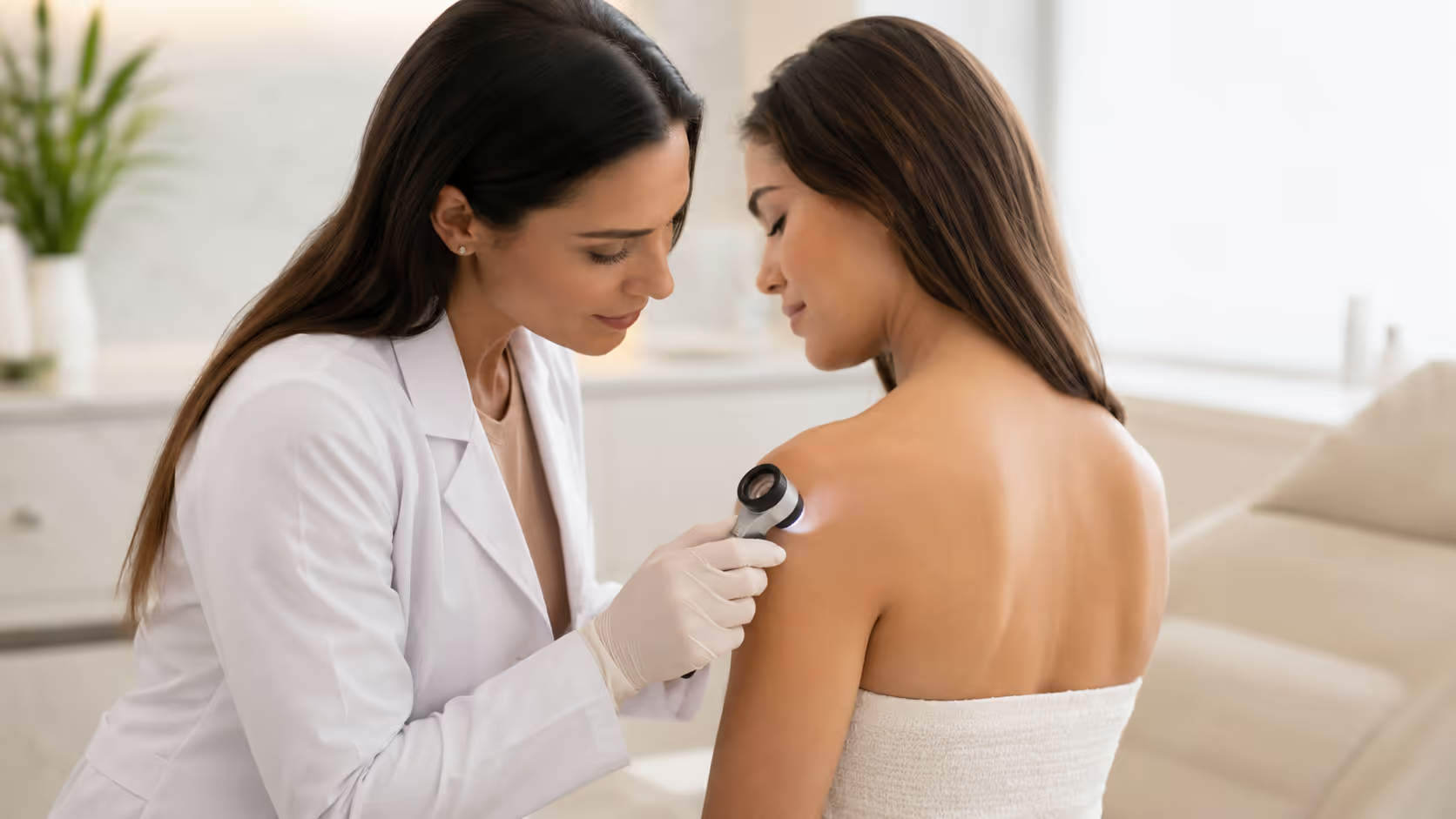
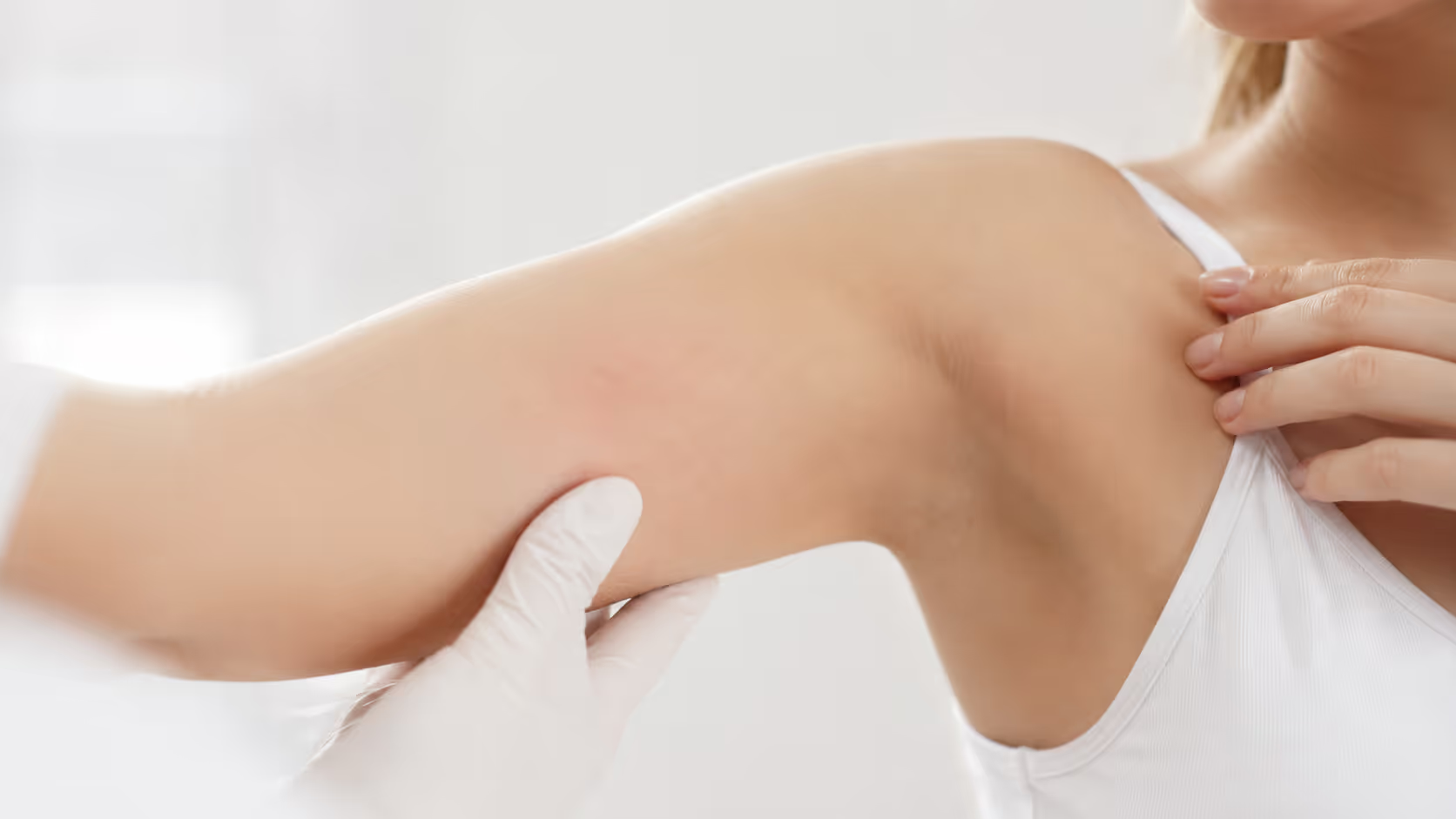
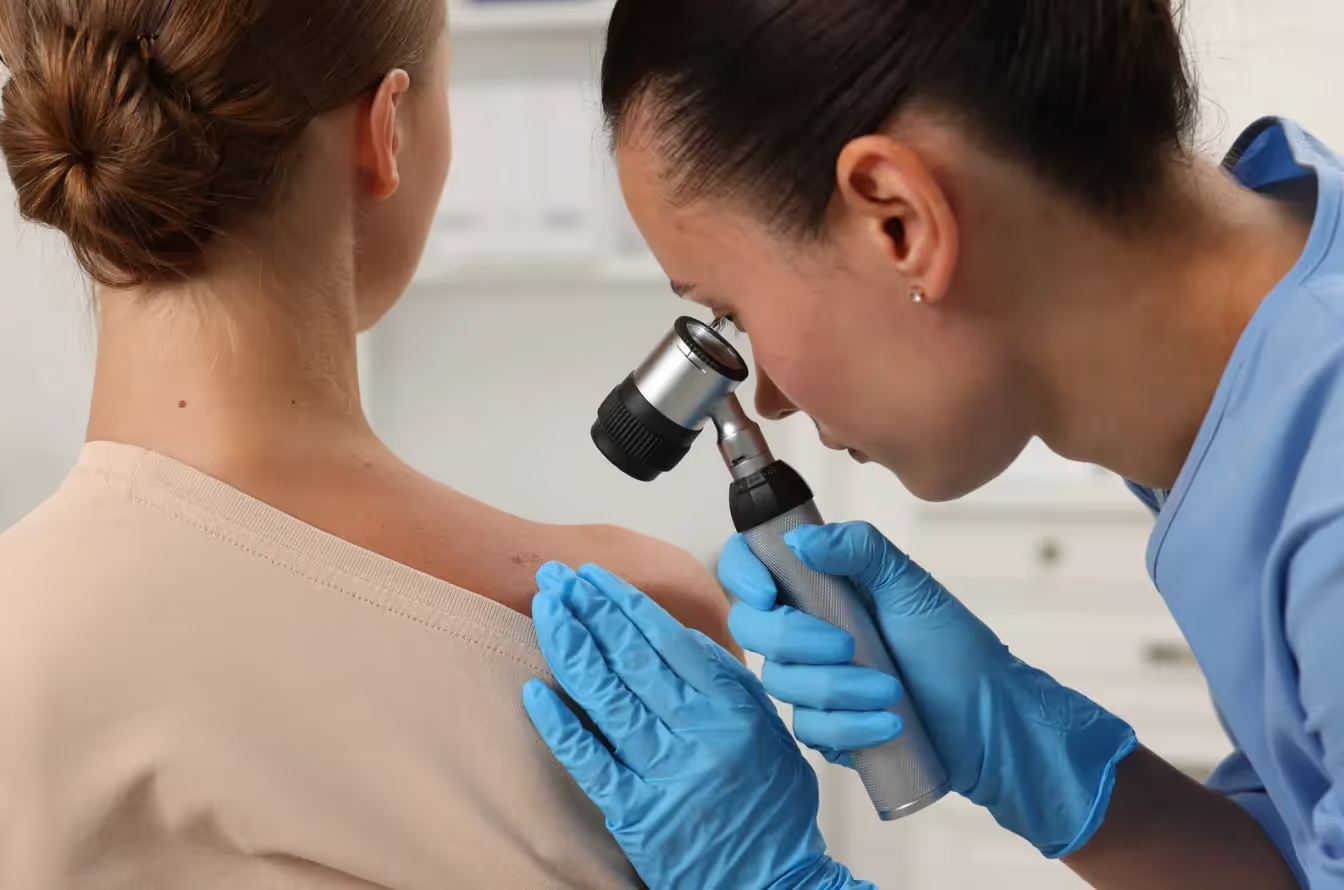
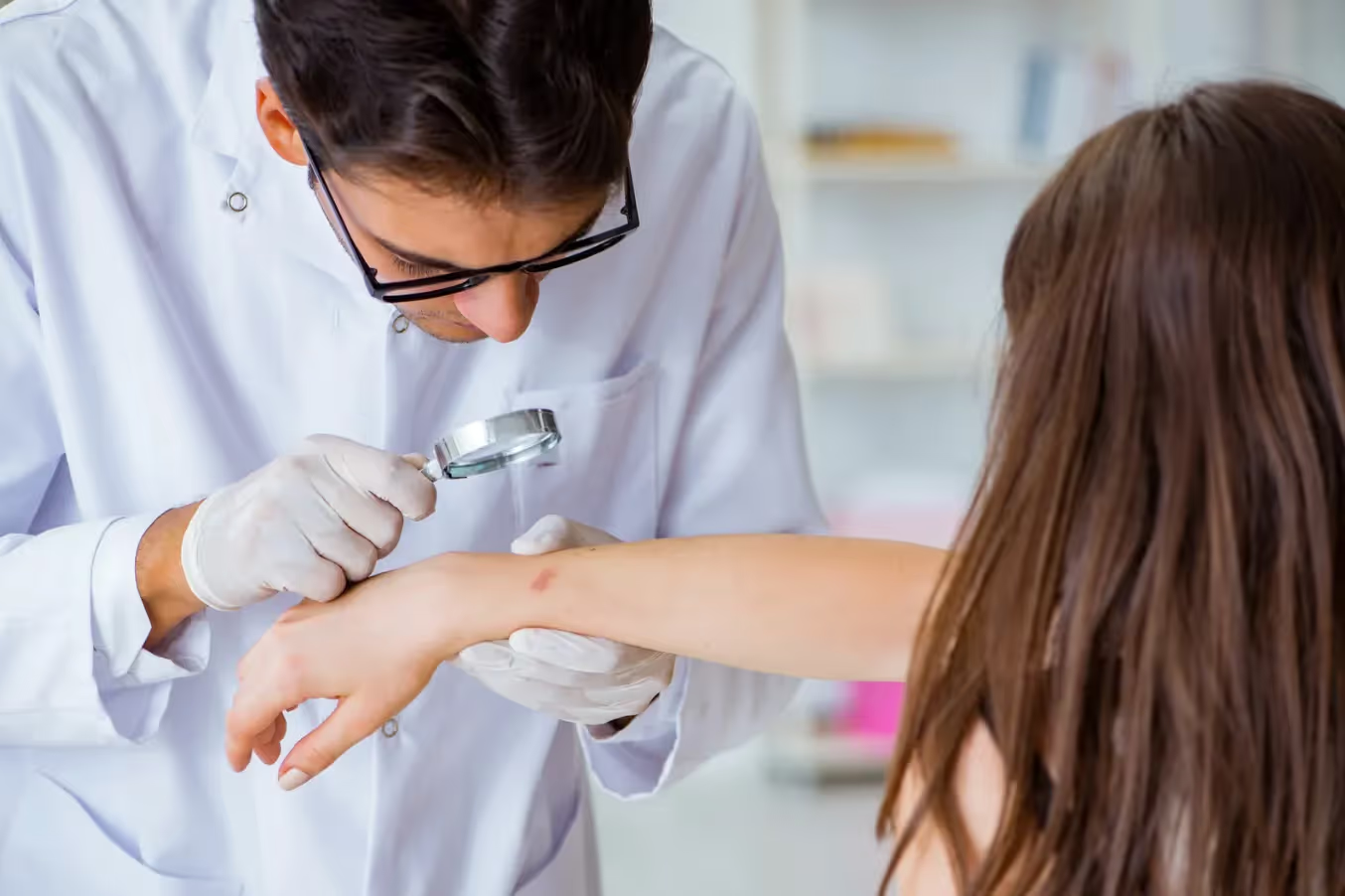
Diagnostic evaluation involves comprehensive medical history taking, focusing on symptom patterns, family history of allergic conditions, and identification of potential triggers. Physical examination allows dermatologists to assess the distribution, morphology, and severity of skin lesions while ruling out other conditions that may mimic eczema. Sometimes additional testing such as patch testing or allergy evaluation may be necessary to identify specific triggers.
The diagnostic process also includes assessment of how eczema impacts the patient's quality of life, sleep patterns, and daily functioning. This holistic evaluation helps guide treatment decisions and ensures that management plans address not only the physical symptoms but also the psychosocial effects of living with chronic eczema. Dr. Hazany emphasizes the importance of thorough diagnostic evaluation to develop the most effective personalized treatment approach for each patient's unique presentation.
Frequently Asked Questions
What causes eczema to develop?
Eczema develops through a complex interaction of genetic predisposition, immune system dysfunction, and environmental factors. Dr. Salar Hazany explains that individuals inherit genes affecting skin barrier proteins like filaggrin, which compromises the skin's ability to retain moisture and protect against irritants. The immune system in eczema patients tends to overreact to normally harmless substances, triggering inflammation. Environmental triggers such as allergens, harsh soaps, temperature changes, and stress can activate this inflammatory response. The combination of weakened skin barriers and hyperactive immune responses creates the perfect conditions for eczema symptoms to emerge and persist over time.
Can eczema be completely cured?
Currently, eczema cannot be completely cured, but it can be very effectively managed with proper treatment and lifestyle modifications. Hazany Derm focuses on comprehensive management strategies that control symptoms, reduce flare-up frequency, and improve quality of life for patients. Treatment approaches include topical medications, moisturizing regimens, trigger identification and avoidance, and sometimes systemic therapies for severe cases. Many patients achieve long periods of remission where their skin remains clear and comfortable. The key to successful eczema management lies in consistent care, patient education, and working closely with dermatology professionals to adjust treatment plans as needed based on individual response and changing life circumstances.
Is eczema contagious to other people?
Eczema is not contagious and cannot be spread from person to person through direct contact or sharing personal items. The team at Hazany Derm frequently addresses this common misconception, as the visible nature of eczematous skin can cause unnecessary concern about transmission. The condition results from internal factors including genetic predisposition and immune system dysfunction rather than infectious agents like bacteria or viruses. However, secondary bacterial infections can sometimes develop in eczematous skin due to scratching and compromised skin barriers. These infections may require antibiotic treatment but still don't make the underlying eczema condition itself contagious. Understanding this fact helps reduce stigma and allows patients to participate normally in social and professional activities.
What triggers make eczema symptoms worse?
Common eczema triggers include environmental allergens like dust mites, pet dander, and pollen, as well as irritants such as harsh soaps, fragrances, and rough fabrics. Dr. Hazany emphasizes that trigger identification is highly individual, with different patients reacting to different substances and conditions. Weather extremes, both hot and cold, can provoke flare-ups, as can emotional stress, hormonal changes, and certain foods in some individuals. Wool clothing, synthetic materials, and frequent hand washing can also worsen symptoms. Identifying personal triggers requires careful observation and sometimes professional allergy testing. Once triggers are identified, avoidance strategies can significantly reduce flare-up frequency and severity, making overall eczema management much more successful and improving patient comfort.
How do doctors diagnose different types of eczema?
Eczema diagnosis relies primarily on clinical examination, medical history, and symptom pattern assessment rather than specific laboratory tests. Hazany Derm specialists use established diagnostic criteria that consider factors like symptom duration, skin appearance, distribution patterns, and family history of allergic conditions. The diagnostic process includes evaluating when symptoms first appeared, what makes them better or worse, and how they impact daily life. Physical examination focuses on skin texture, color changes, and the characteristic appearance of eczematous lesions. Sometimes additional testing like patch testing for contact allergies or skin biopsies may be necessary to rule out other conditions. The location and appearance of skin changes often help distinguish between different eczema types and guide appropriate treatment selection.
What are the best treatment options for eczema?
Treatment approaches vary based on eczema severity and type, but typically include topical corticosteroids for inflammation control and consistent moisturizing to repair skin barriers. Dr. Salar Hazany develops individualized treatment plans that may incorporate topical calcineurin inhibitors, which provide anti-inflammatory effects without steroid side effects. For severe cases, systemic medications like biologics or immunosuppressants may be necessary. Newer treatments include topical PDE4 inhibitors and JAK inhibitors that target specific inflammatory pathways. Non-medication strategies include identifying and avoiding triggers, using gentle skincare products, maintaining proper humidity levels, and stress management techniques. The most successful outcomes occur when patients combine multiple treatment modalities under professional dermatological guidance, with regular follow-up visits to monitor progress and adjust therapies as needed.
Can children outgrow their eczema condition?
Many children do experience significant improvement in their eczema symptoms as they age, with some achieving complete remission by adolescence or early adulthood. The Hazany Derm clinic sees varying outcomes among pediatric patients, with roughly 60-70% of children experiencing substantial improvement over time. However, even when childhood eczema resolves, the underlying genetic predisposition remains, and symptoms may return during times of stress, hormonal changes, or exposure to triggers. Some children transition from typical childhood eczema patterns to adult forms or develop other allergic conditions like asthma or hay fever. Early intervention and proper management during childhood can improve long-term outcomes and may help prevent some complications. Parents should maintain regular dermatological care even during symptom-free periods to monitor for changes.
What lifestyle changes help manage eczema symptoms?
Effective eczema management requires comprehensive lifestyle modifications focusing on skin care, trigger avoidance, and stress reduction. The experts at Hazany Derm recommend establishing consistent daily moisturizing routines using fragrance-free, hypoallergenic products immediately after bathing to lock in moisture. Environmental modifications include maintaining moderate household humidity, using gentle laundry detergents, and choosing soft, breathable fabrics like cotton. Stress management through regular exercise, adequate sleep, and relaxation techniques can significantly reduce flare-up frequency. Dietary modifications may help some patients, particularly those with identified food triggers. Temperature control in living spaces, avoiding extreme weather exposure, and protecting hands during cleaning activities also contribute to better symptom control. These lifestyle changes work synergistically with medical treatments to provide optimal eczema management outcomes.