




%201.avif)



Can Rosacea Be Treated Without Medication?



Yes, rosacea can be managed without medication through lifestyle modifications, gentle skincare routines, trigger avoidance, and professional treatments. Hazany Derm offers comprehensive non-pharmaceutical approaches to help patients effectively control their rosacea symptoms and improve skin health.
Rosacea affects millions of people worldwide, causing persistent redness, visible blood vessels, and sometimes painful bumps across the face. While many patients assume prescription medications are the only solution, there are numerous effective non-pharmaceutical approaches to managing this chronic skin condition. Understanding these alternatives can provide hope for those who prefer natural treatments or cannot tolerate traditional medications.
The journey to managing rosacea without medication requires patience, consistency, and often professional guidance to identify the most effective strategies. Many patients find that combining multiple non-medication approaches yields better results than relying on a single treatment method. The key lies in developing a comprehensive understanding of your specific triggers and implementing targeted lifestyle modifications that address the root causes of flare-ups.
At Hazany Derm, we recognize that every patient's rosacea journey is unique, and what works for one person may not be effective for another. This individualized approach to treatment allows us to explore various non-medication options that align with each patient's lifestyle, preferences, and specific symptoms. The good news is that many people can achieve significant improvement in their rosacea symptoms through dedicated attention to skincare routines, environmental factors, and lifestyle choices.
Can Rosacea Be Treated Without Medication? Partially
Yes, to a point. Trigger management, barrier-repair skincare, and daily sun protection can meaningfully reduce flare frequency, and laser or light treatments address the visible vessels and persistent redness that creams can't reach. But moderate to severe rosacea — especially with bumps and pustules — usually still needs prescription treatment as the foundation. The best results almost always combine both.
Lifestyle Modifications for Rosacea Management
The foundation of successful non-medication rosacea management lies in identifying and avoiding personal triggers that cause flare-ups. Common triggers include certain foods, environmental factors, stress, and specific activities, but each person's trigger profile is unique. Keeping a detailed diary of symptoms, activities, foods consumed, and environmental conditions can help reveal patterns that might otherwise go unnoticed. This systematic approach to trigger identification often reveals surprising connections between seemingly unrelated factors and rosacea flare-ups.
Dietary modifications play a crucial role in managing rosacea symptoms for many patients. Spicy foods, hot beverages, alcohol, and foods high in histamines are common culprits that can trigger inflammatory responses in sensitive individuals. Some patients also find that reducing their intake of inflammatory foods such as processed sugars, refined carbohydrates, and certain dairy products can lead to noticeable improvements. The elimination diet approach, where suspected trigger foods are removed for several weeks and then gradually reintroduced, can be particularly effective in identifying specific dietary triggers.
Stress management represents another critical component of non-medication rosacea treatment. Chronic stress can trigger inflammatory responses throughout the body, including the skin, making rosacea symptoms more severe and frequent. Regular stress-reduction practices can help break this cycle and provide long-term relief from symptoms. Dr. Salar Hazany often emphasizes to patients that managing stress is not just about feeling better mentally, but also about creating optimal conditions for skin health and healing.
Key lifestyle modifications that can help manage rosacea include:
- Trigger identification: Maintaining detailed journals to track symptoms, foods, activities, and environmental factors that correlate with flare-ups
- Stress reduction techniques: Incorporating meditation, yoga, deep breathing exercises, or other relaxation practices into daily routines
- Sleep optimization: Ensuring adequate, quality sleep as poor sleep can increase stress hormones and trigger inflammatory responses
- Gentle exercise: Choosing low-intensity activities that don't cause overheating or excessive facial flushing
Temperature regulation becomes particularly important for rosacea management, as both extreme heat and cold can trigger symptoms. This means being mindful of shower temperatures, avoiding saunas and steam rooms, and protecting the face from harsh weather conditions. Indoor environmental factors also matter, including maintaining appropriate humidity levels and ensuring good air circulation to prevent overheating. Many patients find that using fans, adjusting thermostat settings, and choosing breathable fabrics for clothing and bedding can make a significant difference in their symptom frequency and severity.
The timing and intensity of physical activity require careful consideration for rosacea patients. While regular exercise is important for overall health and stress management, activities that cause excessive sweating or overheating can trigger flare-ups. Low-impact exercises such as walking, swimming in cool water, or gentle yoga are often better choices than high-intensity workouts. Hazany Derm patients frequently report success with exercise modifications that allow them to stay active while minimizing rosacea triggers.
Skincare Approaches and Gentle Routines
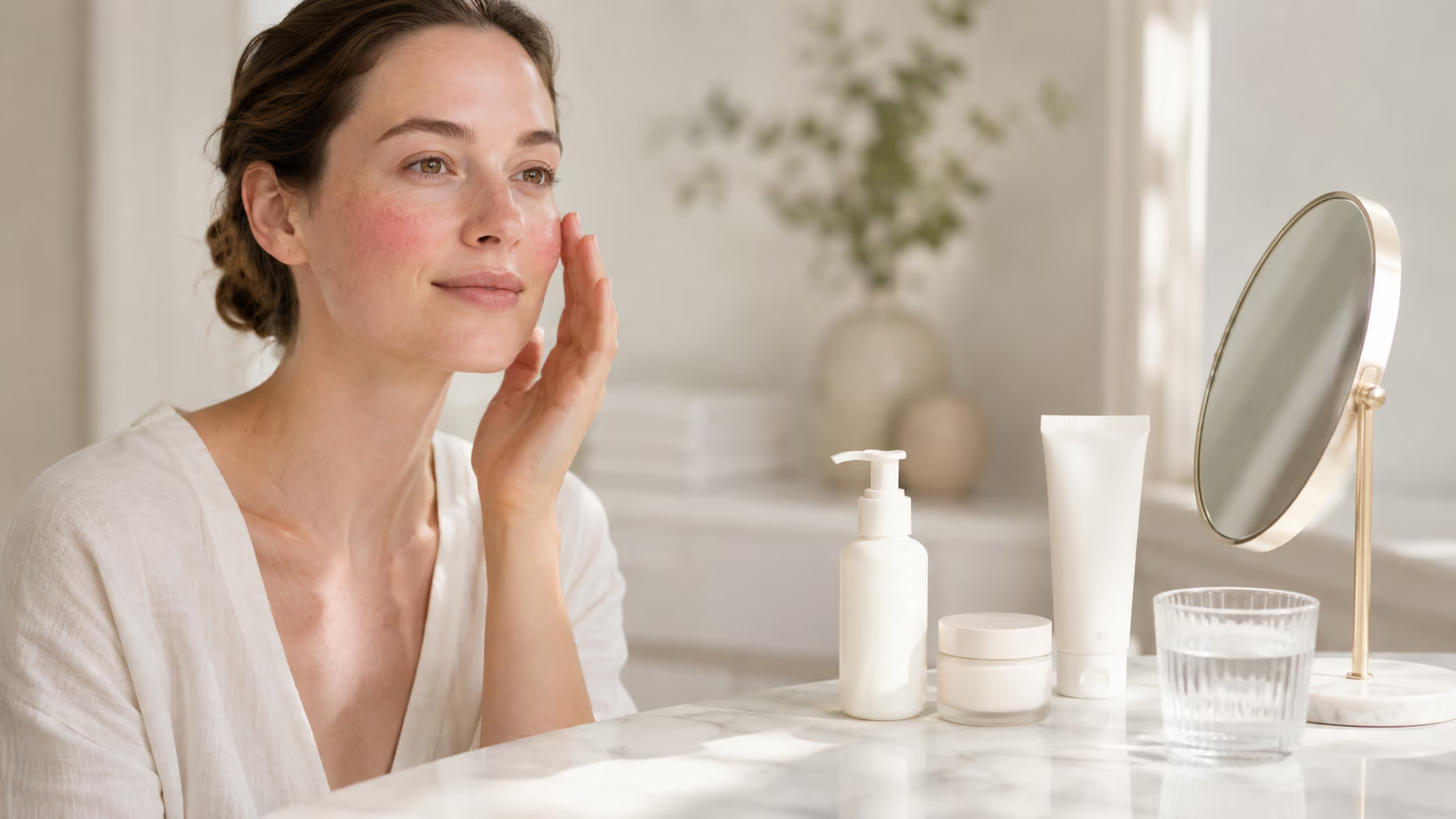
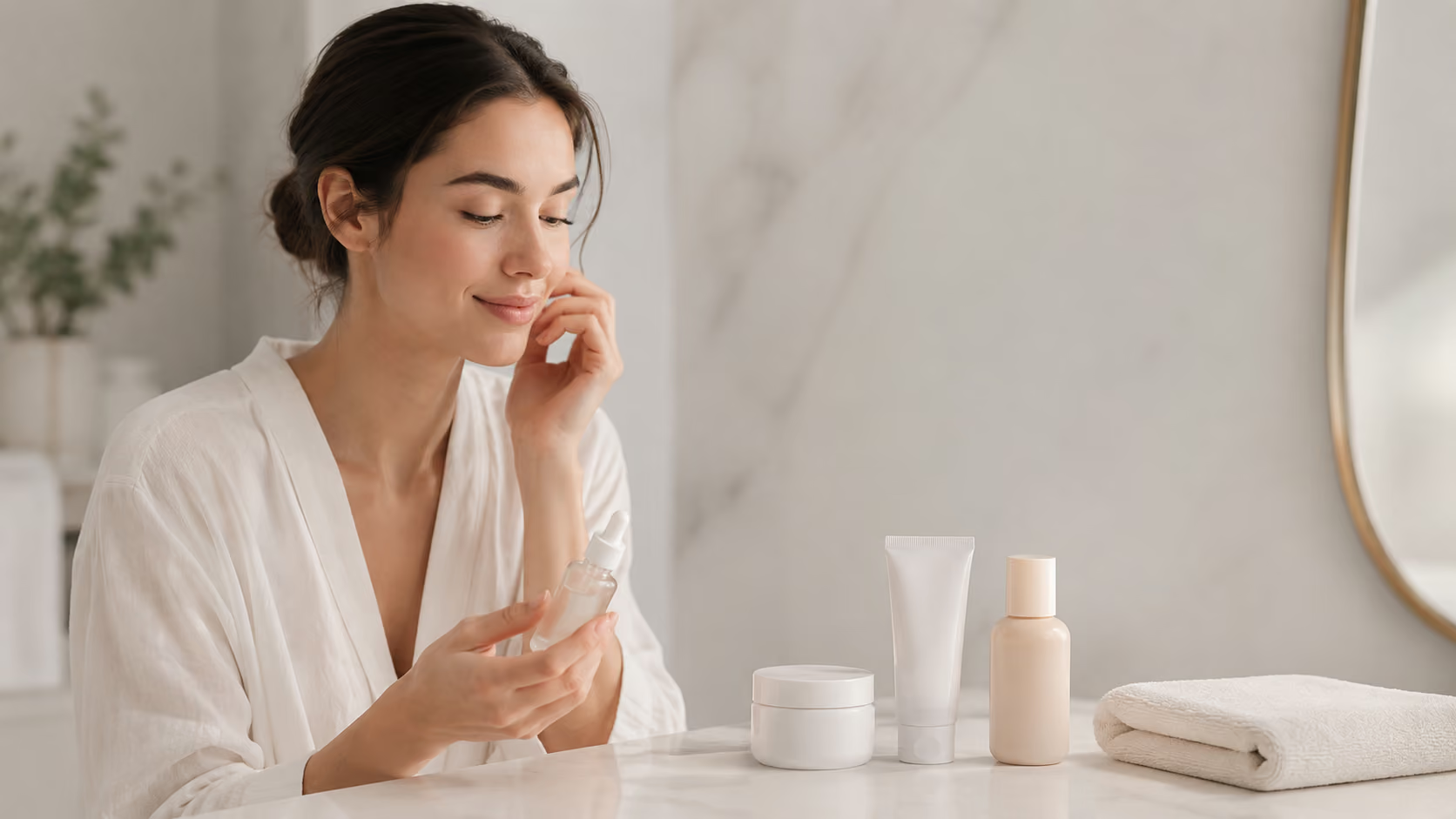
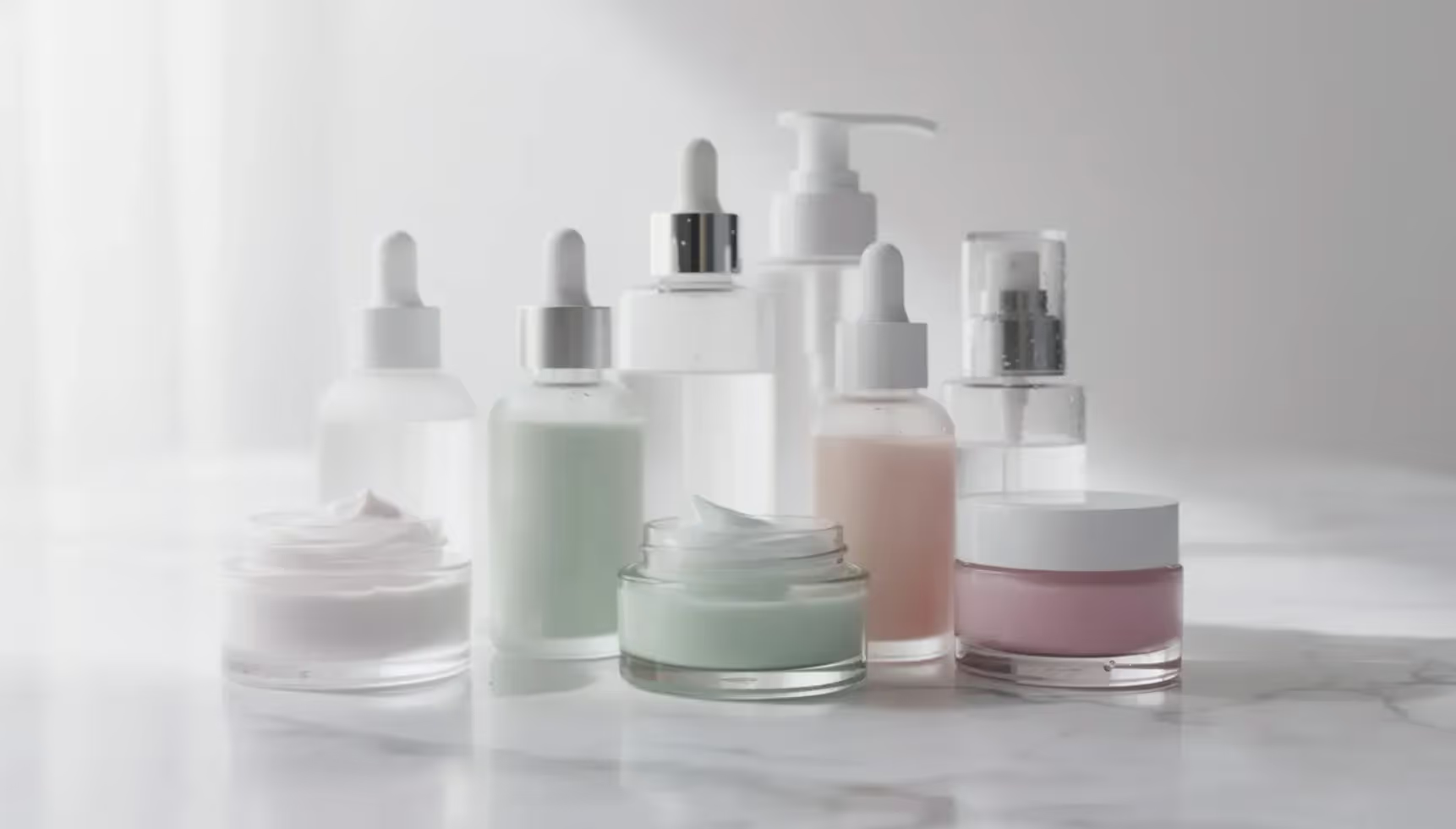
Developing an appropriate skincare routine represents one of the most impactful non-medication approaches to rosacea management. The key principle is gentleness, as rosacea-prone skin is typically more sensitive and reactive than normal skin. This means avoiding harsh scrubs, aggressive cleansing, and products containing irritating ingredients such as alcohol, fragrances, or certain acids. Instead, focus on gentle, non-comedogenic products specifically formulated for sensitive skin types.
The cleansing process should be approached with particular care, using lukewarm water and gentle, fragrance-free cleansers that won't strip the skin's natural protective barrier. Pat drying with a soft towel rather than rubbing helps prevent irritation and inflammation. Many patients find that limiting cleansing to once daily or every other day, depending on their skin's needs, helps maintain the delicate balance required for rosacea management. Over-cleansing can actually worsen symptoms by disrupting the skin's natural protective mechanisms.
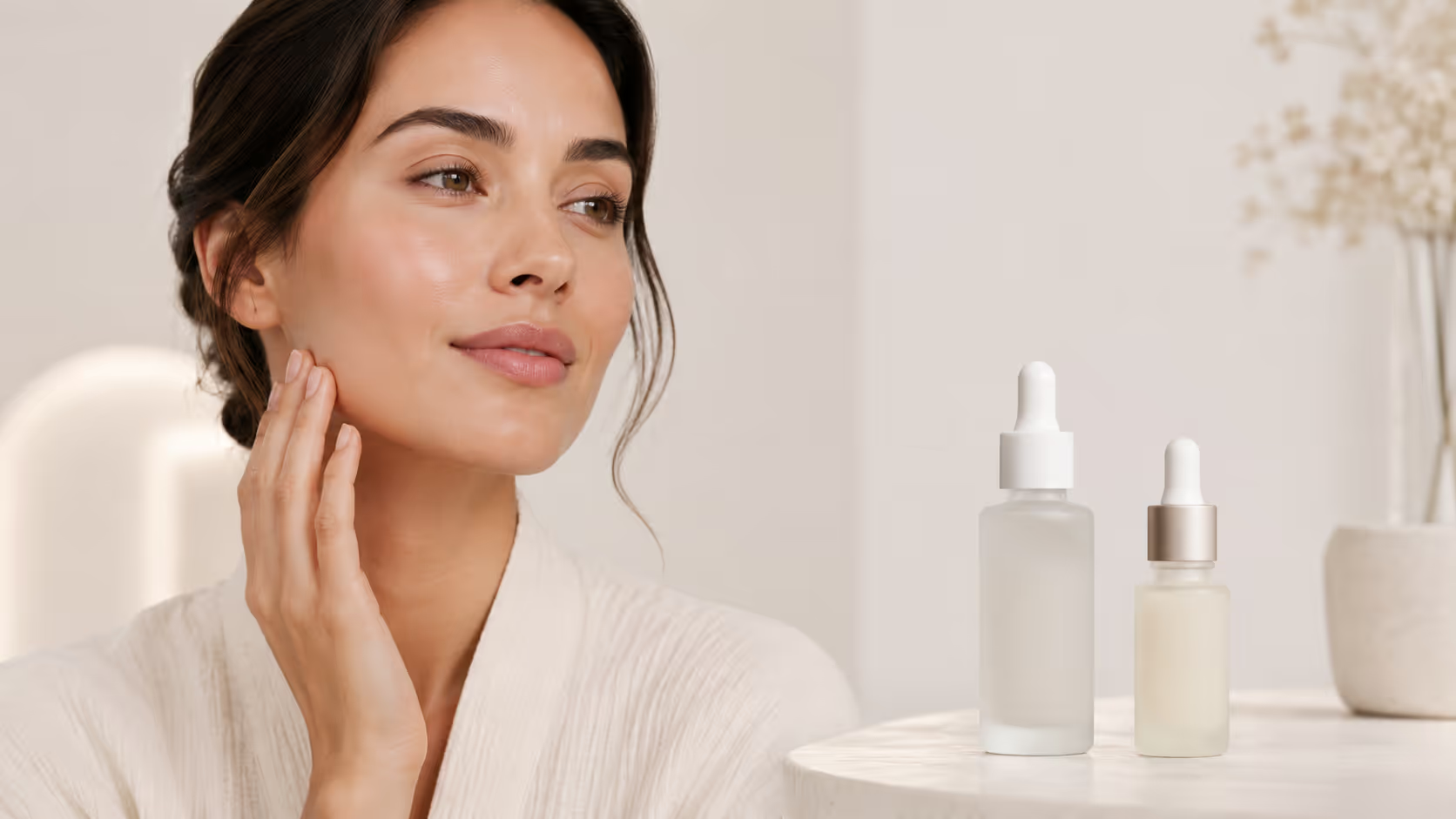
Moisturizing plays a crucial role in supporting the skin barrier function, which is often compromised in rosacea patients. Look for moisturizers containing ceramides, hyaluronic acid, or niacinamide, which can help restore and maintain skin barrier integrity. The application technique matters as much as the product choice – gentle patting motions are preferable to rubbing or massaging, which can increase irritation. Hazany Derm specialists often recommend applying moisturizer to slightly damp skin to enhance absorption and effectiveness.
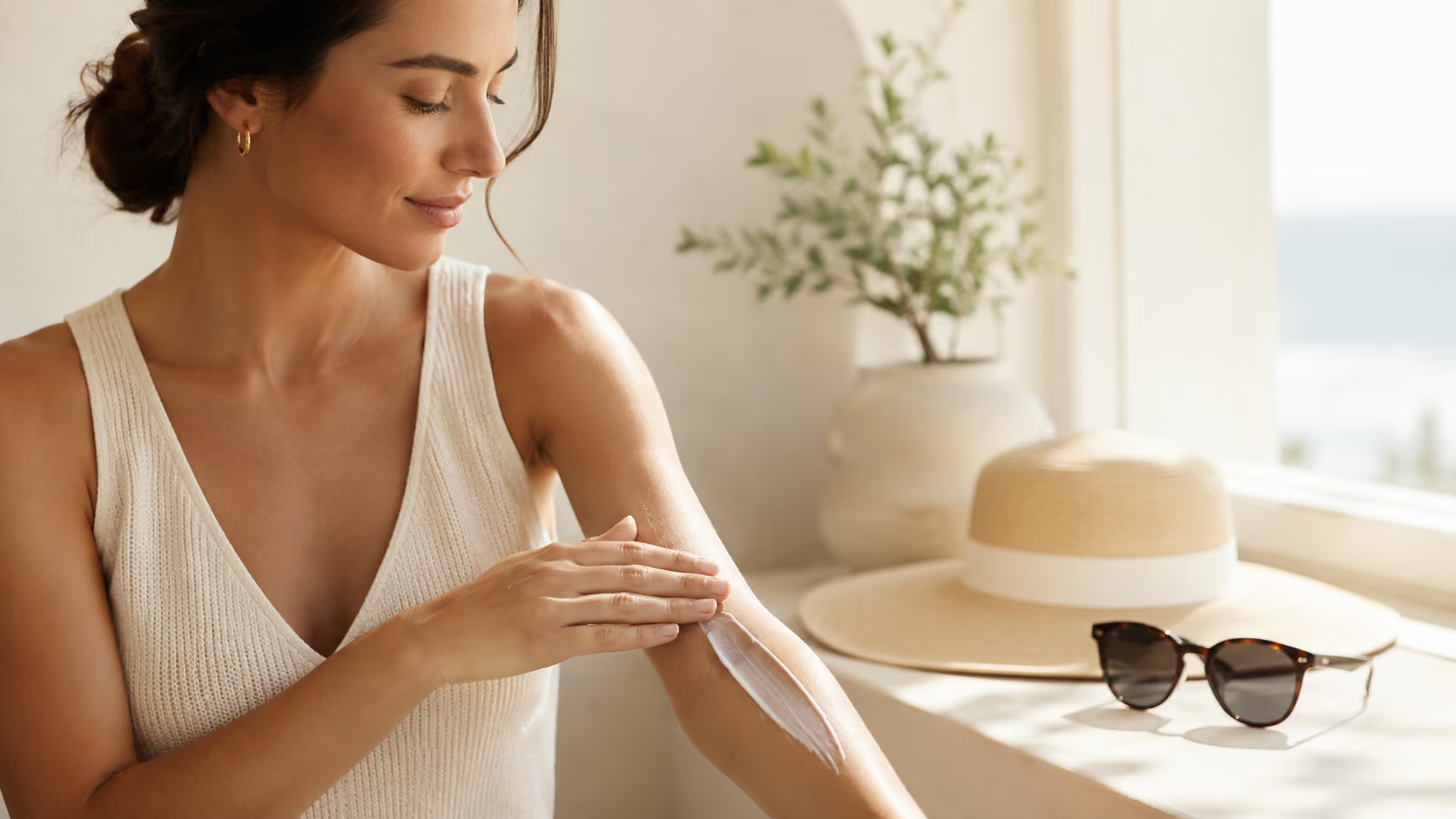
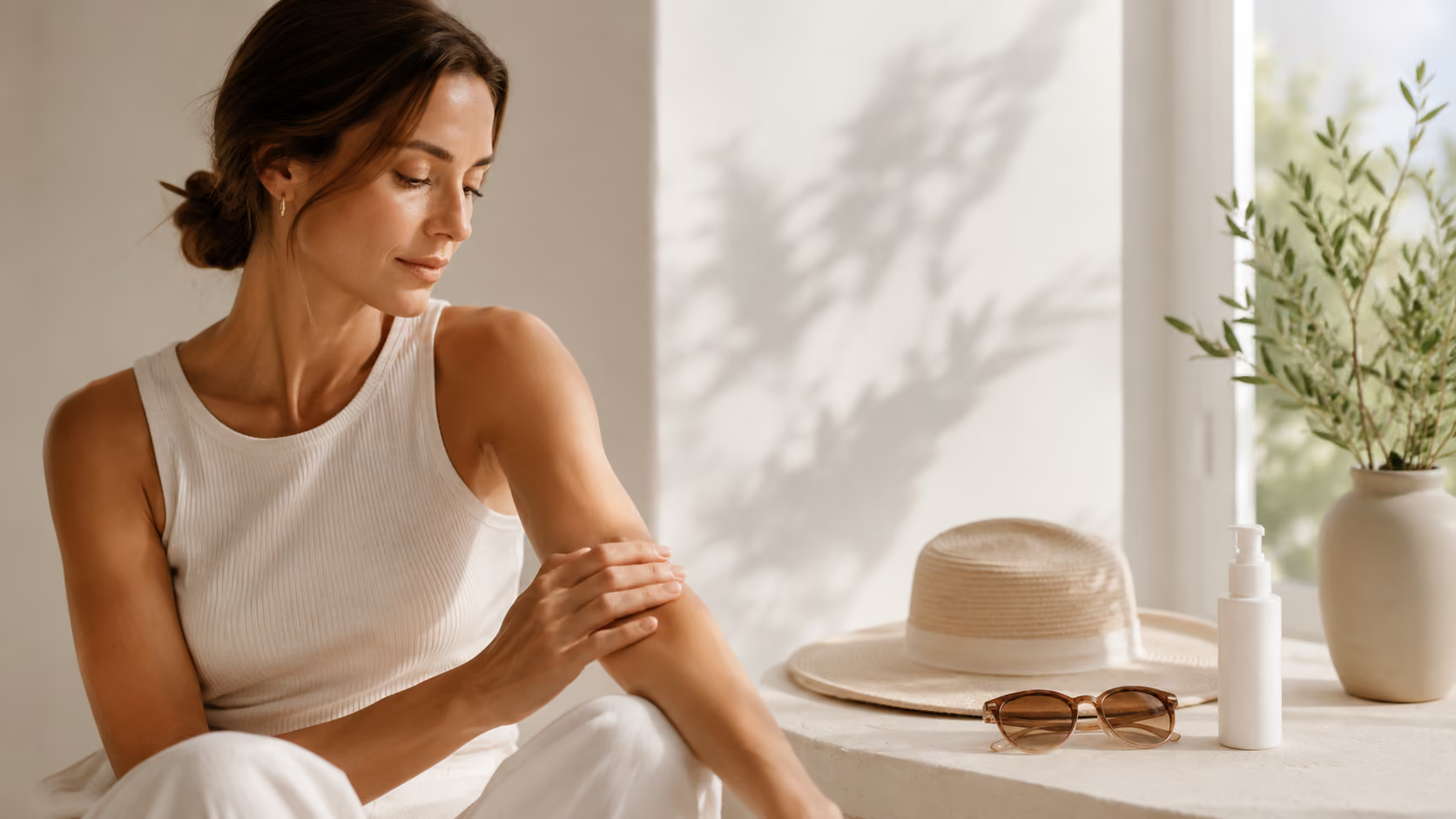
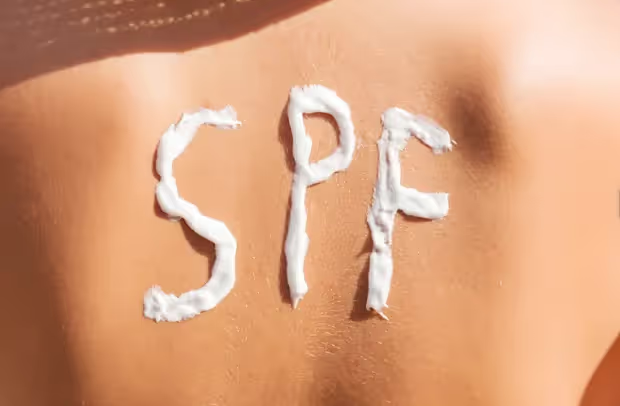
Sun protection deserves special attention in rosacea management, as UV exposure is one of the most common and potent triggers for flare-ups. Mineral sunscreens containing zinc oxide or titanium dioxide are often better tolerated than chemical sunscreens, which can cause irritation in sensitive individuals. Reapplication throughout the day is important, especially for those who spend significant time outdoors. Physical protection through wide-brimmed hats, sunglasses, and seeking shade during peak sun hours can provide additional protection beyond topical sunscreens.
The order of product application can significantly impact effectiveness and tolerability. Generally, thinner products should be applied before thicker ones, allowing each layer to absorb properly before adding the next. This typically means cleansing, followed by any treatment serums, then moisturizer, and finally sunscreen during daytime routines. Evening routines might include additional steps such as gentle treatment products, but these should be introduced gradually to assess tolerance. The team at Hazany Derm frequently helps patients develop customized skincare routines that work with their specific skin needs and lifestyle requirements.
Professional Non-Medication Treatments
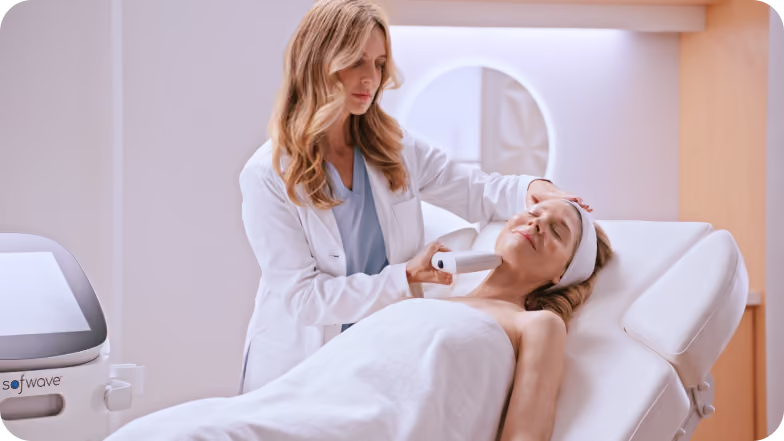
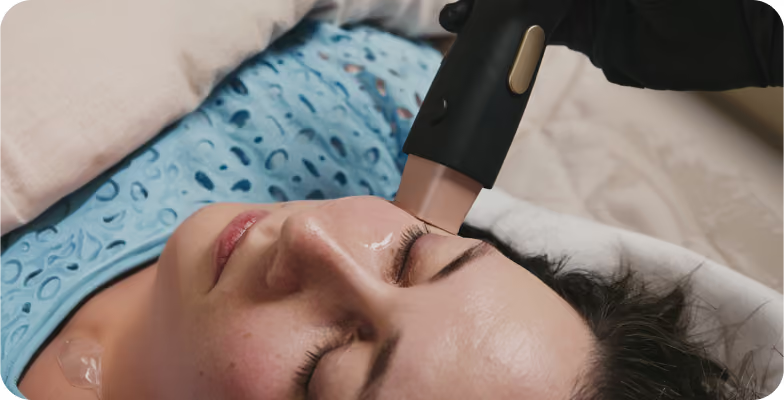
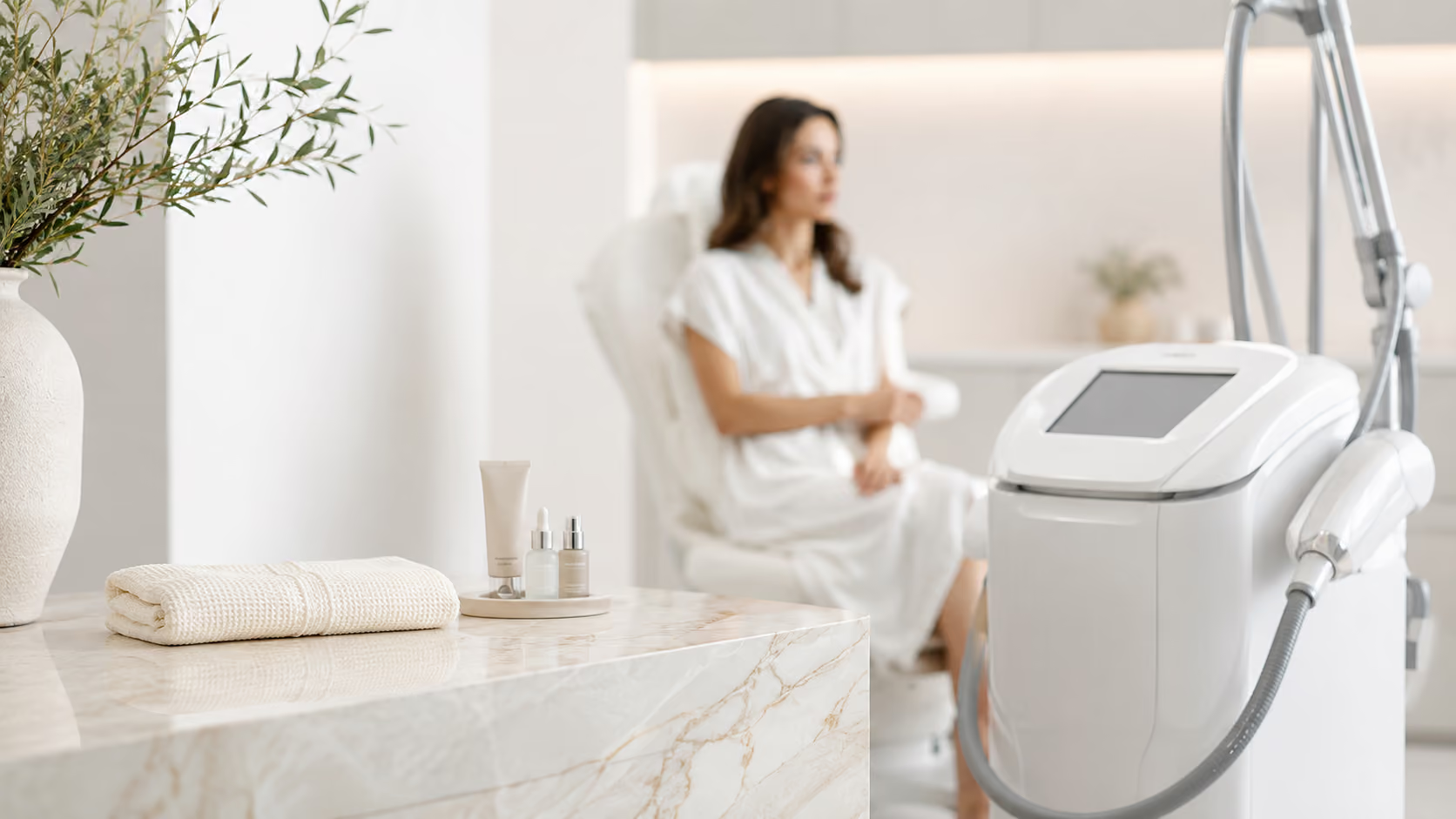
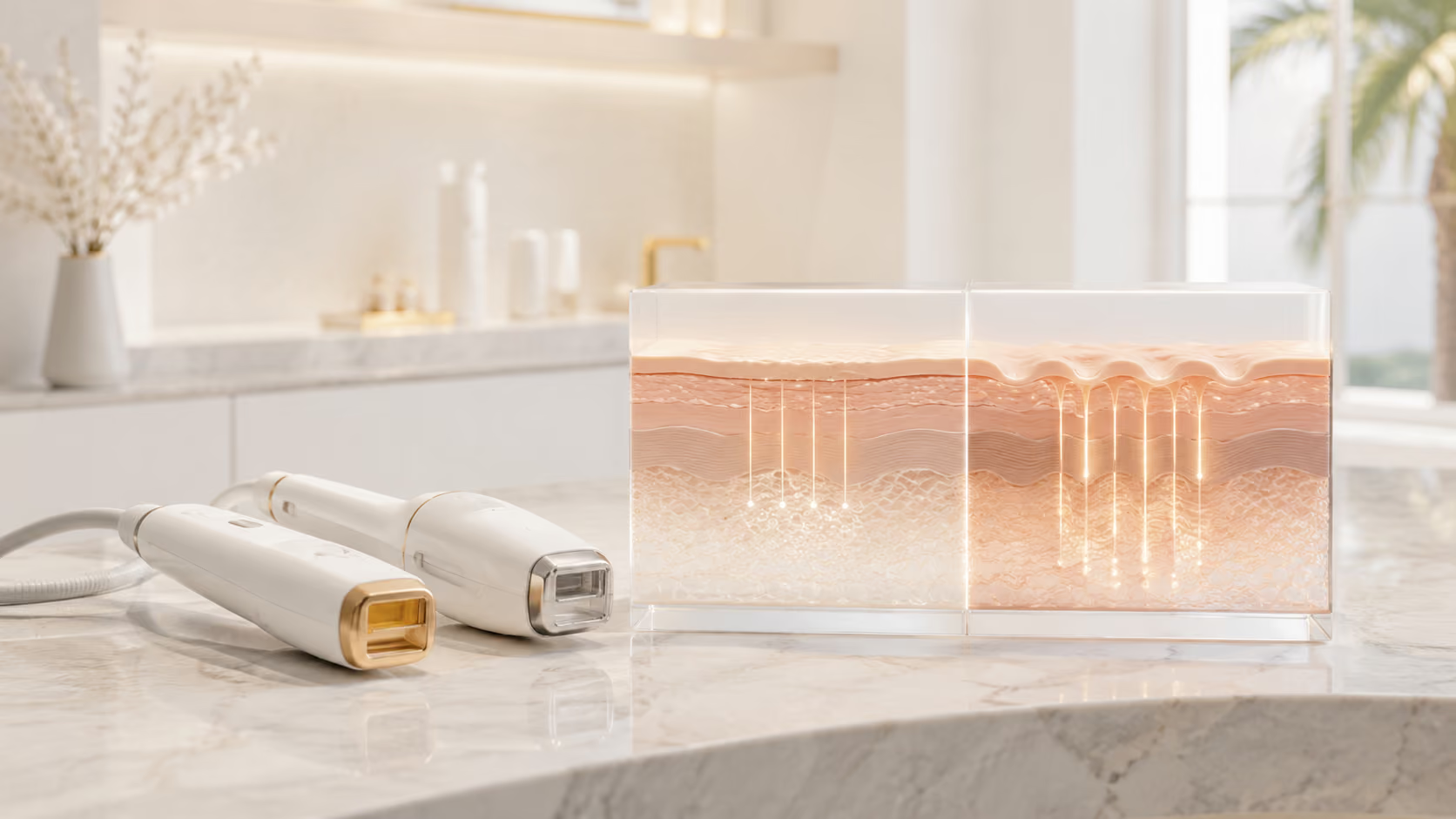
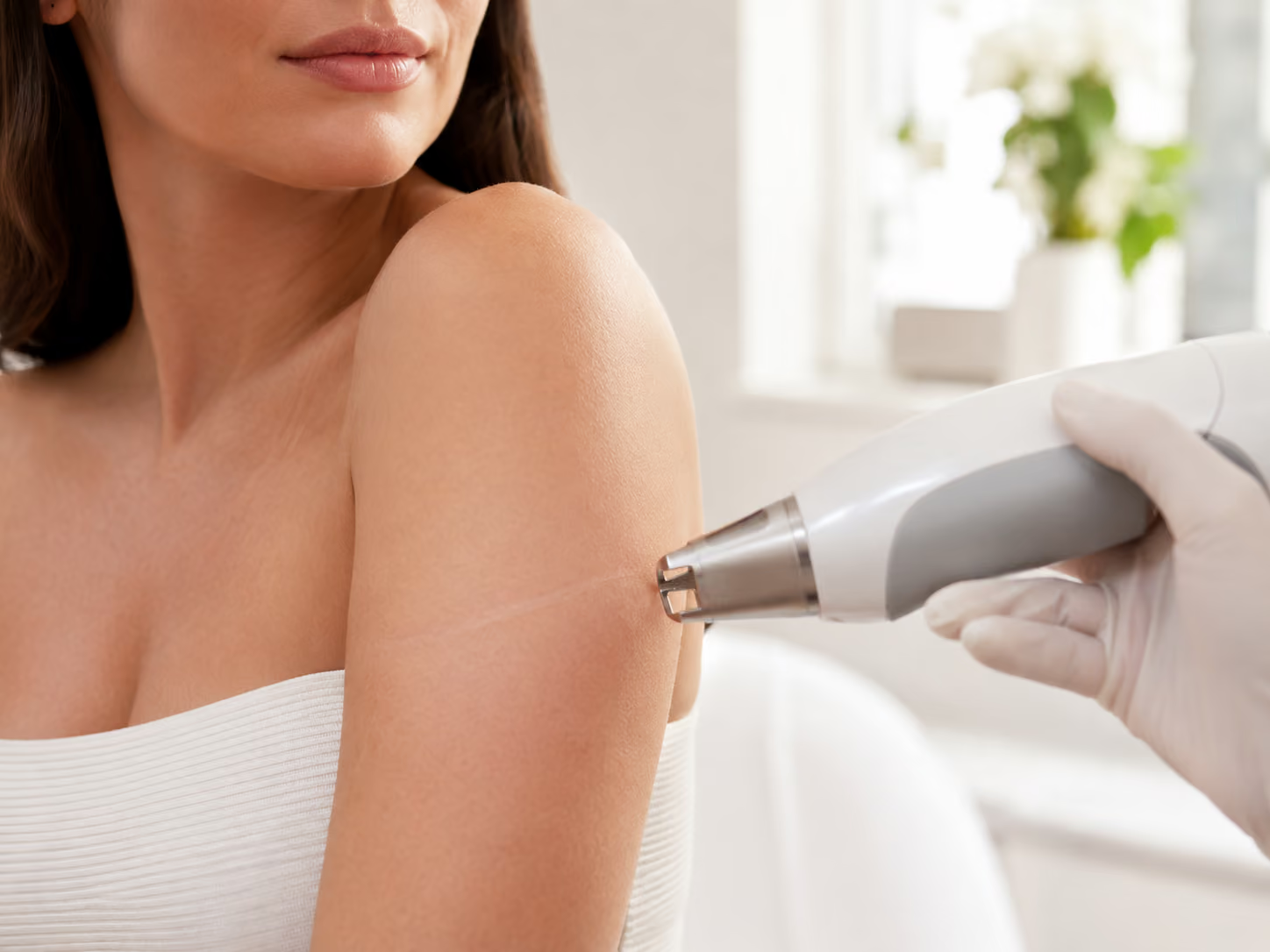
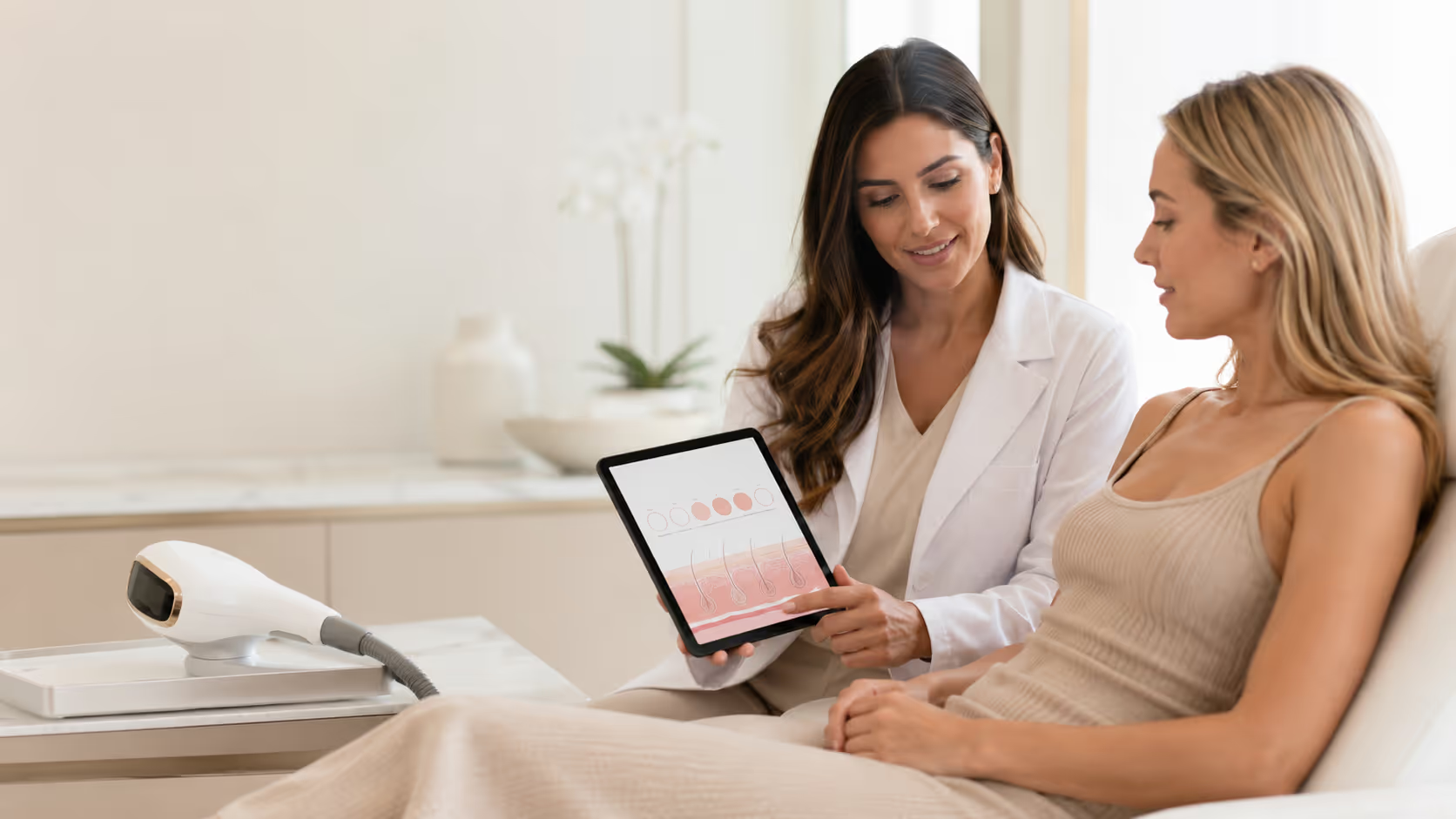
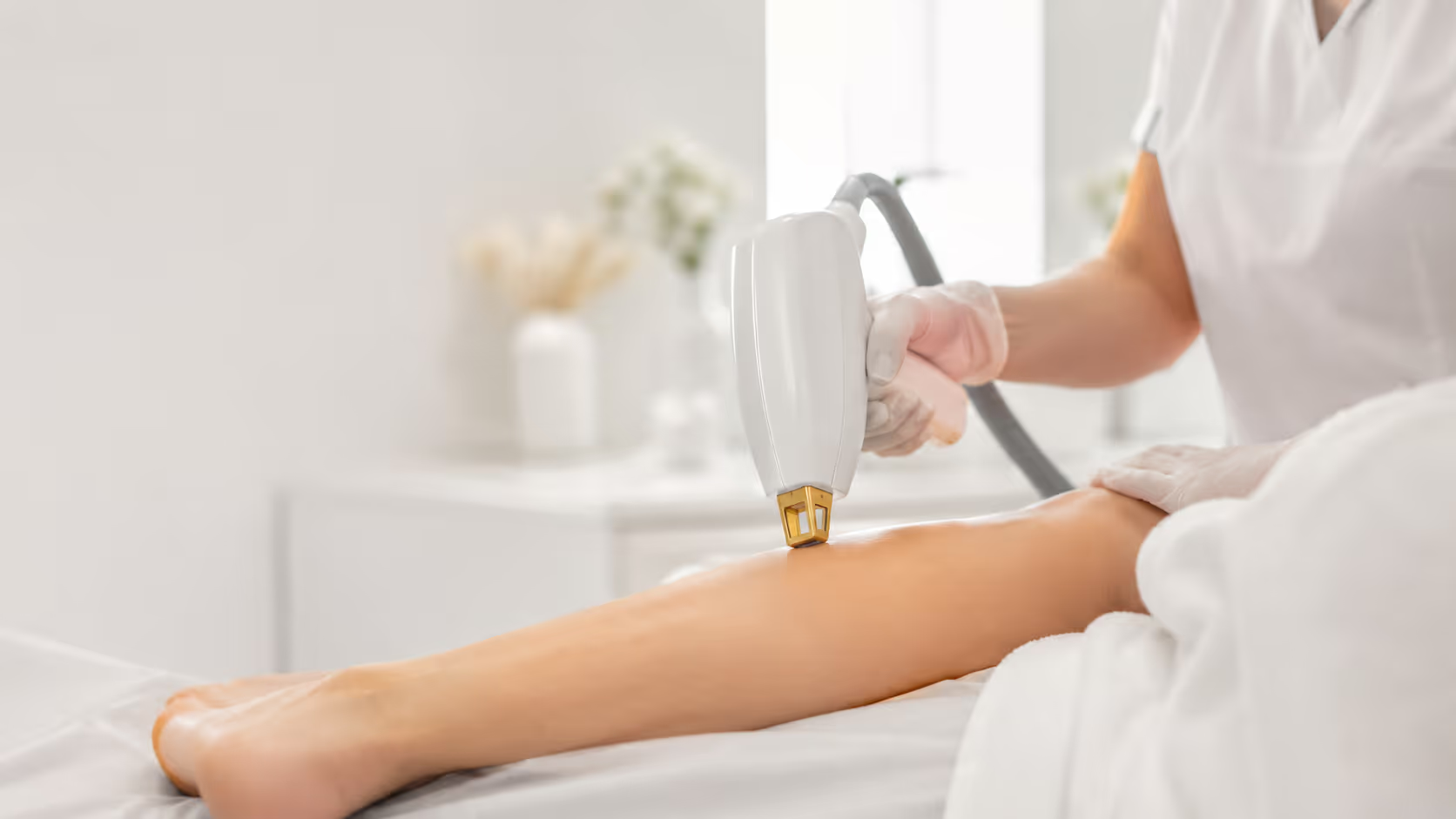
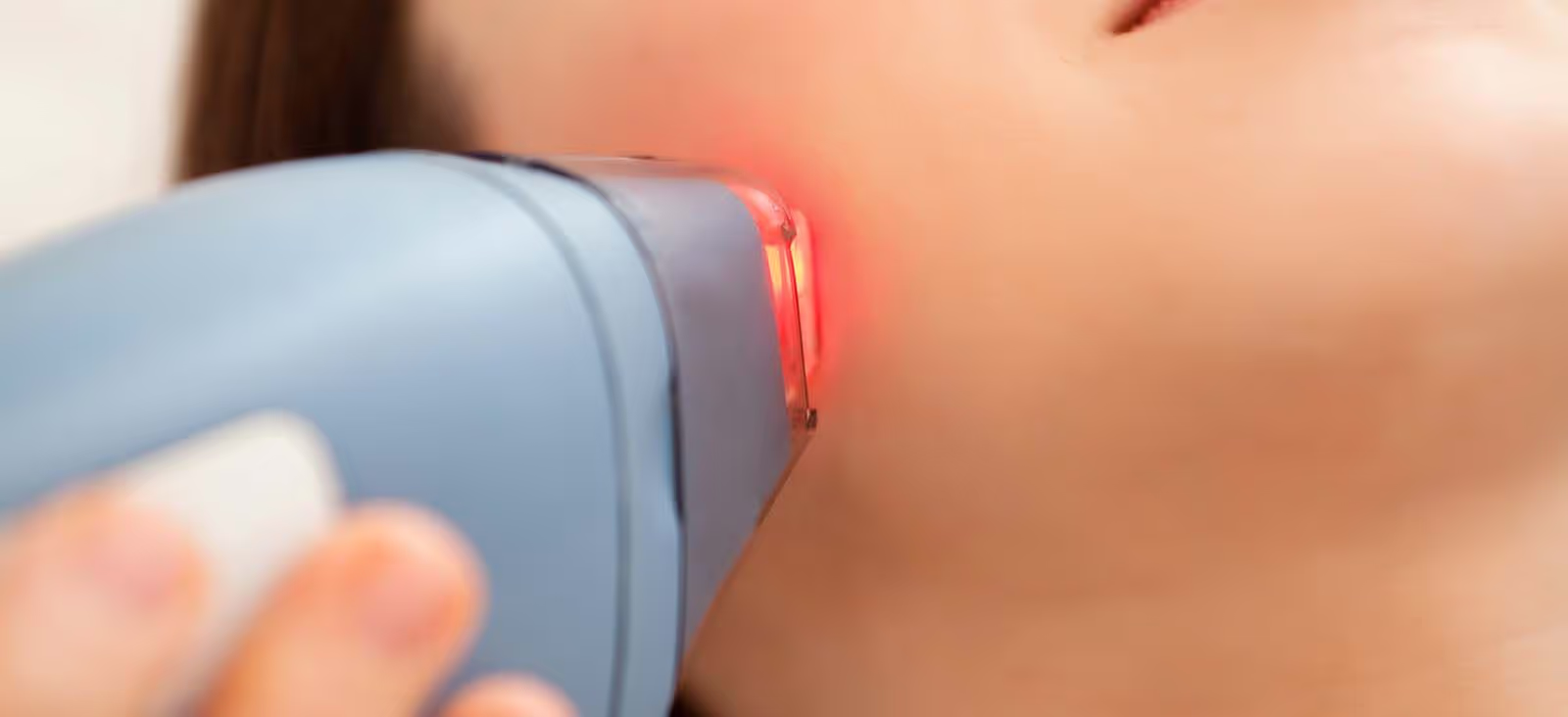
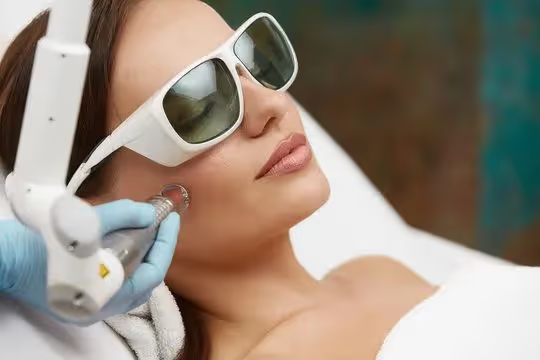
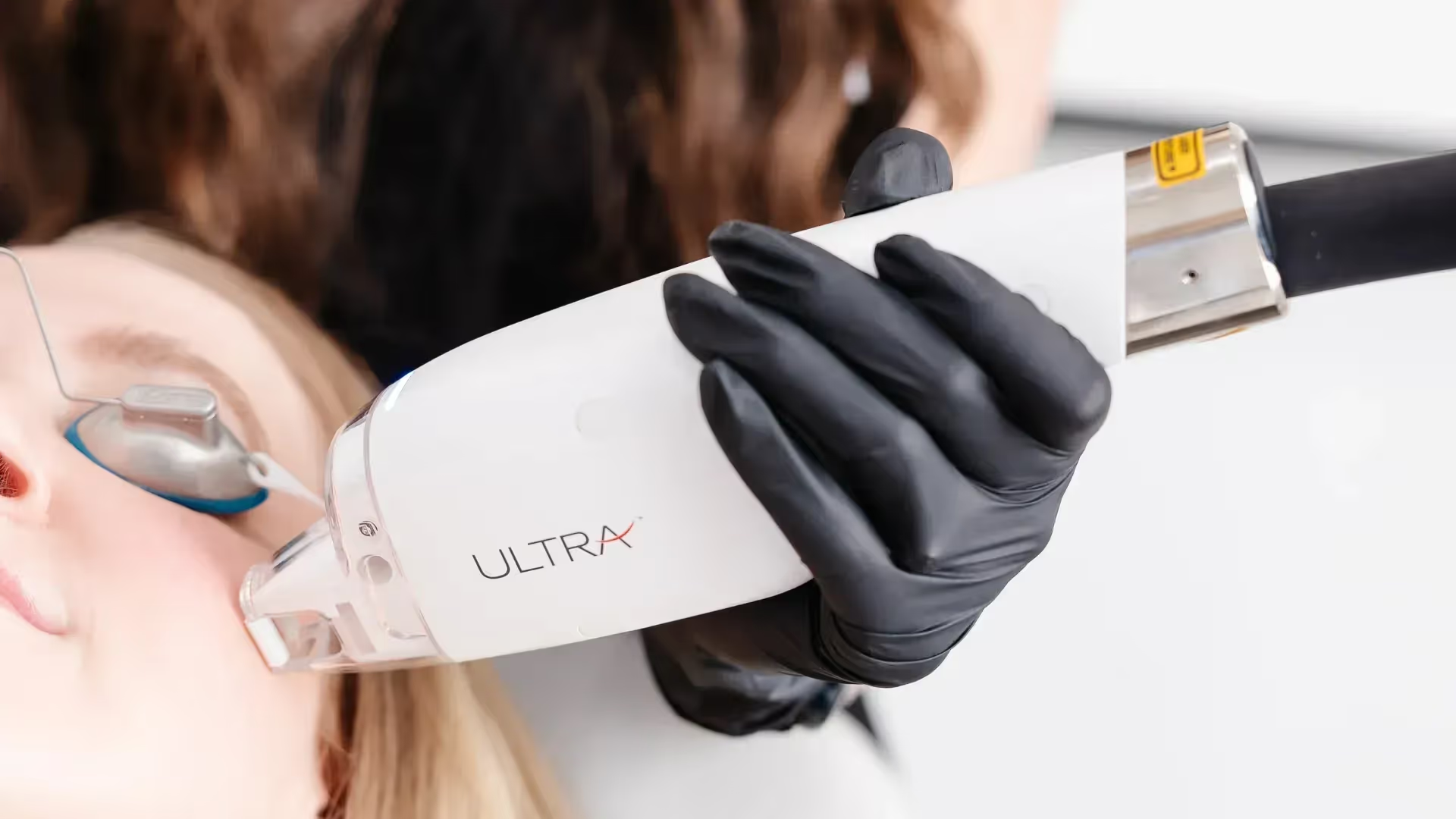
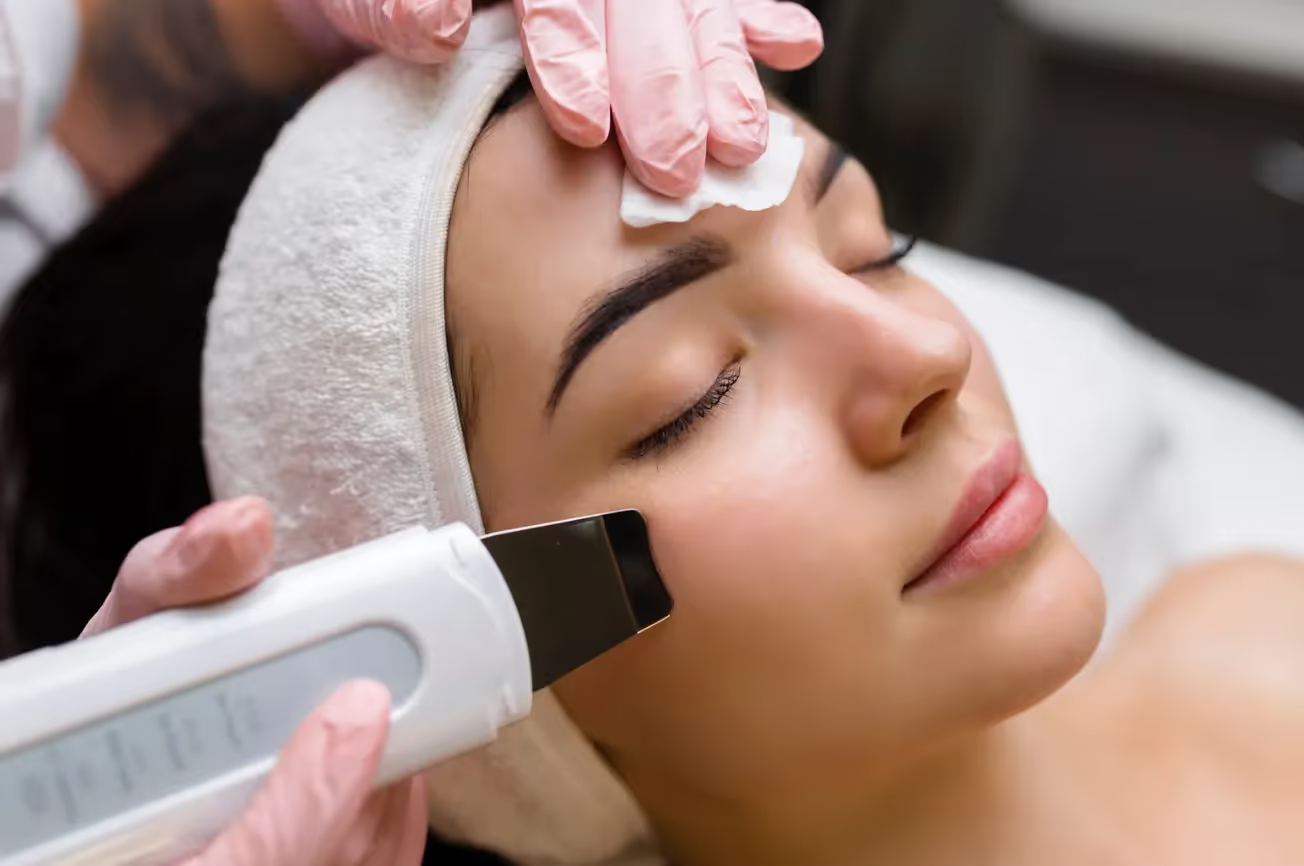
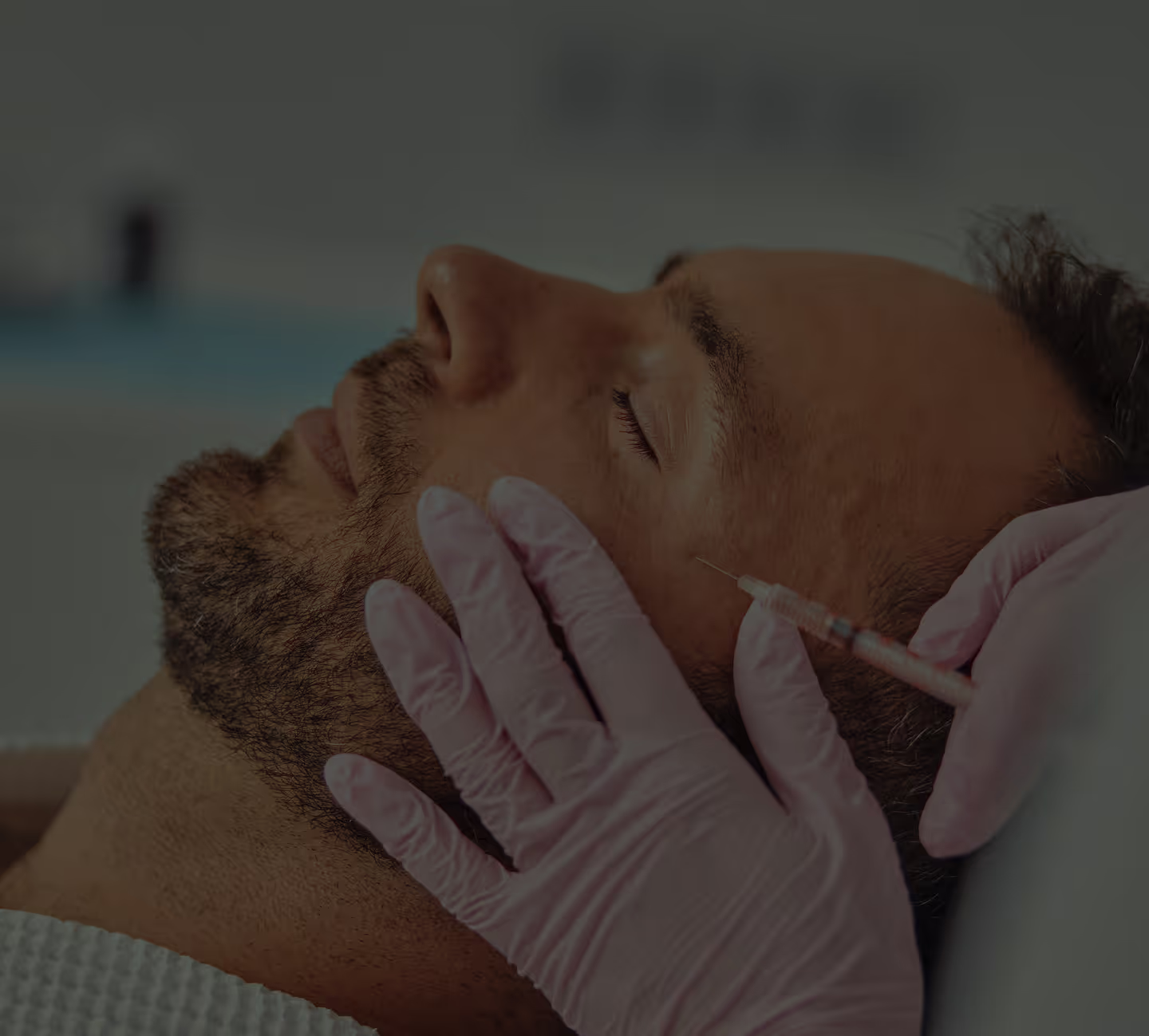
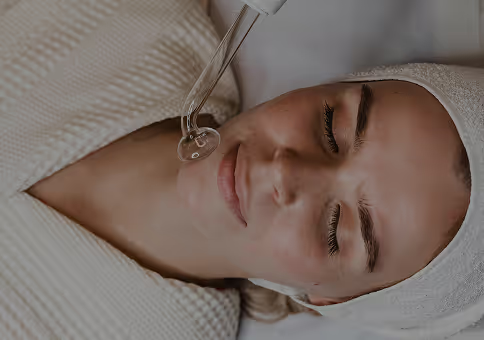
Advanced dermatological treatments offer powerful non-medication options for rosacea management, often providing results that are difficult to achieve through lifestyle modifications and skincare alone. Light-based therapies, including intense pulsed light (IPL) and certain laser treatments, can effectively target the visible blood vessels and persistent redness associated with rosacea. These treatments work by selectively heating and destroying dilated capillaries while leaving surrounding healthy tissue unaffected. Multiple sessions are typically required to achieve optimal results, with maintenance treatments often recommended to sustain improvements.
Chemical peels designed specifically for sensitive, rosacea-prone skin can help improve skin texture and reduce some symptoms when performed by experienced professionals. These are typically very gentle peels using mild acids at low concentrations, far different from the aggressive peels used for other skin conditions. The goal is gradual improvement without triggering inflammation or worsening symptoms. Professional assessment is crucial to determine candidacy and appropriate treatment parameters for each individual patient.
Photodynamic therapy represents another innovative approach that can be particularly effective for rosacea patients with significant inflammatory components. This treatment involves applying a photosensitizing agent to the skin, followed by exposure to specific wavelengths of light that activate the agent. The activated treatment selectively targets problem areas while minimizing damage to healthy tissue. Recovery time is typically minimal, making this an attractive option for patients who cannot take extended time away from work or social activities.
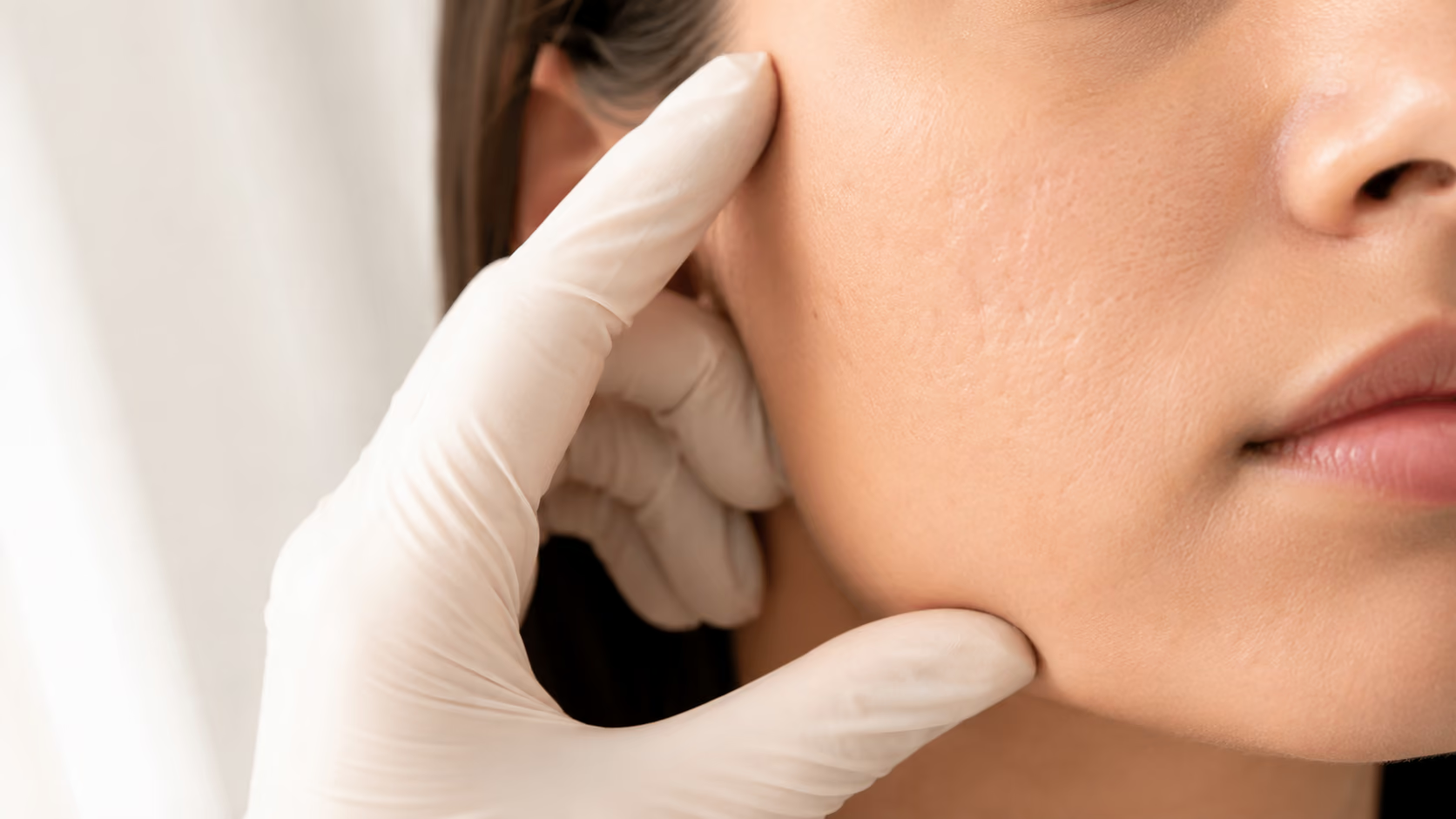
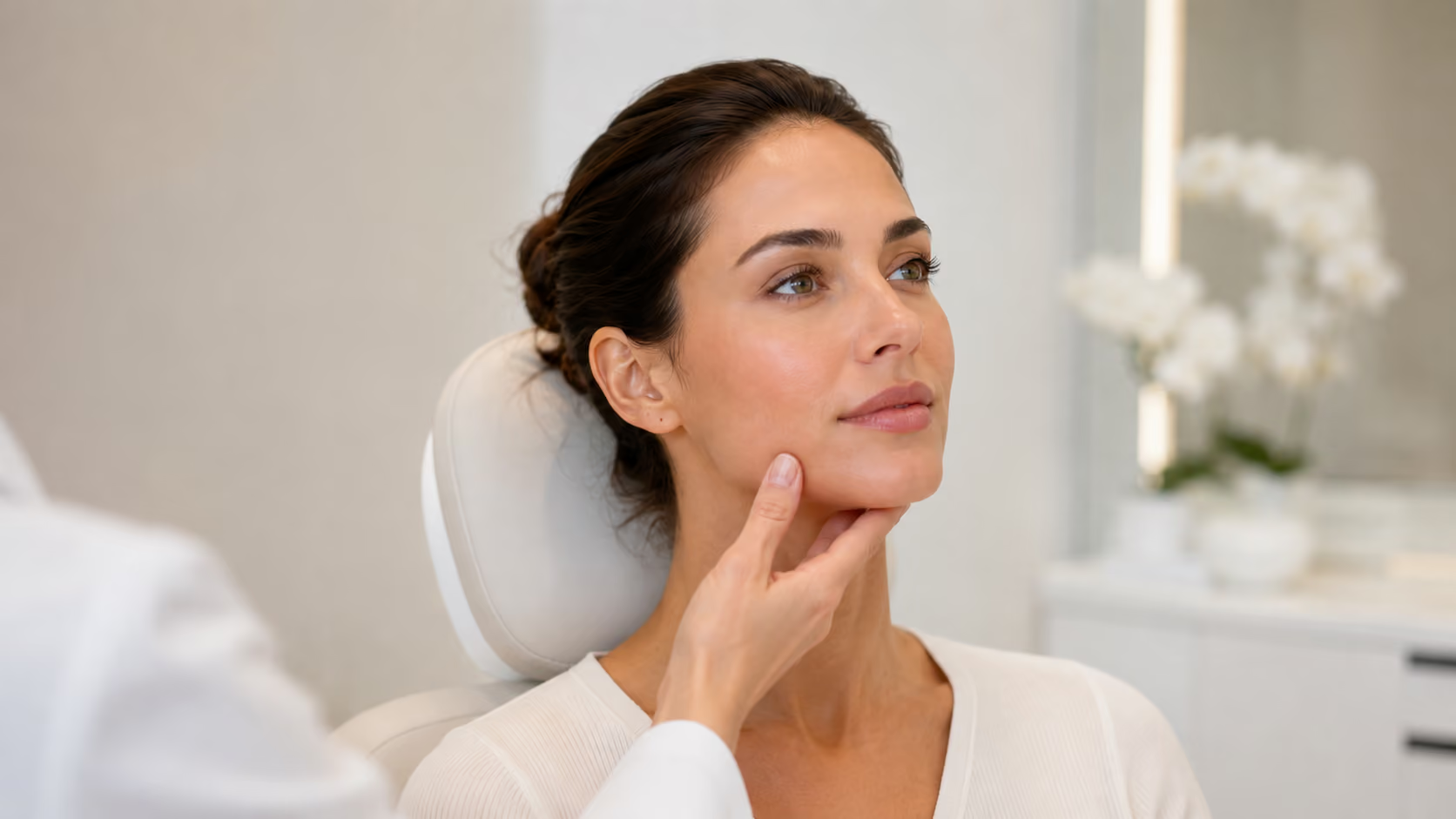
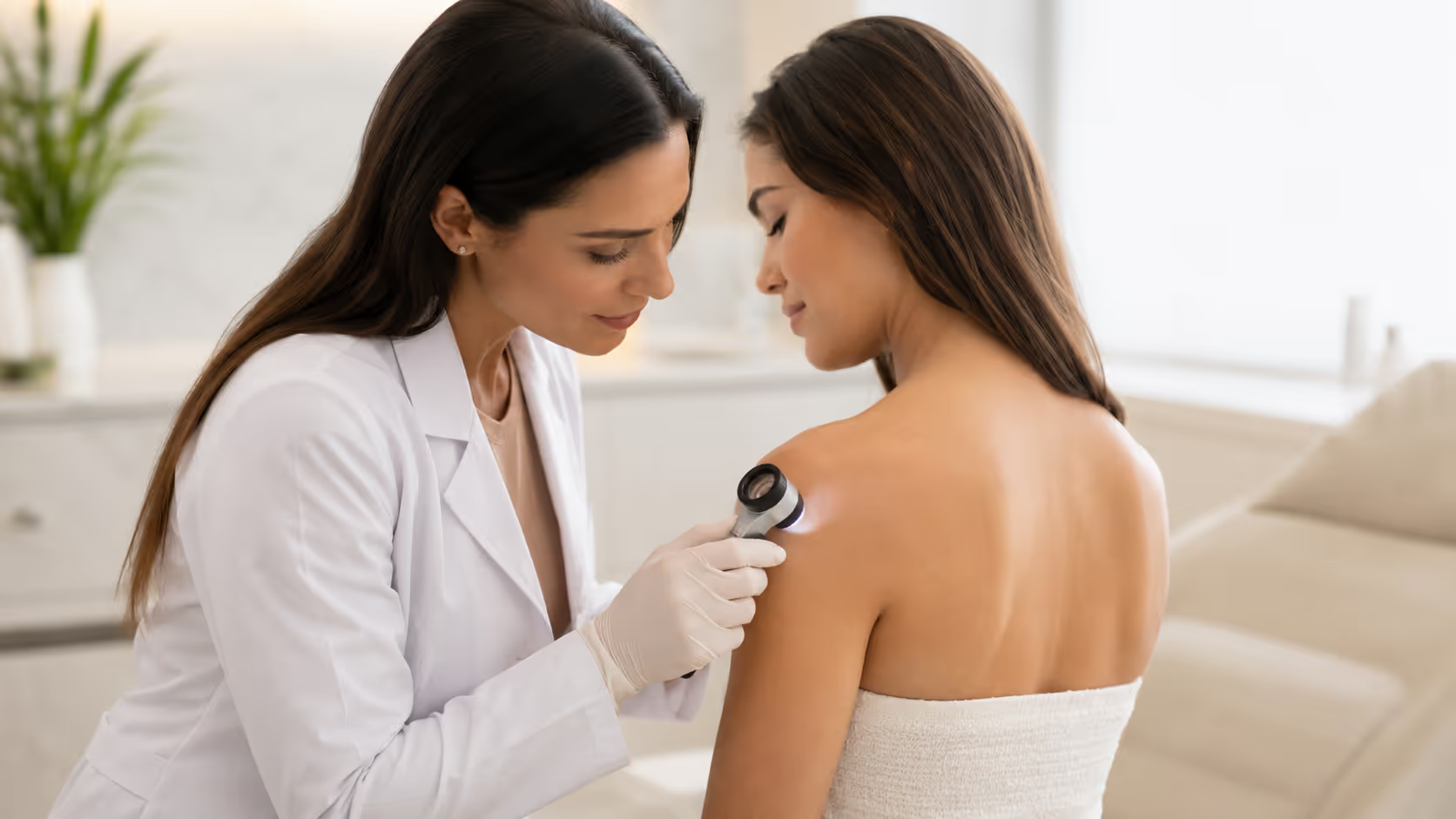
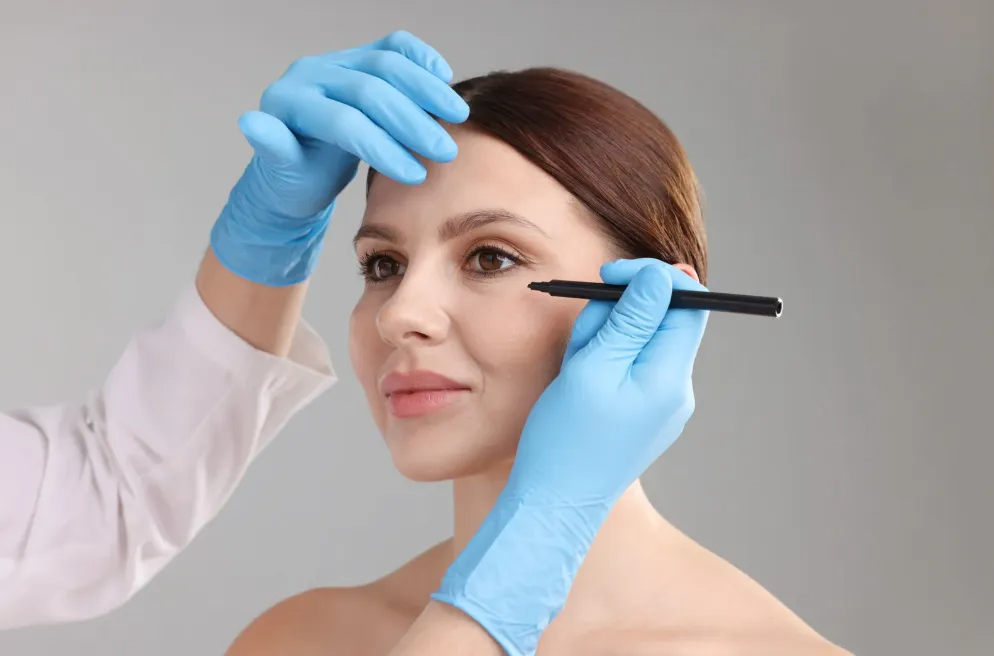
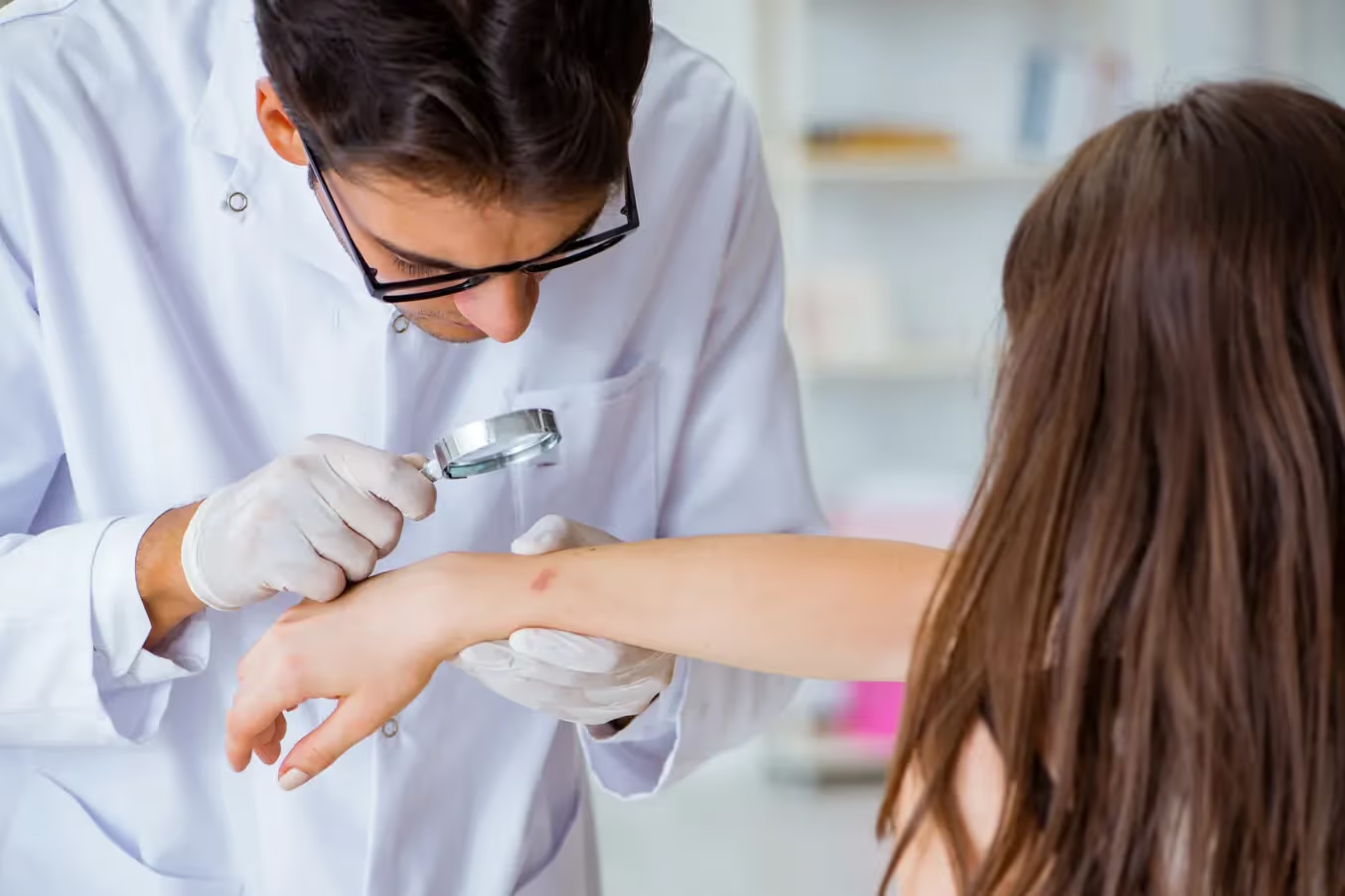
The consultation process for professional treatments involves comprehensive skin assessment, medical history review, and discussion of treatment goals and expectations. This thorough evaluation helps ensure that chosen treatments are appropriate for the individual's specific type and severity of rosacea. Factors such as skin sensitivity, previous treatment responses, lifestyle considerations, and budget constraints all play important roles in treatment selection. Dr. Hazany emphasizes that successful treatment outcomes depend heavily on proper patient selection and realistic expectation setting.
Maintenance protocols following professional treatments are essential for sustaining results and preventing symptom recurrence. This typically involves ongoing attention to trigger avoidance, consistent skincare routines, and periodic follow-up treatments as recommended. Many patients find that professional treatments provide the initial improvement they need to gain confidence in their skin, while ongoing lifestyle modifications and proper skincare help maintain those results long-term. The combination approach often proves more effective than relying solely on either professional treatments or at-home management strategies.
Professional treatments also offer the advantage of expert monitoring and adjustment of treatment plans based on individual response patterns. What works well initially may need modification over time as skin conditions change or as patients develop tolerance to certain approaches. Regular follow-up appointments allow for fine-tuning of treatment protocols and early intervention if symptoms begin to worsen. Hazany Derm specialists work closely with patients to develop long-term management strategies that evolve with their changing needs and circumstances.
Creating Your Personal Management Plan
Developing an effective non-medication rosacea management plan requires patience, consistency, and often some trial and error to find the optimal combination of approaches. Start with the most fundamental changes such as identifying and avoiding known triggers, establishing a gentle skincare routine, and implementing basic lifestyle modifications. Keep detailed records of what you try, how your skin responds, and any patterns you notice over time. This documentation becomes invaluable for refining your approach and communicating effectively with healthcare providers.
The integration of multiple management strategies often produces better results than focusing on just one approach. For example, combining dietary modifications with stress management techniques and an appropriate skincare routine may provide more comprehensive symptom control than any single intervention alone. However, it's important to introduce changes gradually rather than making multiple dramatic changes simultaneously, as this makes it difficult to identify which interventions are most helpful for your specific situation.
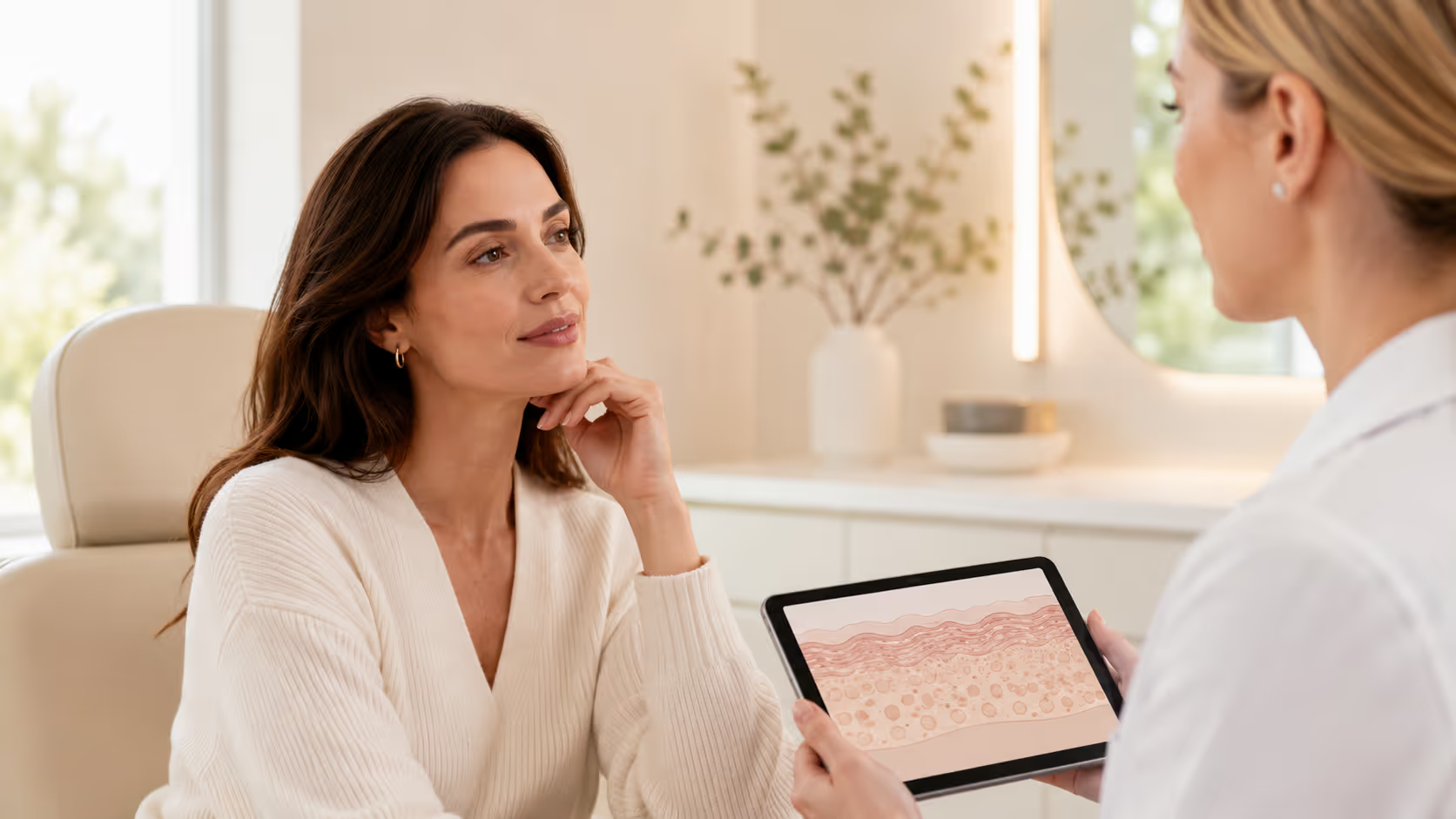
Working with experienced dermatology professionals can significantly accelerate the process of finding effective management strategies while avoiding potentially harmful approaches. Professional guidance helps ensure that chosen treatments are evidence-based and appropriate for your specific skin type and rosacea presentation. The experts at Hazany Derm bring extensive experience in helping patients navigate the complex landscape of rosacea management options, providing personalized recommendations based on individual needs and circumstances.
Remember that successful rosacea management is typically a long-term commitment rather than a quick fix. Consistency with chosen approaches, regular monitoring of symptoms, and willingness to adjust strategies based on results are all important components of sustainable management plans. Many patients find that their optimal management strategy evolves over time as they learn more about their skin's responses and as their life circumstances change. The goal is developing a sustainable approach that fits realistically into your lifestyle while providing meaningful symptom improvement and enhanced quality of life. If you've mapped your triggers and your skin is still flaring, that's your sign the drug-free ceiling has been reached. Schedule a consultation with Dr. Salar Hazany in Beverly Hills to build a plan that combines what works at home with what only works in-office.
Frequently Asked Questions
What are the most effective non-medication treatments for rosacea?
The most effective non-medication treatments typically include trigger identification and avoidance, gentle skincare routines with appropriate products, stress management techniques, and professional treatments like IPL or laser therapy. Dietary modifications, particularly avoiding spicy foods and alcohol, can also provide significant relief for many patients. Dr. Salar Hazany emphasizes that combining multiple approaches often yields better results than relying on any single treatment method. The key is developing a personalized plan that addresses your specific triggers and symptoms while maintaining consistency in your chosen management strategies.
How long does it take to see results from lifestyle changes for rosacea?
Results from lifestyle modifications can vary significantly between individuals, but most patients begin noticing improvements within 4-8 weeks of consistent implementation. Some changes, like avoiding immediate triggers, may show results within days, while others, such as dietary modifications or stress management techniques, may take several months to demonstrate full benefits. Hazany Derm patients are encouraged to maintain detailed symptom journals during this period to track progress and identify the most effective interventions. Patience and consistency are crucial, as the cumulative effect of multiple lifestyle changes often produces the most dramatic and lasting improvements.
Can diet alone control rosacea symptoms?
While diet can be a powerful tool in managing rosacea, it rarely provides complete symptom control when used alone. However, dietary modifications can significantly reduce flare-up frequency and severity for many patients, particularly those with food-related triggers like spicy foods, hot beverages, or alcohol. The team at Hazany Derm often recommends combining dietary changes with other management strategies such as appropriate skincare routines and trigger avoidance for optimal results. An elimination diet approach can help identify specific food triggers, but this process should ideally be guided by healthcare professionals to ensure nutritional adequacy and proper implementation.
What skincare ingredients should be avoided with rosacea?
Patients with rosacea should avoid harsh ingredients including alcohol-based toners, fragrances, menthol, eucalyptus, and aggressive exfoliants like physical scrubs or high-concentration acids. Witch hazel, sodium lauryl sulfate, and certain preservatives can also trigger flare-ups in sensitive individuals. Dr. Hazany recommends patch-testing any new products before full application and choosing formulations specifically designed for sensitive skin. Instead, look for gentle ingredients like ceramides, hyaluronic acid, niacinamide, and zinc oxide. The goal is supporting the skin barrier rather than stripping or irritating already compromised skin.
Are there any natural remedies that work for rosacea?
Several natural approaches can help manage rosacea symptoms, including green tea compresses for their anti-inflammatory properties, aloe vera gel for soothing irritation, and oatmeal masks for gentle exfoliation and moisturization. Chamomile and licorice root extracts have also shown promise in reducing inflammation. Hazany Derm specialists emphasize that while these natural remedies can be beneficial, they should complement rather than replace proven management strategies. It's important to introduce natural treatments gradually and discontinue use if any irritation occurs. Always consult with dermatology professionals before incorporating new natural remedies into your routine.
How important is sun protection for rosacea management?
Sun protection is absolutely crucial for rosacea management, as UV exposure is one of the most common and potent triggers for flare-ups. Daily application of broad-spectrum SPF 30 or higher sunscreen is essential, with mineral formulations containing zinc oxide or titanium dioxide often being better tolerated than chemical sunscreens. Dr. Salar Hazany emphasizes that sun protection should be a year-round commitment, not just during summer months. Physical protection through wide-brimmed hats, sunglasses, and seeking shade during peak hours provides additional benefits. Reapplication throughout the day is important, especially for those who spend significant time outdoors.
Can stress management really help with rosacea symptoms?
Yes, stress management can significantly impact rosacea symptoms, as chronic stress triggers inflammatory responses throughout the body, including the skin. Techniques like meditation, deep breathing exercises, yoga, and regular relaxation practices can help reduce both stress levels and rosacea flare-up frequency. Many patients report noticeable improvements in their skin when they consistently practice stress-reduction techniques. The Hazany Derm clinic often incorporates stress management education into treatment plans, recognizing the strong connection between emotional well-being and skin health. Adequate sleep, regular exercise, and maintaining work-life balance are also important components of effective stress management for rosacea patients.
What professional treatments are available for rosacea without medication?
Professional non-medication treatments include intense pulsed light (IPL) therapy, laser treatments targeting visible blood vessels, gentle chemical peels designed for sensitive skin, and photodynamic therapy for inflammatory components. LED light therapy and professional-grade skincare products are additional options that can provide significant improvement. These treatments work by addressing the underlying vascular and inflammatory components of rosacea without requiring oral or topical medications. The experts at Hazany Derm carefully evaluate each patient's specific needs to recommend the most appropriate professional treatments, often combining multiple approaches for optimal results and creating maintenance protocols to sustain improvements long-term.