




%201.avif)



Can Acne Scars Be Completely Removed?


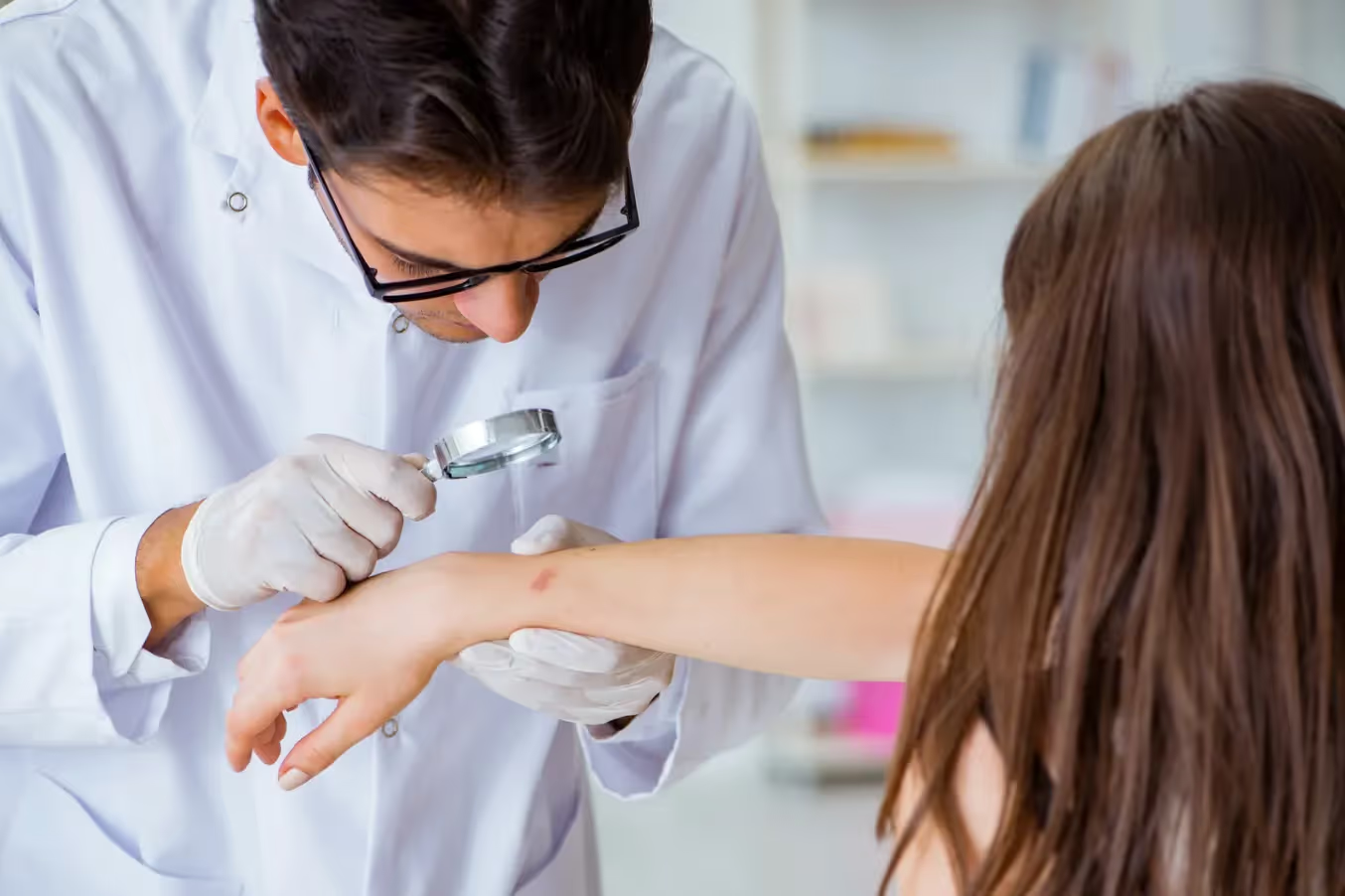
While complete removal of acne scars is challenging, significant improvement is achievable with modern treatments. Dr. Salar Hazany at Hazany Derm offers advanced laser therapies, chemical peels, and combination approaches that can dramatically reduce scar appearance and restore smoother skin texture.
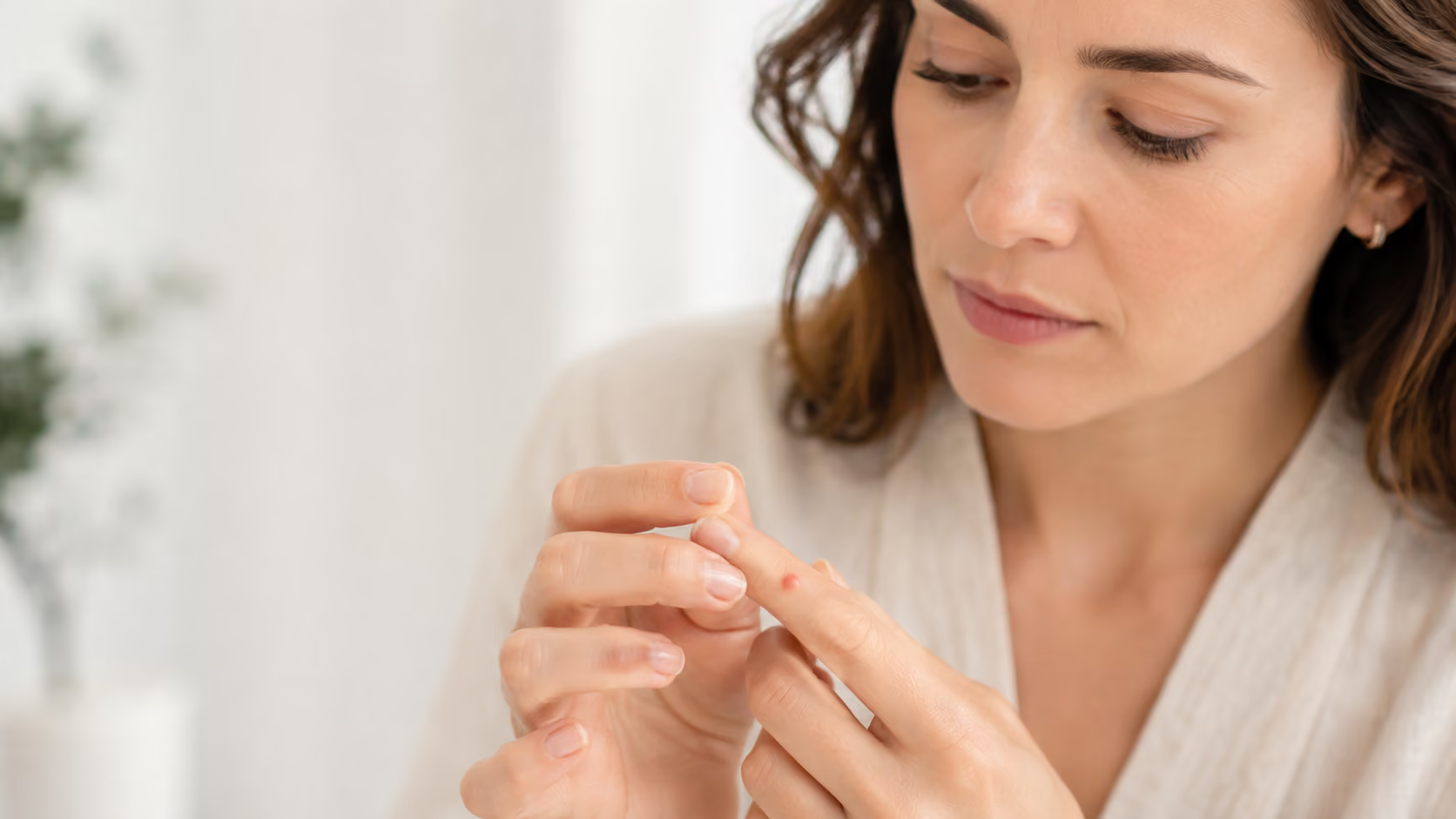
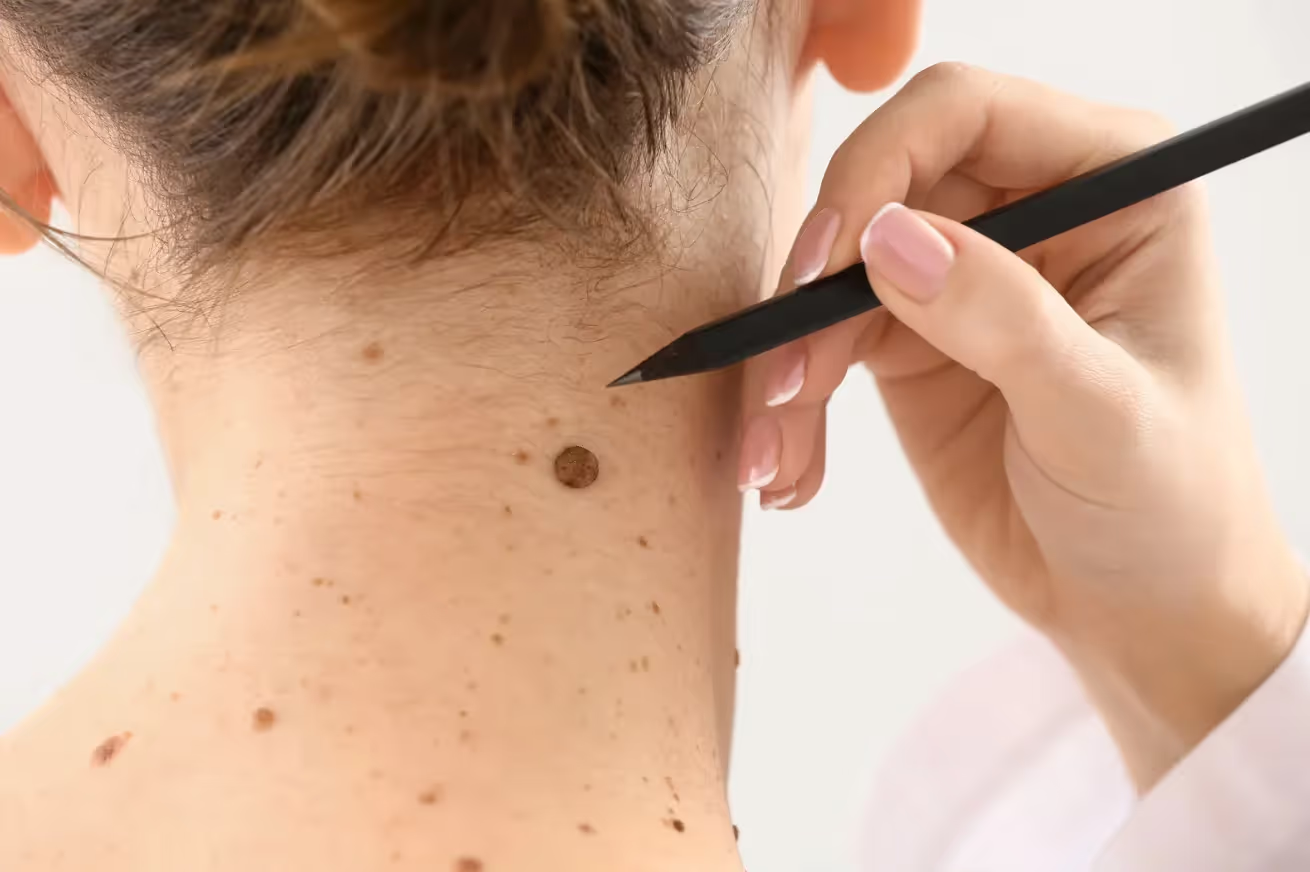
Acne scars represent one of the most frustrating long-term consequences of severe acne breakouts. These persistent reminders of past skin troubles can significantly impact self-confidence and quality of life. Many patients wonder whether modern dermatology can completely erase these marks from their skin.
The question of complete acne scar removal is complex and depends on multiple factors including scar type, depth, skin tone, and individual healing response. While achieving 100% removal is rare, today's advanced treatments can deliver remarkable improvements that dramatically transform skin appearance. Understanding realistic expectations is crucial for anyone considering scar treatment options.
At Hazany Derm, patients regularly experience significant improvements in their acne scarring through carefully planned treatment protocols. Dr. Salar Hazany combines cutting-edge technology with personalized treatment approaches to help patients achieve their best possible results. The key lies in selecting the right combination of treatments and maintaining realistic yet optimistic expectations.
Understanding Different Types of Acne Scars
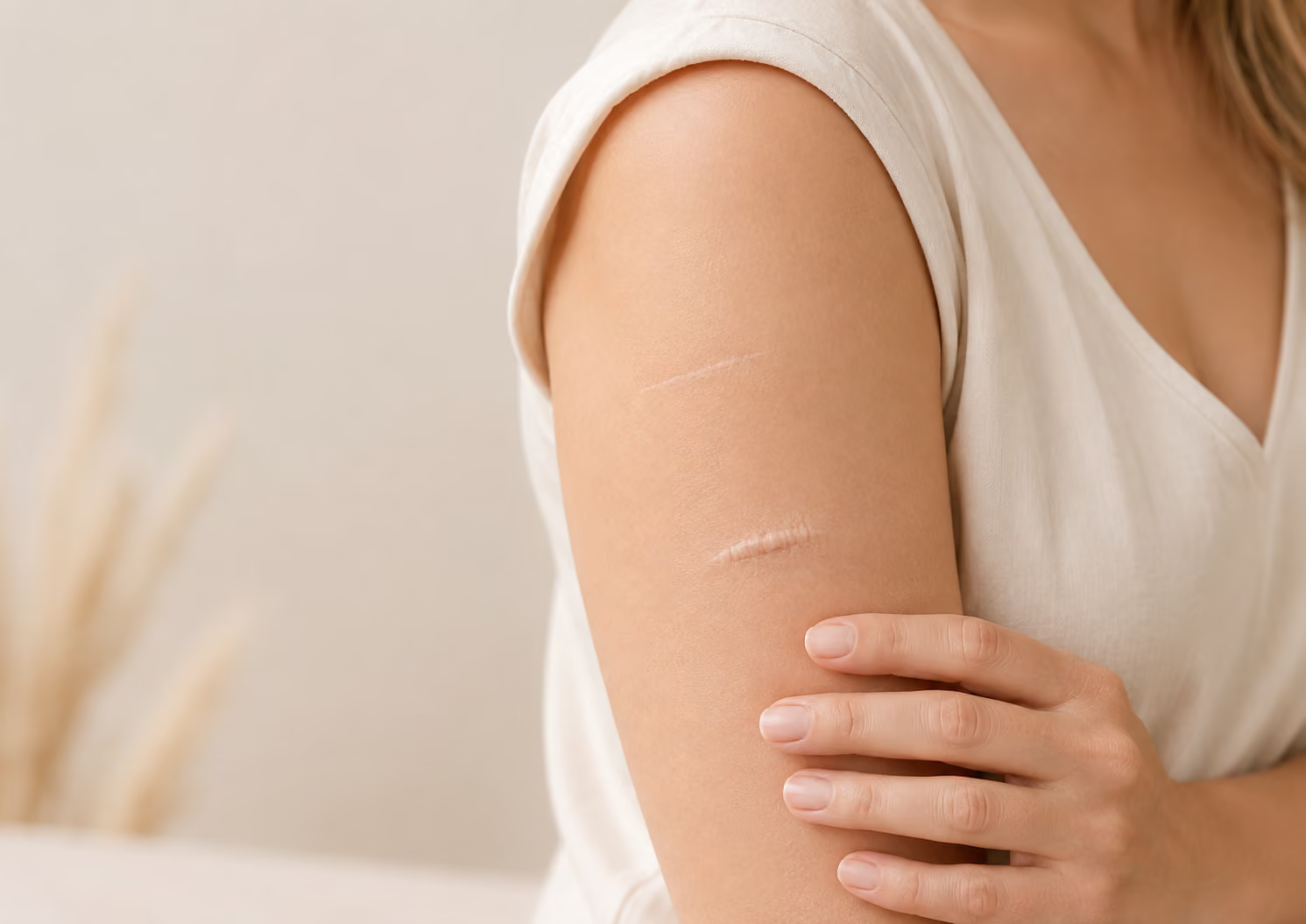
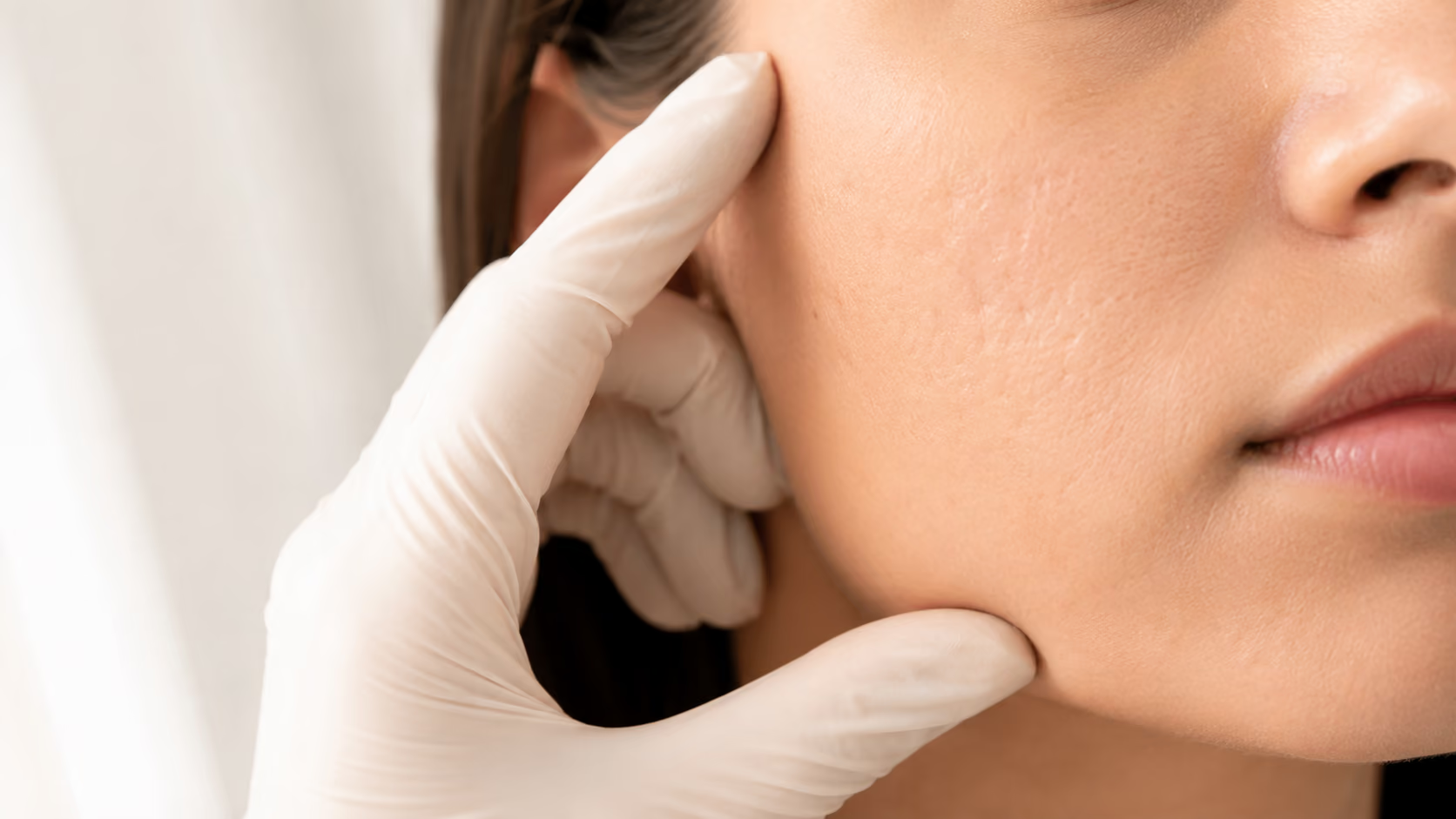
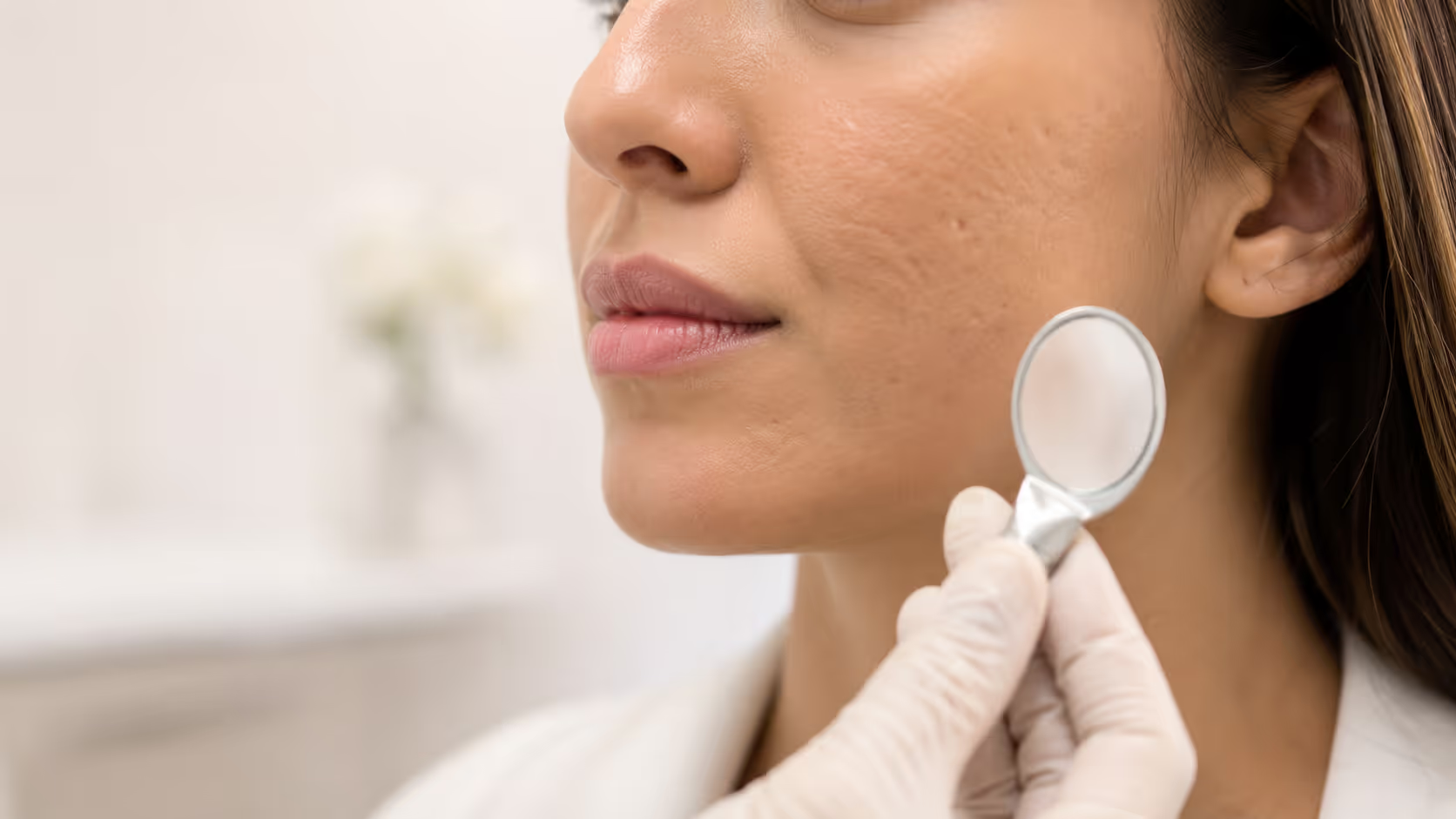
Acne scars fall into several distinct categories, each requiring specific treatment approaches for optimal results. Atrophic scars, which create depressions in the skin, are the most common type resulting from collagen loss during the healing process. These scars include ice pick, boxcar, and rolling scars, each with unique characteristics and treatment requirements.
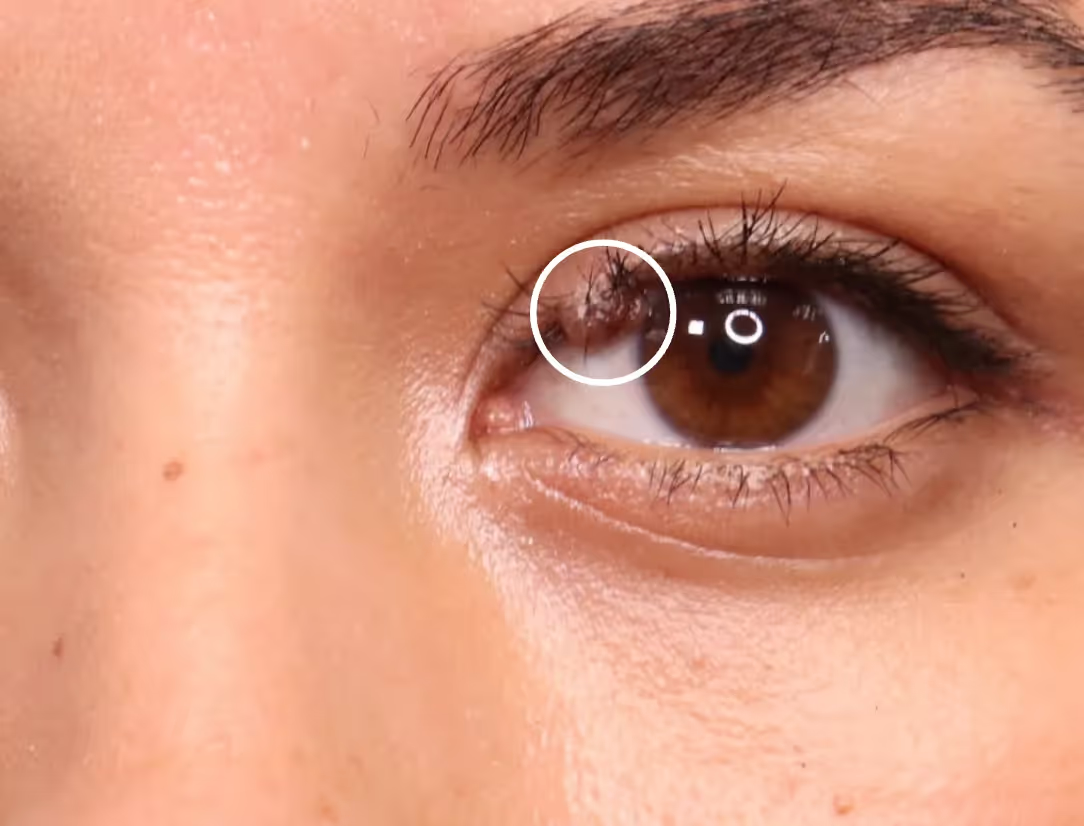
Ice pick scars appear as narrow, deep punctures that extend into the dermis, resembling holes made by an ice pick. Boxcar scars are broader depressions with sharp, defined edges that create a pitted appearance. Rolling scars feature softer, undulating contours that give the skin a wave-like texture.
Hypertrophic and keloid scars represent the opposite problem, where excess collagen production creates raised, thick scar tissue above the skin surface. These scars are more common in certain ethnic groups and specific body areas like the chest and shoulders. Understanding scar type is essential because treatment effectiveness varies significantly based on these characteristics.
- Ice Pick Scars: Deep, narrow channels requiring aggressive treatments like TCA CROSS or laser therapy
- Boxcar Scars: Broad depressions that respond well to laser resurfacing and dermal fillers
- Rolling Scars: Undulating texture that benefits from subcision and radiofrequency treatments
- Hypertrophic Scars: Raised tissue that may require steroid injections or specialized laser treatments
The depth and age of scars also influence treatment outcomes significantly. Newer scars often respond better to treatment than older, established scars that have been present for years. However, even mature scars can show substantial improvement with persistent, appropriate treatment protocols.
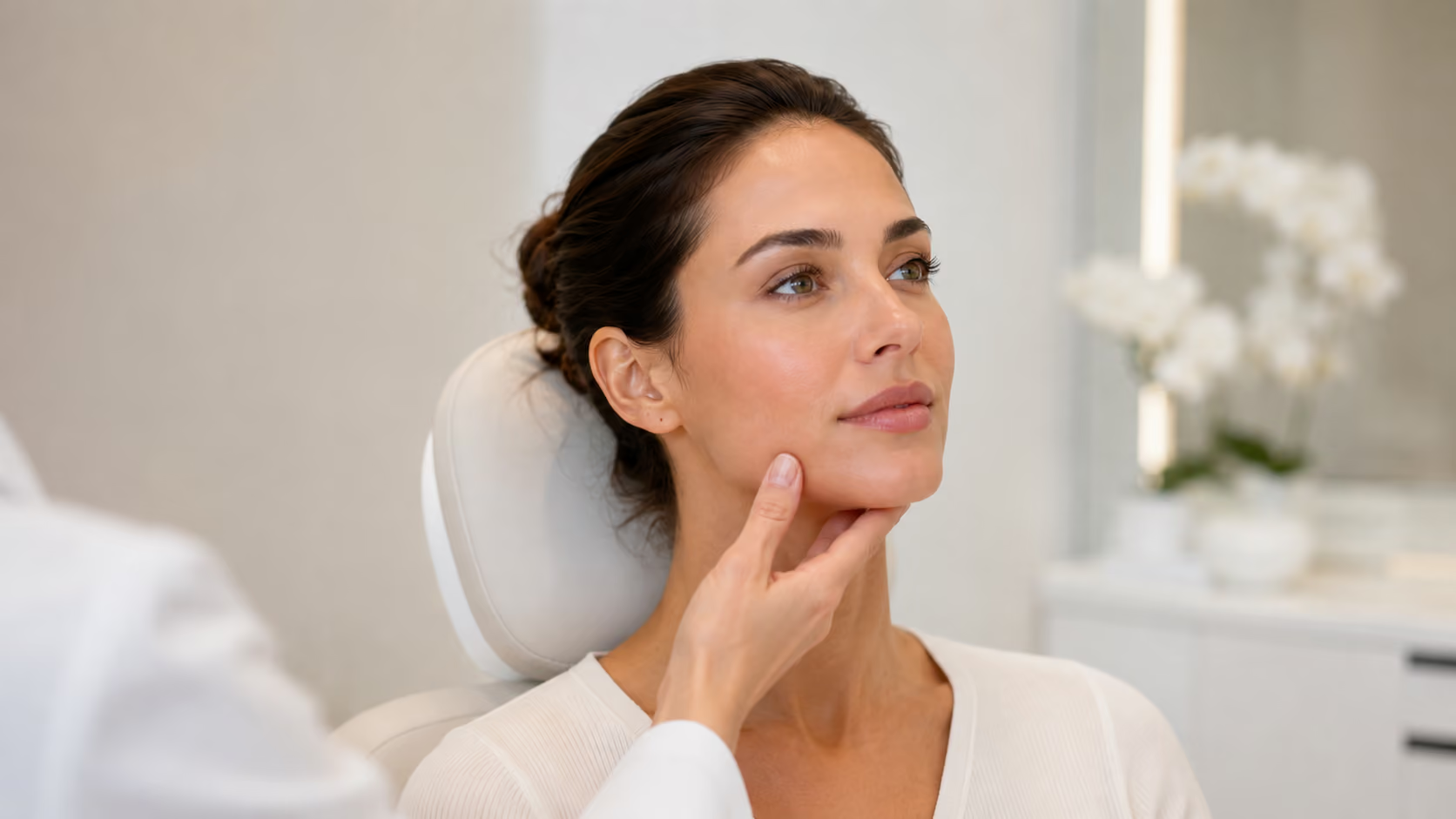
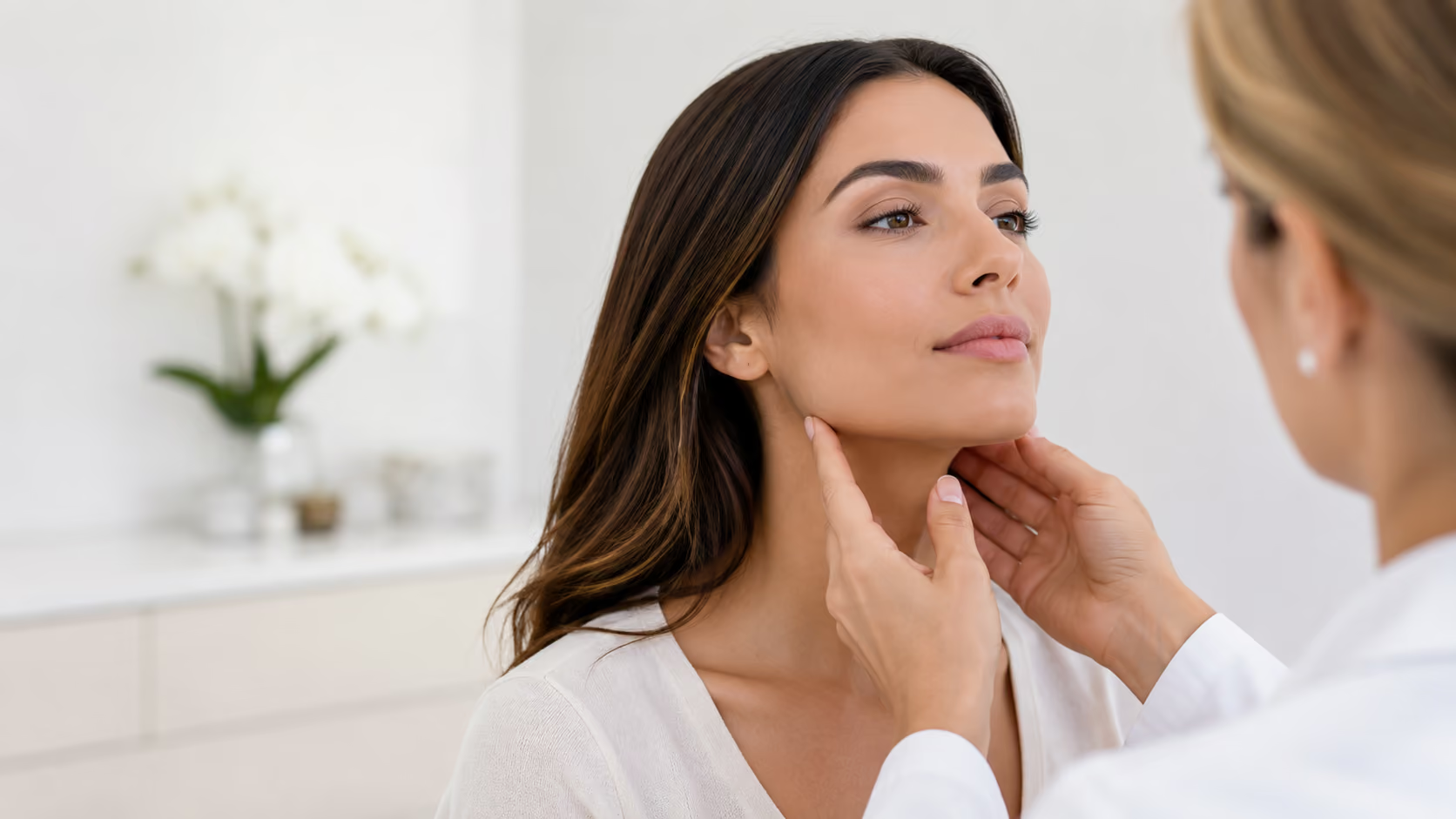
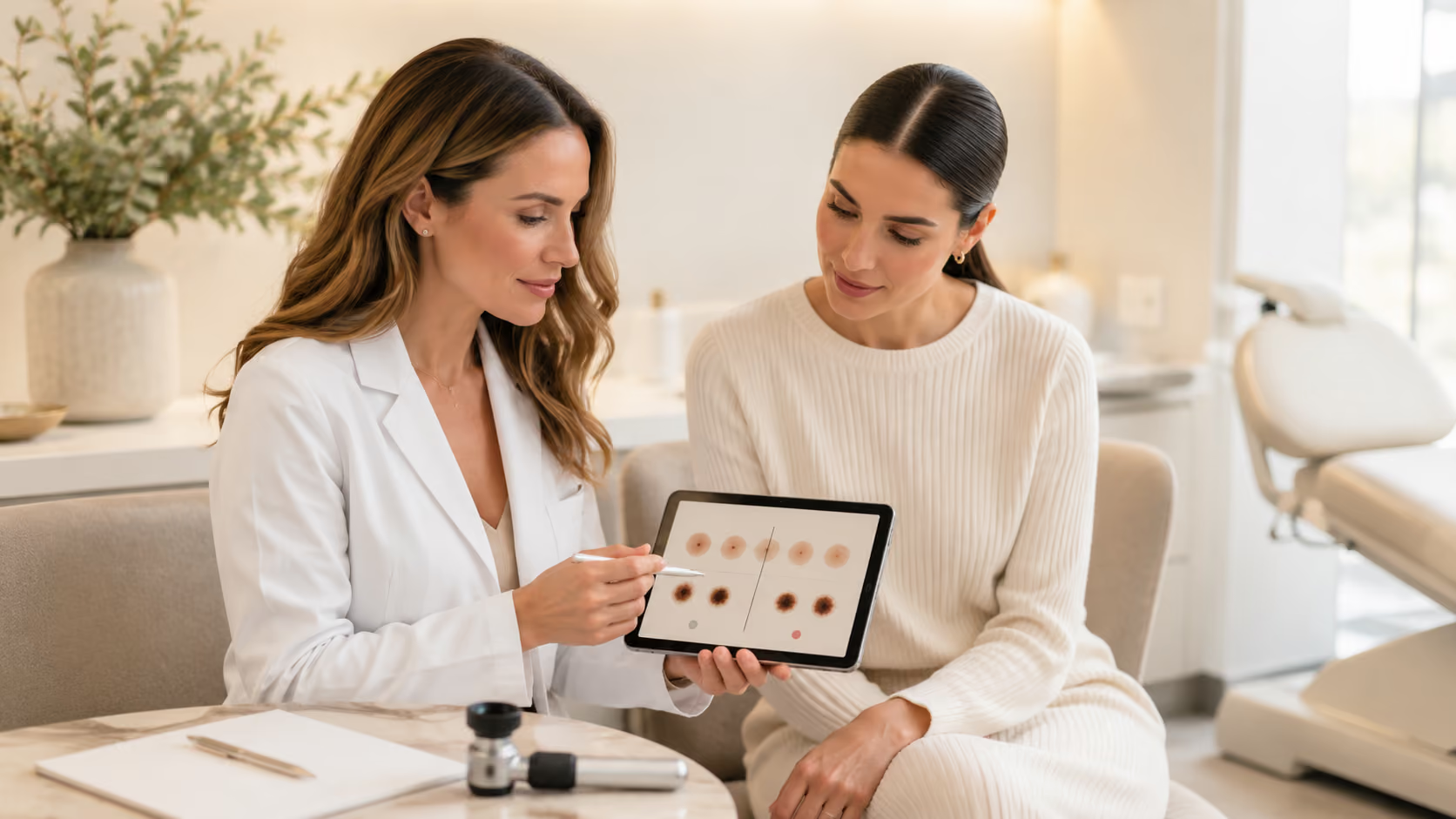
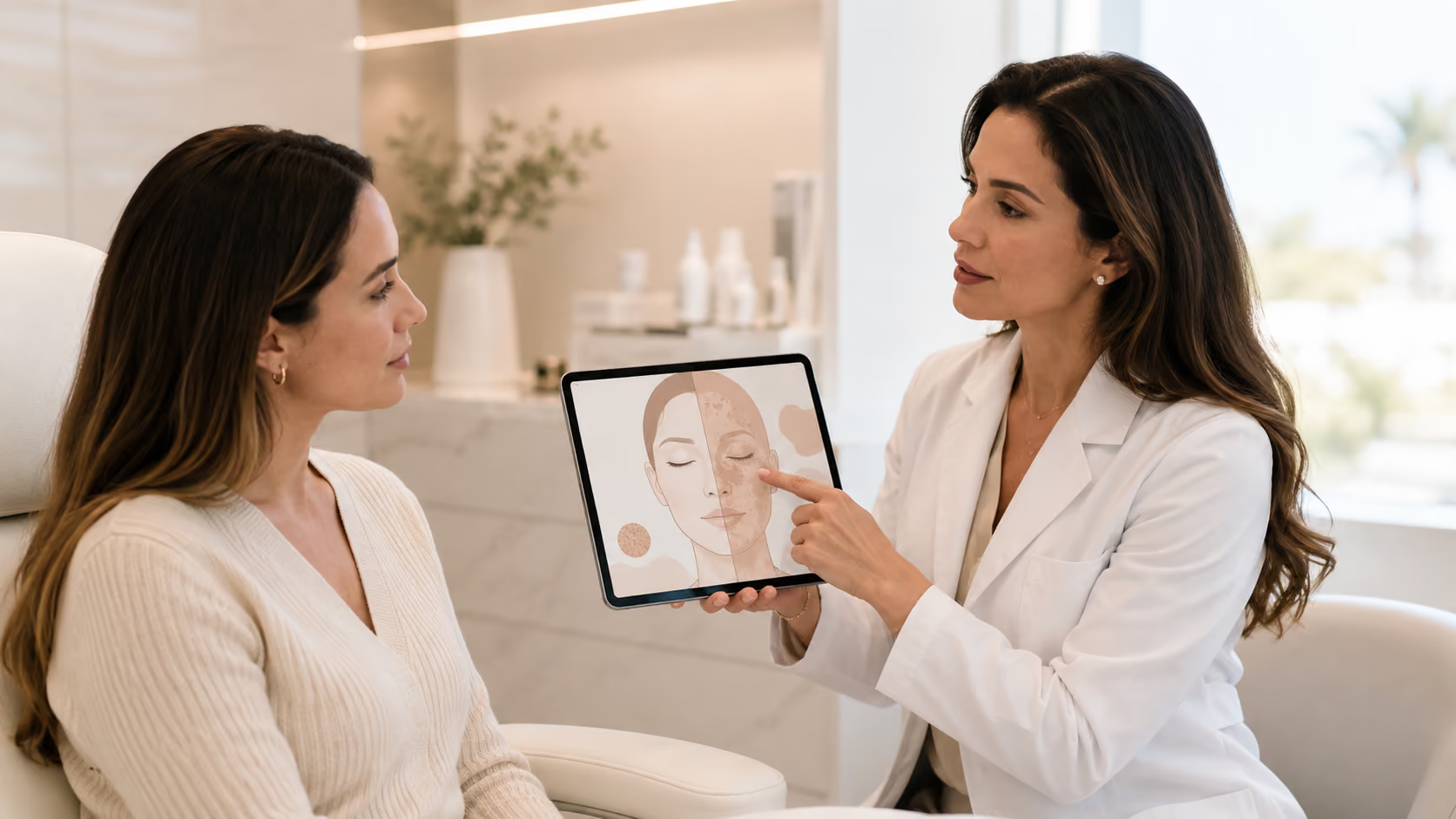
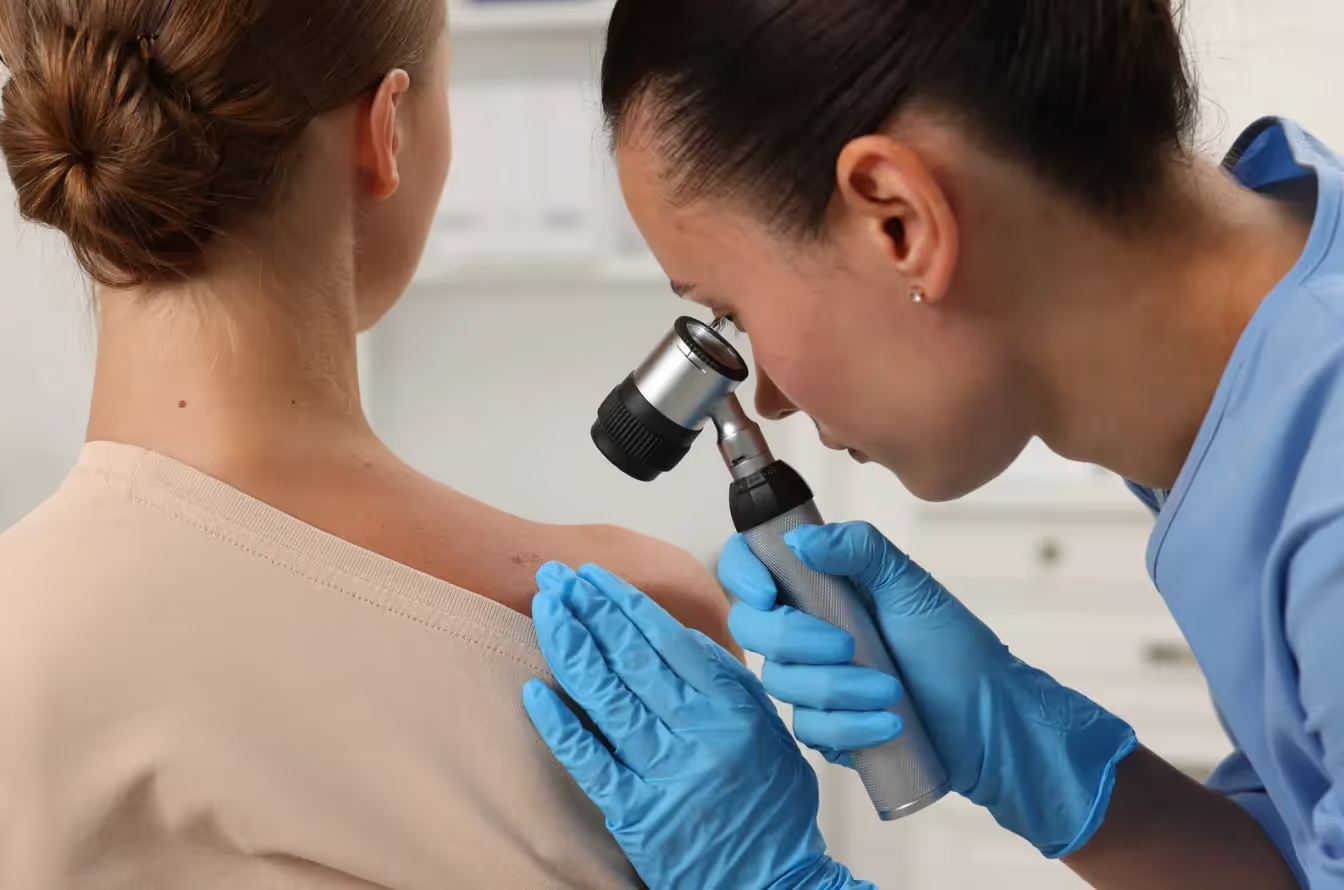
Hazany Derm's comprehensive scar assessment process helps determine the most effective treatment strategy for each patient's unique combination of scar types. This detailed evaluation considers skin type, scar characteristics, patient goals, and lifestyle factors to create personalized treatment plans that maximize improvement potential.
Modern Treatment Options and Their Effectiveness
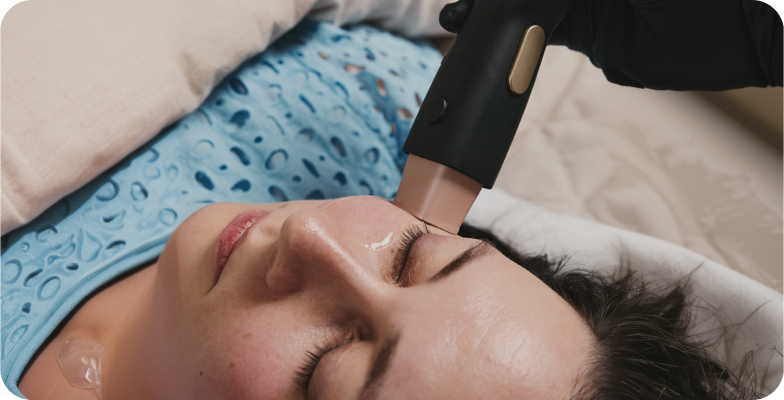
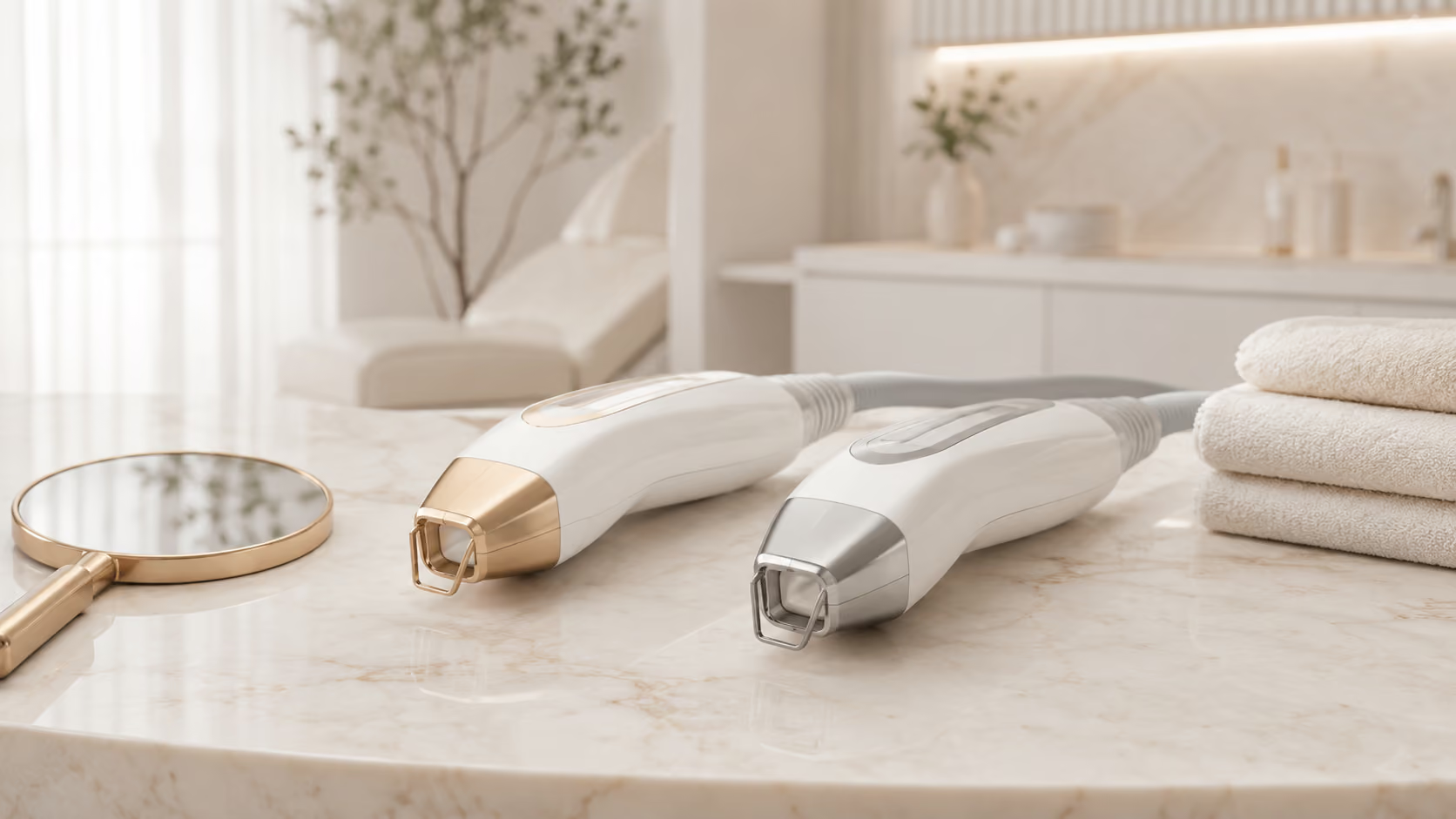
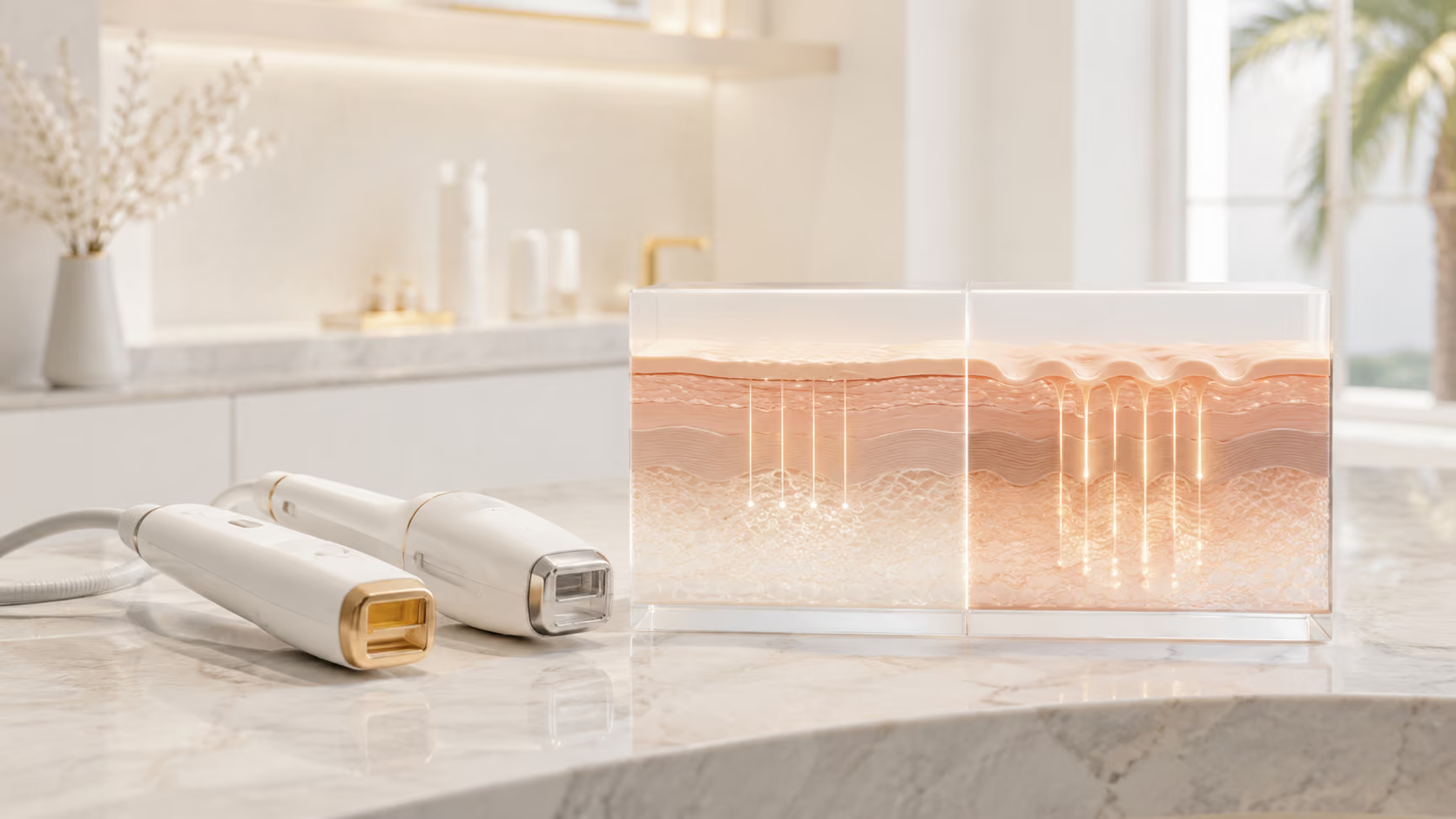
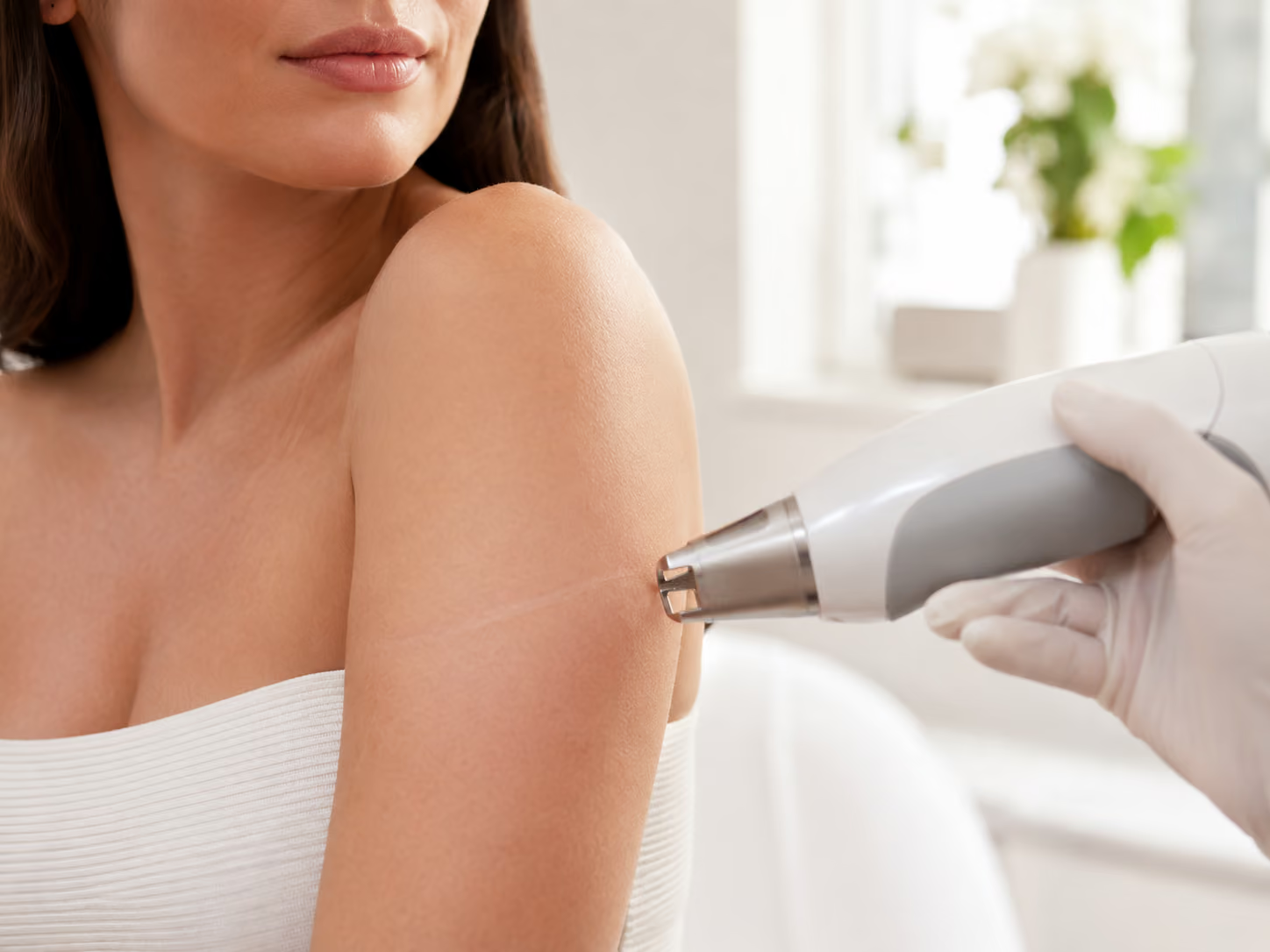
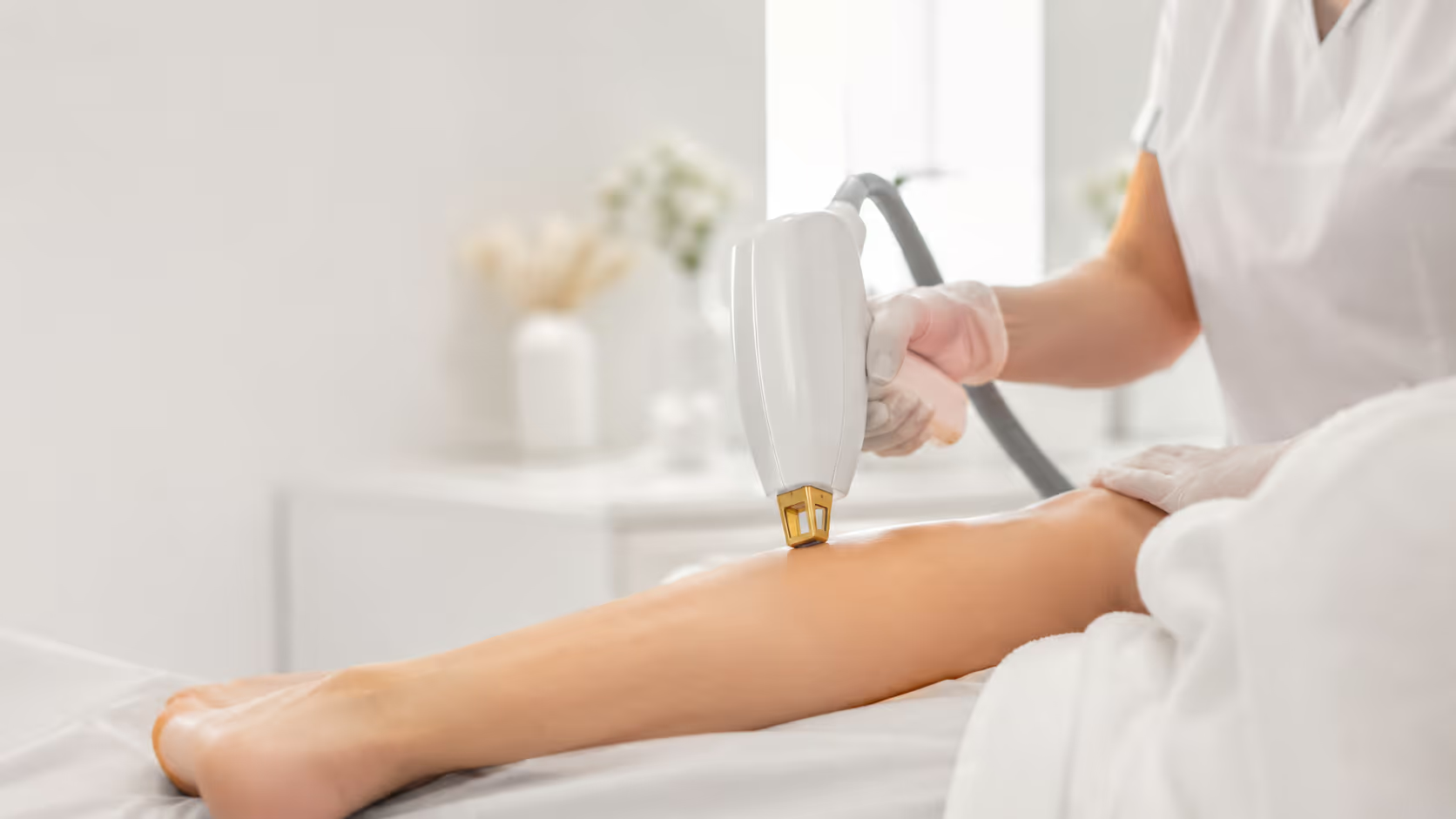
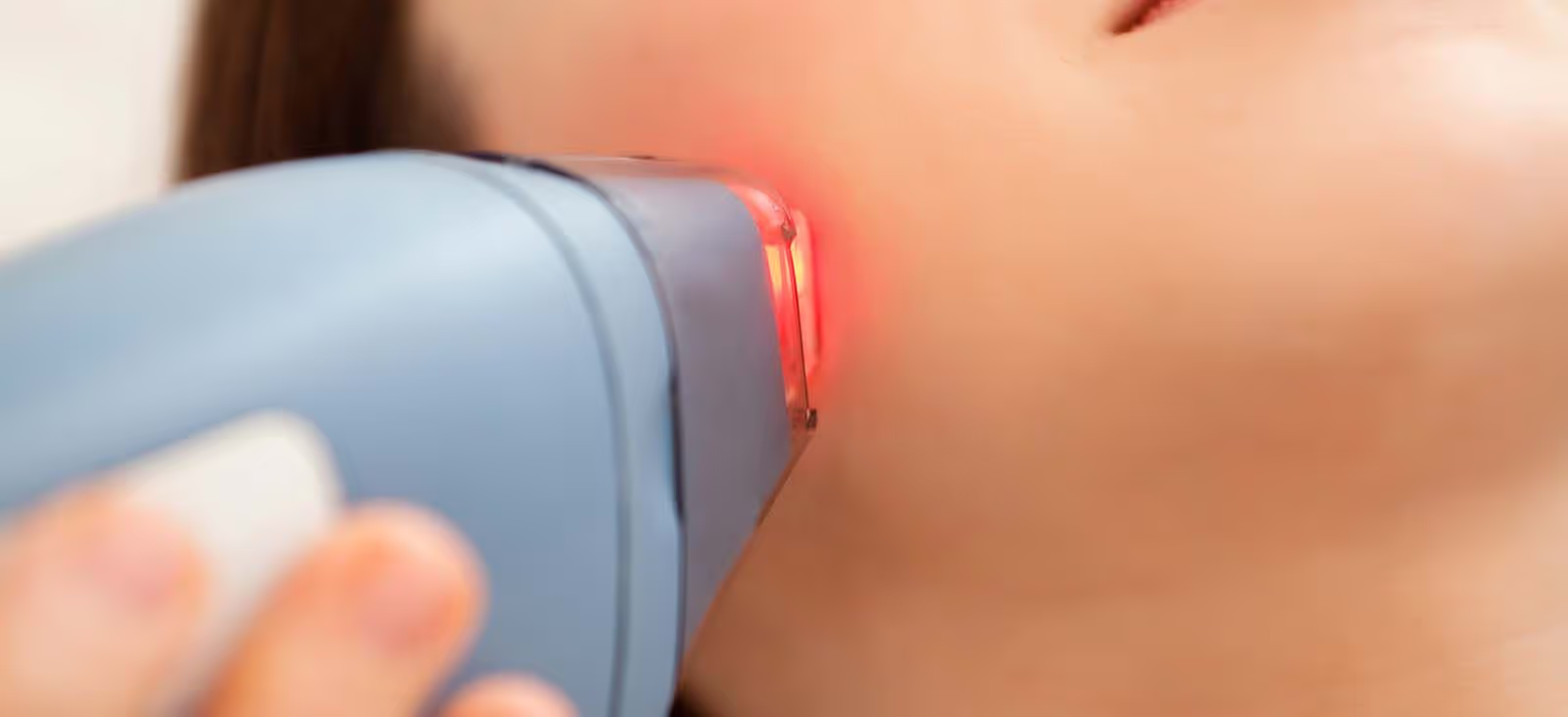
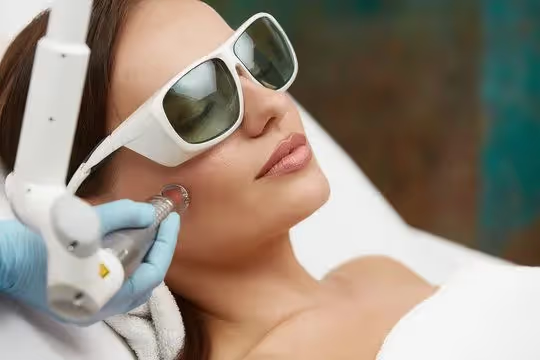
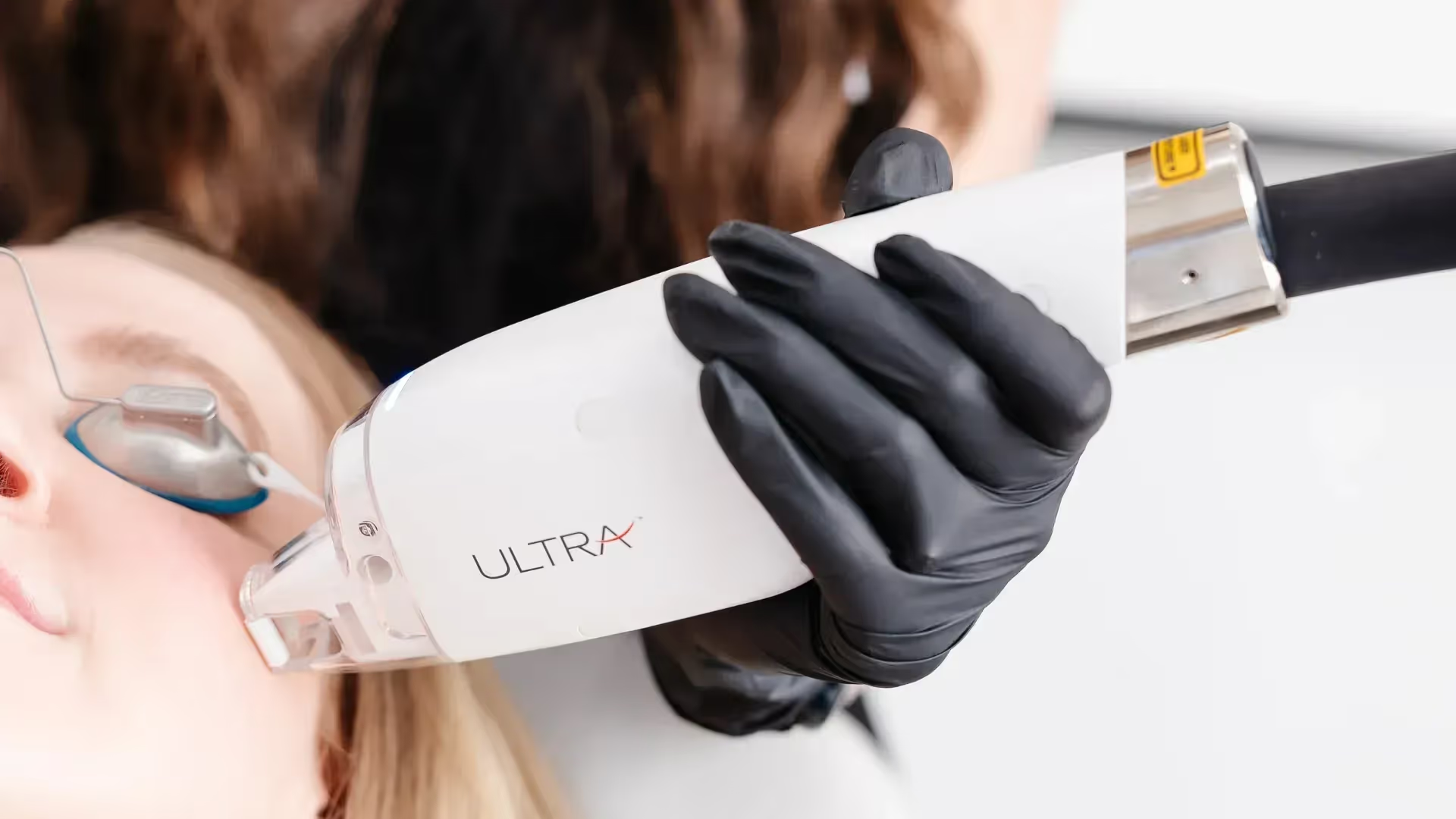
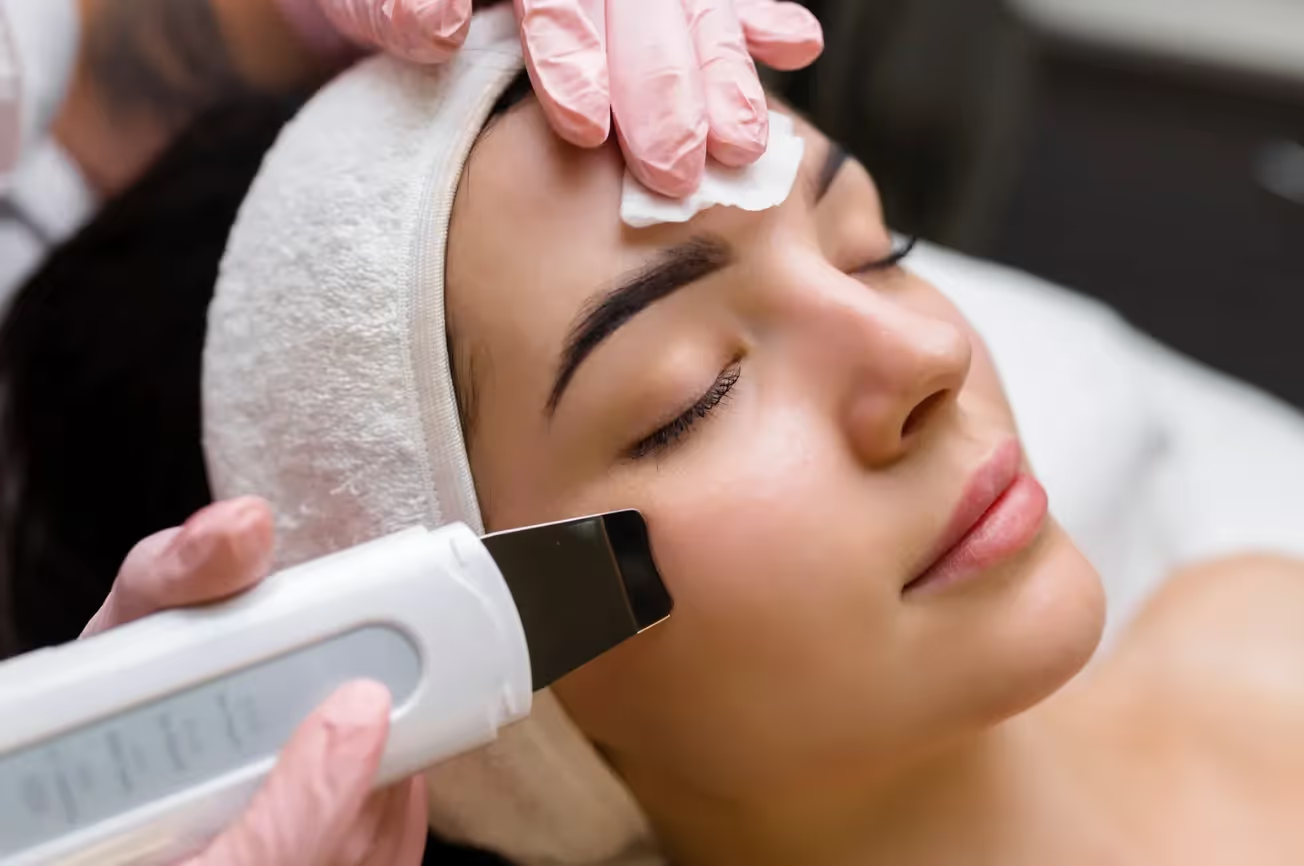
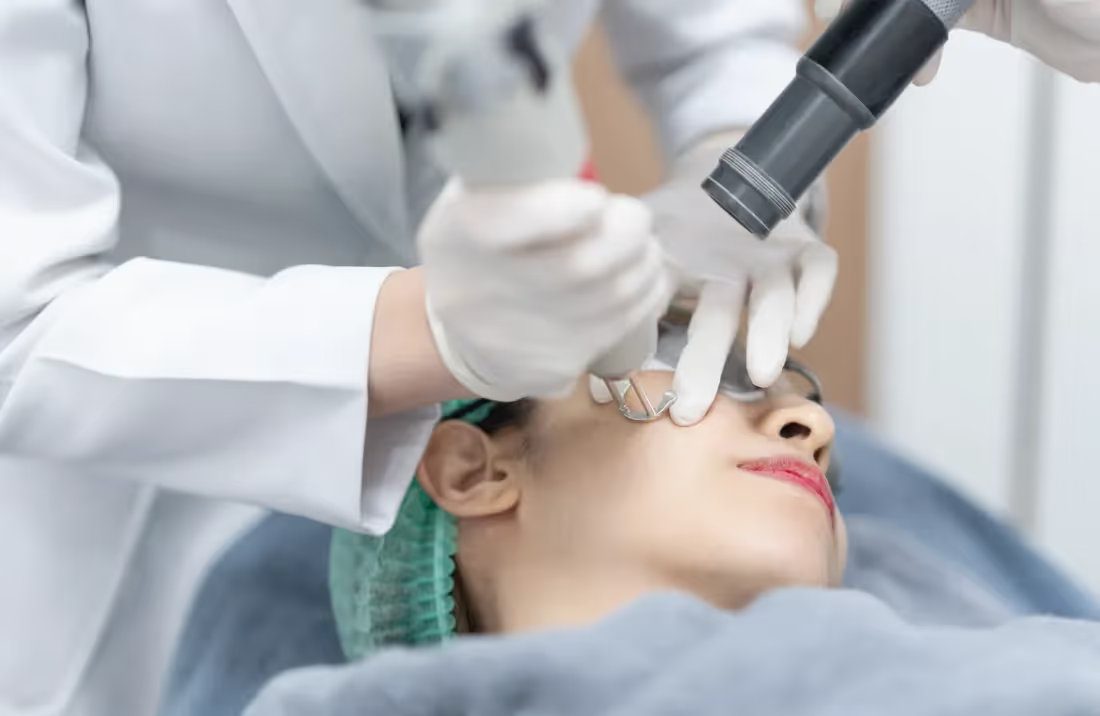
Laser technology has revolutionized acne scar treatment, offering precise, controlled approaches to skin remodeling and collagen stimulation. Fractional CO2 lasers create microscopic treatment zones that trigger natural healing responses while preserving surrounding healthy tissue. This approach minimizes downtime while delivering significant improvements in skin texture and scar appearance.
Fractional radiofrequency treatments combine thermal energy with mechanical penetration to stimulate deep collagen remodeling. These treatments are particularly effective for rolling scars and overall skin texture improvement. The controlled heating process encourages new collagen formation while breaking up fibrous scar tissue that creates skin irregularities.
Chemical peels offer another powerful tool in the acne scar treatment arsenal, particularly for superficial scarring and overall skin texture improvement. Deep peels can address more significant scarring, while medium-depth peels provide excellent results with more manageable recovery periods. The key is selecting the appropriate peel depth and formulation for individual skin types and scar severity.
- Fractional CO2 Laser: Provides dramatic results for deep scars with controlled thermal injury and collagen remodeling
- Microneedling with RF: Combines mechanical stimulation with radiofrequency energy for comprehensive skin renewal
- Chemical Peels: Range from superficial to deep treatments targeting different scar depths and skin concerns
- Dermal Fillers: Provide immediate improvement for certain scar types by lifting depressed areas
Combination treatments often deliver superior results compared to single-modality approaches. Dr. Salar Hazany frequently combines laser treatments with chemical peels, microneedling, or dermal fillers to address multiple aspects of scarring simultaneously. This comprehensive approach can significantly accelerate improvement and enhance final outcomes.
The treatment timeline varies considerably based on scar severity and chosen treatments, typically requiring multiple sessions spaced several weeks apart. Hazany Derm patients usually begin seeing improvements after the first few treatments, with continued enhancement over several months as new collagen develops and skin texture improves progressively.
Realistic Expectations and Long-Term Results
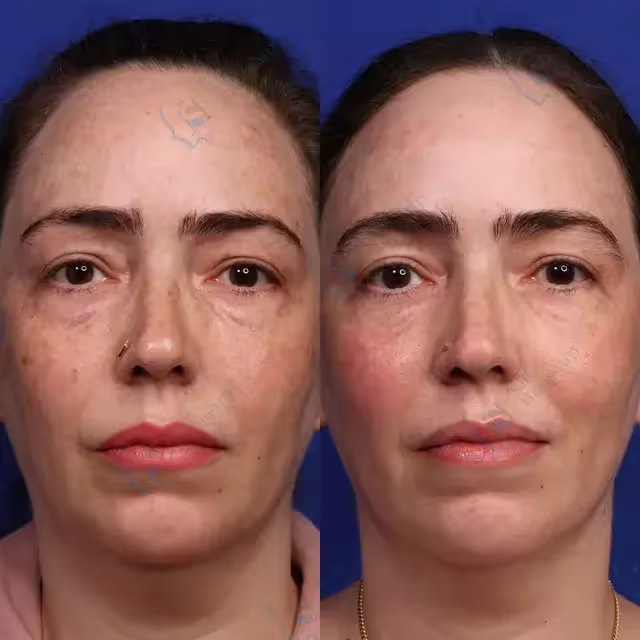
Setting appropriate expectations is crucial for patient satisfaction and treatment success in acne scar management. While complete removal is rarely achievable, improvements of 50-80% are commonly seen with appropriate treatment protocols. The goal is typically to make scars less noticeable and improve overall skin texture rather than achieving perfect, unmarked skin.
Factors influencing treatment outcomes include patient age, skin type, scar characteristics, overall health, and adherence to post-treatment care instructions. Younger patients with newer scars often see more dramatic improvements, while older, established scars may require more aggressive or prolonged treatment approaches. Skin type also plays a role, as certain ethnicities may be more prone to pigmentation changes or healing complications.
Individual healing responses vary significantly, making it impossible to guarantee specific results for any patient. Some individuals are exceptional healers who exceed expected outcomes, while others may require additional treatments or alternative approaches to achieve their goals. This variability underscores the importance of working with experienced practitioners who can adjust treatment plans as needed.
- Improvement Expectations: Most patients see 50-80% improvement rather than complete elimination of scars
- Timeline Factors: Results develop gradually over months, with initial improvements visible after early treatments
- Individual Variation: Healing responses differ based on genetics, age, skin type, and overall health status
- Maintenance Requirements: Ongoing skincare and occasional touch-up treatments help maintain optimal results
Long-term maintenance plays an important role in preserving treatment results and preventing new acne formation that could create additional scarring. This includes appropriate skincare regimens, sun protection, and periodic professional treatments to maintain skin health and appearance. Patients who commit to long-term skin health typically maintain their improvements better over time.
Hazany Derm emphasizes the importance of realistic goal-setting and patient education throughout the treatment process. Regular follow-up appointments allow for treatment plan adjustments and ensure patients are progressing toward their aesthetic goals while maintaining skin health and safety as top priorities.
Frequently Asked Questions
How long does it take to see results from acne scar treatments?
Results from acne scar treatments typically become visible within 2-4 weeks after the first session, with continued improvement over several months. Dr. Salar Hazany explains that the timeline varies based on treatment type and individual healing responses. Laser treatments may show initial improvements within weeks, while deeper remodeling continues for 3-6 months. Chemical peels often provide more immediate texture improvements, followed by gradual enhancement as new skin develops. Most patients require 3-6 treatment sessions spaced 4-6 weeks apart for optimal results. The collagen remodeling process continues working long after treatments end, meaning final results may not be apparent until 6-12 months after completing the treatment series.
Are acne scar treatments painful?
Most acne scar treatments involve some level of discomfort, but Hazany Derm uses various methods to minimize pain and ensure patient comfort throughout procedures. Topical numbing creams are applied before treatments, and some procedures may require local anesthesia for deeper interventions. Laser treatments often feel like rubber band snaps or mild burning sensations, while chemical peels may cause stinging or burning that subsides quickly. Microneedling procedures typically involve minimal discomfort with proper numbing. Post-treatment discomfort is usually manageable with over-the-counter pain relievers and proper aftercare. Most patients find the temporary discomfort worthwhile given the significant improvements in their skin appearance and confidence levels.
What is the cost of acne scar treatment?
The cost of acne scar treatment varies significantly based on scar severity, treatment type, and number of sessions required for optimal results. The team at Hazany Derm provides detailed cost estimates during initial consultations, considering each patient's specific needs and goals. Single laser sessions may range from several hundred to over a thousand dollars, while comprehensive treatment plans involving multiple modalities can cost several thousand dollars total. Chemical peels are generally less expensive per session but may require more frequent treatments. Many practices offer package deals or financing options to make treatments more accessible. Insurance typically doesn't cover cosmetic scar treatments, but some medical-grade skincare products and certain procedures may qualify for flexible spending account usage.
Can acne scars come back after treatment?
Properly treated acne scars typically don't return to their original appearance, but new acne breakouts can create additional scarring if not properly managed. Dr. Hazany emphasizes the importance of ongoing acne prevention and maintenance skincare to protect treatment investments. The collagen remodeling achieved through professional treatments creates lasting structural improvements in the skin. However, natural aging processes, sun damage, and poor skincare habits can gradually affect skin texture over time. Regular maintenance treatments, consistent skincare routines, and sun protection help preserve results long-term. Patients who continue experiencing active acne should address breakouts promptly to prevent new scar formation. Most patients maintain their improvements for many years with appropriate care and occasional touch-up treatments.
Which acne scar treatment is most effective?
The most effective acne scar treatment depends on individual scar types, skin characteristics, and patient goals, which is why Hazany Derm specialists customize treatment plans for each patient. Fractional CO2 laser treatments often provide the most dramatic results for deep, atrophic scars, while chemical peels excel for superficial scarring and overall texture improvement. Combination approaches frequently deliver superior outcomes compared to single treatments. Ice pick scars may respond best to TCA CROSS or aggressive laser treatments, while rolling scars often improve significantly with subcision and radiofrequency procedures. Dermal fillers can provide immediate improvement for certain depressed scars. The most effective approach typically involves combining multiple treatments strategically over time, allowing each modality to address different aspects of scarring while maximizing overall improvement potential.
What should I expect during recovery from acne scar treatments?
Recovery experiences vary based on treatment intensity and individual healing patterns, but Dr. Salar Hazany ensures patients understand what to expect before beginning any procedure. Laser treatments typically cause redness, swelling, and mild discomfort for 3-7 days, with skin peeling or flaking as healing progresses. Chemical peels may result in controlled peeling and temporary darkening before revealing improved skin underneath. Most patients can return to work within a few days, though social downtime may be longer depending on treatment aggressiveness. Proper aftercare includes gentle cleansing, prescribed moisturizers, and strict sun protection during healing. Some treatments require avoiding makeup or certain skincare products temporarily. Most patients find recovery manageable with proper preparation and adherence to post-treatment instructions provided by their treatment team.
Are there any risks or side effects with acne scar treatments?
Like any cosmetic procedure, acne scar treatments carry potential risks and side effects that patients should understand before beginning treatment at Hazany Derm clinic. Common temporary effects include redness, swelling, mild pain, and controlled skin peeling or flaking during healing. More serious but rare complications can include infection, prolonged redness, hyperpigmentation, or hypopigmentation, particularly in darker skin types. Scarring from treatments is extremely rare when performed by experienced professionals using appropriate techniques. Some patients may experience temporary acne flares or skin sensitivity following certain treatments. Proper patient selection, appropriate treatment protocols, and adherence to aftercare instructions significantly minimize risk potential. Most side effects resolve completely within days to weeks, while the aesthetic improvements continue developing over months following treatment completion.
How do I maintain results after acne scar treatment?
Maintaining acne scar treatment results requires ongoing commitment to proper skincare and periodic professional maintenance, which the experts at Hazany Derm help patients understand and implement successfully. Daily sun protection is crucial, as UV damage can compromise treatment results and cause pigmentation issues. High-quality skincare products containing retinoids, vitamin C, and appropriate moisturizers help support continued skin improvement and health. Regular professional treatments like mild chemical peels or maintenance laser sessions can help preserve and enhance initial results over time. Avoiding new acne breakouts through proper cleansing and appropriate acne treatments protects the investment in scar improvement. Healthy lifestyle factors including adequate sleep, proper nutrition, and stress management also contribute to long-term skin health. Most patients benefit from annual consultations to assess skin condition and adjust maintenance strategies as needed.