




%201.avif)



Does Mohs Surgery Leave a Scar?


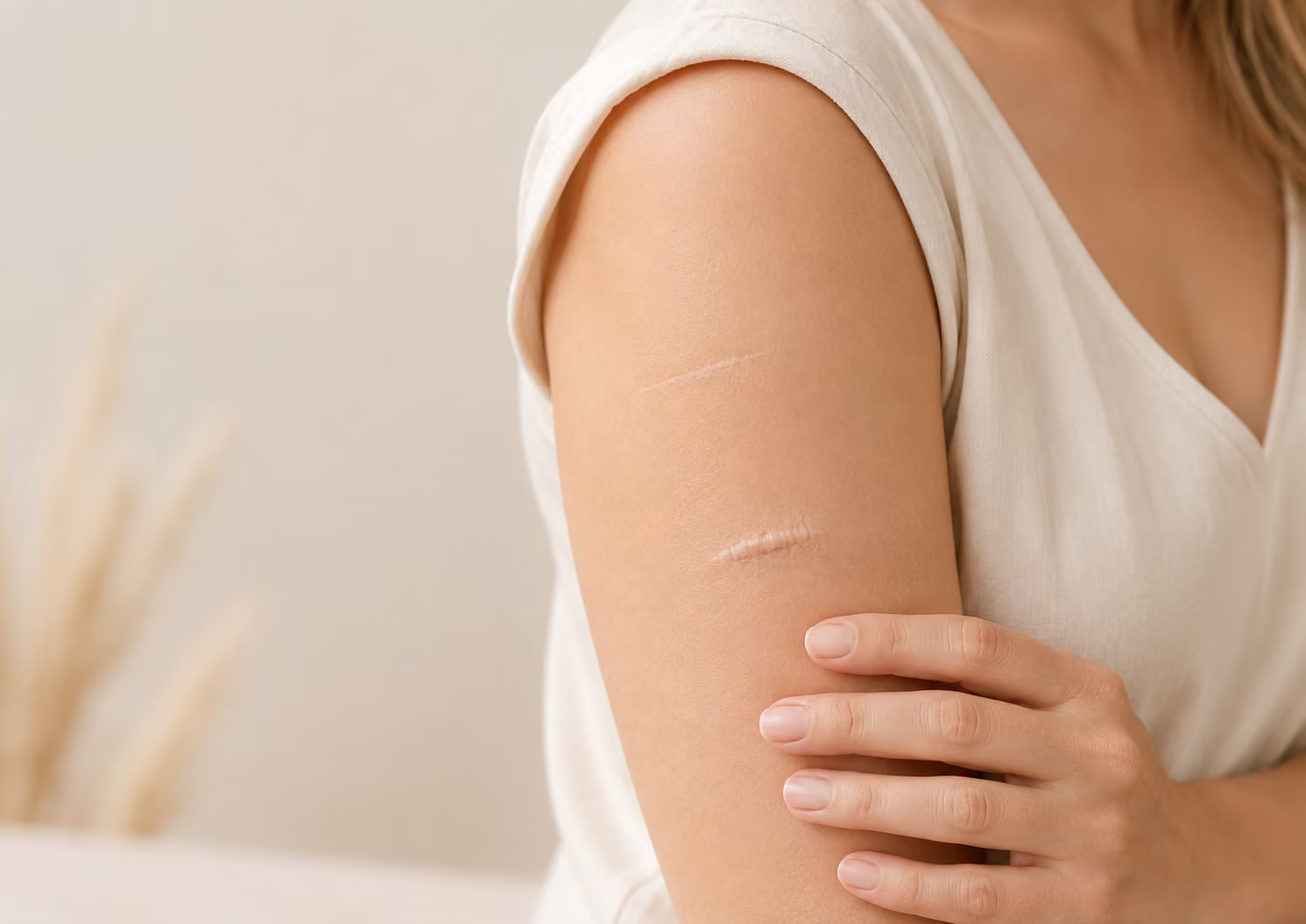
Mohs surgery does leave a scar, but the specialized technique minimizes scarring while ensuring complete cancer removal. At Hazany Derm, our expert team uses advanced reconstruction methods to optimize both medical and cosmetic outcomes for every patient.
When facing skin cancer diagnosis, patients often worry about the cosmetic impact of treatment alongside their medical concerns. Mohs micrographic surgery represents the gold standard for treating many types of skin cancer, offering the highest cure rates available today. However, one of the most common questions patients ask involves the appearance of their skin after the procedure.
The reality is that any surgical procedure will result in some form of scarring, and Mohs surgery is no exception to this rule. The extent and appearance of scarring depend on multiple factors including tumor size, location, individual healing characteristics, and reconstruction techniques used. Understanding these variables helps patients set realistic expectations and make informed decisions about their treatment options.
At Hazany Derm, we believe that informed patients achieve the best outcomes both medically and cosmetically. Our comprehensive approach addresses not only the complete removal of cancerous tissue but also the aesthetic restoration of the treated area. This dual focus ensures that patients receive the most effective cancer treatment while minimizing the long-term visual impact of their procedure.
Understanding Mohs Surgery Scarring
Mohs surgery creates controlled, precise incisions that remove cancerous tissue layer by layer until clear margins are achieved. The initial surgical site appears as a wound that must heal through natural biological processes over several weeks to months. The healing process involves inflammation, tissue regeneration, and collagen remodeling that ultimately determines the final scar appearance.
The technique's precision actually helps minimize scarring compared to traditional excision methods that remove larger amounts of healthy tissue. By preserving maximum healthy skin, Mohs surgery creates smaller defects that typically heal with less noticeable scarring. The microscopic examination of tissue margins during surgery ensures complete cancer removal while sparing unnecessary tissue removal.
Location plays a crucial role in determining both the complexity of reconstruction and the visibility of resulting scars. Areas with abundant skin laxity often heal with minimal visible scarring, while areas under tension or with limited tissue availability may require more complex reconstruction techniques. The natural skin lines, muscle movement patterns, and sun exposure levels all influence long-term scar appearance.
- Wound size: Larger tumors require more extensive tissue removal, potentially resulting in more noticeable scarring that may need advanced reconstruction techniques.
- Skin tension: Areas where skin naturally stretches or moves frequently may heal with wider or more prominent scars due to mechanical stress during healing.
- Blood supply: Well-vascularized areas typically heal faster and with better cosmetic results compared to areas with limited circulation like the lower legs.
- Patient factors: Age, genetics, smoking status, and overall health significantly impact healing speed, scar quality, and final cosmetic appearance.
The reconstruction phase following Mohs surgery offers opportunities to optimize cosmetic outcomes through various surgical techniques. Simple side-to-side closures work well for smaller defects in areas with adequate skin laxity and favorable healing characteristics. More complex defects may require skin flaps, grafts, or staged reconstruction procedures to achieve optimal results.
Dr. Salar Hazany and the team at Hazany Derm carefully evaluate each case to determine the most appropriate reconstruction method. This individualized approach considers both immediate healing potential and long-term cosmetic goals to ensure the best possible outcome for each patient.
Factors That Influence Scar Formation
Individual healing characteristics vary significantly between patients and can dramatically impact final scar appearance regardless of surgical technique. Genetic factors influence collagen production, inflammatory responses, and tissue remodeling processes that determine scar quality and visibility. Some patients naturally heal with minimal scarring while others may develop more prominent or persistent marks.
Age affects healing in multiple ways, with younger patients typically experiencing faster initial healing but potentially more aggressive scar formation. Older patients may heal more slowly but often develop softer, less noticeable scars over time. Hormonal factors, particularly in women, can influence healing and should be considered when planning surgery timing.
Pre-existing skin conditions such as actinic damage, previous scarring, or inflammatory skin diseases can complicate healing and affect final cosmetic results. Areas with significant sun damage may heal unpredictably, and patients with conditions like keloid formation require special consideration and potentially modified treatment approaches.
- Smoking status: Nicotine and other chemicals significantly impair circulation, delay healing, increase infection risk, and typically result in worse scarring outcomes.
- Nutritional status: Adequate protein, vitamins, and minerals support optimal healing, while deficiencies can delay recovery and compromise scar quality.
- Medications: Blood thinners, steroids, and certain supplements can affect healing processes and should be managed carefully before and after surgery.
- Chronic conditions: Diabetes, autoimmune disorders, and circulation problems can significantly impact healing and require specialized post-operative care protocols.
Post-operative care plays a critical role in optimizing scar formation and minimizing long-term visibility of surgical sites. Proper wound care, sun protection, and following specific activity restrictions help ensure optimal healing conditions. Patients who diligently follow post-operative instructions typically achieve better cosmetic results than those who don't.
The healing timeline extends well beyond the initial wound closure, with scar maturation continuing for up to two years after surgery. During this extended period, scars typically become softer, flatter, and less noticeable as collagen remodeling continues. Hazany Derm provides ongoing support and monitoring throughout this entire healing process to ensure optimal outcomes.
Minimizing and Managing Scars After Mohs Surgery
Modern reconstruction techniques offer numerous options for optimizing cosmetic results following Mohs surgery procedures. The choice of reconstruction method depends on defect size, location, surrounding tissue characteristics, and patient preferences regarding healing time and final appearance. Simple closures work well for many cases, while complex defects may benefit from advanced flap or graft techniques.
Immediate reconstruction typically provides better cosmetic results compared to delayed repair, as fresh surgical margins heal more predictably than those left to heal by secondary intention. However, some situations may require staged reconstruction or healing by granulation before definitive repair. The timing decision requires careful consideration of multiple factors including cancer margins, patient health, and cosmetic goals.
Advanced surgical techniques such as tissue expansion, adjacent tissue transfer, and microsurgical reconstruction can address complex defects while minimizing visible scarring. These approaches require specialized expertise and careful patient selection but can achieve excellent results in challenging cases. The investment in advanced reconstruction techniques often pays dividends in long-term patient satisfaction.
- Tension-free closure: Careful tissue handling and appropriate closure techniques minimize wound stress and promote optimal healing with less noticeable scarring.
- Layered repair: Multi-layer closure techniques provide better structural support, reduce surface tension, and typically result in finer, less visible scars.
- Tissue matching: Using adjacent tissue with similar color, texture, and thickness creates more natural-appearing repairs that blend seamlessly with surrounding skin.
- Scar direction: Placing incisions along natural skin lines and relaxed skin tension lines helps disguise scars within normal skin architecture.
Post-surgical scar management options can further improve cosmetic outcomes for patients who develop more prominent scarring than desired. Topical treatments, including silicone gels and sheets, can help flatten and soften scars during the healing process. Steroid injections may benefit patients who develop hypertrophic scarring or keloid formation.
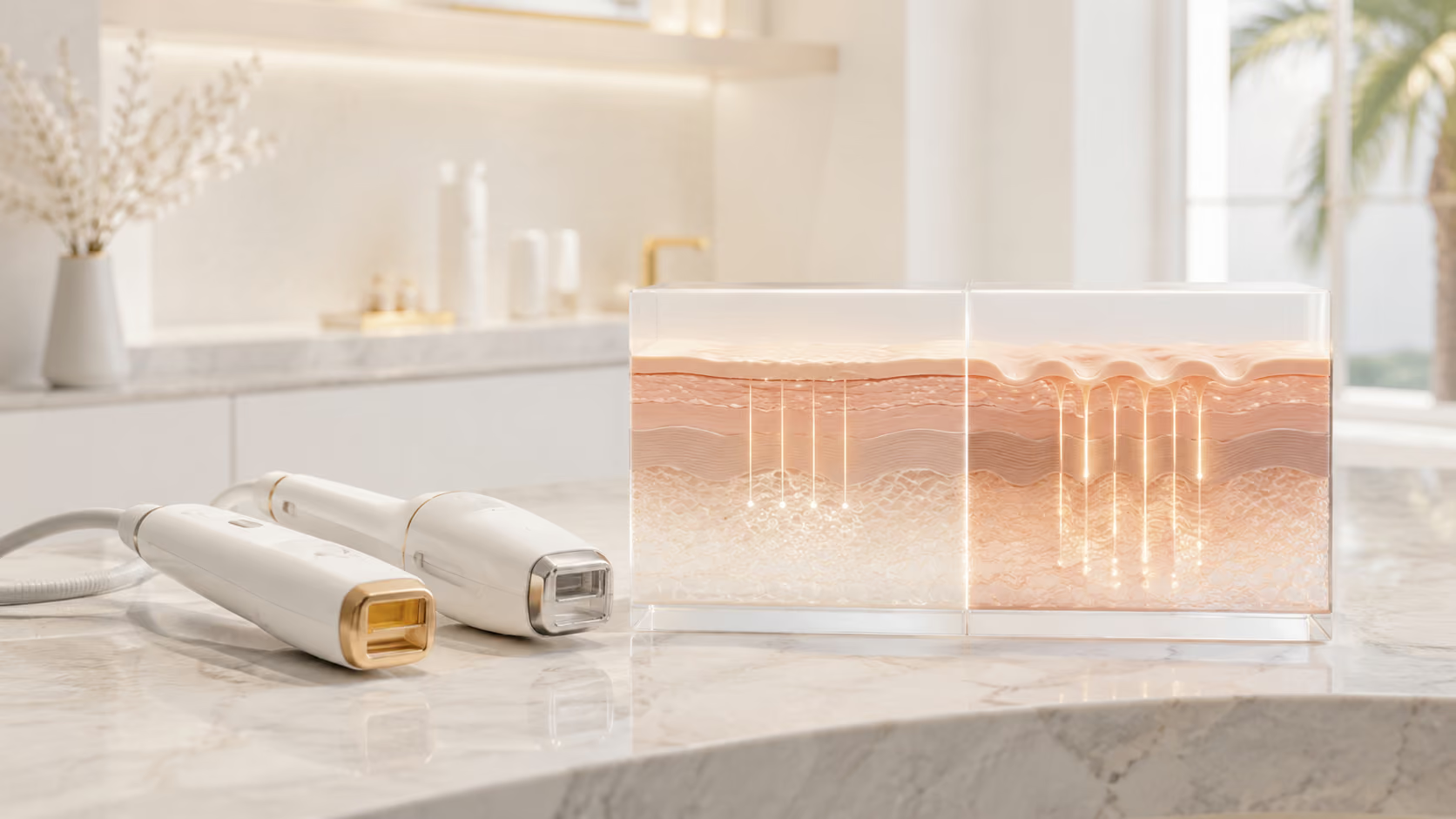
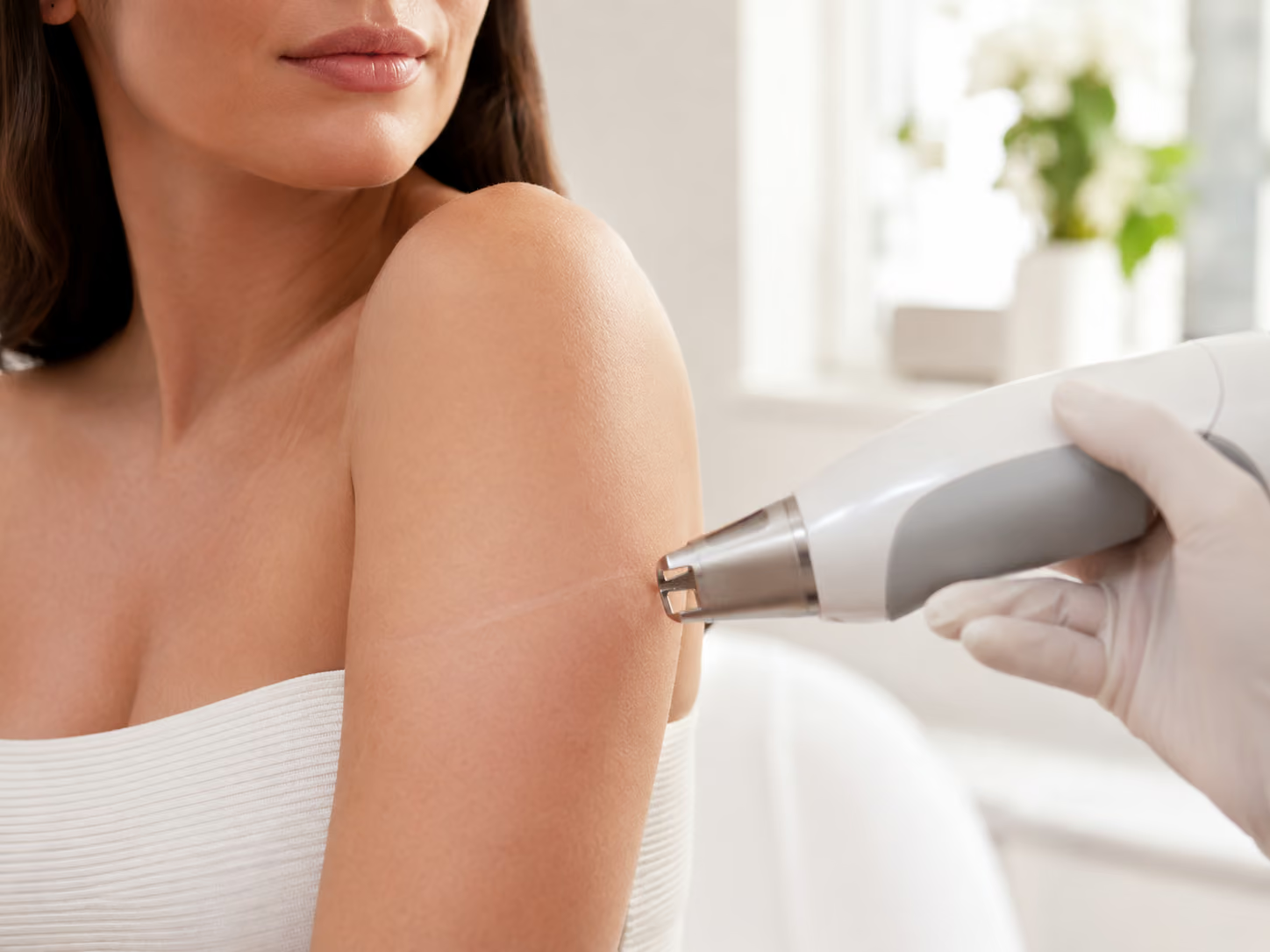
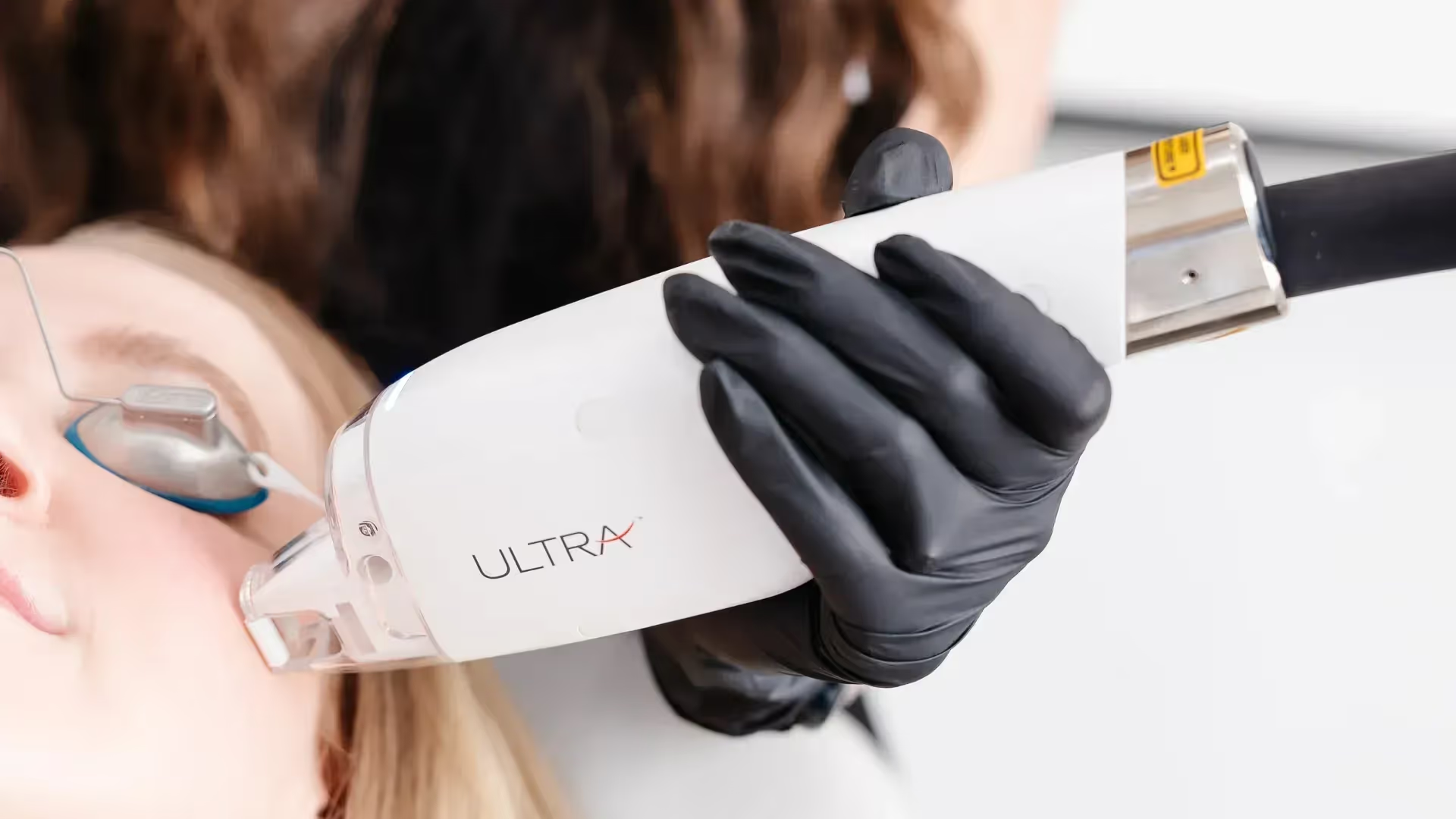
Advanced treatments such as laser therapy, microneedling, and chemical peels can address mature scars that remain prominent after complete healing. These treatments work best when started at appropriate times during the healing process and may require multiple sessions for optimal results. At Hazany Derm, we work closely with patients to develop individualized scar management plans that address their specific concerns and goals.