





%201.avif)



LaseMD Ultra vs. Fraxel: Which Fractional Laser is Better?



Both LaseMD Ultra and Fraxel are excellent fractional laser treatments, but the best choice depends on your specific skin concerns, downtime tolerance, and treatment goals. Hazany Derm offers personalized consultations to determine which laser will deliver optimal results for your unique needs.
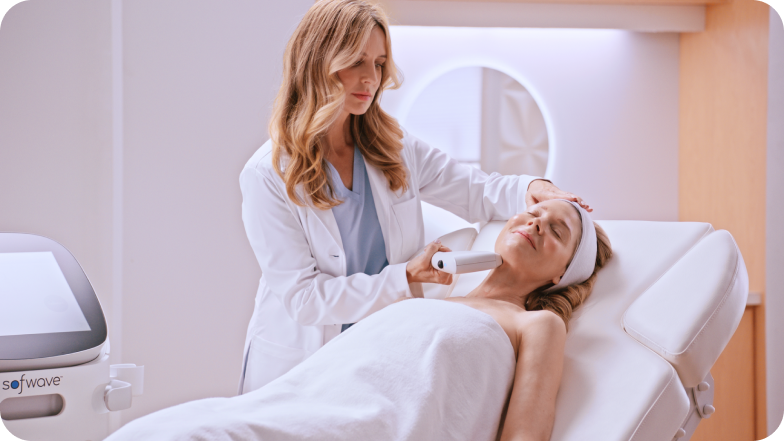
When it comes to fractional laser resurfacing, two names consistently rise to the top of the conversation: LaseMD Ultra and Fraxel. Both treatments have revolutionized the way dermatologists approach skin rejuvenation, offering patients effective solutions for various skin concerns. However, choosing between these two advanced laser systems can be challenging without a clear understanding of their unique capabilities and applications.
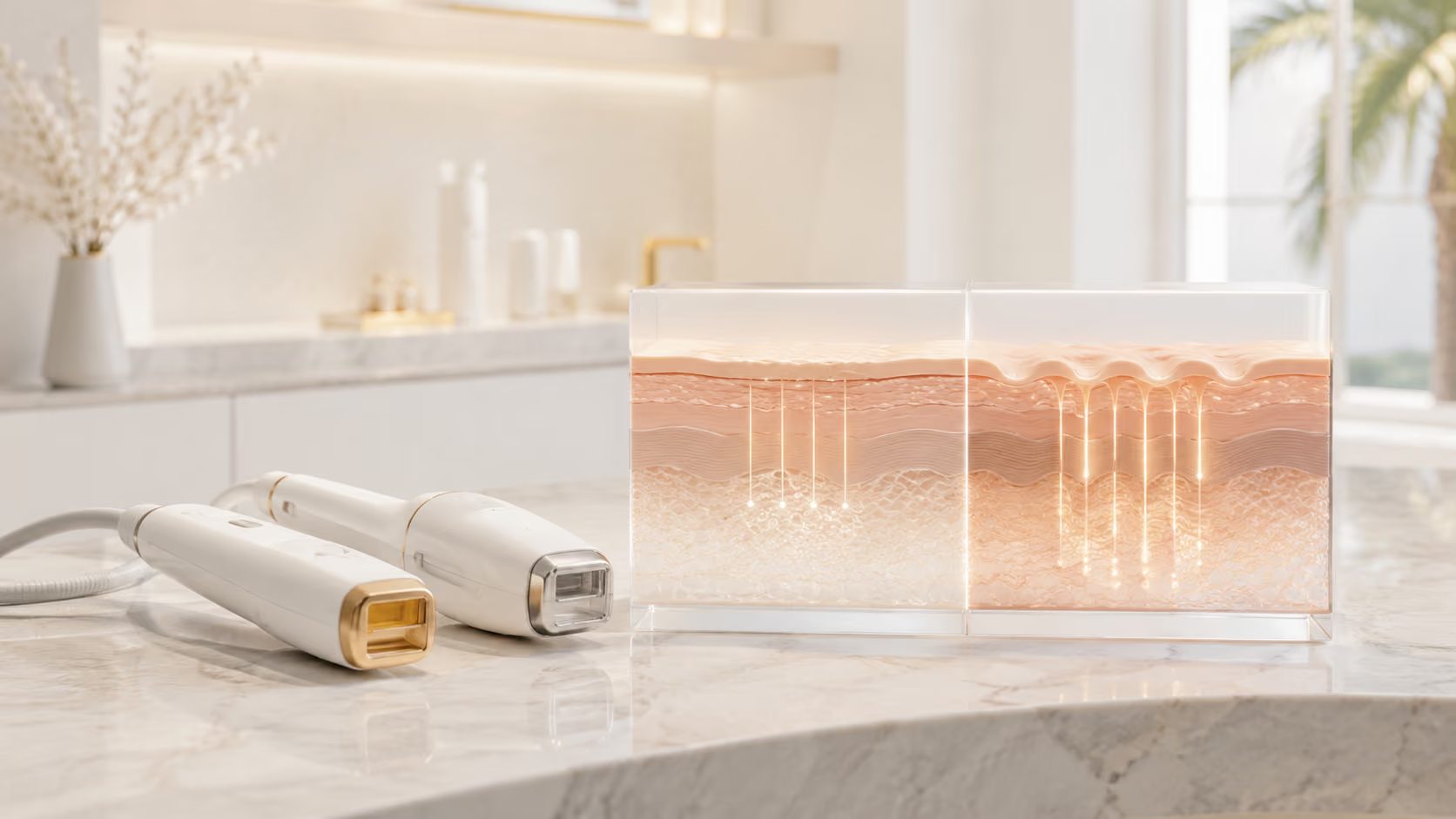
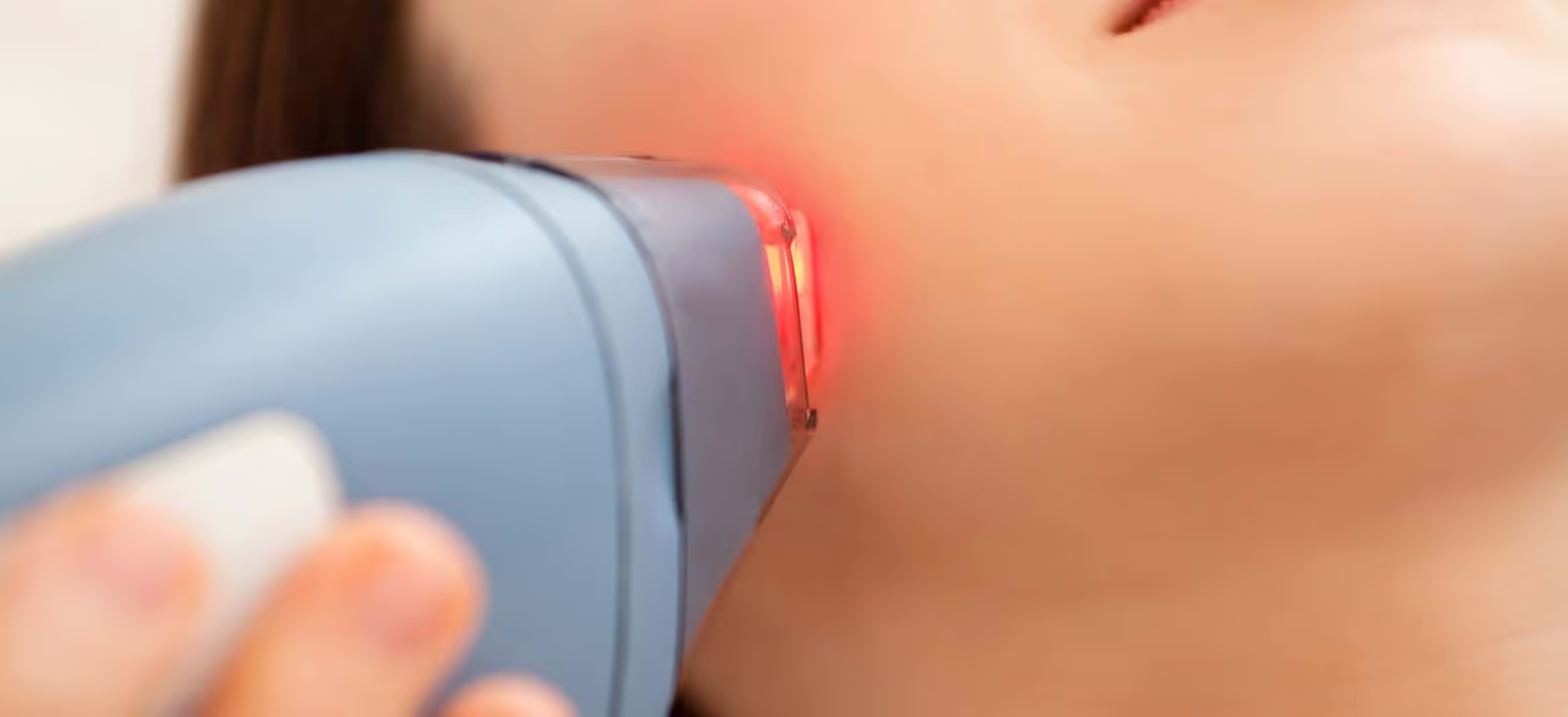
Fractional laser technology works by creating microscopic columns of thermal damage in the skin, leaving surrounding tissue intact to promote faster healing and collagen production. This approach allows for significant skin improvement with reduced downtime compared to traditional ablative lasers. Both LaseMD Ultra and Fraxel utilize this fractional concept but employ different mechanisms and wavelengths to achieve their results.
At Hazany Derm, patients frequently ask about the differences between these two popular treatments and which one might be better suited for their specific skin goals. The answer isn't always straightforward, as both systems offer distinct advantages depending on the patient's skin type, concerns, and lifestyle requirements. Understanding the nuances of each treatment is essential for making an informed decision about your skincare journey.
LaseMD Ultra vs. Fraxel: The Short Answer
Neither laser is universally better — they serve different needs. LaseMD Ultra is the gentler option: surface-level renewal for tone, pigment, and fine lines with 24–48 hours of downtime. Fraxel penetrates deeper, delivering more dramatic single-session change for wrinkles and significant sun damage, at the cost of 5–7 days of recovery. Your skin's condition and your calendar decide.
Understanding LaseMD Ultra Technology
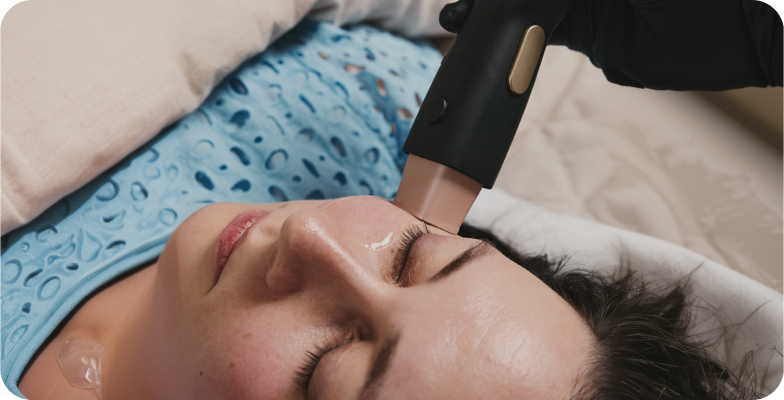
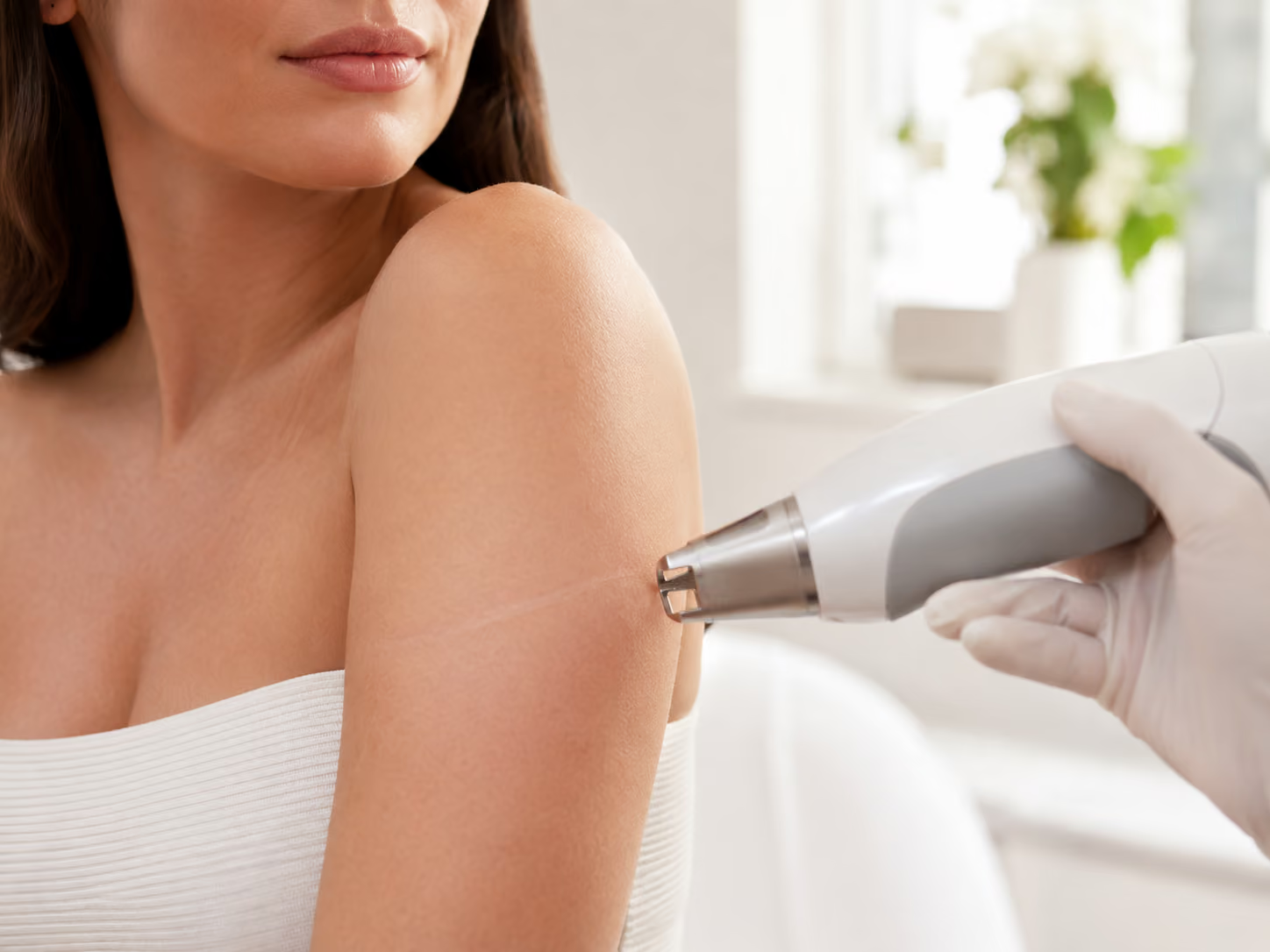
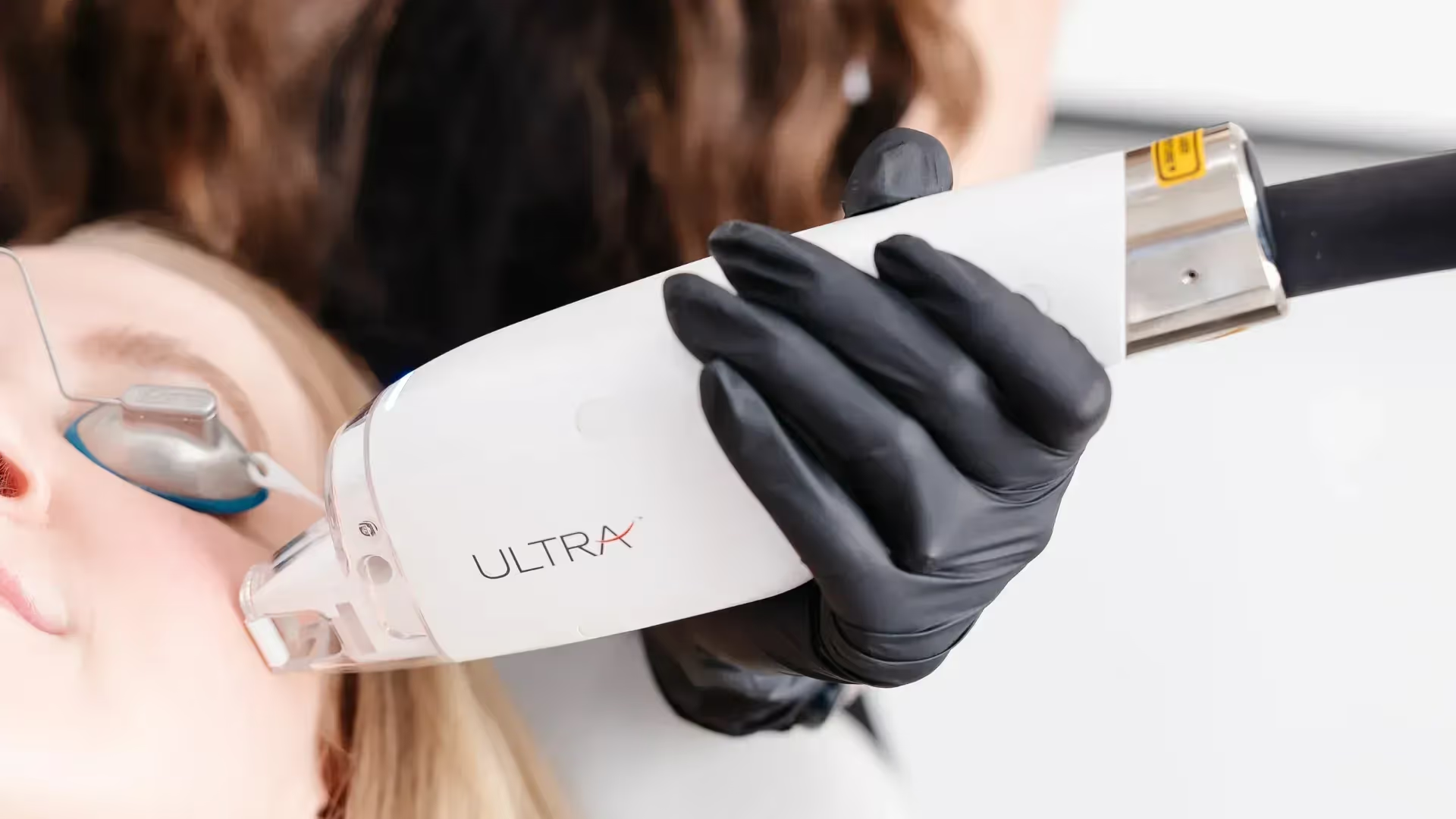
LaseMD Ultra represents the latest advancement in non-ablative fractional laser technology, utilizing a 1927nm thulium wavelength to target the superficial layers of the skin. This innovative system creates controlled micro-injuries that stimulate the skin's natural healing response while preserving the surrounding tissue. The treatment is designed to improve skin texture, tone, and overall radiance with minimal downtime and discomfort.
The unique wavelength of LaseMD Ultra allows for precise targeting of pigmentation issues, sun damage, and fine lines while promoting collagen remodeling. Unlike traditional ablative lasers that remove the entire surface layer of skin, LaseMD Ultra works by creating microscopic treatment zones that leave healthy skin intact between treated areas. This fractional approach significantly reduces healing time and the risk of complications.
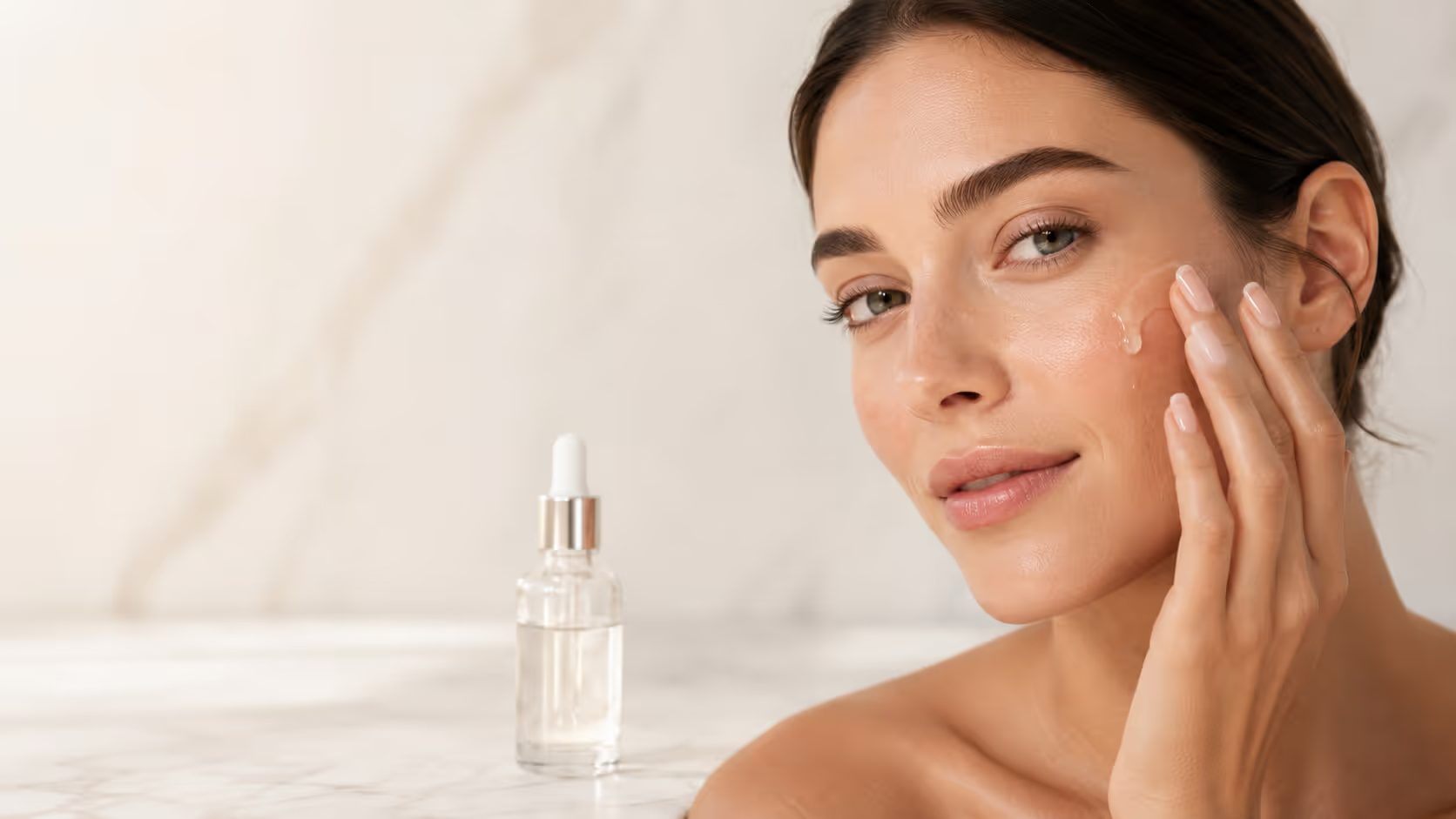
One of the standout features of LaseMD Ultra is its ability to enhance the penetration of topical treatments through the creation of microchannels in the skin. This process, known as cosmeceutical infusion, allows for deeper delivery of beneficial ingredients like antioxidants, growth factors, and hydrating compounds. The combination of laser treatment and targeted product delivery maximizes the therapeutic benefits and accelerates the skin improvement process.
The recovery process following LaseMD Ultra is typically straightforward and manageable for most patients. Immediately after treatment, the skin may appear slightly red and feel warm, similar to a mild sunburn sensation. This initial reaction usually subsides within a few hours, and many patients notice an immediate glow to their complexion.
Dr. Salar Hazany often recommends LaseMD Ultra for patients who want significant skin improvement but cannot afford extended downtime due to work or social commitments. The treatment's gentle nature makes it suitable for most skin types and can be performed year-round, even on sun-exposed areas with proper post-treatment care and sun protection.
Exploring Fraxel Laser Capabilities
Fraxel laser technology has been a cornerstone of fractional resurfacing for over two decades, with multiple generations of devices offering different wavelengths and treatment depths. The most commonly used Fraxel systems include the 1550nm erbium-doped fiber laser for non-ablative treatments and the 1927nm thulium laser for superficial resurfacing. Each wavelength targets specific skin concerns and penetrates to different depths within the dermal structure.
The 1550nm Fraxel treatment penetrates deeper into the dermis, making it particularly effective for addressing more significant skin concerns such as acne scarring, deep wrinkles, and substantial sun damage. This deeper penetration stimulates robust collagen production and tissue remodeling, leading to more dramatic improvements in skin texture and firmness. However, the increased depth of treatment typically results in more pronounced side effects and longer recovery periods.
Fraxel's fractional approach creates thousands of microscopic treatment zones per square centimeter, leaving healthy tissue between each treated area to facilitate rapid healing. The precise control over treatment parameters allows practitioners to customize the intensity and coverage based on individual patient needs and tolerance levels. This flexibility makes Fraxel suitable for treating various skin types and concerns across different areas of the face and body.
Notable benefits of Fraxel laser treatment include:
- Deep dermal remodeling: Penetrates to significant depths for substantial collagen stimulation and tissue restructuring
- Proven track record: Decades of clinical research and real-world results demonstrate consistent efficacy
- Customizable intensity: Treatment parameters can be adjusted to match patient goals and tolerance levels
- Comprehensive improvement: Addresses multiple skin concerns simultaneously, including texture, tone, and structural issues
The Fraxel treatment experience varies depending on the specific wavelength and intensity settings used during the procedure. Patients typically describe the sensation as moderate to intense heat with some discomfort, though topical anesthetics and cooling measures help manage any pain. The immediate post-treatment appearance often includes significant redness, swelling, and a sandpaper-like texture that can persist for several days.
Hazany Derm patients considering Fraxel treatment should plan for a more involved recovery process compared to gentler alternatives. The healing timeline typically spans 5-7 days for initial recovery, with continued improvement visible over several weeks as new collagen forms and skin remodeling progresses. While the downtime is more substantial, many patients find the dramatic results justify the temporary inconvenience and social restrictions.
Comparing Treatment Outcomes and Patient Experience
When evaluating LaseMD Ultra versus Fraxel, the most significant differences become apparent in treatment intensity, recovery requirements, and the magnitude of results achieved. LaseMD Ultra excels in providing noticeable improvements with minimal disruption to daily life, making it ideal for patients seeking gradual enhancement with the flexibility to maintain their regular schedules. The treatment delivers consistent results for surface-level concerns while building collagen over time through a series of sessions.
Fraxel laser treatments typically produce more dramatic single-session results due to their deeper penetration and more aggressive approach to tissue remodeling. Patients with significant skin damage, deep wrinkles, or acne scarring often see more substantial improvements with Fraxel compared to gentler alternatives. However, these enhanced results come with the trade-off of increased downtime, discomfort, and potential for side effects such as prolonged redness or temporary pigmentation changes.
The choice between these treatments often depends on patient lifestyle, skin concerns, and personal preferences regarding treatment intensity and recovery time. Some patients prefer the gradual improvement approach of LaseMD Ultra, which allows them to maintain their professional and social commitments while steadily improving their skin quality. Others prioritize maximum results and are willing to accommodate the more intensive recovery process associated with Fraxel treatments.
Factors to consider when choosing between treatments include:
- Severity of skin concerns: More significant damage may require the deeper penetration capabilities of Fraxel
- Available downtime: Professional and social commitments may influence treatment choice based on recovery requirements
- Pain tolerance: Comfort levels during and after treatment vary significantly between the two options
- Treatment timeline: Some patients prefer multiple gentler sessions while others want fewer intensive treatments
Long-term satisfaction rates for both treatments remain high when patients are properly selected and have realistic expectations about outcomes and recovery. The team at Hazany Derm emphasizes the importance of thorough consultation and skin analysis to determine which approach will best serve each patient's unique goals and circumstances. Both treatments can be part of a comprehensive skin rejuvenation plan that may include additional modalities such as chemical peels, microneedling, or injectable treatments.
How does Fraxel compare to Ultherapy, Moxi, or ProFractional?
They're different tools. Ultherapy is ultrasound-based skin tightening — it lifts but doesn't resurface, making it a complement rather than a competitor to fractional lasers. Moxi is a gentler 1927nm device closer to LaseMD Ultra's territory, while ProFractional is an ablative erbium laser that resurfaces more intensively than either. A consultation matches the device to the concern.
Fractional Laser Resurfacing in Beverly Hills
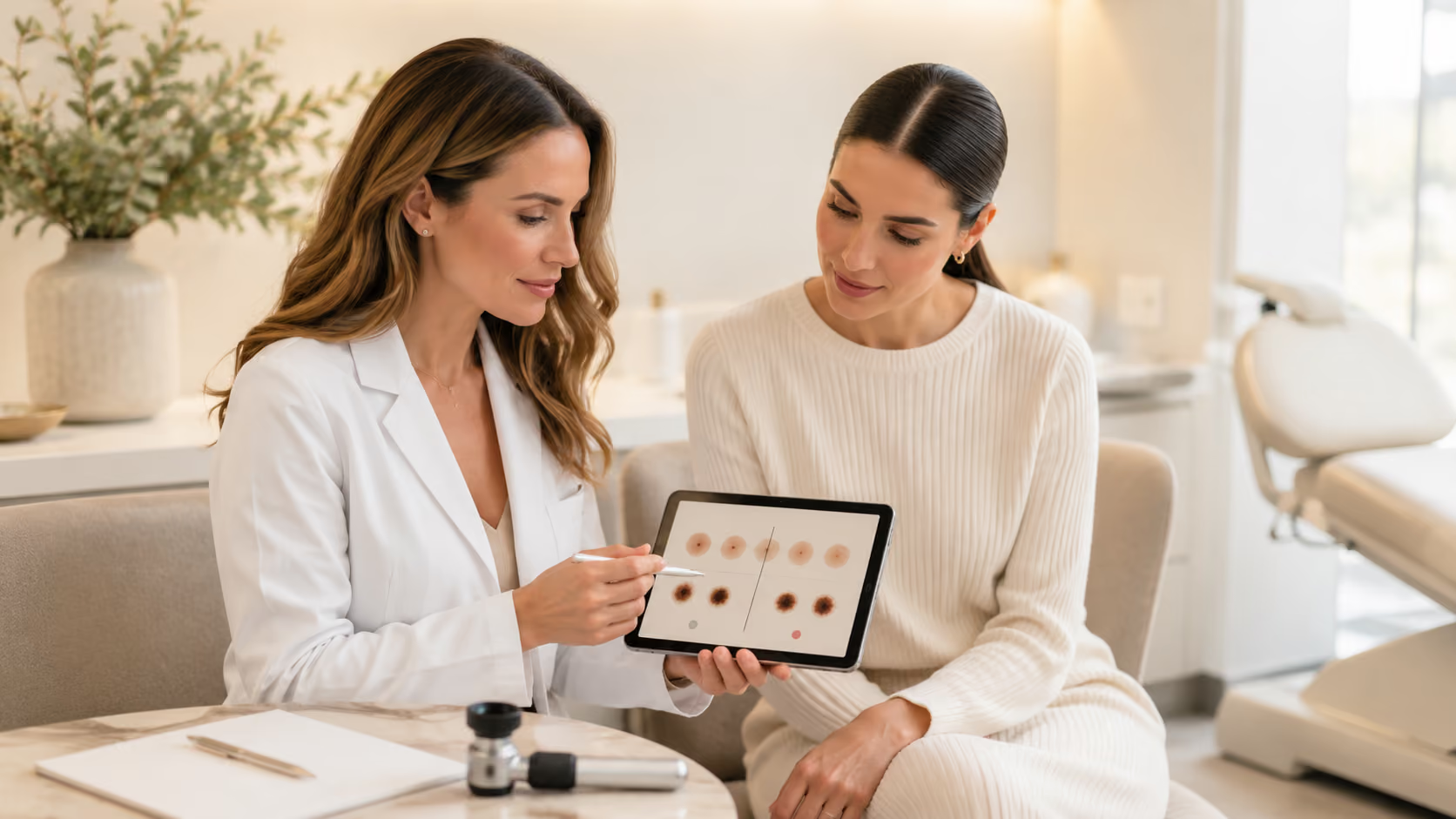
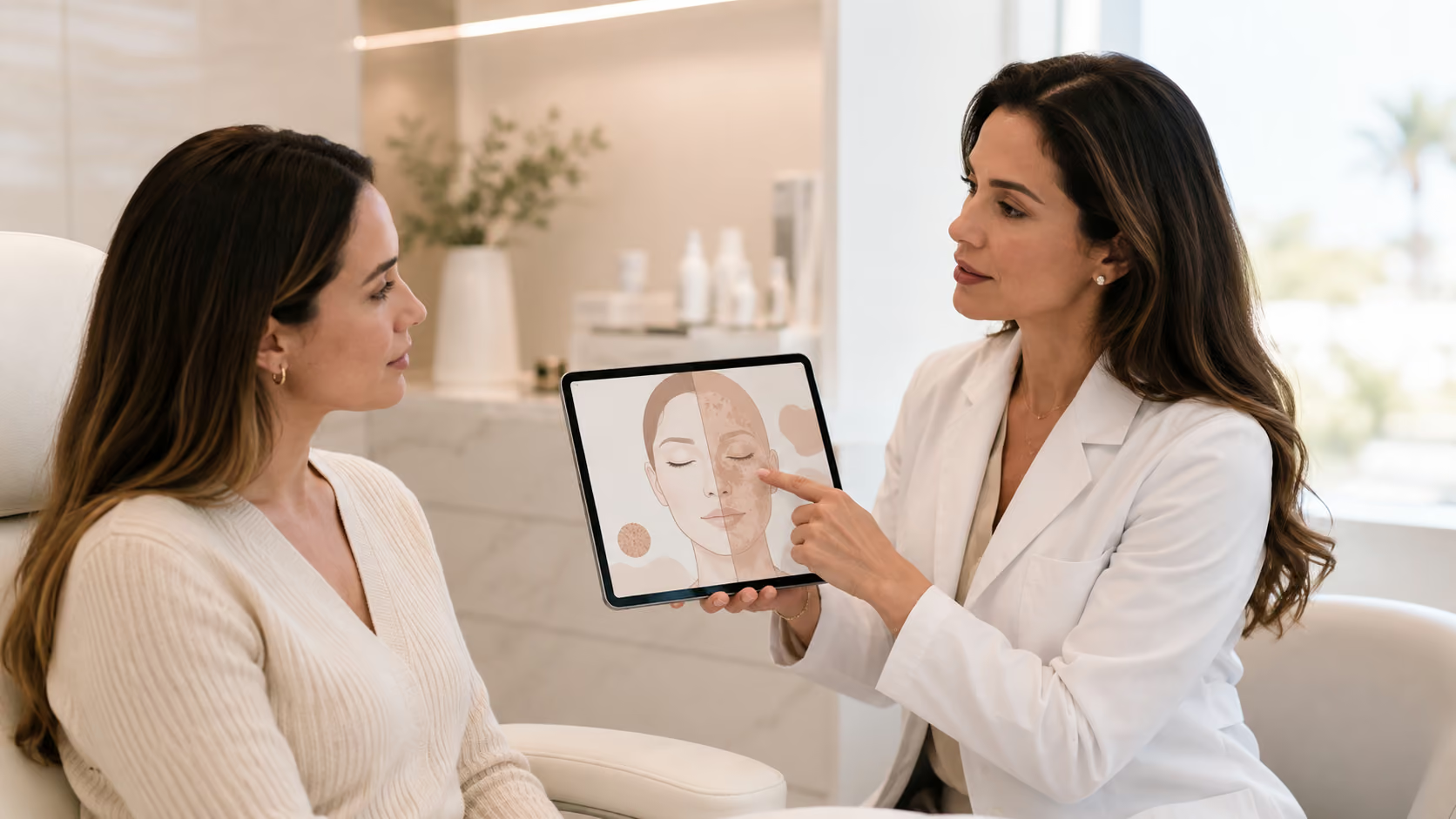
Choosing between fractional lasers starts with an honest skin assessment. Schedule a consultation with Dr. Salar Hazany in Beverly Hills to find out whether a gentle resurfacing approach or a deeper fractional treatment fits your skin, your goals, and your schedule.
Frequently Asked Questions
Which treatment is better for acne scars?
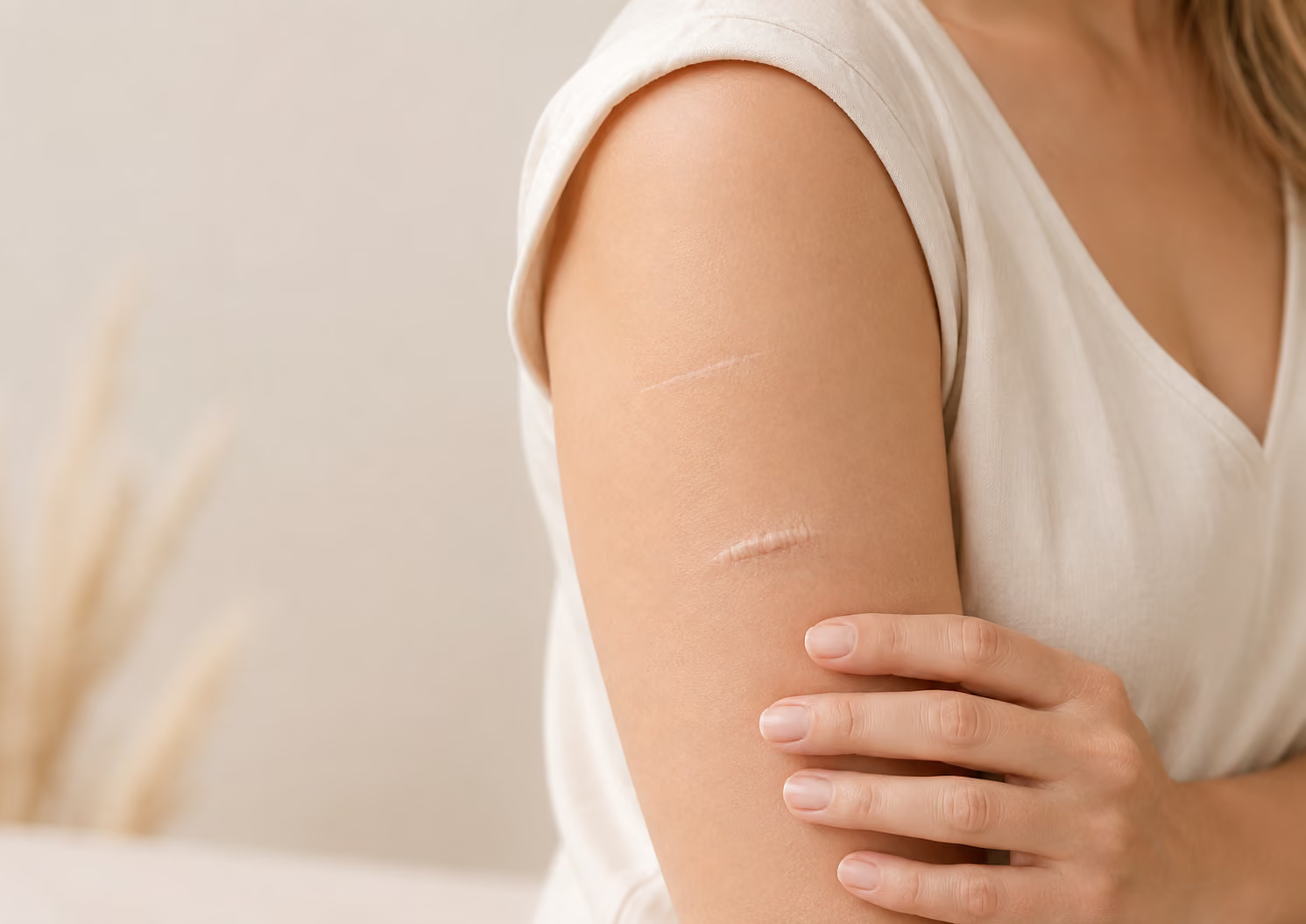
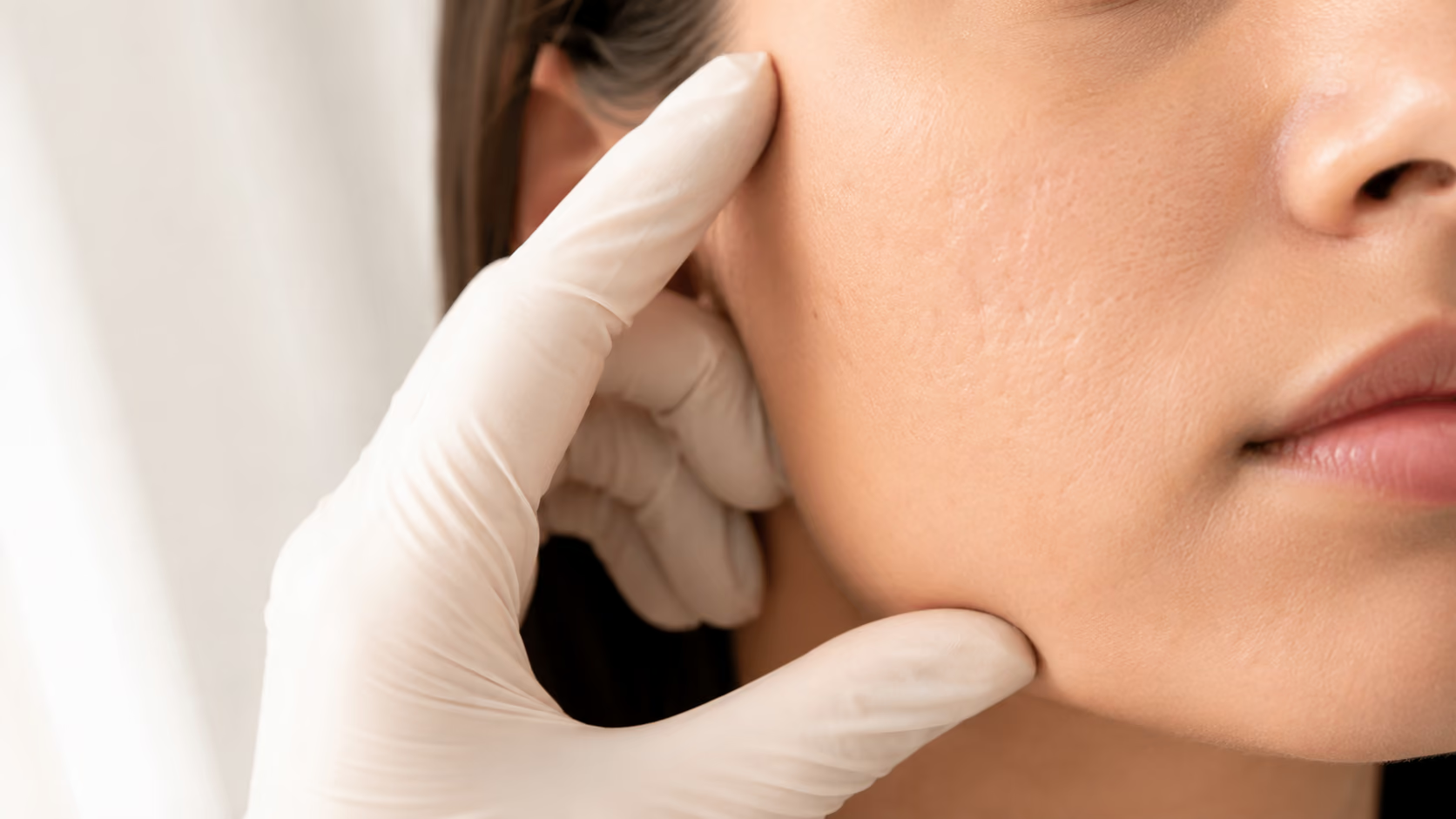
For acne scarring, Fraxel typically provides superior results due to its deeper penetration capabilities and more aggressive tissue remodeling approach. The 1550nm wavelength can reach the deeper dermal layers where acne scars originate, stimulating significant collagen production and structural improvement. Dr. Salar Hazany evaluates each patient's scar type, depth, and skin characteristics to determine the most effective treatment approach. While LaseMD Ultra can help with superficial scarring and overall texture improvement, moderate to severe acne scars generally respond better to the more intensive Fraxel treatment protocol, though this comes with increased downtime and recovery requirements.
How many sessions are typically needed for each treatment?
The number of sessions varies based on individual skin concerns and treatment goals, but general guidelines help set expectations. Hazany Derm typically recommends 3-4 LaseMD Ultra sessions spaced 4-6 weeks apart for optimal results, as this gentler approach builds improvement gradually over time. Fraxel treatments usually require 2-3 sessions with longer intervals between treatments due to the more intensive nature and extended healing period. Some patients may need additional maintenance sessions annually to preserve results. The specific treatment plan depends on factors such as age, skin condition, desired outcomes, and how well the skin responds to initial treatments.
What is the downtime difference between these treatments?
The downtime difference is one of the most significant factors distinguishing these treatments. LaseMD Ultra typically involves 1-2 days of mild redness and minimal peeling, allowing most patients to return to work and social activities quickly with basic skincare and sun protection. The team at Hazany Derm often describes it as "weekend downtime." Fraxel requires more substantial recovery, usually 5-7 days of noticeable redness, swelling, and skin peeling that may require time off work and social commitments. The skin often has a sandpaper texture initially, gradually improving as healing progresses. Makeup can usually be applied after 48-72 hours for Fraxel patients.
Which treatment works better for sun damage and pigmentation?
Both treatments effectively address sun damage and pigmentation, but they work through different mechanisms. LaseMD Ultra's 1927nm wavelength specifically targets melanin and superficial pigmentation, making it excellent for age spots, freckles, and general sun damage with minimal downtime. Dr. Hazany often recommends LaseMD Ultra for patients with widespread sun damage who want gradual improvement. Fraxel can address deeper pigmentation issues and provides more dramatic clearing of sun damage, but with increased recovery time. For purely pigmentation concerns without significant texture issues, LaseMD Ultra often provides excellent results with greater convenience and patient comfort during the treatment process.
Are there any skin types that should avoid either treatment?
Skin type considerations are crucial for treatment safety and efficacy. Generally, both treatments can be safely performed on various skin types, but darker skin tones require extra caution and expertise. Hazany Derm specialists carefully evaluate patients with higher Fitzpatrick skin types (IV-VI) as they have increased risk of post-inflammatory hyperpigmentation with any laser treatment. LaseMD Ultra may be safer for darker skin tones due to its gentler approach, while Fraxel requires more conservative settings and careful monitoring. Patients with active infections, recent isotretinoin use, or certain autoimmune conditions may need to avoid or postpone treatment. A thorough consultation and medical history review help determine candidacy for each treatment option.
What are the cost differences between LaseMD Ultra and Fraxel?
Cost considerations involve both per-session pricing and total treatment investment. Individual LaseMD Ultra sessions are typically less expensive than Fraxel treatments due to the gentler technology and shorter treatment times. However, since LaseMD Ultra usually requires more sessions to achieve desired results, the total investment may be comparable. Dr. Salar Hazany emphasizes that cost should be evaluated alongside factors like downtime, comfort, and expected outcomes when making treatment decisions. Many patients find the reduced downtime of LaseMD Ultra provides additional value by avoiding lost work days or social commitments. Treatment packages and financing options are often available to make either option more accessible to patients seeking skin improvement.
How long do results last for each treatment?
Result longevity depends on individual factors including age, genetics, skincare routine, and sun protection habits. LaseMD Ultra results typically become visible within 2-4 weeks and continue improving for several months as collagen production increases. With proper skincare and sun protection, results can last 1-2 years before maintenance treatments are needed. Fraxel often provides longer-lasting results due to more substantial collagen remodeling, with improvements potentially lasting 2-3 years or more. The Hazany Derm clinic emphasizes that maintaining results requires ongoing skincare commitment, including daily sunscreen use, quality skincare products, and periodic maintenance treatments. Neither treatment stops the aging process, so realistic expectations about longevity help patients plan their skincare investment appropriately.
Can these treatments be combined with other procedures?
Combination treatments can enhance overall results when properly planned and sequenced. LaseMD Ultra integrates well with other procedures due to its minimal downtime, often being combined with chemical peels, microneedling, or injectable treatments in comprehensive treatment plans. The cosmeceutical infusion capability of LaseMD Ultra makes it particularly complementary to other modalities. Fraxel can also be combined with other treatments, but timing and sequencing require more careful consideration due to the healing requirements. The experts at Hazany Derm frequently develop customized treatment protocols that may include multiple modalities to address various skin concerns comprehensively. Proper spacing between treatments and careful monitoring ensure optimal results while maintaining patient safety throughout the combined treatment process.