



%201.avif)


What is the Best Laser Treatment for Rosacea and Facial Redness?

The IPL (Intense Pulsed Light) and V-Beam lasers are considered the gold standard treatments for rosacea and facial redness. Hazany Derm offers comprehensive laser solutions tailored to each patient's specific rosacea subtype and skin condition for optimal results.
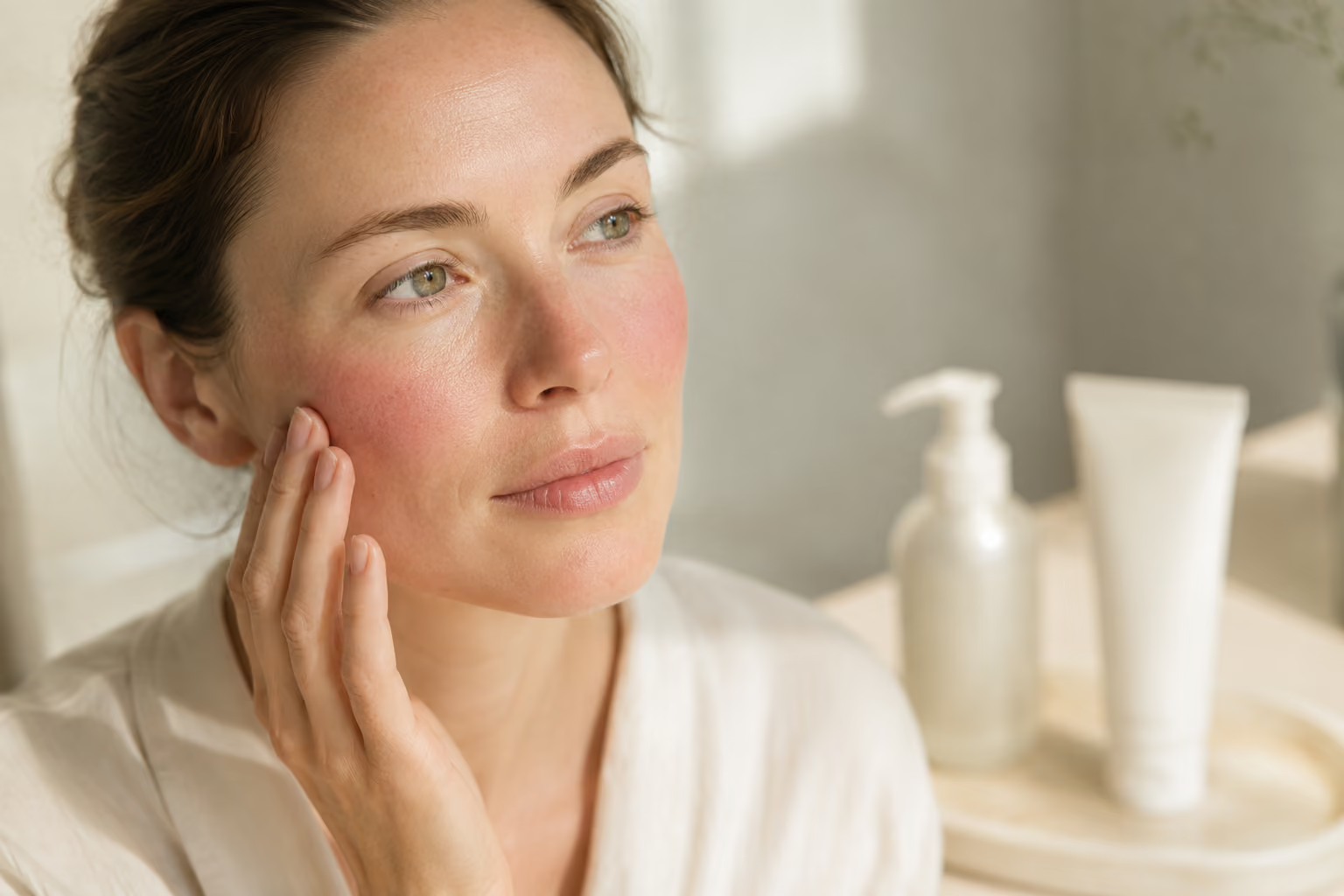
Rosacea affects millions of people worldwide, causing persistent facial redness, visible blood vessels, and inflammation that can significantly impact quality of life. This chronic skin condition typically appears on the central face, including the cheeks, nose, chin, and forehead, creating a flushed appearance that many patients find embarrassing and difficult to conceal. While topical treatments and lifestyle modifications can help manage symptoms, laser therapy has emerged as one of the most effective solutions for reducing the visible signs of rosacea.
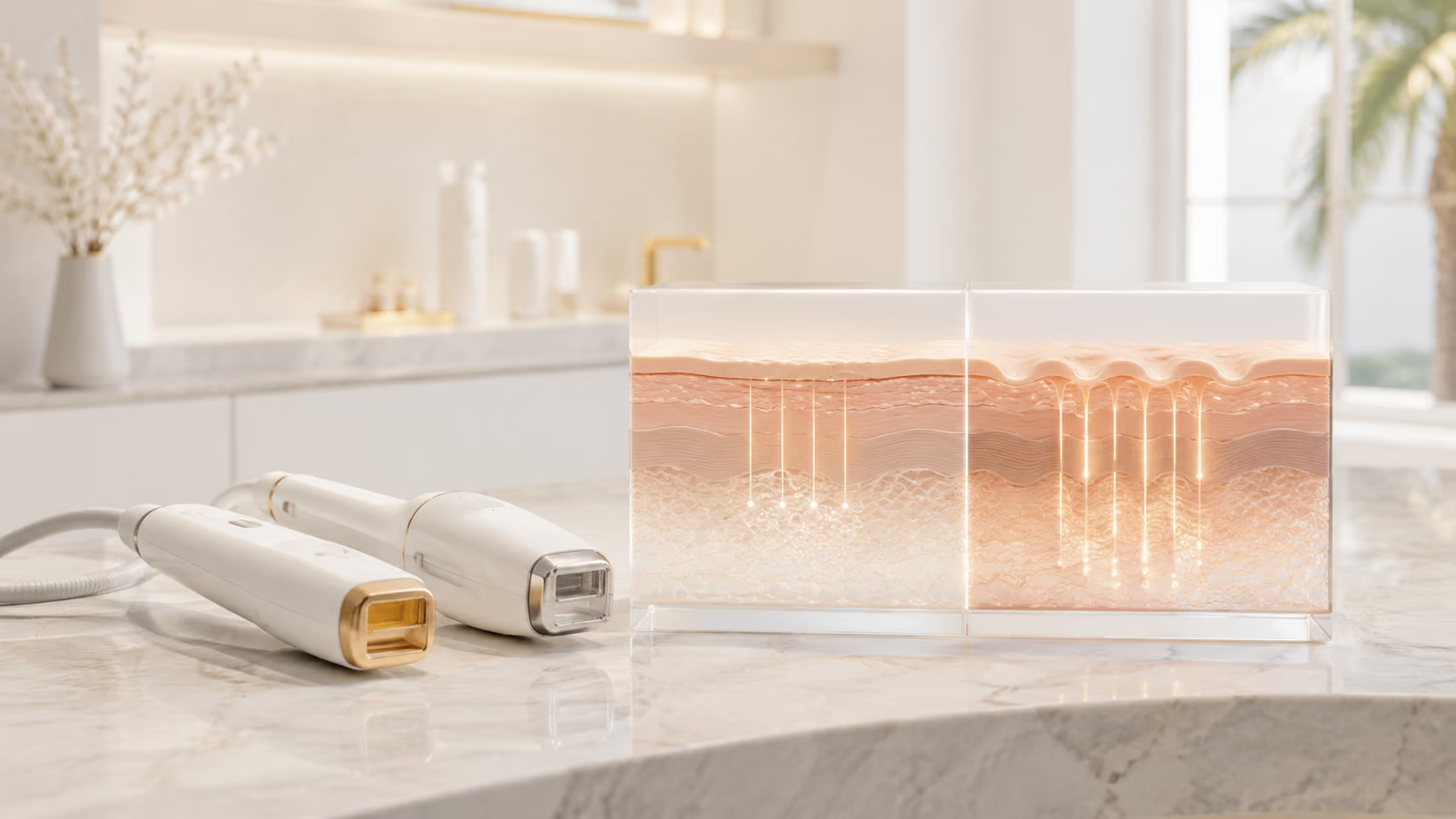
Modern laser technology offers targeted treatment options that can address the underlying vascular components of rosacea without damaging surrounding healthy tissue. These advanced systems work by delivering specific wavelengths of light that are absorbed by hemoglobin in dilated blood vessels, causing them to collapse and be naturally absorbed by the body. The result is a significant reduction in facial redness and the appearance of broken capillaries that characterize rosacea.
Choosing the right laser treatment requires careful consideration of your specific rosacea subtype, skin tone, severity of symptoms, and individual treatment goals. Dr. Salar Hazany and the experienced team at Hazany Derm specialize in evaluating these factors to recommend the most appropriate laser therapy for each patient. Understanding the different laser options available can help you make an informed decision about your rosacea treatment plan.
What is the Best Laser Treatment for Rosacea?
For most patients, IPL and pulsed dye lasers like V-Beam are the most effective laser treatments for rosacea — IPL for diffuse redness across the face, V-Beam for visible vessels and stubborn flushing. The best choice depends on your rosacea subtype, skin tone, and severity, which is why treatment starts with an in-person skin evaluation.
IPL (Intense Pulsed Light): The Gold Standard for Rosacea Treatment
Intense Pulsed Light, commonly known as IPL, represents one of the most effective and widely used treatments for rosacea-related facial redness. Unlike traditional lasers that emit a single wavelength, IPL devices produce broad-spectrum light that can target multiple skin concerns simultaneously. This technology is particularly effective for treating the diffuse redness and broken capillaries associated with rosacea, making it an excellent first-line treatment option for most patients.
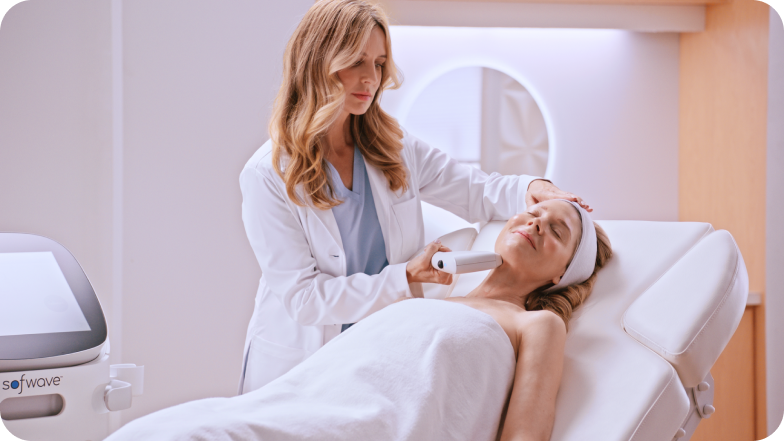
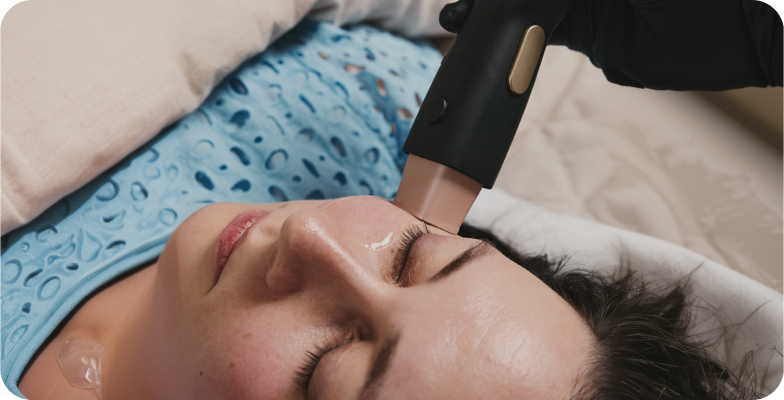
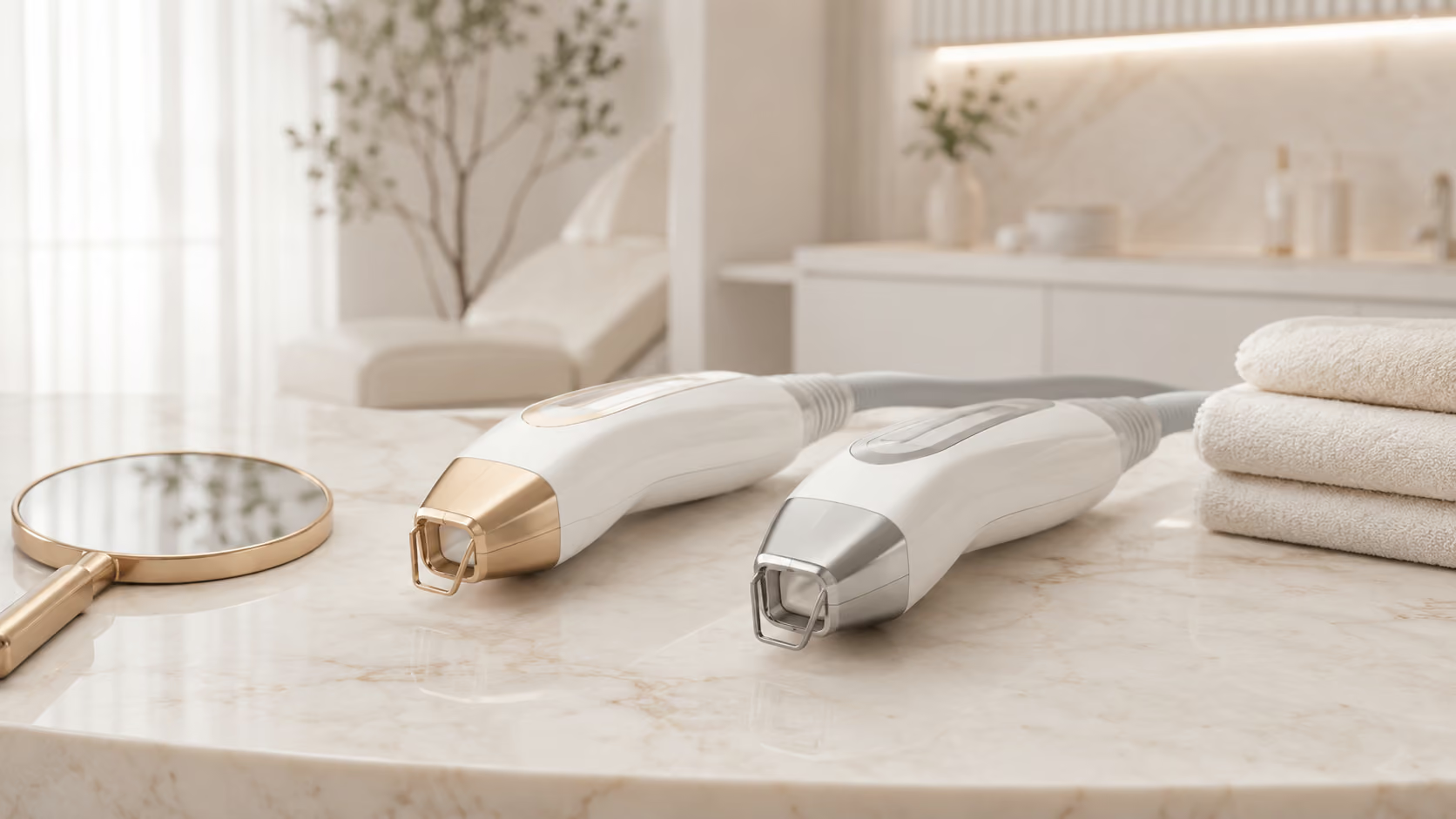
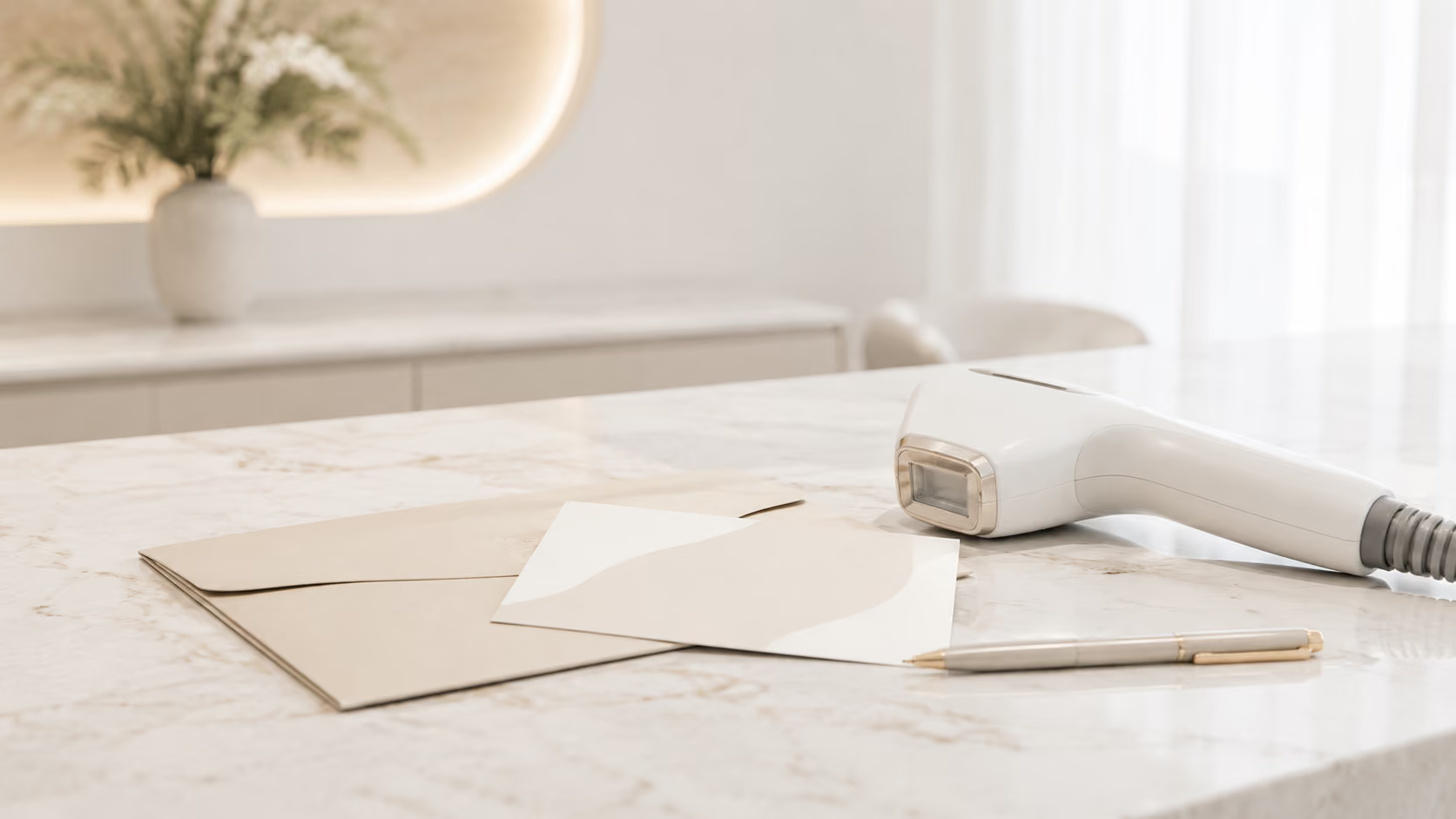
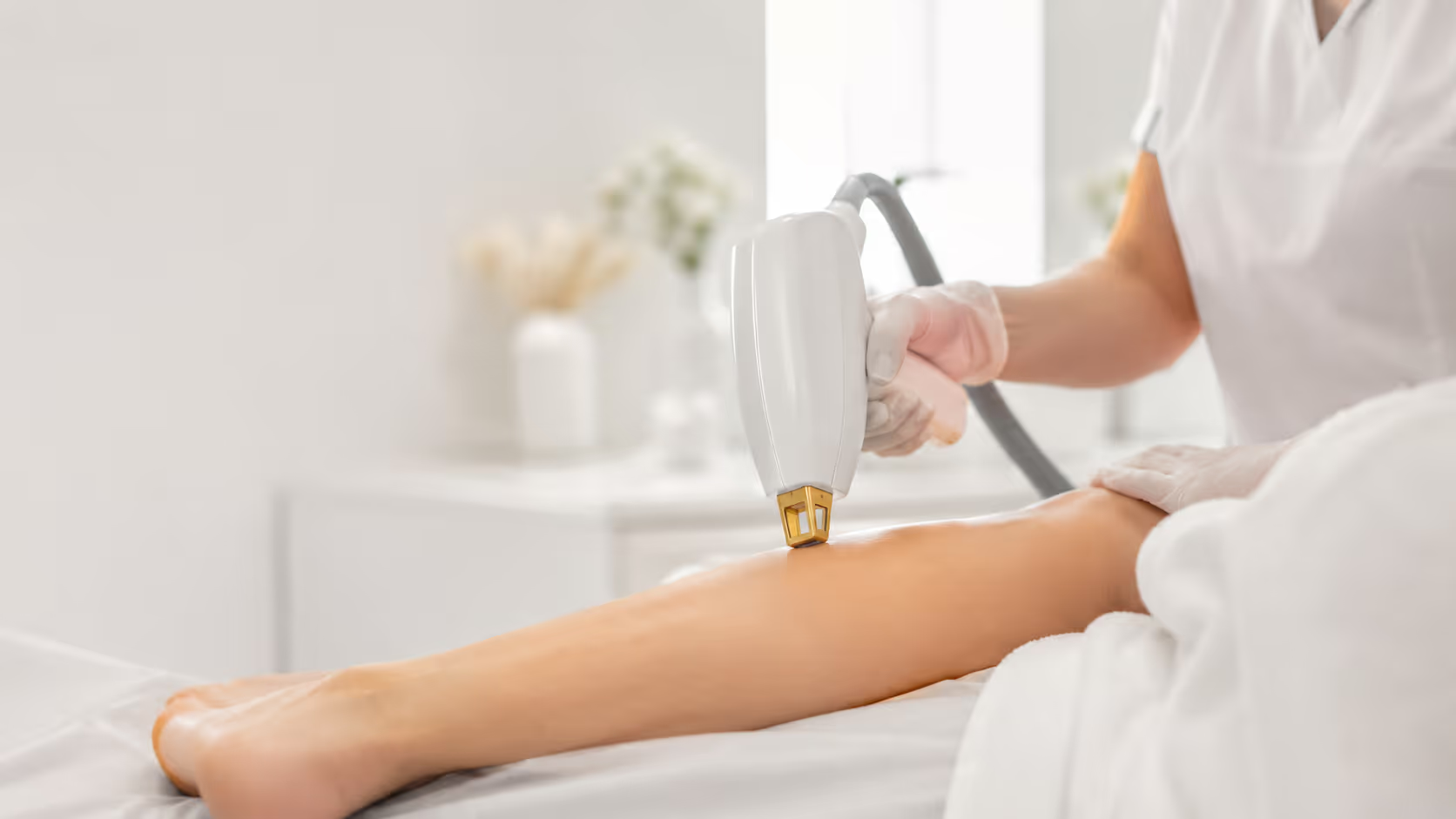
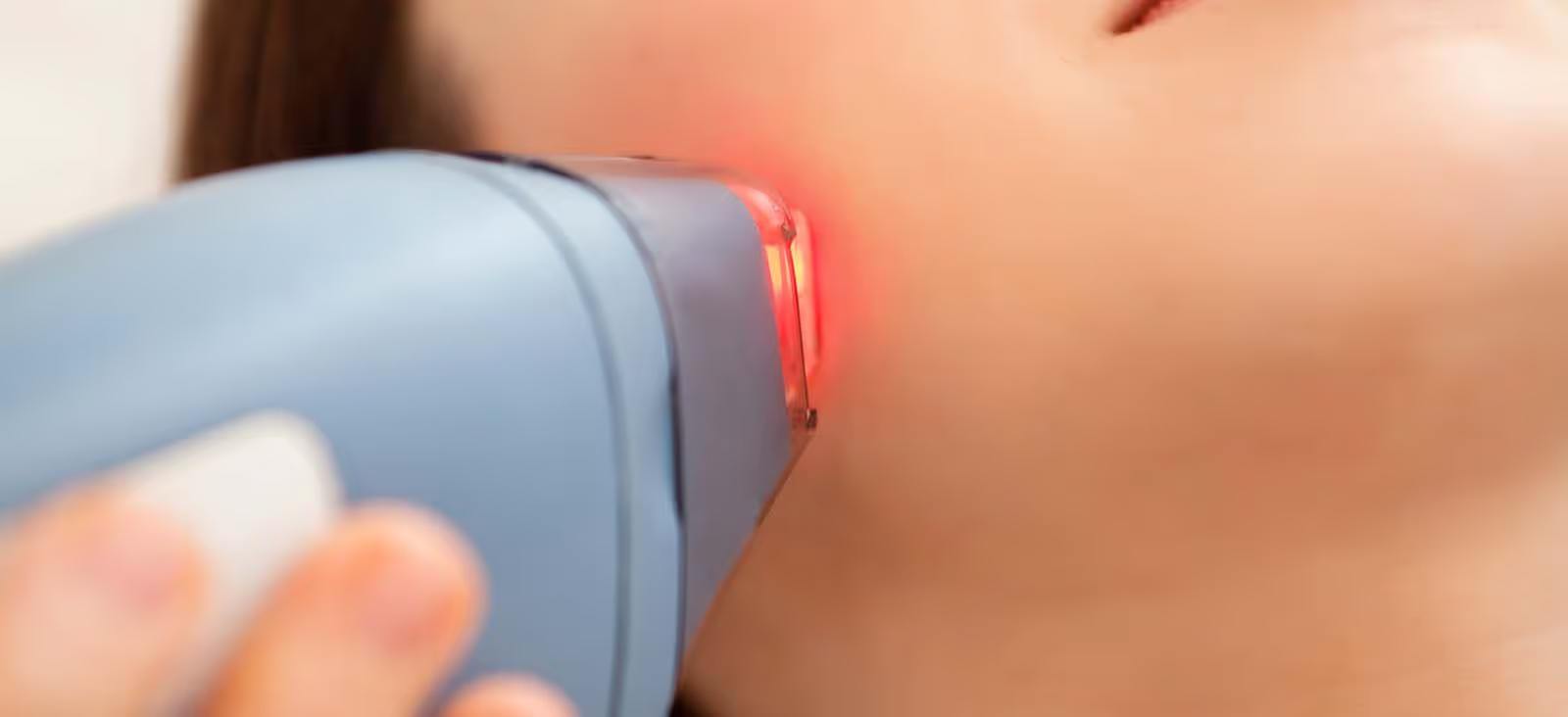
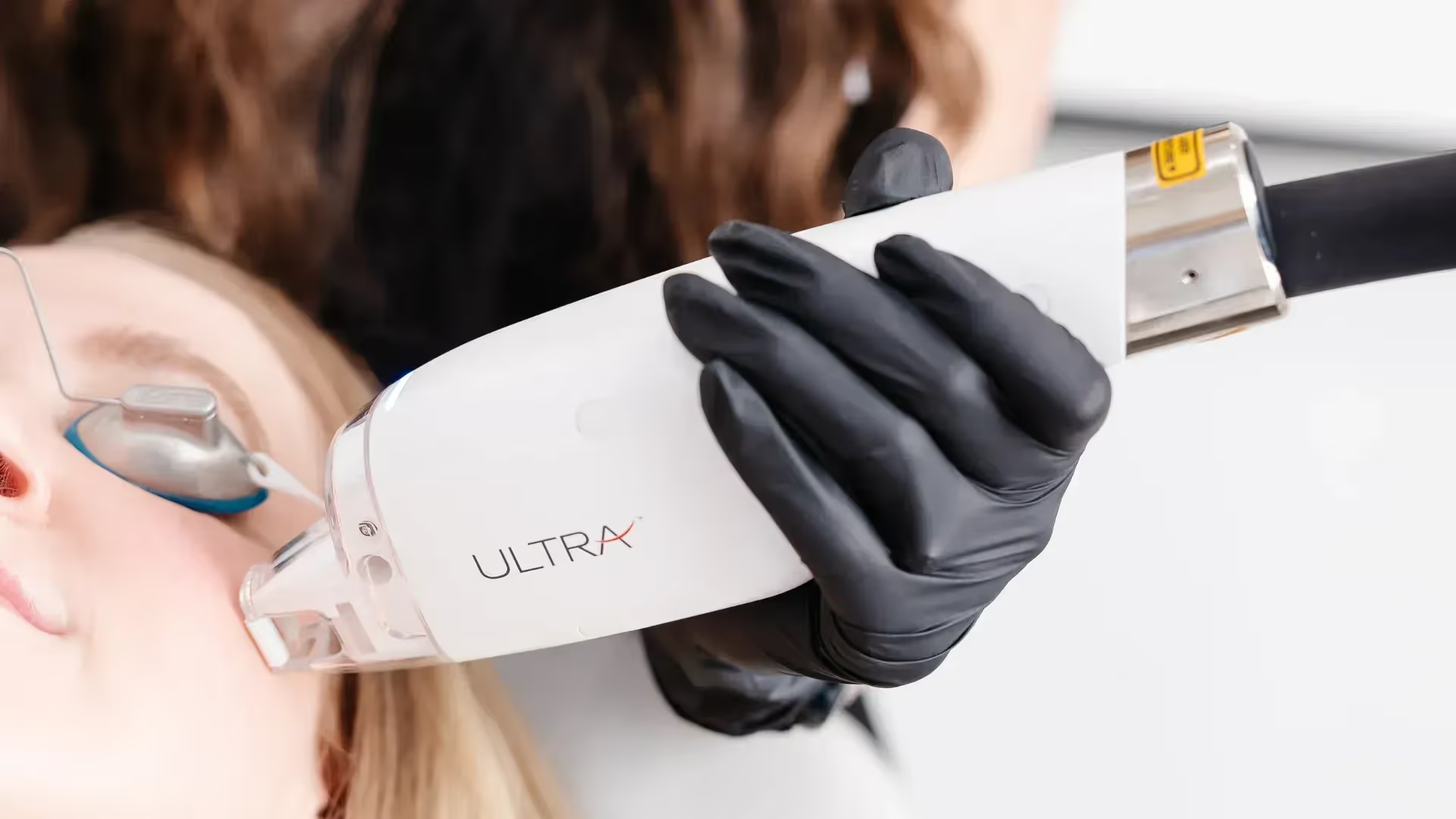
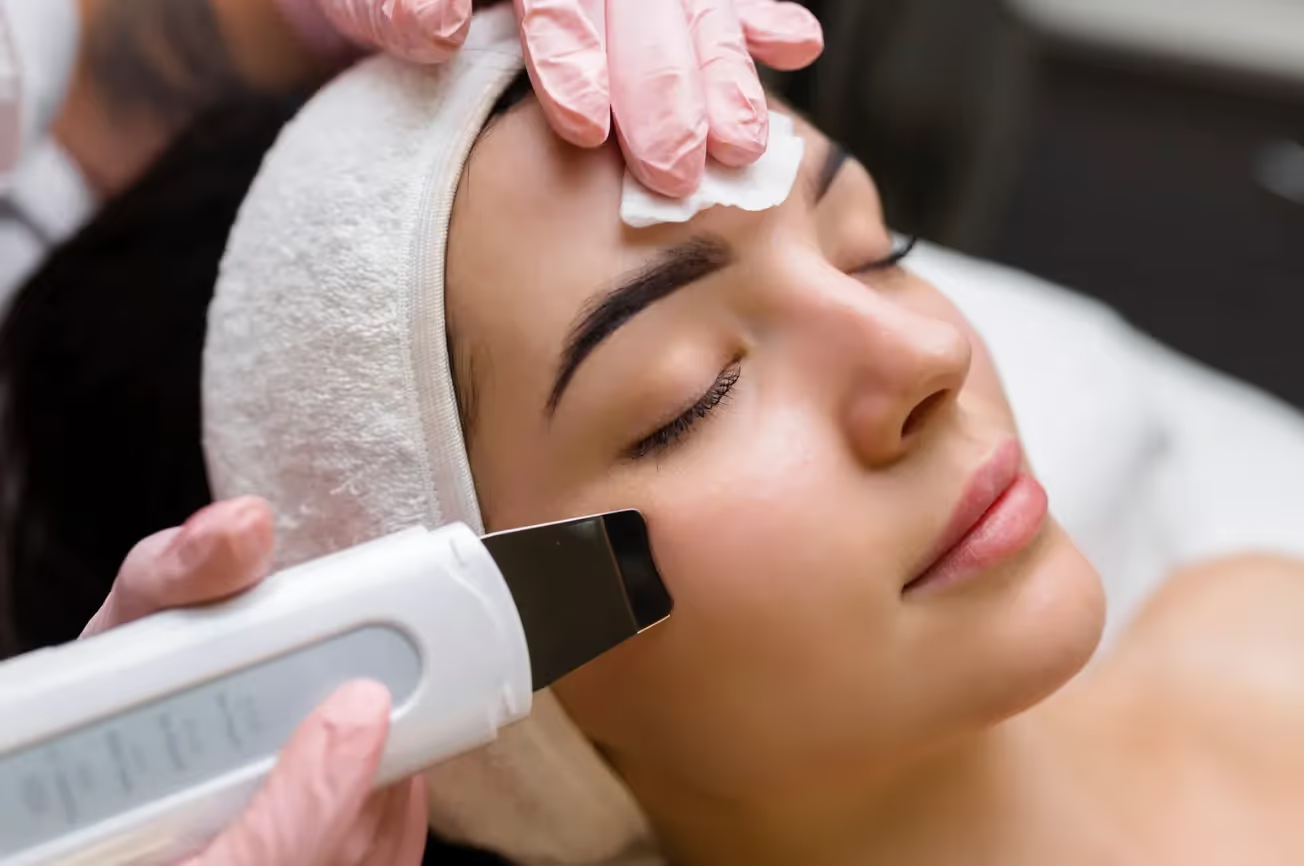
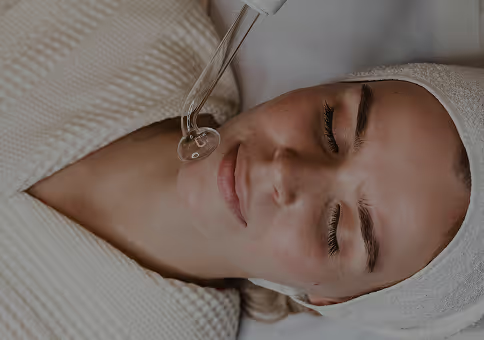
The IPL treatment process involves applying cool gel to the treatment area and using a handheld device to deliver controlled pulses of light to the skin. Each pulse targets the hemoglobin in dilated blood vessels, causing them to heat up and collapse without damaging surrounding tissue. Most patients describe the sensation as similar to a rubber band snapping against the skin, with modern IPL devices incorporating cooling mechanisms to enhance comfort during treatment.
Treatment sessions typically last between 20 to 30 minutes, depending on the size of the area being treated. Most patients require a series of 3 to 5 treatments spaced 4 to 6 weeks apart to achieve optimal results. The gradual improvement allows the skin time to heal between sessions while progressively reducing redness and improving overall skin tone and texture.
- Broad spectrum targeting: IPL can address multiple concerns including redness, broken capillaries, sun damage, and uneven skin tone in a single treatment
- Minimal downtime: Most patients can return to normal activities immediately after treatment with only mild redness that typically resolves within hours
- Progressive improvement: Results continue to improve over several months as treated blood vessels are naturally absorbed by the body
- Customizable treatment: Settings can be adjusted based on skin type, rosacea severity, and individual tolerance levels
The versatility of IPL makes it particularly valuable for rosacea patients who often have additional skin concerns such as sun damage or age spots. The treatment can address these issues simultaneously while focusing on the primary goal of reducing facial redness. Hazany Derm utilizes state-of-the-art IPL systems that allow for precise customization of treatment parameters to ensure optimal results for each patient's unique skin characteristics.
Long-term studies have demonstrated that IPL treatments can provide lasting improvement in rosacea symptoms, with many patients experiencing significant reduction in facial redness for years after completing their initial treatment series. Maintenance treatments may be recommended every 6 to 12 months to sustain results and prevent the progression of rosacea symptoms.
V-Beam Laser: Precision Treatment for Vascular Lesions
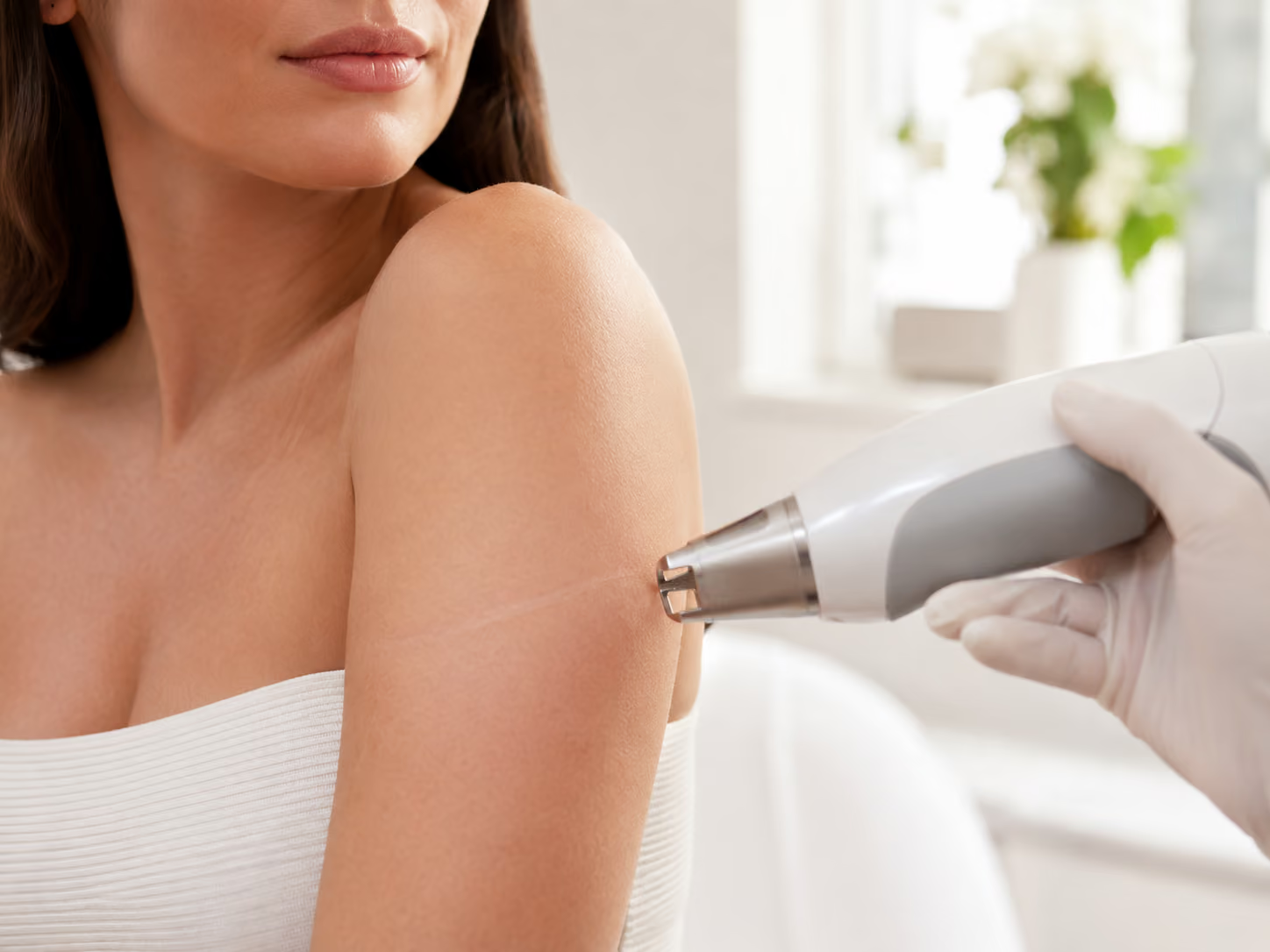
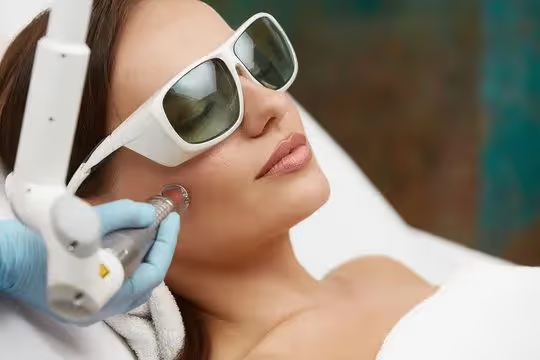
The V-Beam pulsed dye laser stands as another exceptional option for treating rosacea and facial redness, particularly excelling in the treatment of visible blood vessels and persistent erythema. This laser system emits a specific wavelength of 595nm that is optimally absorbed by oxyhemoglobin, making it incredibly effective at targeting the dilated blood vessels that contribute to rosacea symptoms. The precision of this laser allows for selective treatment of problem areas while preserving surrounding healthy tissue.
What sets the V-Beam apart is its patented Dynamic Cooling Device (DCD), which sprays a brief burst of cryogen onto the skin just before each laser pulse. This cooling mechanism protects the epidermis and significantly reduces discomfort during treatment, making the procedure more tolerable for patients with sensitive rosacea-prone skin. The combination of precise targeting and advanced cooling technology makes V-Beam an excellent choice for patients with more severe vascular components of rosacea.
The V-Beam laser is particularly effective for treating specific types of rosacea lesions, including persistent central facial erythema, papulopustular rosacea, and phymatous rosacea. Treatment sessions are typically shorter than IPL, often completed in 15 to 20 minutes, and most patients require 2 to 4 sessions spaced 6 to 8 weeks apart. The laser's ability to treat deeper vascular structures makes it especially valuable for patients with more established rosacea symptoms.
Beyond surface redness, V-Beam can also reach the deeper vessels that drive persistent symptoms, and modern systems typically achieve results without the bruising associated with older pulsed dye lasers.
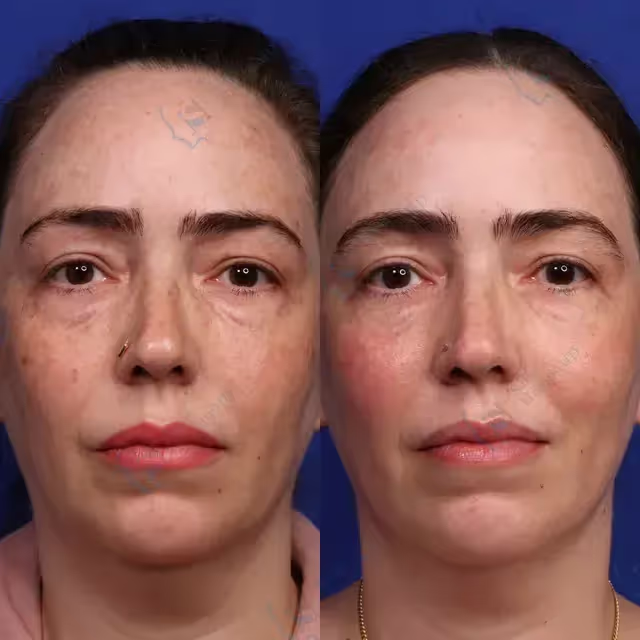
Clinical studies have shown that V-Beam treatments can achieve up to 75% reduction in facial redness after a complete treatment series. The laser's precision makes it particularly effective for treating individual dilated blood vessels and spider veins that are clearly visible on the skin surface. Patients often notice improvement in skin texture and overall complexion in addition to the primary benefit of reduced redness.
The treatment experience with V-Beam is generally well-tolerated, with most patients describing the sensation as brief pinpricks or snaps. Post-treatment care is minimal, though patients may experience mild swelling or redness for 24 to 48 hours after treatment. Dr. Salar Hazany often recommends V-Beam for patients who have specific areas of concern or those who have not achieved complete satisfaction with other treatment modalities.
Combination Approaches and Advanced Treatment Strategies
The most effective treatment plans for rosacea often involve combining different laser technologies to address the various components of this complex condition. While IPL and V-Beam each offer distinct advantages, using them in combination or sequentially can provide more comprehensive results than either treatment alone. This approach allows practitioners to target different depths and types of vascular lesions while also addressing associated skin concerns such as texture irregularities and pigmentation issues.
Advanced treatment protocols may incorporate additional technologies such as fractional lasers for skin texture improvement or LED light therapy for ongoing maintenance. The key to successful combination therapy lies in proper sequencing and timing of treatments to maximize benefits while minimizing potential complications. Experienced practitioners can create customized treatment plans that evolve based on patient response and changing treatment goals.
Patient selection for combination approaches requires careful evaluation of rosacea subtype, skin characteristics, and individual treatment goals. Some patients may benefit from starting with IPL to address overall redness before using V-Beam to target specific vessels, while others may achieve better results with the reverse approach. The decision-making process involves considering factors such as skin sensitivity, downtime tolerance, and desired speed of results.
Does CO2 laser help rosacea?
Not for redness. CO2 is an ablative resurfacing laser, and heat-based resurfacing can aggravate rosacea-prone skin. Vascular lasers like IPL and V-Beam target the dilated blood vessels behind the redness. CO2 may play a limited role for thickened skin changes in advanced phymatous rosacea, but only under specialist guidance.
What about BBL, Moxi, or Laser Genesis?
BBL is an advanced form of IPL, while devices like Moxi and Laser Genesis address texture and tone rather than blood vessels directly. Whether one of these fits your treatment plan depends on your rosacea subtype — a consultation determines which technology your skin will actually respond to.
Rosacea Laser Treatment in Beverly Hills
If persistent redness is affecting your confidence, you don't have to manage it alone. Schedule a consultation with Dr. Salar Hazany in Beverly Hills to find out which laser treatment is right for your rosacea — and build a plan for lasting relief.
Frequently Asked Questions
Which laser treatment provides the fastest results for rosacea?
The V-Beam pulsed dye laser typically provides the most rapid visible improvement for rosacea symptoms. Dr. Salar Hazany often observes patients experiencing noticeable reduction in facial redness within days of their first treatment session. The laser's precision in targeting hemoglobin allows for immediate collapse of dilated blood vessels, creating quick visual changes. While IPL offers excellent long-term results, V-Beam's ability to treat specific vascular lesions makes it ideal for patients seeking faster initial improvement. However, both treatments require multiple sessions for optimal results, and the fastest approach may vary depending on individual rosacea characteristics and severity.
How many laser sessions are typically needed for rosacea treatment?
Most rosacea patients at Hazany Derm require between 3 to 5 treatment sessions to achieve significant improvement in facial redness and vascular symptoms. The exact number depends on factors including rosacea severity, skin type, and chosen laser technology. IPL treatments are typically spaced 4 to 6 weeks apart, while V-Beam sessions may be scheduled 6 to 8 weeks apart. Some patients with mild rosacea may see satisfactory results in just 2 to 3 sessions, while those with more severe symptoms might benefit from additional treatments. Maintenance sessions are often recommended every 6 to 12 months to preserve results and prevent symptom progression over time.
Are laser treatments for rosacea painful?
Modern laser treatments for rosacea are generally well-tolerated, with the team at Hazany Derm utilizing advanced cooling systems to minimize discomfort during procedures. IPL treatments are often described as feeling like warm rubber band snaps against the skin, while V-Beam incorporates dynamic cooling that significantly reduces sensation. Most patients rate treatment discomfort as mild to moderate, typically lasting only seconds during each pulse. Topical anesthetic creams can be applied before treatment for patients with heightened sensitivity. Post-treatment discomfort is usually minimal, with any redness or swelling resolving within 24 to 48 hours. The brief nature of treatments makes them manageable for most rosacea patients.
Can all skin types receive laser treatment for rosacea?
Dr. Hazany carefully evaluates each patient's skin type and characteristics before recommending laser treatment for rosacea. While IPL and V-Beam can be safely used on most skin types, treatment parameters must be carefully adjusted for darker skin tones to prevent complications such as hyperpigmentation. Patients with very dark skin may require alternative approaches or specialized laser systems designed for higher melanin content. Fair to medium skin tones typically respond excellently to standard rosacea laser treatments. A thorough consultation and sometimes test spots are performed to ensure safety and effectiveness for each individual patient's skin characteristics and rosacea presentation.
What should I expect during recovery from rosacea laser treatment?
Recovery from rosacea laser treatments is typically minimal, with Hazany Derm specialists providing comprehensive aftercare instructions to optimize healing. Immediately following IPL or V-Beam treatment, patients may experience mild redness and slight swelling that usually resolves within 24 hours. Some patients notice temporary darkening of treated blood vessels before they fade completely over the following weeks. Sun protection is crucial during the healing period, and patients should avoid harsh skincare products for several days. Most individuals can return to work and normal activities immediately after treatment. Gentle cleansing and moisturizing are recommended, along with avoiding excessive heat and strenuous exercise for 24 to 48 hours post-treatment.
How long do laser treatment results last for rosacea?
Laser treatment results for rosacea can be long-lasting when properly maintained, with Dr. Salar Hazany observing sustained improvement in many patients for 1 to 3 years after completing initial treatment series. The longevity of results depends on factors including rosacea severity, lifestyle factors, sun exposure, and individual skin characteristics. While treated blood vessels are permanently eliminated, rosacea is a chronic condition that may progress over time, potentially requiring maintenance treatments. Many patients benefit from annual or bi-annual touch-up sessions to maintain optimal results. Proper skincare, sun protection, and trigger avoidance help extend treatment benefits. Some patients experience such significant improvement that they require minimal maintenance, while others may need more frequent follow-up treatments.
What are the potential side effects of laser rosacea treatment?
Laser treatments for rosacea at Hazany Derm clinic are generally very safe when performed by experienced practitioners, though some temporary side effects may occur. Common immediate effects include mild redness, swelling, and slight warmth in treated areas, typically resolving within 24 to 48 hours. Some patients may experience temporary darkening of treated blood vessels as they break down and are absorbed by the body. Rarely, patients might develop temporary hyperpigmentation, particularly those with darker skin tones or excessive sun exposure post-treatment. Blistering or scarring are extremely uncommon when treatments are performed correctly. Most side effects are mild and temporary, with serious complications being very rare when proper protocols are followed and aftercare instructions are observed.
Can laser treatment completely cure rosacea?
While laser treatments can provide dramatic improvement in rosacea symptoms, the experts at Hazany Derm explain that rosacea is a chronic condition that cannot be completely "cured" in the traditional sense. However, laser therapy can effectively eliminate existing dilated blood vessels and significantly reduce facial redness, often providing years of improvement. The underlying tendency toward rosacea may persist, meaning new blood vessels could develop over time, particularly without proper maintenance and trigger avoidance. Many patients achieve such substantial improvement that their rosacea symptoms become virtually unnoticeable with appropriate treatment and ongoing care. Success is measured by long-term symptom control, improved quality of life, and reduced need for daily management rather than complete elimination of the condition.