





Is Psoriasis Contagious?



Psoriasis is not contagious and cannot be transmitted through physical contact, sharing items, or close proximity to others. This autoimmune condition results from genetic and environmental factors, not infectious agents. Hazany Derm provides comprehensive education and treatment for patients dealing with psoriasis misconceptions.
One of the most persistent myths surrounding psoriasis is the fear that this visible skin condition can spread from person to person. This misconception has led to unnecessary social isolation, workplace discrimination, and emotional distress for millions of people living with psoriasis worldwide. Understanding the true nature of this condition is crucial for both patients and the general public to combat stigma and promote acceptance.
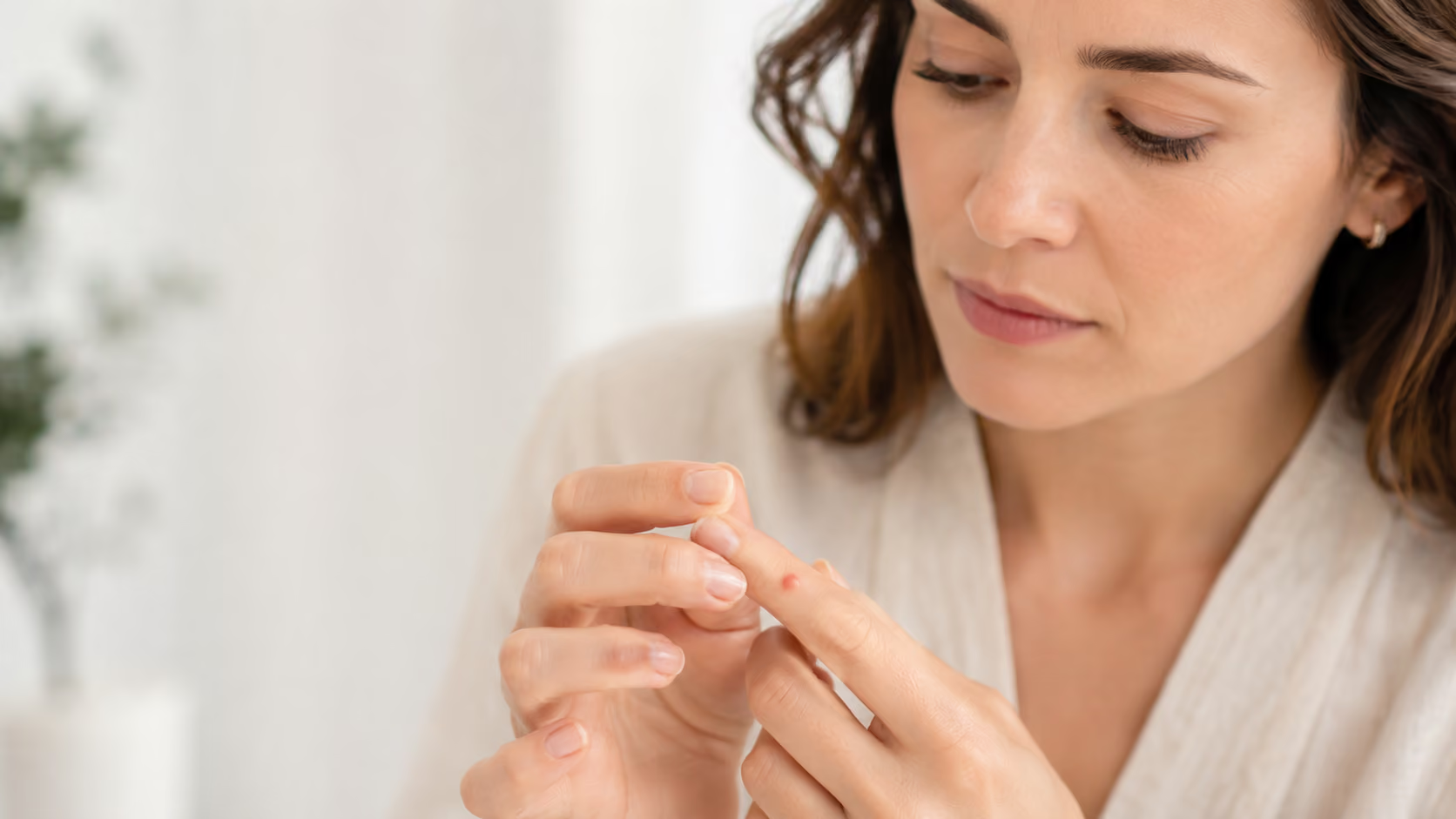
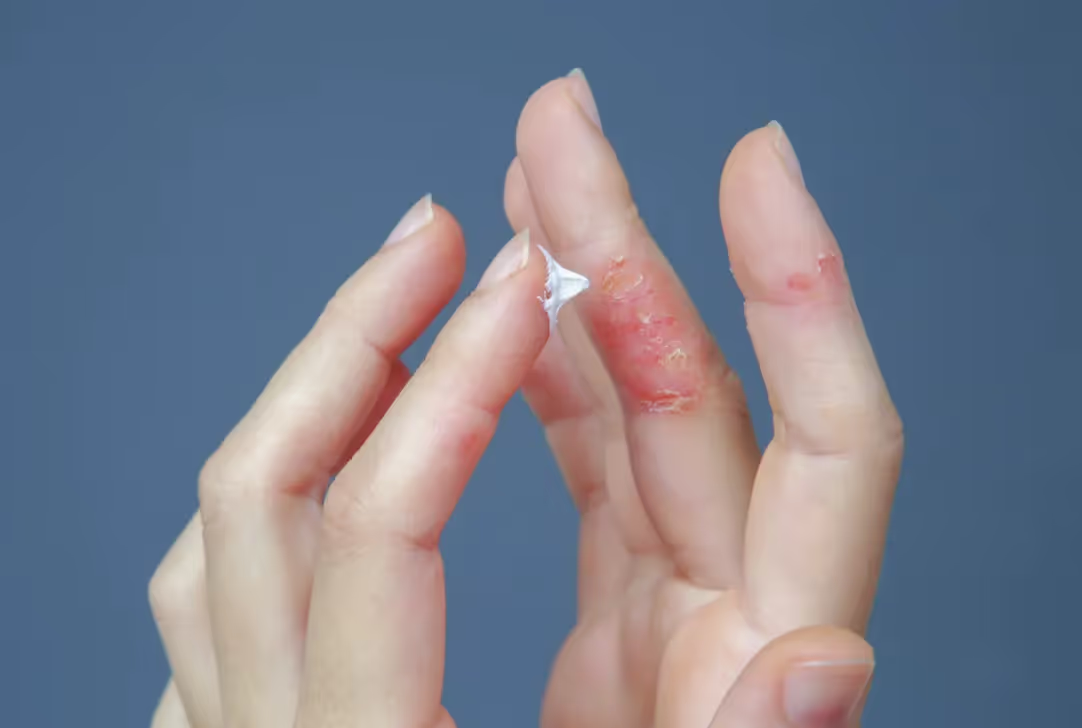
Psoriasis affects approximately 125 million people globally, yet many individuals remain misinformed about its causes and transmission. The visible nature of psoriatic lesions, characterized by red, scaly patches on the skin, often triggers unfounded concerns about contagion among those unfamiliar with the condition. This lack of understanding can significantly impact the quality of life for psoriasis patients, affecting their personal relationships, career opportunities, and overall mental health.
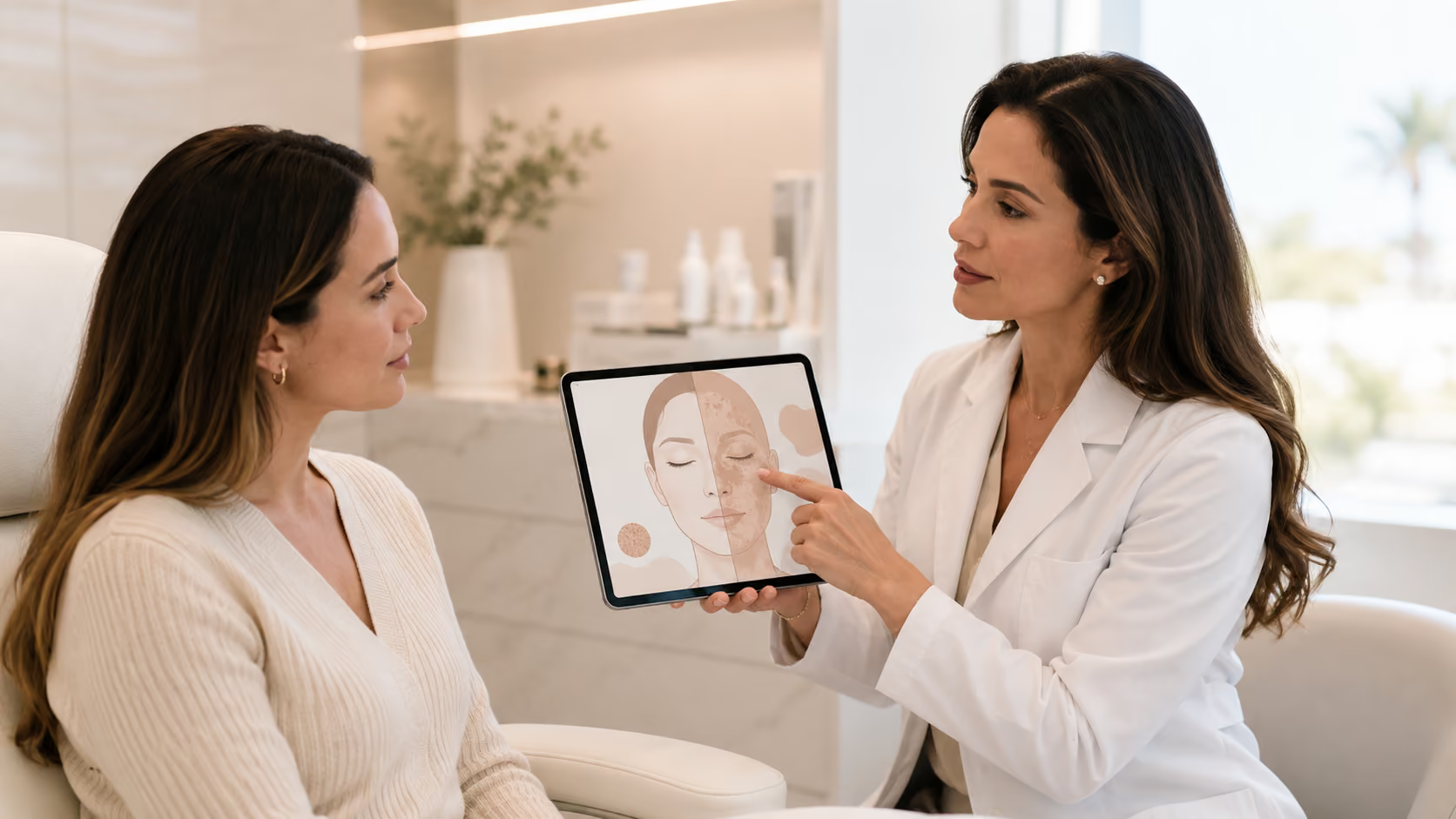
At Hazany Derm, we frequently encounter patients who have experienced discrimination or social rejection due to widespread misconceptions about psoriasis transmission. Our commitment extends beyond medical treatment to include comprehensive patient education and community awareness initiatives. By addressing these myths head-on, we aim to create a more informed and compassionate environment for individuals living with this chronic autoimmune condition.
Understanding Psoriasis: An Autoimmune Condition
Psoriasis is fundamentally an autoimmune disorder where the body's immune system mistakenly attacks healthy skin cells, causing rapid cell turnover and inflammation. This accelerated skin cell production cycle, which normally takes about 28 days, occurs in just 3-4 days in psoriatic skin. The result is the characteristic thick, scaly patches known as plaques that appear on various parts of the body. This process is entirely internal and cannot be triggered by external contact with another person.
The condition stems from a complex interplay of genetic predisposition and environmental triggers, not from bacterial, viral, or fungal infections. Unlike contagious skin conditions such as impetigo or ringworm, psoriasis cannot be transmitted through direct skin contact, sharing personal items, or breathing the same air. The immune system dysfunction that characterizes psoriasis is specific to each individual and cannot be passed from one person to another through any form of contact.
Research has identified specific genetic markers associated with psoriasis susceptibility, particularly within the HLA (human leukocyte antigen) complex. However, having these genetic markers does not guarantee that someone will develop psoriasis, as environmental factors also play a crucial role in triggering the condition. This genetic component explains why psoriasis sometimes runs in families, but it's important to understand that this familial clustering is due to inherited susceptibility, not contagious transmission.
Key characteristics that distinguish psoriasis from contagious skin conditions include:
- Autoimmune origin: The condition results from immune system dysfunction rather than infectious agents like bacteria, viruses, or fungi
- Genetic predisposition: Family history increases risk, but this reflects inherited susceptibility rather than person-to-person transmission
- Chronic nature: Psoriasis is a lifelong condition with periods of flare-ups and remission, unlike temporary infectious skin conditions
- Symmetrical presentation: Psoriatic lesions often appear symmetrically on both sides of the body, following patterns consistent with autoimmune conditions
Dr. Salar Hazany emphasizes that understanding the autoimmune nature of psoriasis is fundamental to dispelling contagion myths. When patients and their families grasp that psoriasis originates from within the body's own immune system, they can approach the condition with appropriate medical management rather than unnecessary isolation measures. This knowledge empowers patients to maintain normal social interactions and intimate relationships without fear of transmission.
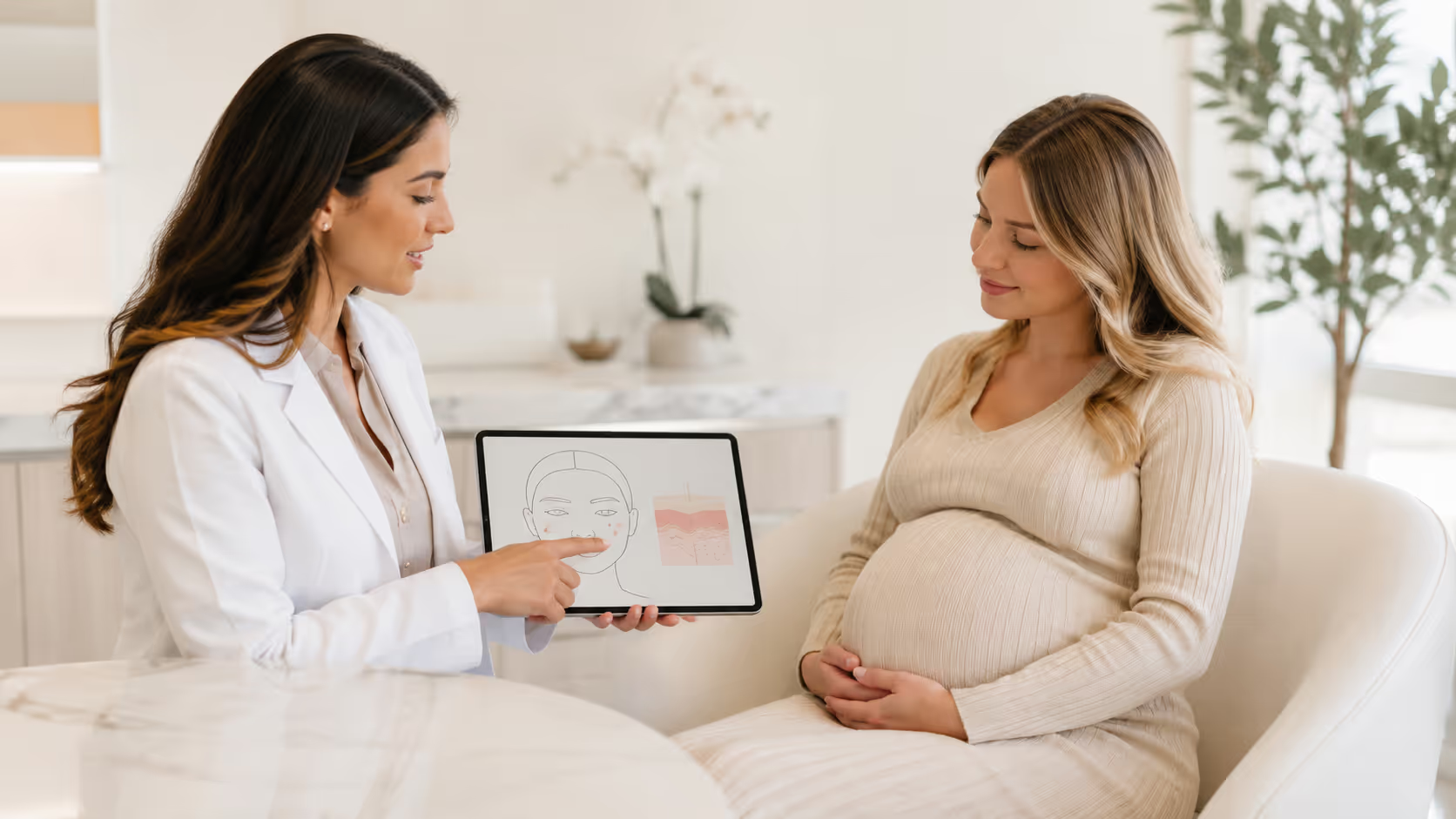
The distinction between autoimmune and infectious conditions becomes particularly important when addressing patient concerns about family planning and child-rearing. While psoriasis cannot be "caught" by children from their parents, genetic counseling may be beneficial for families with a strong history of autoimmune conditions. Understanding this difference helps families make informed decisions while maintaining normal, healthy relationships without the burden of unfounded contagion fears.
Scientific Evidence Against Contagion
Decades of medical research and clinical observation have conclusively demonstrated that psoriasis is not contagious under any circumstances. Dermatologists, immunologists, and researchers worldwide have conducted extensive studies examining potential transmission routes, and none have found evidence supporting person-to-person spread. This scientific consensus is based on both laboratory research and real-world observations of families, healthcare workers, and close contacts of psoriasis patients over many years.
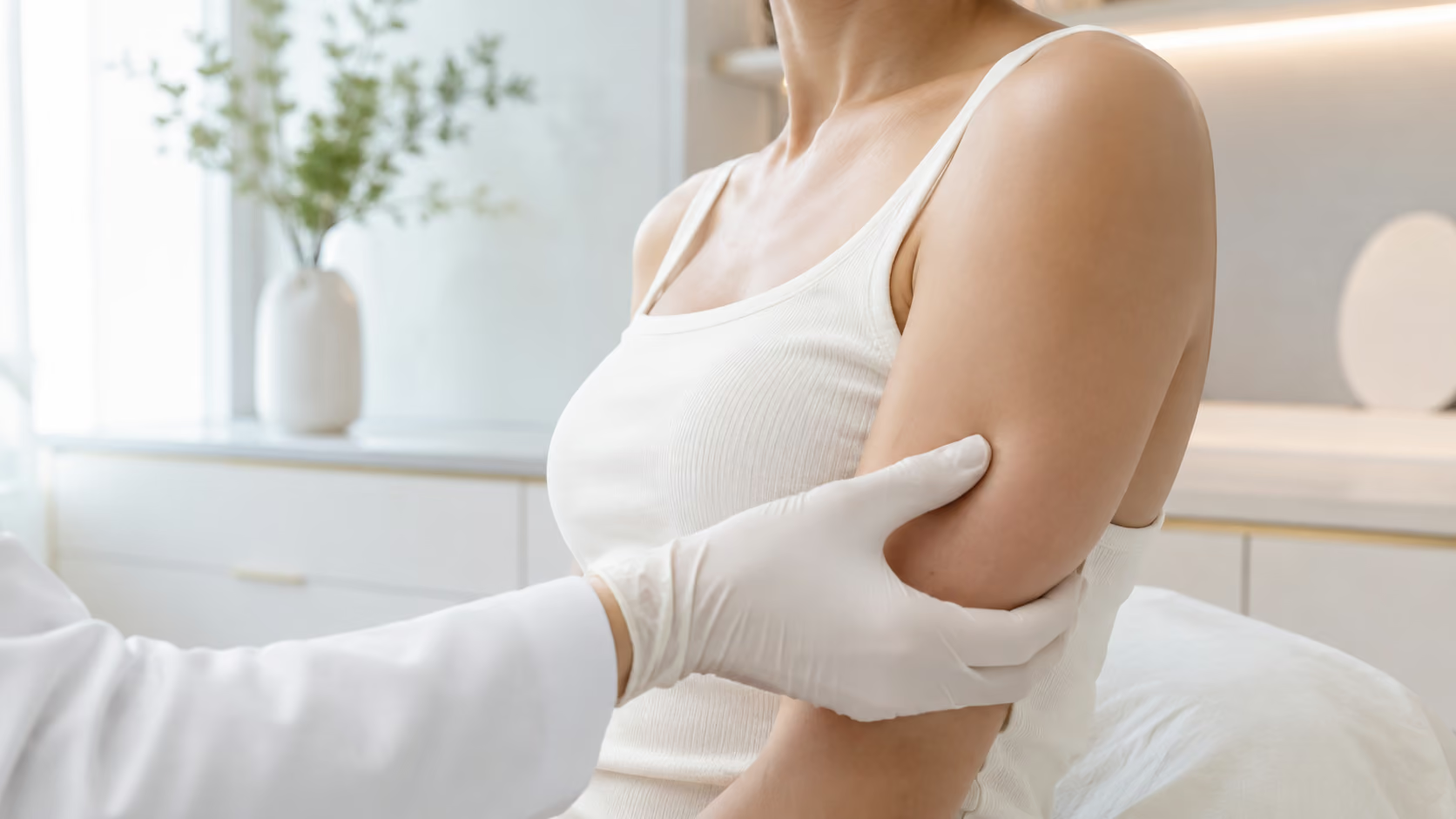
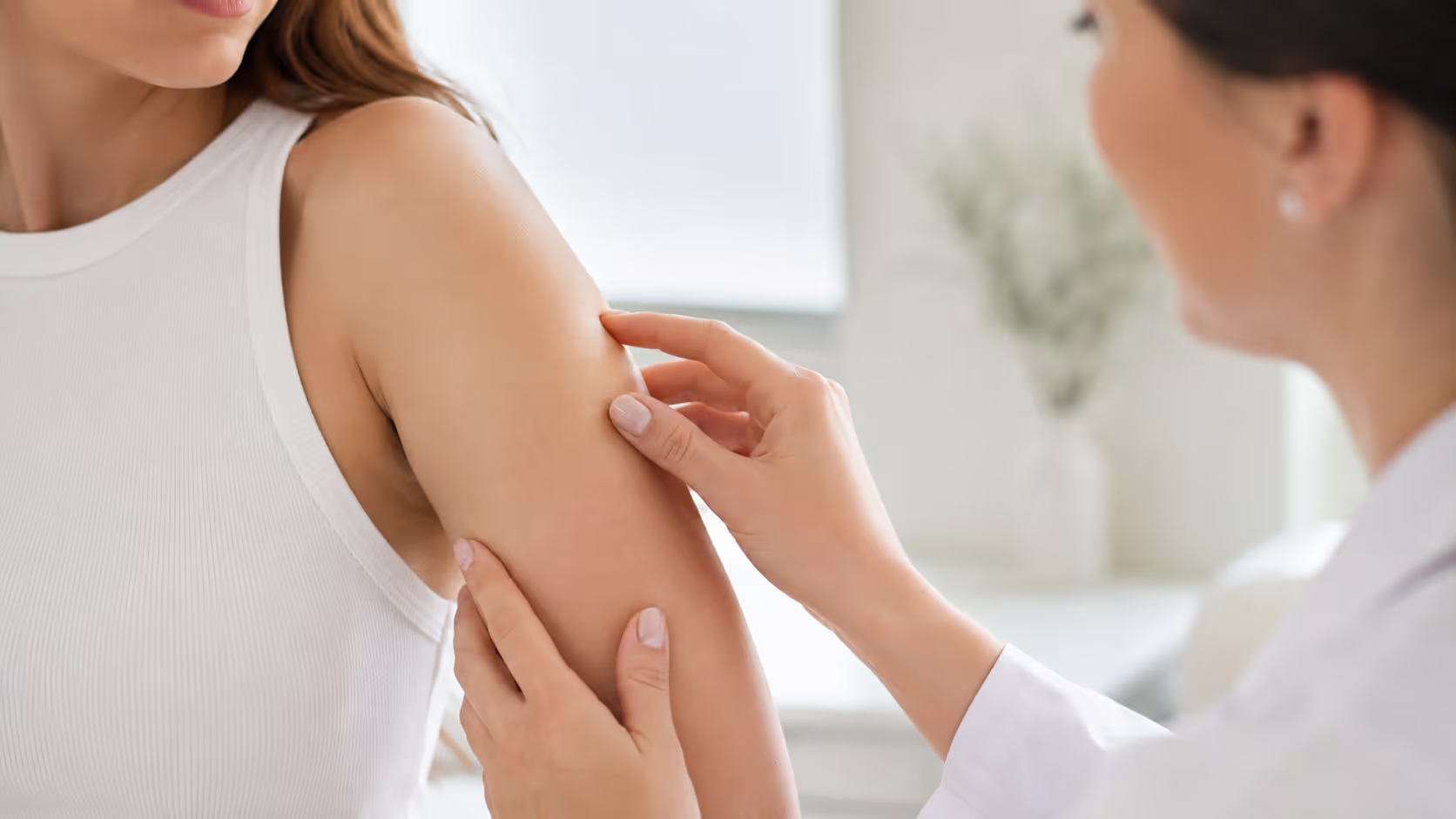
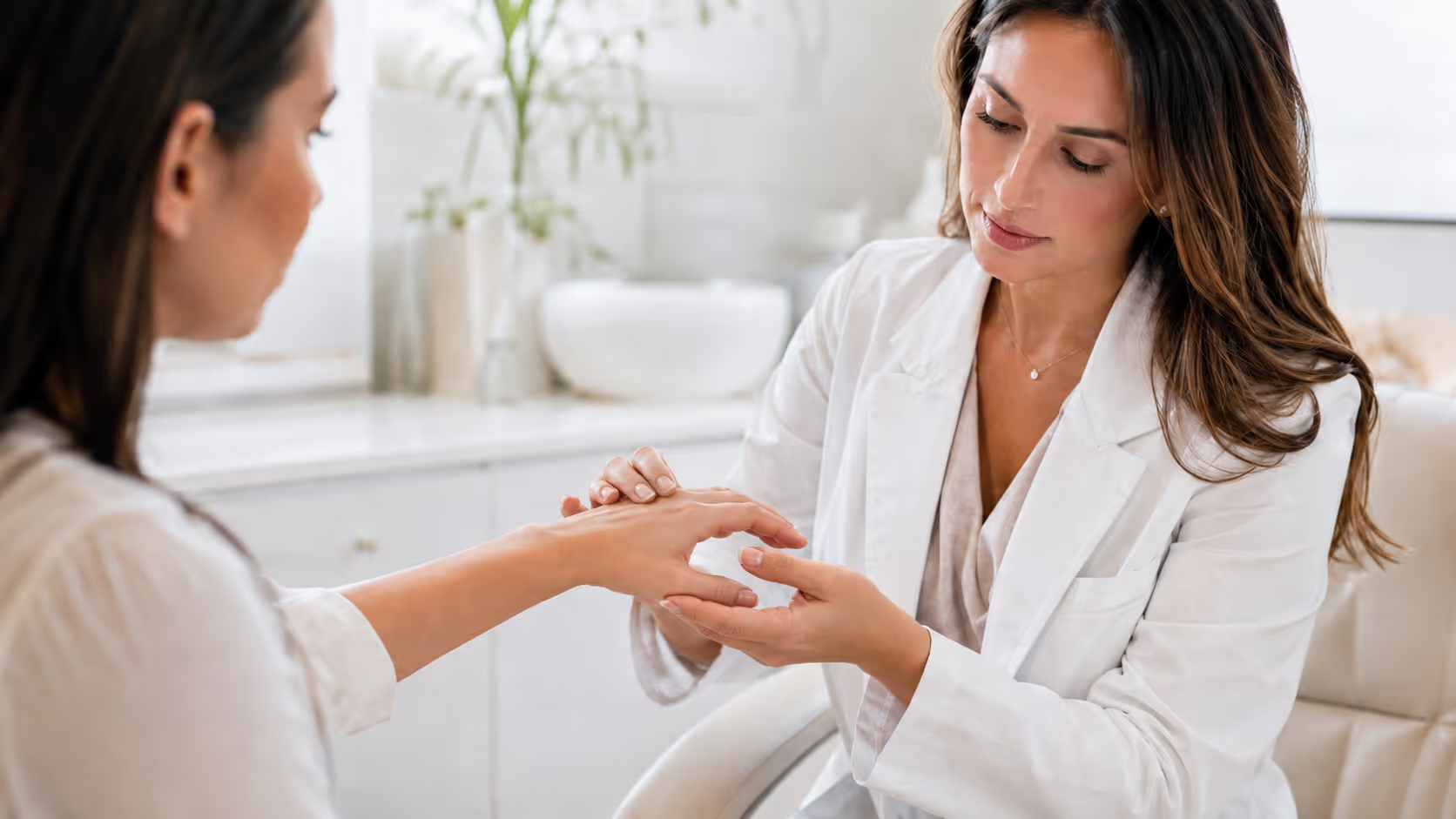
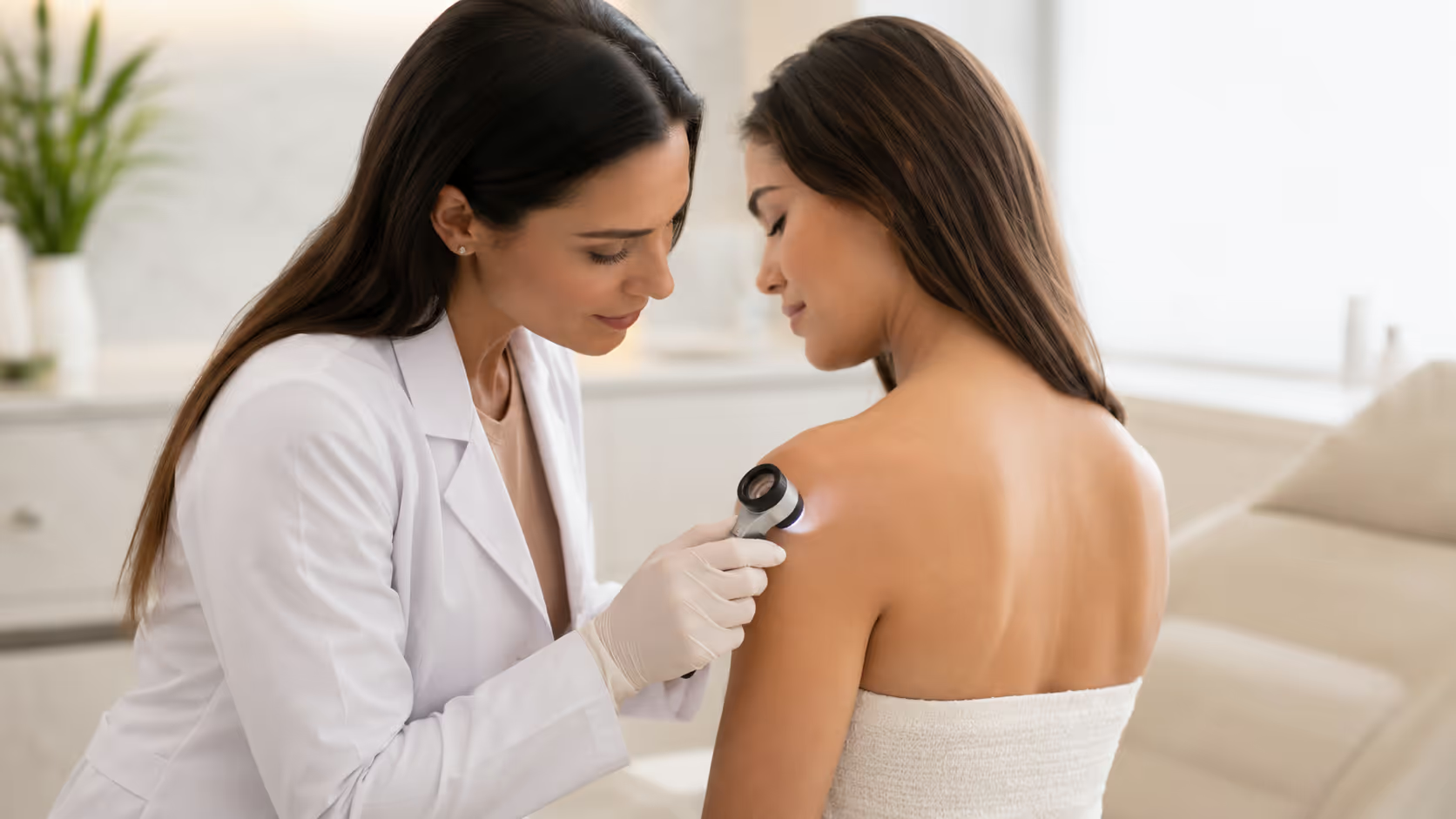
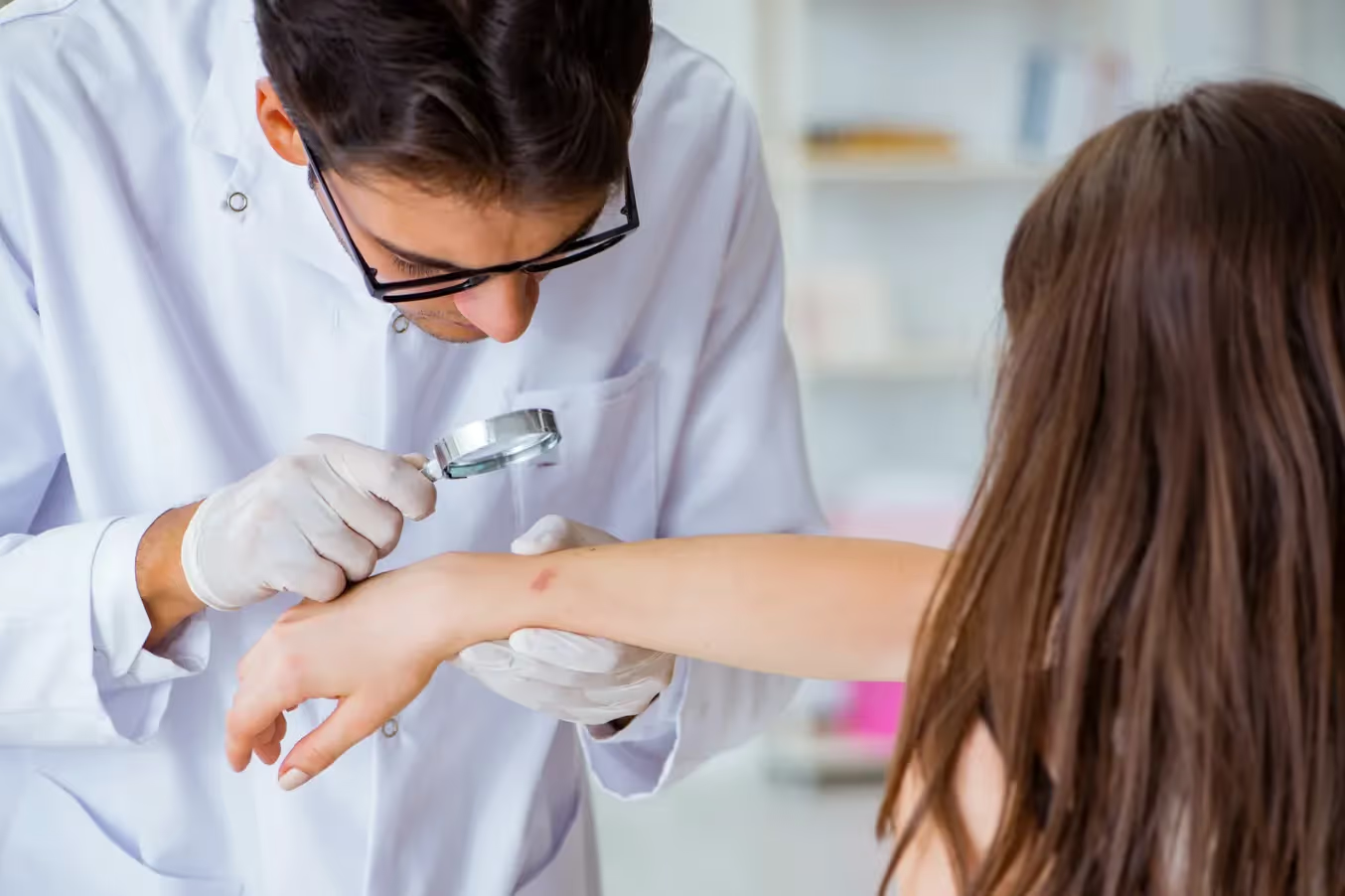
Healthcare professionals who work closely with psoriasis patients, including dermatologists, nurses, and medical assistants, show no increased incidence of developing the condition despite regular exposure to psoriatic lesions. At Hazany Derm, our medical staff regularly examine and treat psoriasis patients without any protective measures beyond standard hygiene practices. This direct professional experience, multiplied across thousands of dermatology practices worldwide, provides compelling real-world evidence against contagion theories.
Long-term studies of spouses and intimate partners of psoriasis patients have consistently shown normal rates of psoriasis development, equivalent to the general population. These studies are particularly significant because intimate partners share living spaces, personal items, and have the closest possible contact with psoriasis patients. If the condition were contagious through any mechanism, we would expect to see elevated rates among these individuals, yet no such pattern has ever been documented in medical literature.
Clinical evidence that definitively rules out psoriasis contagion includes:
- Healthcare worker studies: Medical professionals treating psoriasis patients show no increased incidence despite regular exposure to lesions
- Family contact research: Non-genetically related family members (spouses, adopted children) develop psoriasis at normal population rates
- Transmission experiments: Historical attempts to transmit psoriasis through skin grafts or lesion contact have consistently failed
- Immunological analysis: Psoriatic lesions contain no infectious agents when examined under laboratory conditions
The medical community's understanding of psoriasis transmission has evolved significantly since the condition was first documented in ancient times. Early historical accounts sometimes confused psoriasis with truly contagious conditions like leprosy, leading to social isolation and misconceptions that persist today. Modern immunology and dermatology have clearly differentiated psoriasis from infectious diseases, establishing it firmly within the category of autoimmune conditions alongside rheumatoid arthritis, multiple sclerosis, and type 1 diabetes.
Hazany Derm frequently references peer-reviewed research when educating patients about psoriasis transmission. This evidence-based approach helps patients understand that their condition poses no risk to family members, friends, or colleagues. By sharing scientific findings in accessible language, we empower patients to advocate for themselves in social and professional situations where misconceptions about contagion may arise, ultimately improving their quality of life and social integration.
Living Normally with Psoriasis
Understanding that psoriasis is not contagious opens the door to maintaining completely normal social, professional, and intimate relationships. Patients diagnosed with psoriasis can continue all their regular activities without fear of transmitting their condition to others. This includes sharing living spaces, using common facilities, participating in sports and recreational activities, and maintaining physical intimacy with partners. The key to successful social integration lies in education and open communication about the condition's true nature.
Many psoriasis patients initially worry about activities like swimming in public pools, using gym facilities, or sharing meals with others. These concerns are understandable given the visible nature of the condition, but they are medically unnecessary. Psoriasis patients can safely participate in all these activities without posing any risk to others. The only considerations should be personal comfort levels and proper skincare management to prevent irritation or flare-ups in certain environments.
Professional environments present another area where psoriasis misconceptions can create challenges. Employers and colleagues may have concerns about contagion that can affect workplace dynamics and career advancement. Open communication about the non-contagious nature of psoriasis, supported by medical documentation when necessary, can help address these issues. Many successful professionals across all industries manage psoriasis while maintaining thriving careers, and the condition should not limit professional aspirations or opportunities.
Practical considerations for normal living with psoriasis include:
- Personal relationships: Maintain physical intimacy and close contact without transmission concerns
- Professional life: Continue normal work activities and career advancement without contagion-related limitations
- Social activities: Participate in sports, recreational activities, and community events without restriction
- Healthcare settings: Receive routine medical care without special isolation precautions beyond standard hygiene
Dr. Hazany regularly counsels patients on maintaining active, fulfilling lives despite their psoriasis diagnosis. This counseling often involves addressing internalized fears about contagion that patients may have absorbed from societal misconceptions. By reinforcing the scientific facts about transmission and providing practical strategies for managing social situations, patients can overcome self-imposed limitations and engage fully in their personal and professional lives.
The psychological impact of understanding psoriasis as non-contagious cannot be overstated. Many patients experience significant relief when they fully grasp that their condition poses no threat to loved ones. This knowledge allows them to focus their energy on effective treatment and management rather than unnecessary isolation measures. At Hazany Derm, we've observed that patients who embrace this understanding typically show better treatment compliance and overall mental health outcomes, contributing to more successful long-term management of their condition.
Frequently Asked Questions
Can I catch psoriasis from someone who has it?
No, you cannot catch psoriasis from another person under any circumstances. Psoriasis is an autoimmune condition, not an infectious disease, which means it originates from the body's own immune system rather than from external pathogens like bacteria or viruses. Dr. Salar Hazany explains that decades of medical research have consistently shown no evidence of person-to-person transmission, even among intimate partners and healthcare workers who have close contact with psoriasis patients. The condition results from genetic predisposition combined with environmental triggers, making it impossible to "catch" through physical contact, sharing items, or proximity to someone with psoriasis.
Is it safe to share personal items with someone who has psoriasis?
Yes, it's completely safe to share personal items with someone who has psoriasis. Since the condition is not caused by infectious agents, there's no risk of transmission through towels, clothing, bedding, or other personal belongings. Hazany Derm emphasizes that psoriasis patients can safely share living spaces and household items with family members without any special precautions beyond normal hygiene practices. The autoimmune nature of psoriasis means that the skin changes occur due to internal immune system dysfunction rather than external contamination. Standard cleanliness practices are sufficient, and no special disinfection or avoidance measures are necessary when sharing items with psoriasis patients.
Can swimming in the same pool as someone with psoriasis cause infection?
Swimming in the same pool as someone with psoriasis poses absolutely no risk of developing the condition. The team at Hazany Derm frequently addresses this concern, explaining that psoriasis cannot be transmitted through water, pool facilities, or any form of shared recreational space. Since psoriasis is an autoimmune disorder rather than an infectious disease, the presence of someone with psoriasis in a pool, hot tub, or other aquatic facility creates no additional health risks for other users. Pool chemicals and normal filtration systems are more than adequate for maintaining safe water conditions. Psoriasis patients should feel confident participating in swimming and water activities without concerns about affecting others.
What should I do if someone avoids me because of my psoriasis?
If someone avoids you due to psoriasis misconceptions, education is often the most effective approach. Dr. Hazany recommends calmly explaining that psoriasis is an autoimmune condition, not a contagious disease, and sharing reliable medical information when appropriate. You might offer resources from reputable medical sources or suggest they speak with their own healthcare provider about psoriasis transmission. While it can be emotionally challenging to face such reactions, remember that the person's avoidance stems from misinformation rather than any actual risk. Building a support network of informed family and friends, along with professional counseling when needed, can help you maintain confidence and emotional well-being while dealing with these unfortunate but preventable social situations.
Can healthcare workers safely treat psoriasis patients?
Healthcare workers can absolutely treat psoriasis patients safely using standard medical protocols. Hazany Derm specialists and medical staff regularly examine and treat psoriasis patients without any special protective measures beyond routine hygiene practices used for all patients. Medical professionals worldwide have decades of experience treating psoriasis without showing increased rates of developing the condition themselves. Standard gloves and hand hygiene are used for all patient examinations regardless of condition, but no additional precautions are necessary for psoriasis specifically. The medical community's extensive experience treating psoriasis patients provides real-world evidence that the condition poses no transmission risk to healthcare providers or anyone else in contact with patients.
Should I be concerned about my children developing psoriasis?
While psoriasis has a genetic component, children cannot "catch" it from a parent through contact or proximity. Dr. Salar Hazany explains that although having a parent with psoriasis increases a child's statistical risk due to inherited genetic factors, this is very different from contagious transmission. Many children with psoriatic parents never develop the condition, and genetic predisposition requires environmental triggers to activate. Families should maintain normal physical relationships and daily interactions without fear of transmission. If you're concerned about genetic risk factors, genetic counseling can provide personalized information about your family's specific situation. The key is understanding that any increased risk comes from inherited genes, not from living with or caring for someone with psoriasis.
Can I have normal intimate relationships if I have psoriasis?
Yes, you can absolutely maintain normal intimate relationships with psoriasis. The Hazany Derm clinic emphasizes that psoriasis poses no transmission risk to romantic partners, regardless of the level of physical intimacy. Since the condition is autoimmune rather than infectious, skin-to-skin contact cannot spread psoriasis to partners. Many couples successfully maintain loving, physically intimate relationships where one partner has psoriasis. Open communication with your partner about the condition, its non-contagious nature, and any comfort considerations can help maintain a healthy relationship. Some patients may want to time intimate activities around their treatment schedules or discuss any topical medications they're using, but these are comfort and treatment considerations, not safety concerns related to transmission.
What should employers know about psoriasis in the workplace?
Employers should understand that psoriasis poses no health risk to other employees and requires no special workplace accommodations for contagion prevention. The experts at Hazany Derm often provide workplace education explaining that psoriasis is a non-contagious autoimmune condition that doesn't affect an employee's ability to perform most job functions safely. Employees with psoriasis can work in all industries, including food service, healthcare, and customer-facing roles, without creating health risks for colleagues or customers. Any workplace accommodations should focus on helping employees manage their condition effectively, such as flexible schedules for medical appointments, rather than unnecessary isolation measures. Employers benefit from creating inclusive environments based on medical facts rather than misconceptions, which supports both employee wellbeing and legal compliance with disability accommodation requirements.