







Can Age Spots Be Prevented?



Yes, age spots can be largely prevented through consistent sun protection, proper skincare, and professional guidance. The experts at Hazany Derm provide comprehensive strategies to help patients maintain clear, even-toned skin and prevent unwanted pigmentation changes.
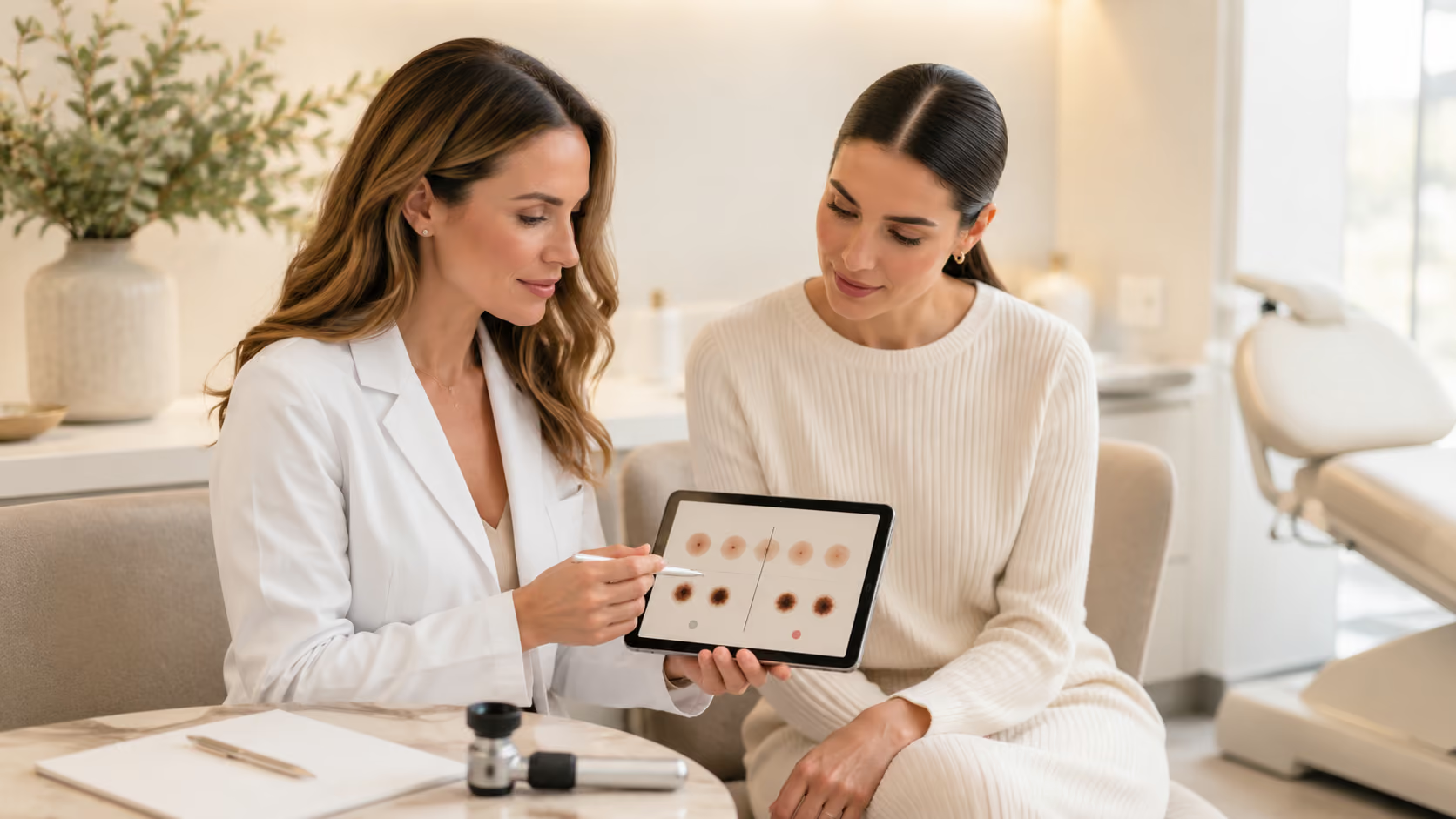
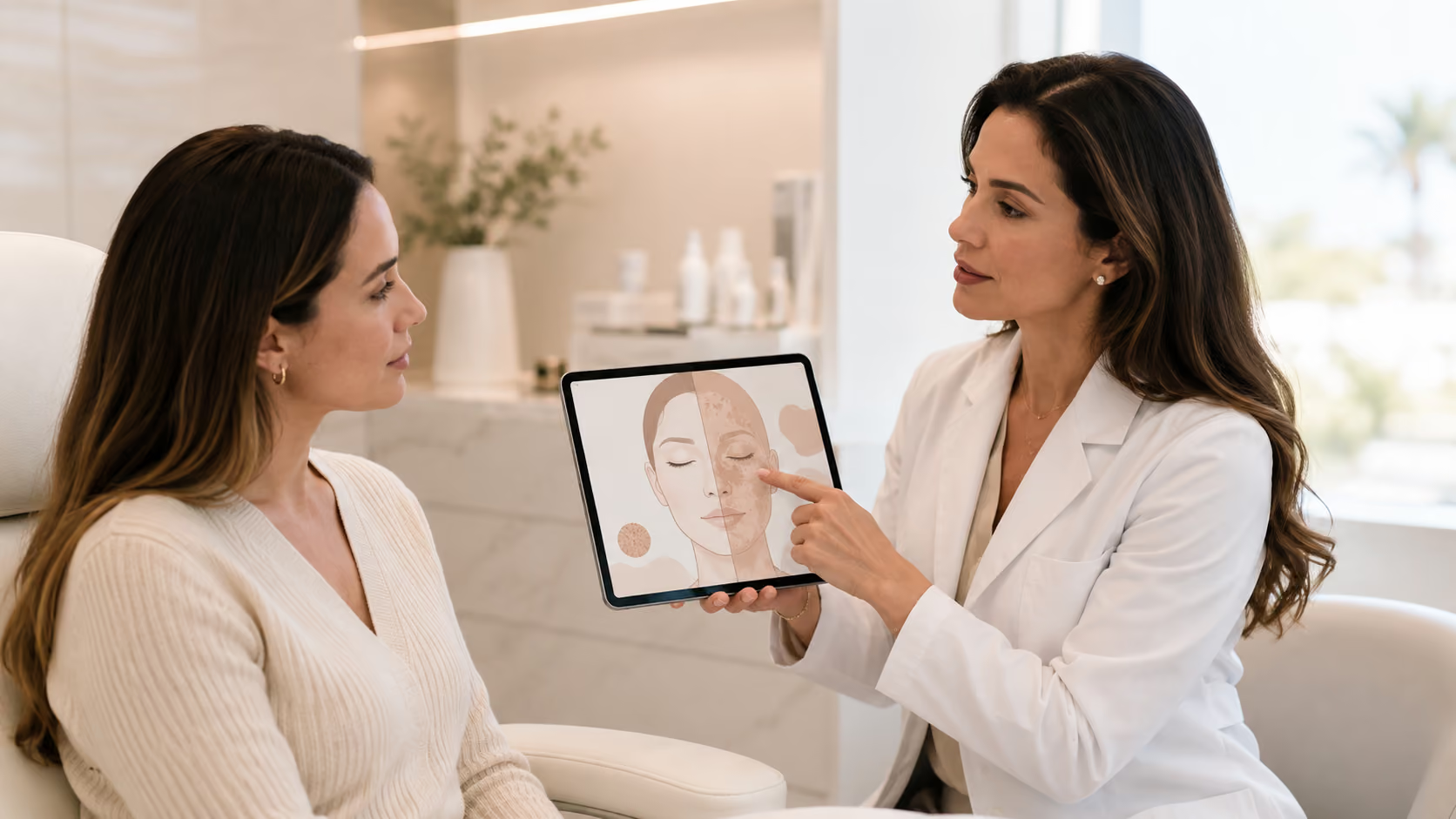
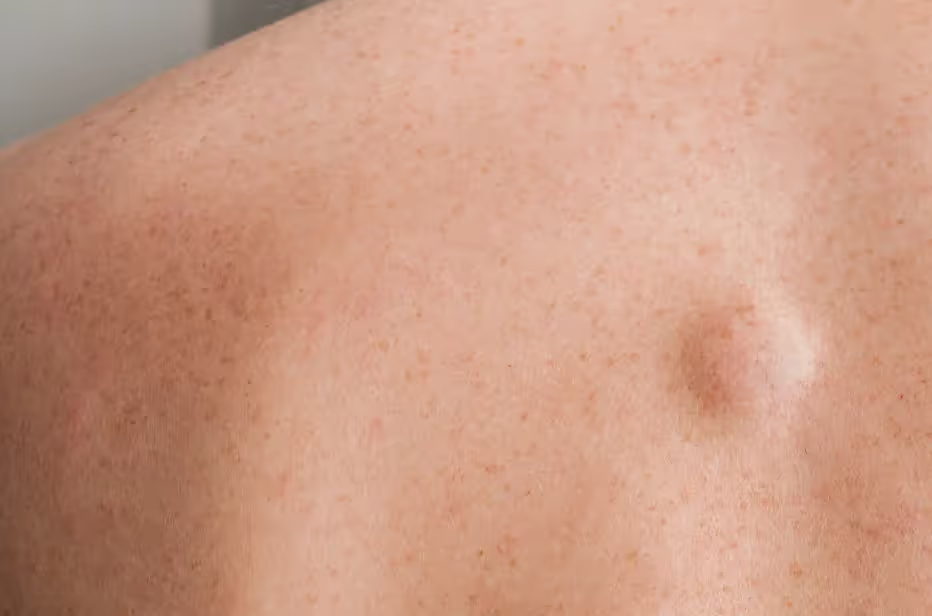
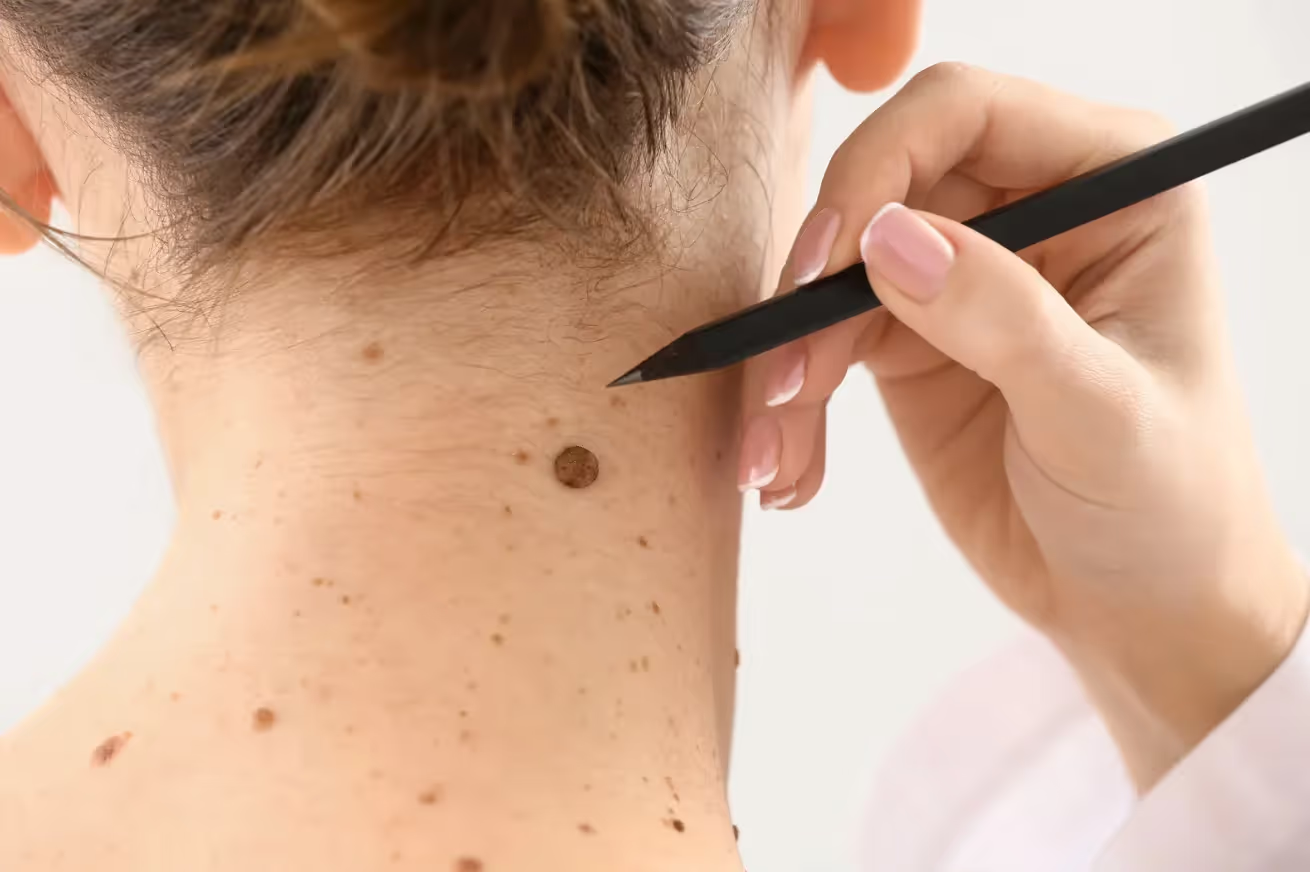
Age spots, also known as solar lentigines or liver spots, are among the most common signs of skin aging that concern patients. These flat, brown or black spots typically appear on sun-exposed areas like the face, hands, shoulders, and arms. While they're called "age spots," these pigmentation changes are actually more accurately described as sun damage spots, since ultraviolet radiation is the primary culprit behind their formation.
The good news is that age spots are largely preventable with the right approach and consistent habits. Understanding how these spots develop is the first step toward effective prevention. When skin is exposed to UV radiation, melanocytes (pigment-producing cells) increase their production of melanin as a protective response. Over time, this melanin can clump together in certain areas, creating the concentrated patches of pigmentation we recognize as age spots.
Prevention is always more effective and less costly than treatment, which is why dermatologists at Hazany Derm emphasize proactive skincare strategies. By implementing proper sun protection, using appropriate skincare products, and maintaining healthy lifestyle habits, most people can significantly reduce their risk of developing age spots. The key is starting these preventive measures early and maintaining them consistently throughout life.
Understanding the Root Causes of Age Spots
The primary driver behind age spot formation is cumulative sun exposure over many years. UV radiation triggers a cascade of cellular changes in the skin, leading to increased melanin production and eventual pigmentation irregularities. This process doesn't happen overnight but develops gradually as the skin's natural repair mechanisms become less efficient with age. The areas most prone to age spots are those that receive the most sun exposure throughout a person's lifetime.
Genetics also play a significant role in age spot susceptibility. Some individuals have a genetic predisposition to developing hyperpigmentation, while others may have naturally more resilient skin. Fair-skinned individuals are particularly vulnerable because they have less natural melanin protection against UV damage. However, people of all skin types can develop age spots, though they may be less visible on darker skin tones.
Hormonal changes can accelerate the development of age spots, particularly in women during pregnancy or menopause. Estrogen fluctuations can make the skin more sensitive to UV radiation and more prone to developing pigmentation irregularities. Environmental factors such as pollution and certain medications can also increase photosensitivity, making the skin more susceptible to UV damage. Dr. Salar Hazany often explains to patients how these various factors interact to influence individual risk levels.
Key risk factors for age spot development include:
- Prolonged sun exposure: Years of unprotected time in the sun, especially during peak UV hours
- Fair skin complexion: Less natural melanin protection makes lighter skin more vulnerable to UV damage
- Genetic predisposition: Family history of hyperpigmentation or sun damage increases individual risk
- Hormonal changes: Pregnancy, menopause, or hormone therapy can increase skin sensitivity to UV radiation
Age is another important factor, not because aging itself causes spots, but because it represents accumulated sun damage over time. The skin's natural ability to repair DNA damage decreases with age, making older individuals more susceptible to developing visible signs of past UV exposure. Additionally, the skin's cell turnover rate slows down with age, meaning damaged cells remain on the surface longer and pigmentation irregularities become more apparent.
Understanding these underlying causes helps explain why prevention strategies focus heavily on sun protection and supporting the skin's natural defense and repair mechanisms. By addressing the root causes rather than just treating symptoms, patients can achieve better long-term results and maintain healthier skin throughout their lives.
Effective Prevention Strategies
The cornerstone of age spot prevention is comprehensive sun protection that goes beyond simply applying sunscreen. Daily use of broad-spectrum sunscreen with at least SPF 30 is essential, but it must be applied correctly and reapplied throughout the day to maintain effectiveness. Many people underestimate how much sunscreen they need to use or forget to reapply after swimming, sweating, or simply after a few hours of wear. Proper application requires about one ounce of sunscreen for the entire body and a nickel-sized amount for the face alone.
Physical barriers provide additional protection that complements sunscreen use. Wide-brimmed hats, long-sleeved clothing, and UV-protective sunglasses create a shield against harmful radiation. Seeking shade during peak UV hours (typically 10 AM to 4 PM) significantly reduces exposure risk. Modern clothing with built-in UV protection offers an excellent option for outdoor activities, providing consistent coverage that doesn't need to be reapplied like sunscreen.
Antioxidants play a crucial role in preventing age spots by neutralizing free radicals generated by UV exposure. Topical antioxidants like vitamin C, vitamin E, and niacinamide can be incorporated into daily skincare routines to provide additional protection against oxidative stress. These ingredients work synergistically with sunscreen to enhance the skin's natural defense mechanisms. Hazany Derm professionals often recommend specific antioxidant combinations based on individual skin types and needs.
Essential prevention strategies include:
- Daily broad-spectrum sunscreen: SPF 30 or higher, applied generously and reapplied every two hours
- Protective clothing and accessories: Wide-brimmed hats, long sleeves, and UV-blocking sunglasses
- Antioxidant-rich skincare: Vitamin C serums, niacinamide, and other protective ingredients
- Lifestyle modifications: Seeking shade, timing outdoor activities, and maintaining hydration
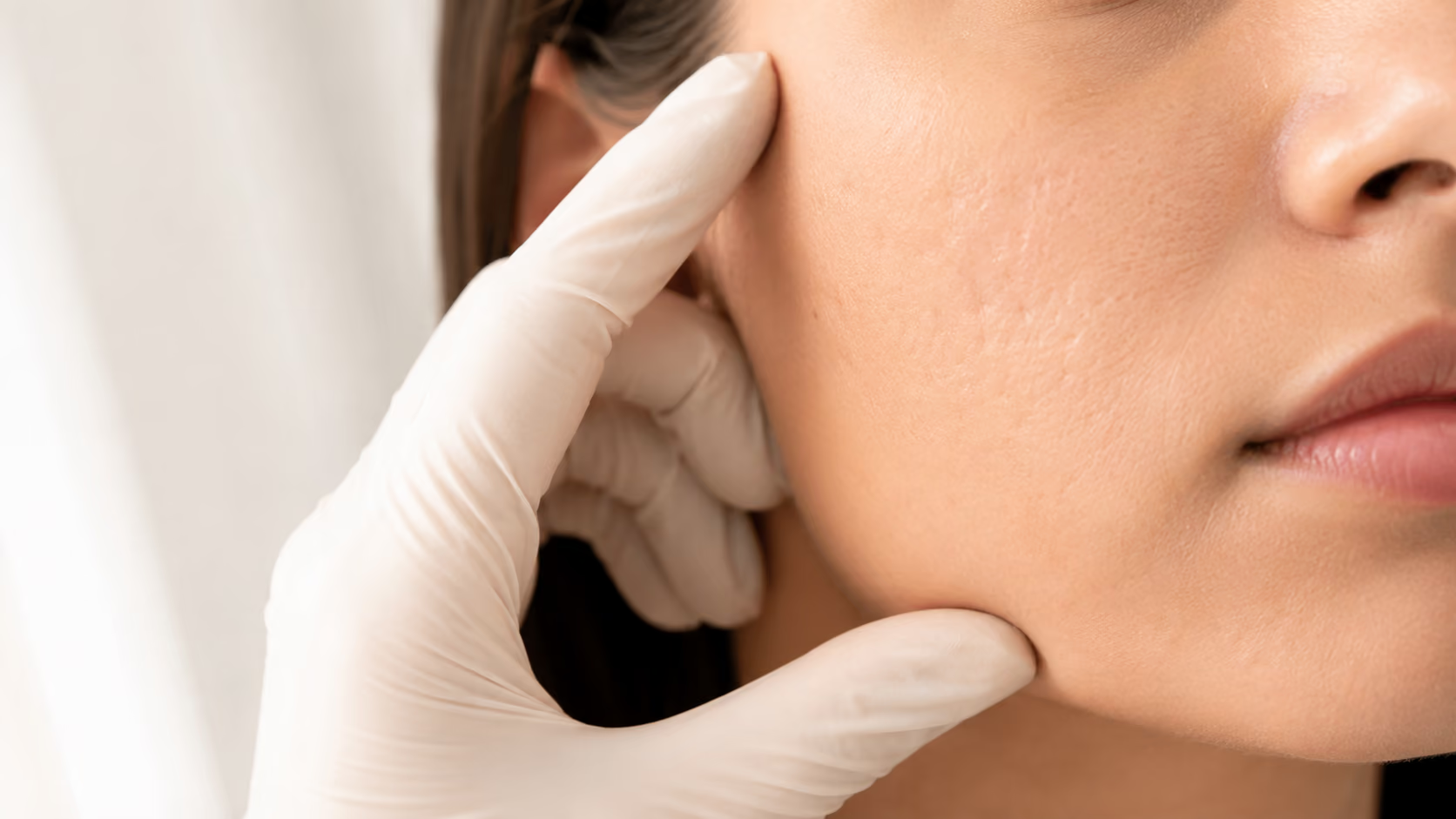
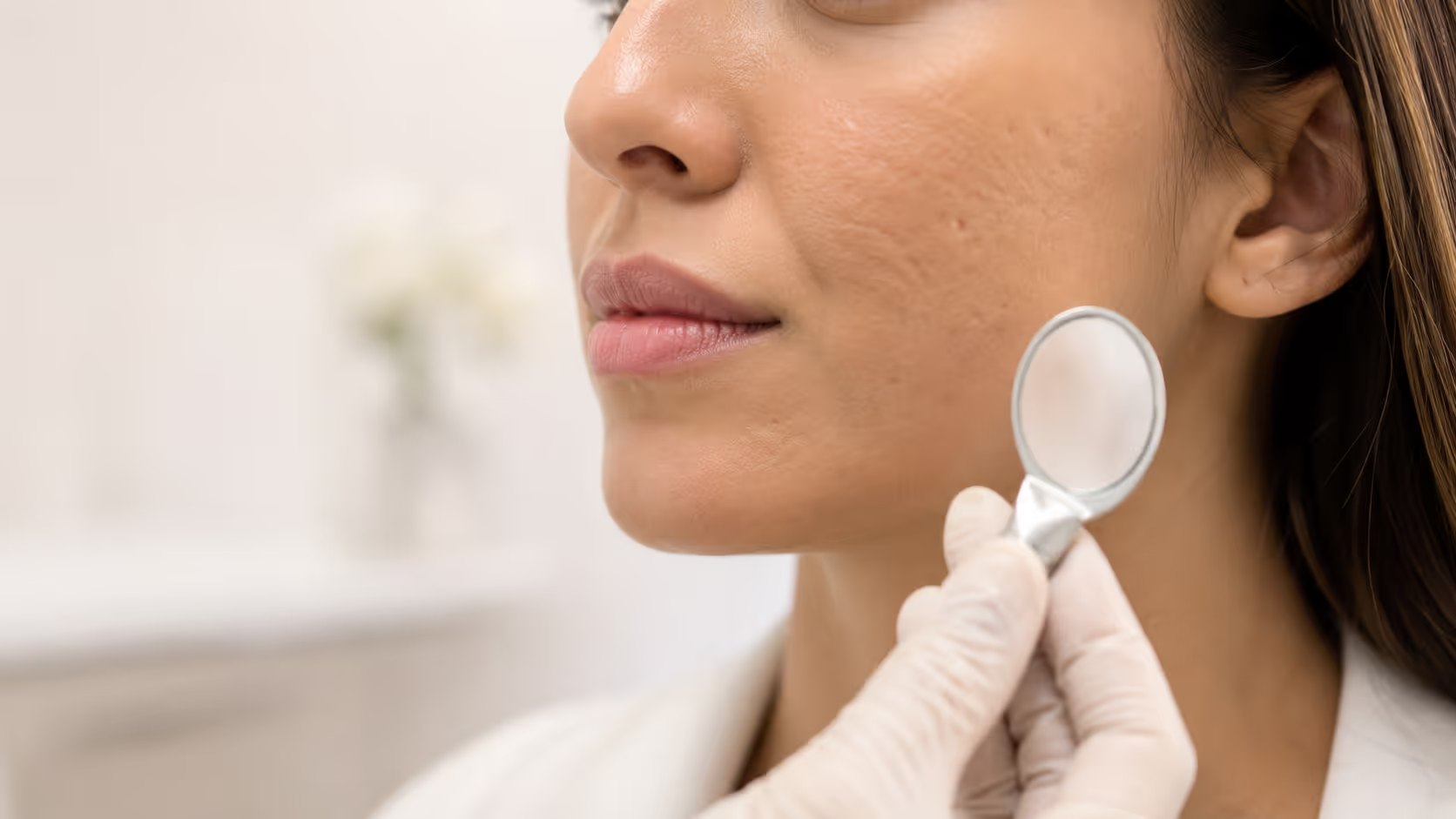
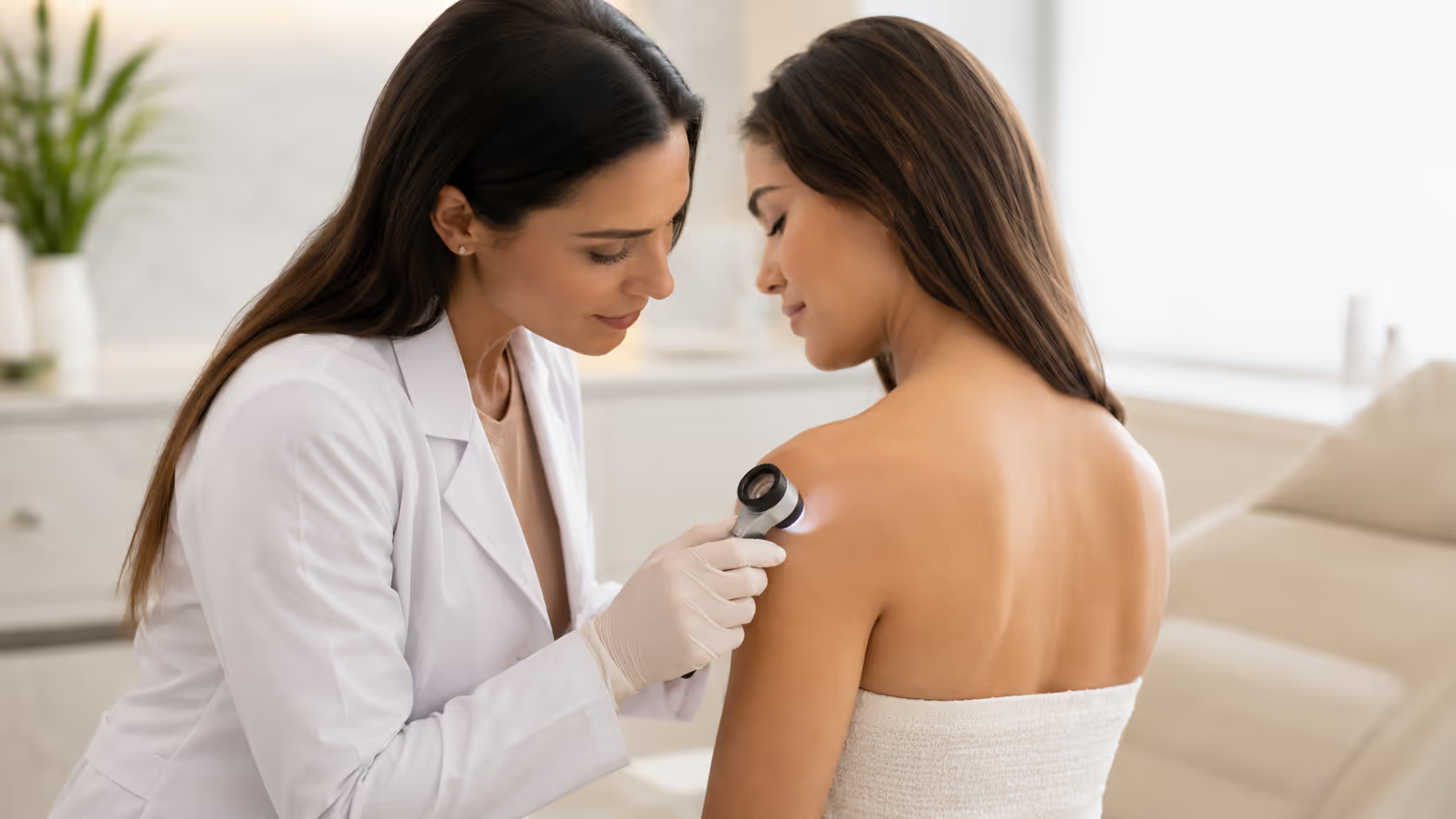
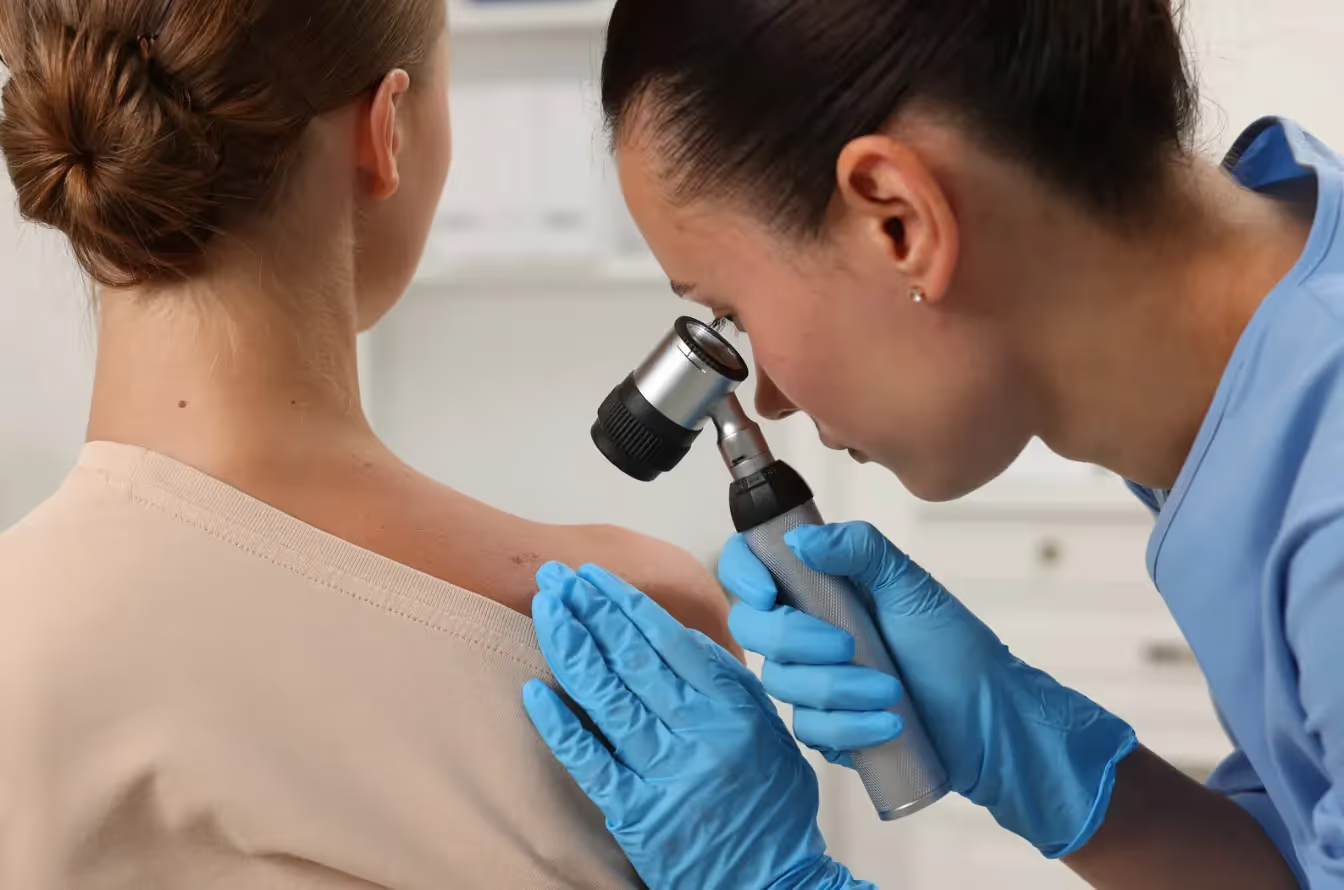
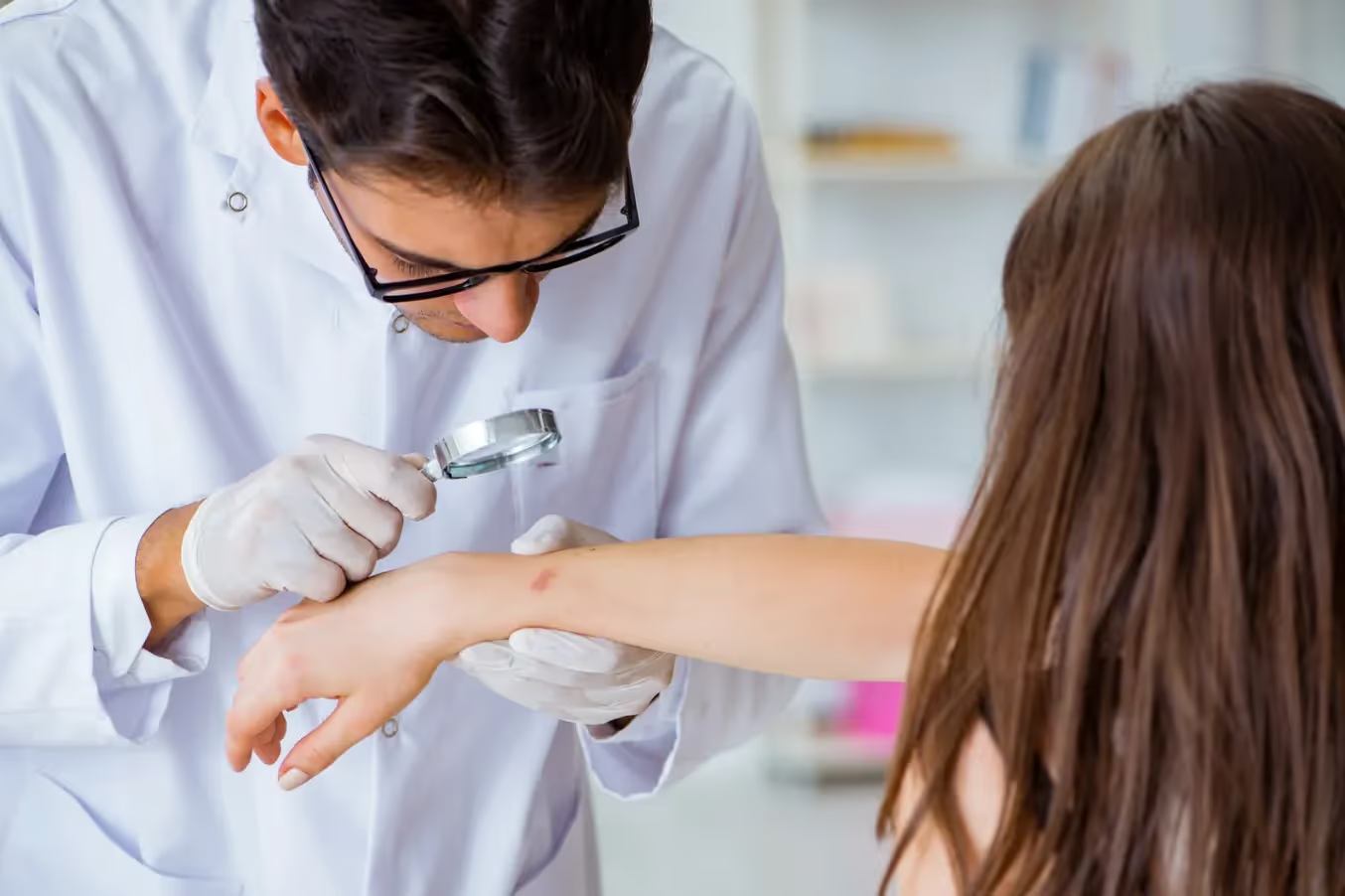
Regular professional skin assessments are an often-overlooked component of prevention. Dermatologists can identify early signs of sun damage before they become visible age spots, allowing for proactive intervention. Professional treatments like chemical peels or laser therapy can address early pigmentation changes and prevent them from progressing to more noticeable spots. These preventive treatments are typically less intensive and more affordable than treatments for established age spots.
Consistency is perhaps the most critical factor in successful prevention. Sporadic sun protection or inconsistent skincare routines provide limited benefits compared to daily, long-term commitment to protective habits. Many patients underestimate how long it takes for sun damage to become visible, often dismissing the importance of prevention until spots have already appeared. By then, the focus shifts from prevention to treatment, which is typically more complex and expensive than preventive measures.
Advanced Prevention Techniques
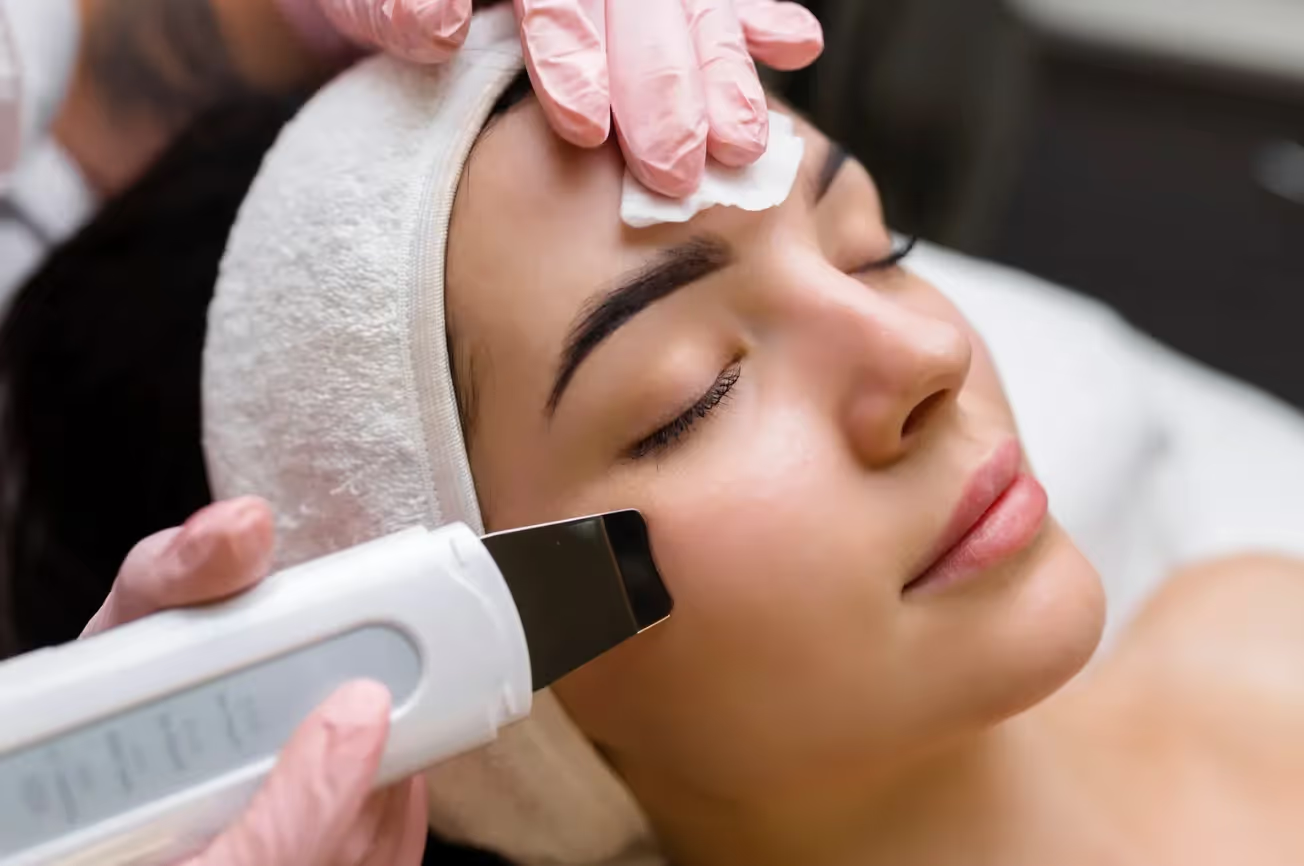
Professional skincare treatments can significantly enhance at-home prevention efforts by addressing early signs of damage and optimizing skin health. Regular chemical peels help accelerate cell turnover, removing damaged surface cells before pigmentation irregularities become permanent. Light peels can be performed monthly or quarterly as part of a preventive routine, while deeper peels may be recommended annually for more comprehensive prevention. These treatments also improve the skin's texture and overall appearance while supporting its natural repair processes.
Prescription-strength topical agents offer more potent prevention benefits than over-the-counter products. Tretinoin and other retinoids accelerate cell turnover and improve the skin's ability to repair UV damage. Hydroquinone, kojic acid, and other depigmenting agents can prevent existing minor discoloration from progressing to more noticeable spots. These medications require professional supervision to ensure safe and effective use, as they can cause irritation or sensitivity if used incorrectly.
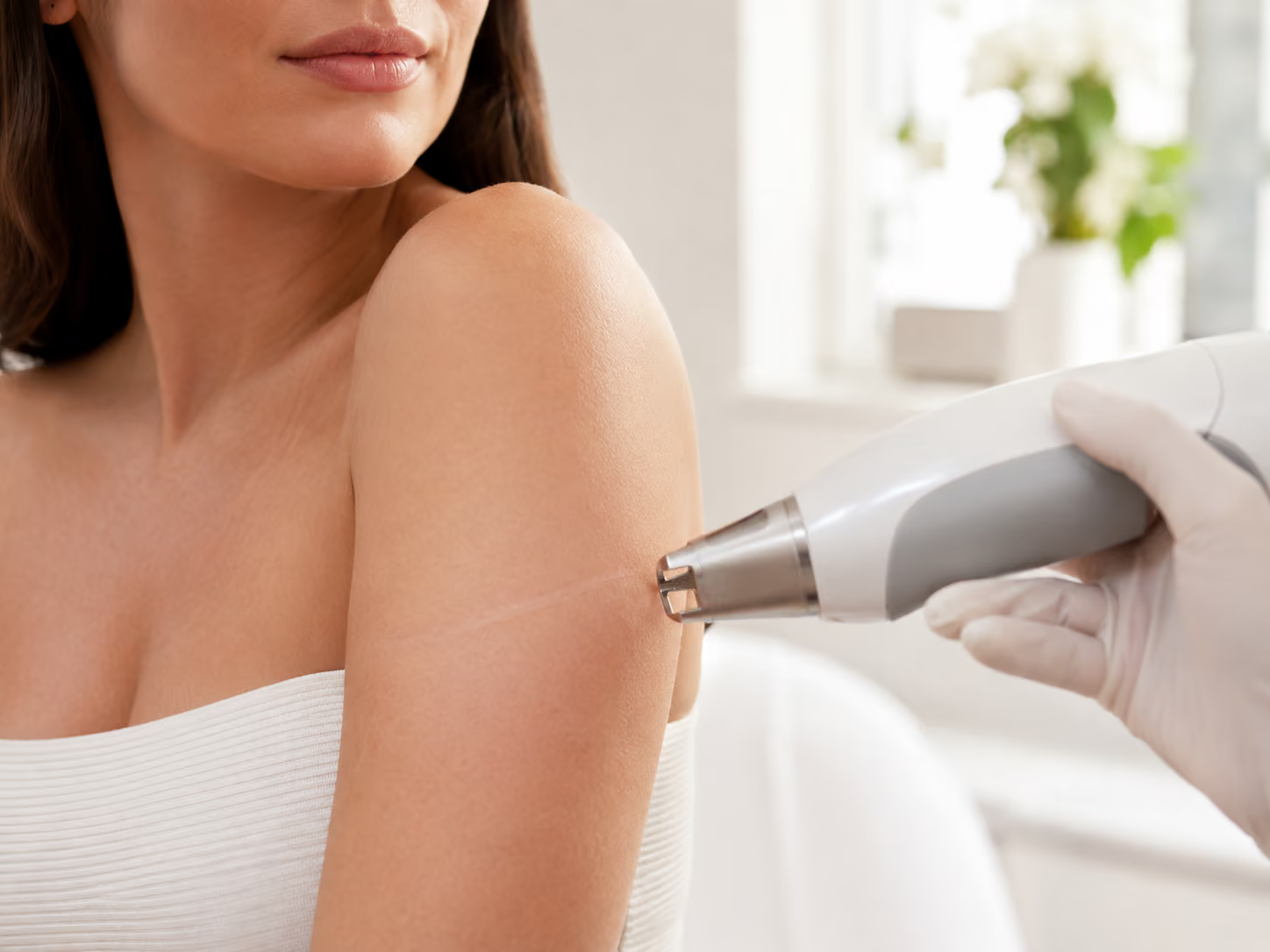
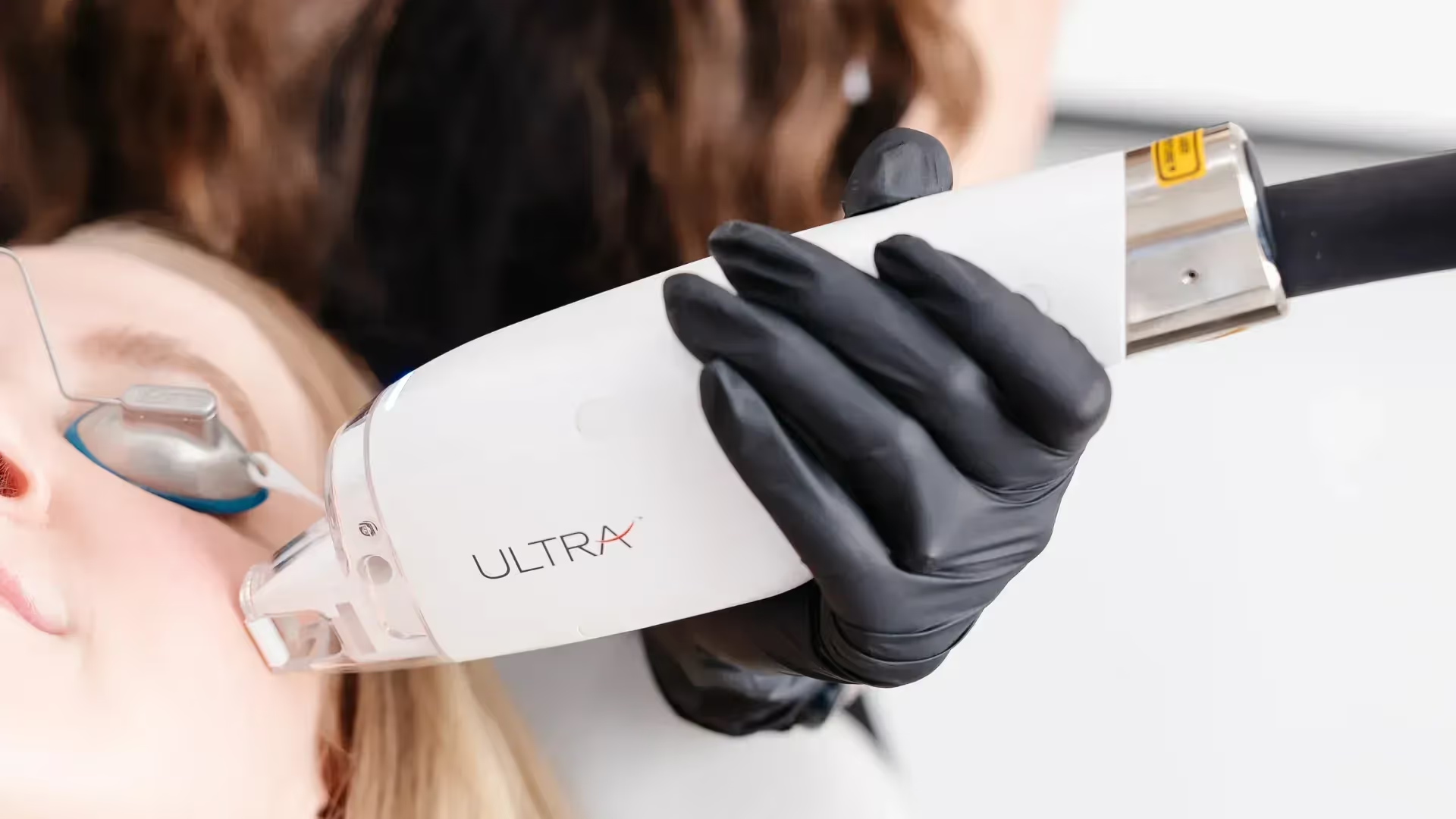
Laser and light-based preventive treatments represent the cutting edge of age spot prevention. Intense pulsed light (IPL) therapy can target early pigmentation changes that aren't yet visible to the naked eye, preventing them from developing into full-fledged age spots. Fractional laser treatments stimulate collagen production and improve the skin's overall resilience against future damage. The team at Hazany Derm utilizes advanced technology to provide personalized prevention protocols based on individual skin analysis and risk factors.
Advanced prevention approaches include:
- Professional chemical peels: Regular light to medium depth peels to maintain optimal cell turnover
- Prescription topical agents: Retinoids, hydroquinone, and other medically supervised treatments
- Laser prevention therapy: IPL and fractional treatments to address subclinical pigmentation
- Customized skincare regimens: Professional-grade products tailored to individual needs and risk factors
Nutritional support plays an increasingly recognized role in skin health and age spot prevention. Oral antioxidants, omega-3 fatty acids, and other supplements can provide systemic protection against oxidative stress. A diet rich in colorful fruits and vegetables provides natural antioxidants that support the skin's defense mechanisms from within. Adequate hydration helps maintain the skin's barrier function and supports its natural repair processes.
Regular monitoring and adjustment of prevention strategies ensure continued effectiveness as skin needs change over time. What works for a 30-year-old may need modification by age 50 as hormonal changes and accumulated sun exposure alter the skin's characteristics. Professional dermatologists can track changes in skin pigmentation using advanced imaging technology, allowing for early intervention and strategy modification. This personalized approach to prevention yields the best long-term results and helps patients maintain healthy, even-toned skin throughout their lives.
Frequently Asked Questions
What causes age spots to form in the first place?
Age spots develop primarily due to cumulative UV radiation exposure over many years, which causes melanocytes to produce excess melanin that clumps together in patches. Dr. Salar Hazany explains that despite their name, age spots are actually sun damage spots, as the aging process itself doesn't directly cause them. Other contributing factors include genetic predisposition, hormonal changes (particularly in women during pregnancy or menopause), certain medications that increase photosensitivity, and environmental pollutants. Fair-skinned individuals face higher risk due to lower natural melanin protection, though people of all skin types can develop these pigmentation changes. The process occurs gradually as the skin's natural repair mechanisms become less efficient over time, making prevention through sun protection absolutely crucial.
How effective is sunscreen in preventing age spots?
Sunscreen is highly effective in preventing age spots when used correctly and consistently as part of a comprehensive sun protection strategy. Hazany Derm emphasizes that broad-spectrum sunscreen with at least SPF 30 should be applied daily, using approximately one ounce for the entire body and reapplying every two hours or after swimming and sweating. However, sunscreen alone isn't sufficient; it works best when combined with protective clothing, wide-brimmed hats, seeking shade during peak UV hours, and using antioxidant skincare products. Many people apply too little sunscreen or forget to reapply, significantly reducing its effectiveness. Studies show that consistent daily sunscreen use can prevent up to 80% of visible signs of photoaging, including age spots, making it one of the most cost-effective prevention strategies available.
At what age should someone start focusing on age spot prevention?
Age spot prevention should ideally begin in childhood and continue throughout life, though it's never too late to start protective measures. The team at Hazany Derm recommends that serious prevention efforts begin in the teenage years when outdoor activities often increase and personal skincare responsibility develops. However, people in their 20s and 30s who start comprehensive prevention routines can still achieve excellent results in preventing future age spots. Even individuals in their 40s, 50s, and beyond benefit significantly from prevention strategies, as they can halt progression of existing early damage and prevent new spots from forming. The key is understanding that sun damage accumulates over time, so starting prevention early provides the greatest benefit. Those with family history of sun damage, fair skin, or high sun exposure should be particularly vigilant about starting prevention measures as early as possible.
Can diet and nutrition help prevent age spots?
Yes, proper nutrition plays a supportive role in age spot prevention by providing antioxidants that help neutralize free radicals caused by UV exposure. Dr. Hazany often discusses how a diet rich in colorful fruits and vegetables supplies natural antioxidants like vitamin C, vitamin E, beta-carotene, and polyphenols that support the skin's defense mechanisms from within. Foods like berries, leafy greens, tomatoes, citrus fruits, and green tea are particularly beneficial. Omega-3 fatty acids found in fish, nuts, and seeds help maintain skin barrier function and reduce inflammation. Adequate hydration is also crucial for maintaining healthy skin function. However, nutrition should complement, not replace, topical sun protection and skincare measures. Oral supplements may provide additional benefits, but they work best as part of a comprehensive prevention strategy that includes proper sun protection and professional skincare guidance.
Are there any professional treatments that can help with prevention?
Professional preventive treatments can significantly enhance at-home prevention efforts and address early signs of sun damage before they become visible age spots. Hazany Derm specialists offer various options including regular light chemical peels that accelerate cell turnover and remove damaged surface cells, preventing pigmentation irregularities from becoming permanent. Prescription-strength topical agents like tretinoin, hydroquinone, and kojic acid provide more potent prevention benefits than over-the-counter products. Advanced treatments like IPL (intense pulsed light) therapy can target subclinical pigmentation changes not yet visible to the naked eye. Fractional laser treatments stimulate collagen production and improve skin resilience against future damage. These treatments are typically less intensive and more affordable when used preventively rather than as corrective measures. Regular professional skin assessments also allow for early detection and intervention, customizing prevention strategies based on individual skin analysis and risk factors.
What role do genetics play in age spot development and prevention?
Genetics significantly influence both susceptibility to age spots and the effectiveness of prevention strategies, though sun protection remains crucial regardless of genetic predisposition. Dr. Salar Hazany explains that some individuals inherit genes that make them more prone to hyperpigmentation, while others have naturally more resilient skin that resists UV damage. Fair-skinned individuals with Northern European ancestry typically have higher risk due to lower melanin production, while those with darker skin tones have more natural protection but can still develop age spots. Family history of sun damage, freckling, or skin cancer indicates increased risk and the need for more aggressive prevention measures. However, even those with genetic predisposition can significantly reduce their risk through consistent sun protection, appropriate skincare, and professional preventive treatments. Conversely, individuals with protective genetics shouldn't become complacent, as sufficient UV exposure can overcome even naturally resilient skin over time.
How long does it take to see results from prevention efforts?
Prevention results vary significantly depending on age, existing sun damage, and consistency of protective measures, but patients typically begin seeing benefits within 3-6 months of starting a comprehensive prevention routine. The Hazany Derm clinic explains that preventing new age spots is an ongoing process rather than achieving a specific endpoint, as the goal is maintaining current skin condition and preventing future damage. Younger patients with minimal existing damage may notice improved skin texture and clarity relatively quickly, while those with more sun damage may take longer to see visible improvements. Importantly, the absence of new age spots is itself a successful prevention outcome, even if existing spots don't fade. Professional treatments like chemical peels may show faster results in improving skin appearance, but their primary value lies in long-term prevention. Consistency is crucial, as sporadic prevention efforts provide limited benefits compared to daily, long-term commitment to protective habits throughout life.
What's the difference between preventing age spots and treating existing ones?
Prevention focuses on protecting healthy skin and stopping damage before it becomes visible, while treatment addresses existing pigmentation through more intensive interventions. The experts at Hazany Derm emphasize that prevention is generally more cost-effective, less time-consuming, and involves gentler approaches like daily sunscreen use, antioxidant skincare, and lifestyle modifications. Preventive treatments like light chemical peels or low-level laser therapy maintain skin health with minimal downtime. In contrast, treating established age spots often requires stronger interventions such as intense laser therapy, deeper chemical peels, or higher concentrations of depigmenting agents, which may involve more discomfort, downtime, and expense. Treatment typically takes longer to achieve desired results and may require multiple sessions. However, many patients benefit from combination approaches that treat existing spots while preventing new ones from forming. The key is that prevention can begin at any age and provides immediate protective benefits, while treatment outcomes depend on the severity and depth of existing pigmentation.